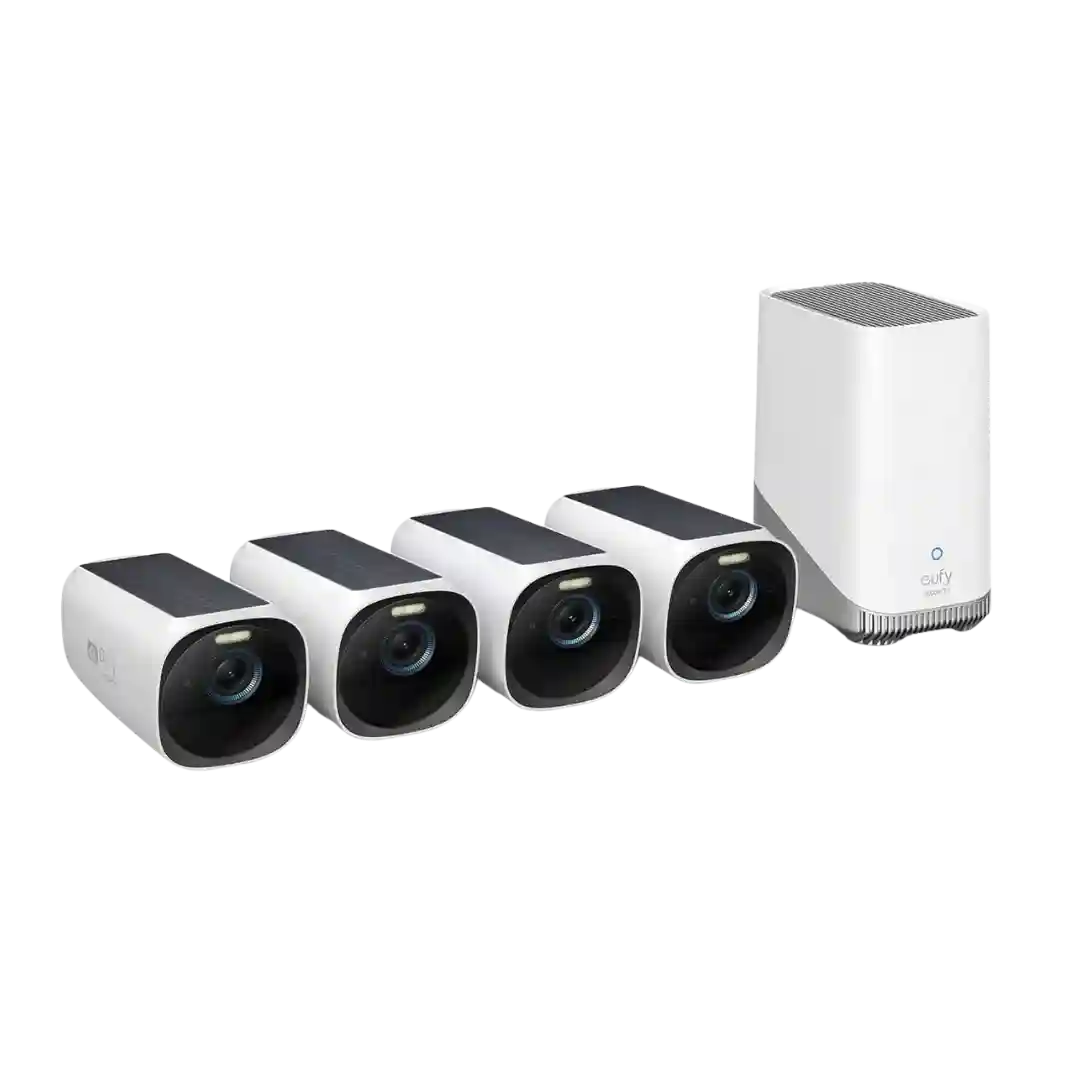
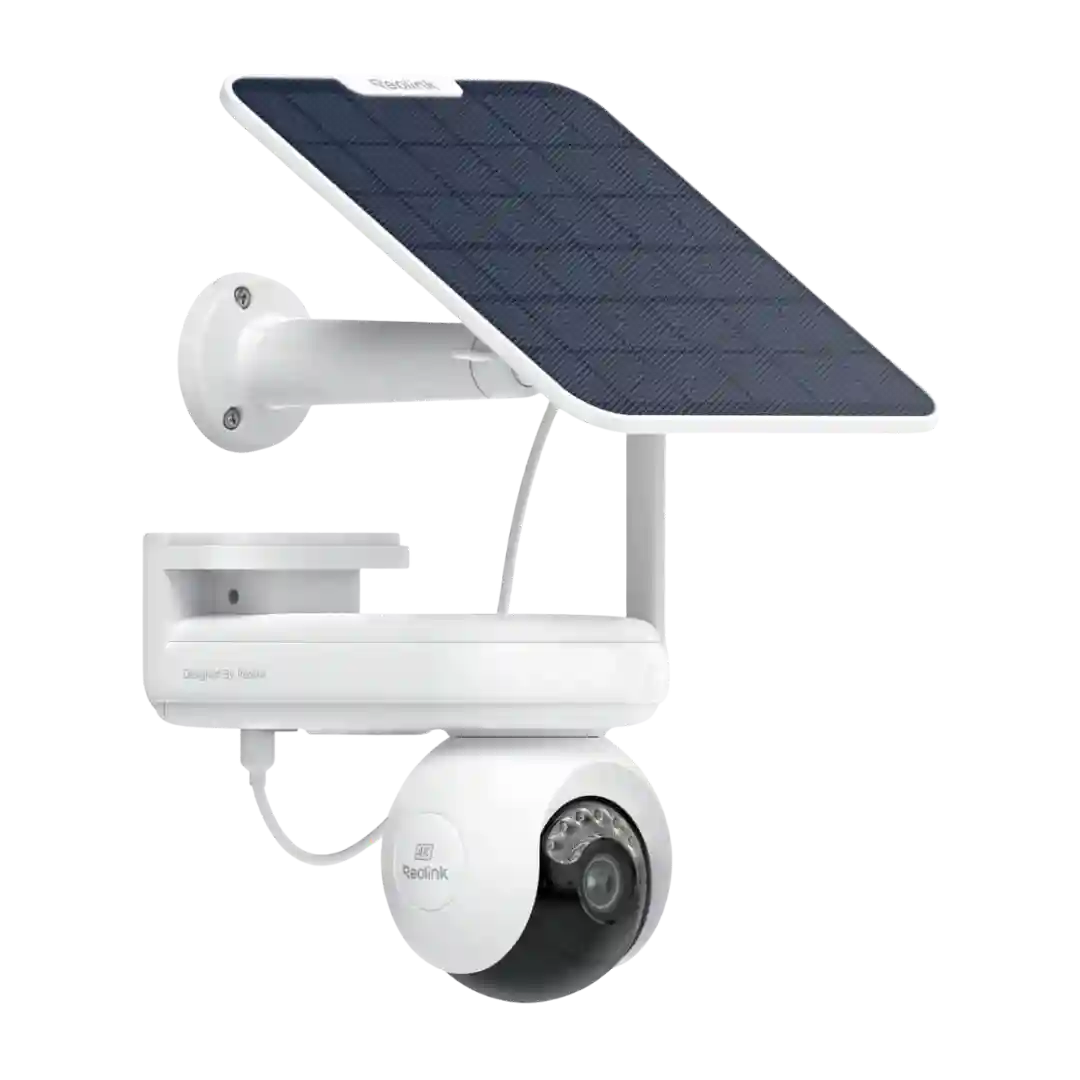
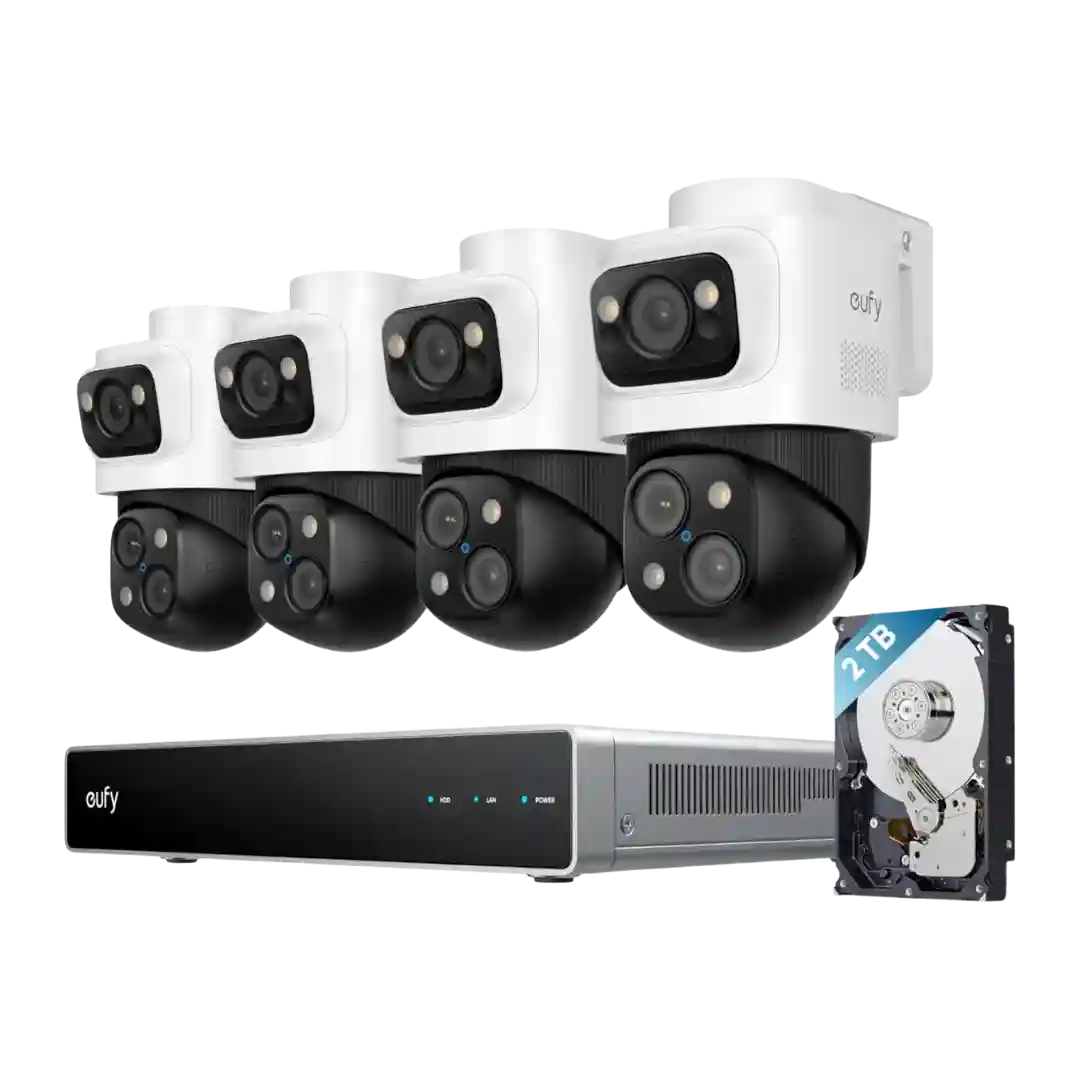
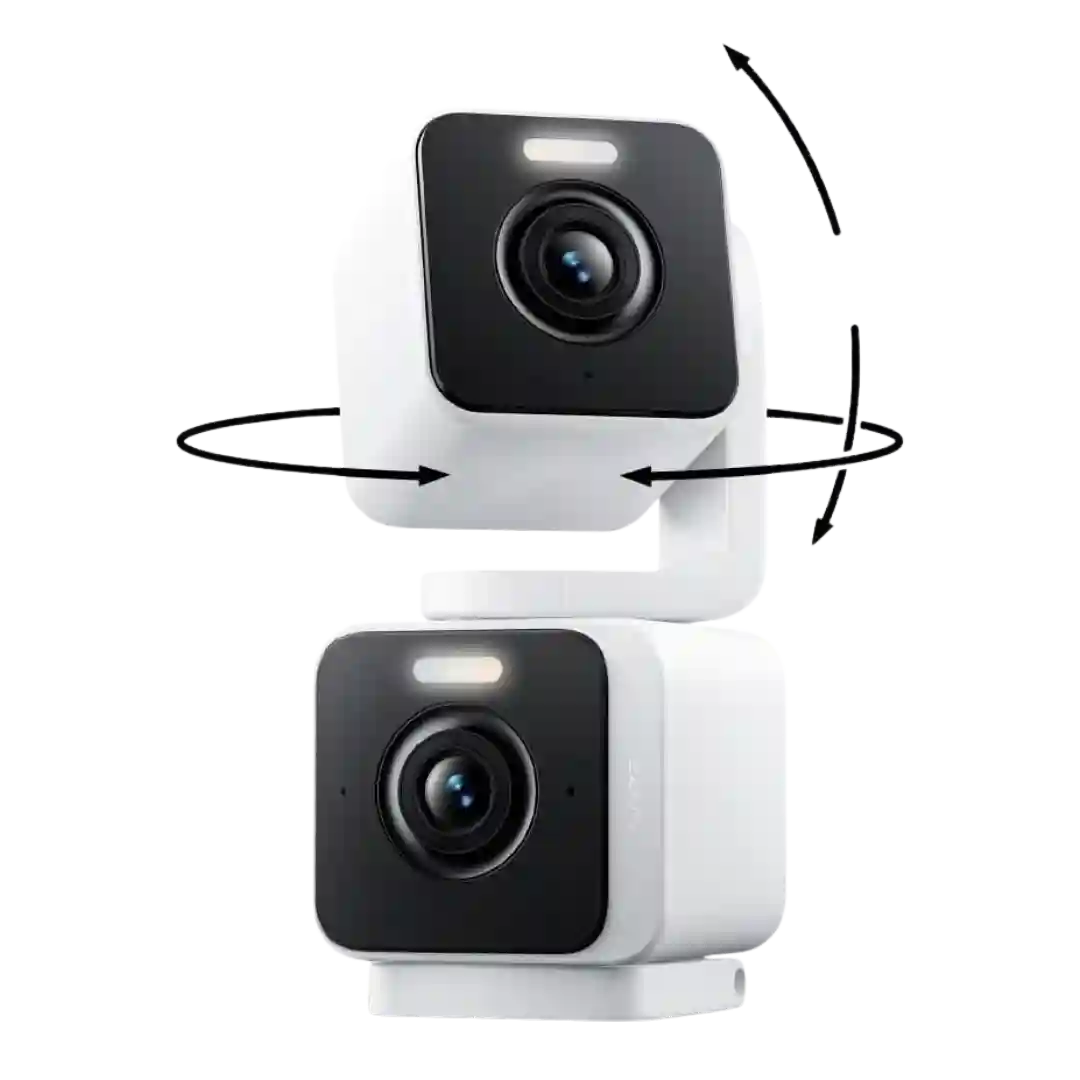
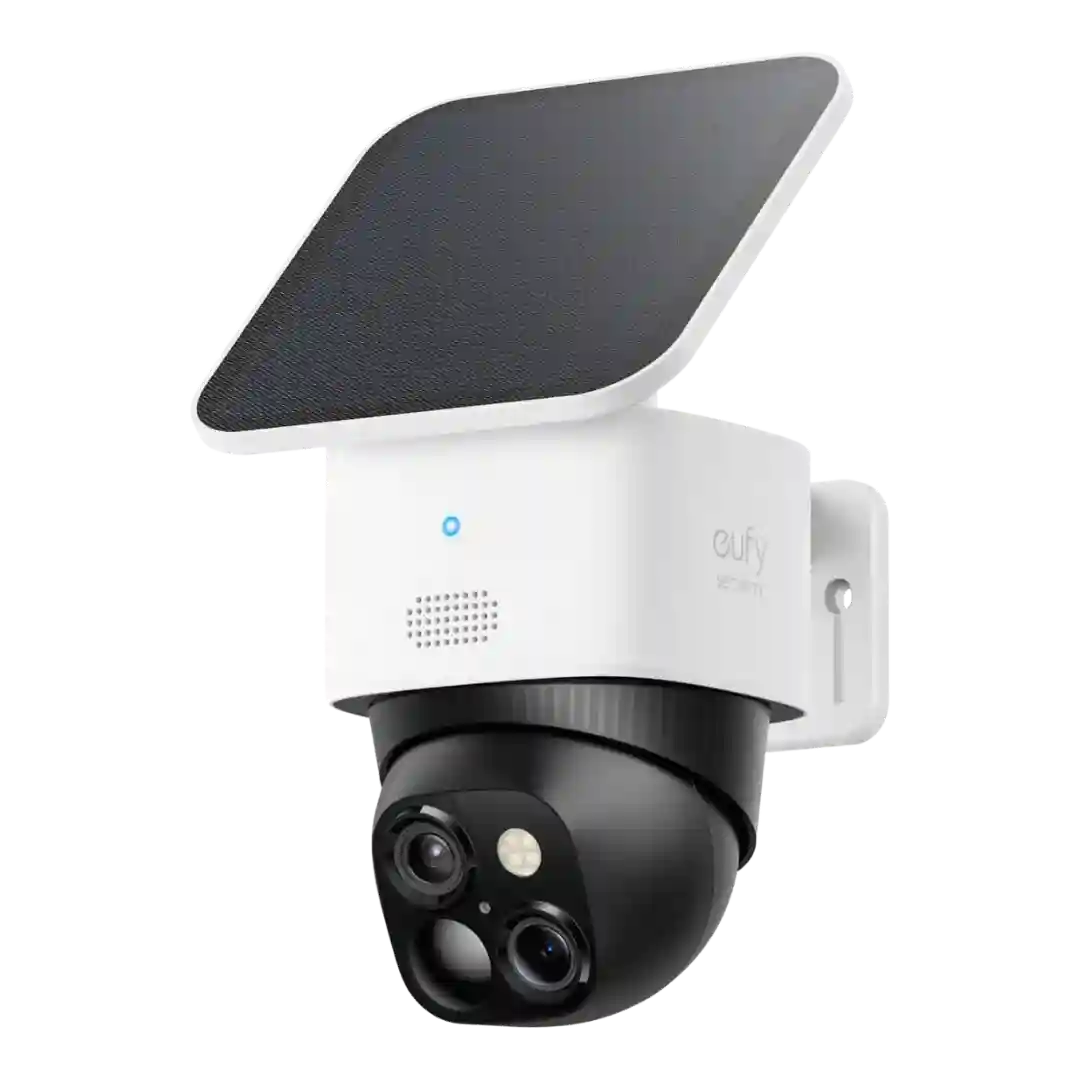
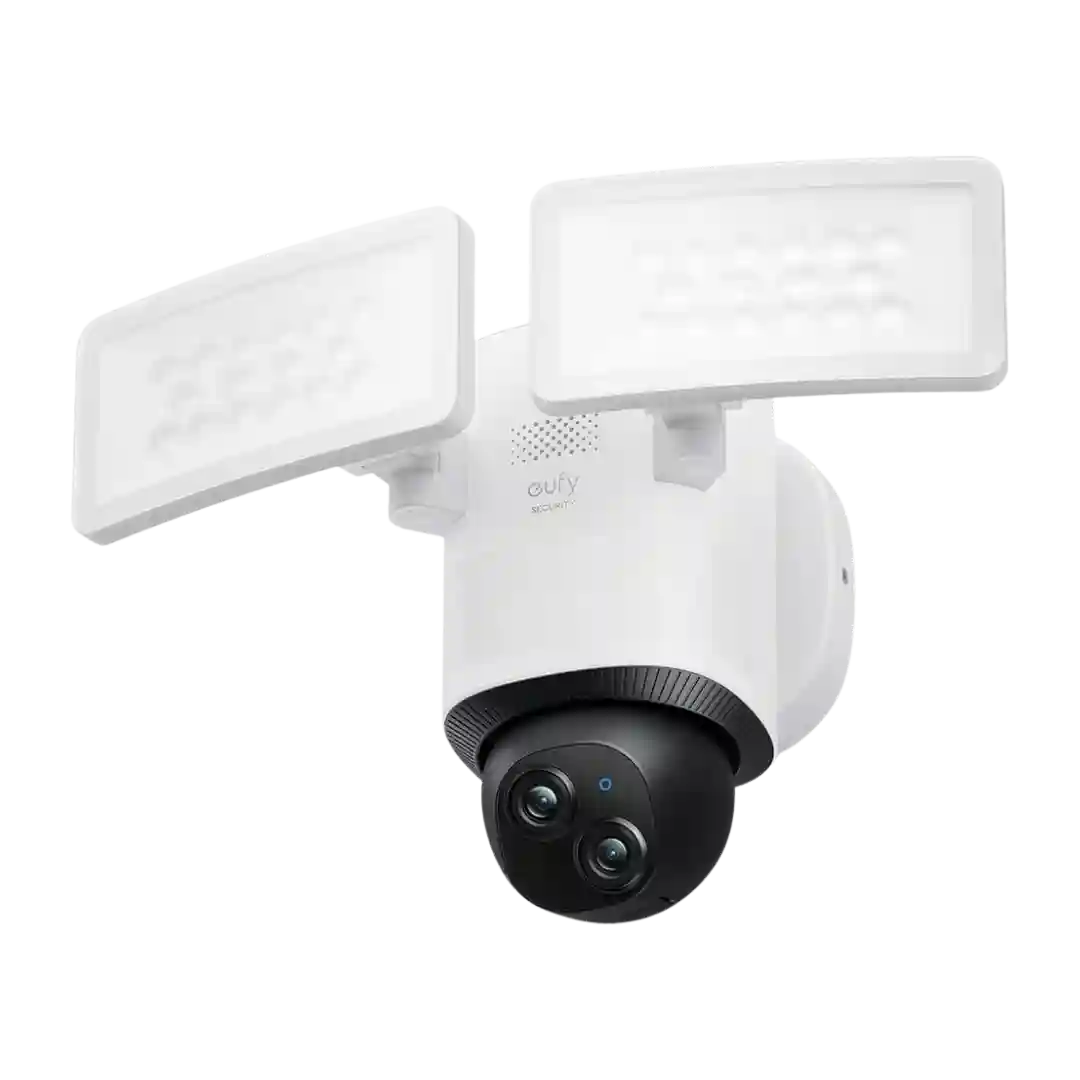
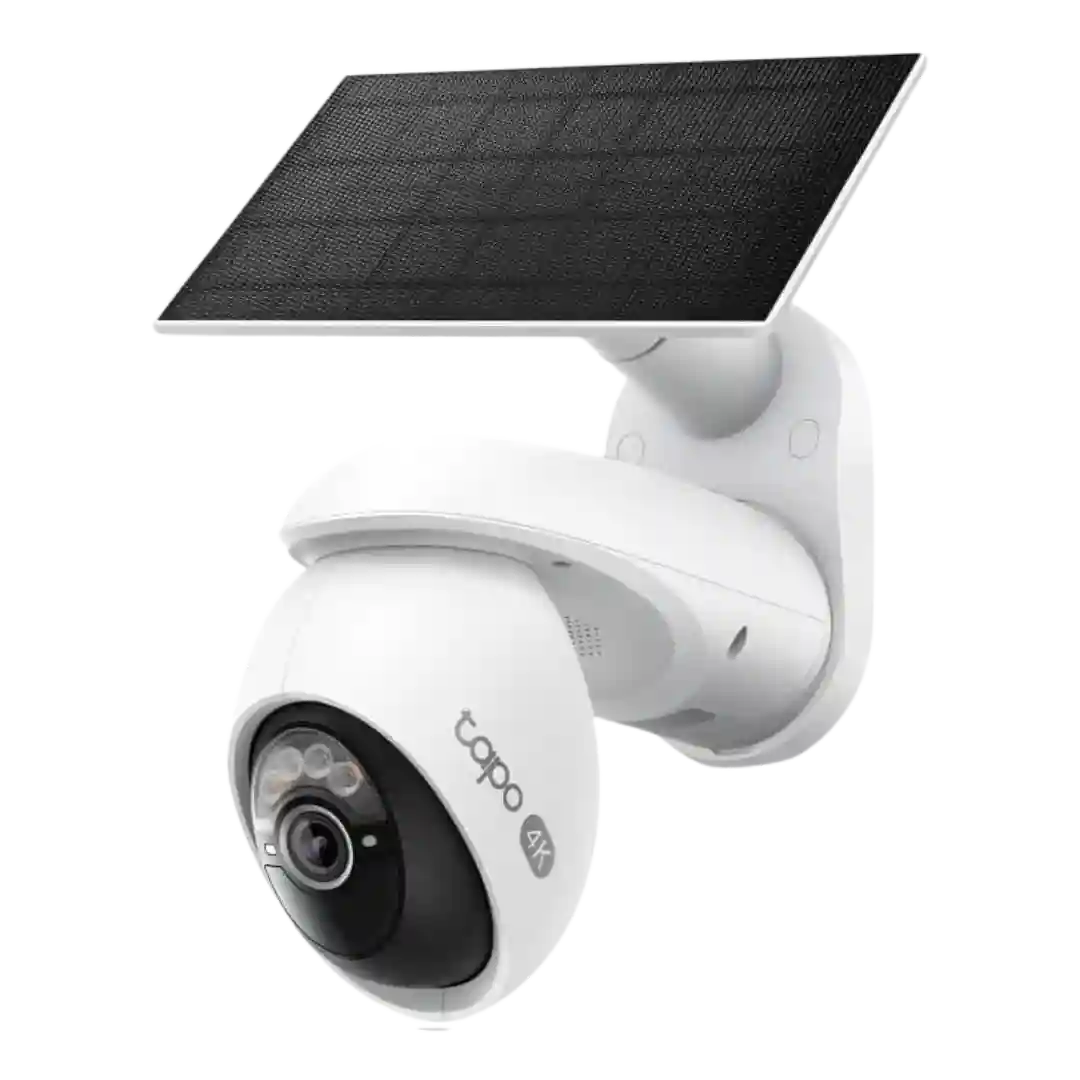
One review of the pan/tilt LTE variant highlights very wide coverage (hundreds of degrees of pan plus substantial tilt), enabling broad-area monitoring without multiple fixed cameras.
Pan/tilt coverage is repeatedly praised, typically cited as about 355 degrees of pan and 90 degrees of tilt, with presets and a monitor point that helps it return to a preferred view. This wide articulation reduces blind spots for single-camera coverage.
The cameras provide wide articulation, with multiple reviews citing full 360-degree pan and roughly 70-degree tilt. Combined with the fixed wide view, the range helps reduce blind spots in real placements.
The pan/tilt module is described as offering an extremely wide motion envelope (commonly cited as 360 degrees pan and 180 degrees tilt), enabling near wraparound coverage when mounted well.
The camera offers broad mechanical coverage (advertised 360-degree pan and 70-degree tilt), but effective coverage still depends on where it is pointed at any moment.
Articulation is widely cited as 360 degree horizontal pan with about 120 degree tilt, enabling broad coverage and tracking. Real-world range can be limited by how and where the camera is mounted.
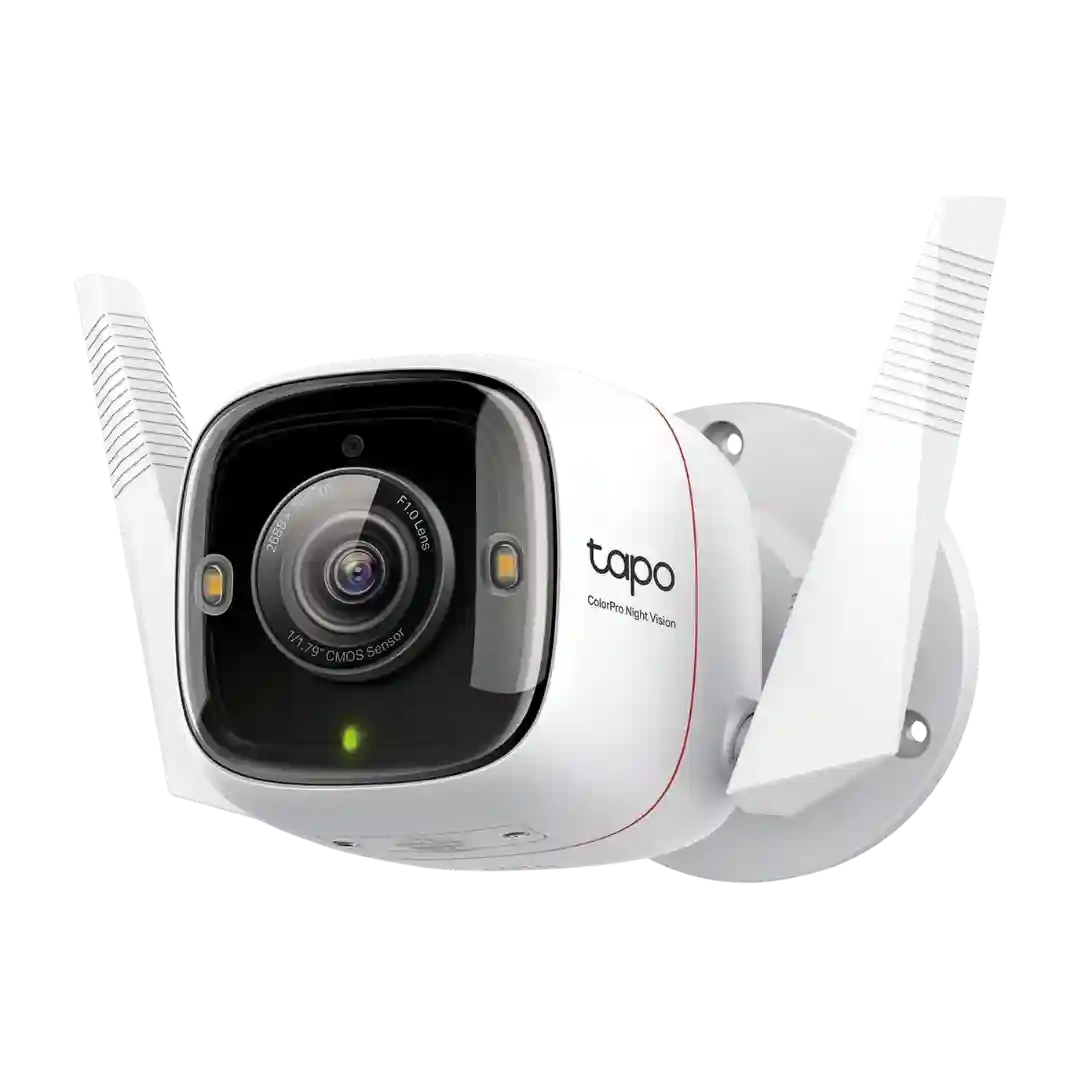
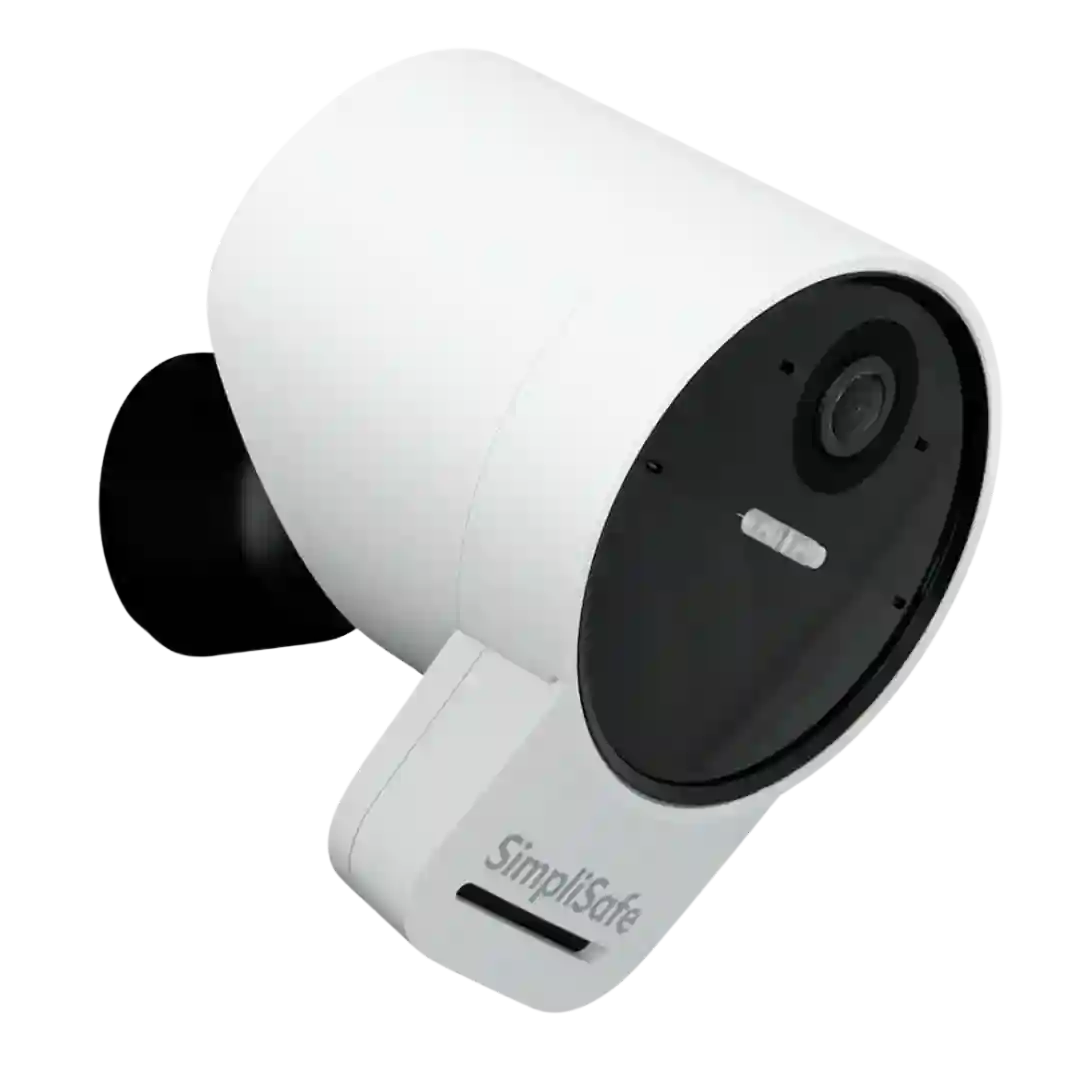
The mount allows practical aiming and fine-tuning, and the magnetic design makes adjustments fast. This helps dial in coverage for doors, driveways, and walkway angles.
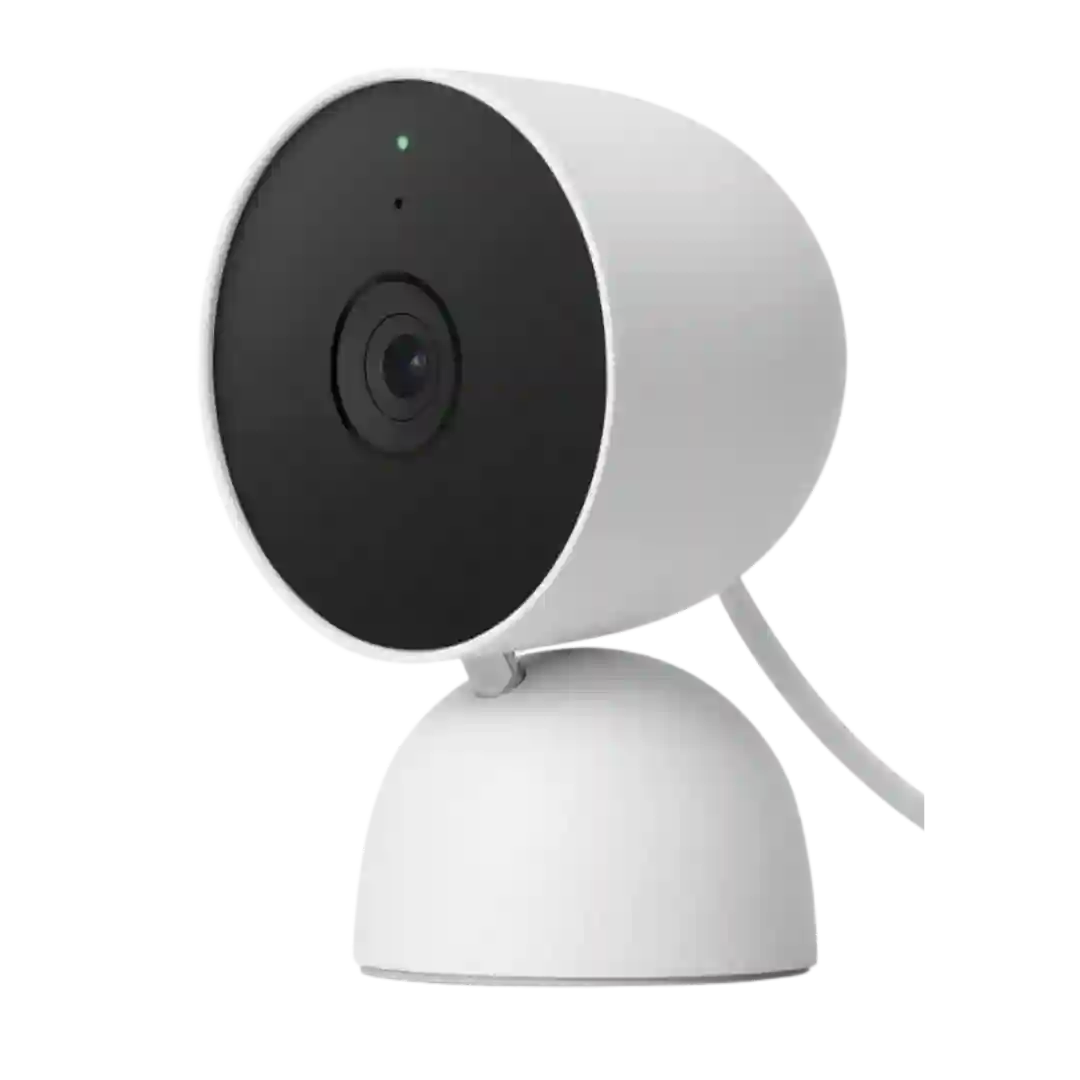
Physical articulation (tilt/swivel via stand/ball joint) is helpful for aiming, but range can feel limited in some wall-mount scenarios and there’s no motorized movement.
Pan coverage is broad, but tilt range is limited upward, so the camera works best when mounted higher and angled down; several users report difficulty capturing faces when mounted lower.