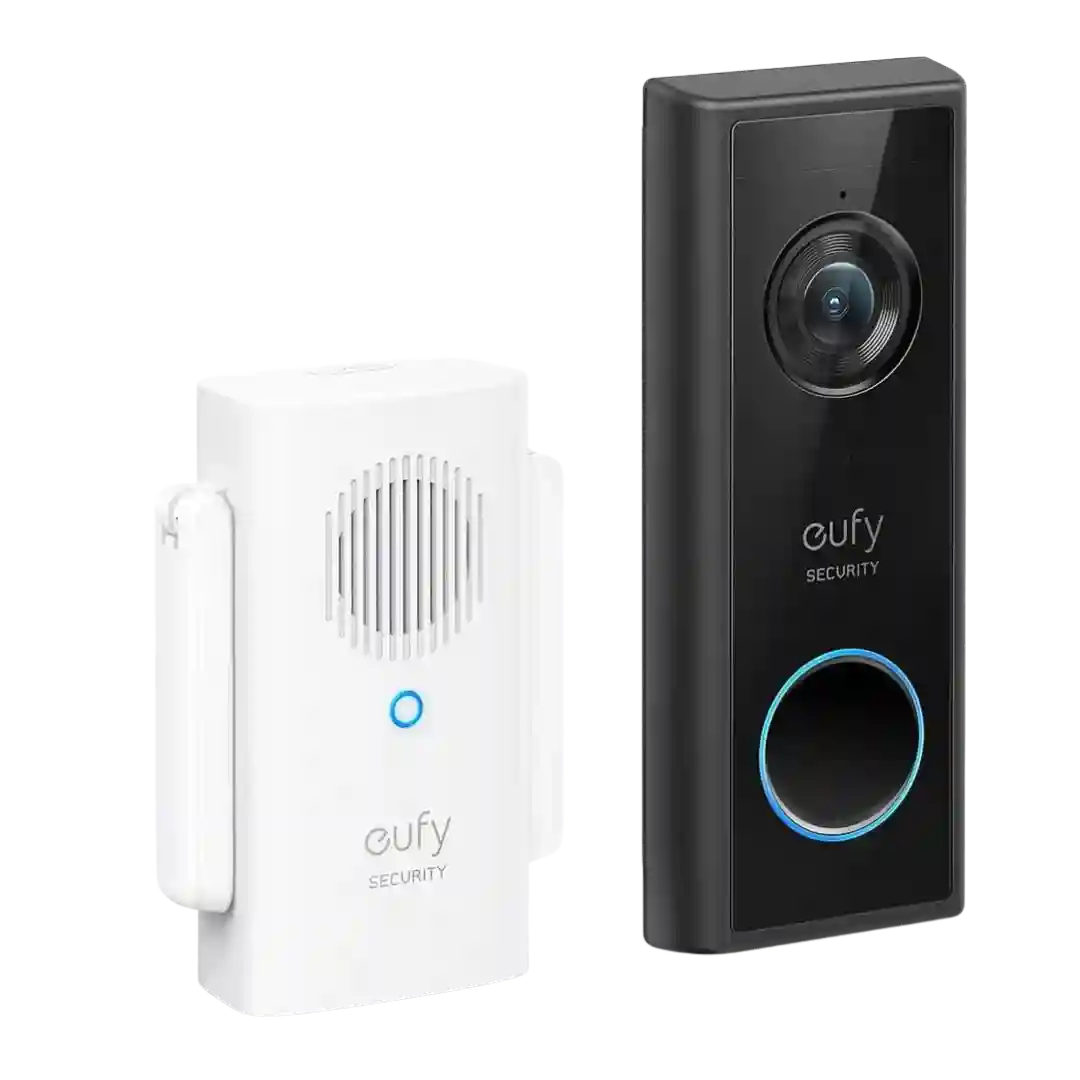
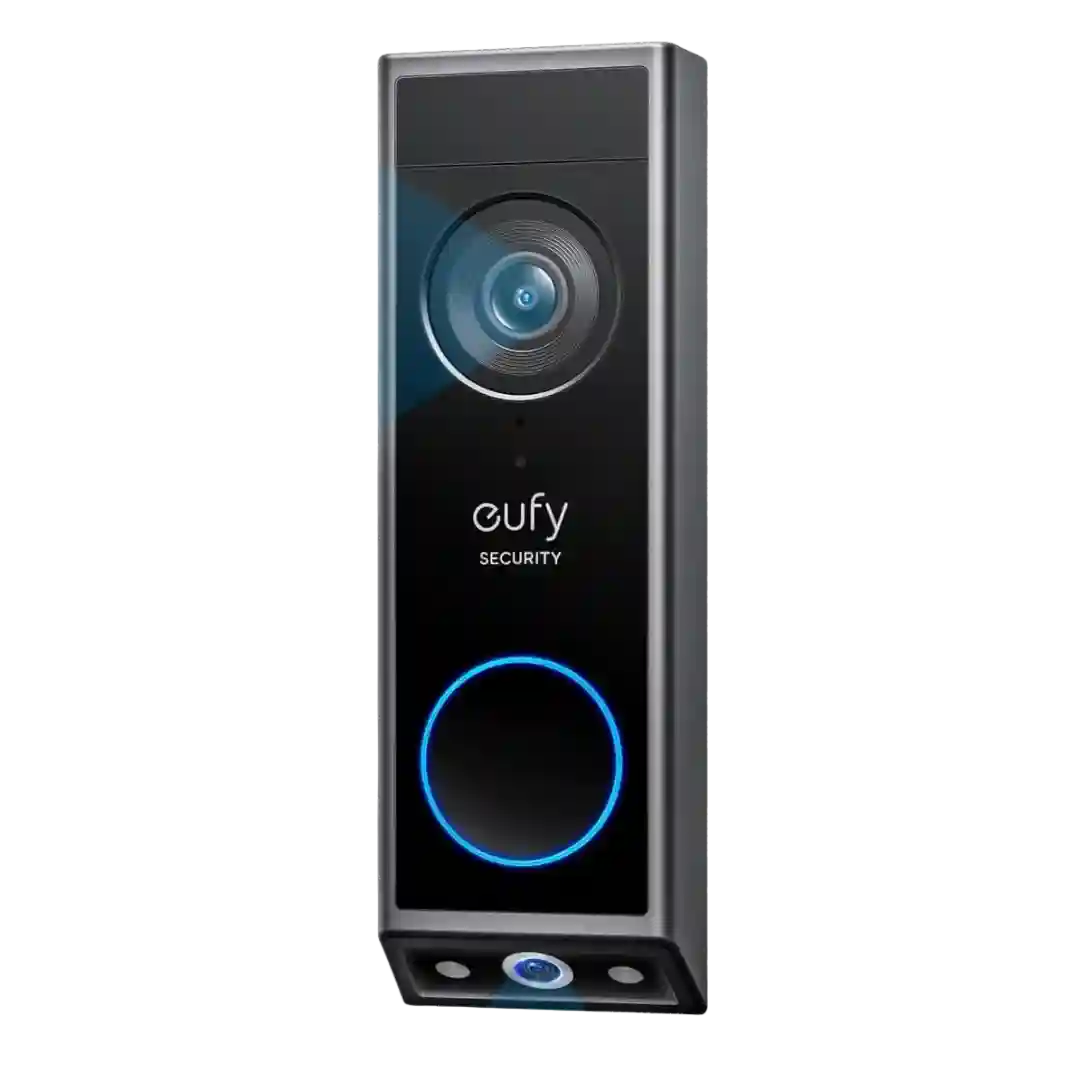
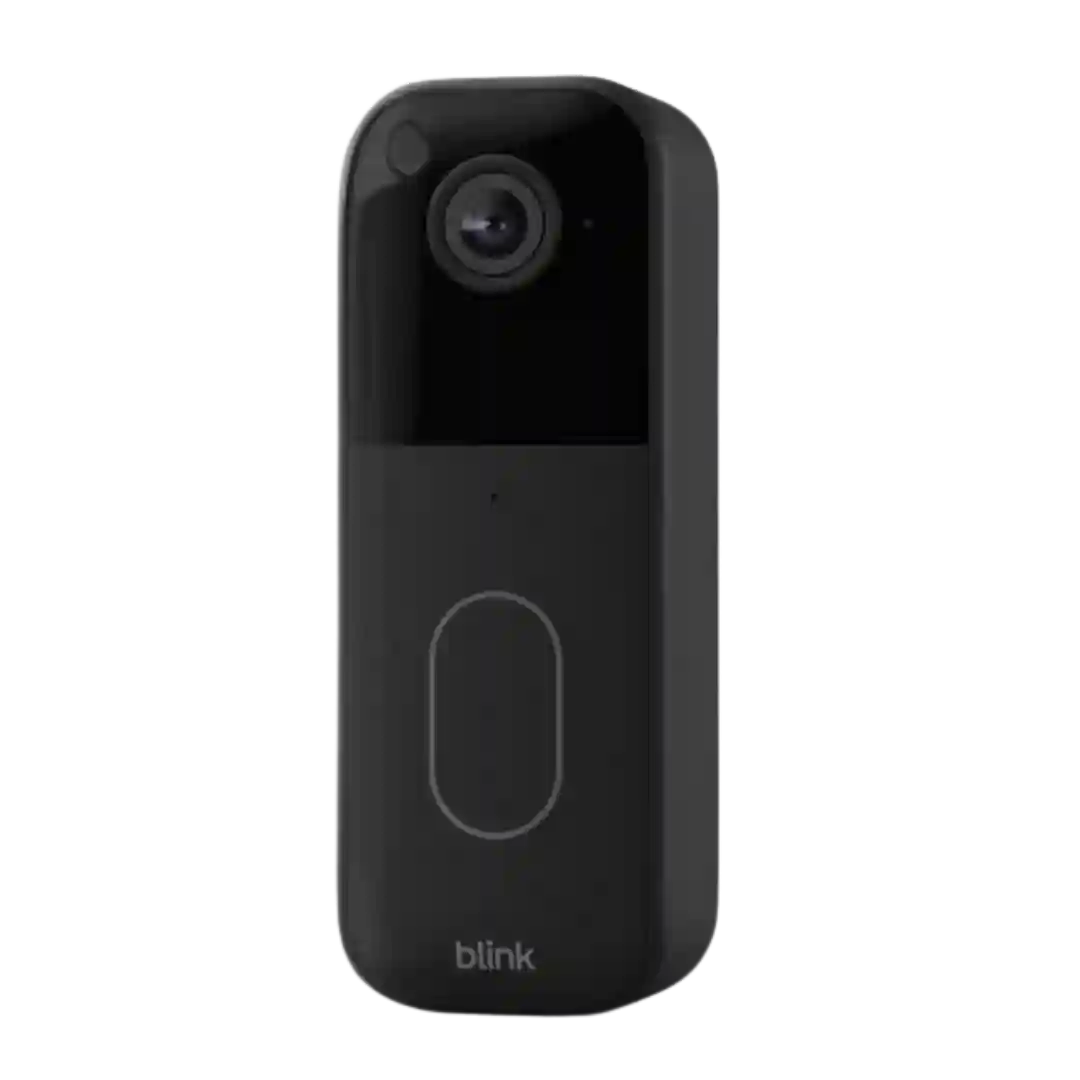
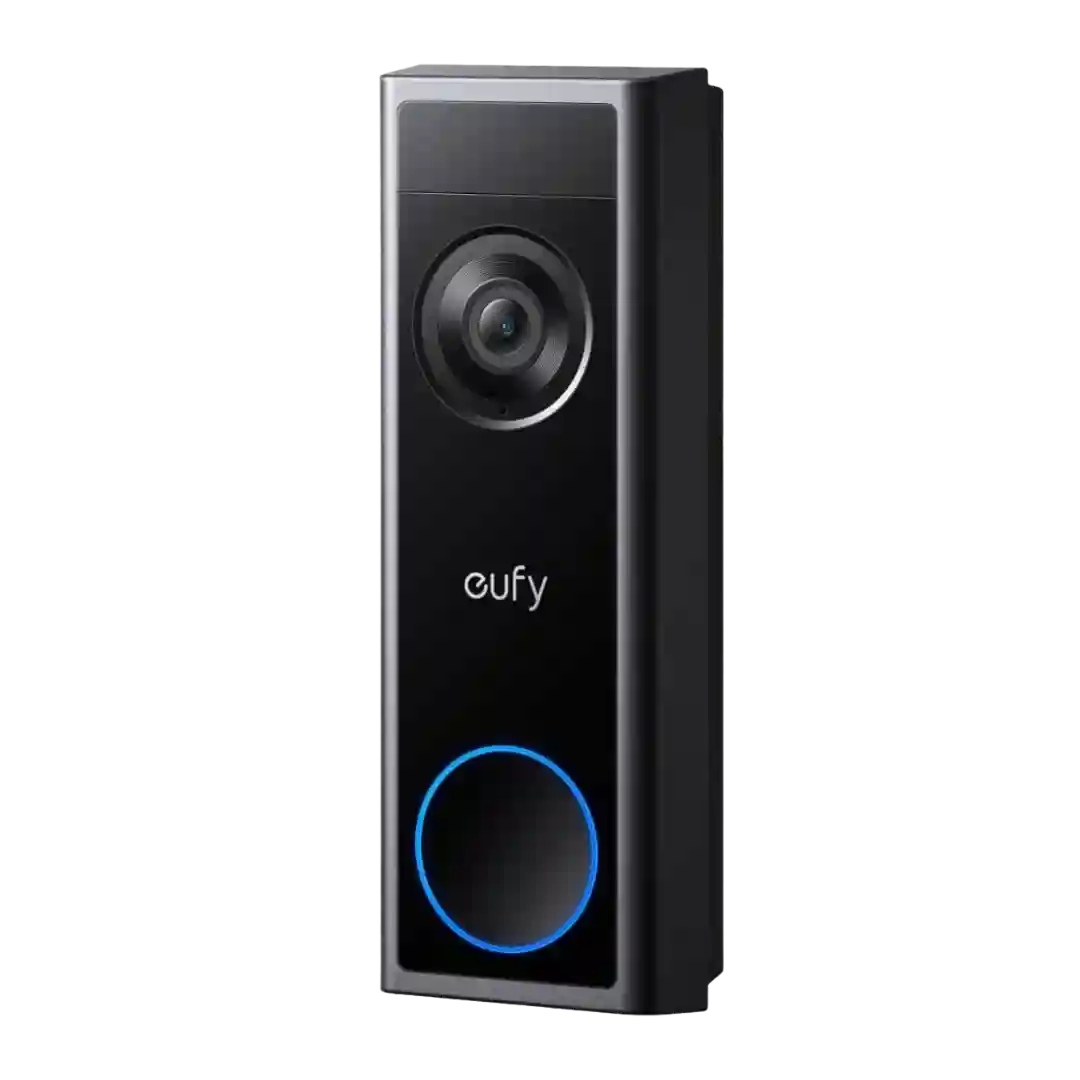
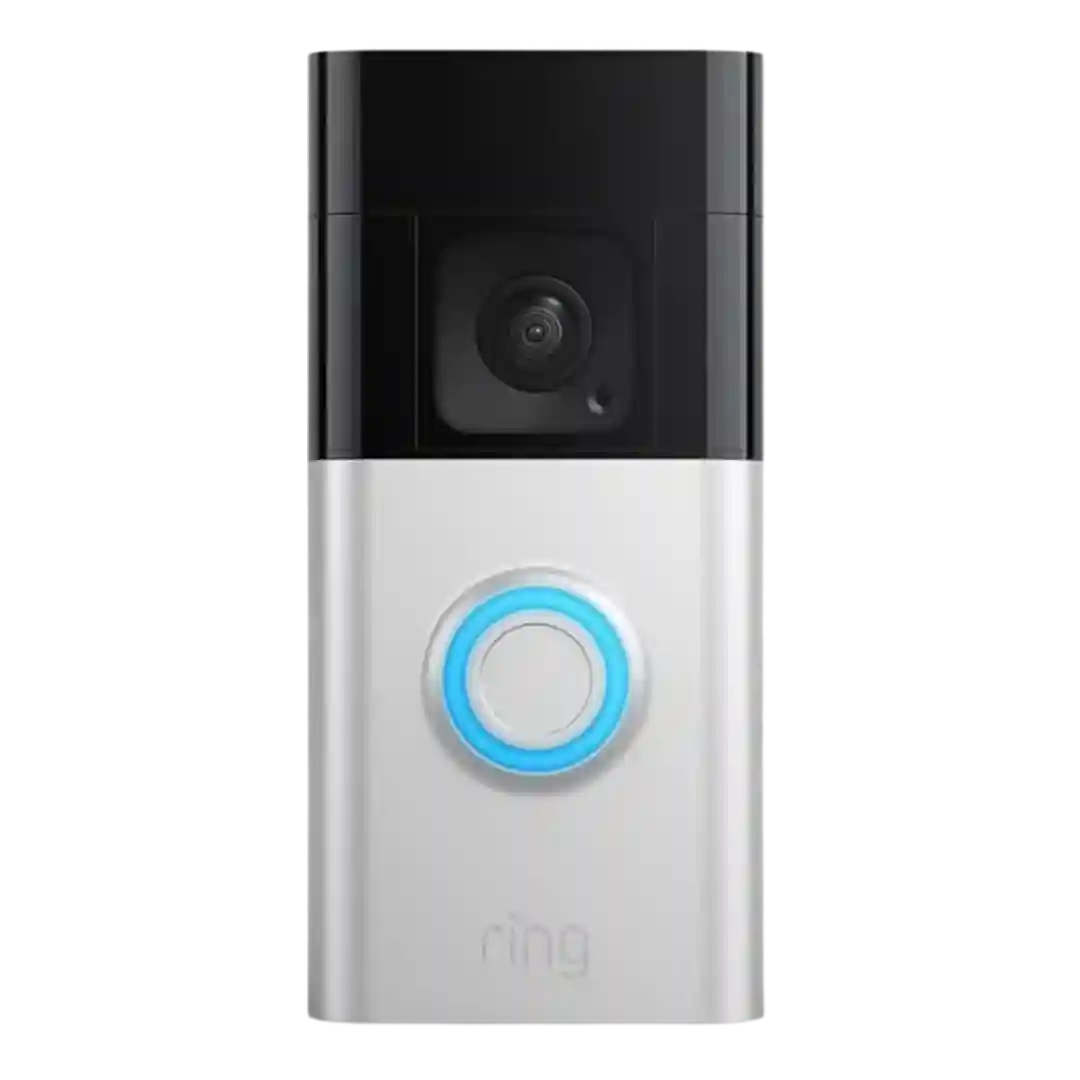
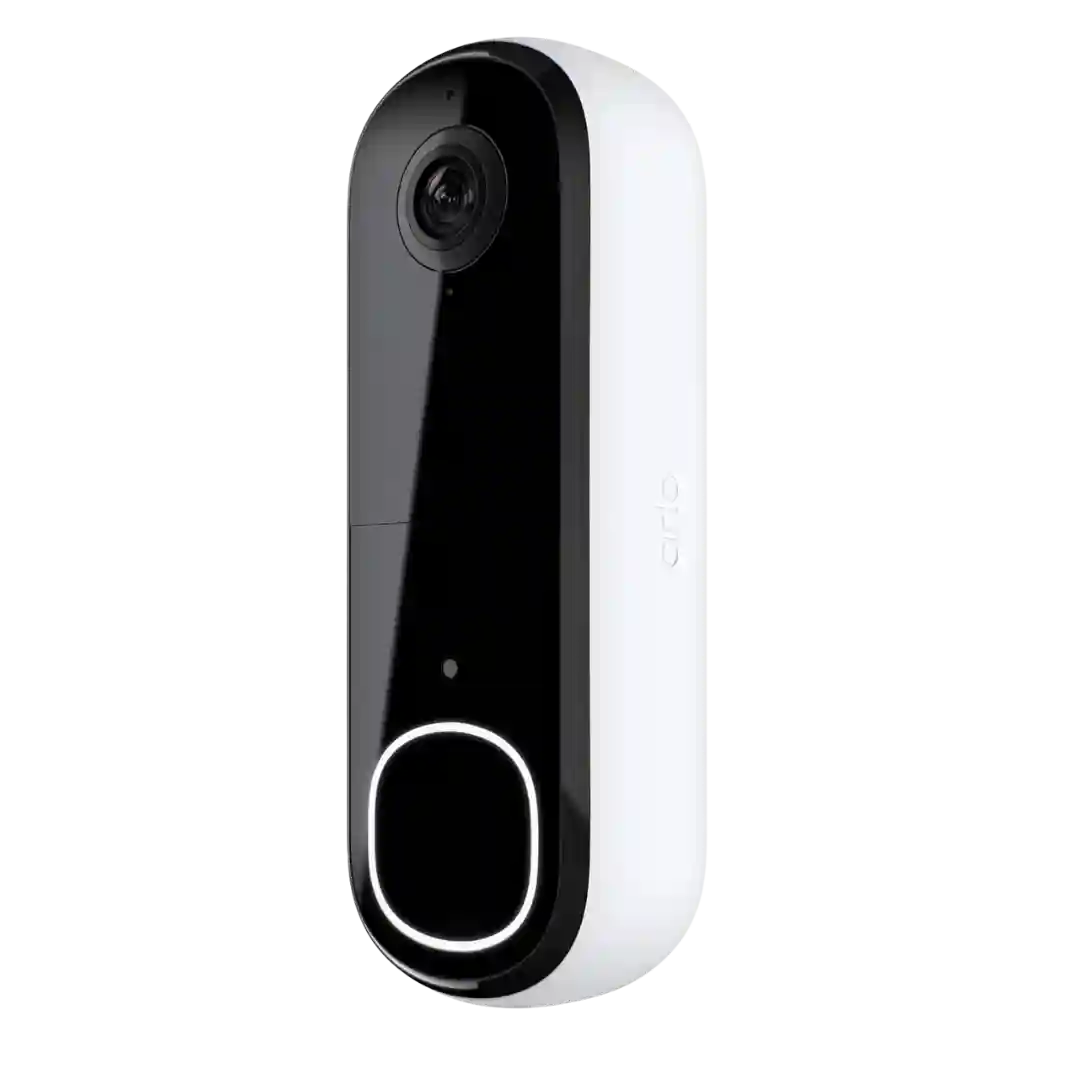
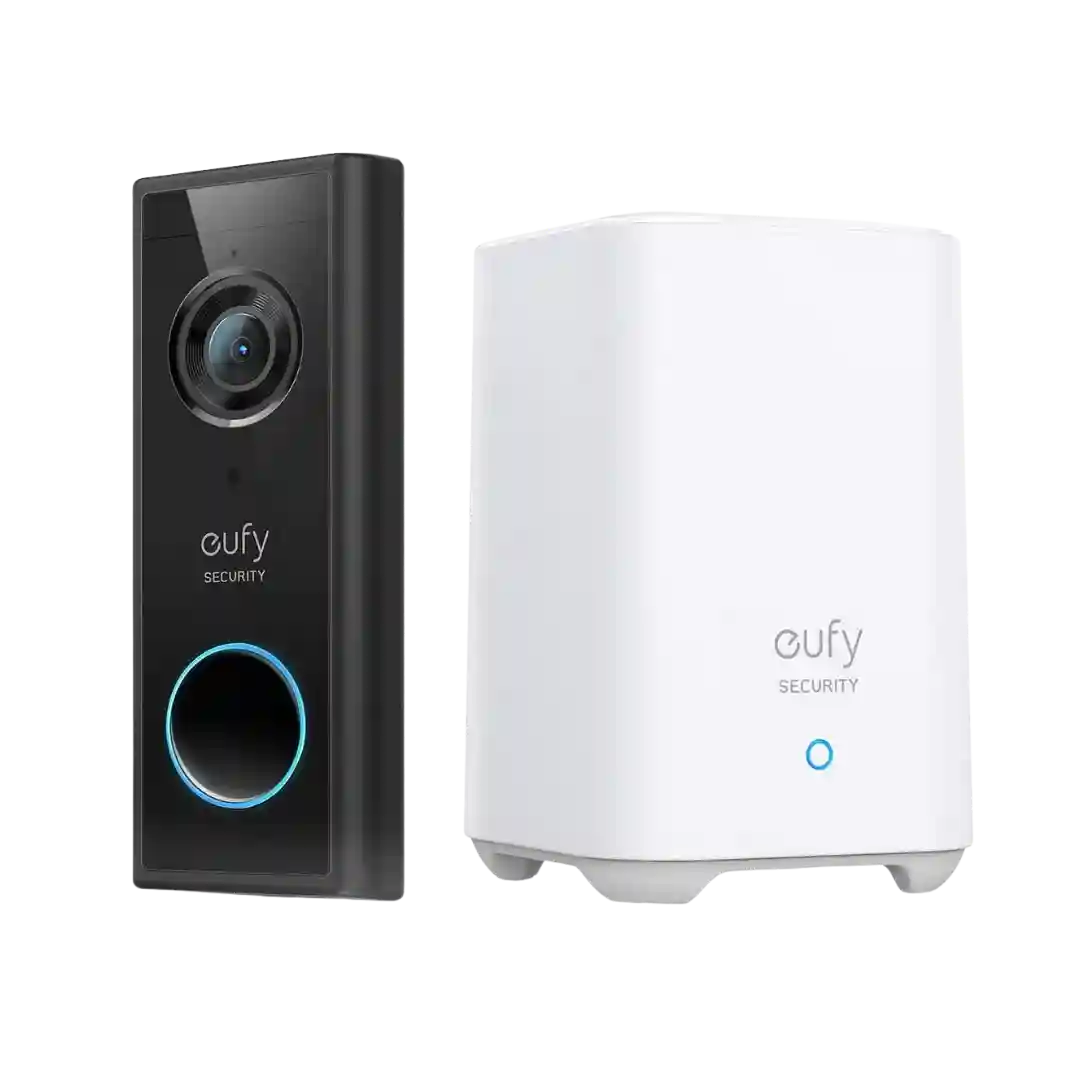
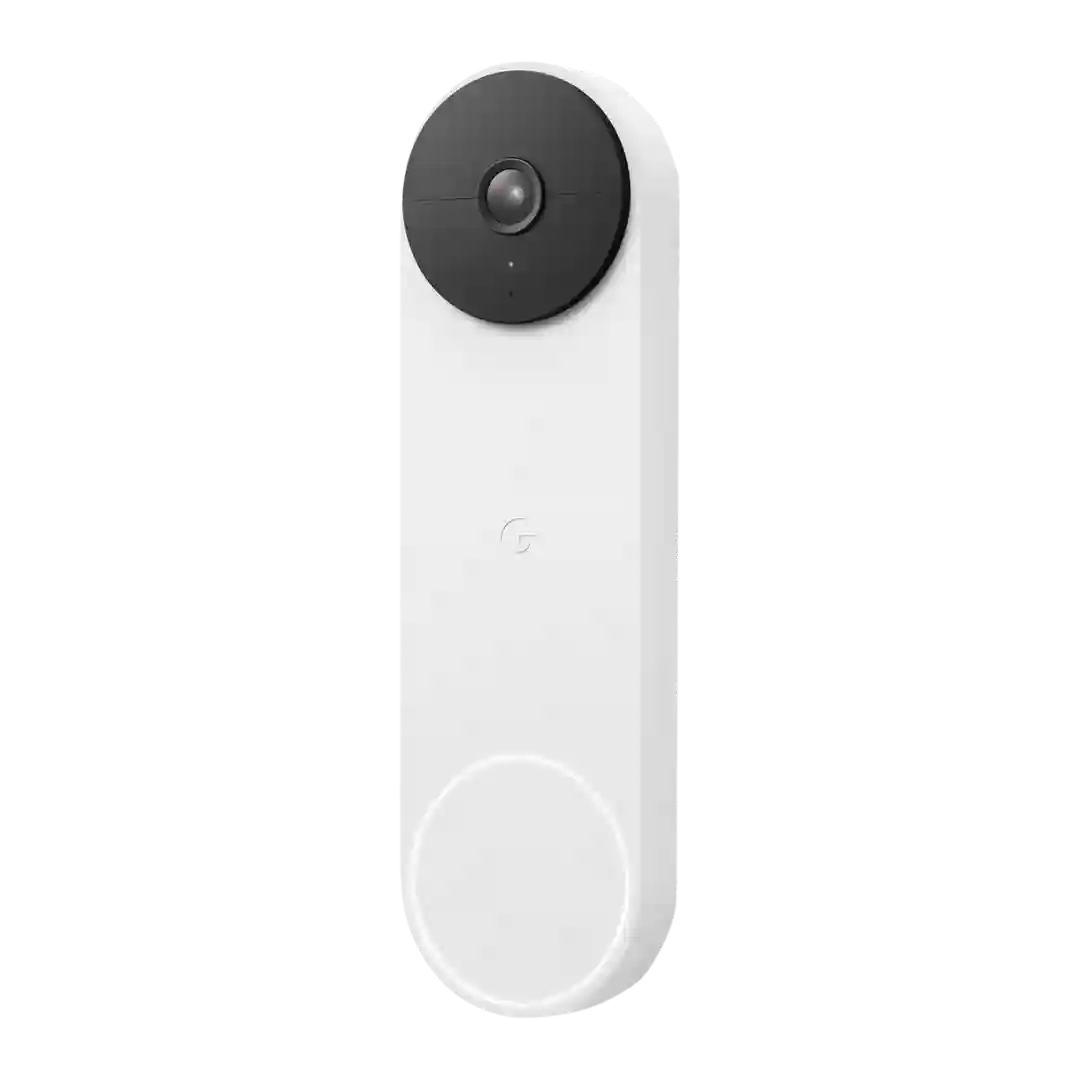
Battery life is commonly framed as roughly 3–4 months in light use, with reviewers emphasizing it varies by motion activity and clip length. The recharge process is presented as manageable but unavoidable for battery-only kits.
Battery life is often described as strong, helped by the removable pack and the option to trickle-charge when wired. Real-world endurance varies widely with traffic and lighting (color night vision lights can drain faster), and a few reviewers still dislike needing to remove the unit/battery for charging.
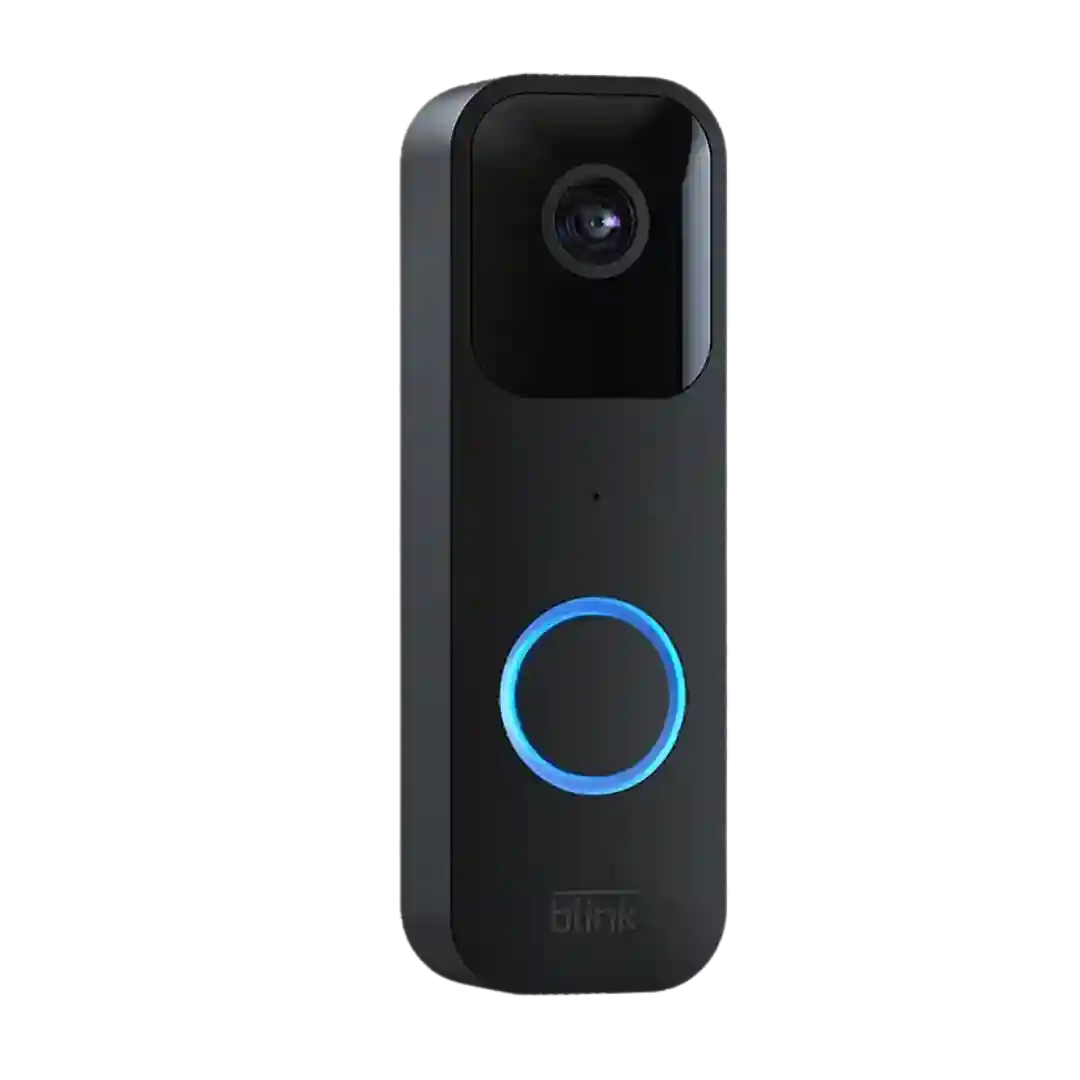
Battery life is a key selling point: it uses three AA lithium batteries with marketing claims up to two years, though many reviewers expect less in busy areas. Batteries are often still required even if you connect doorbell wiring.
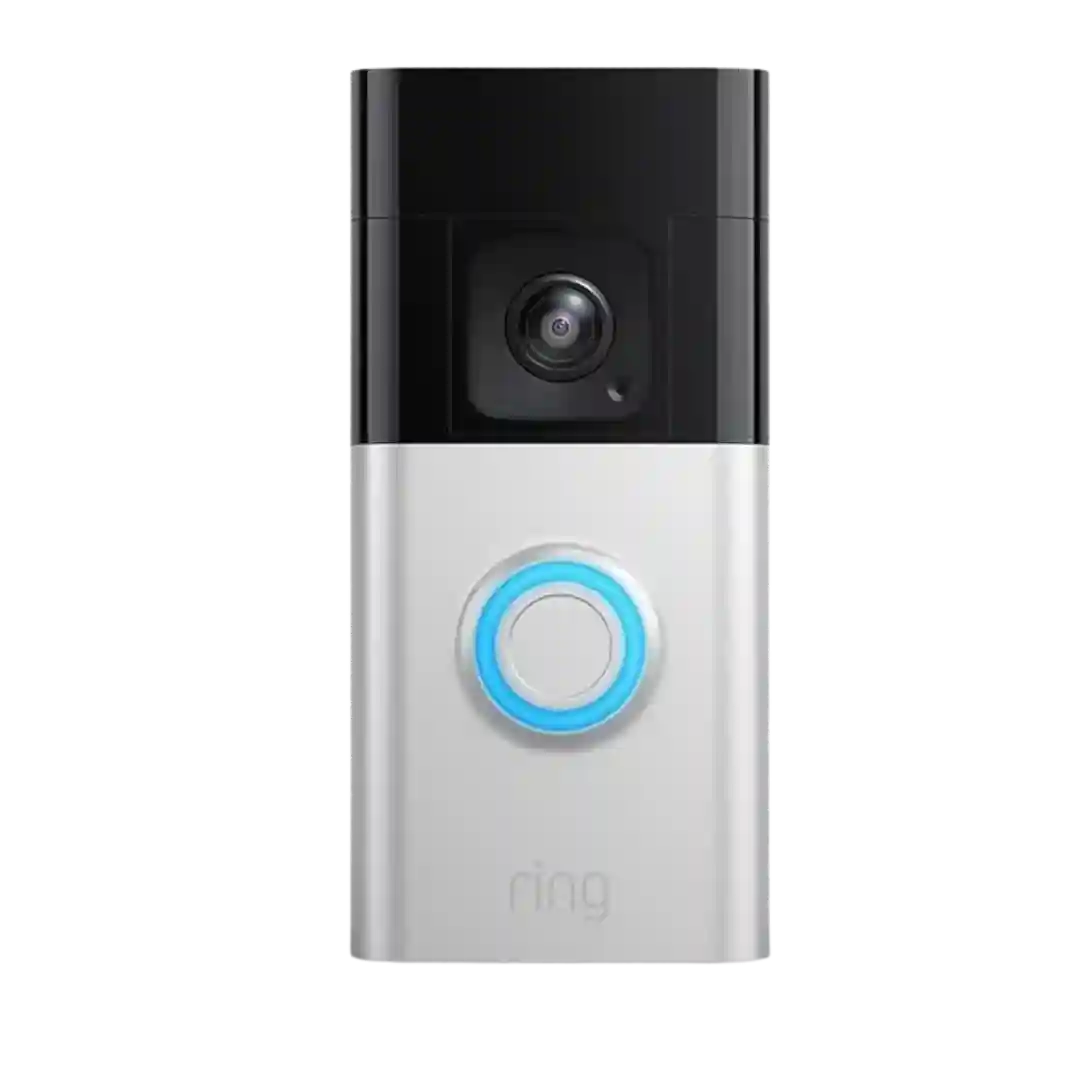
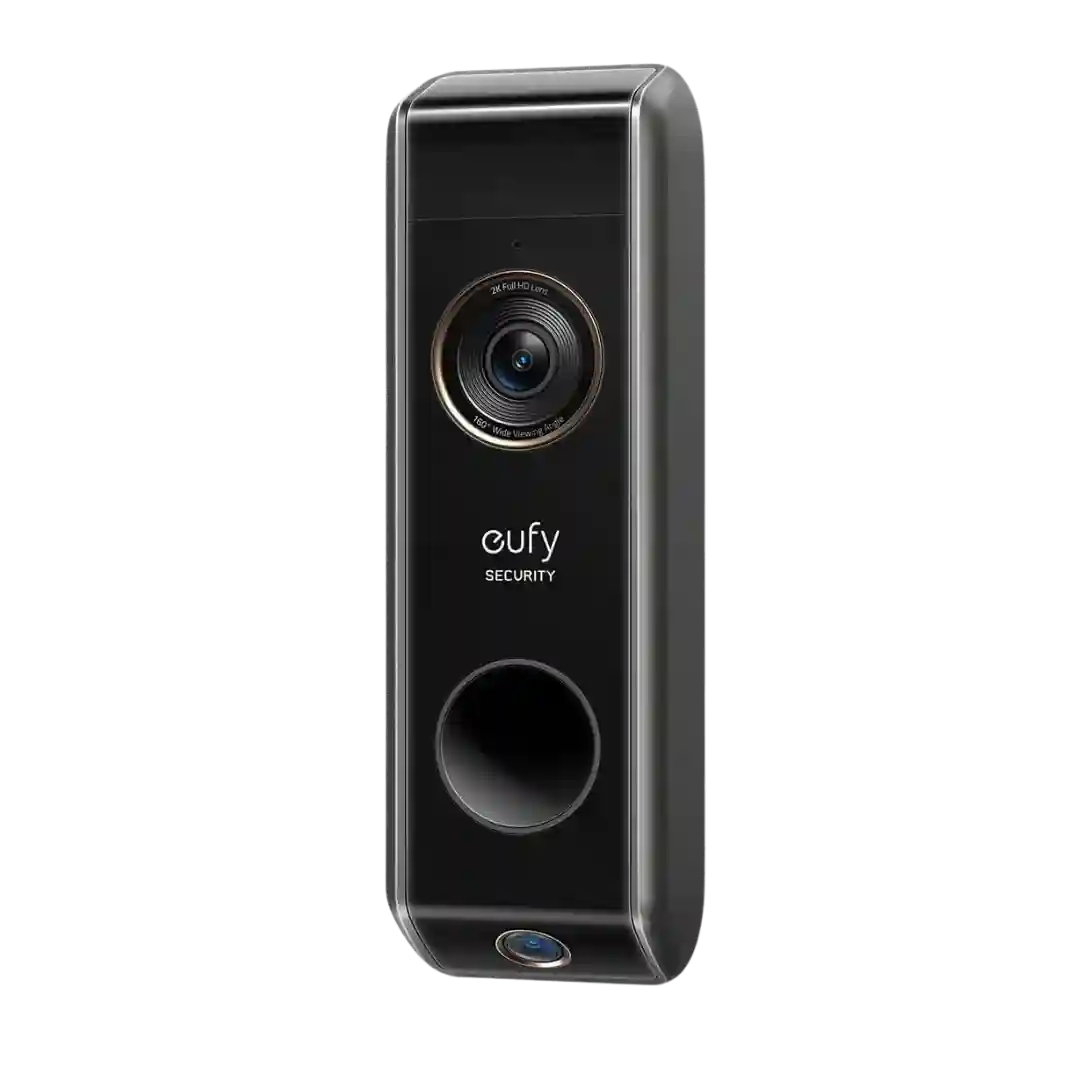
The removable 6,500mAh battery is repeatedly highlighted, with one reviewer estimating roughly 3 to 4 months and others noting usage depends heavily on trigger volume. Hot-swapping/spare batteries are mentioned as a way to avoid downtime; one review cites about 8 hours to charge from flat.
The built-in 10,000mAh battery is frequently cited as long-lasting, but real-world estimates vary and you typically must remove the unit to recharge unless you hardwire it.
Battery life is generally reported as months, and removable quick-release packs make swaps easy; however, micro-USB charging and the battery-case hardware get criticism, and heavy settings can shorten life.
Battery life is a strong selling point, with most reviews citing roughly six months per charge in lighter use. Real-world feedback also suggests heavier traffic or aggressive settings can pull that figure down noticeably, though USB-C charging helps.
Battery life claims range from months in light use to weeks under heavy activity; charging can take several hours, but the removable pack makes downtime manageable.
Battery experience is mixed: several reviews report strong longevity in moderate traffic, while others saw faster drain unless motion settings were tightened. Multiple reviewers emphasize that wiring the unit improves reliability and unlocks features like continuous recording, while battery reporting can be inconsistent in some setups.
Battery life varies widely by traffic and settings: some users see a few months per charge, others closer to two to three months, and recharging typically requires removing the unit, with micro-USB criticized by one reviewer.
Battery life is a major selling point, with AA lithium power often lasting months and in low-traffic cases approaching the marketed multi-year range. High-traffic doors and heavier settings can shorten life significantly.
Battery performance is mixed. Many reports land near the advertised 2–4 month range with typical use, and swapping AAs is quick, but some users see dramatically shorter life (especially with high activity or certain included batteries).
Battery life varies widely by settings and activity: reviewers cite anything from about a month in busy scenarios to multiple months, with strong results when tuned carefully. Swappable batteries and spare packs are repeatedly recommended to avoid downtime.
Battery life depends heavily on traffic; real-world reports hover around about a month in busy use, and the non-removable battery means removing the unit to recharge unless hardwired.
Battery life is highly traffic- and setting-dependent. Several reviewers report about 2–4 months per charge in typical use, while busy entryways can force recharging in 6–8 weeks; charging is commonly described as a several-hour process and requires removing the doorbell.
Battery life varies widely with traffic, from about a month to multiple months, and the battery is not swappable; charging is via USB-C and typically takes around five hours but can run longer with some chargers.
Battery life is commonly stated as roughly 3–6 months depending on use, with at least one hands-on report showing minimal drain in the first week. Charging is shown as micro USB, and one written review warns the battery is non-removable and may degrade over time.
The built-in, non-removable battery makes the unit slimmer but forces you to remove the whole doorbell to recharge. Battery life reports vary from weeks (heavy activity/cold/live view) to months (lighter usage), and some recommend hardwiring to reduce recharge hassle.
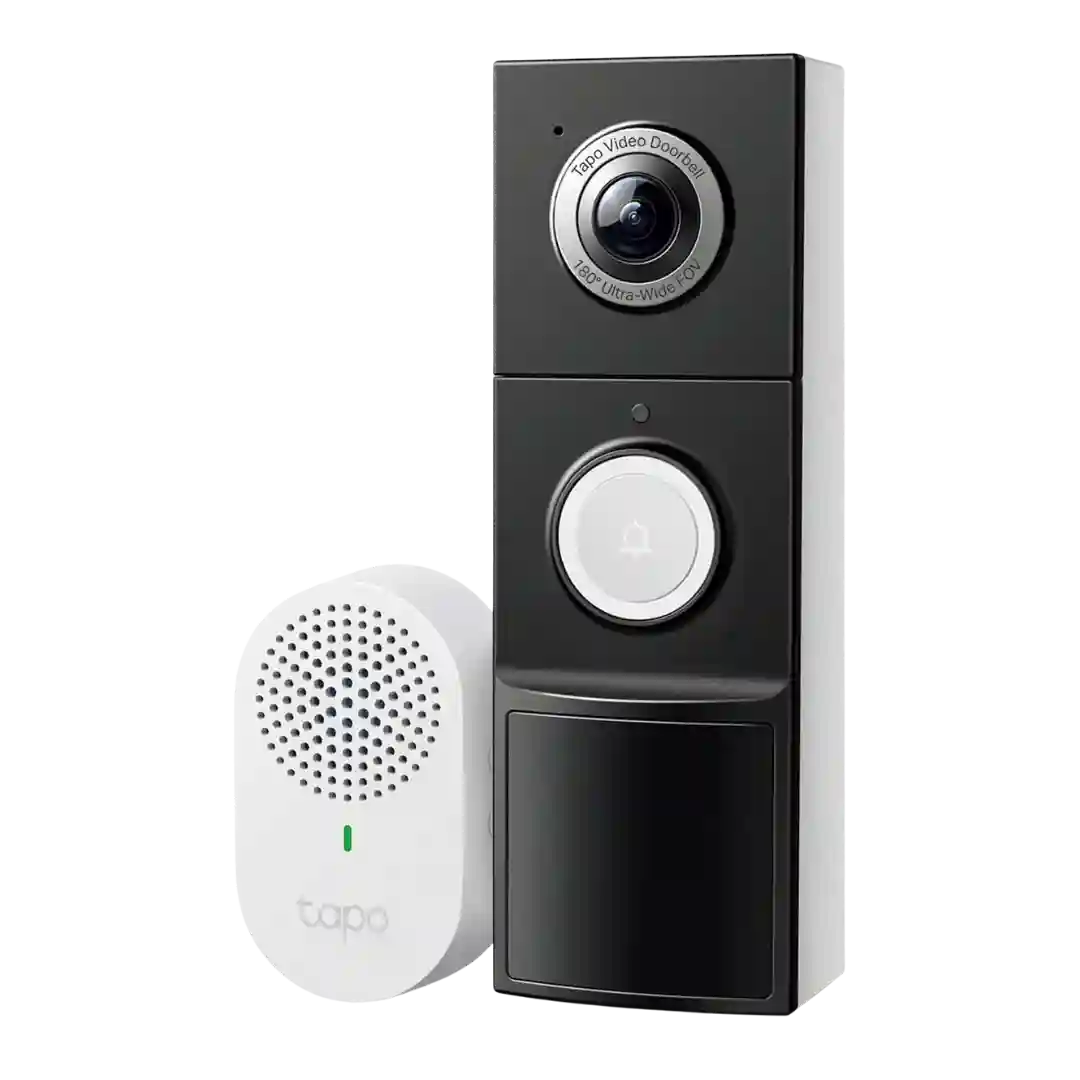
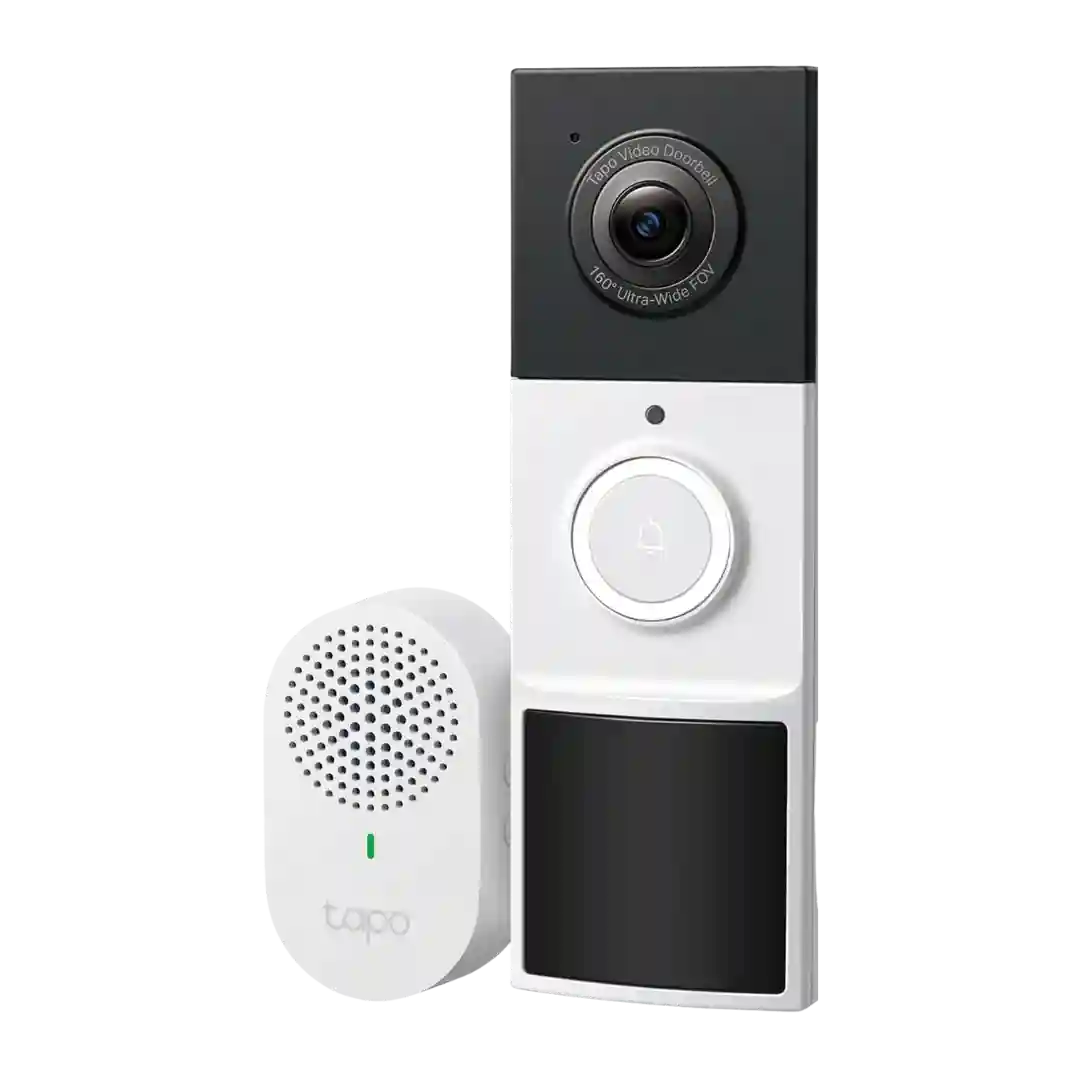
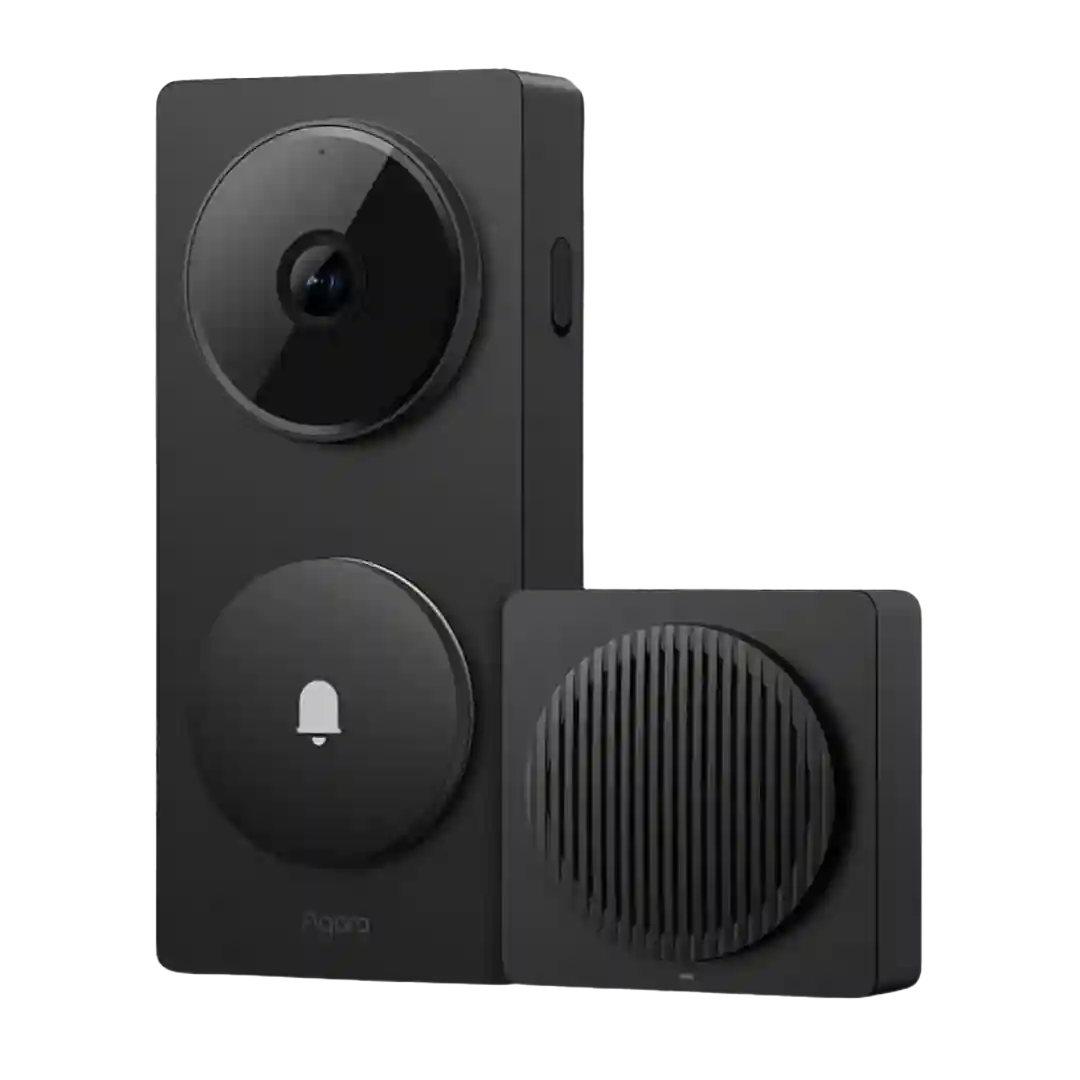
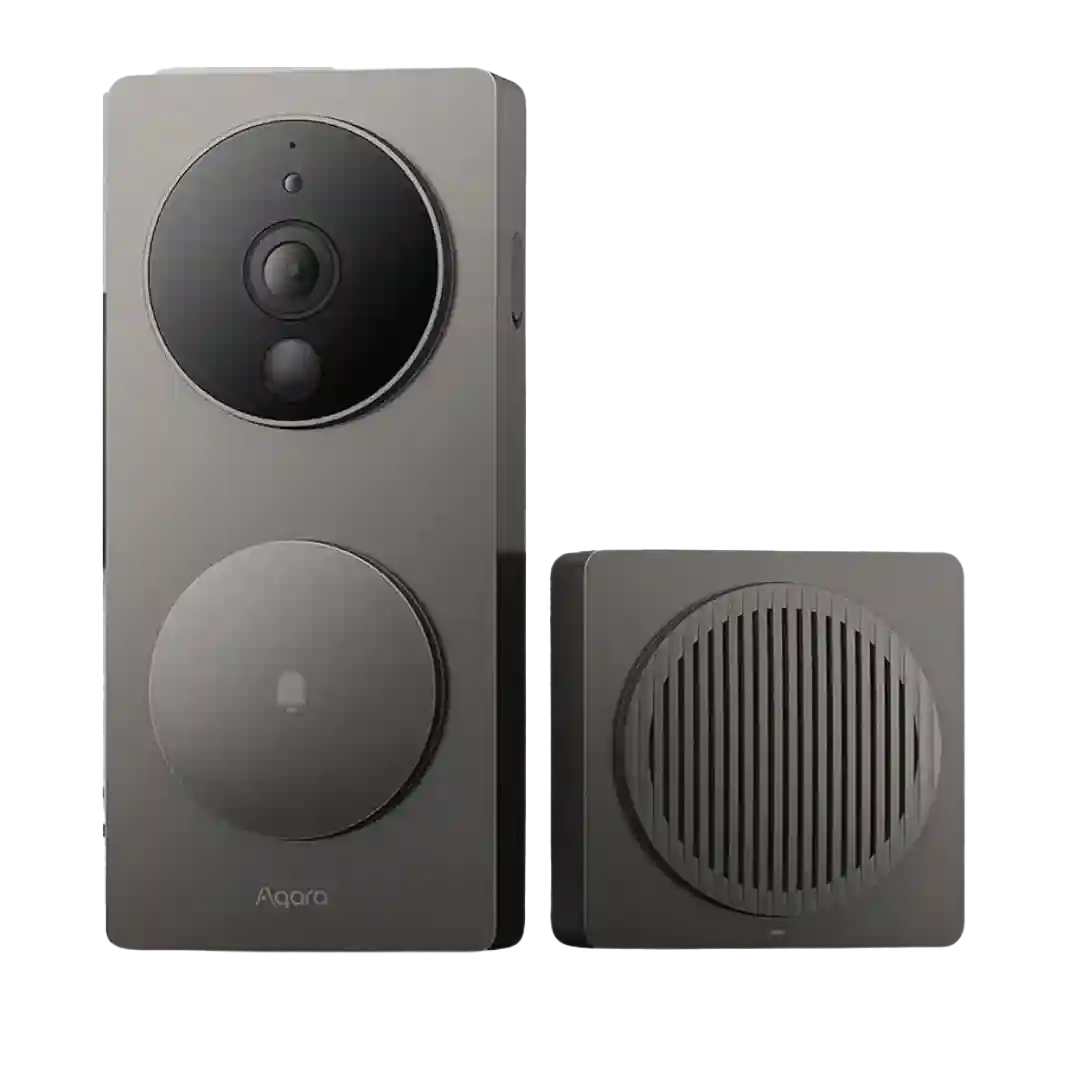
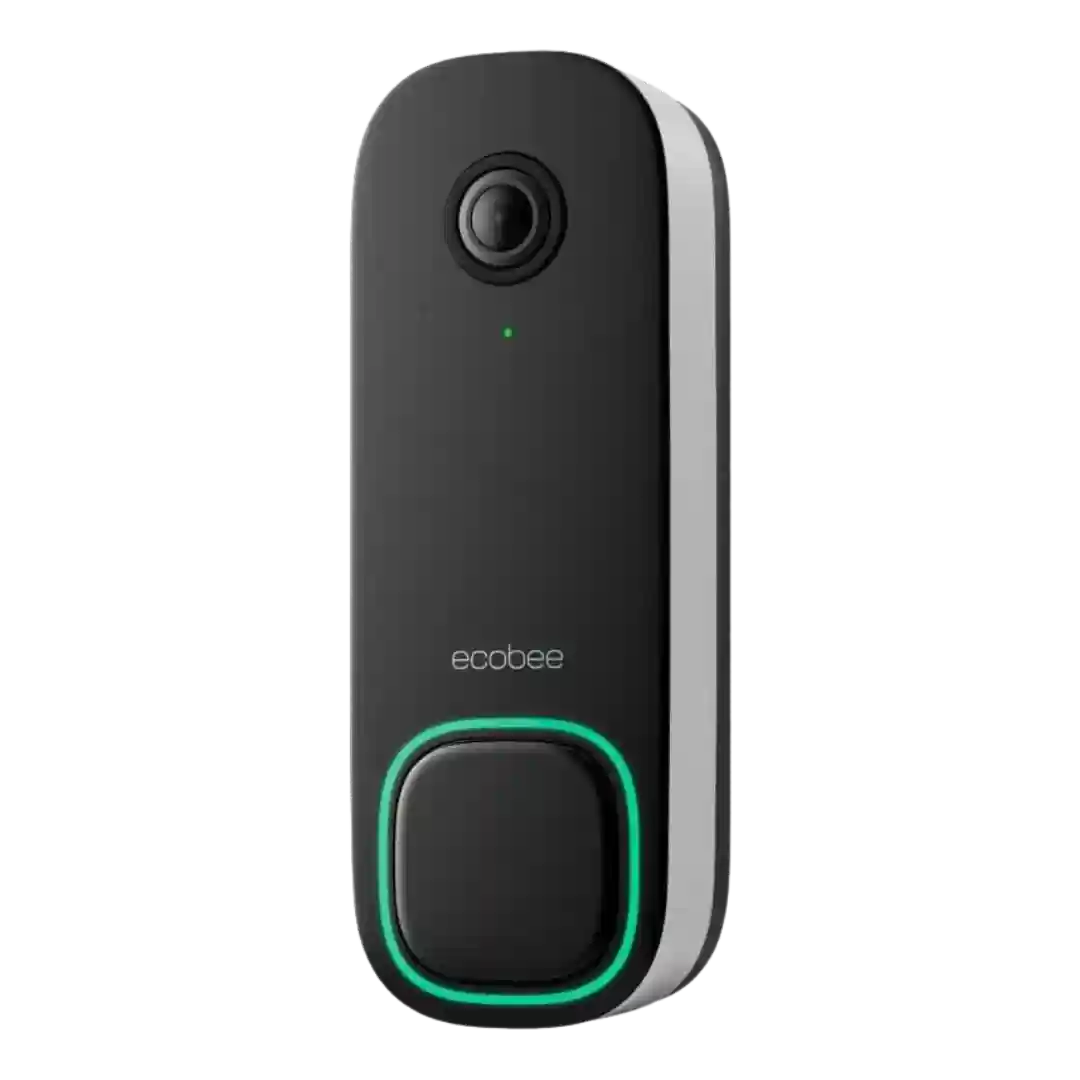
The doorbell is repeatedly described as a wired product rather than battery-powered, and comparison reviewers call out that it does not offer battery swap convenience. This is a clear differentiator versus many mainstream competitors.