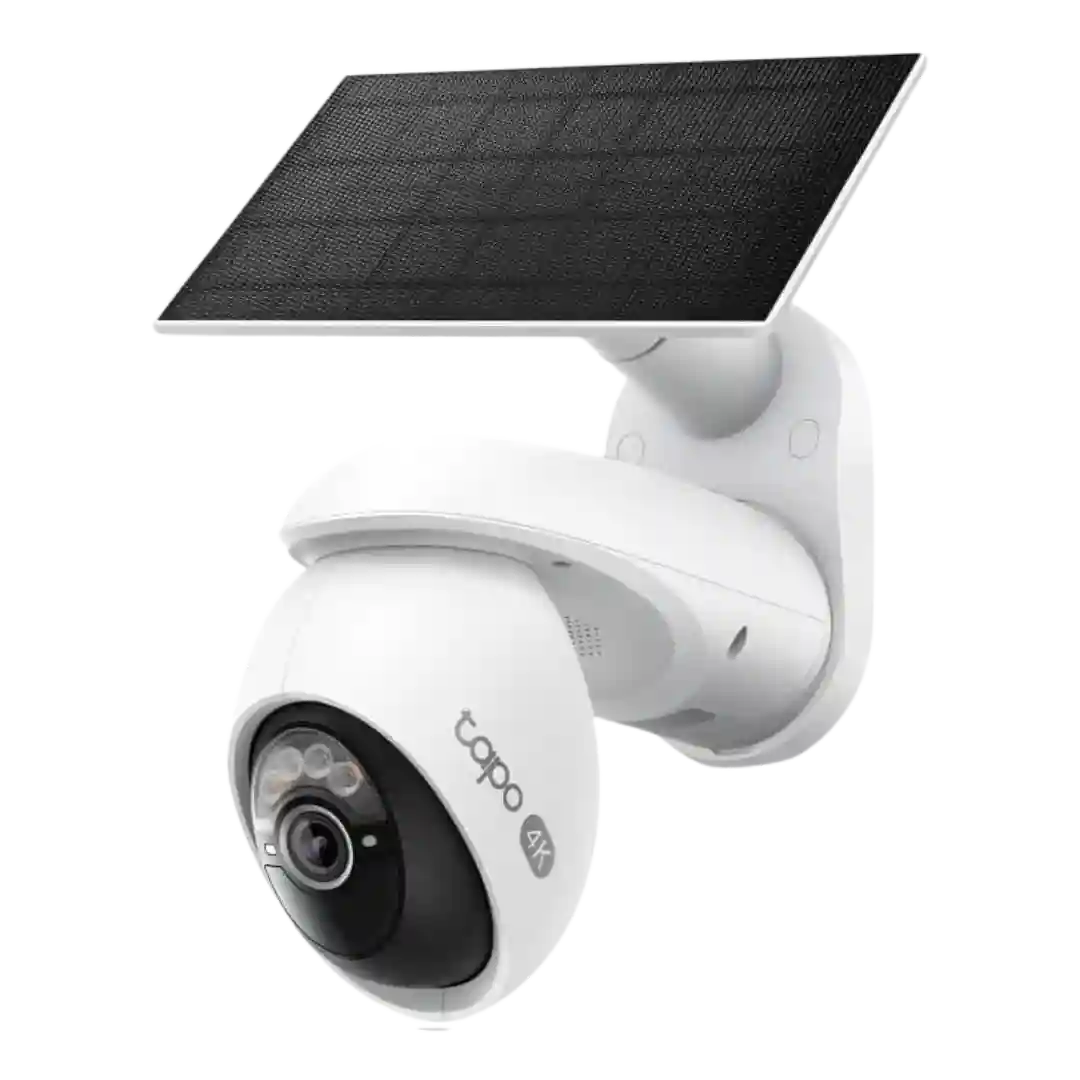
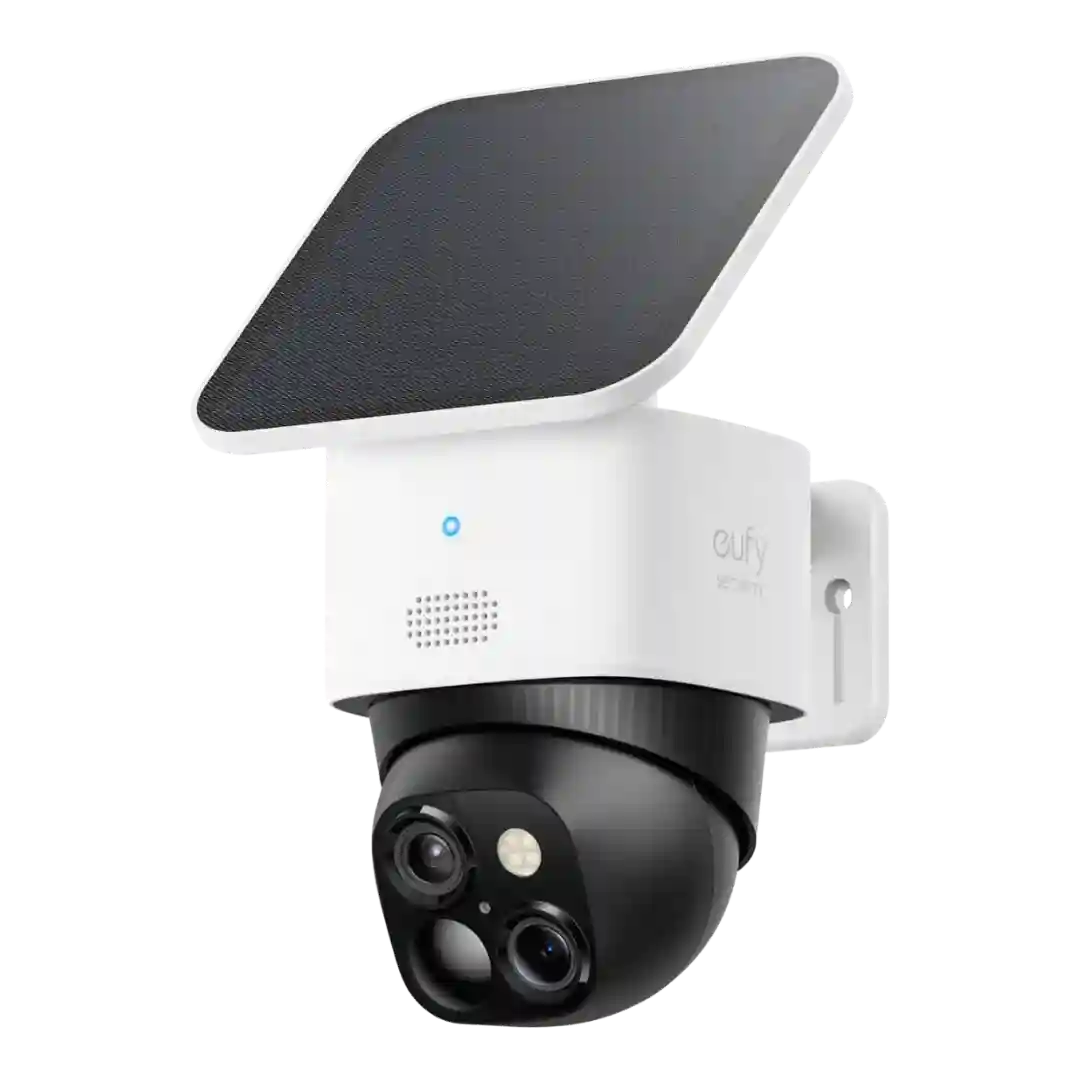
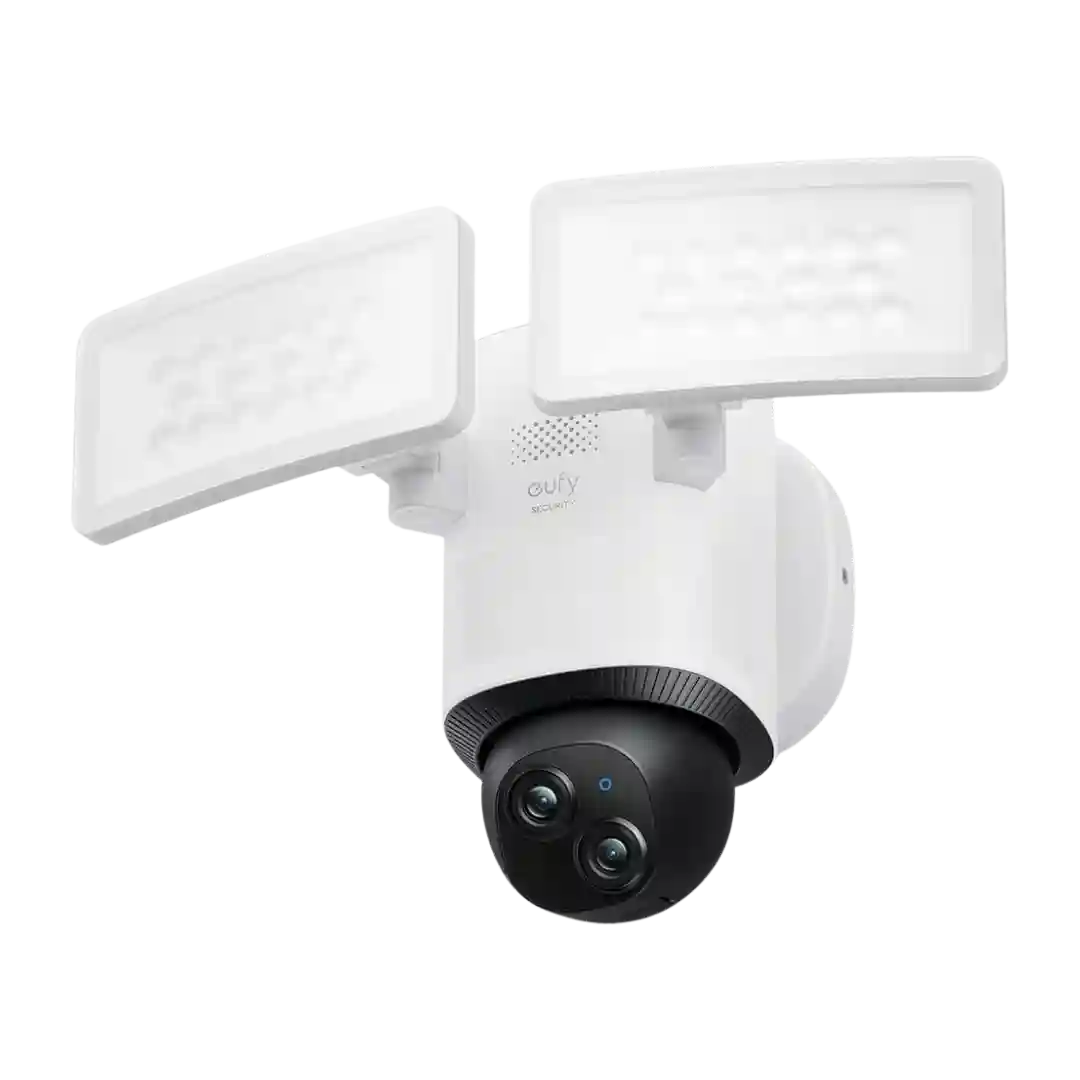
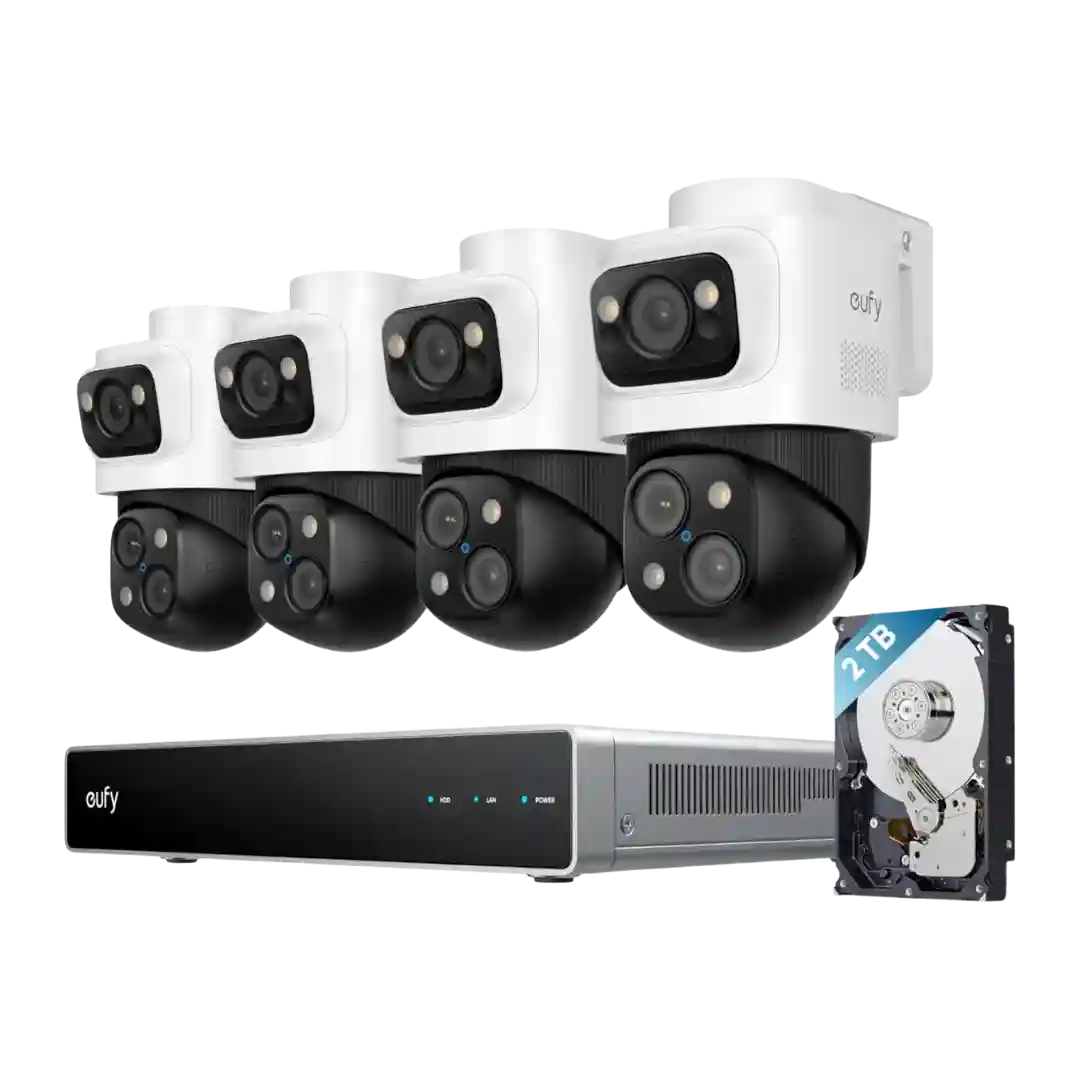
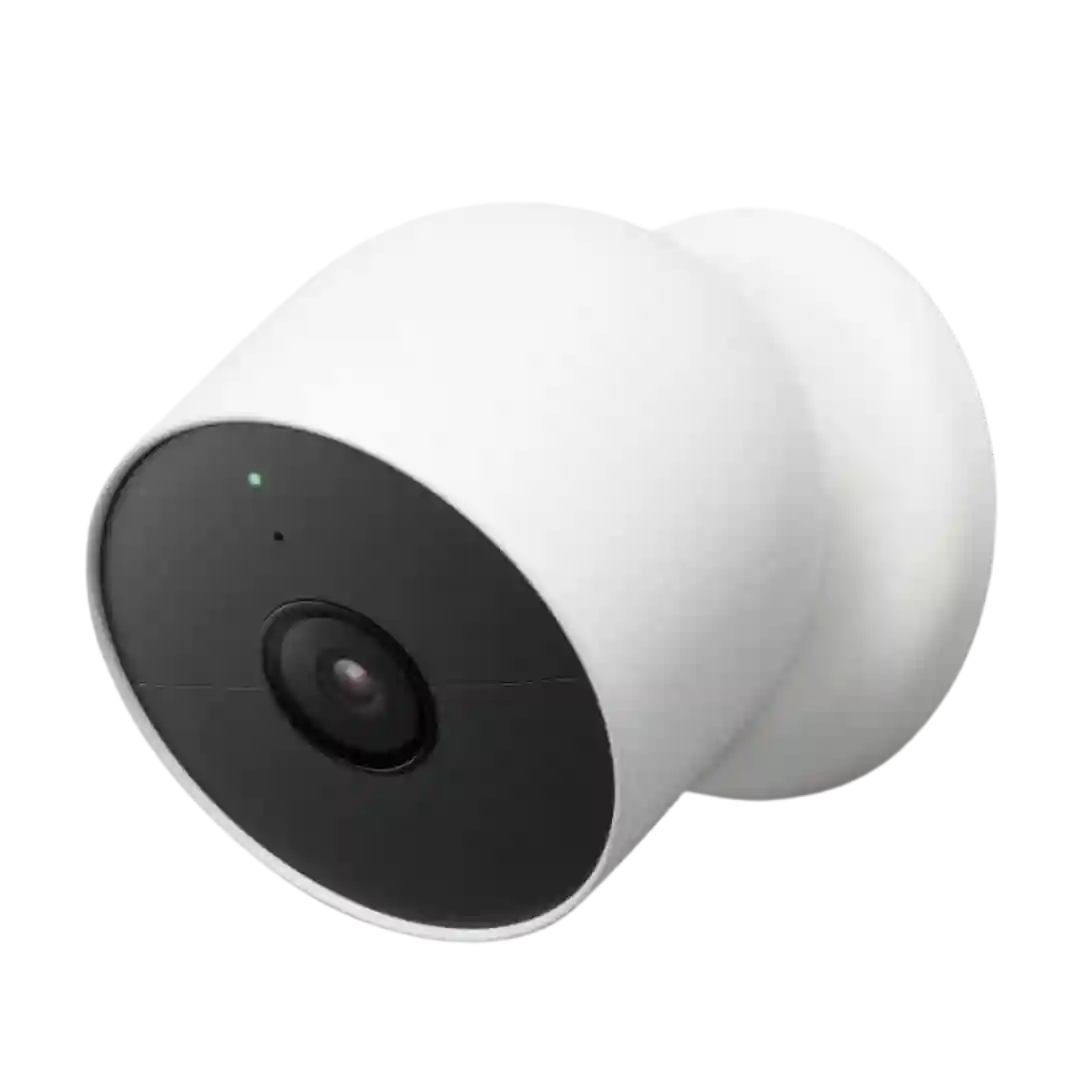
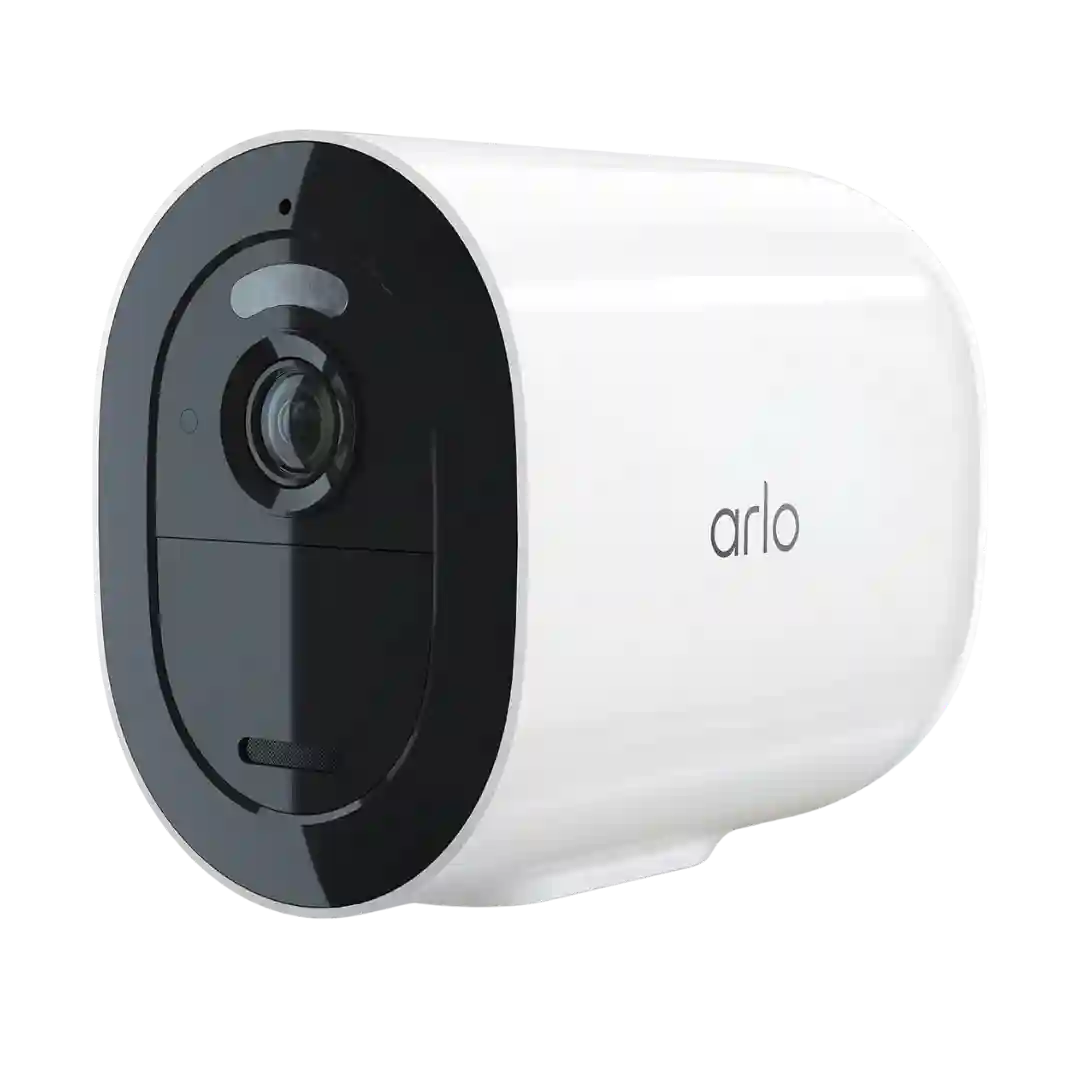
Cable and panel placement flexibility is a plus, with included extension options that help route the solar cable neatly depending on sunlight and mounting location.
Cable routing can be tidy with the included mounting design and basic clips. Plug-in installs add visible cabling, so reviewers recommend deliberate cable management.
Cable routing is the biggest friction point in real installs. Included cables are often long enough for typical placements, but multiple reviewers still needed longer runs or preferred conduit or burial-rated cable for cleaner, safer routing.
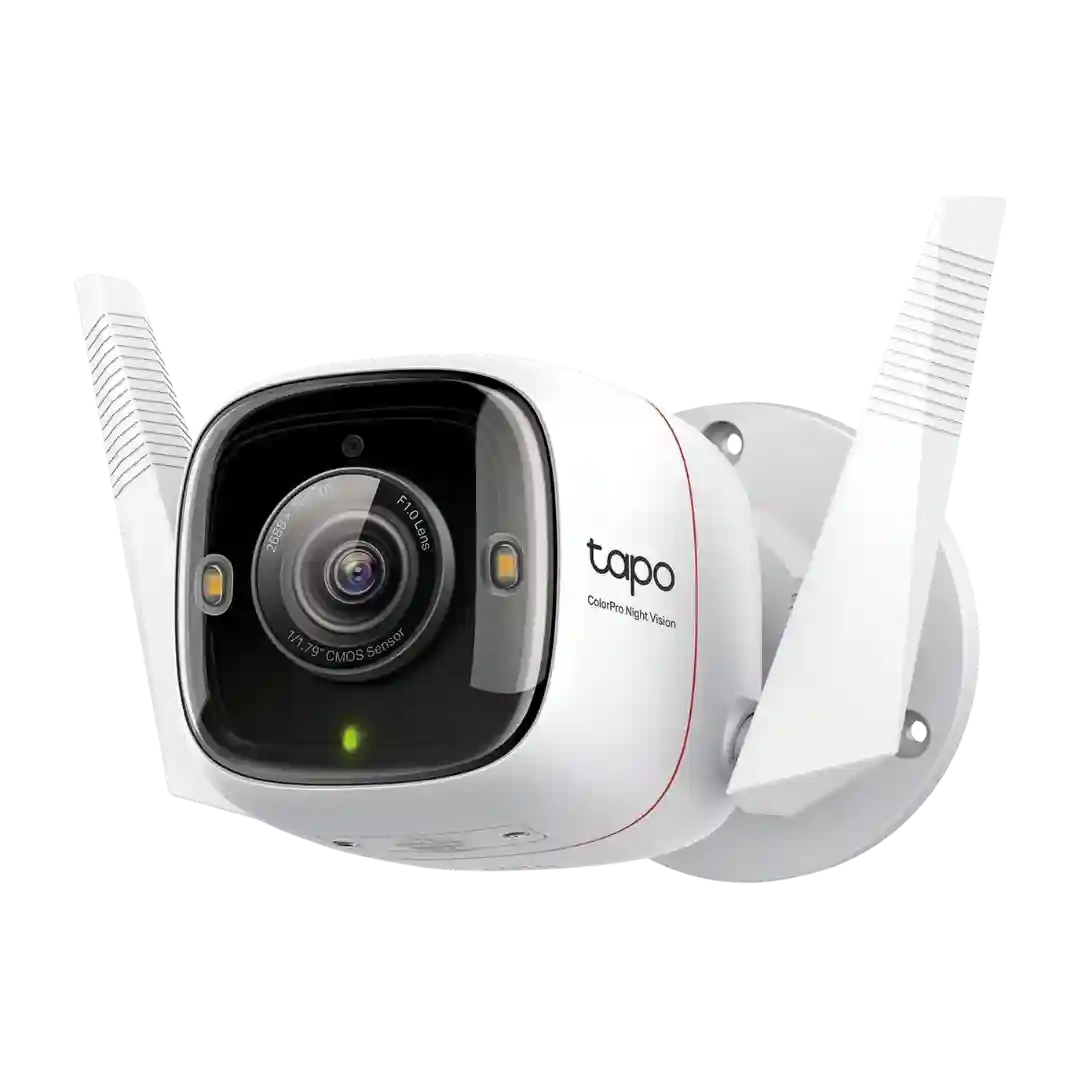
Cable routing is a frequent downside: USB-C leads may be short and a power adapter may not be included; PoE can simplify runs but requires ethernet infrastructure.
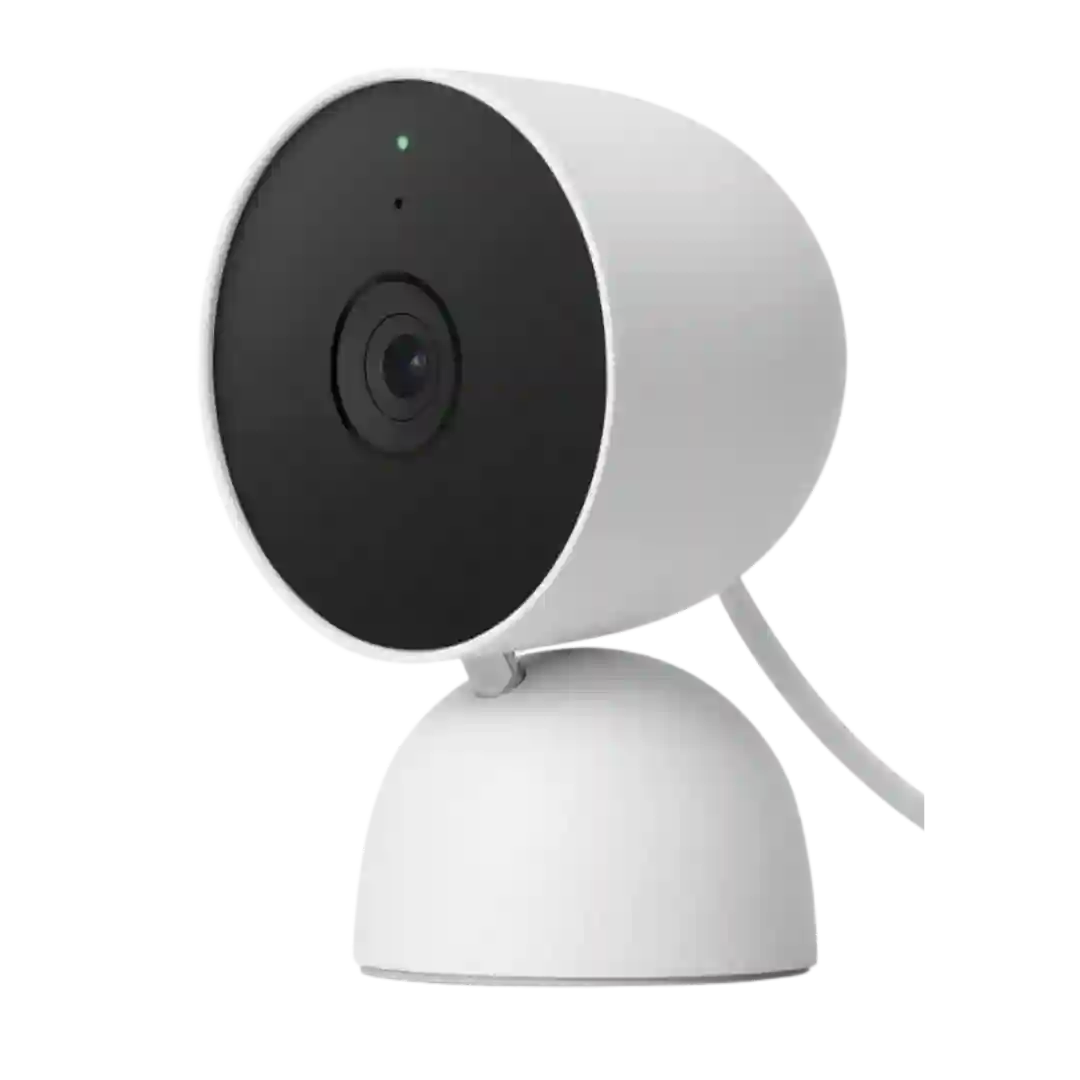
Power-cable routing is the main constraint: the cord is often longer than average but you may still need drilling, an extension cord, or to deal with a chunky angled plug and weatherproof outlet covers.
Long outdoor cables help reach outlets, but clean routing can be challenging depending on your exterior layout. Reviewers mention needing clips or creative runs under trim to keep it neat.
The permanently attached power cable (often cited as 10 ft/3 m) helps reach outlets but is not user-replaceable, and hiding/colour-matching the cord is a recurring annoyance; some setups benefit from routing the cable through the base.
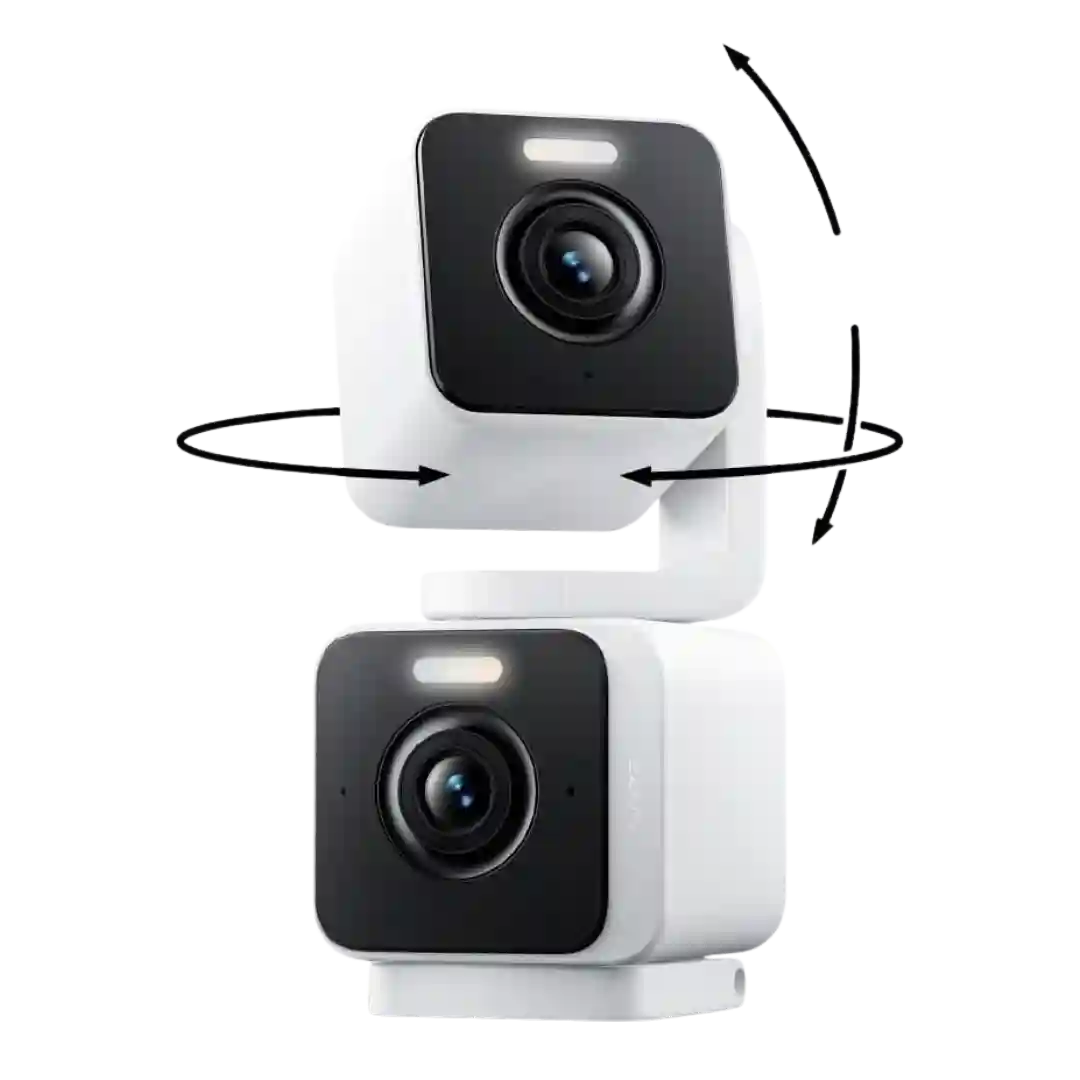
Power and cabling get mixed feedback: some appreciate the included cable, while others call the power cord short for outdoor placement and note that outdoor-rated power accessories may be needed.
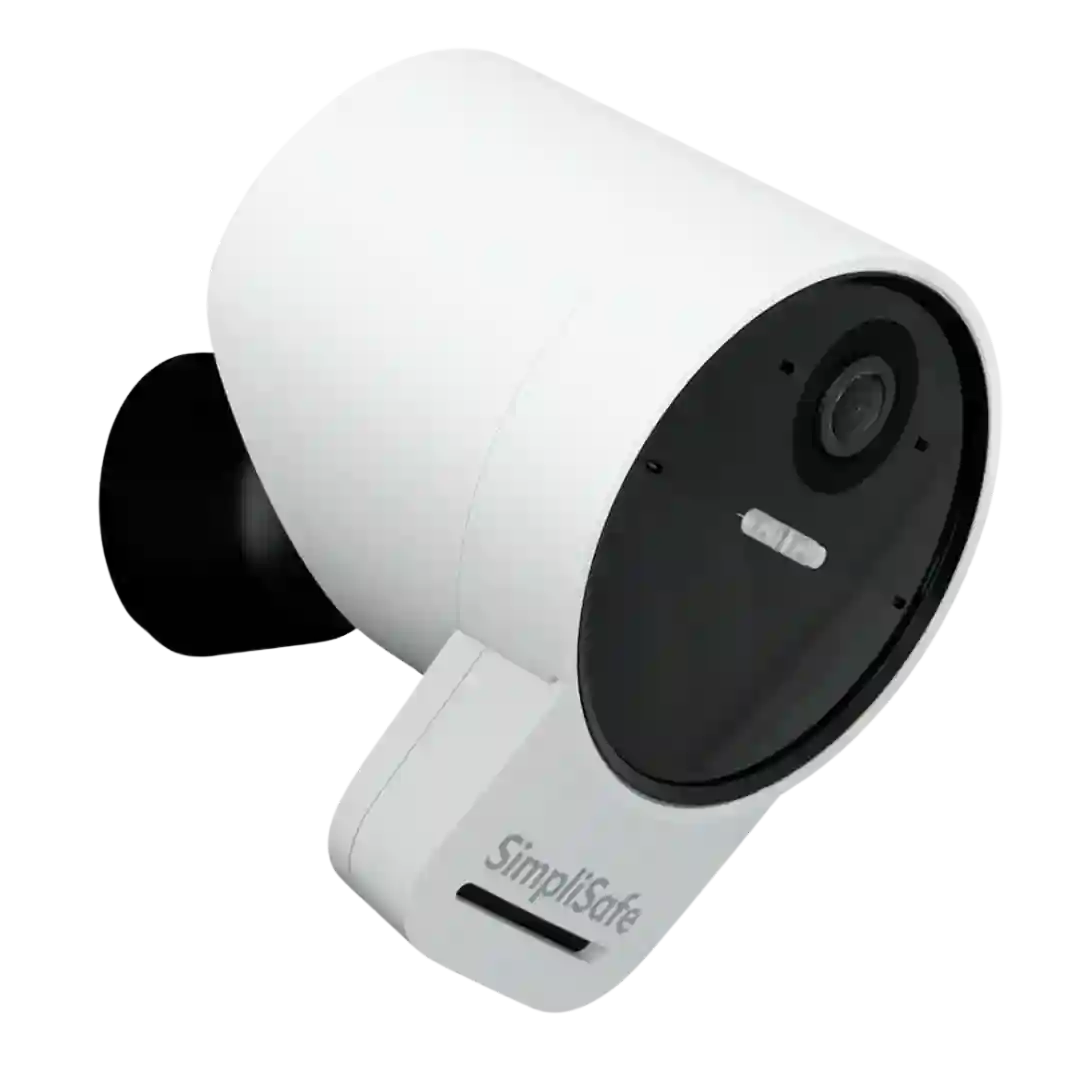
The magnetic/proprietary charging and outdoor power cables are convenient to snap on and help with weather sealing, but they also create lock-in (misplace the cable and charging gets harder) and some reviews dislike the connector orientation for neat routing.
Charging relies on a proprietary magnetic USB cable, and several reviews note that if the camera is mounted out of reach you may need to take it down to recharge. Solar panel compatibility can mitigate the cable and access hassle.