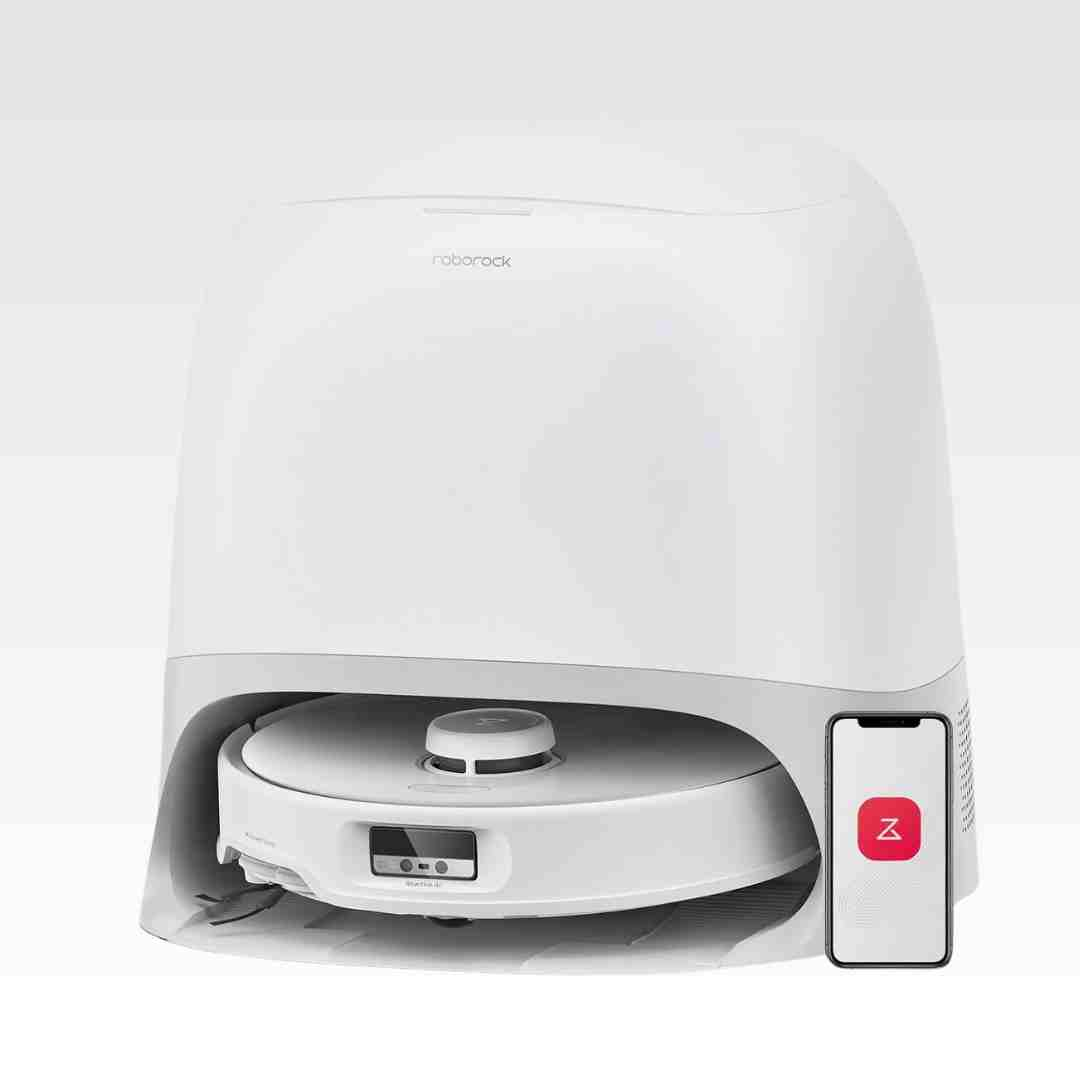
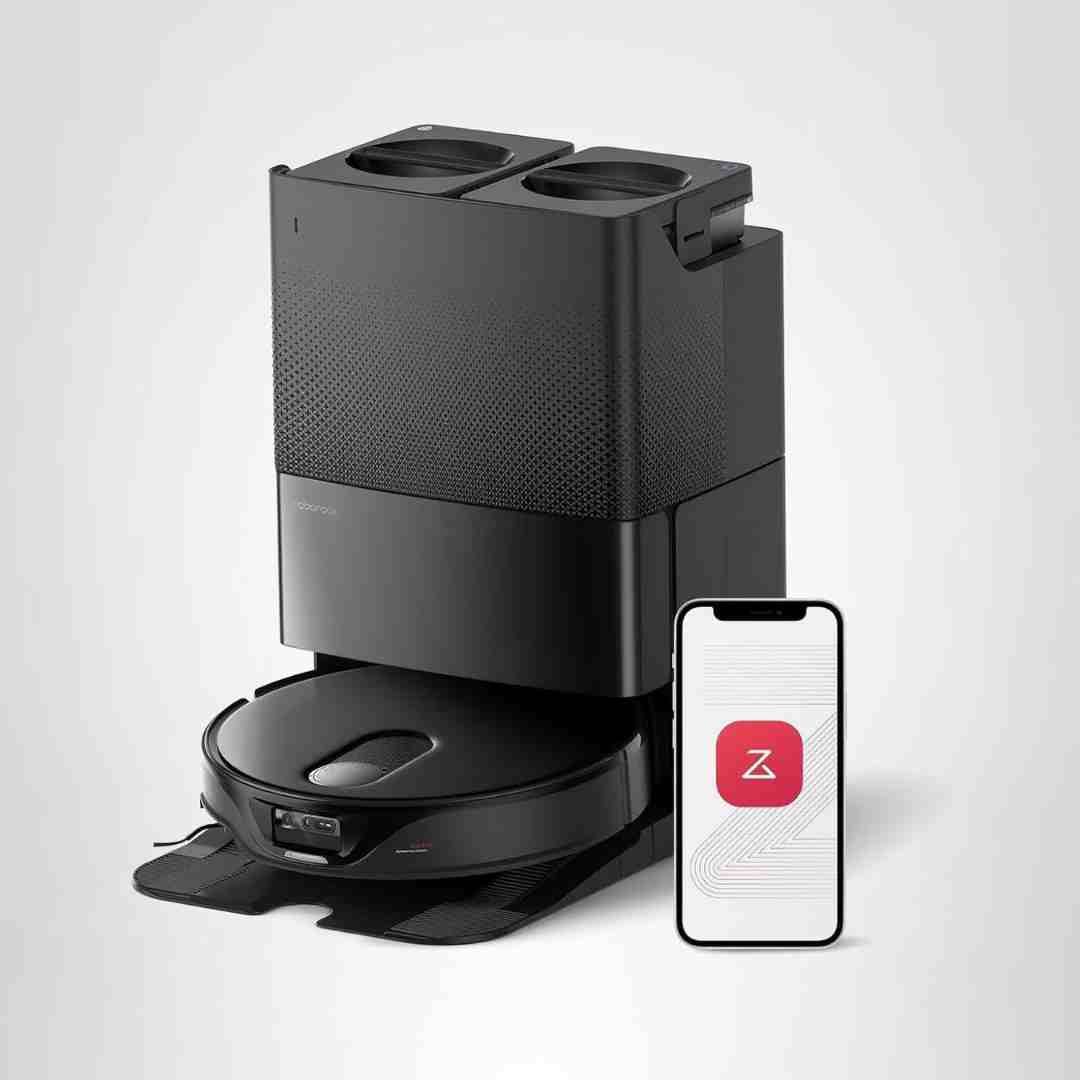
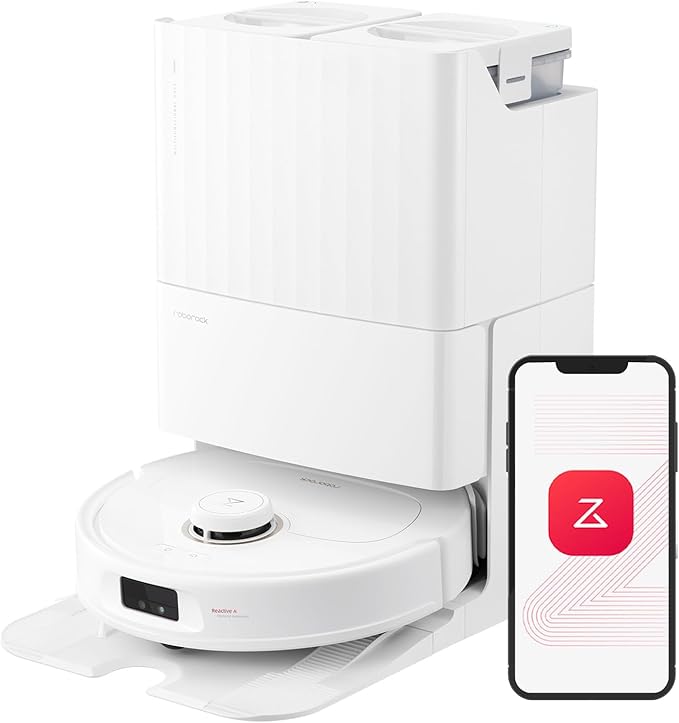
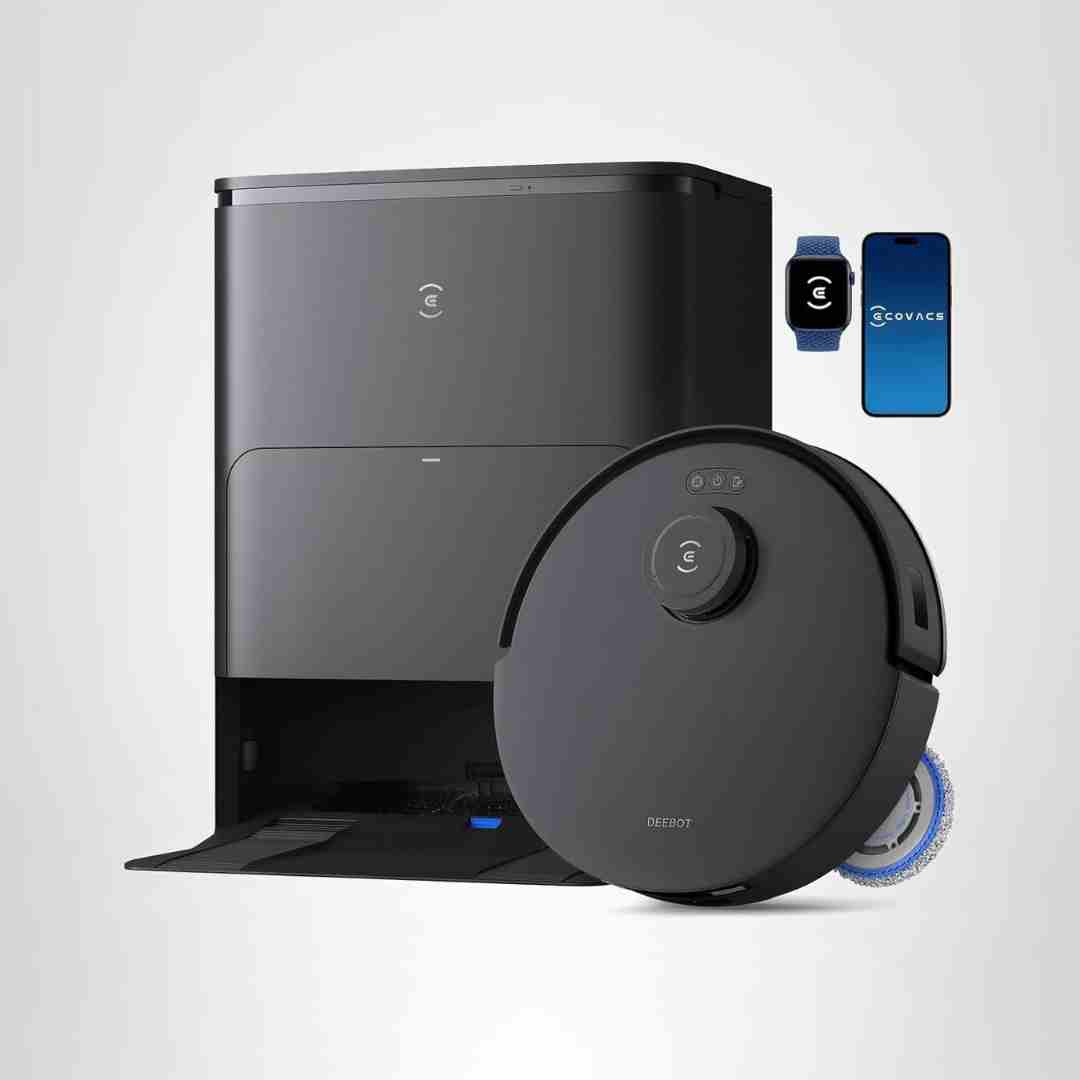
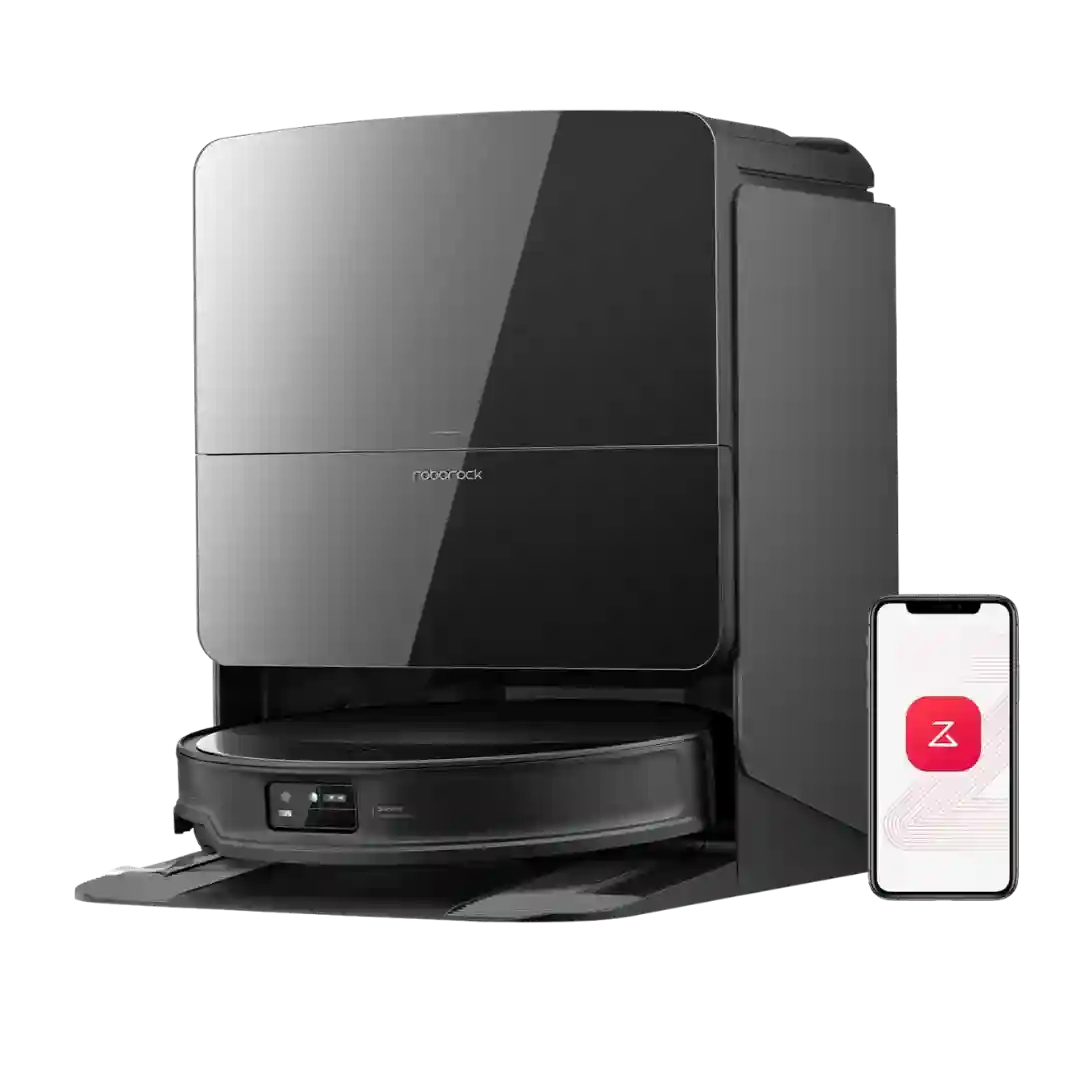
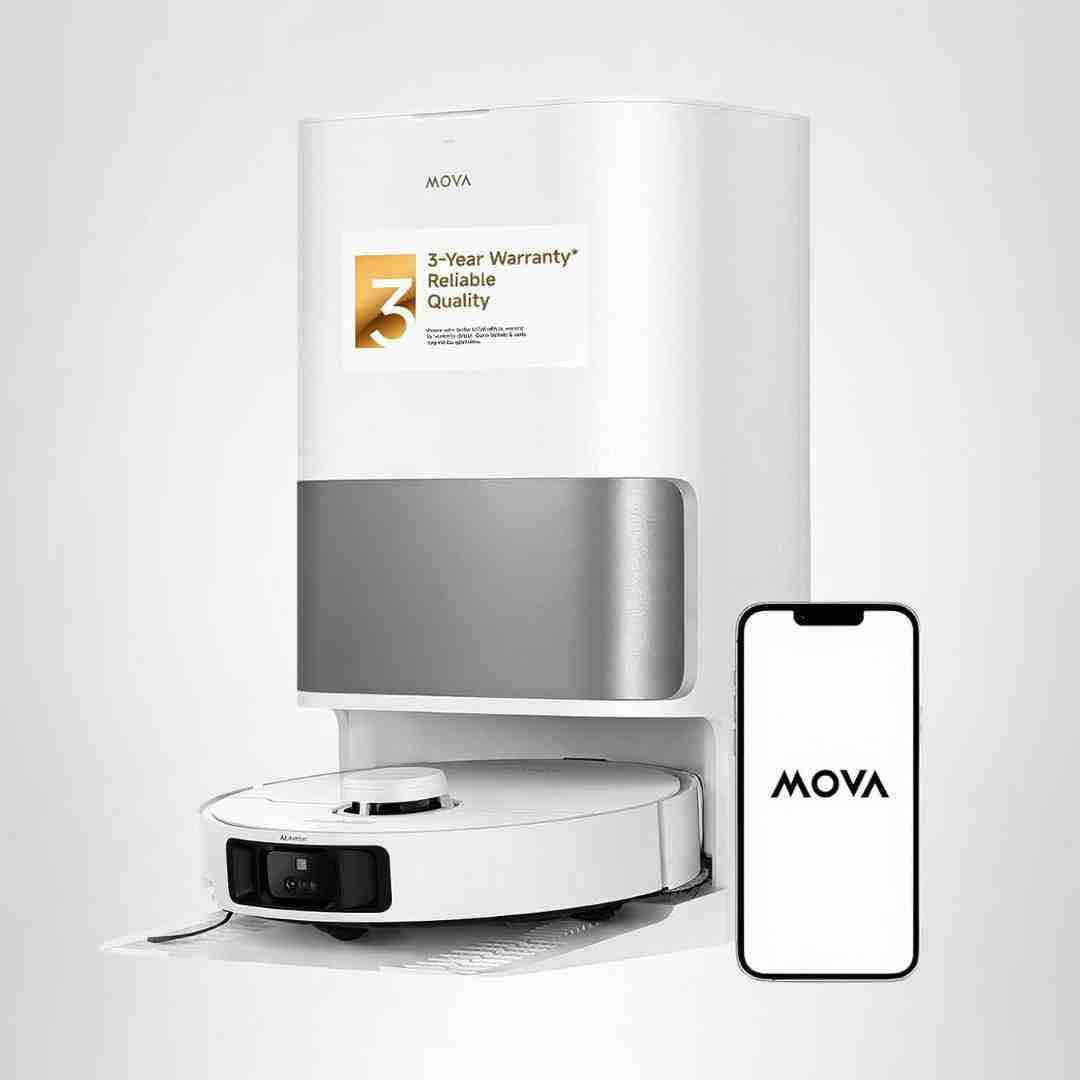
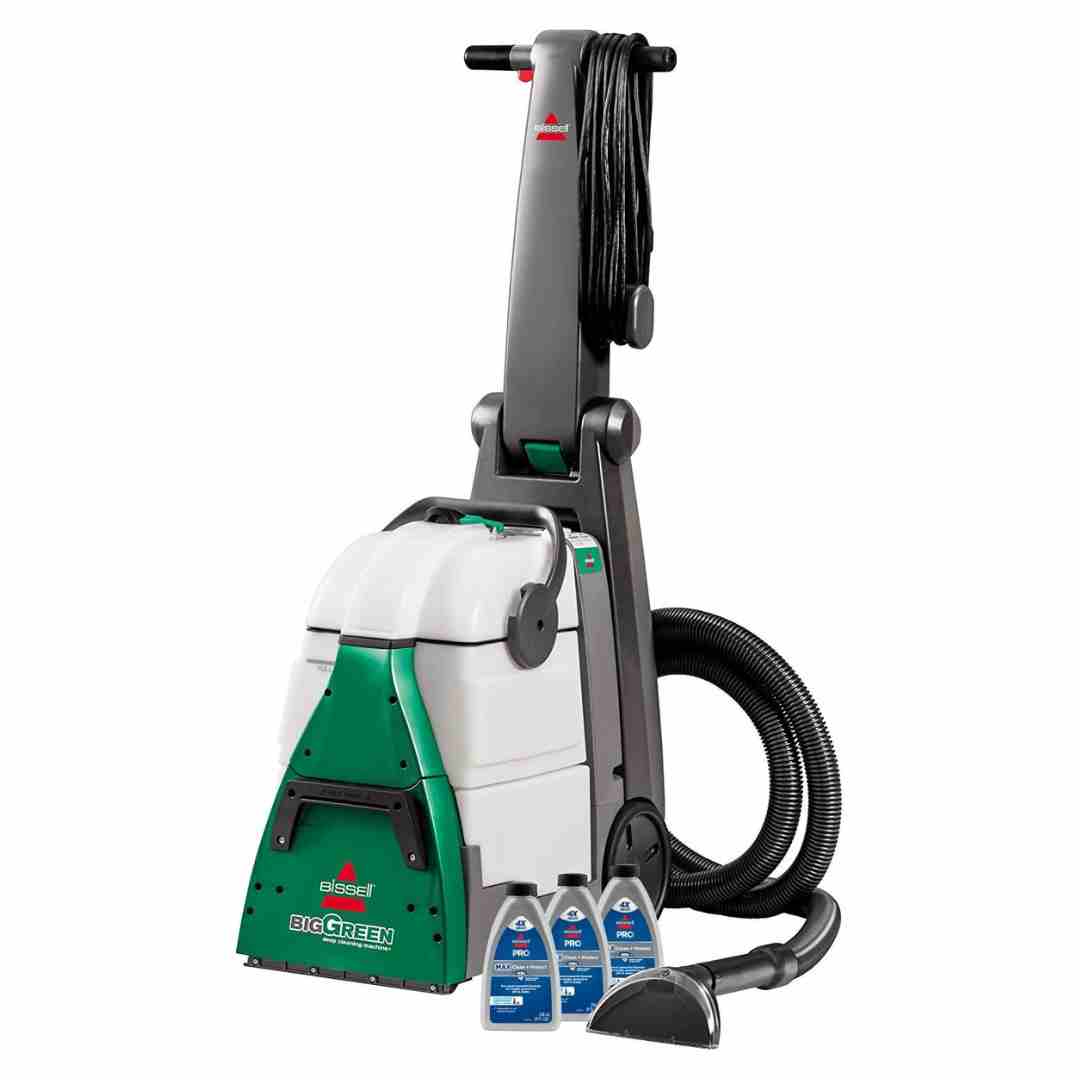
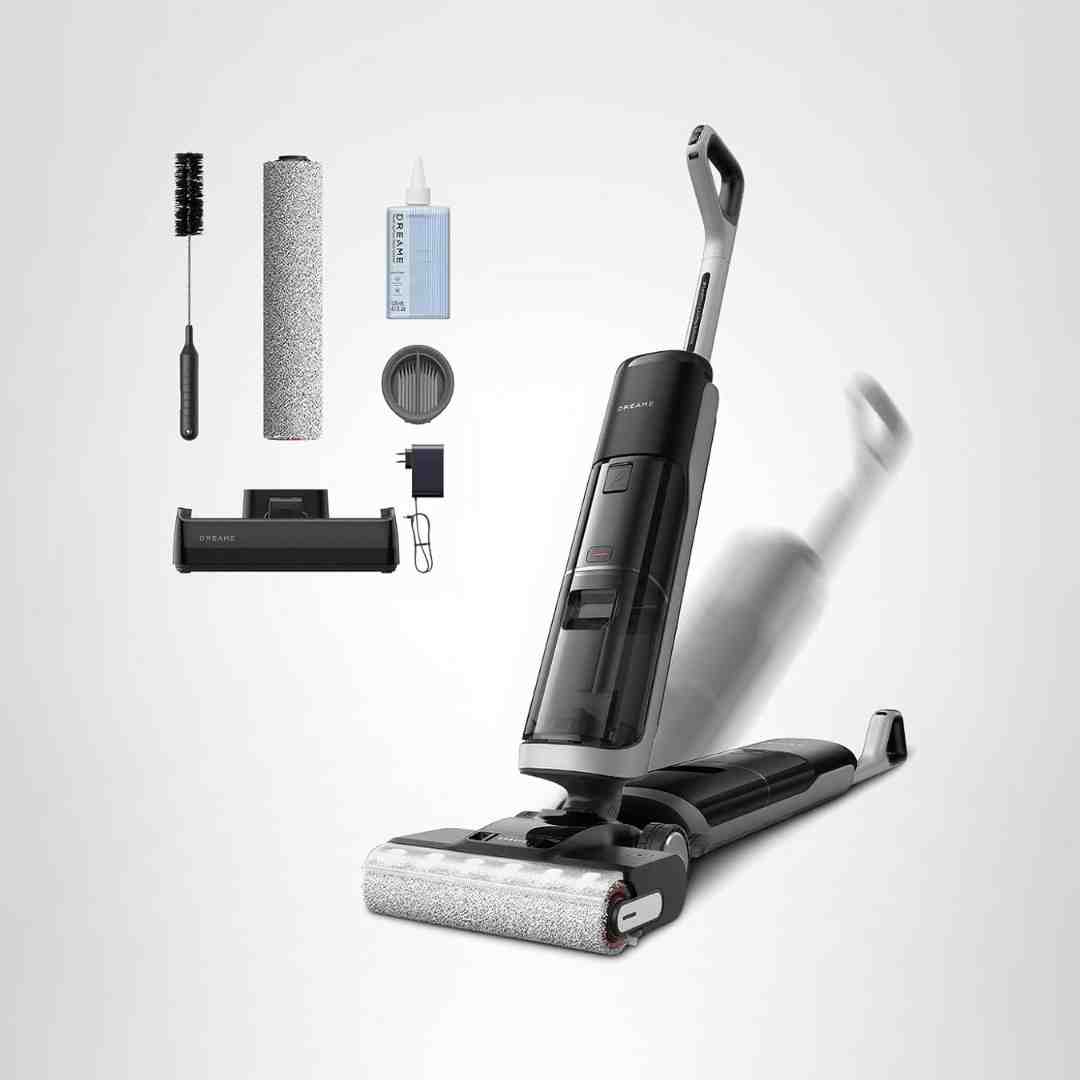
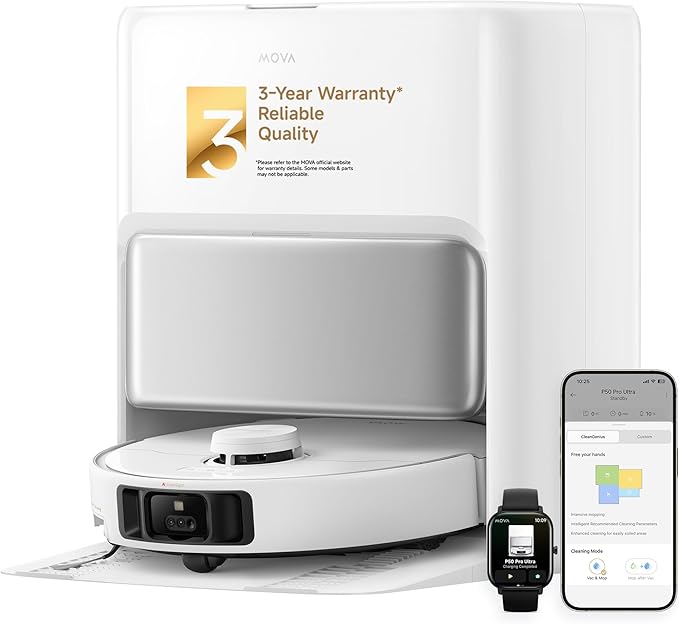
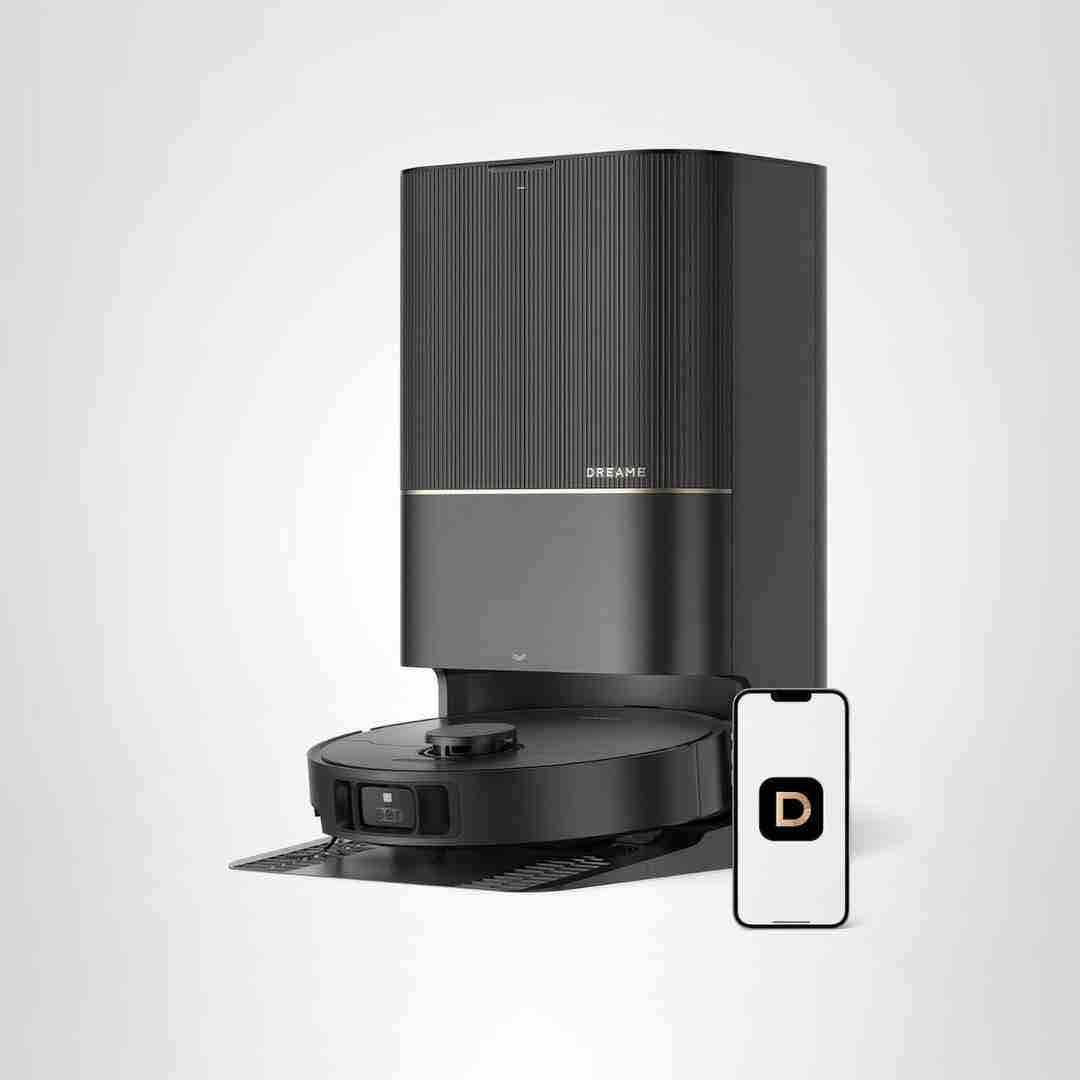
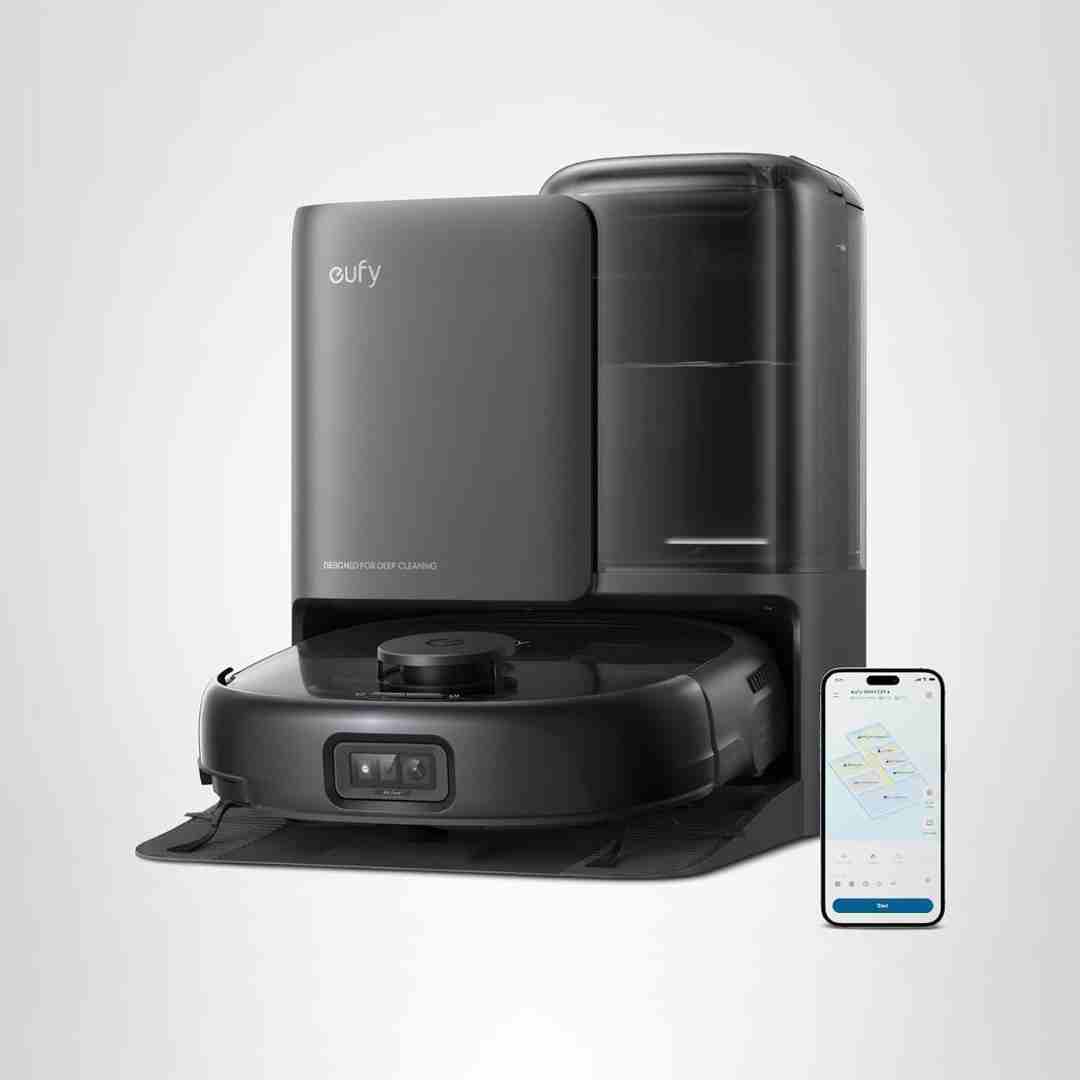
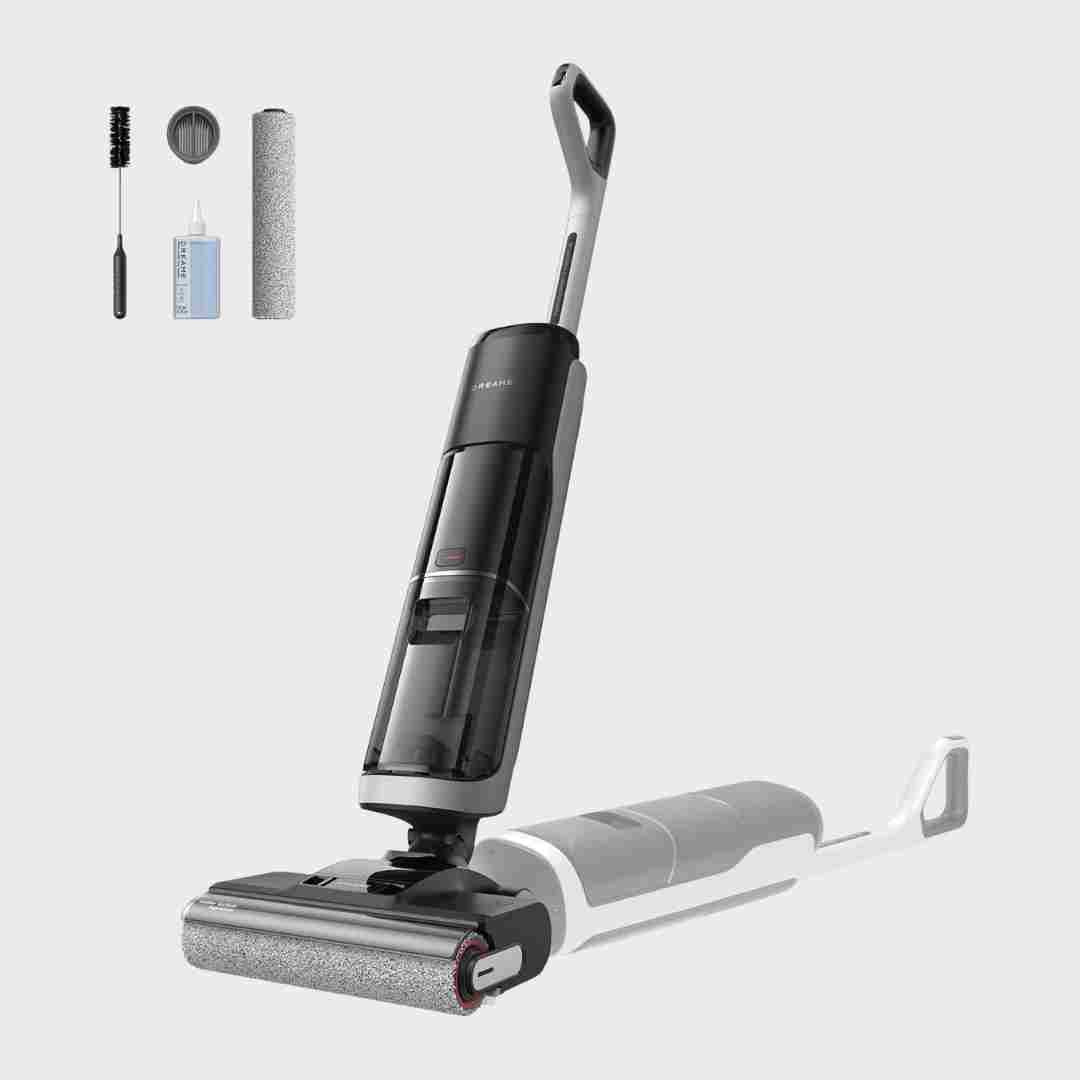
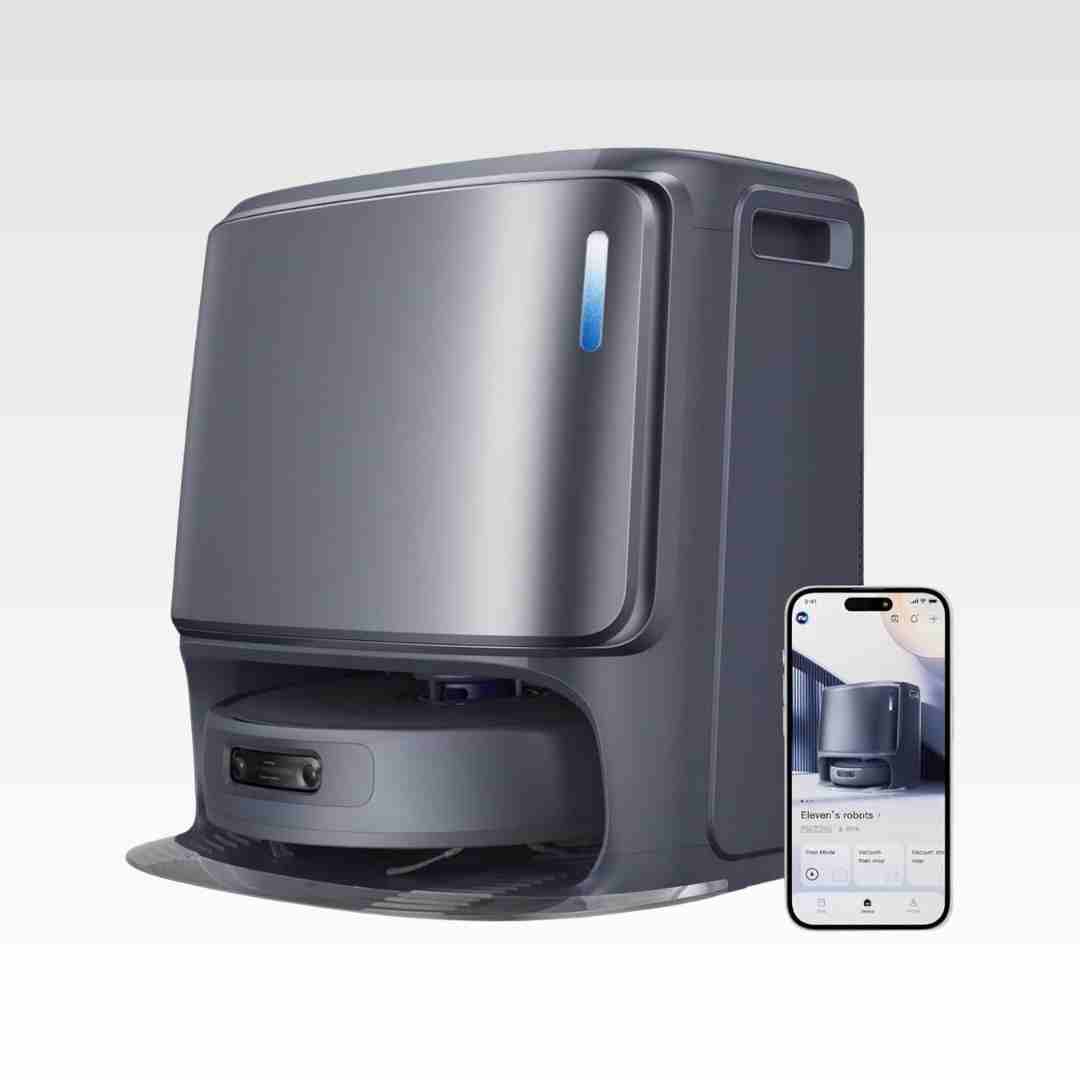
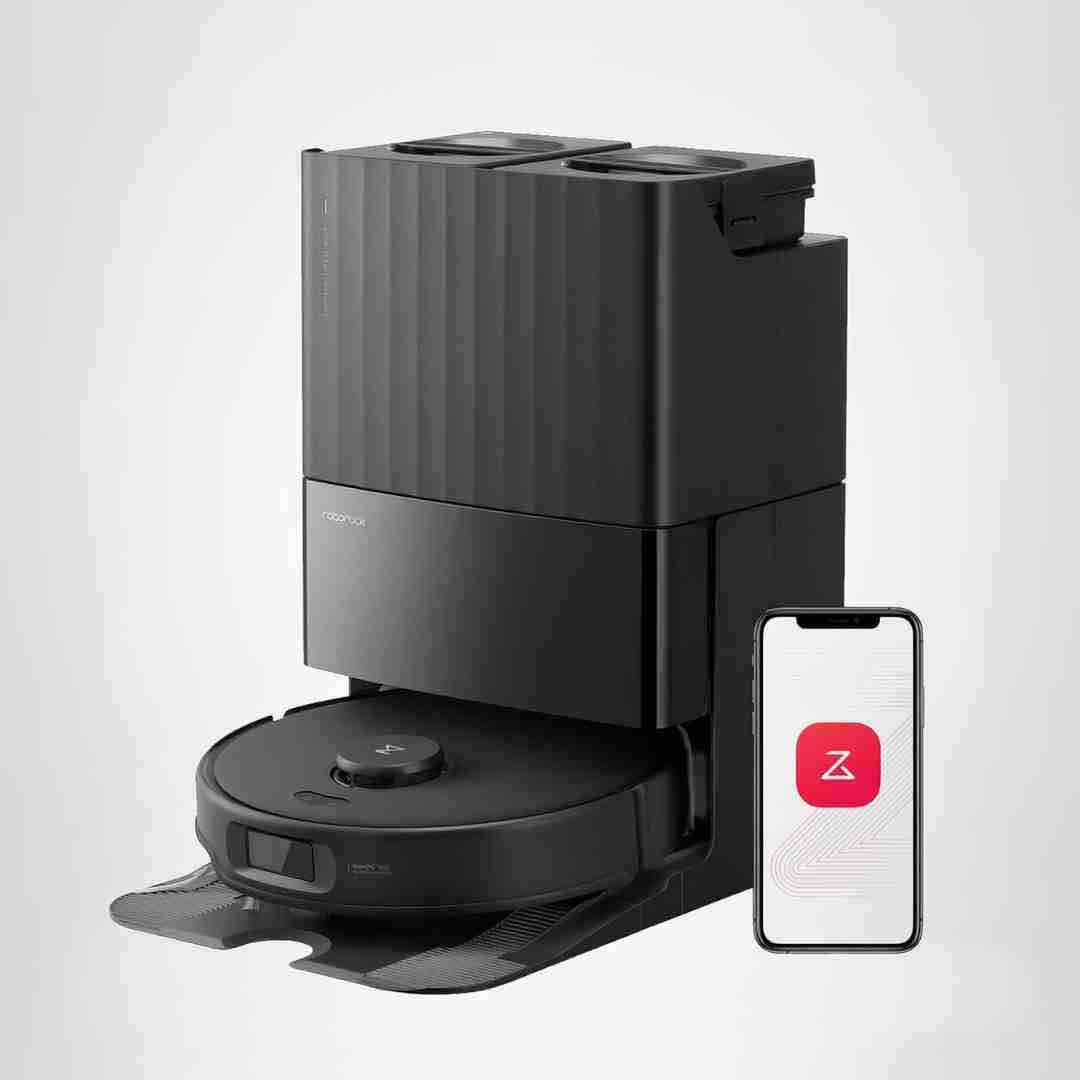
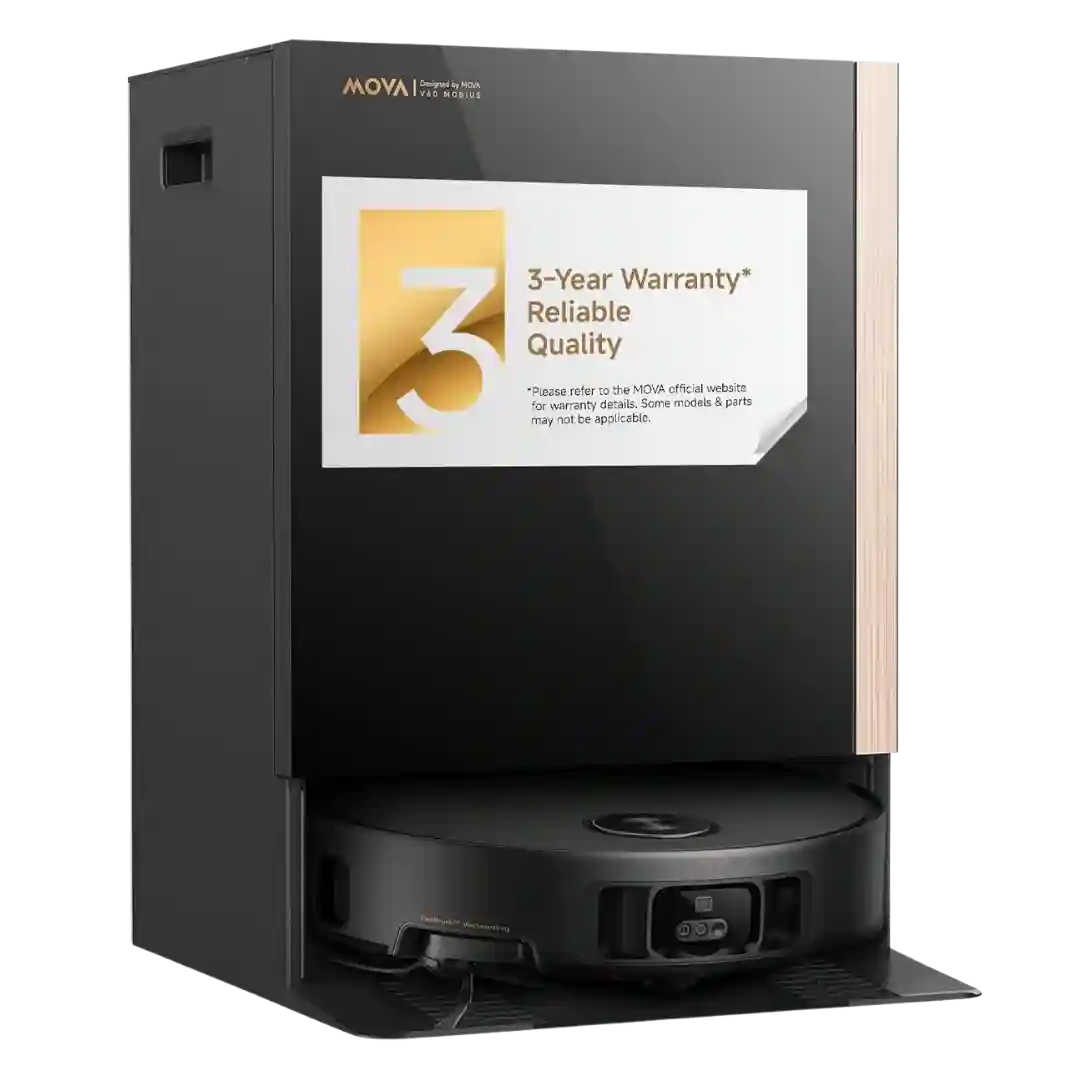
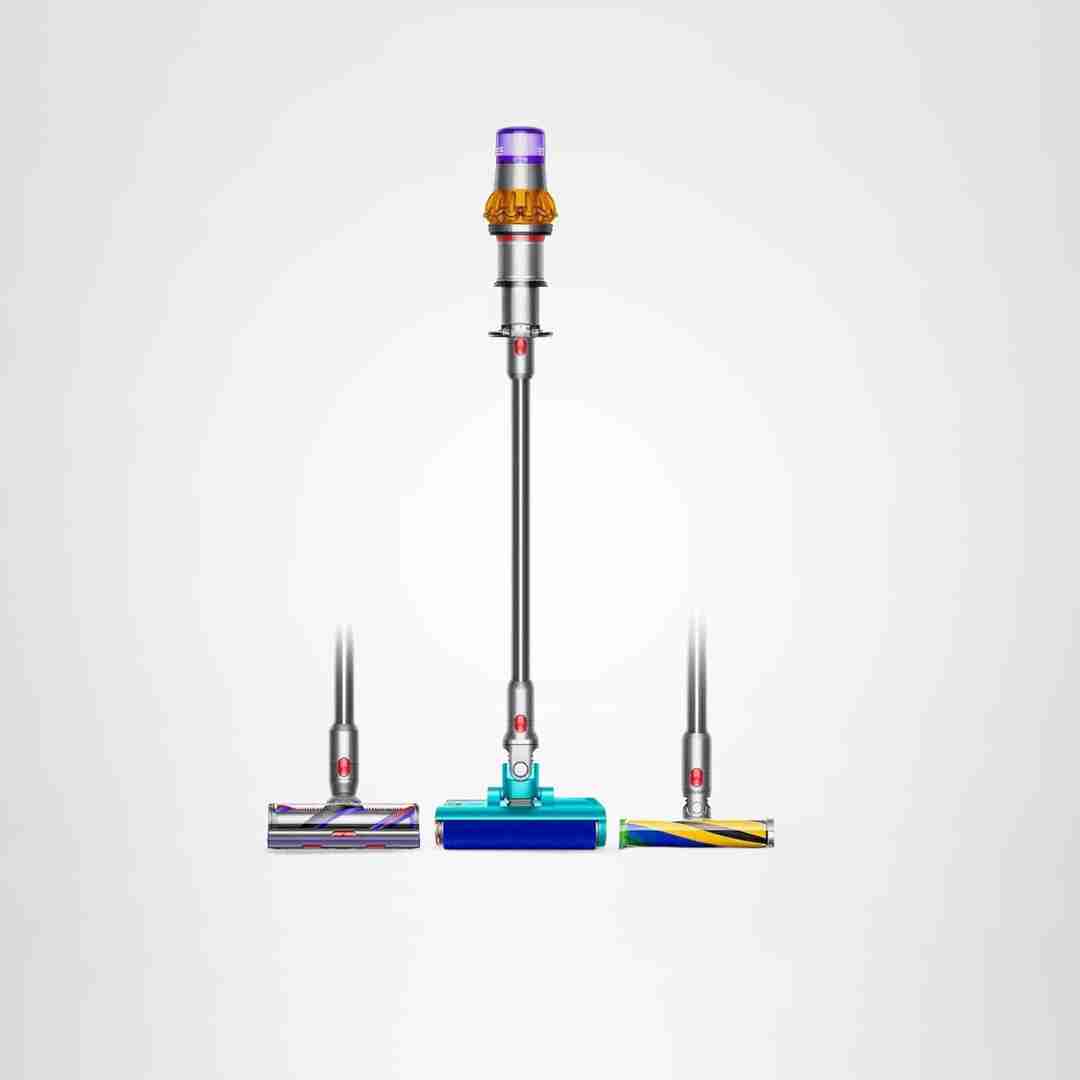
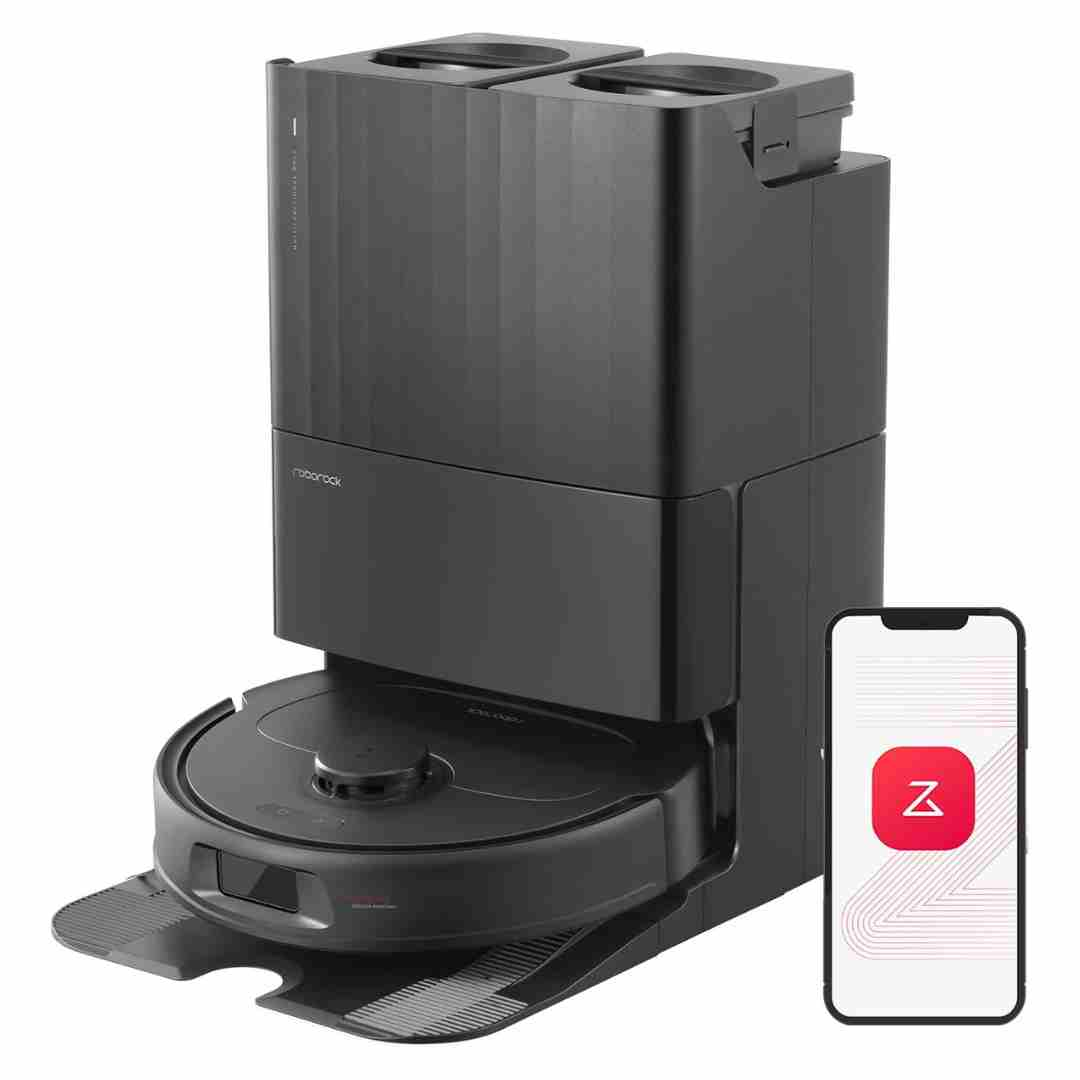
A standout feature in the video reviews is the dock’s dirt-detection logic that can trigger a remopping event after the robot washes its pads. Reviewers note it may require enabling in the app, and they credit it with improving results on dirtier zones after the first pass.
Some reviews call out a dirty-water sensing feature in the dock that can adjust washing based on how dirty the pads are. It’s consistently described as a higher-end automation feature rather than a must-have.
A dirty-water / dirt-detection sensor is credited with enabling remop/extra wash behavior, helping prevent spreading grime and improving hands-off cleaning.
A dirty-water sensor and related intelligent re-wash/re-mop behavior are highlighted as advanced dock automation features, aimed at reducing cross-contamination and improving consistency on dirtier areas.
The dirty water sensor and related “remop/extra attention” logic are highlighted as useful for real messes (e.g., muddy paw prints), triggering additional cleaning when the system detects higher soil levels.
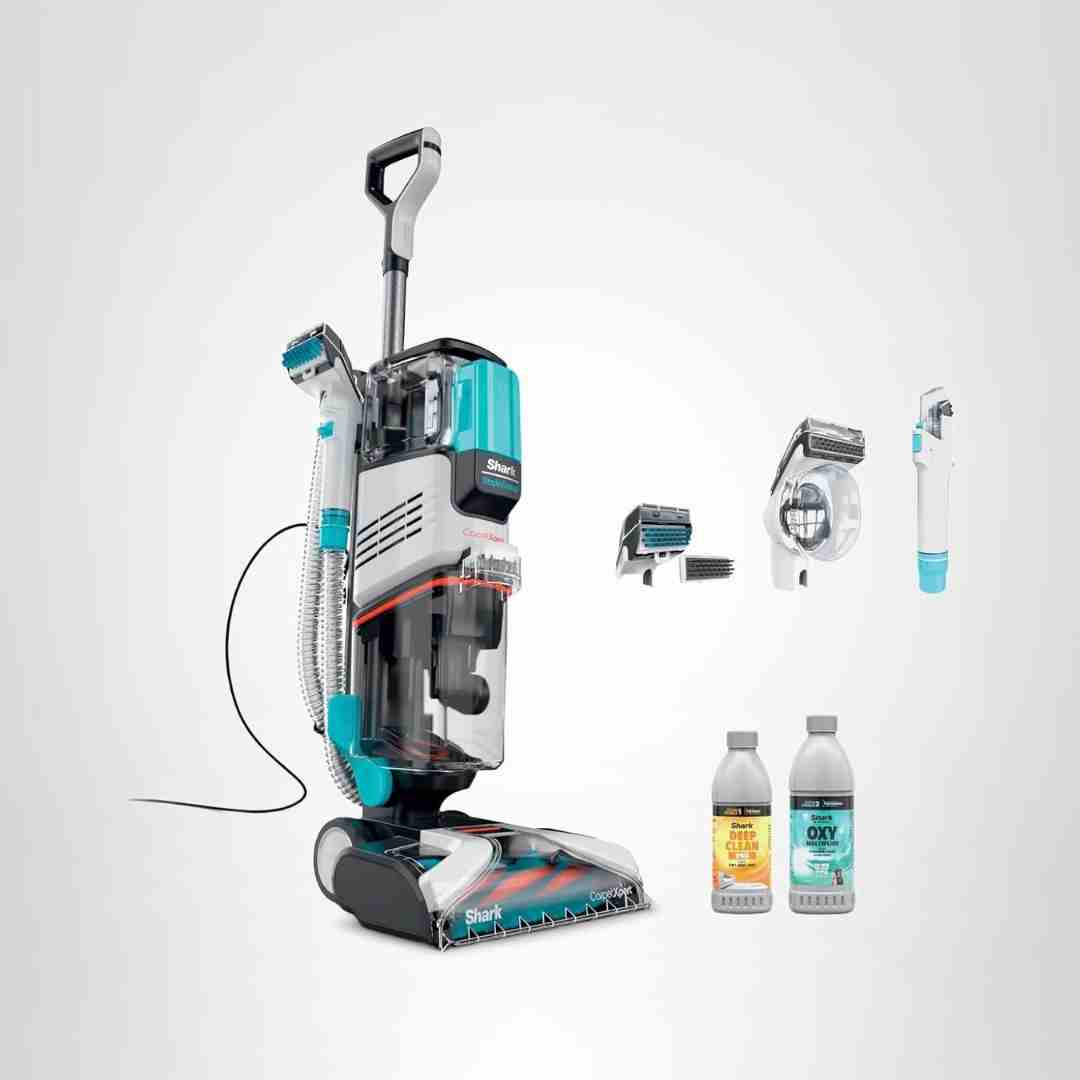
Several reviewers describe a float/shutoff behavior that stops airflow/flow when the dirty tank is full, which helps prevent overfilling and makes the machine more forgiving during long sessions.
At least one review describes a sensor-driven approach to judging pad dirtiness via dirty water and potentially prompting additional cleaning. Dirty-tank fullness alerts via the app are also mentioned.
A full-tank indicator and automatic shutoff/beeping are mentioned, preventing overflow and forcing a stop when the dirty tank reaches its fill line. Some find the fill line conservative, which can mean more frequent emptying.
Some reviews describe a dirt/dirty-water sensing approach that can trigger extra cleaning or re-mopping after detecting unusually dirty wash water, but it may require enabling in the app.
Some reviews highlight a dirty-water sensing approach that can trigger extra mop-pad washing or a second cleaning pass when the system detects heavier soil. This feature is presented as a meaningful upgrade for messier kitchens and high-traffic areas.
Dirt feedback is often highlighted as useful: the display/indicators show dirt level changes during cleaning, helping users know when extra passes are needed.
The dock wash-water sensing drives auto re-mopping behavior; it is effective at prompting extra cleaning, but can be aggressive and increase water use.
Dirty-water/dirt-detection features in the station are positioned as a plus for mop maintenance, enabling extra washing or smarter mop care when enabled.
Dirty-water/intelligent dirt sensing is used to trigger re-washing or targeted re-mopping, which reviewers credit for better consistency on messier zones.
The dock dirt-detection and remopping concept can work well (for example, triggering a second pass after muddy paw prints). However, other testing reports it did not reliably detect certain dried stains, making the behavior inconsistent.
The dirt-level sensing/indicator is often appreciated for showing when floors are still dirty, though a few users question accuracy on certain sticky messes.
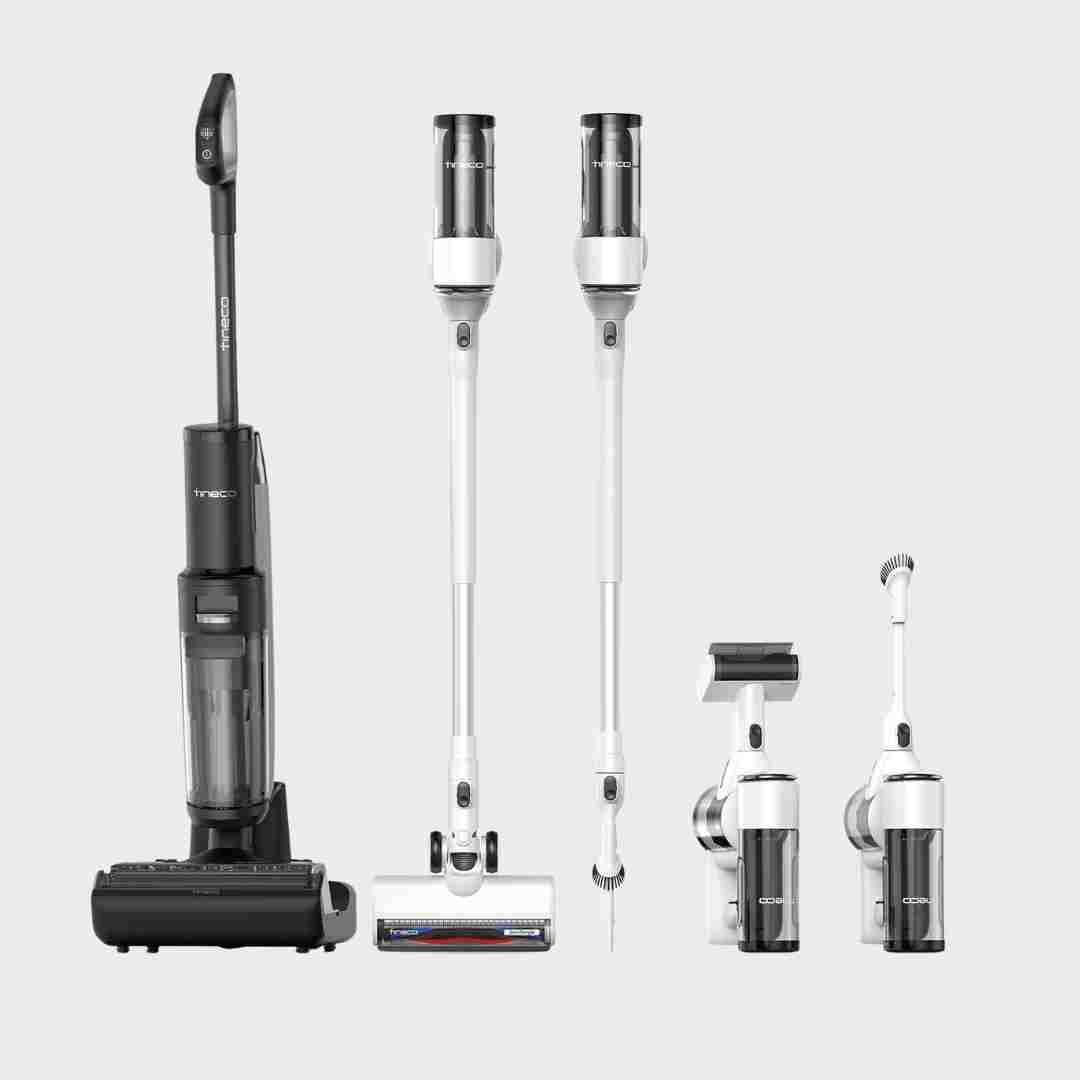
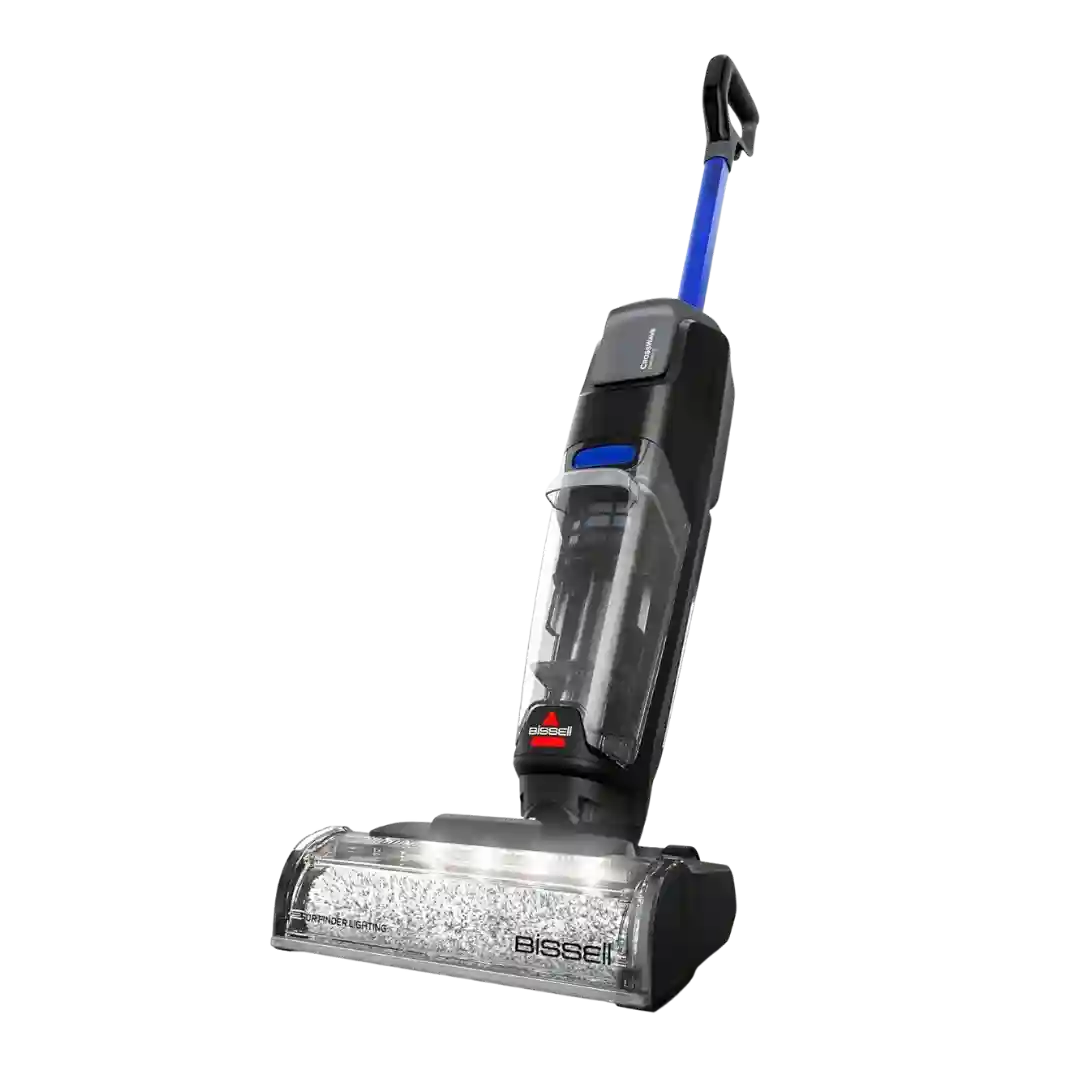
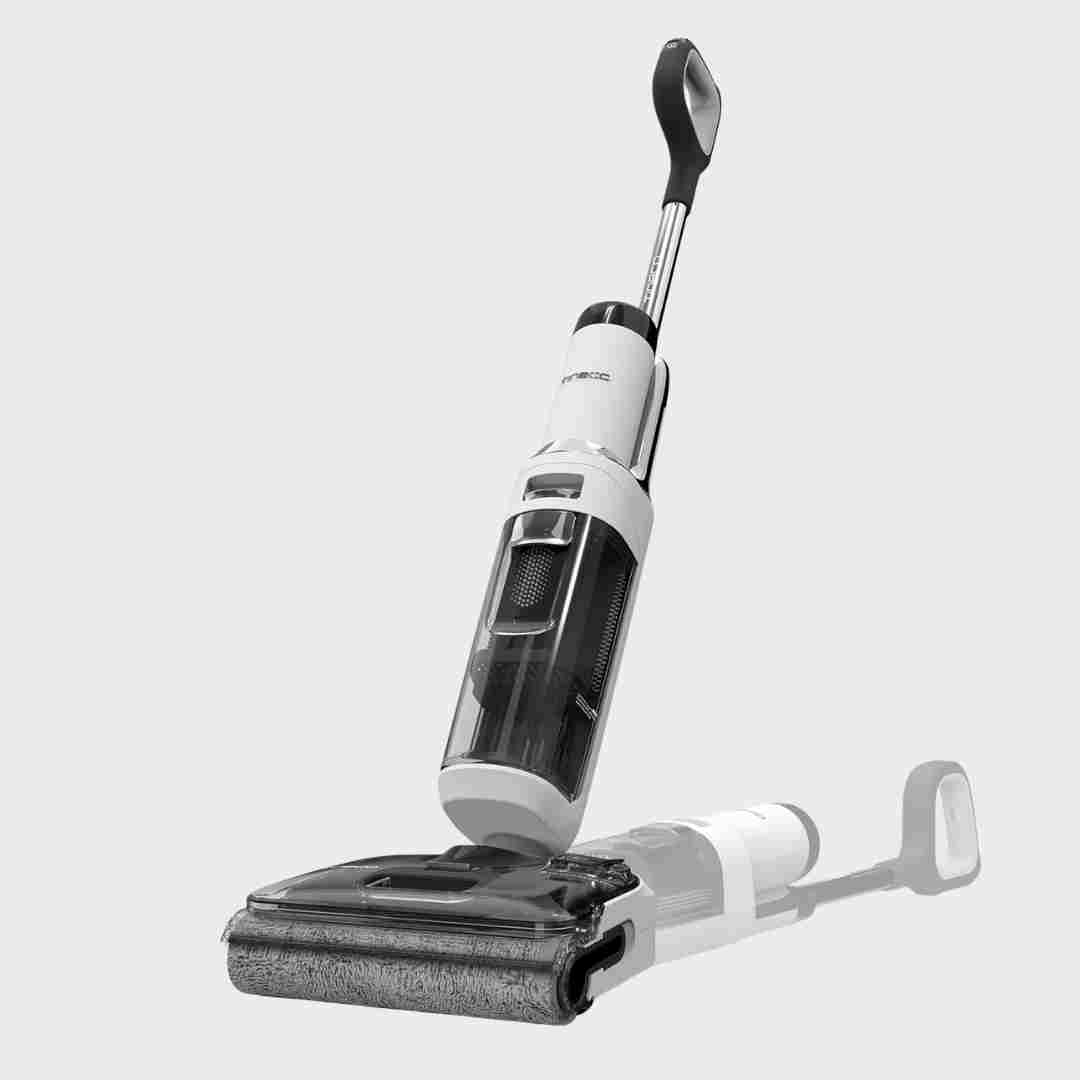
Cordless reviews often mention a full-tank alert/sensor that can shut the unit down. A recurring gripe is that bubbles or float behavior may trigger the warning early, forcing an emptying even when the tank isn’t truly full.
The dirt detection / sensing system is useful for adaptive cleaning in theory, but feedback is mixed on how reliably it reflects truly clean vs dirty areas, with some calling it a gimmick while still liking overall results.
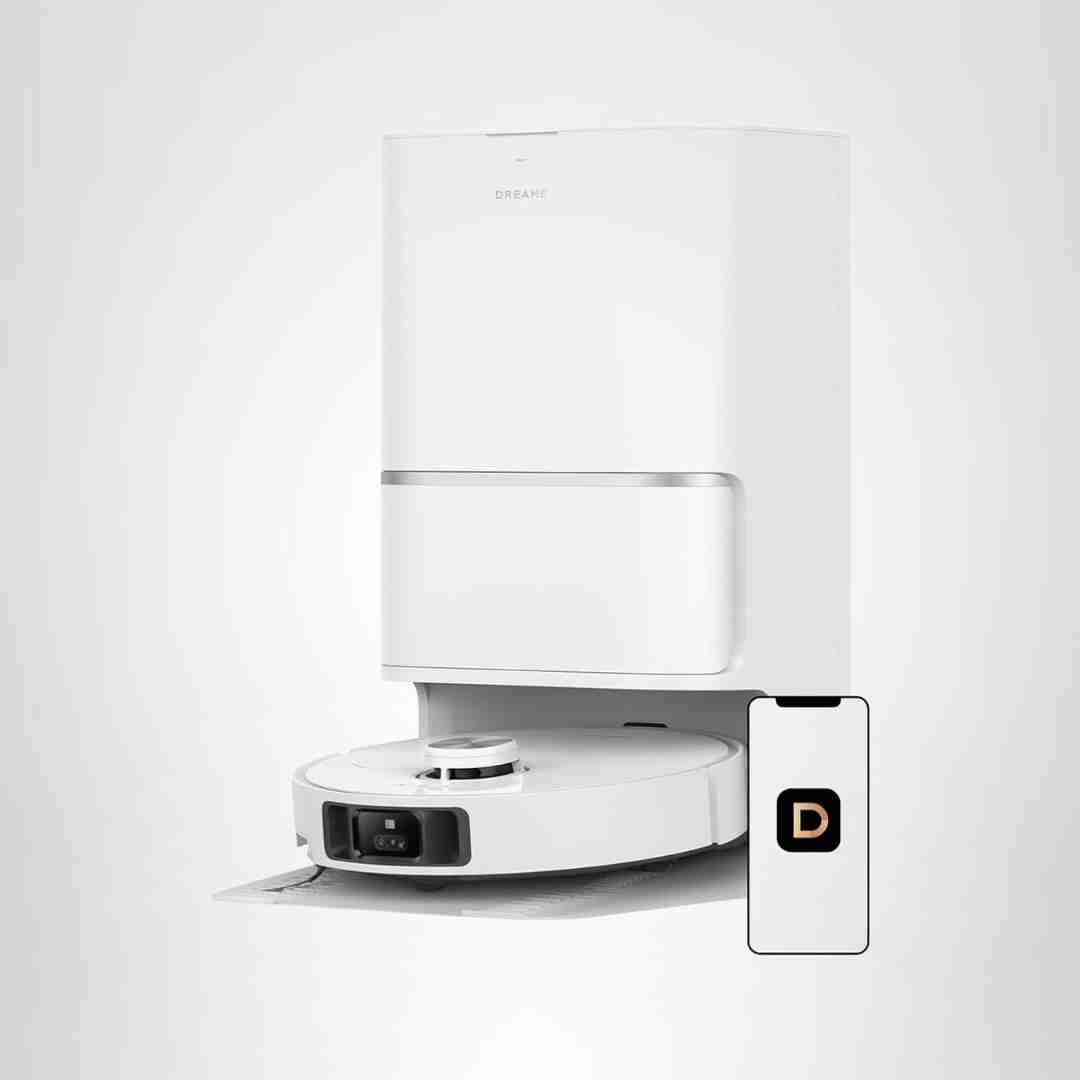
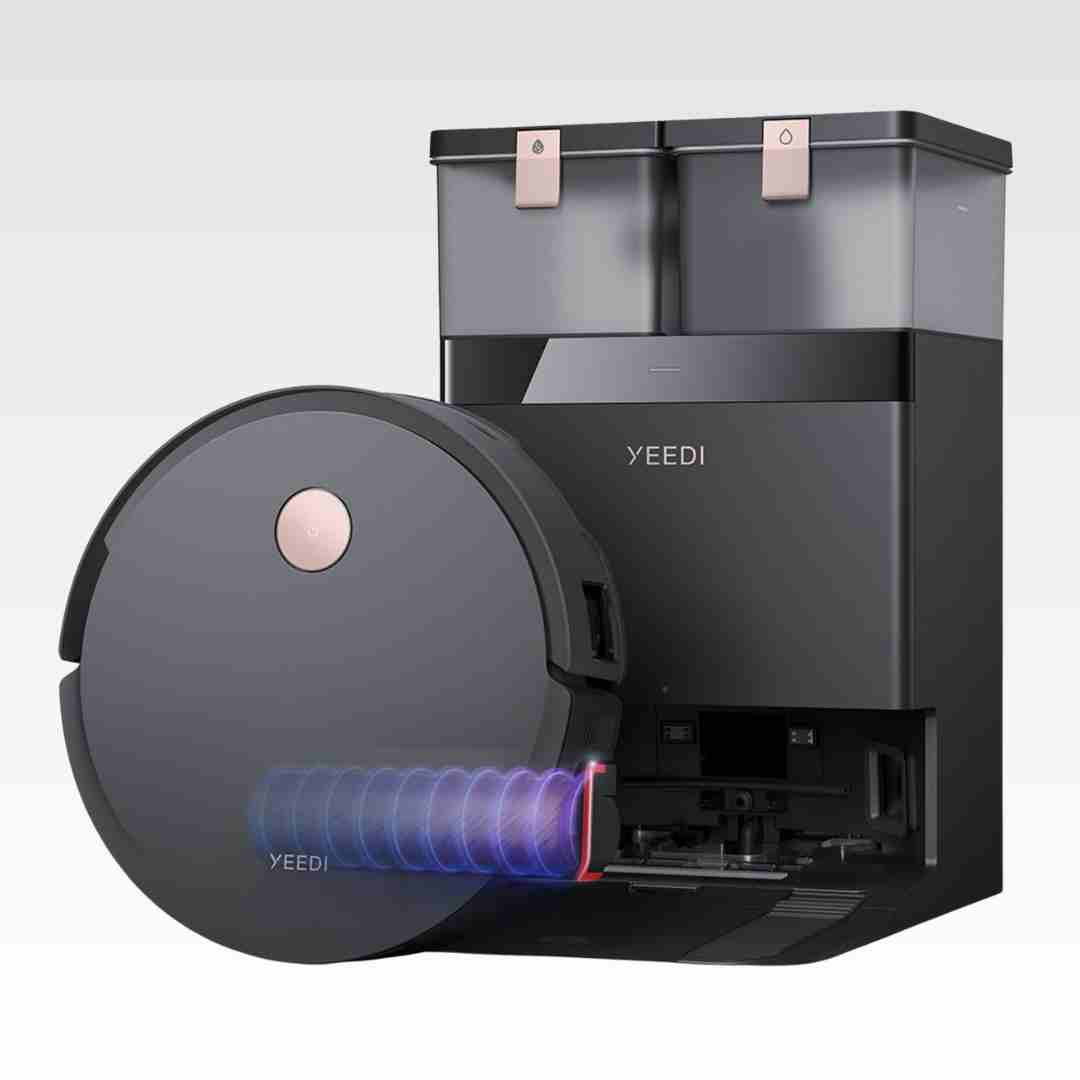
Multiple reviews note the dock has most premium features but lacks (or does not clearly include) a dedicated dirty-water sensor, which some consider the main missing convenience feature.
At least one detailed reviewer notes the dock lacks a dirt-detection sensor that would automatically trigger extra re-mopping based on dirty wash water.
Multiple reviewers point out the dock lacks a dirt/detection sensor (or similar) to automatically vary mop-washing based on how dirty the pads or water are; cleaning intervals are set manually.