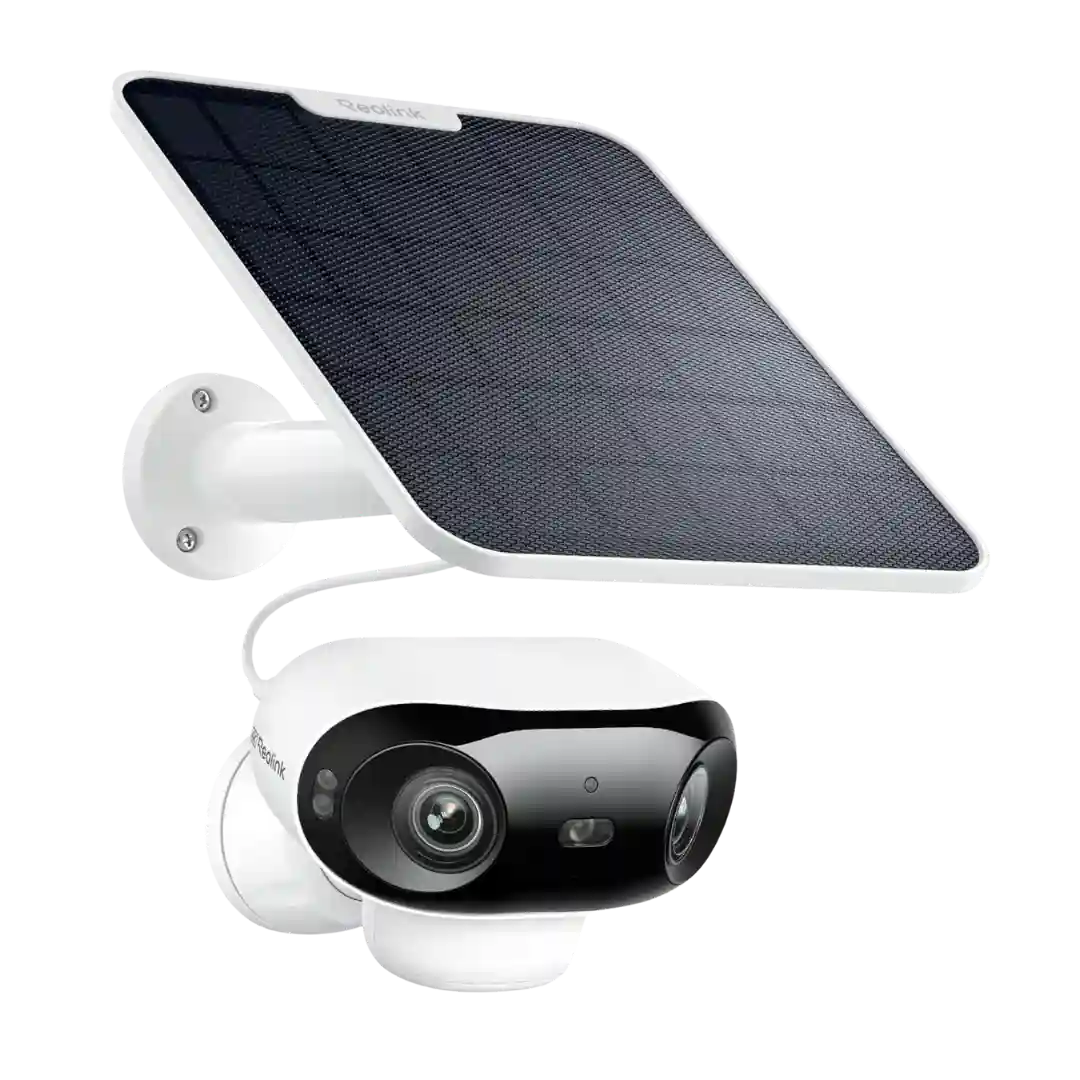
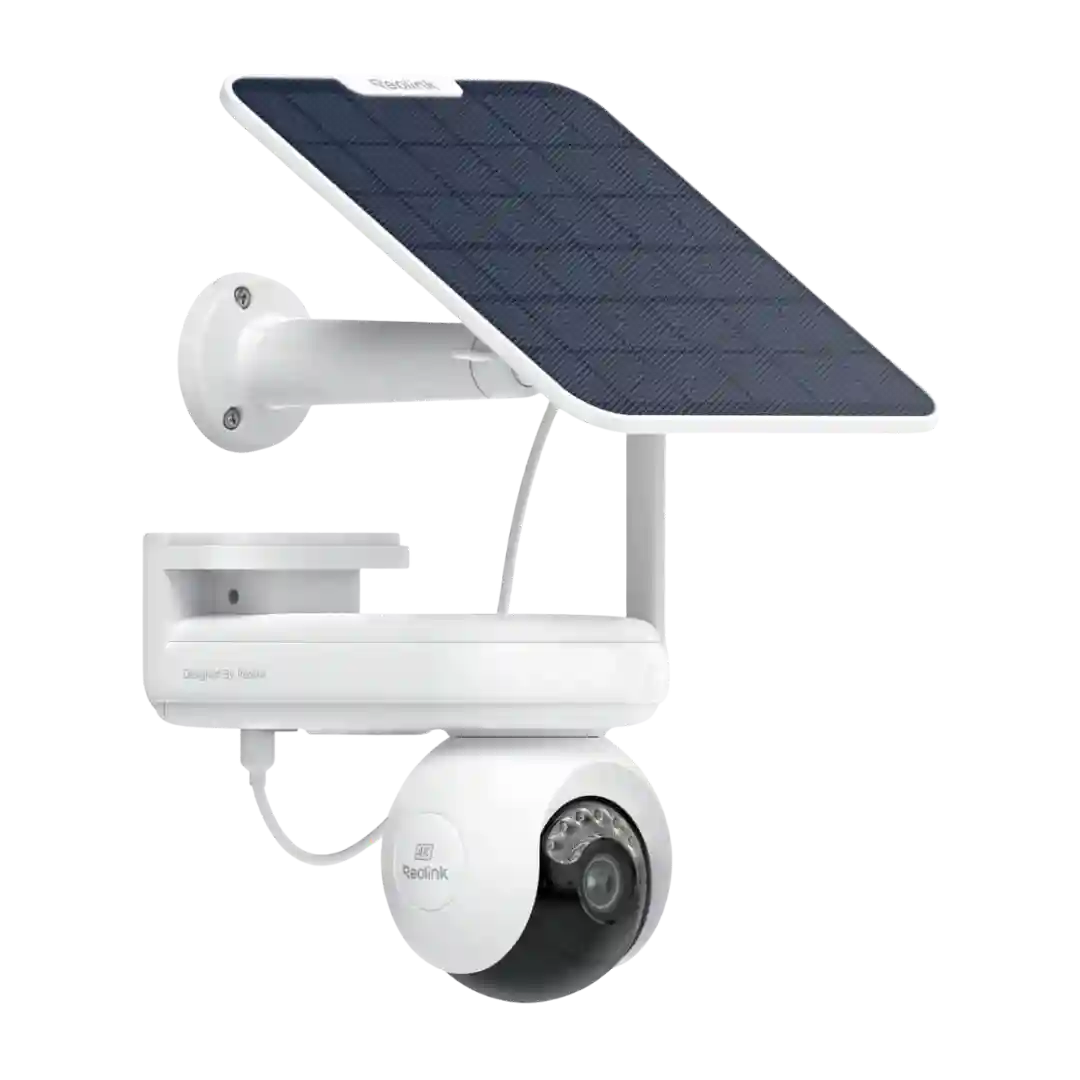
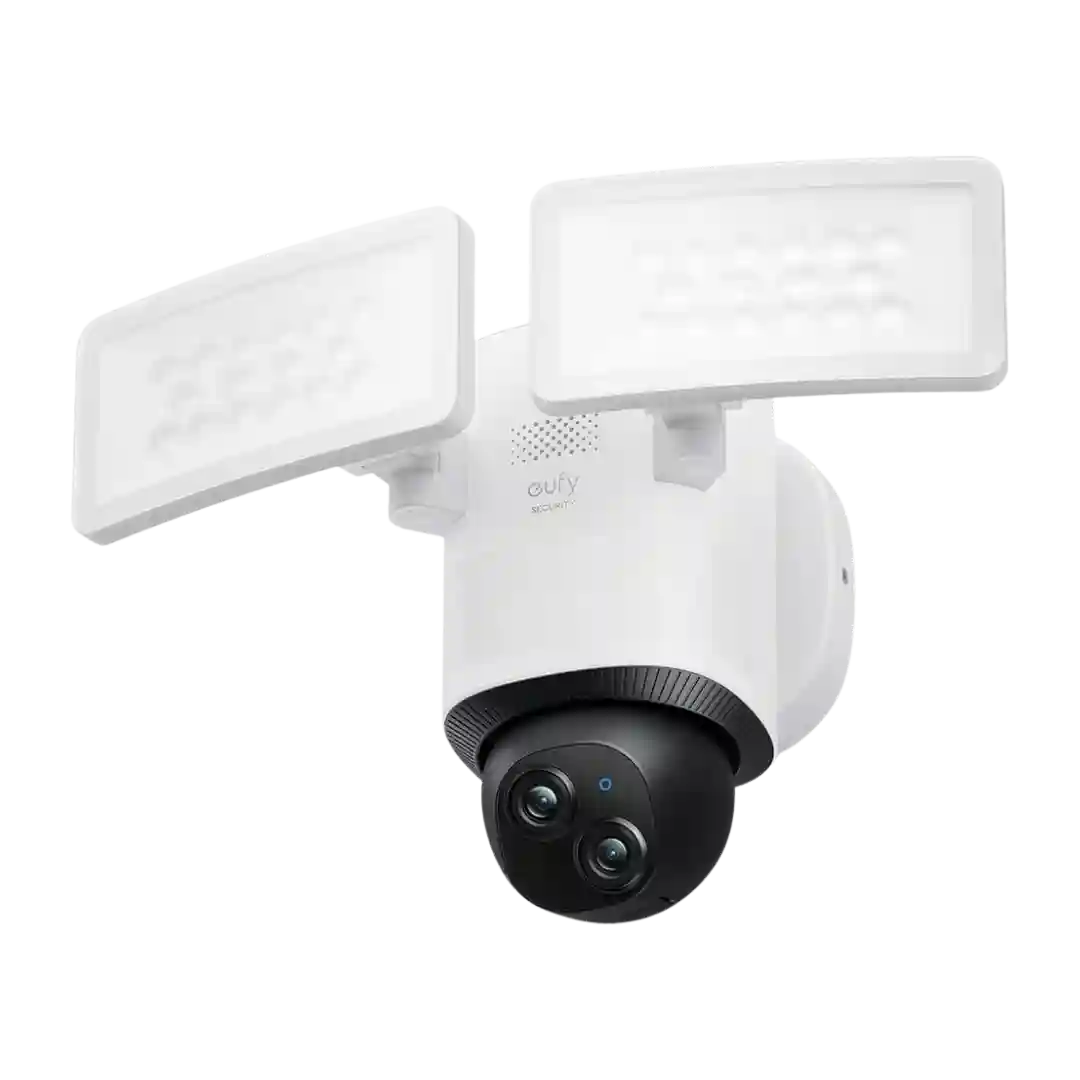
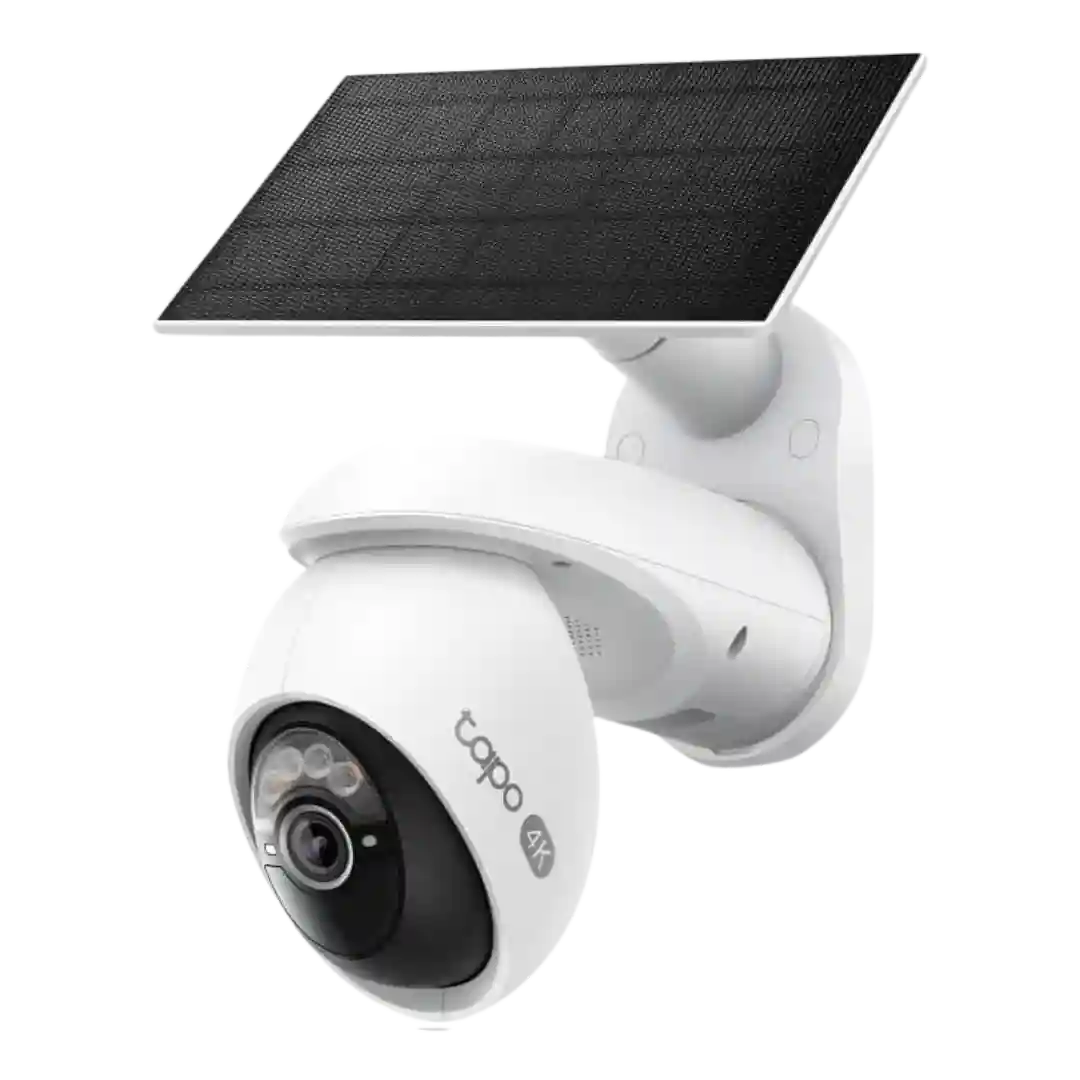
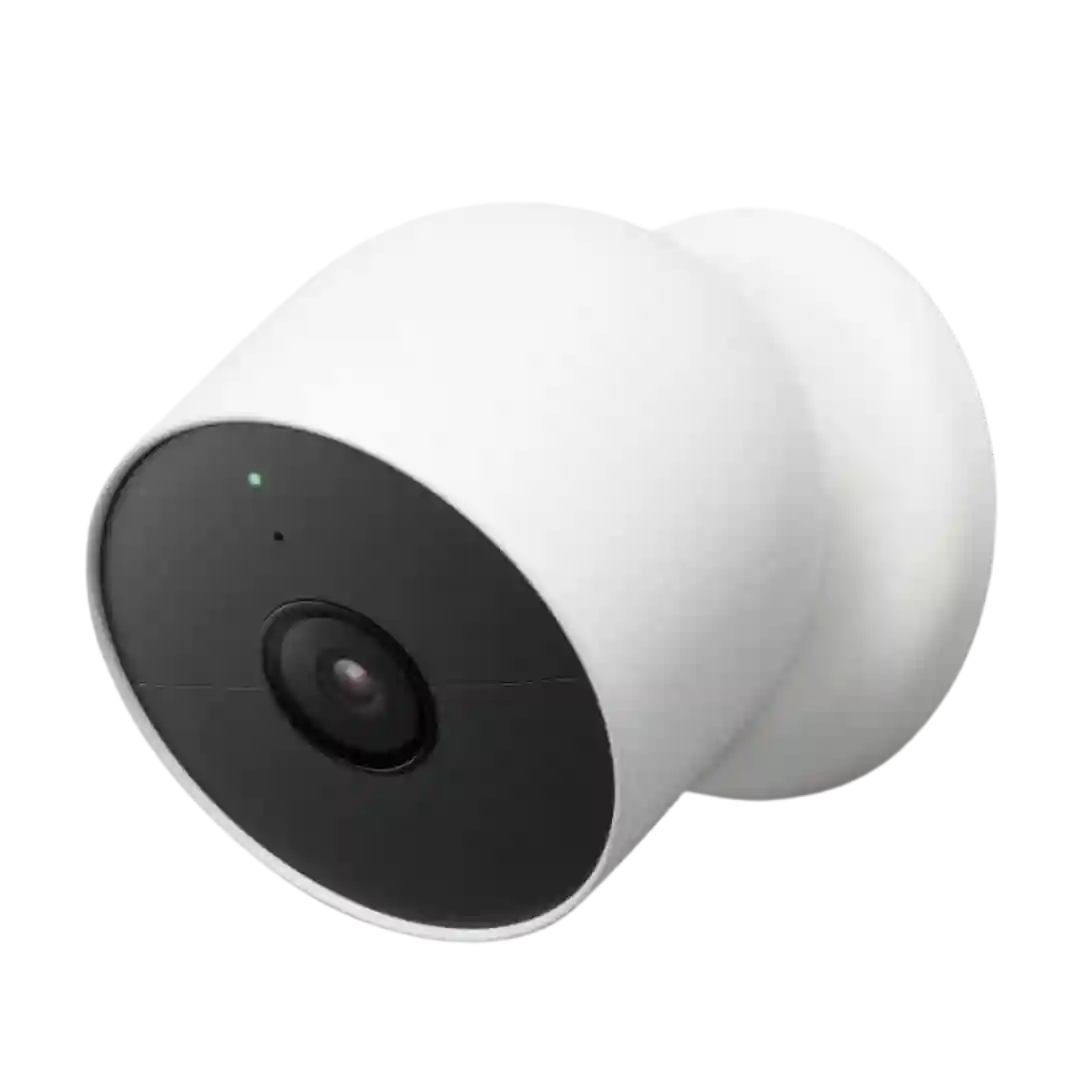
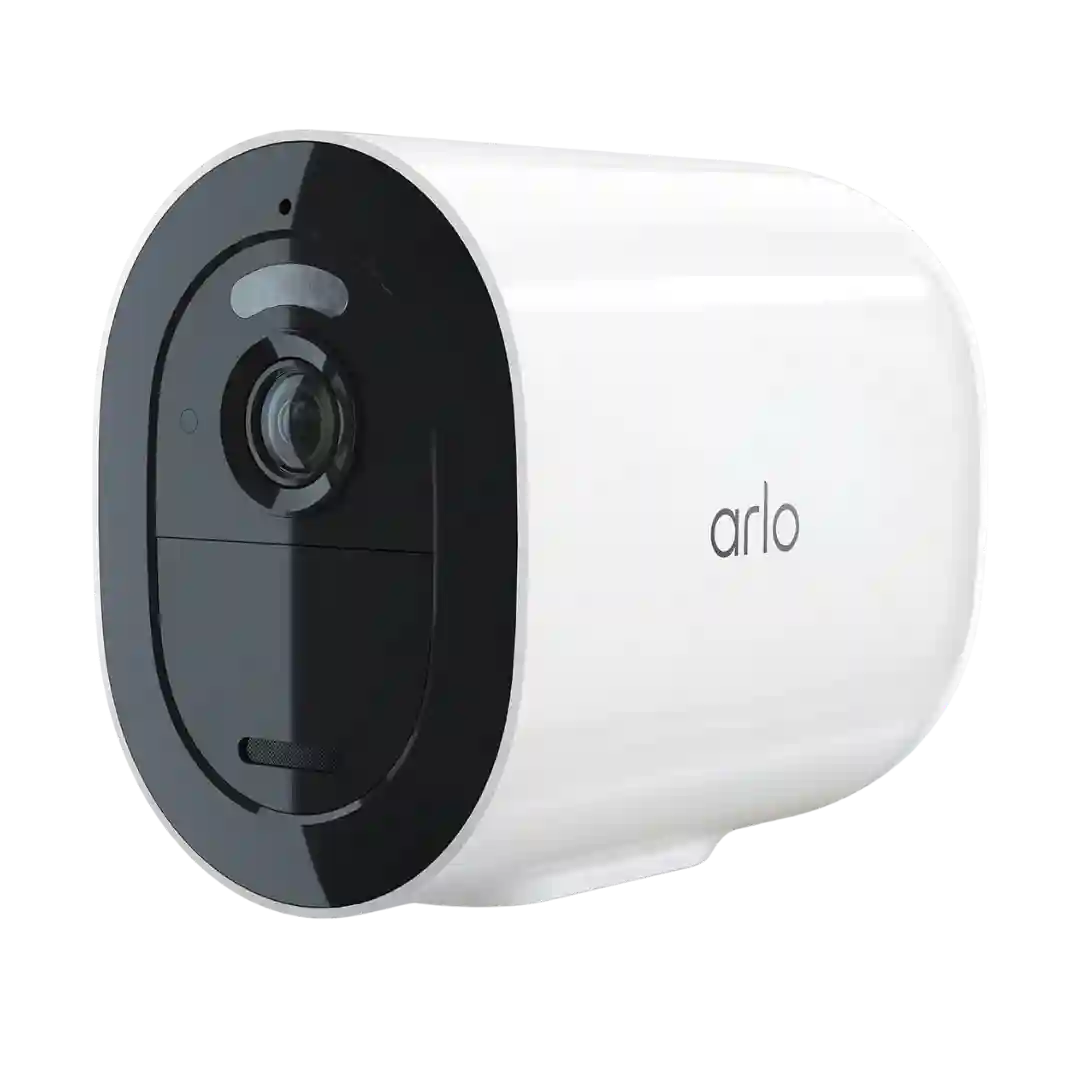
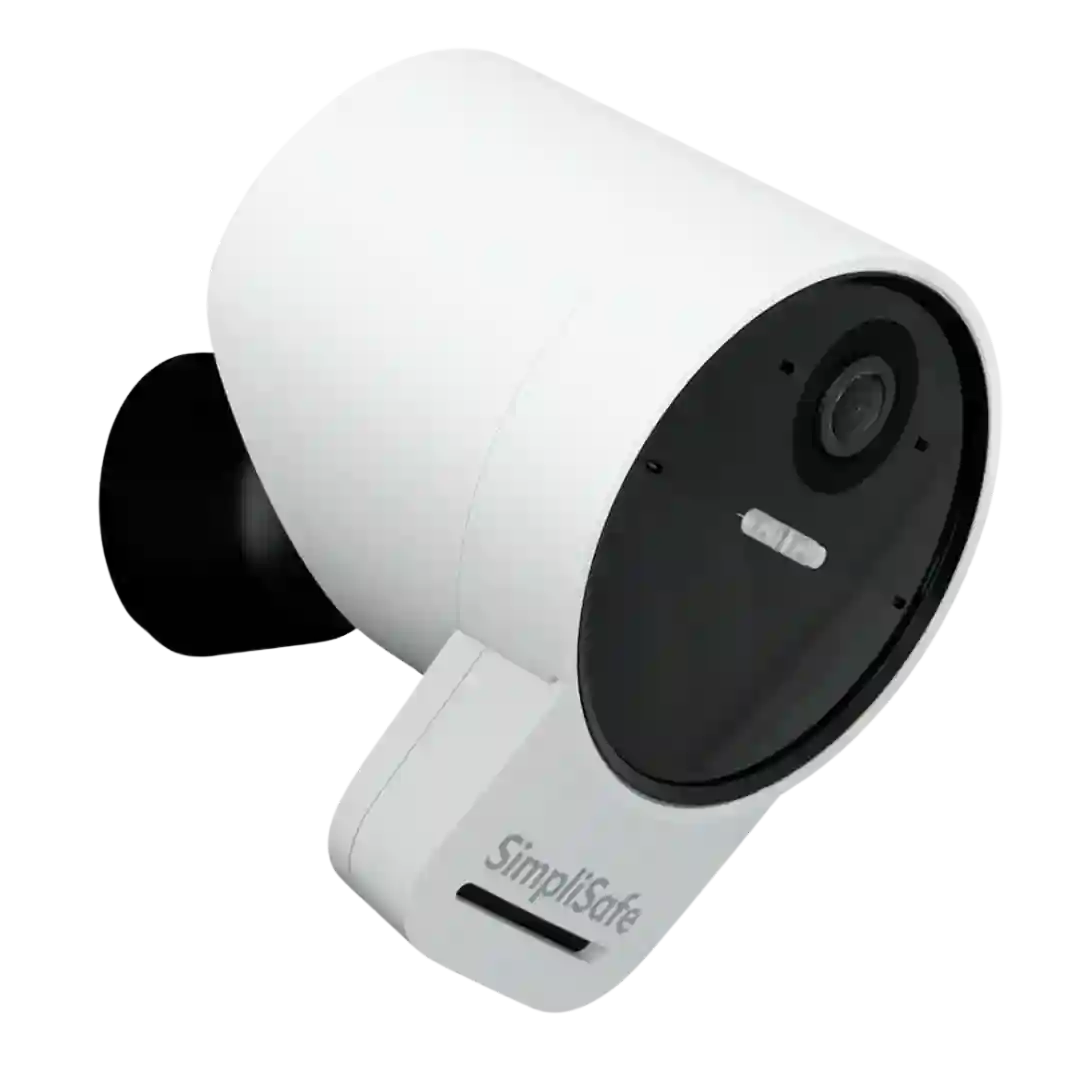
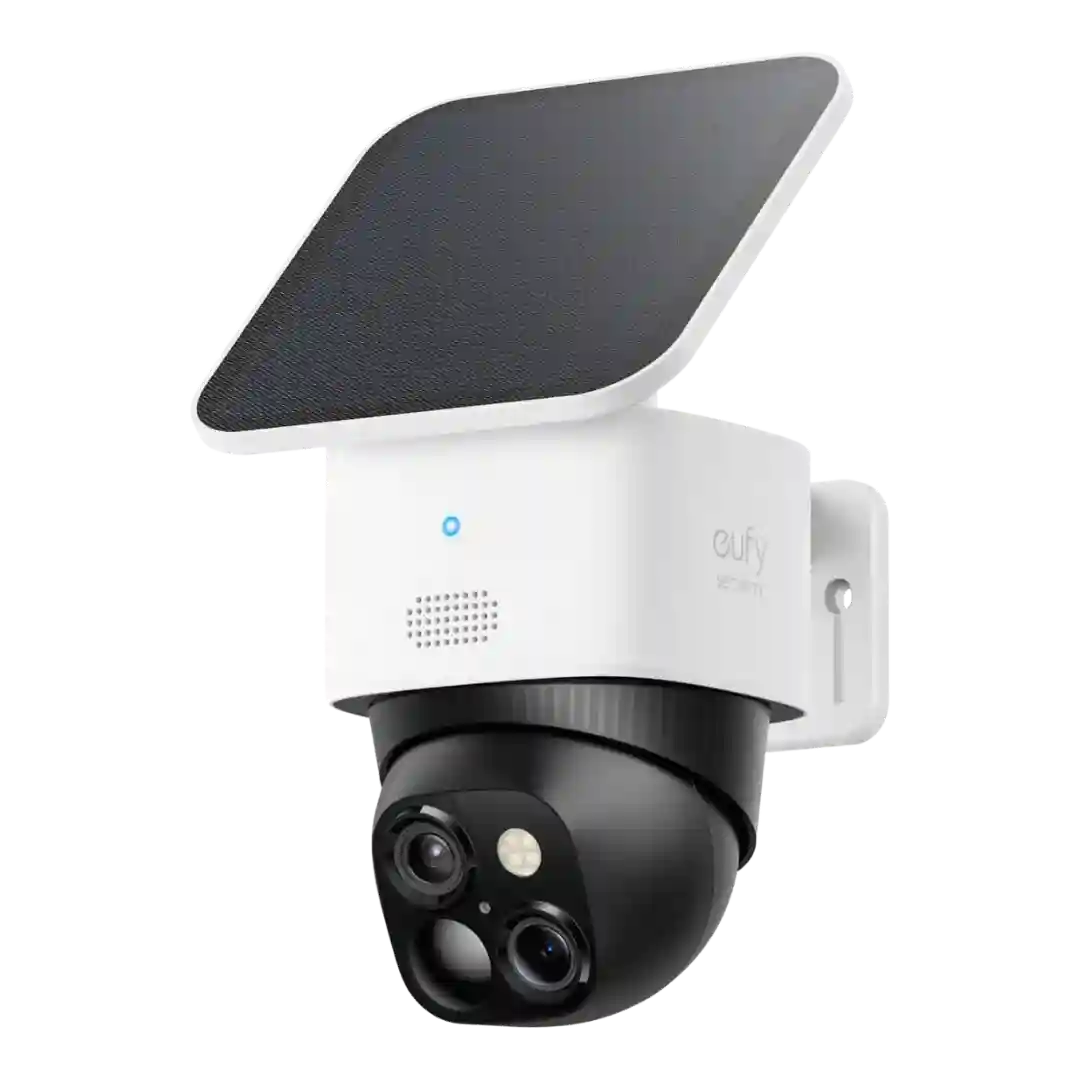
The Wi-Fi model's dual-band support (2.4/5 GHz) is viewed positively for flexibility and performance, though real-world range depends on the home network layout.
Dual-band Wi-Fi (2.4 and 5 GHz) is a key upgrade for setup flexibility and faster streaming. Many reviews note initial setup typically uses 2.4 GHz; mesh or combined SSID networks can complicate pairing for some users.
Dual-band Wi-Fi 6 (2.4/5 GHz) is repeatedly credited for stable connectivity and smoother live view/streaming, particularly outdoors. Performance still depends on router quality and signal strength at the mounting spot.
Dual-band Wi-Fi performance is a strength in testing, with reviewers reporting stable connections on both 2.4GHz and 5GHz and few dropouts when signals are adequate.
Dual-band Wi-Fi (2.4/5GHz) and Wi-Fi 6 are frequently cited as improving stability and load times, especially on 5GHz when signal strength is good. Reviewers generally describe connections as solid, with only occasional stream lag.
Dual-band Wi-Fi support is repeatedly cited, letting you choose 2.4 GHz for range or 5 GHz for speed. Stability is generally good when signal is strong.
Wi-Fi capability differs by model/region in the reviews, with dual-band mentioned on a wired version and some notes that the battery model may be limited in certain markets, making router placement more important.
Wi-Fi support is commonly described as 2.4GHz only, which can limit performance compared with dual-band cameras and may matter in congested environments.
Several reviewers note the camera is effectively 2.4GHz Wi-Fi only, with no 5GHz option. That can limit performance flexibility in congested networks or for users who prefer 5GHz coverage.
This camera line is commonly described as 2.4GHz-only Wi-Fi, which can improve range but removes the option of 5GHz. If your network is crowded, this can affect stability in some homes.