Best for Frame rate
Aqara G350
5.0 feature score
Highest scored product for this feature based on supporting review evidence.
Highest scored product for this feature based on supporting review evidence.
Balances feature score, supporting reviews, and overall product strength.
Has the broadest review evidence for this feature.
Strongest overall product among items with scored evidence for this feature.

The camera maintained smooth frame rates during demanding local AI processing in one technical test, suggesting the internal hardware can handle simultaneous vision workloads without obvious slowdown.
Pros: Frame rate, Continuous recording capability
Cons: Weather resistance rating (IP code), Included accessories
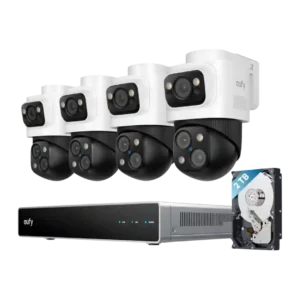
One reviewer treated the 20fps capture as an improvement over the lower frame rates often seen in similar security cameras.
Pros: Detection range, Recording start-time lag
Cons: ONVIF/RTSP support, HomeKit integration
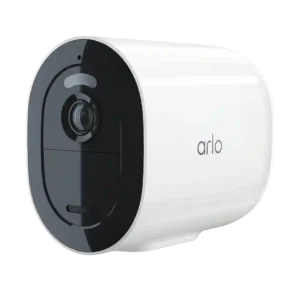
Frame-rate evidence was limited but positive, with one reviewer calling the measured frame rate great for wildlife footage.
Pros: Notification speed, Smart home accessory compatibility
Cons: Replacement part availability, HomeKit integration
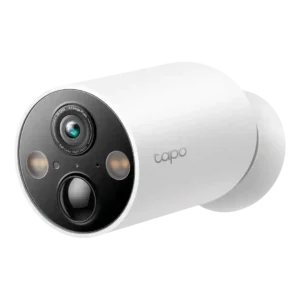
One review praised the adjustable frame-rate choices for keeping motion smooth.
Pros: Power options (solar panel), On-device features
Cons: PTZ (pan/tilt/zoom) control responsiveness, Continuous recording capability
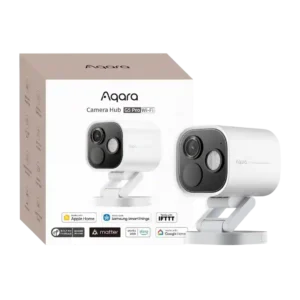
Frame-rate evidence was limited but positive where a reviewer said the spotlight helps keep footage at the camera’s maximum frame rate.
Pros: Durability, Low-light performance
Cons: Power options (solar panel), PTZ (pan/tilt/zoom) control responsiveness
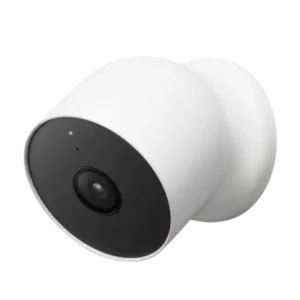
Frame rate receives only mild praise, with Tech Advisor saying 30fps and HDR help but not enough to offset broader image-detail concerns.
Pros: False alert filter effectiveness, Operating temperature range
Cons: IFTTT/automation compatibility, HomeKit integration
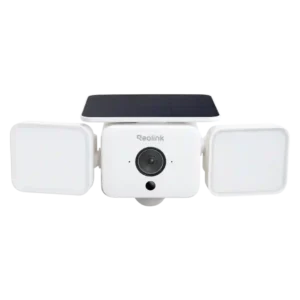
The 15fps footage is acceptable for routine monitoring and battery savings, but motion is visibly less smooth than on wired cameras running at higher frame rates.
Pros: Field of view, Customizable motion zones
Cons: Continuous recording capability, ONVIF/RTSP support
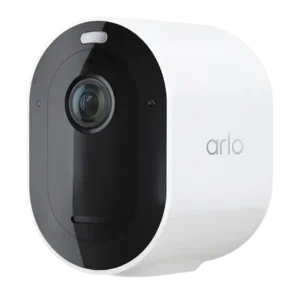
Frame rate is the one video-quality caveat: reviewers note motion can show more artifacts or blur than higher-frame-rate competitors.
Pros: Notification speed, Event recording reliability
Cons: Mesh network compatibility, Customer support responsiveness
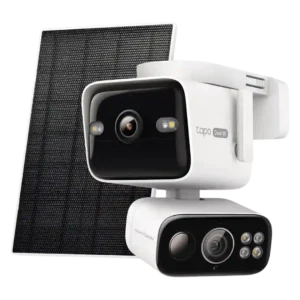
Frame rate was a caveat: the reviewer noted blur could appear with very fast movement.
Pros: Low-light performance, Floodlight brightness
Cons: HomeKit integration, Echo/noise cancellation
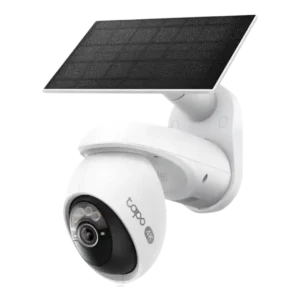
Frame rate was viewed as acceptable for surveillance, but one reviewer called the default 15fps slow by smartphone standards.
Pros: On-device processing (AI), Installation and Mounting
Cons: ONVIF/RTSP support, HomeKit integration
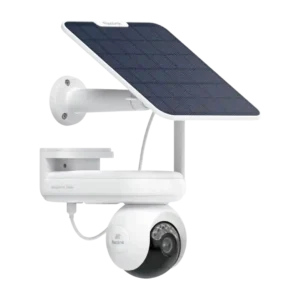
The 15 fps ceiling was the recurring drawback: reviewers found it usable, but several called out sluggish frames, motion blur, or a lack of smoother video.
Pros: Recording start-time lag, Smart home accessory compatibility
Cons: Optical zoom performance, HomeKit integration
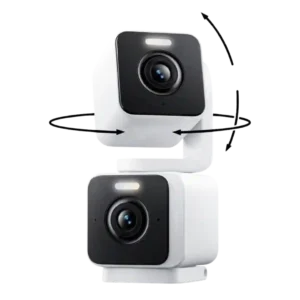
Fast-motion detail was a weakness in one review, where frame blending reduced clarity during movement.
Pros: Installation and Mounting, Articulation range
Cons: ONVIF/RTSP support, Connectivity options
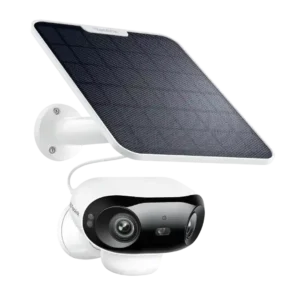
The 15fps limit was a recurring drawback for motion clarity, with several reviewers noting choppiness or jerkiness despite one smooth-video impression.
Pros: Connectivity options, Detection range
Cons: HomeKit integration, Continuous recording capability
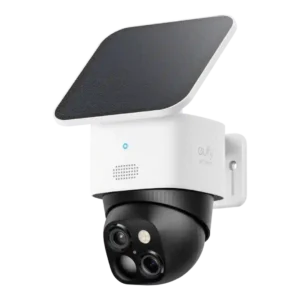
Frame rate is a weak spot: reviewers cite 15 fps limits that can cause blur, choppiness, or less smooth recordings.
Pros: Cloud storage plan value, Power options (solar panel)
Cons: HomeKit integration, IFTTT/automation compatibility
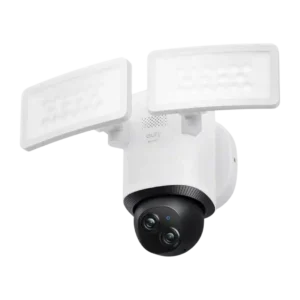
Frame rate was a recurring weakness because 15 fps can blur or chop fast-moving subjects.
Pros: Cloud storage plan value, Dual-band (2.4/5GHz) performance
Cons: HomeKit integration, ONVIF/RTSP support
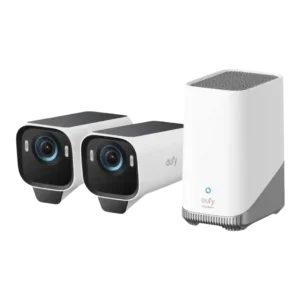
The main frame-rate criticism is that the low 15 fps ceiling can make motion look blurry or choppy.
Pros: Low-light performance, Color accuracy
Cons: Speaker volume, Frame rate
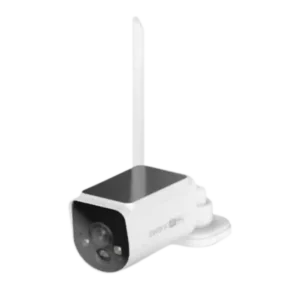
Frame rate was only criticized by one tester, who found it dropped when the wireless link did not maintain full-quality recording.
Pros: Digital zoom clarity, Floodlight brightness
Cons: Frame rate, Smart-home integration (Alexa