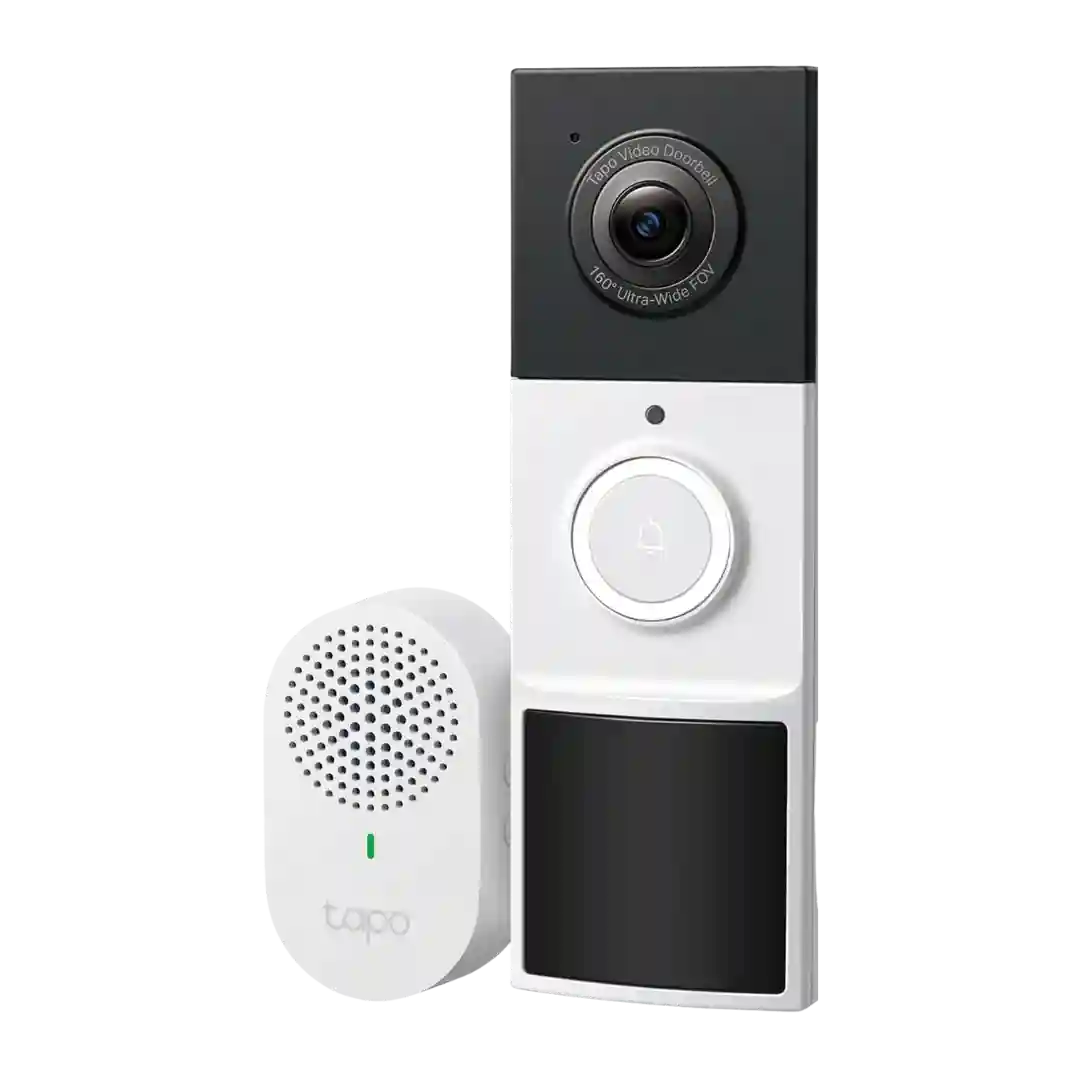
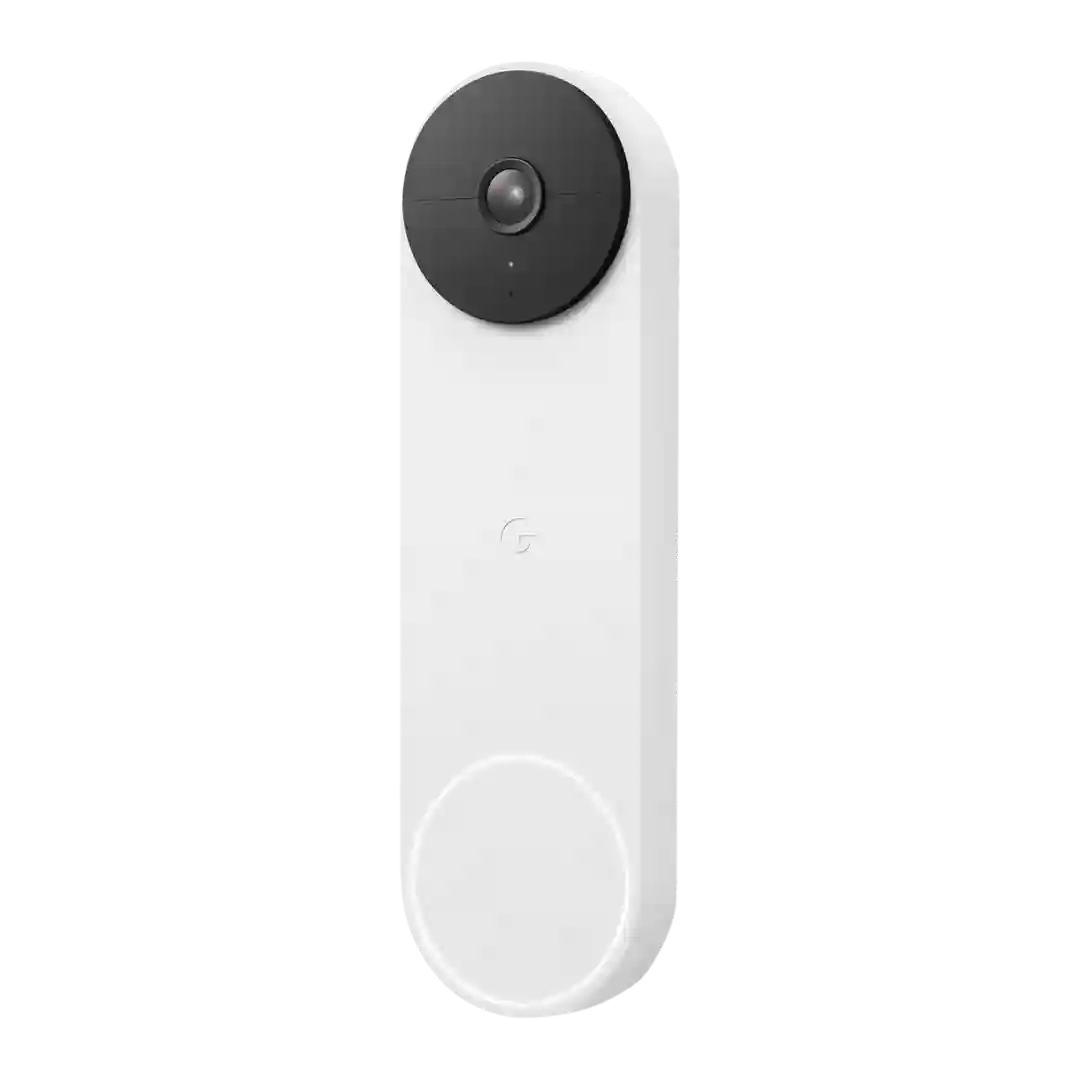
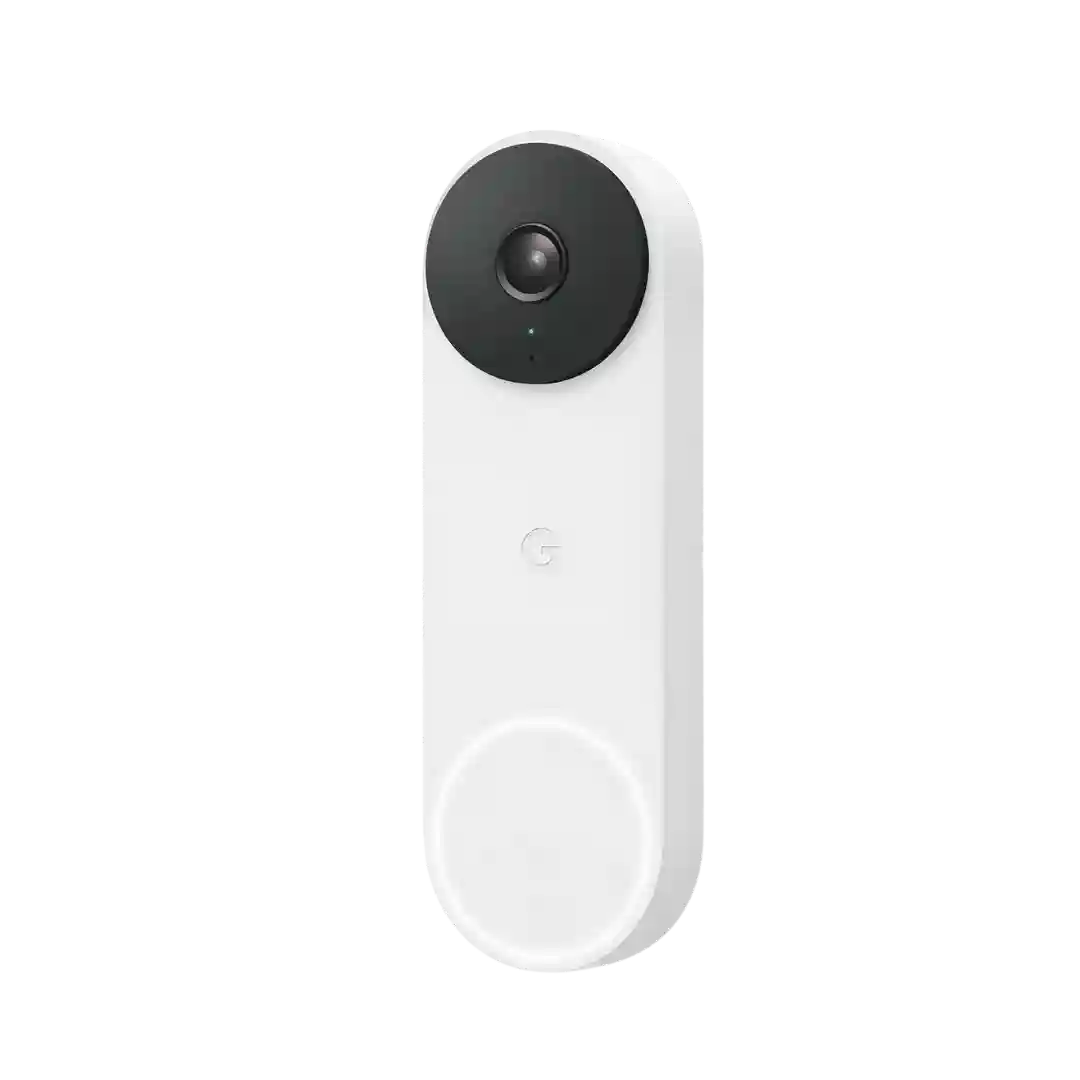
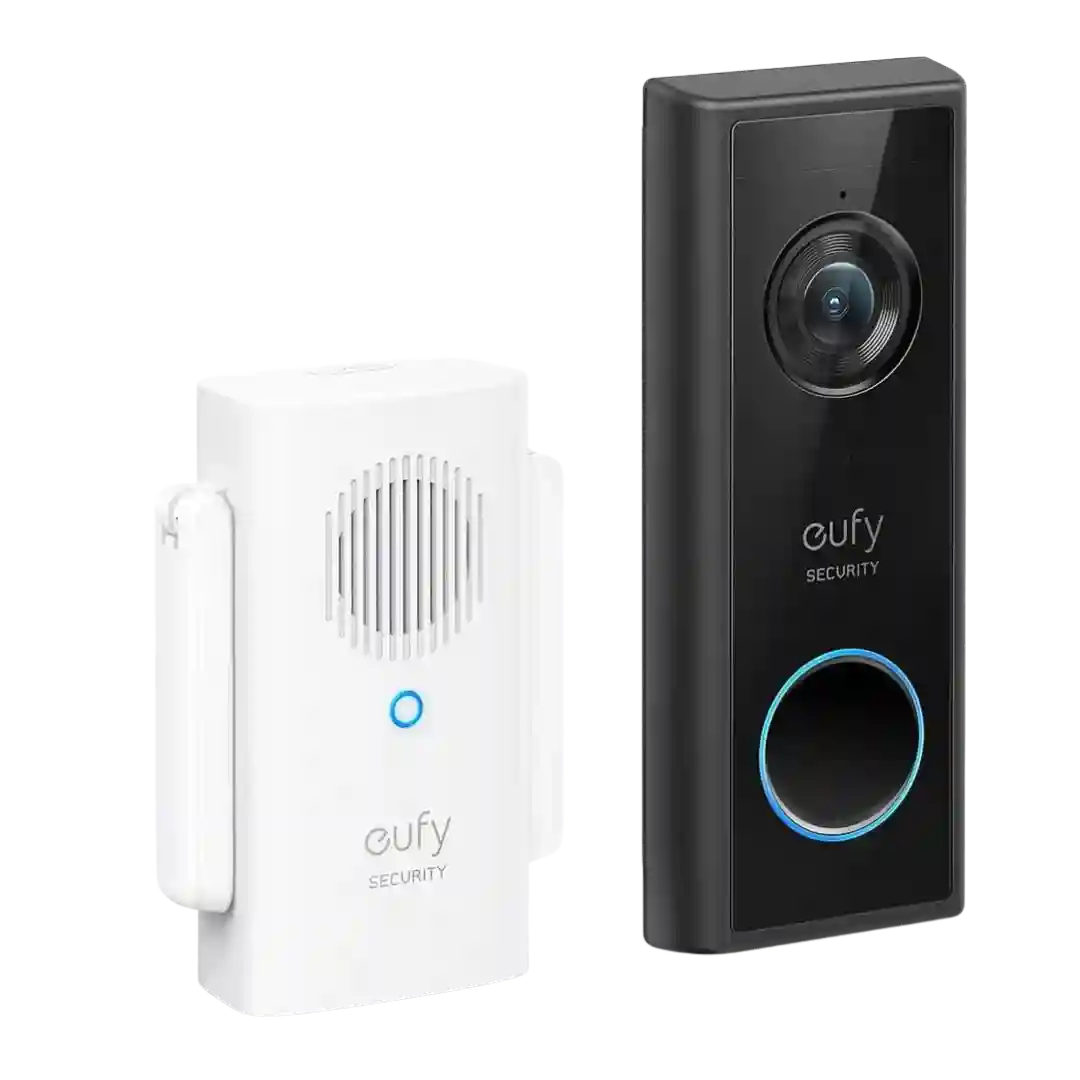
Compared with wider fisheye-style doorbells, the D210's image is usually described as cleaner at the edges. Reviewers still acknowledge some wide-angle tradeoff, but distortion is generally better controlled than on the 180-degree sibling.
Several reviewers note reduced fisheye-style distortion and strong HDR exposure control compared with older models, helping retain detail in bright-and-shadowy scenes.
At least one review calls out minimal fisheye-style distortion compared with ultra-wide alternatives, though this comes with the tradeoff of less horizontal coverage.
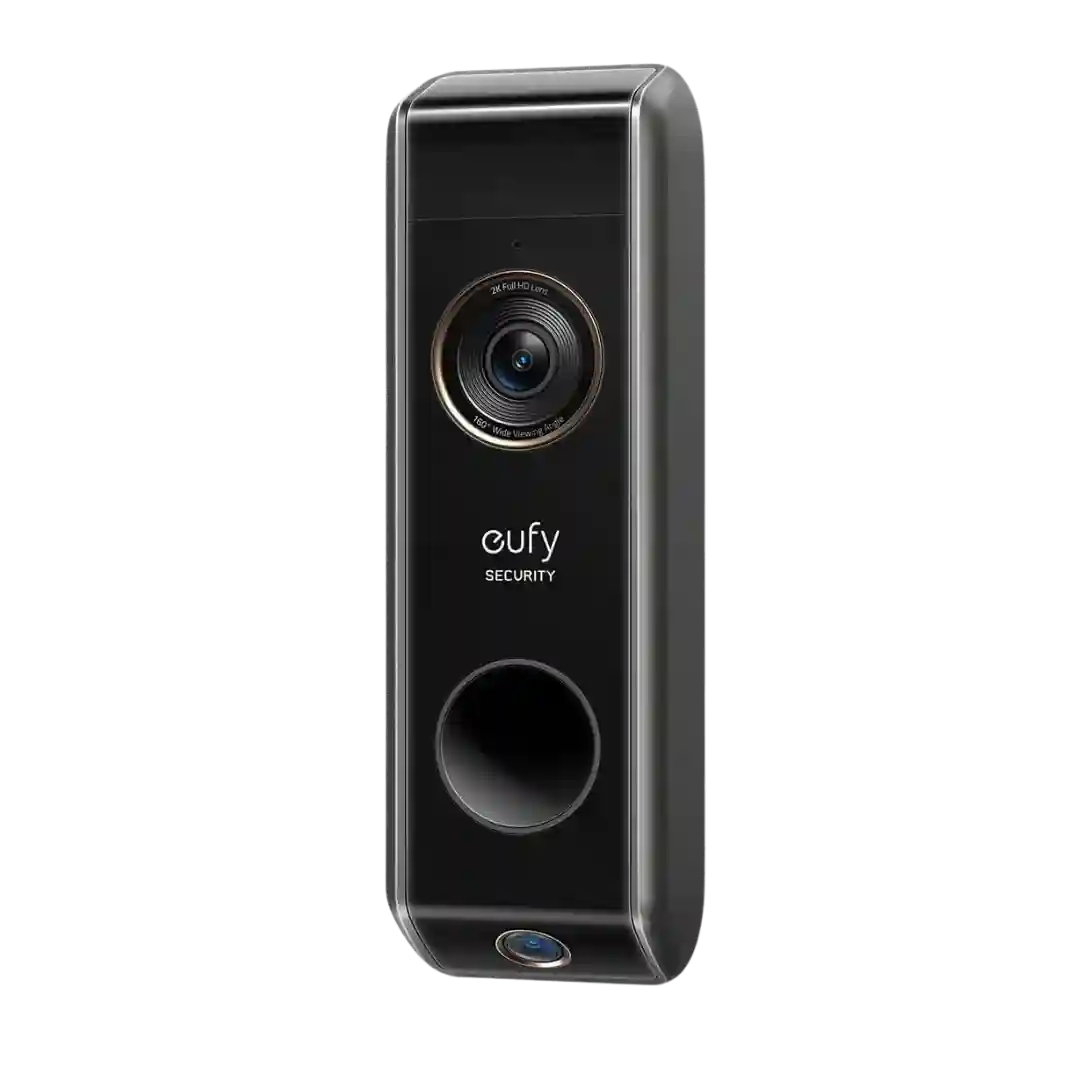
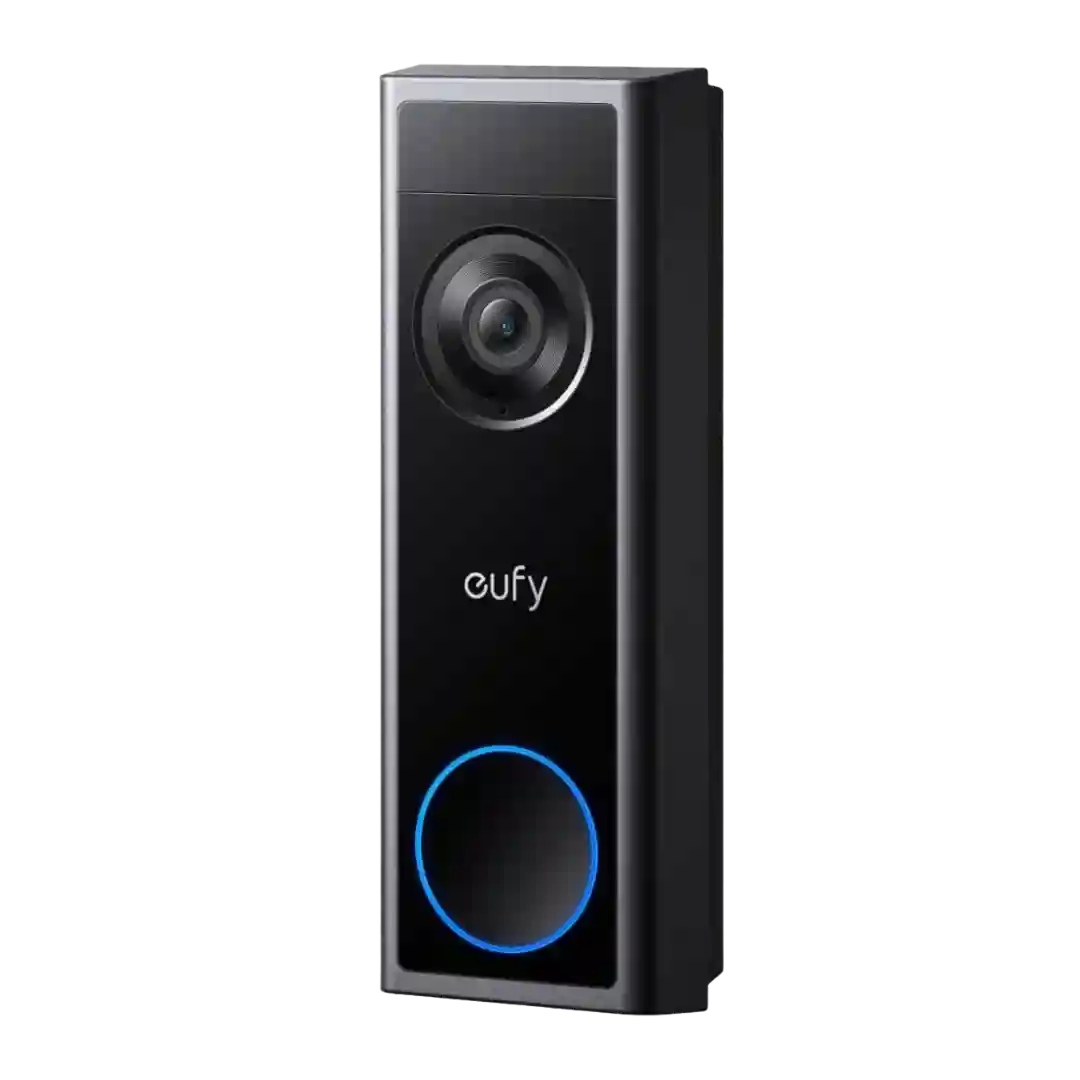
A reviewer covering a fisheye-style Eufy doorbell notes being pleasantly surprised by how much they could see, implying acceptable distortion tradeoffs for wider coverage in doorbell use.
Multiple reviewers report strong HDR handling in harsh sunlight with minimal lens flare, helping retain shadow detail when the door faces direct morning sun. Wide framing can still feel like a typical wide-angle lens, but distortion complaints are limited.
Several reviews highlight minimal fisheye distortion in the main camera view. A separate issue is noted for Apple Home app previews where distortion/pixelation can appear until you open the feed directly.
One reviewer explicitly notes edge bending on the wide view but prefers the broader coverage over a tighter frame. Distortion is treated as an acceptable side effect rather than a dealbreaker.
Reviewers commonly mention mild barrel or fisheye distortion. It is generally considered typical for doorbell cameras and not a deal breaker, but it can soften edges.
The expanded field of view brings visible fisheye/barrel effects and some corner vignetting in multiple reviews; most say it is acceptable for doorbell-distance subjects but reduces clarity toward the edges or farther away.
Wide-angle distortion is noticeable in some setups, with a mild fisheye effect reported. It usually does not prevent recognizing visitors, but it can warp edges of the frame.
The wide fisheye lens is repeatedly called out for edge distortion, with at least one test describing it as severe enough to undermine the usefulness of the otherwise large field of view.