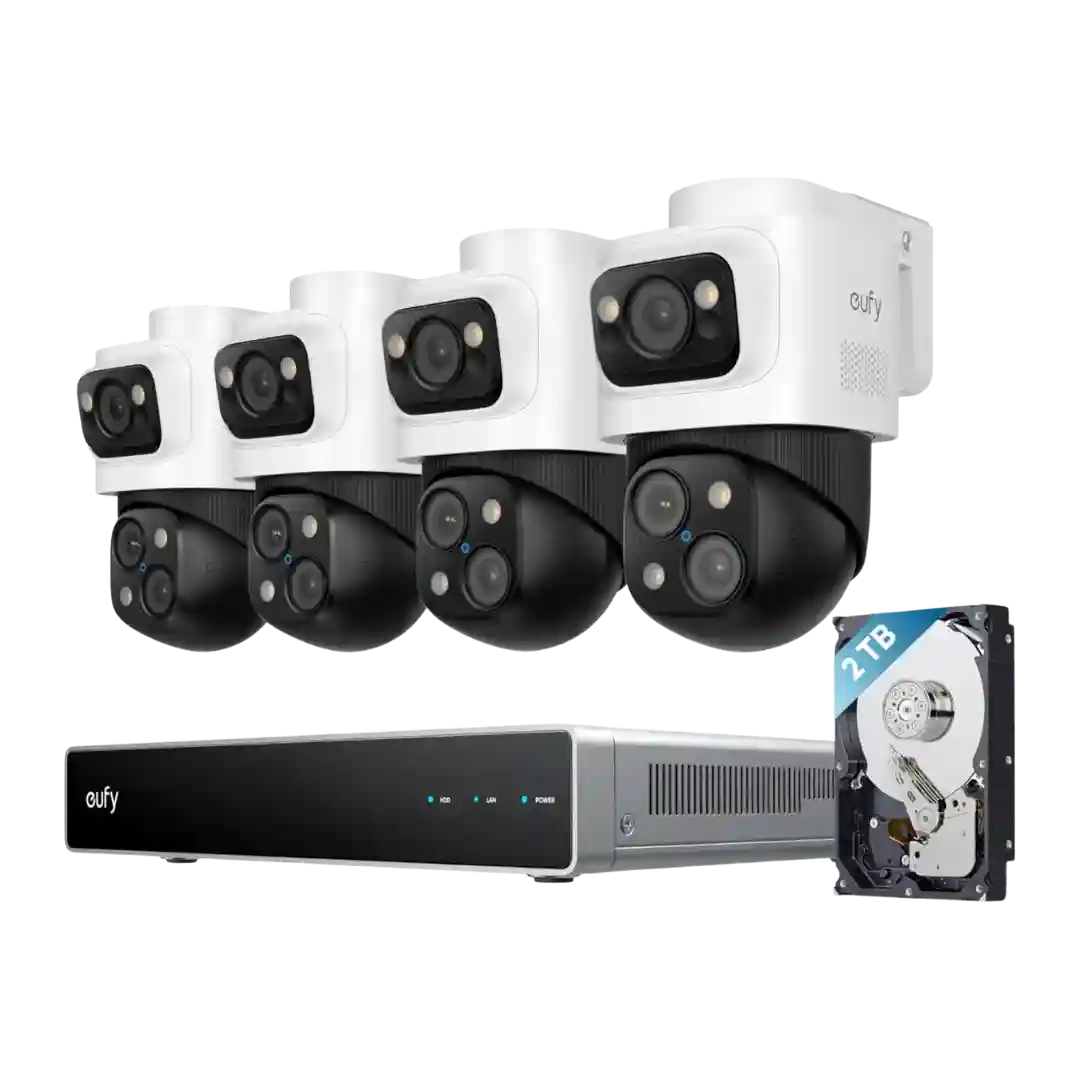
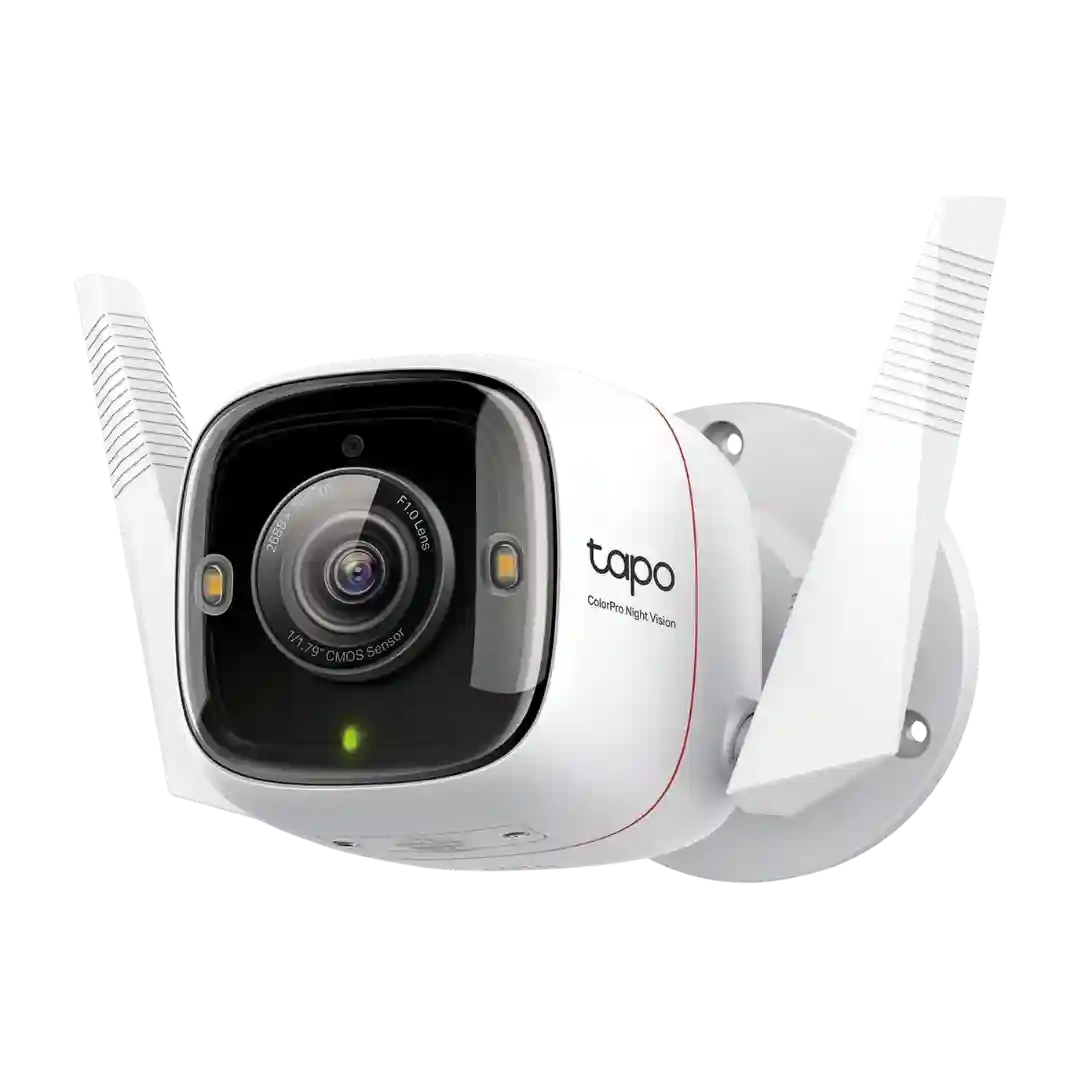
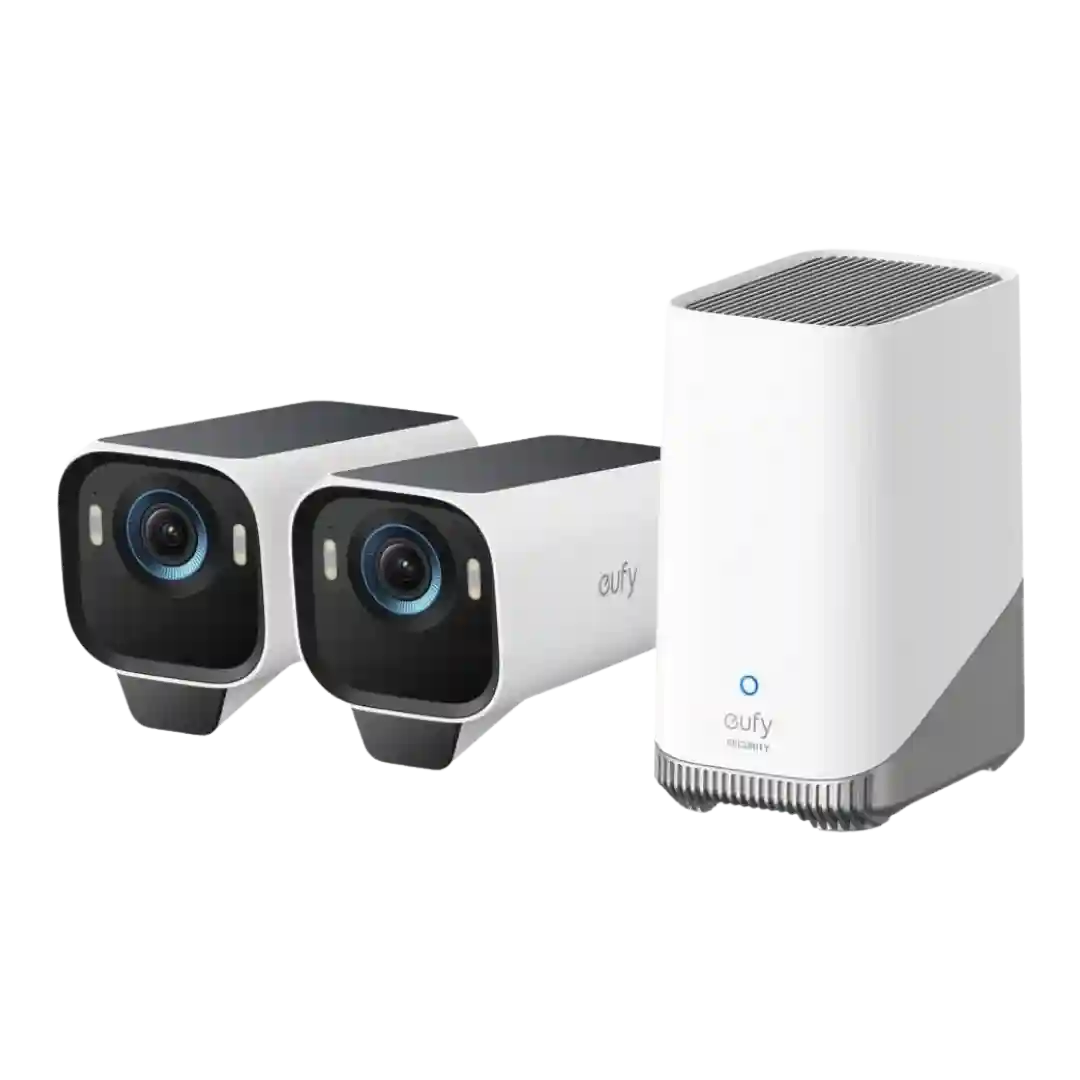
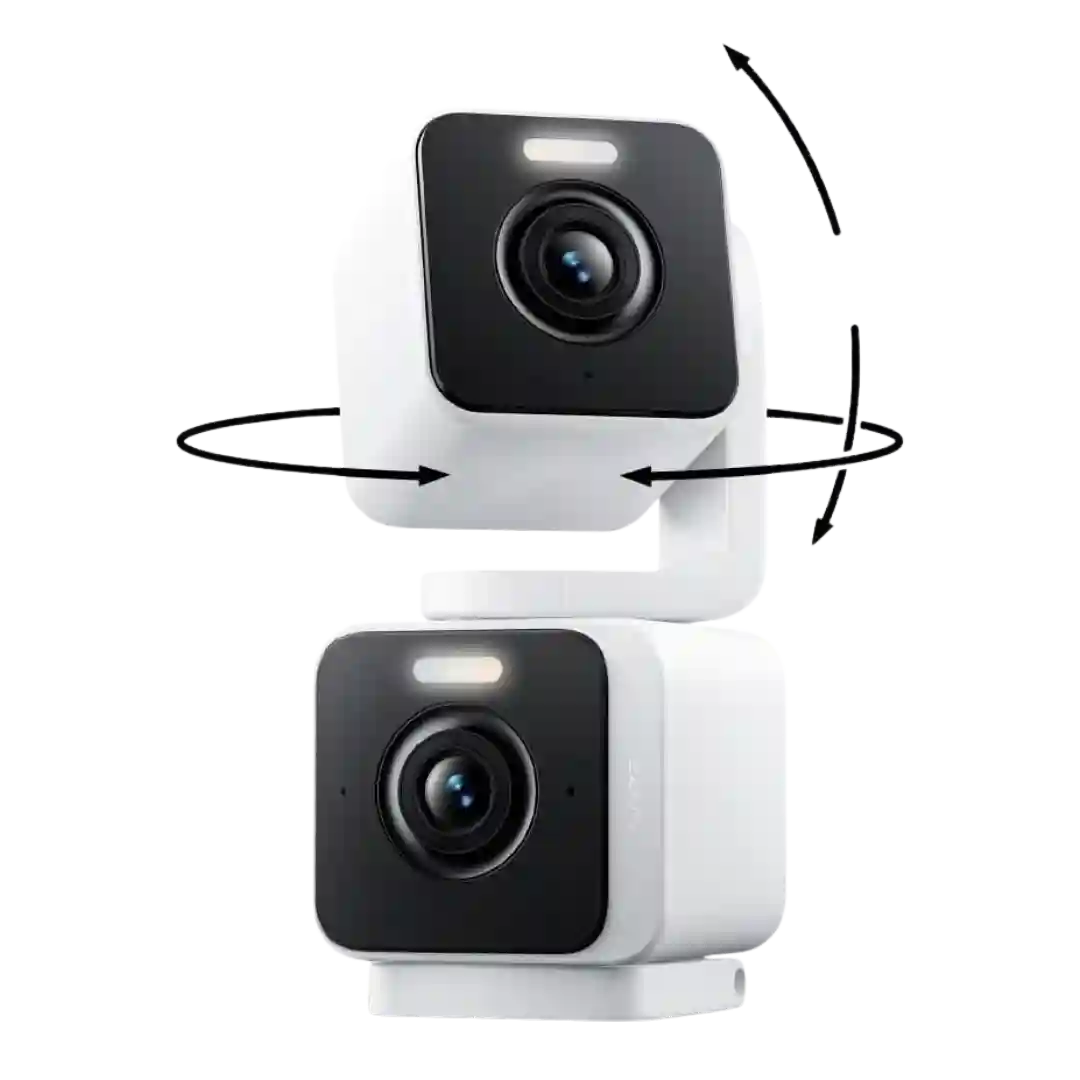
Local storage is a major highlight: a 2TB drive is included and reviewers note you can expand capacity (or add external storage in some cases). Having recordings stay on-site also enables fast playback and avoids cloud dependency.
Local storage on HomeBase 3 is a core selling point: built-in capacity plus easy expansion up to multi-terabyte drives, with no mandatory subscription; reviewers also like USB backup options.
Local storage support via a microSD card slot (often noted up to 512GB) is repeatedly highlighted as a major advantage, especially for those avoiding cloud fees.
Local recording via the hub is a major strength: included microSD storage is easy to use and expandable, and several reviewers appreciate keeping footage in-home rather than relying on a subscription.
Local storage is a major draw: HomeBase 3 provides built-in memory and supports expansion (commonly described as up to 16TB via a 2.5-inch drive). Several reviewers recommend adding storage for heavy 4K use to avoid relying on cloud plans.
Local storage flexibility is a standout: microSD on-camera, optional Home Hub storage, and support for FTP/NAS are repeatedly highlighted. Reviewers also note microSD is not included and on-camera storage can be vulnerable if the camera is stolen, making the hub or cloud more appealing for security-critical installs.
Local microSD recording is a major advantage, letting you avoid subscriptions and keep clips on-device (microSD is usually user-supplied). Some reviewers hit SD setup or formatting friction, and one kit stores locally via its hub instead of the camera.
Local microSD recording up to 512GB is a major plus, with easy in-app playback and options like encryption or password protection; many see it as a subscription alternative.
Local storage is a core strength: support for up to 512GB microSD and compatibility with Reolink hubs are mentioned often. Downsides include no card included, physical access risk to the card on-camera, and some housekeeping friction unless overwrite/encryption is configured.
Local storage is a major draw: microSD support up to 128GB is frequently cited, and HomeBase expansion is commonly described as enabling multi-terabyte storage. Several reviews note you must supply your own microSD card.
Built-in 8GB local storage with automatic overwrite is a major plus for no-fee recording, but it is limited and lacks microSD expansion; HomeBase can extend storage.
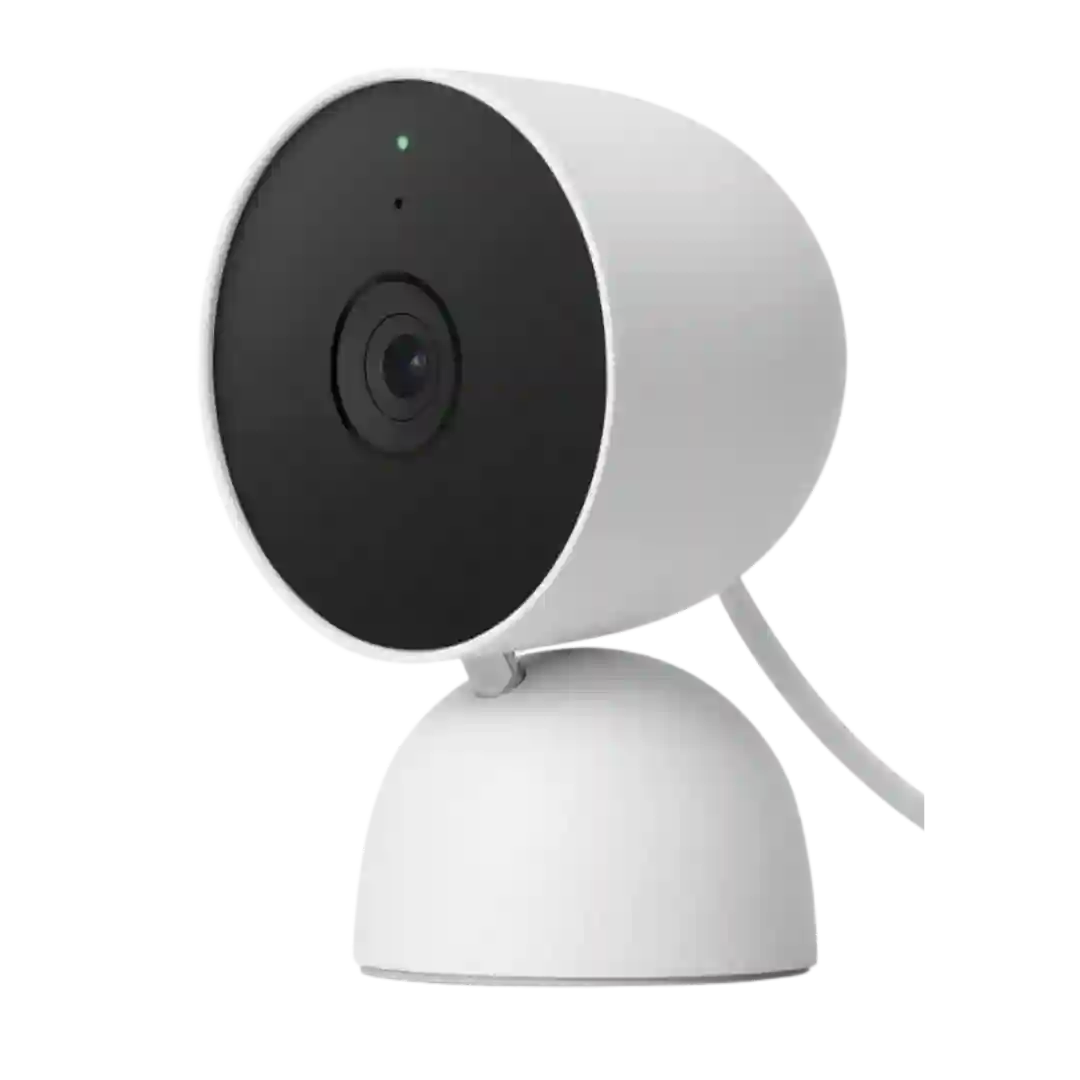
The camera can buffer roughly an hour of clips locally during Wi-Fi outages and then upload when back online, which helps with short interruptions but is not the same as ongoing local storage.
Built-in eMMC (commonly 8 GB, sometimes 32 GB) makes out-of-box local event recording easy and supports looping; however, storage is not expandable and some workflows (labels/downloads) push users toward cloud or NVR setups.
Local storage is possible but usually requires an Arlo Smart Hub and external storage, making it less plug-and-play than cameras with built-in microSD. Remote access to local clips is often described as more complex than cloud access.
Local recording via microSD is appreciated as a backup, but many reviews highlight a major limitation: clips on the card are often not remotely viewable, so you may need to retrieve the camera or card to review footage.
There’s no microSD/NVR option, limiting local storage; one review highlights up to about an hour of onboard buffering during internet outages before uploading, but most still view local storage convenience as a weak point.
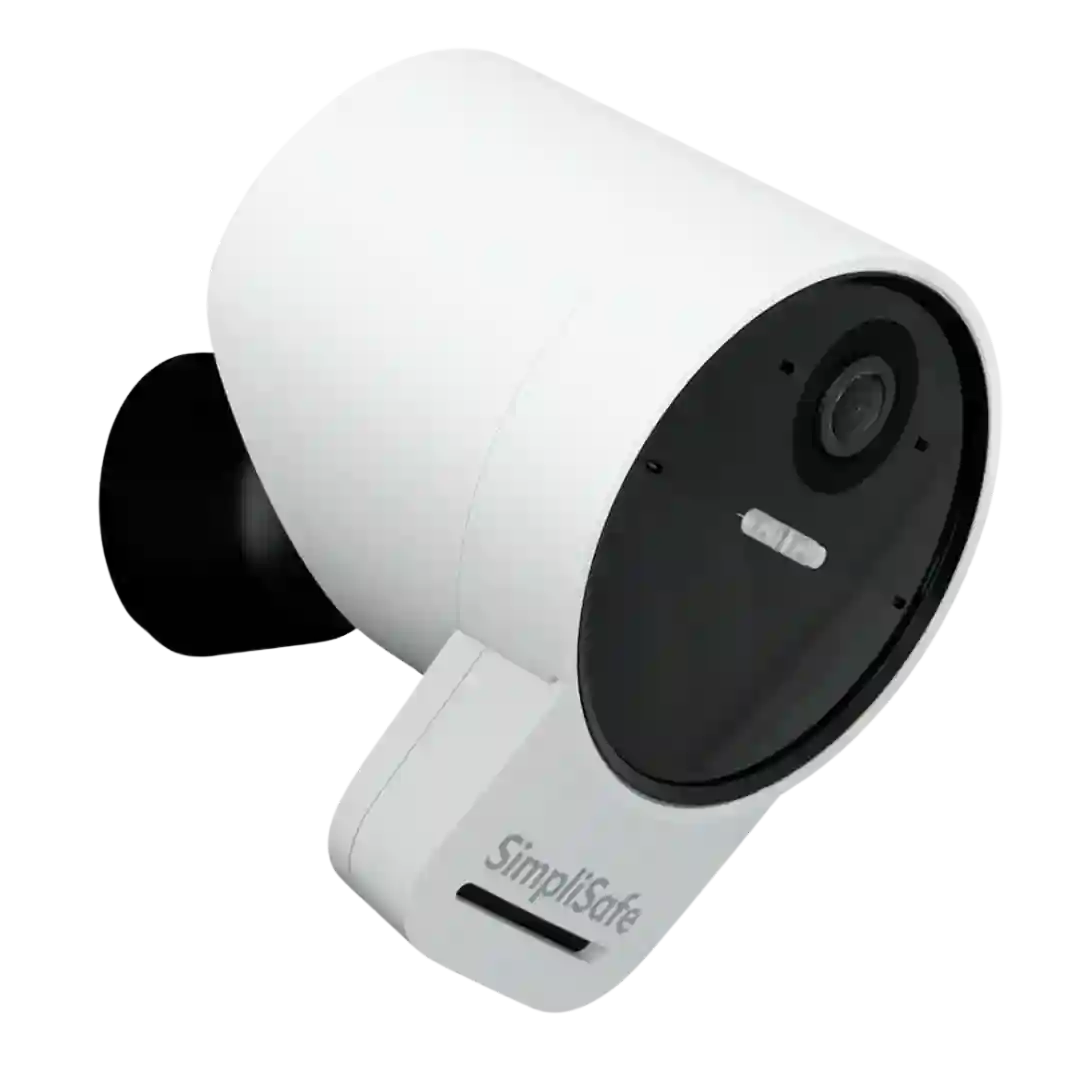
Reviews consistently note there is no convenient local storage option such as microSD or NVR recording. Access to recorded clips is largely tied to SimpliSafe subscriptions and cloud storage.