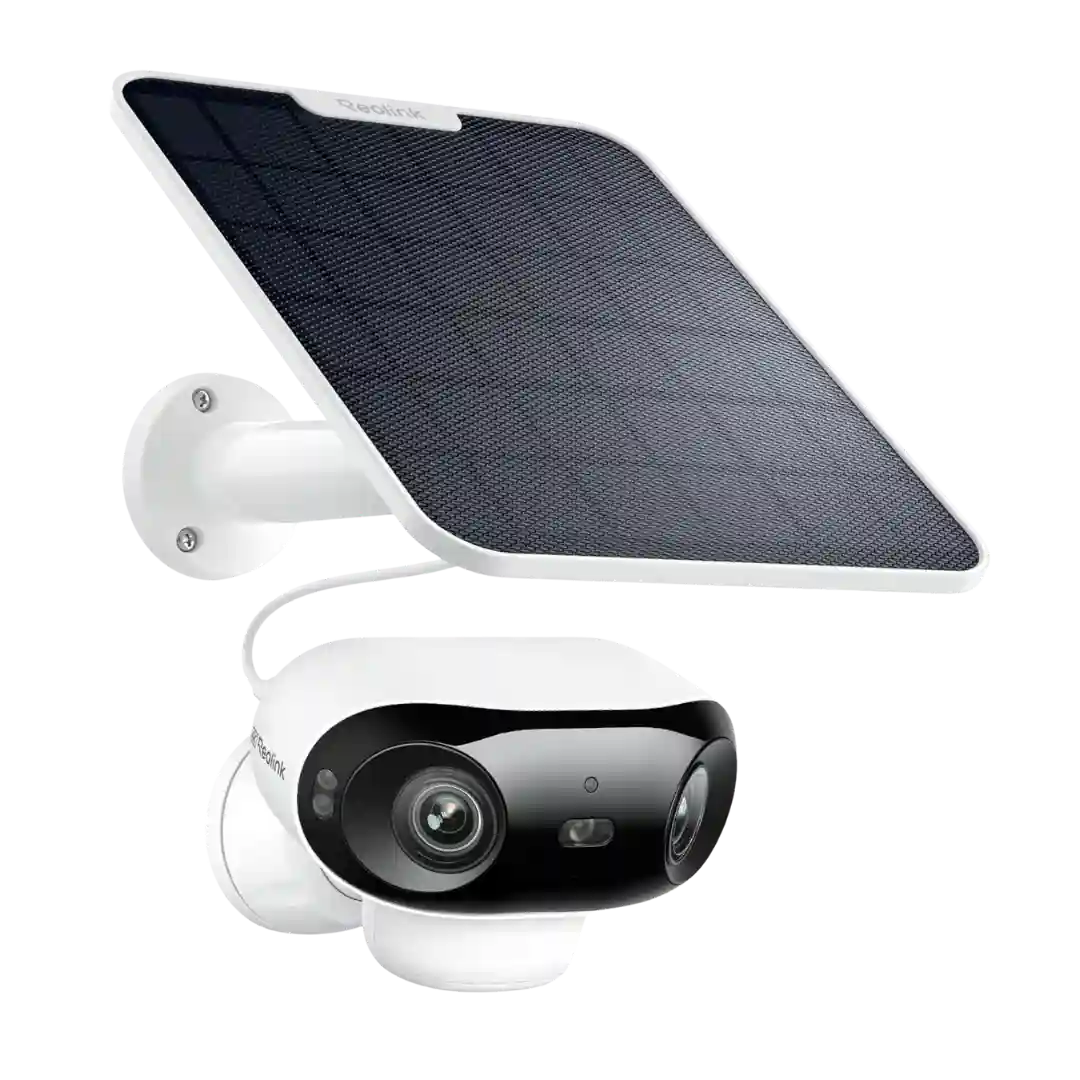
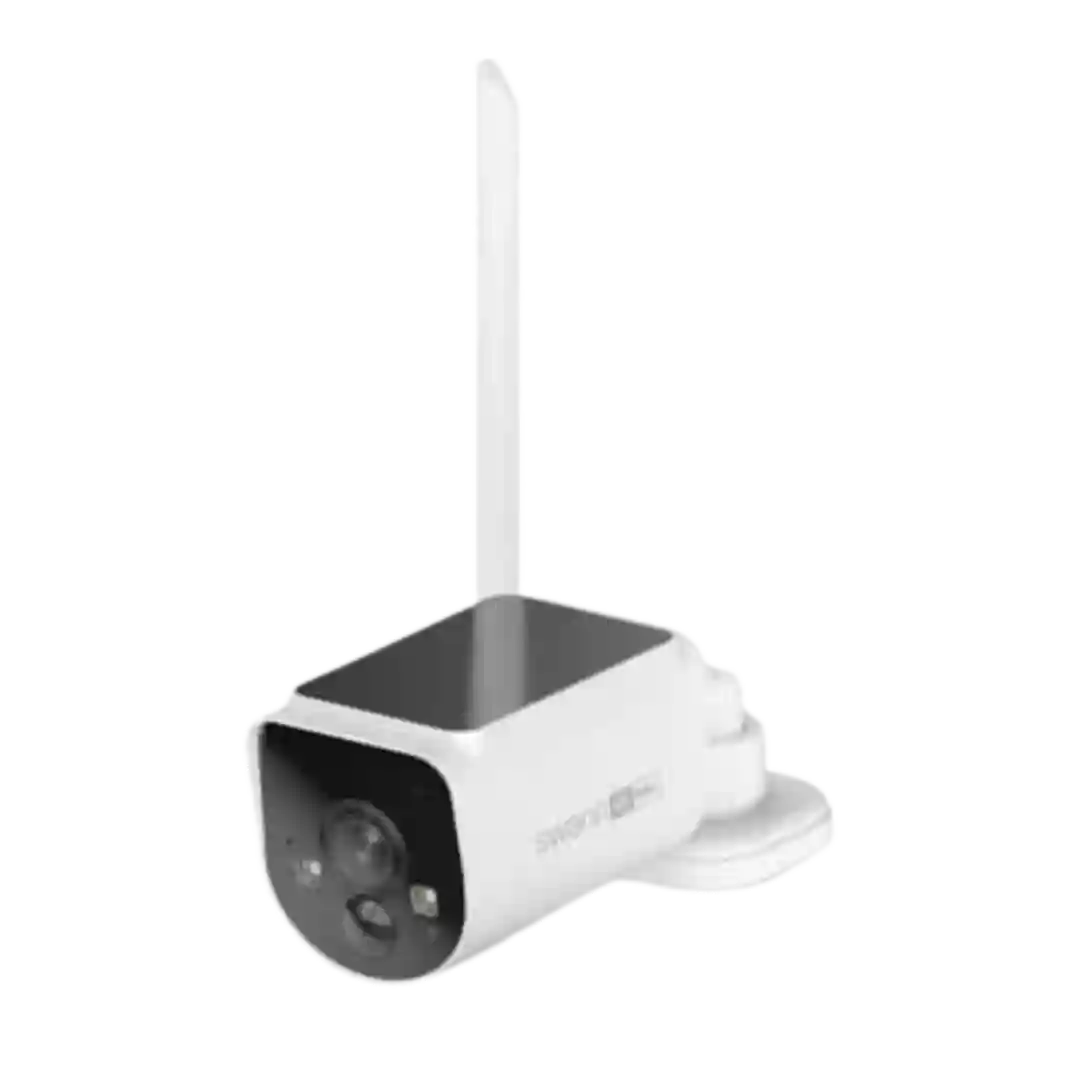
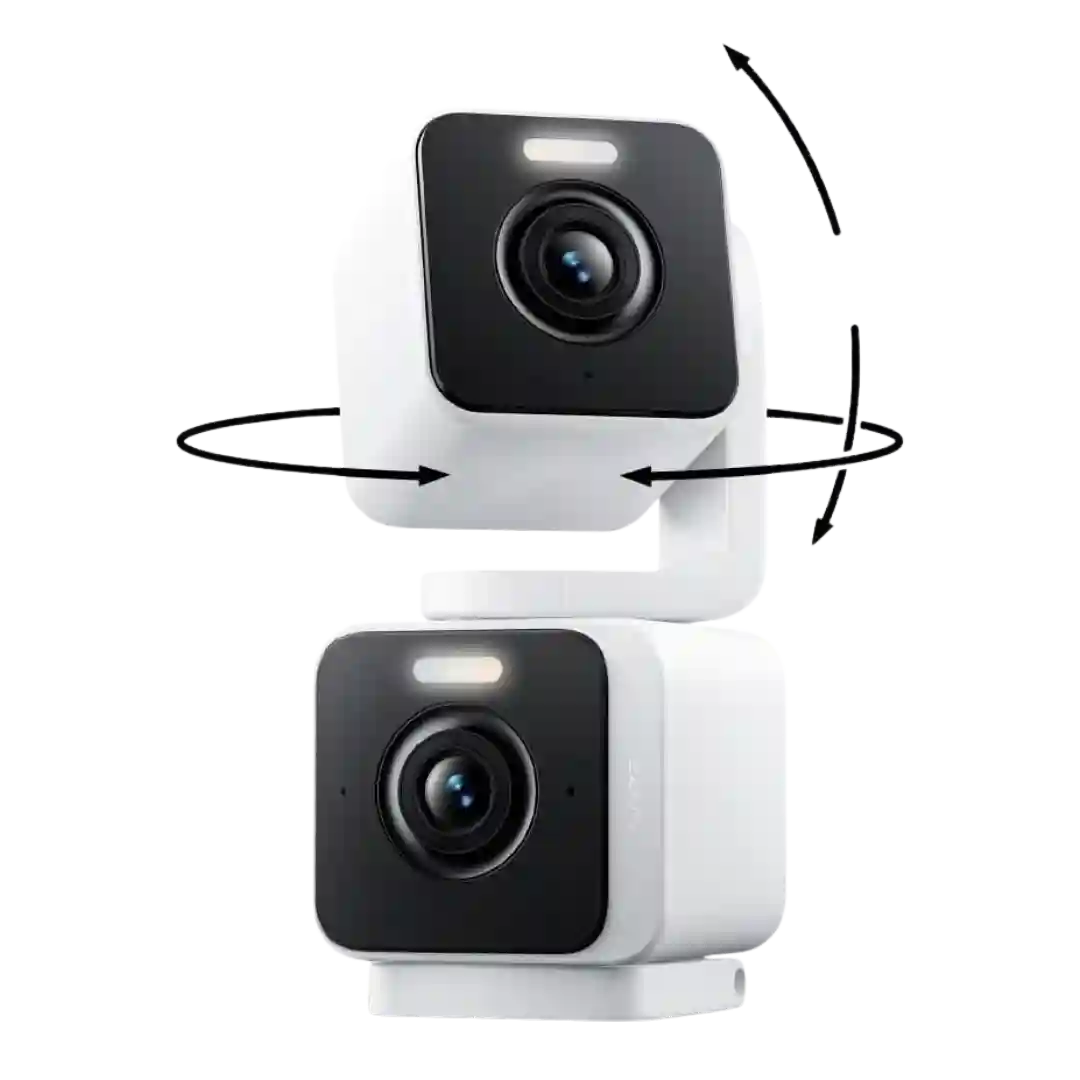
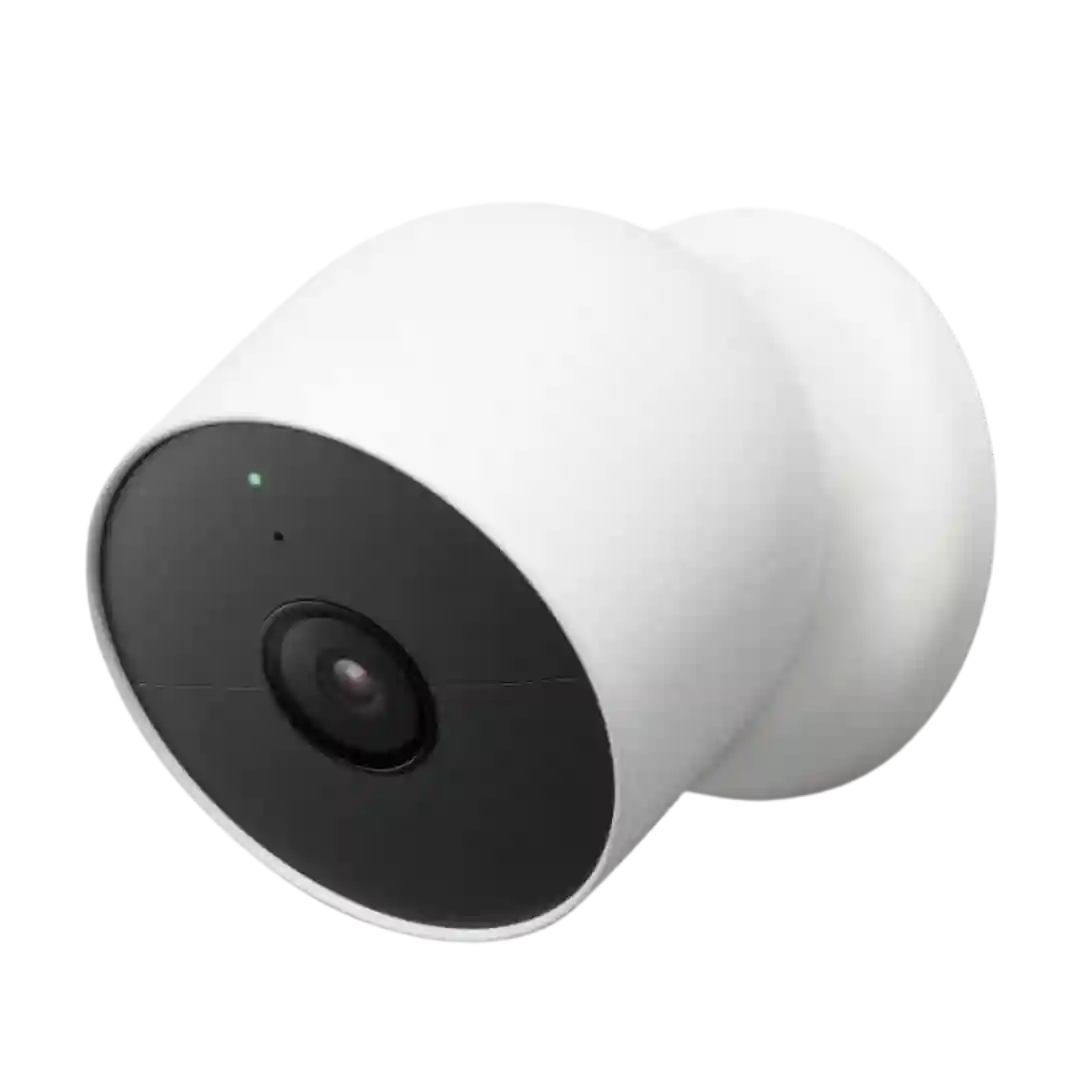
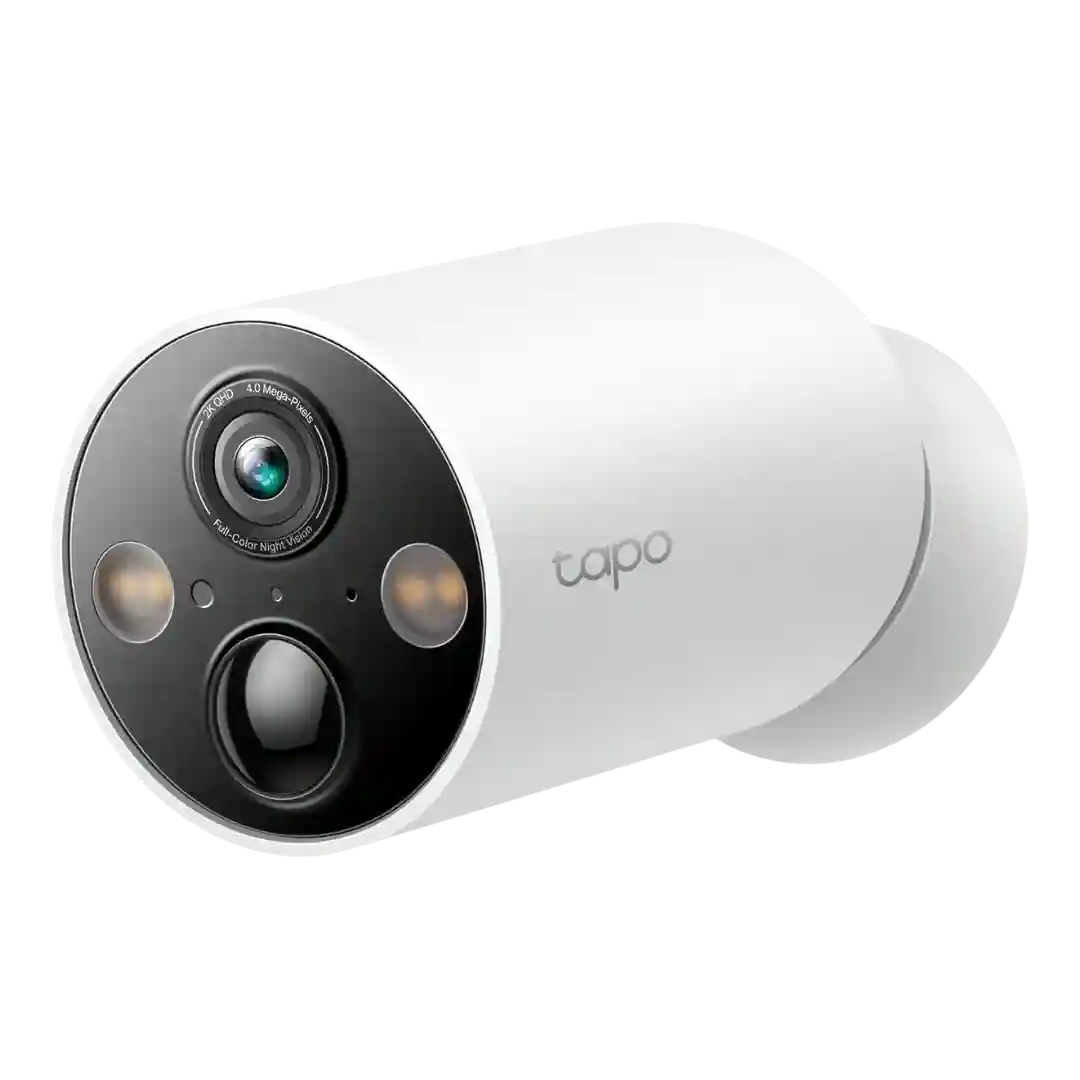
Low-light performance is repeatedly praised, helped by the large sensor and f/1.0 aperture that keep scenes readable even with very little ambient light.
Low-light performance is repeatedly praised, with starlight color modes delivering usable detail even in very dim conditions. Spotlight assist and HDR options can further improve clarity depending on the scene.
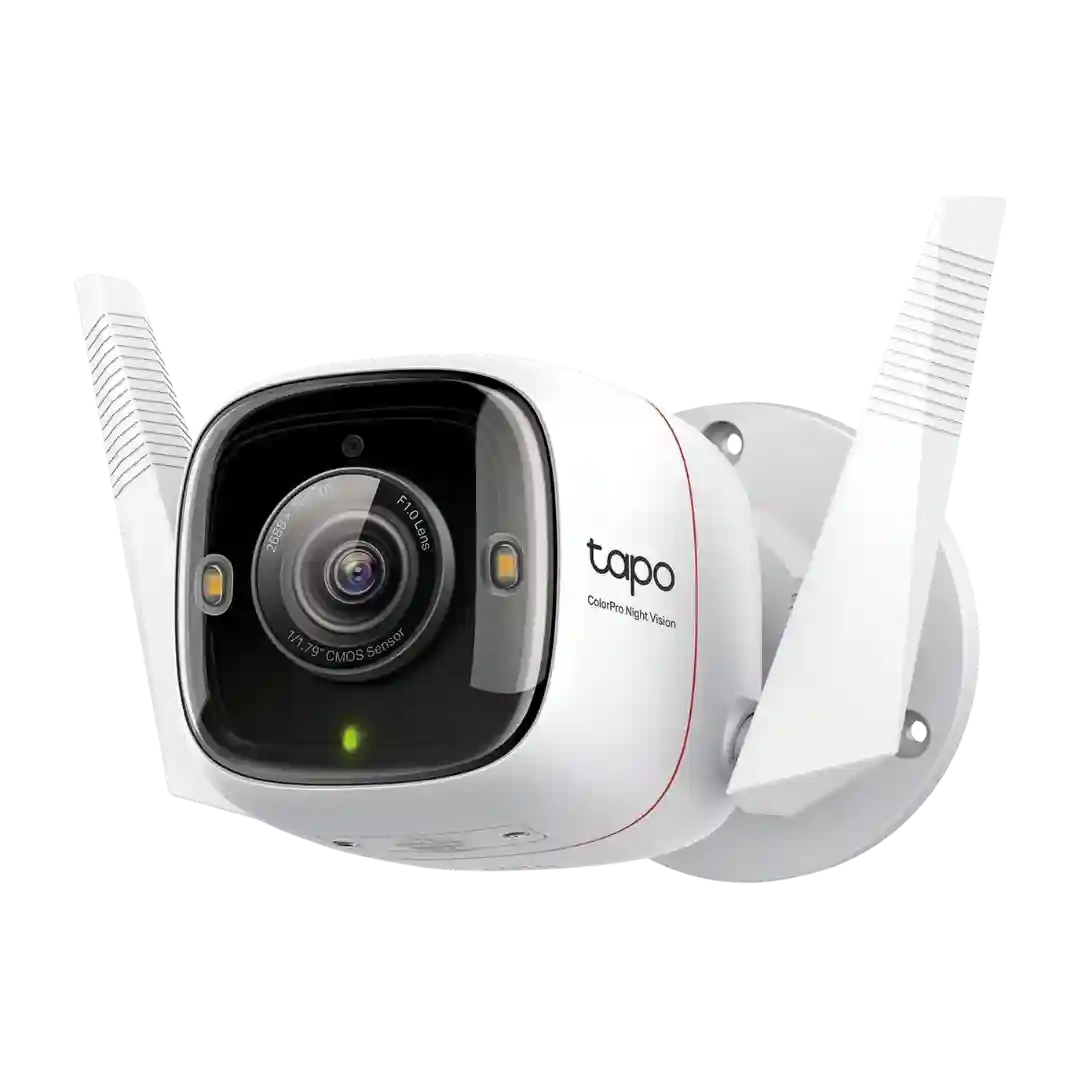
ColorPro is the headline: reviewers consistently report unusually bright, full-color footage in very low light, often without needing to blast the area with lights.
The f/1.0 lens and larger sensor deliver strong low-light footage; it can look close to daylight with a little ambient light, but pure darkness still favors IR or spotlight assist.
Low-light performance is a standout, with strong detail retention at night. Reviewers note best results come with adequate ambient light or spotlight assistance, and very fast motion can still blur at night.
Low-light performance is generally praised, especially in dusk/near-dark scenes where ColorX can retain color detail without harsh spotlighting. Performance drops in near-total darkness if the spotlight is off.
Low-light results improve when the spotlight is used for color night vision and some reviews mention HDR helping reduce glare. Colors at night are usually usable but less vivid than daytime.
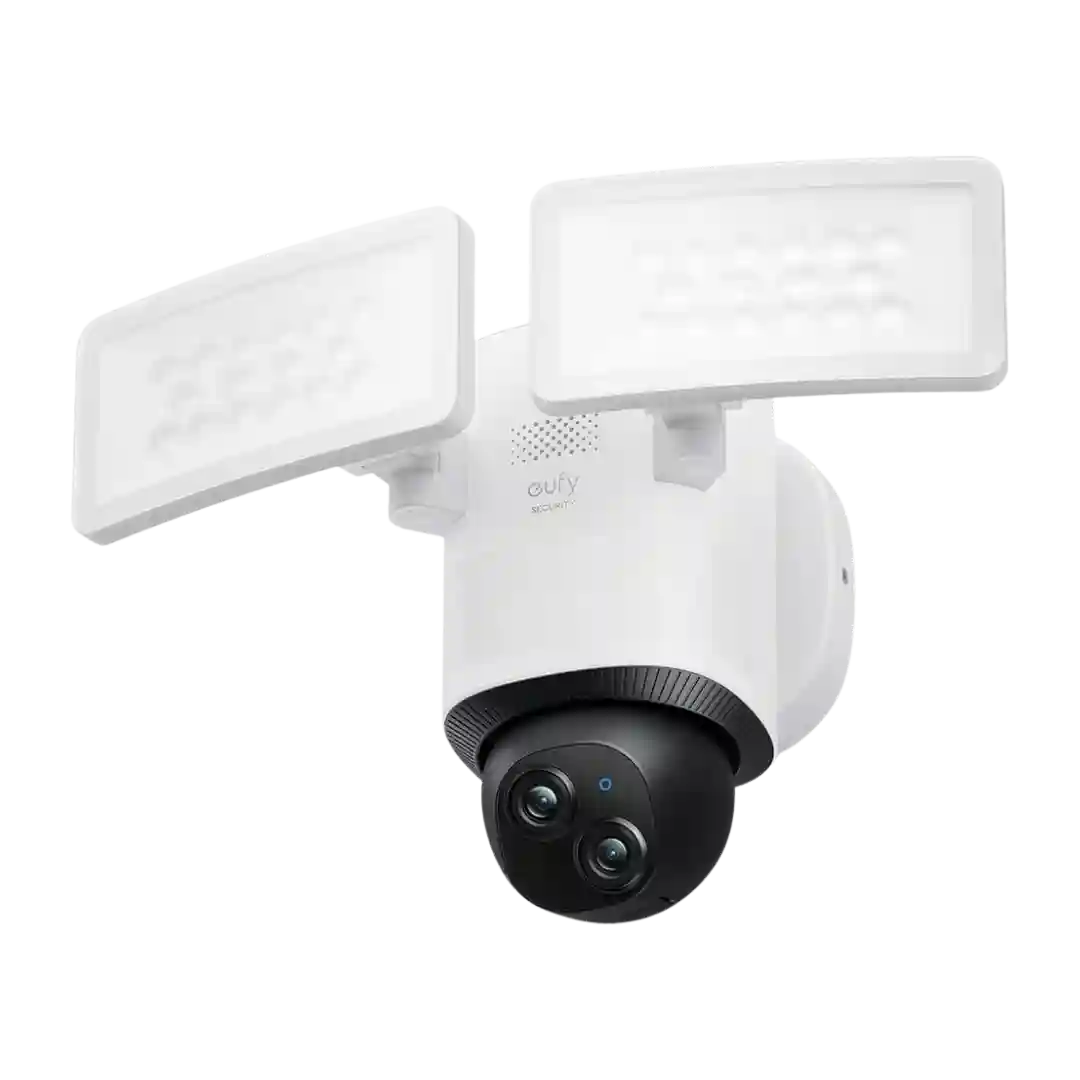
Low-light performance is a strong point, especially when the floodlights enable clear color footage. Without lights, IR night vision remains usable and detailed in most reviews.
Low-light video is a highlight, with reviewers describing convincing color in dim conditions where many cameras fall back to IR. A recurring nit is that bright point light sources can look overblown, and the wide panorama can make small subjects harder to inspect without zooming.
Low-light performance is often praised thanks to STARVIS sensors and spotlight-assisted color, but results depend on ambient light and settings; some reviewers prefer infrared for clearer, less noisy night clips.
Low-light sensitivity is often described as better than expected for a budget camera, with at least one reviewer impressed by usable imagery even in very dim scenes (with some motion blur in darker conditions).
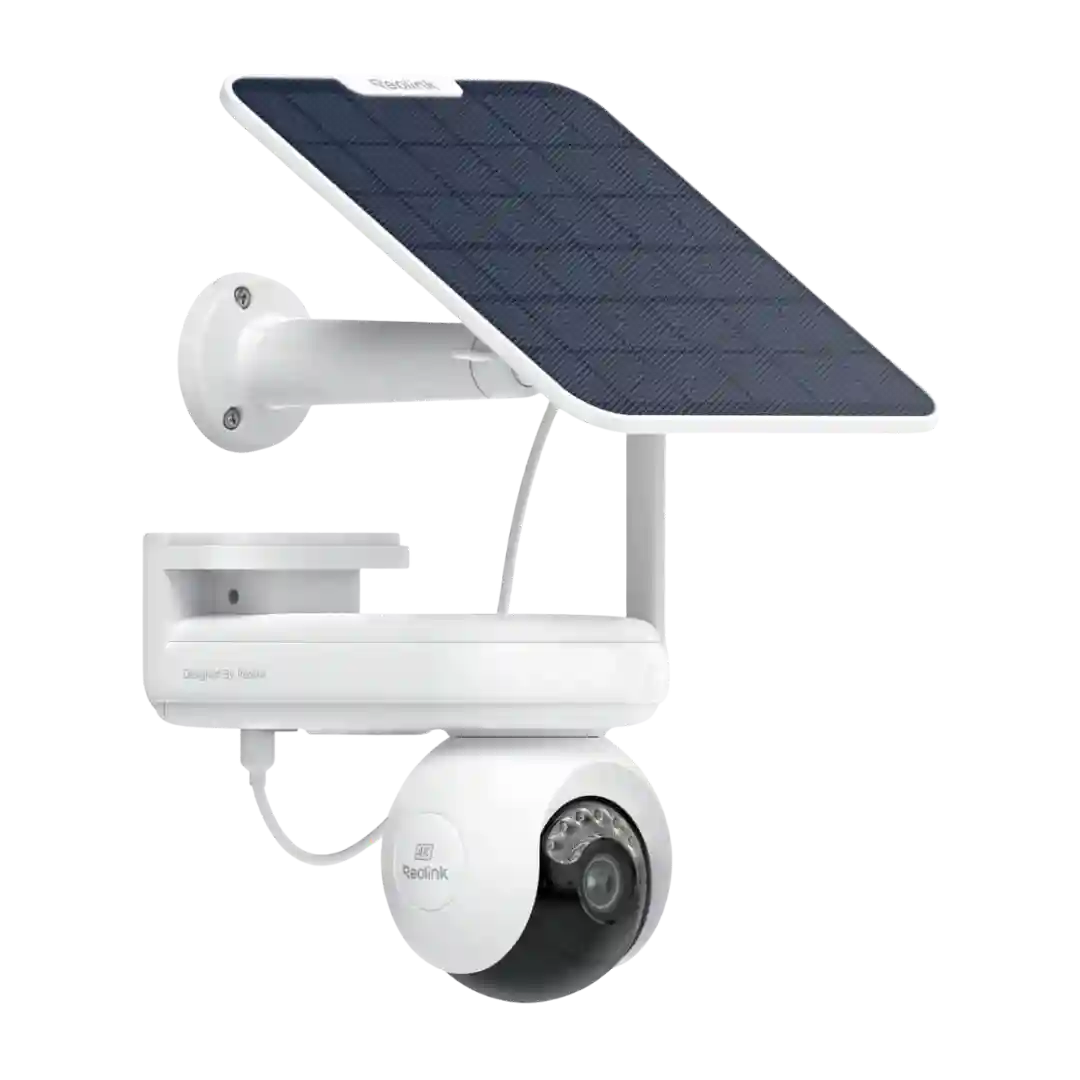
Low-light performance is viewed as strong for a solar/battery cam, with usable detail at night especially when ambient light or the spotlight is available.
Low-light performance is generally strong for an indoor cam thanks to HDR and IR night mode, with reviewers describing usable detail in dark areas; a few caveats include black-and-white night footage and occasional IR glare depending on placement.
Low-light performance is solid for an untethered, motion-triggered camera, though fast movement in dim conditions can soften detail and reduce AI recognition accuracy.
Low-light performance is usually good for an outdoor camera, especially with spotlights, but fine detail and motion clarity drop versus daylight, and results vary heavily with ambient light.
Low-light performance is the main image tradeoff: distance detail softens and high-contrast scenes can be challenging without HDR. It is generally fine for near-field monitoring but not ideal for long-range identification in darkness.