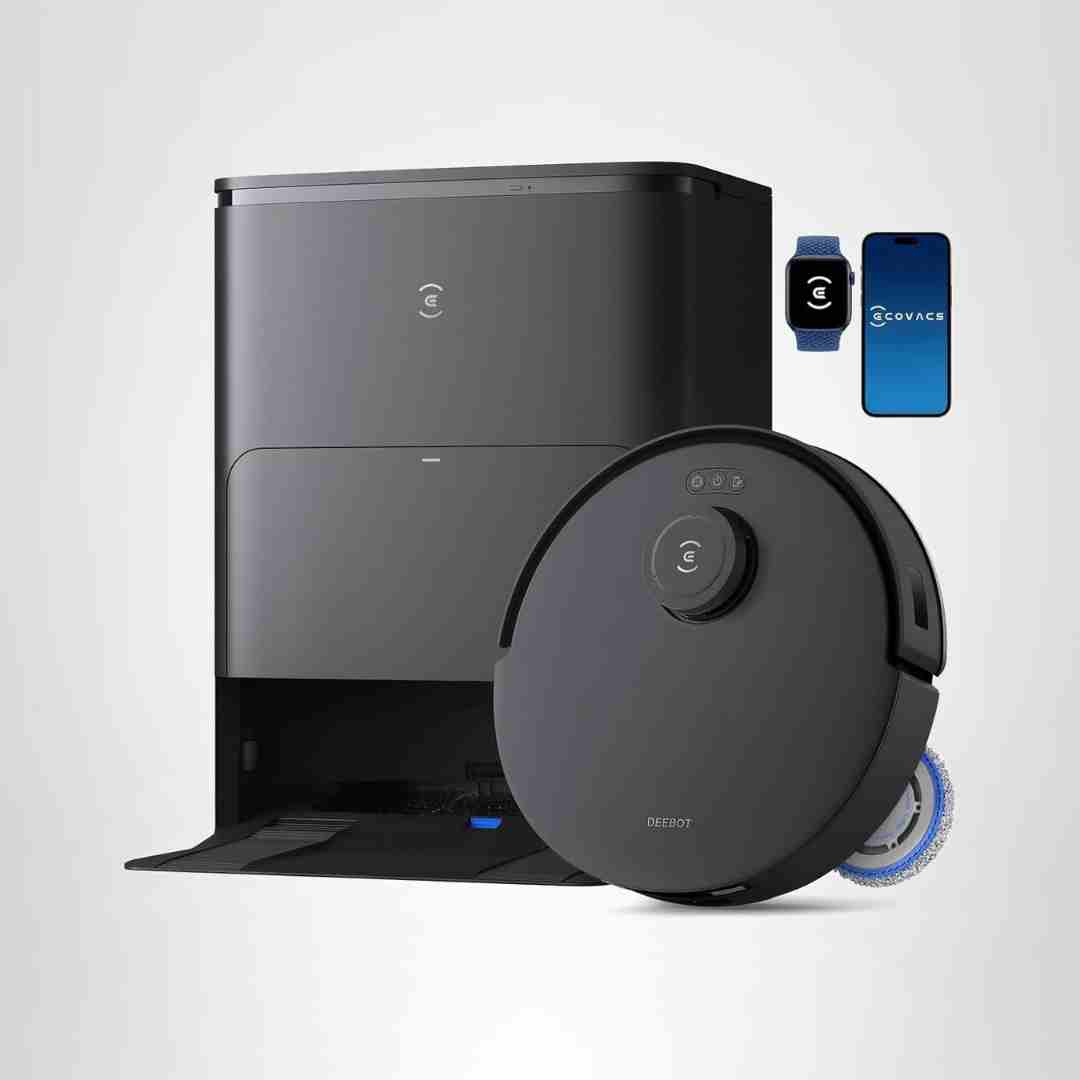
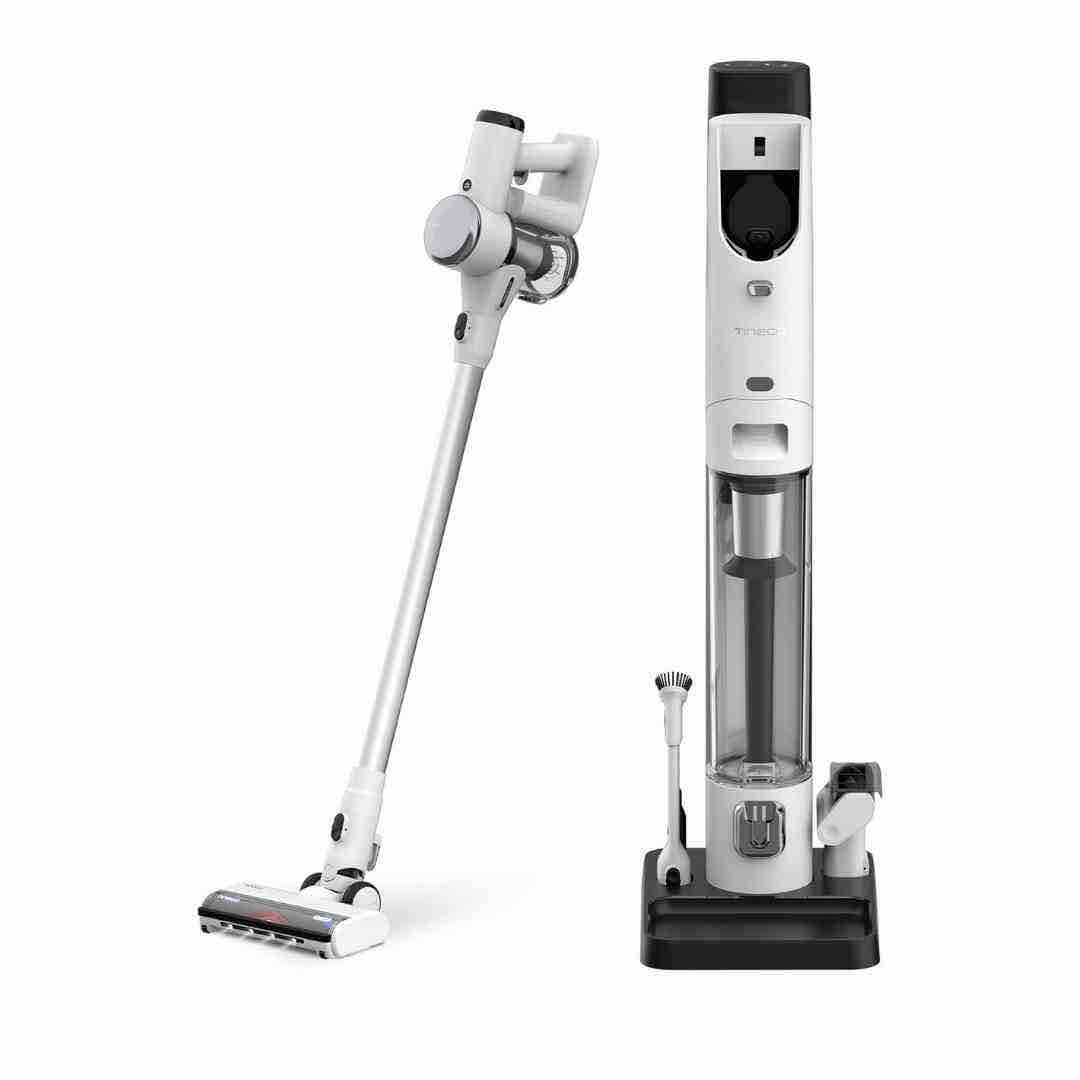
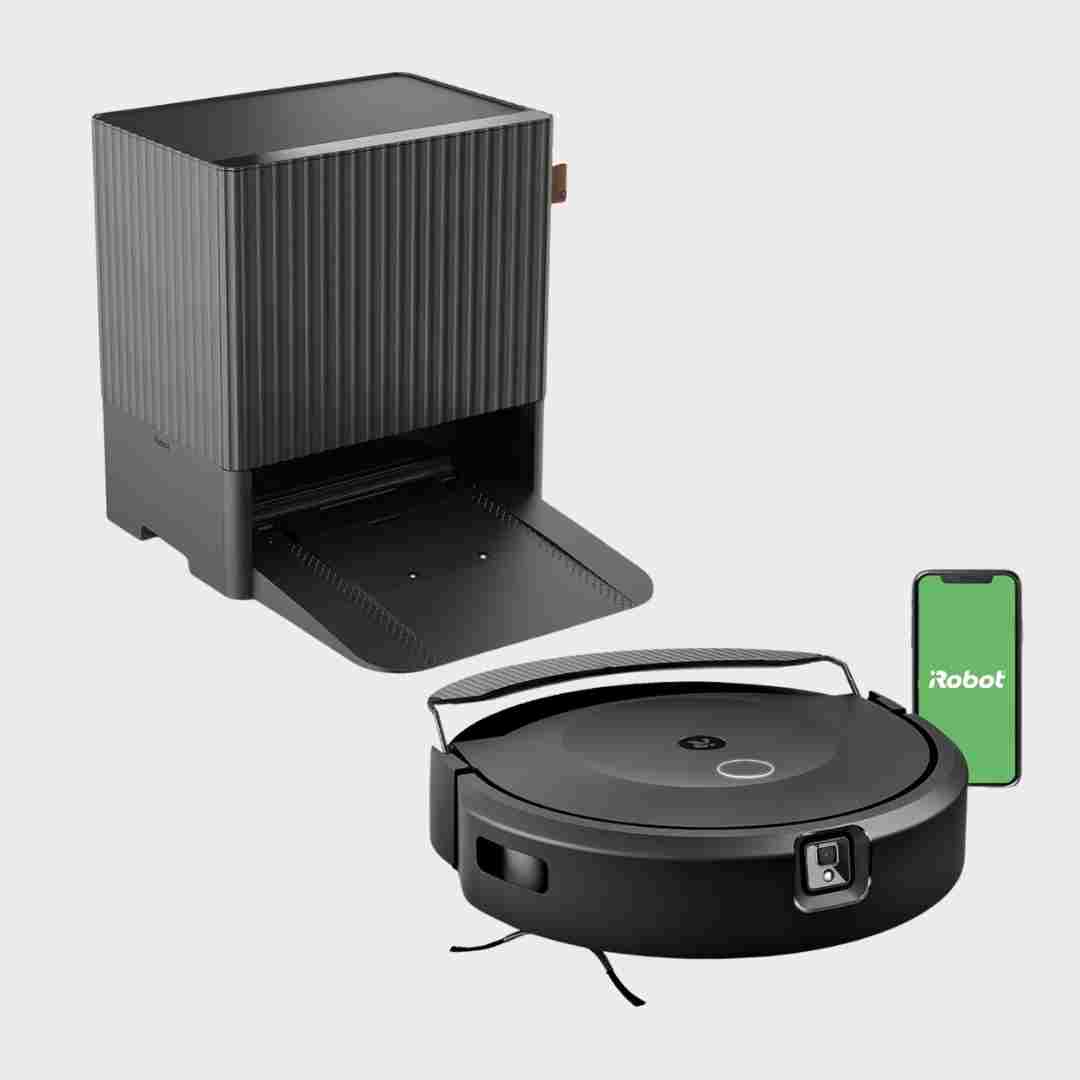
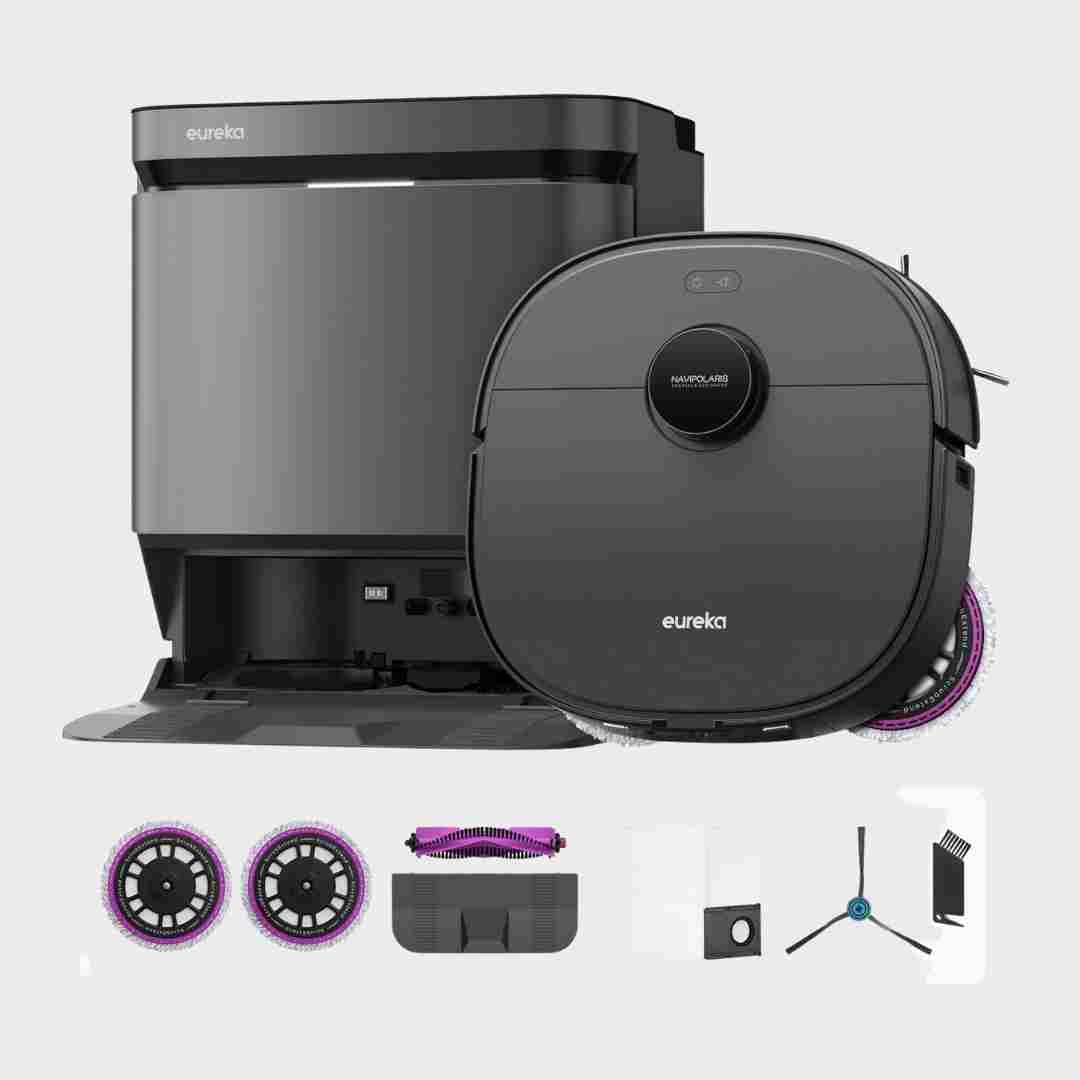
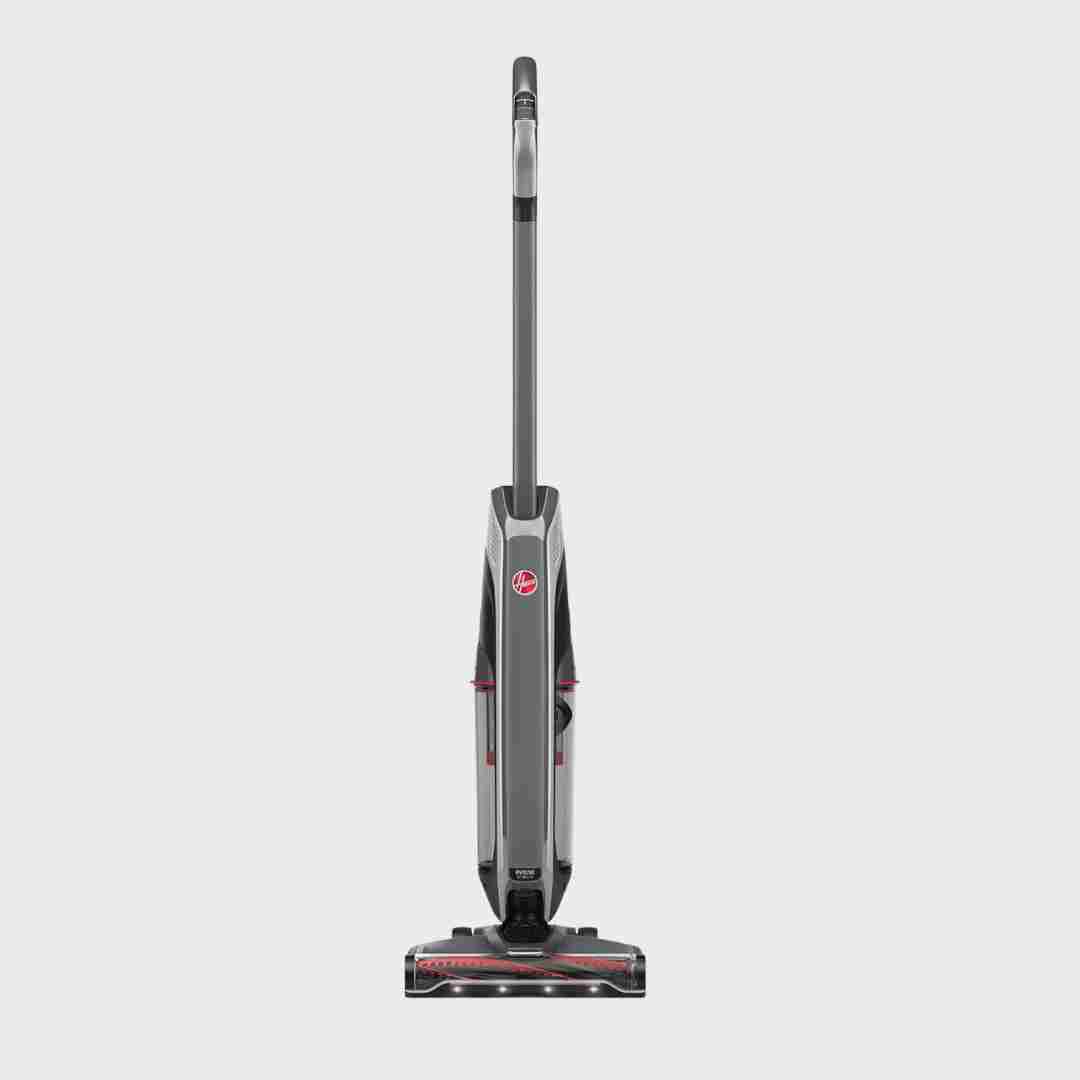
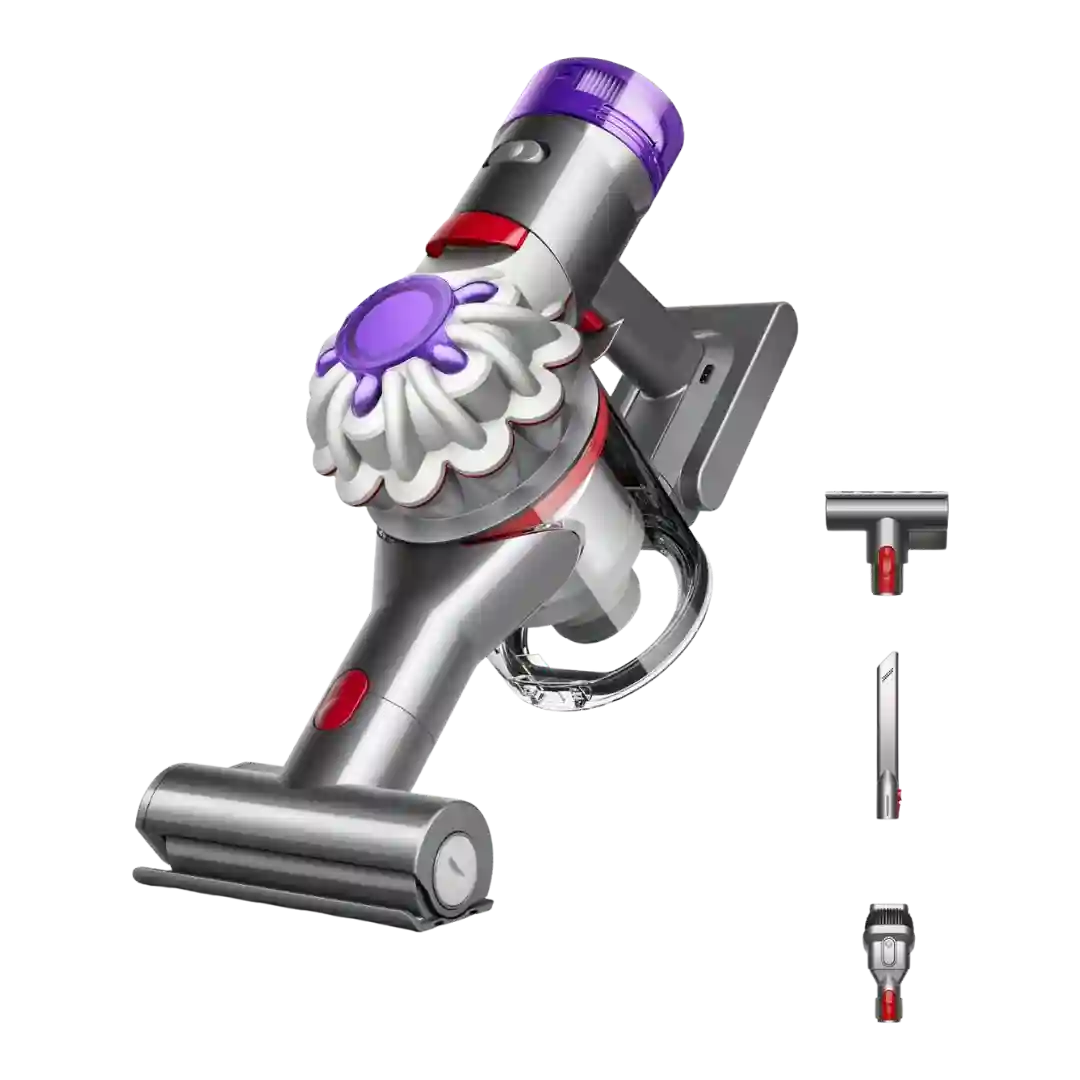
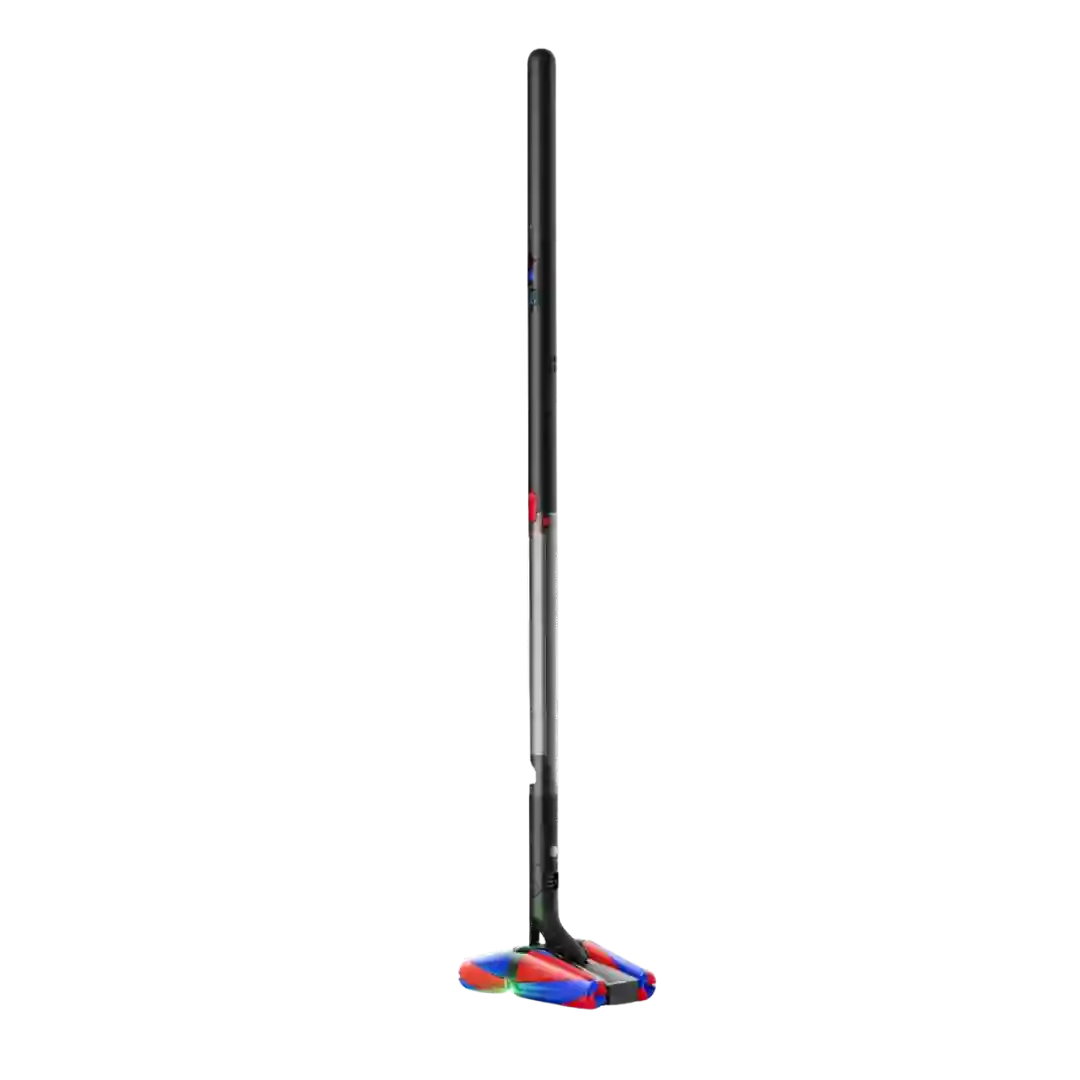
Maintenance is frequently called low effort: auto-emptying and dock washing reduce hands-on work to water tank swaps and occasional consumables. However, heavy mopping or large homes can increase water-related chores.
The dock meaningfully reduces maintenance by cleaning key components automatically, though reviewers still mention occasional manual steps for stubborn long hair or periodic filter cleaning over longer intervals.
Maintenance is generally viewed as user-friendly, with washable filters and unusually easy access to both brushrolls for cleaning. The main recurring maintenance need is removing wrapped hair, especially in pet homes.
Maintenance is viewed positively: parts come apart, several are top-rack dishwasher safe, and brush/filter components rinse clean. Ongoing upkeep includes cleaning and drying the filter after use and, per one review, replacing the filter periodically.
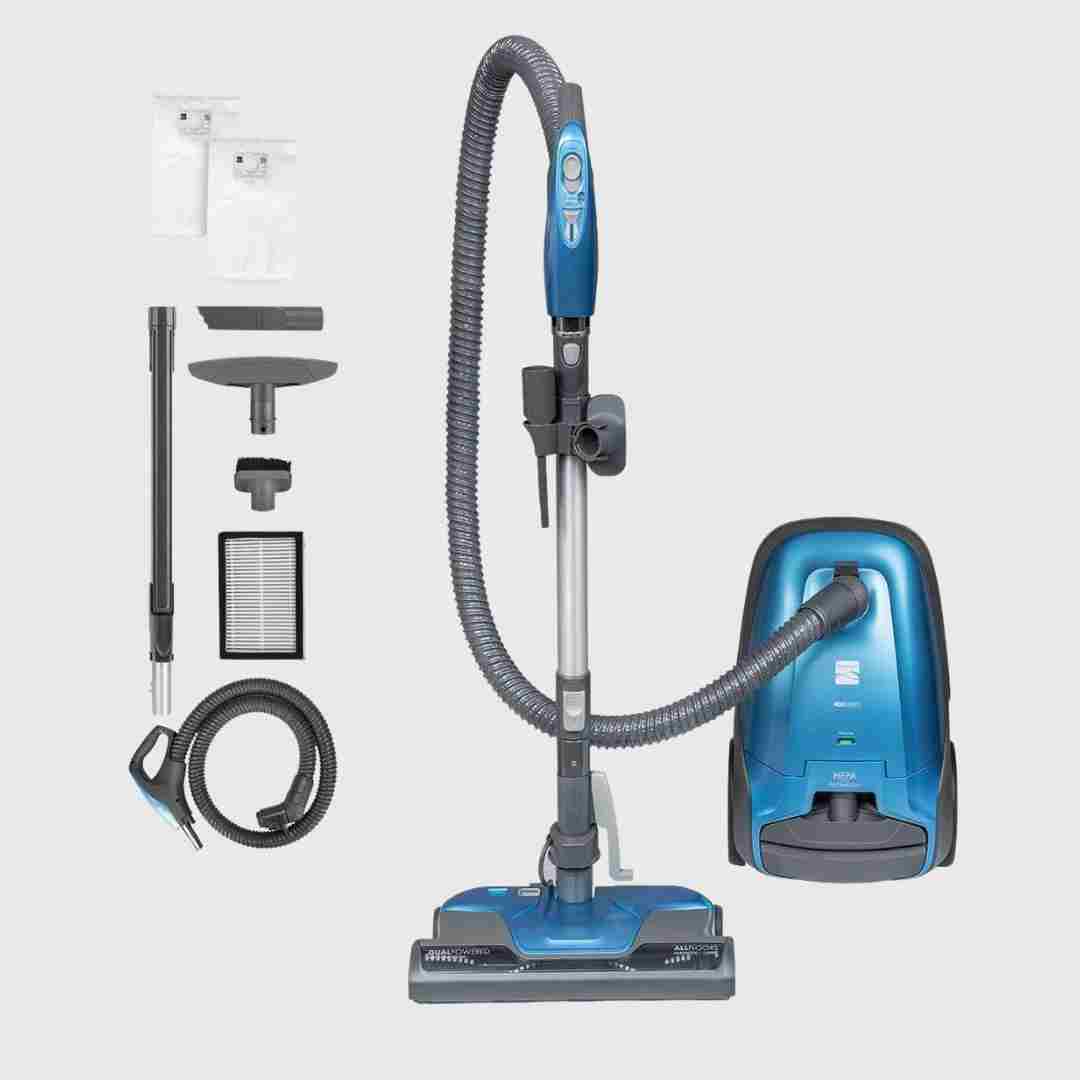
Maintenance is generally light: empty the bin, wash the filter periodically (with a required dry time), and check the brush area for tangles. Reviewers like that there are few routine replacement parts.
Routine maintenance is generally described as simple (emptying the bin, maintaining filters), and anti-tangle systems reduce brush cleanup. The main practical maintenance complaint is organizational: lots of tools need a good storage solution to avoid losing attachments.
Most reviewers describe ownership as low maintenance thanks to the dock’s automation, though periodic brush cleaning and checks are still needed in hair-heavy homes.
Ownership effort is typically low thanks to auto-emptying plus automated mop washing/drying, with bags and tanks lasting a long time between servicing. Maintenance still includes periodic cleaning of the washboard/drain area and occasional hair removal from side brushes or wheels.
Maintenance is described as low-effort: replace bags, occasionally refresh the filter, and check for blockages; the simple design makes clearing clogs and replacing parts straightforward.
Maintenance requirements are lower than typical robot vac+mop combos due to automated dock tasks, but periodic work remains: water tanks, dust bags, wiping sensors, and occasional hair/brush cleaning.
Maintenance requirements are low for the category: routine tasks are mainly water tank swaps/refills and occasional filter/brush checks, with bag replacements as the primary recurring dock consumable.
Maintenance is often framed as low thanks to automation, but owners still need to refill clean water, empty dirty water, replace bags/consumables, and occasionally clean the dock tray and brushes.
Maintenance is largely hands off thanks to the auto-empty and mop-wash dock, plus reduced hair tangling. Users still need to replace bags, rinse/clean the dock tray occasionally, and maintain filters and pads.
Ownership effort is generally low thanks to the self-maintaining dock, long bag intervals, and strong hair-cutting behavior that reduces brush cleanouts. Most manual work centers on water tank refills and dirty water emptying.
Maintenance is framed as easy: empty the tank, twist off the filter, and rinse or tap it clean. The washable filter reduces consumable waste and keeps upkeep simple.
Maintenance is reduced by the dock, app reminders, and washable components, but owners still need periodic tank changes, bag replacements, and occasional brush/hair cleanup.
Maintenance is generally lower-effort than typical stick vacs thanks to auto-emptying and washable parts. Still, hair tangles and periodic bag replacement mean it’s “low effort,” not “no effort.”
Maintenance is a strong suit: brush rolls, nozzle, and tanks are designed to come apart for rinsing, which reviewers say makes post-clean cleanup far less annoying than older machines.
Routine maintenance is mostly washable foam/filter rinsing and occasional bin cleaning; a few notes mention needing disassembly when hair or certain debris gets wrapped/stuck.
Maintenance is a strong point in reviews that mention it, citing removable covers or nozzles, easy-access tanks, and plenty of room to rinse out residue. Keeping up with rinsing is important because high-water modes can leave more moisture and gunk behind.
Day-to-day maintenance is reduced by auto-emptying and automated mop washing/drying, which many reviewers see as the main convenience win. Remaining chores include periodic filter cleaning, emptying dirty water, and (for some users) removing hair from the main roller when long strands tangle.
Maintenance is better thought out than average. Key parts are easy to remove and clean, but owners still need to check rollers, tanks, trays, and occasional clumps.
Maintenance is generally straightforward thanks to washable filtration and cleanable rollers, plus tool/bin disassembly for periodic cleaning; several reviewers note the display can prompt filter care, and some call out that washing the filter requires ample drying time before reinstalling.
Maintenance is straightforward with washable filters and bowl; routine cleaning is commonly recommended to prevent airflow restriction and keep performance consistent.
Maintenance is mostly hands-off thanks to the dock (washing, drying, emptying), but you still need to refill/empty water tanks and occasionally clean the base tray. Lack of auto detergent can add a small manual step for some households.
Maintenance is described as simple: empty the cup, clean or rinse the mesh filter, and let parts dry before reuse. Expect periodic filter cleaning and occasional replacement for the paper or HEPA-style element depending on use.
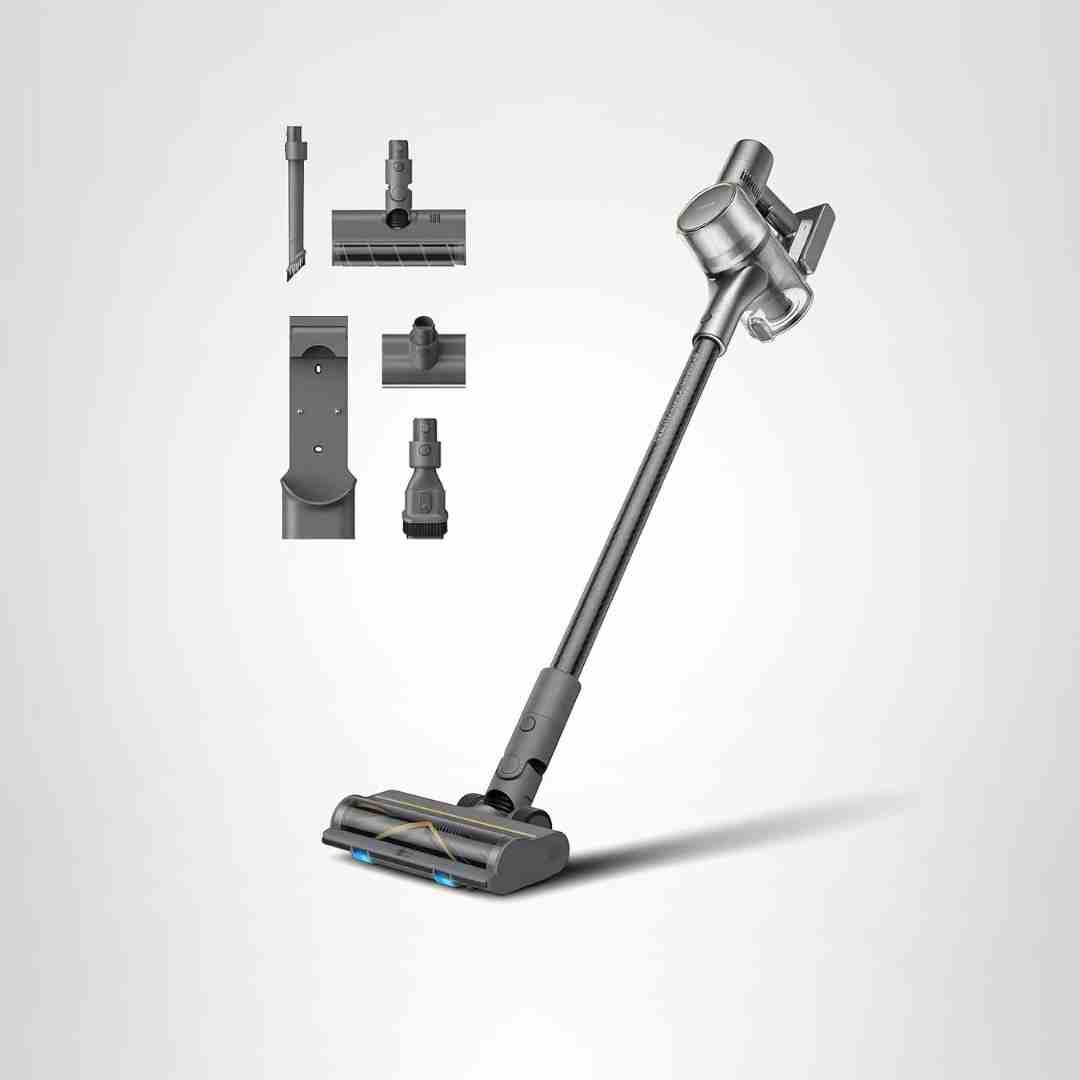
Maintenance is considered straightforward: washable dust cup/filter parts, easy disassembly, and a built-in mechanism to help clean the filter; periodic brush-roll hair removal is still needed.
Maintenance is described as straightforward with washable filters/dust cup and easy disassembly; expect some fine dust buildup in covers/channels and allow drying time after rinsing parts.
Routine maintenance is generally viewed as easy thanks to twist/ComfortClean-style filter cleaning and included brushes for clearing pre-filters. The main ongoing work is detangling the brushroll and emptying the small bin more often, especially in pet homes.
Routine upkeep is straightforward with washable filters and tool-free roller access; one long-term user warns not to rinse the roller with water, recommending wipe-down instead.
Maintenance is generally considered approachable: brushroll removal, filter access, and cleaning instructions are straightforward. Homes with lots of hair will still need routine brush and filter cleaning to keep performance high.
Maintenance is repeatedly described as low-effort thanks to auto-emptying and automated mop washing/drying, plus app-based reminders for parts. The remaining chores are refilling/emptying water tanks, occasional dock base cleaning, and replacing consumables on schedule.
Maintenance is a strong point for many: removable nozzles/covers, accessible brush rolls, and easy tank rinse-outs. A minority note annoyances like hard-to-reach tank openings or needing extra cleanup during/after use, and newer ‘turbo’ style designs improve brush access.
Hands-free maintenance is a key selling point, with long intervals between bag changes and tank service reported. Regular spot-cleaning of sensors, trays, and the baseplate is still recommended to avoid buildup and clogs.
Maintenance is straightforward but recurring: replace bags when indicated, swap filters on schedule (often yearly or per bag pack) and keep brushes clear if you use motorized heads. Multiple reviewers emphasize using genuine bags/filters to maintain sealing and longevity.
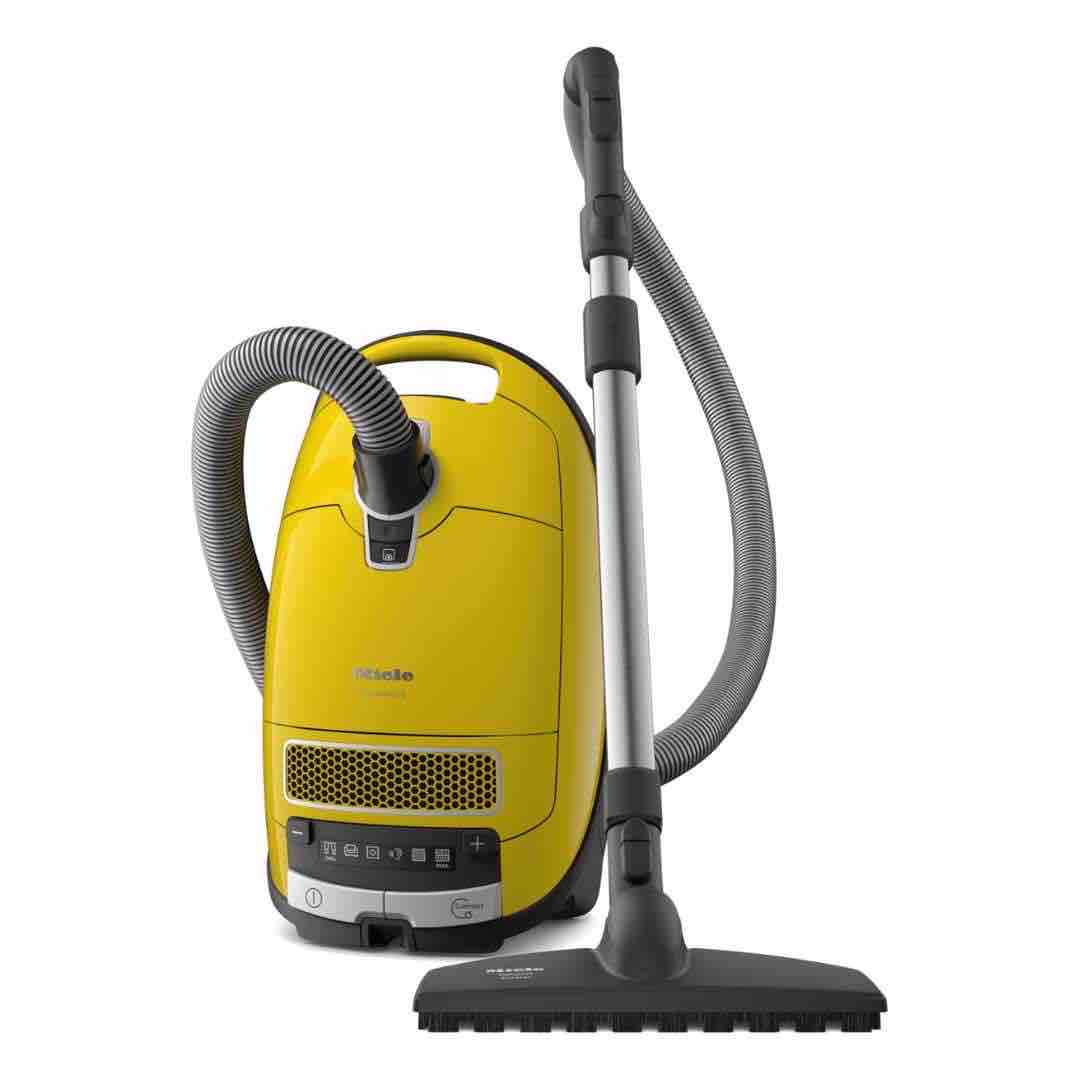
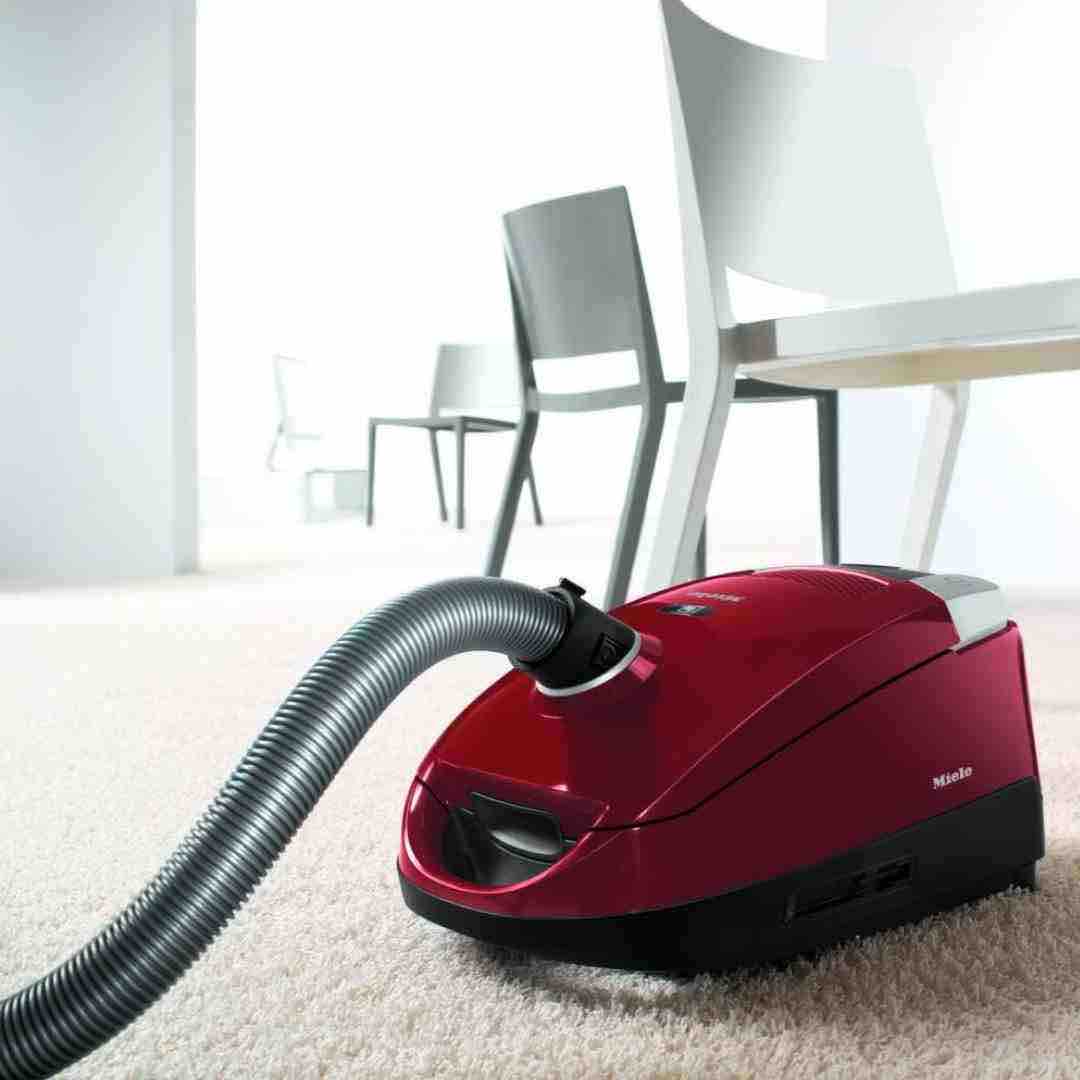
Day-to-day maintenance is generally easy, with accessible bags and filters and simple blockage-release features. A few reviewers mention unclear bag-change instructions, a stiff hose, or needing extra force to remove a bag.
Maintenance is generally described as low-fuss for a bagged vacuum: replace the bag when indicated and keep filters in mind. Reviewers frame it as cleaner and less internally messy than many bagless designs.
Maintenance is generally easy: components and filters are removable, and rinsing or periodic washing is commonly recommended every few months. The main downside is that hair and high-volume debris can require more frequent clearing to prevent loss of performance.
Maintenance is frequently called easy because tanks, covers, and brushroll areas open up and many parts are removable for rinsing. However, filters and tight crevices can require hands-on cleaning, and several reviewers stress cleaning the machine after every use to avoid grime buildup.
Maintenance is generally straightforward: swap bags, periodically check/replace filters, and occasionally cut hair from the turbine/brush head. Some note manuals can be minimal on maintenance details.