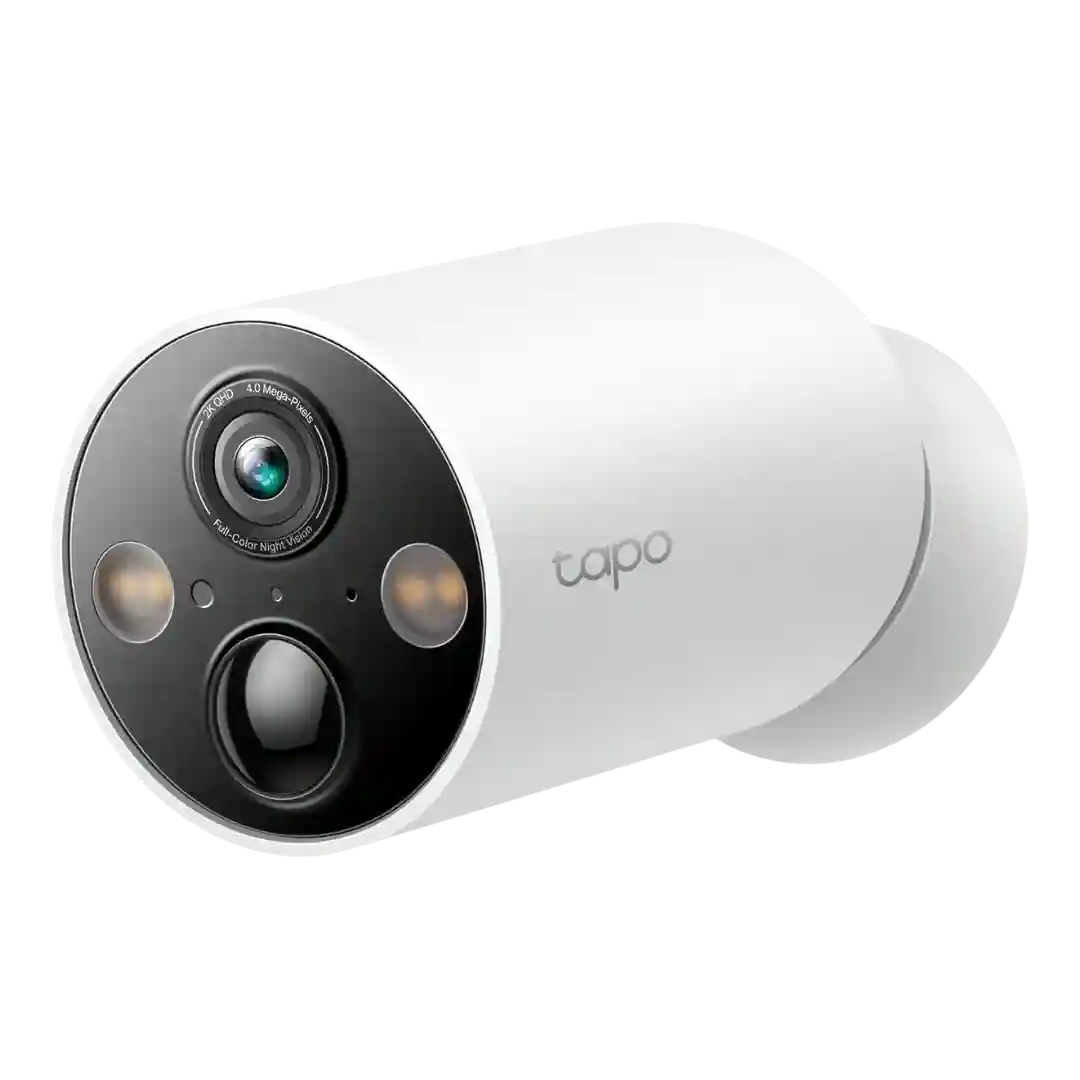
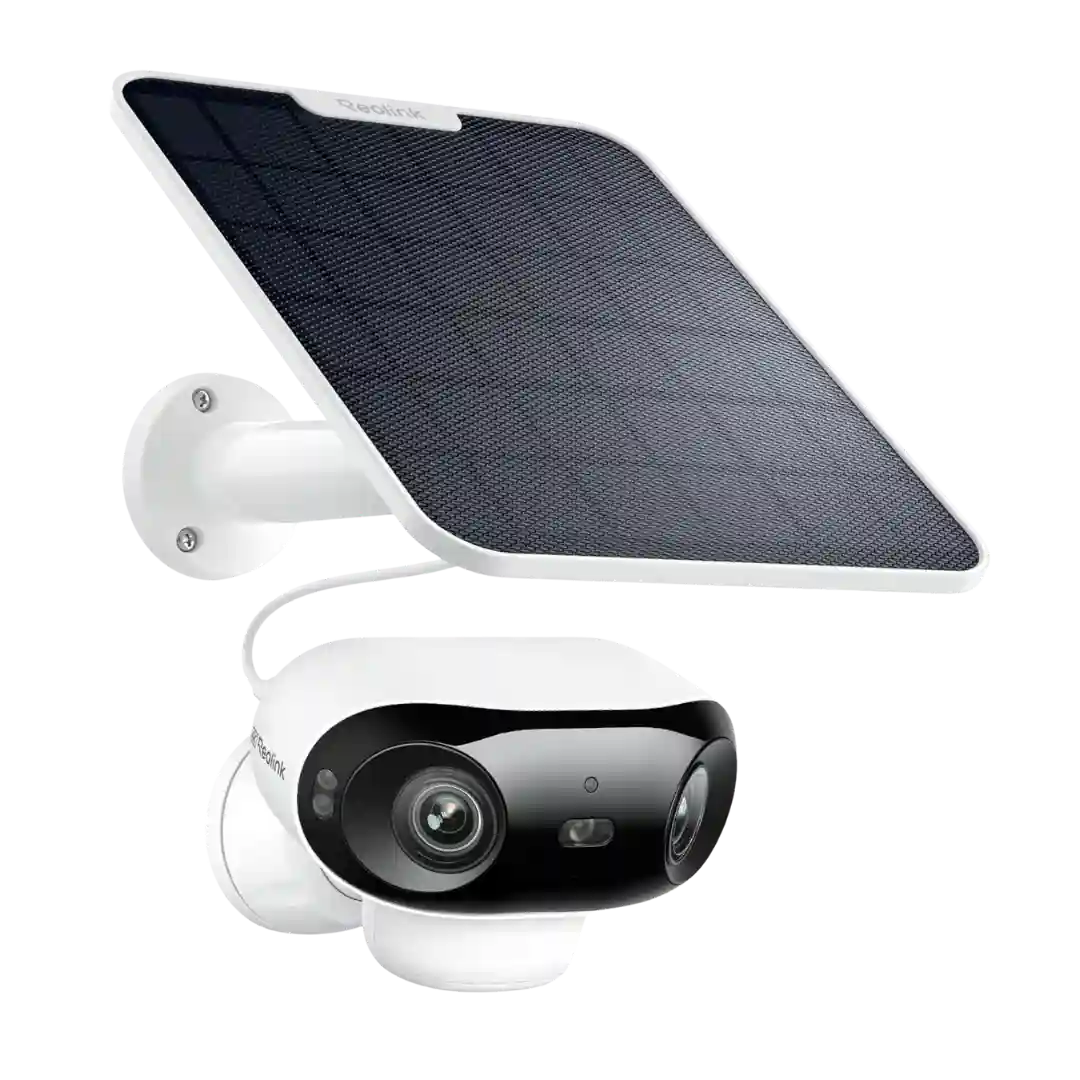
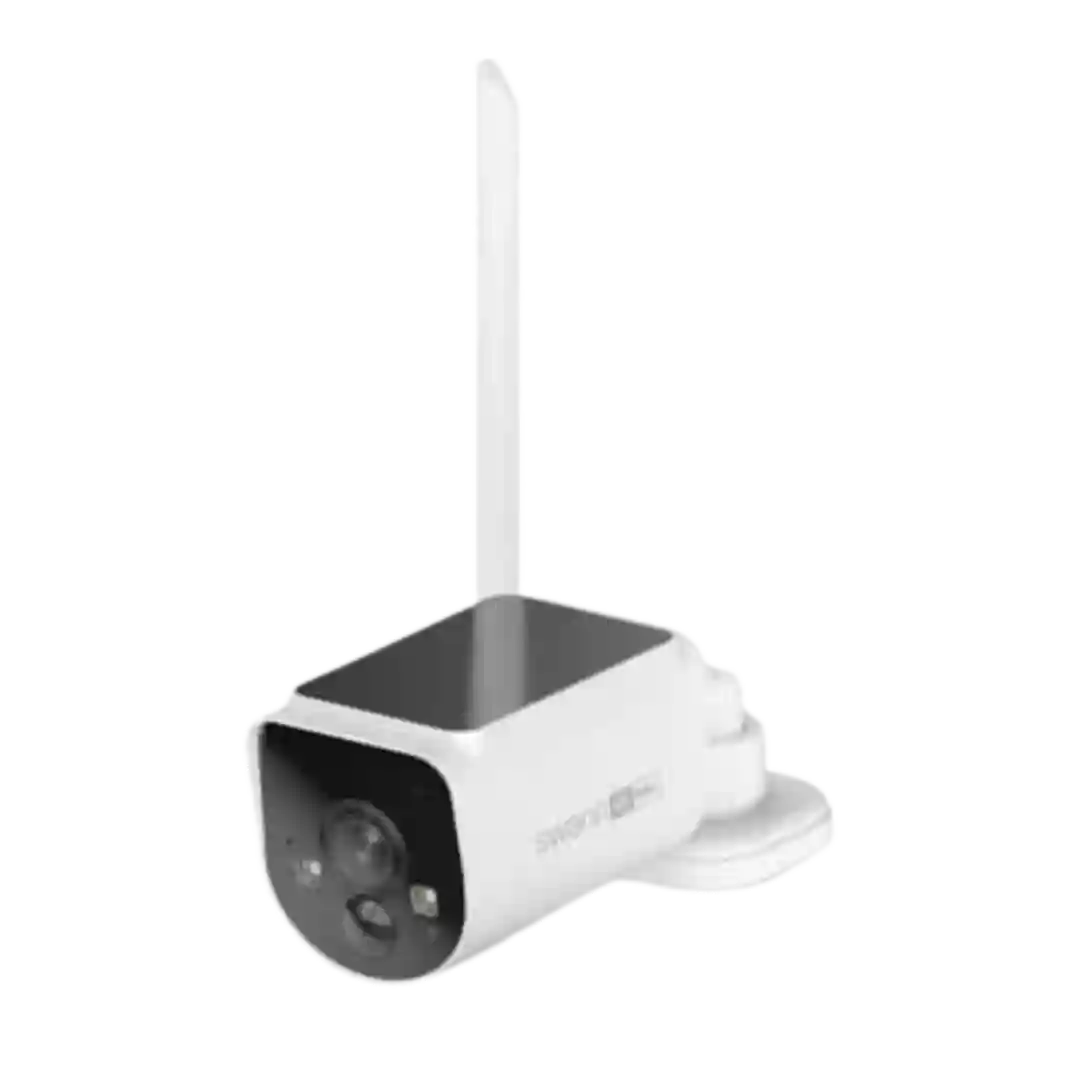
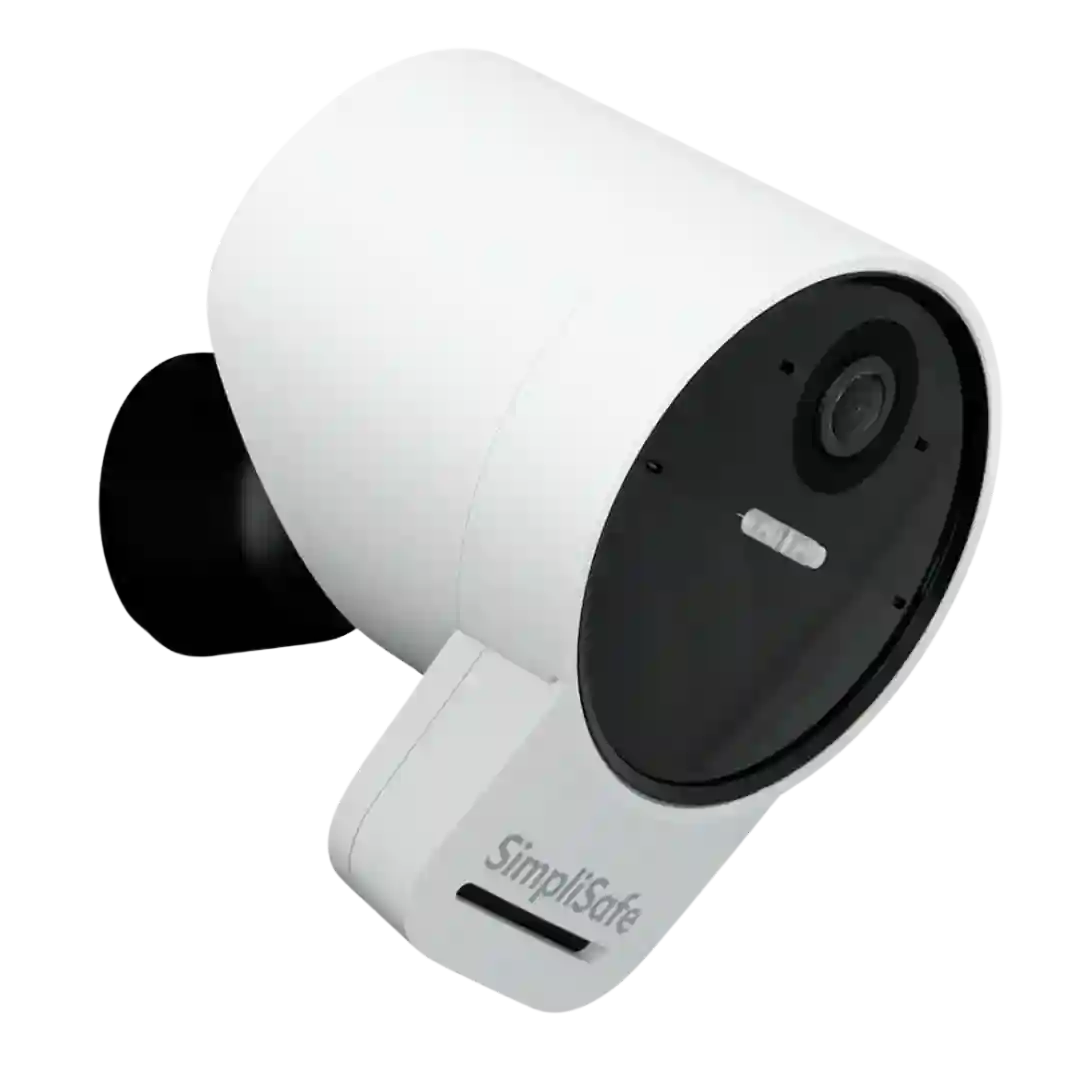
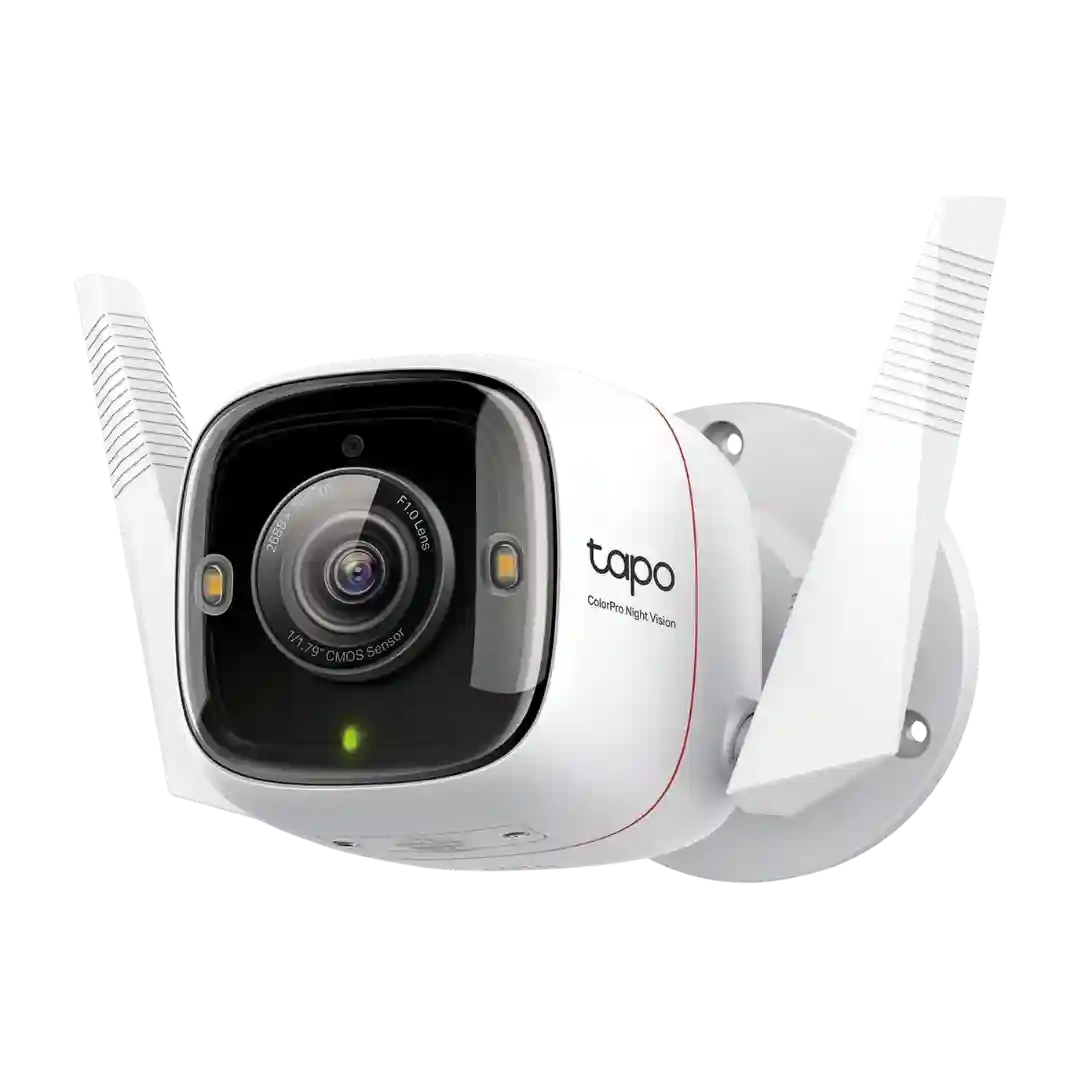
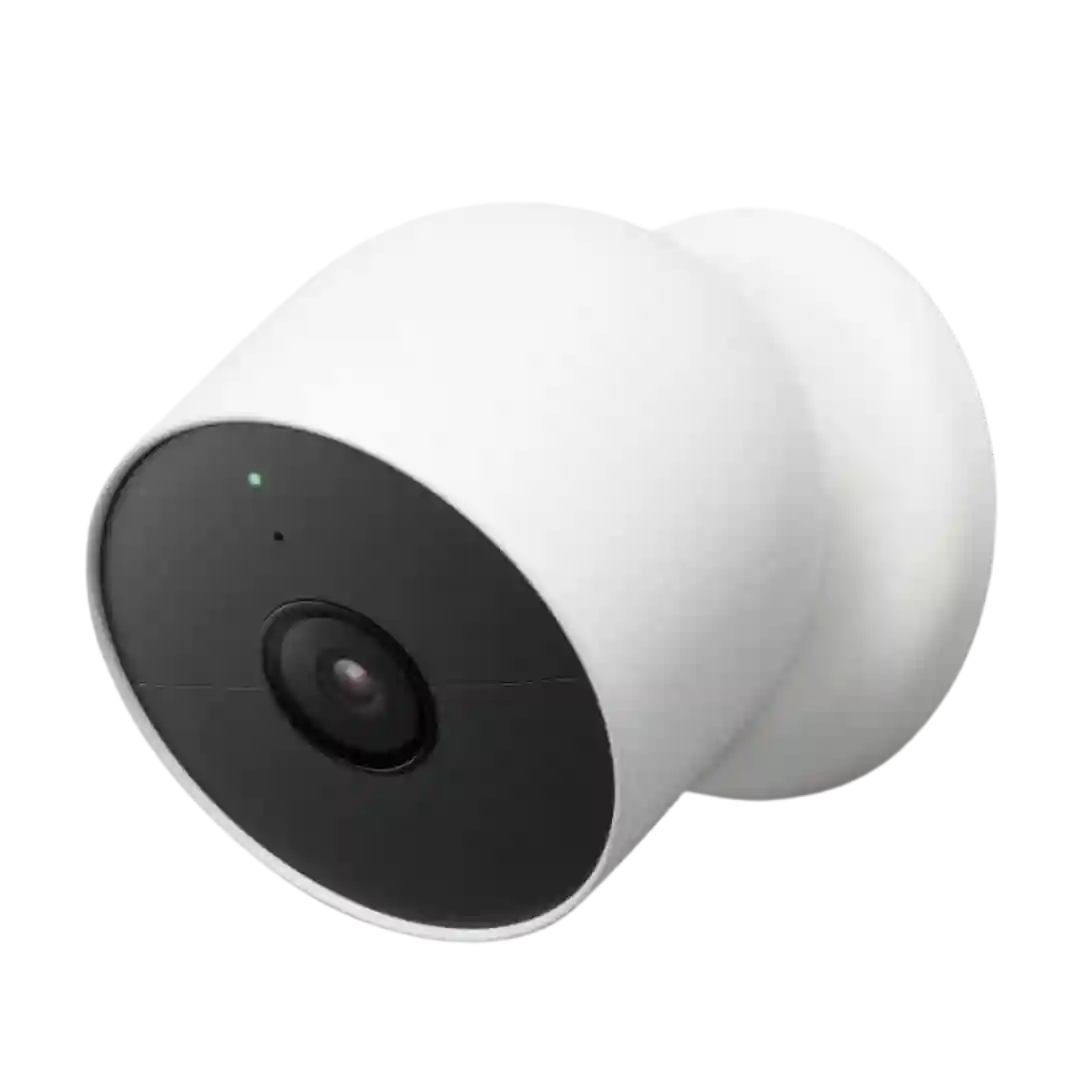
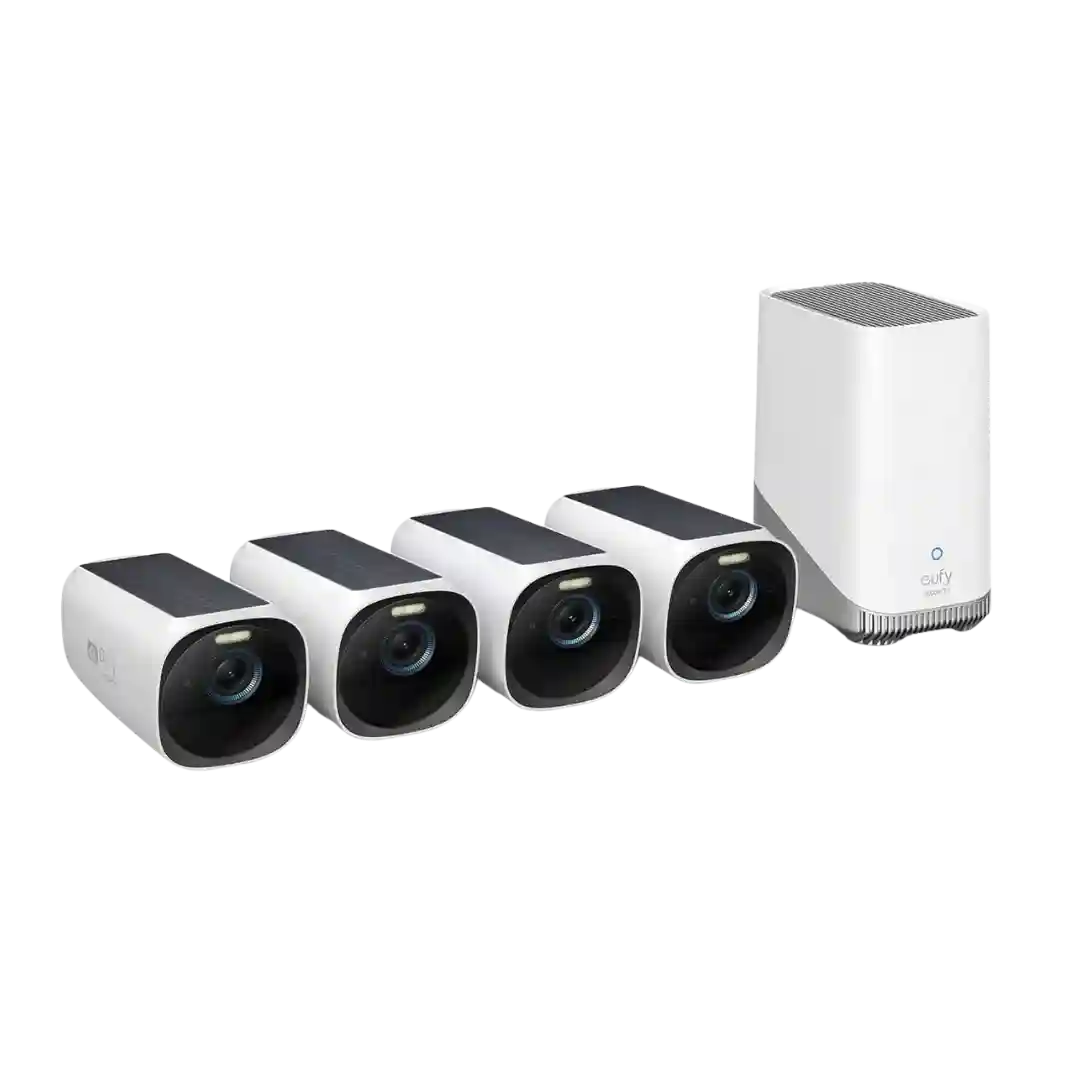
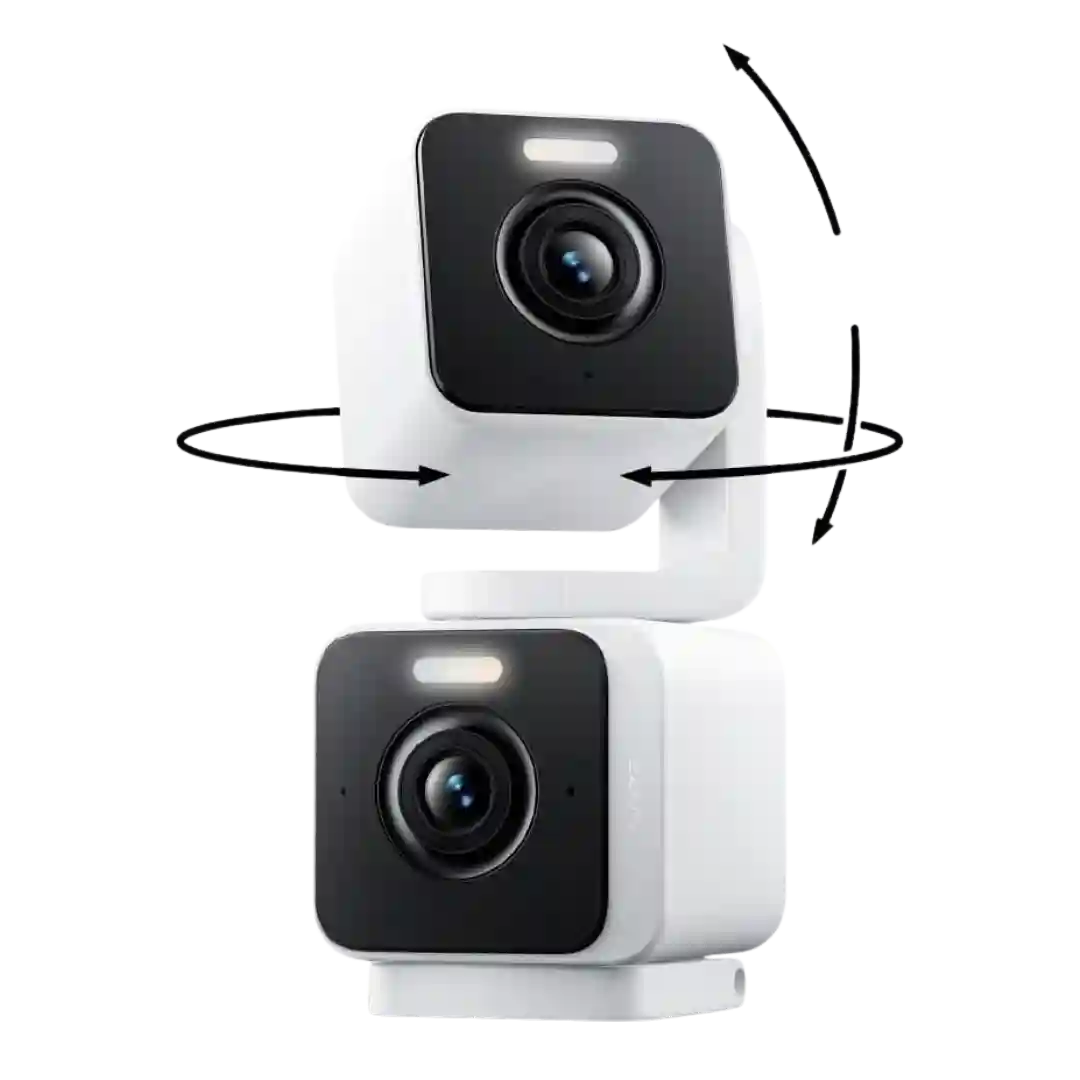
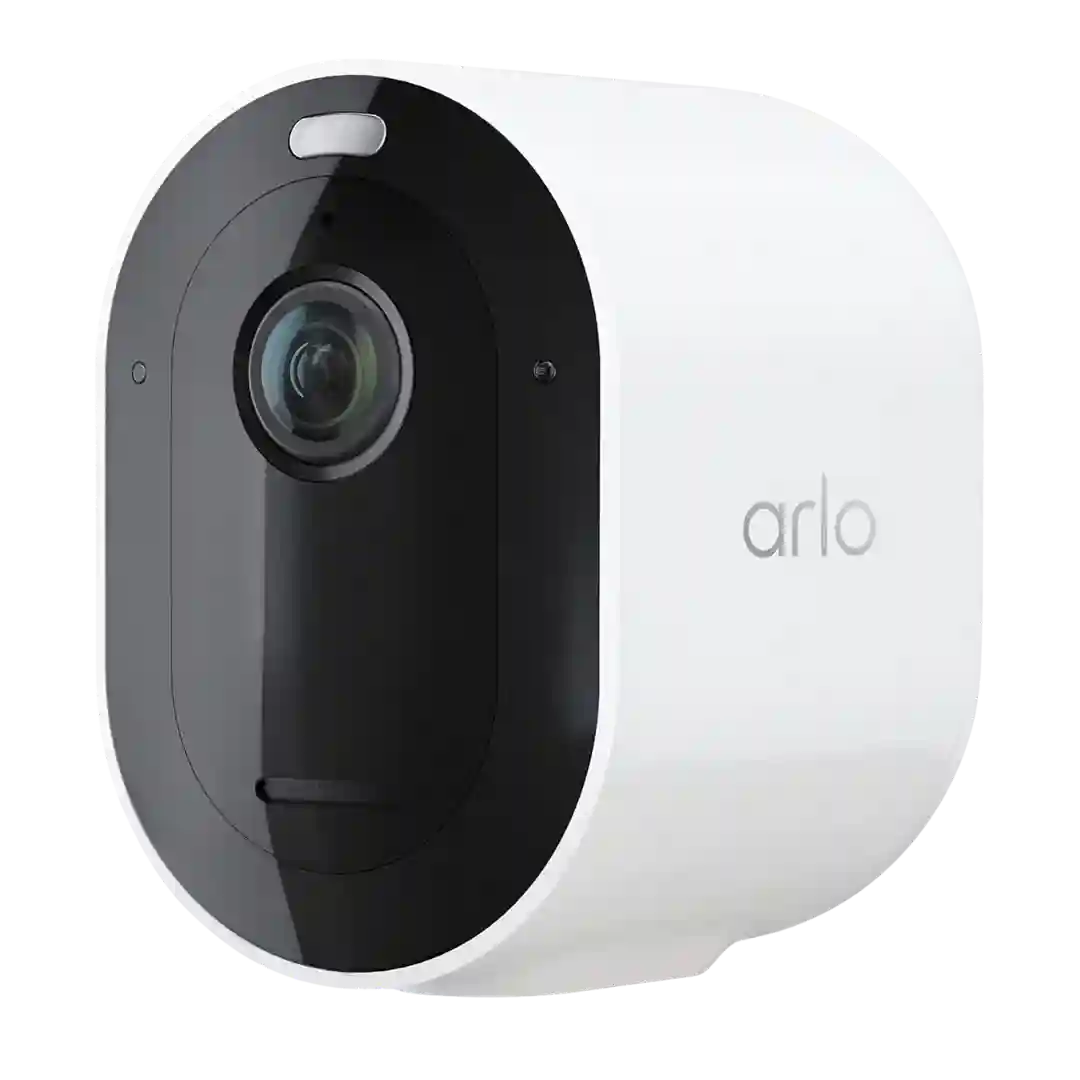
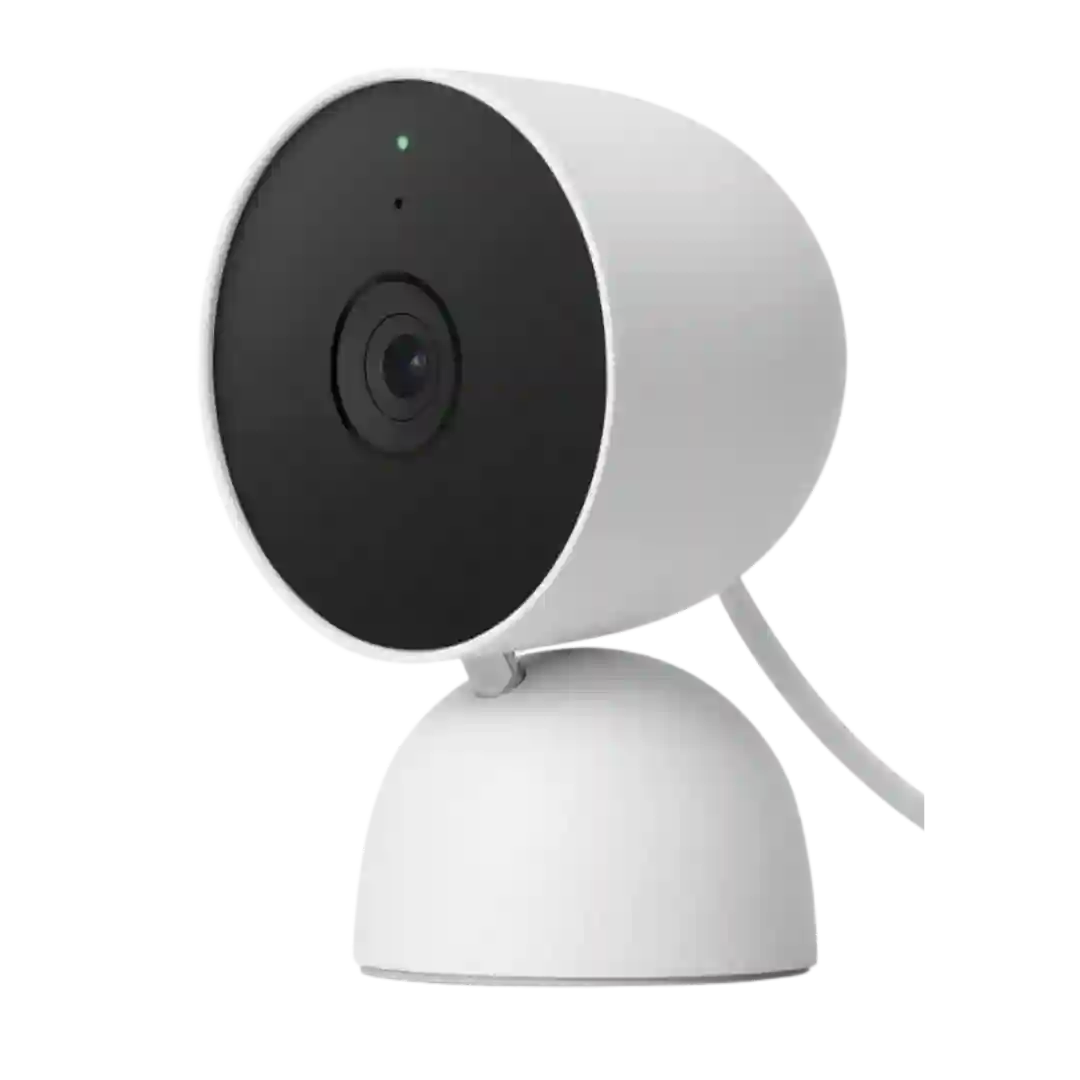
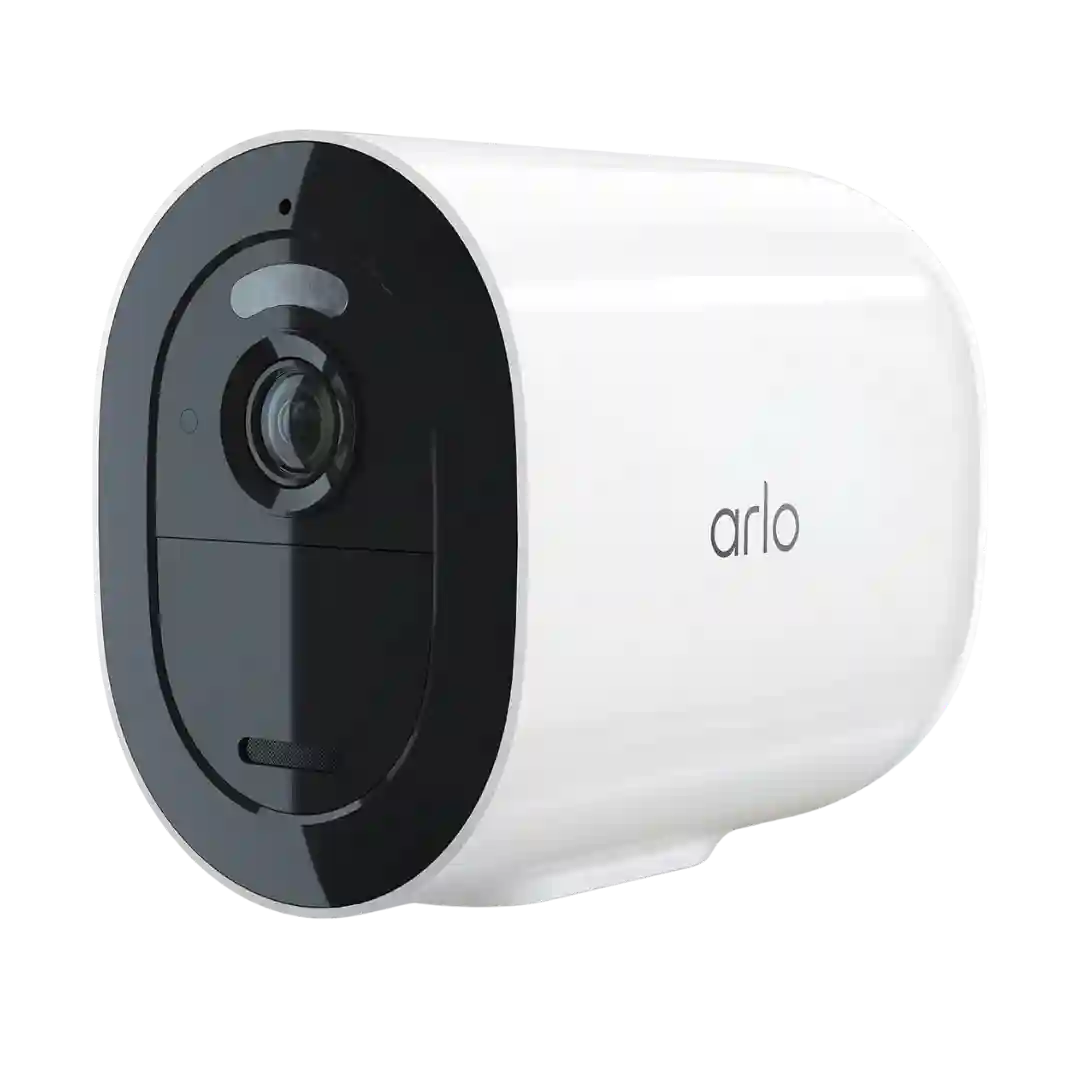
The magnetic mount and tripod thread provide lots of aiming and placement options, and removal for charging is quick. Adhesive-only mounting can fail outdoors over time, and extreme angles can stress the magnetic hold in some setups.
Mounting options are praised: adjustable brackets, strap mounts for trees/poles, and even tripod-thread style mounting in at least one review. This flexibility helps with renters or tricky placements.
Mounting flexibility is a highlight: reviewers mount under eaves, on corners, and at distance from buildings, with the long-range link making placement less constrained than standard Wi-Fi cameras.
Magnetic mounting and adjustable hardware make repositioning easy and quick. The downside noted is security: magnets can make it easier to remove unless mounted out of reach or paired with a more permanent bracket.
The magnetic mount enables easy angle changes and quick removal for charging, though a few reviews say certain stand setups can feel less adjustable than expected.
Reviewers describe flexible placement options, including table/shelf use, wall or ceiling mounting, and inverted installs with app-based image rotation.
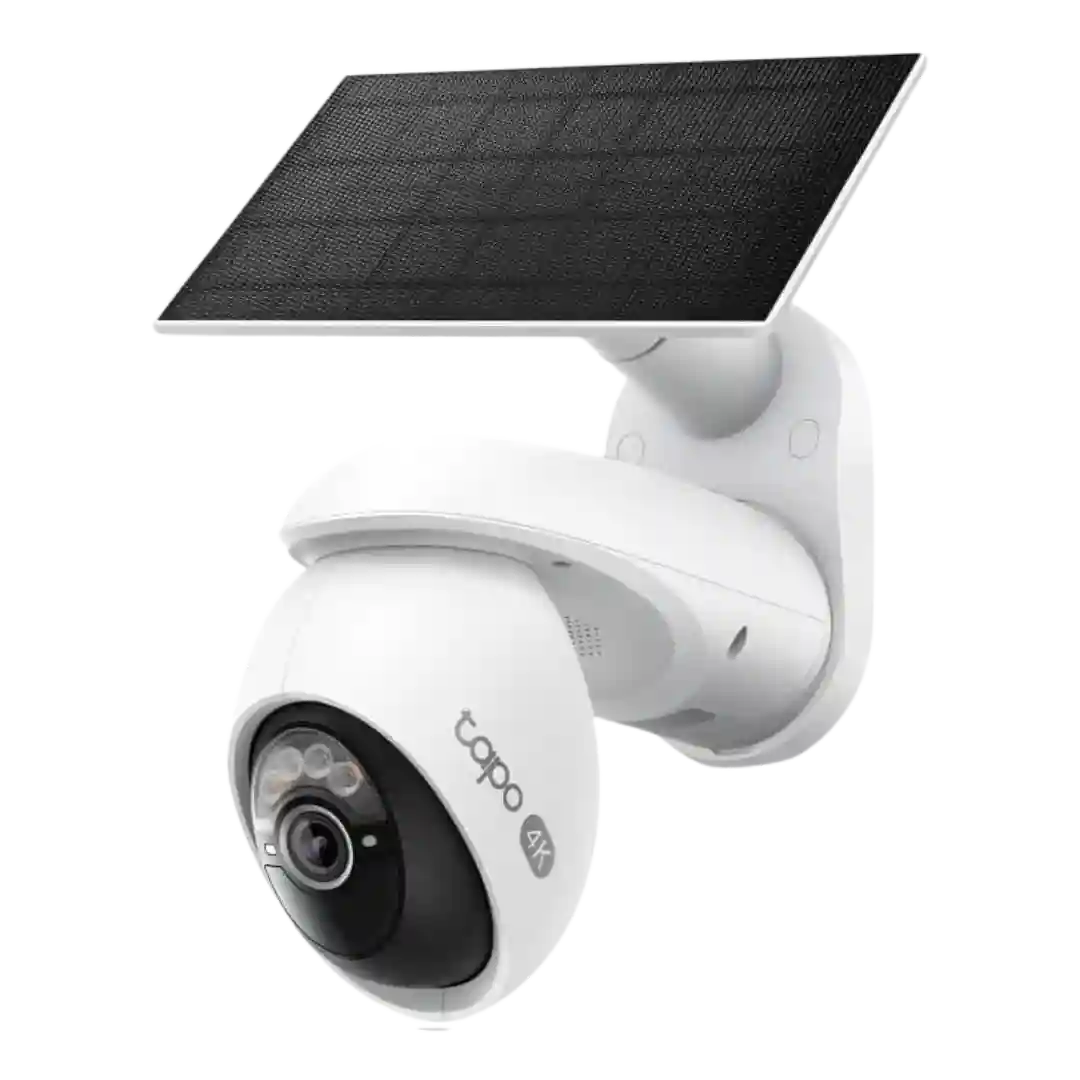
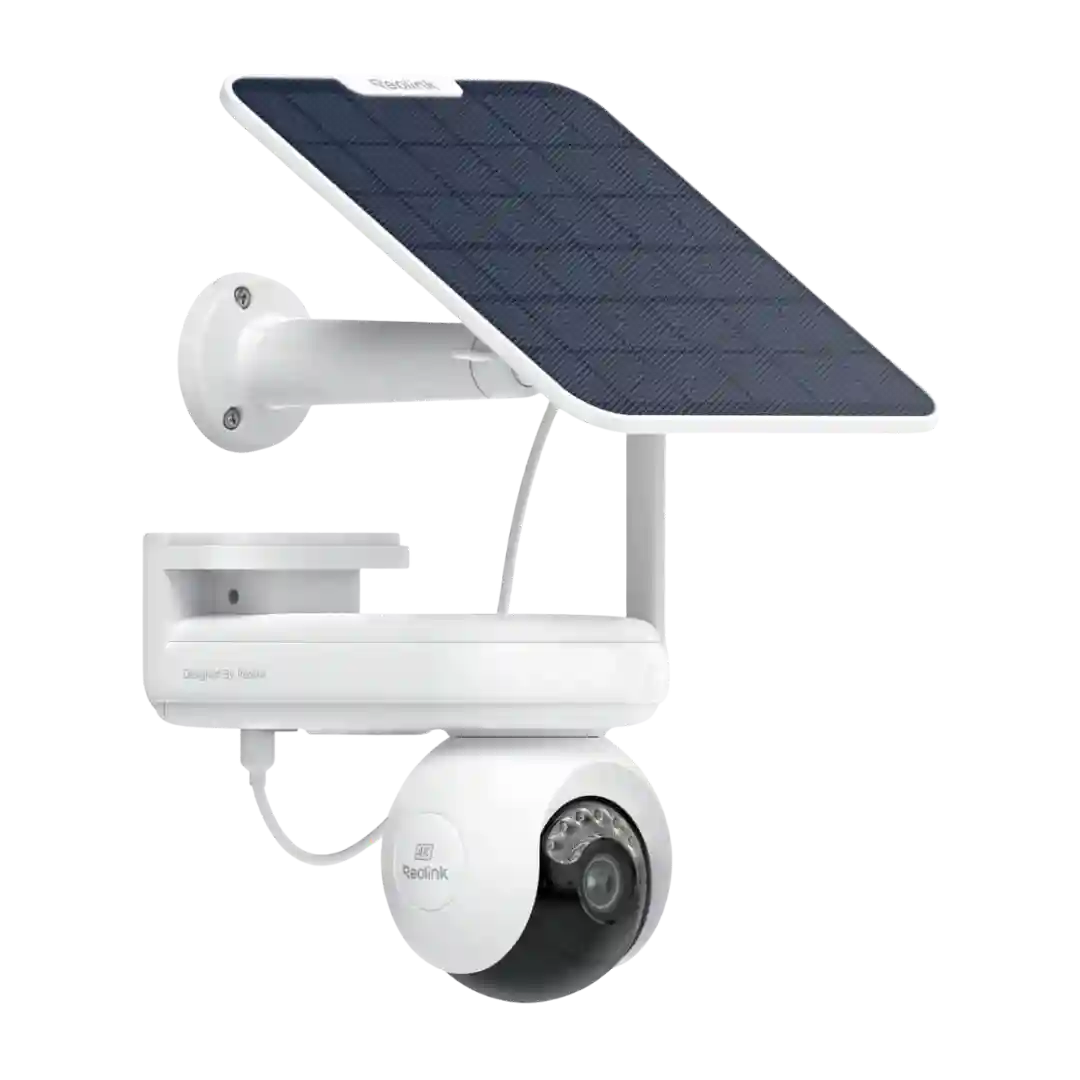
Mounting options are flexible, including wall, fence, and eaves/ceiling, with the solar panel able to mount together or separately via an extension cable.
Angle adjustment is generally easy (ball joint and/or magnetic mounting), supporting walls, fences, ceilings, and overhangs. Some reviewers note the camera can protrude from the wall more than compact rivals.
Mounting flexibility is repeatedly mentioned, including wall, ceiling, and under-eave installs. Placement affects coverage angles and how much the pan/tilt range can be used.
Mounting flexibility is strong: wall and ceiling mounting are common, and several kits include straps for posts/trees. The camera’s size and bracket requirements mean it still rewards careful placement and solid mounting surfaces.
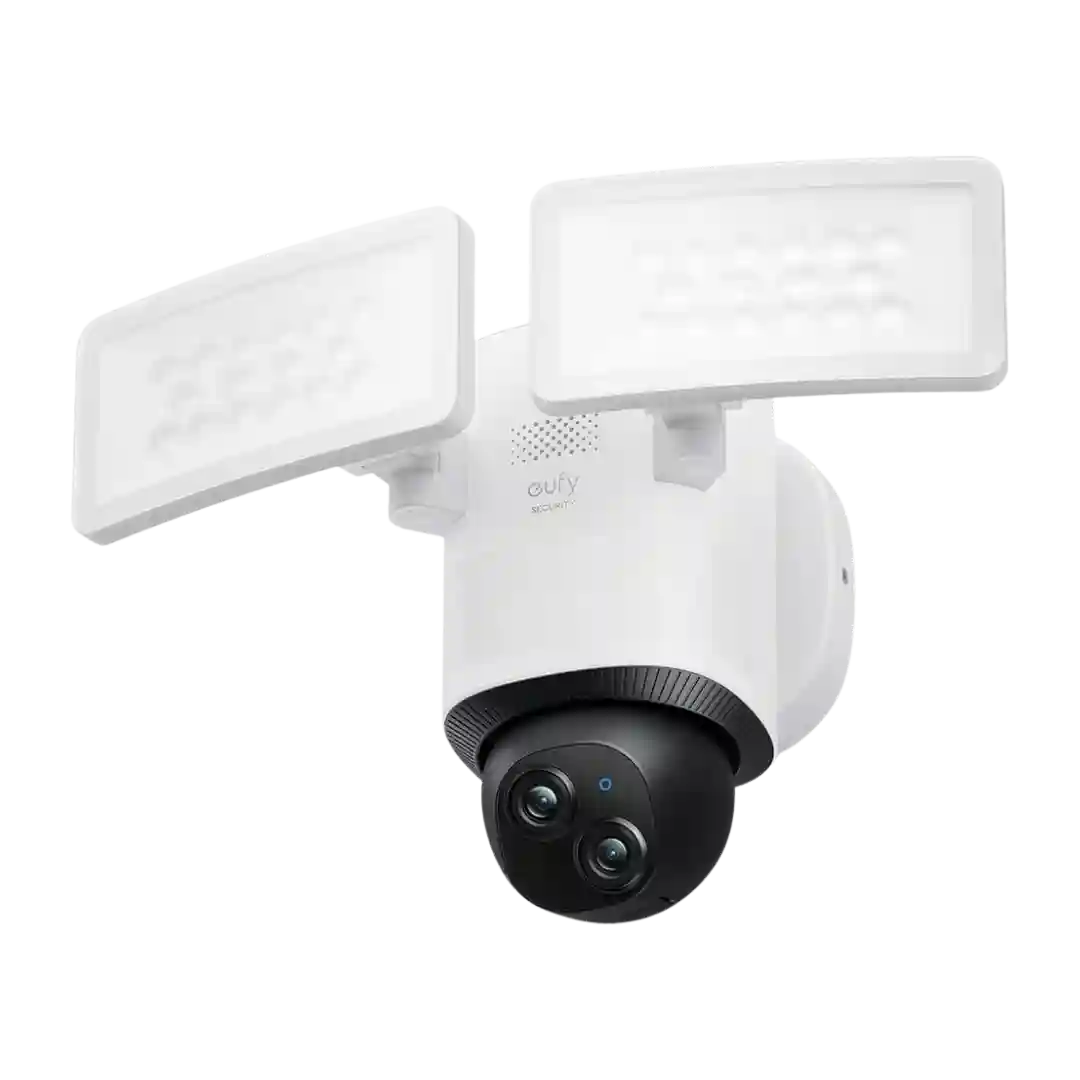
You can shelf-mount, wall-mount, or ceiling-mount with included hardware, but because it’s wired-only, placement flexibility ultimately depends on outlet locations and cable concealment.
Mounting is typically via a screw mount and ball-joint style bracket. Some reviewers find aiming and securing the angle fiddly, and recharging often means taking the camera down, which can force you to re-aim and redo zones.