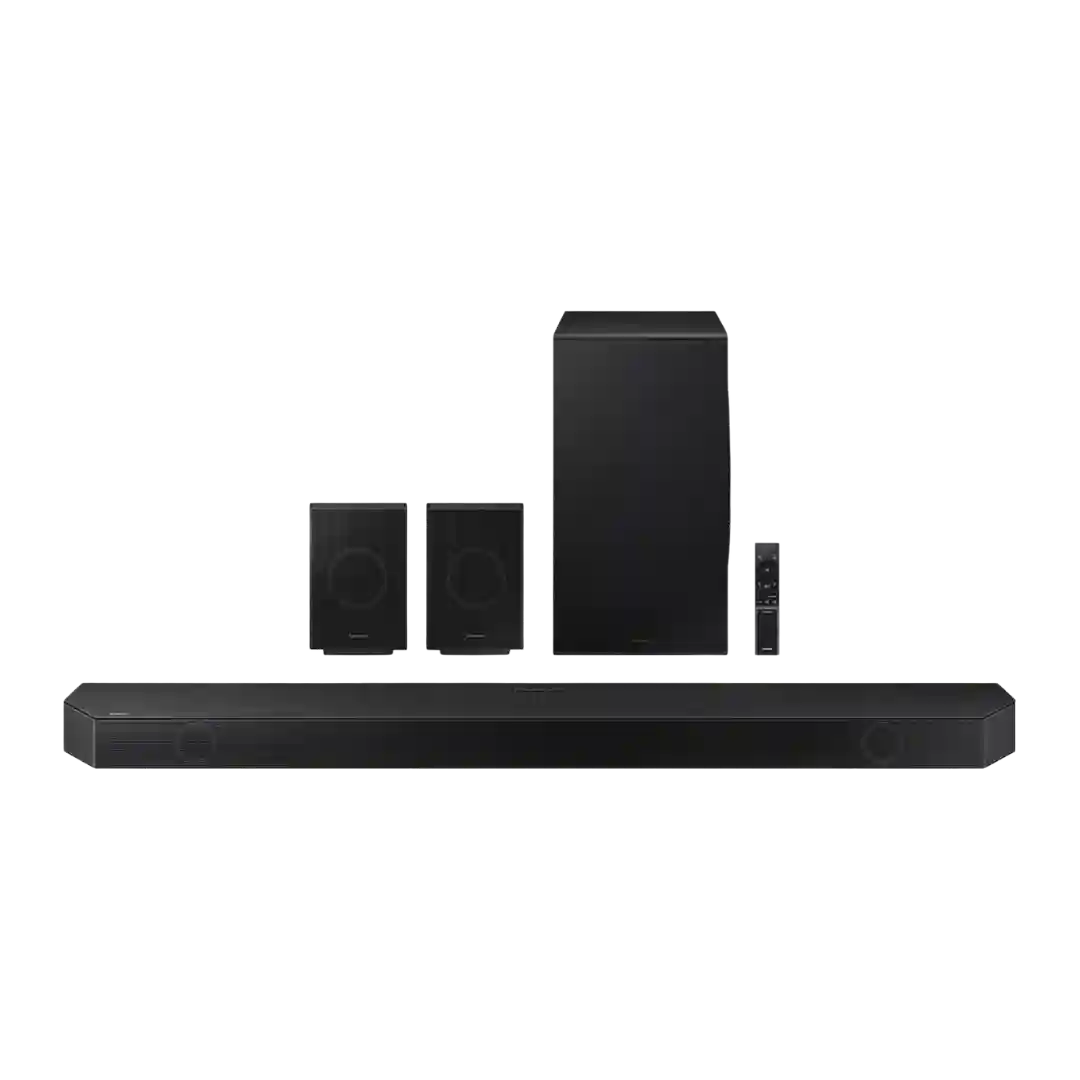
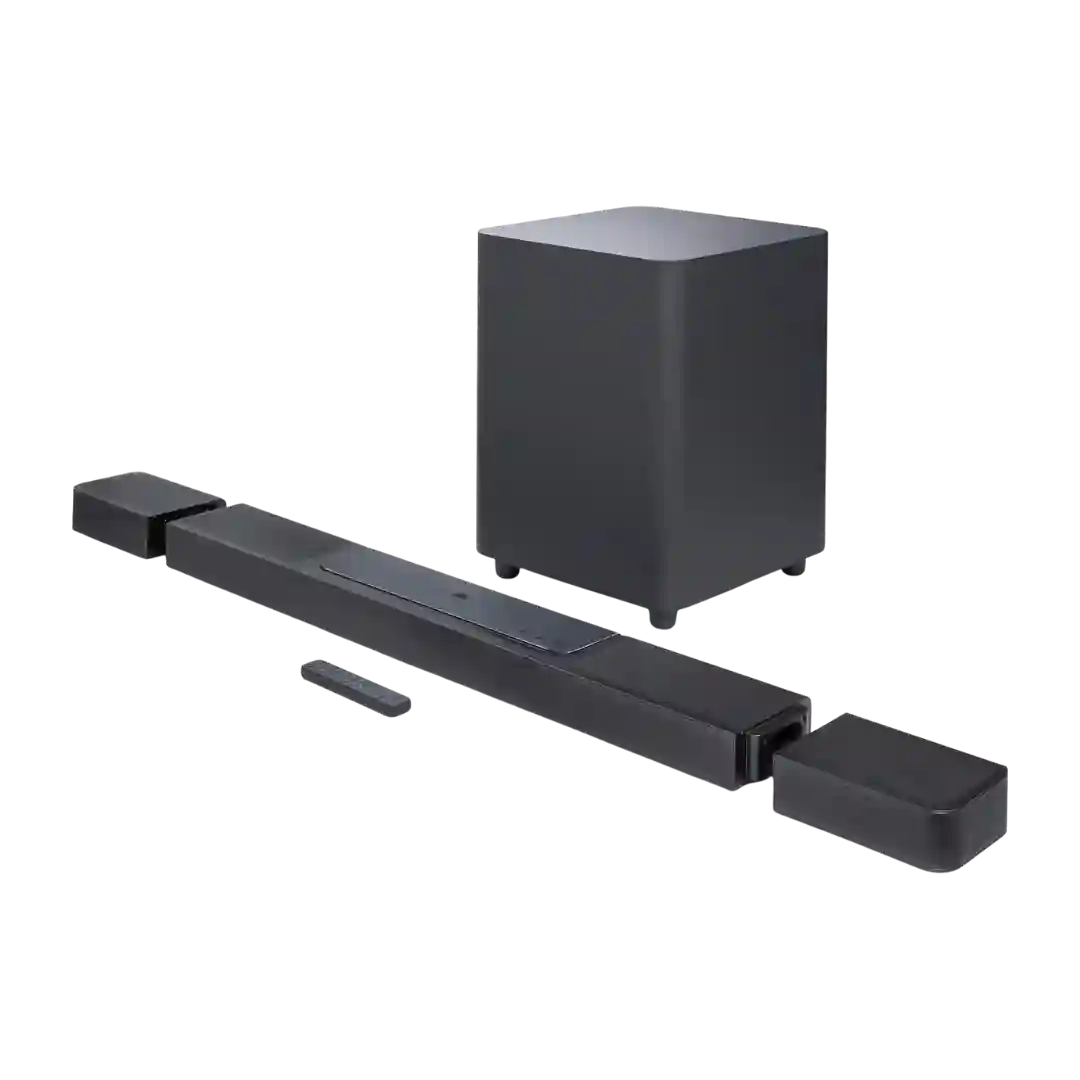
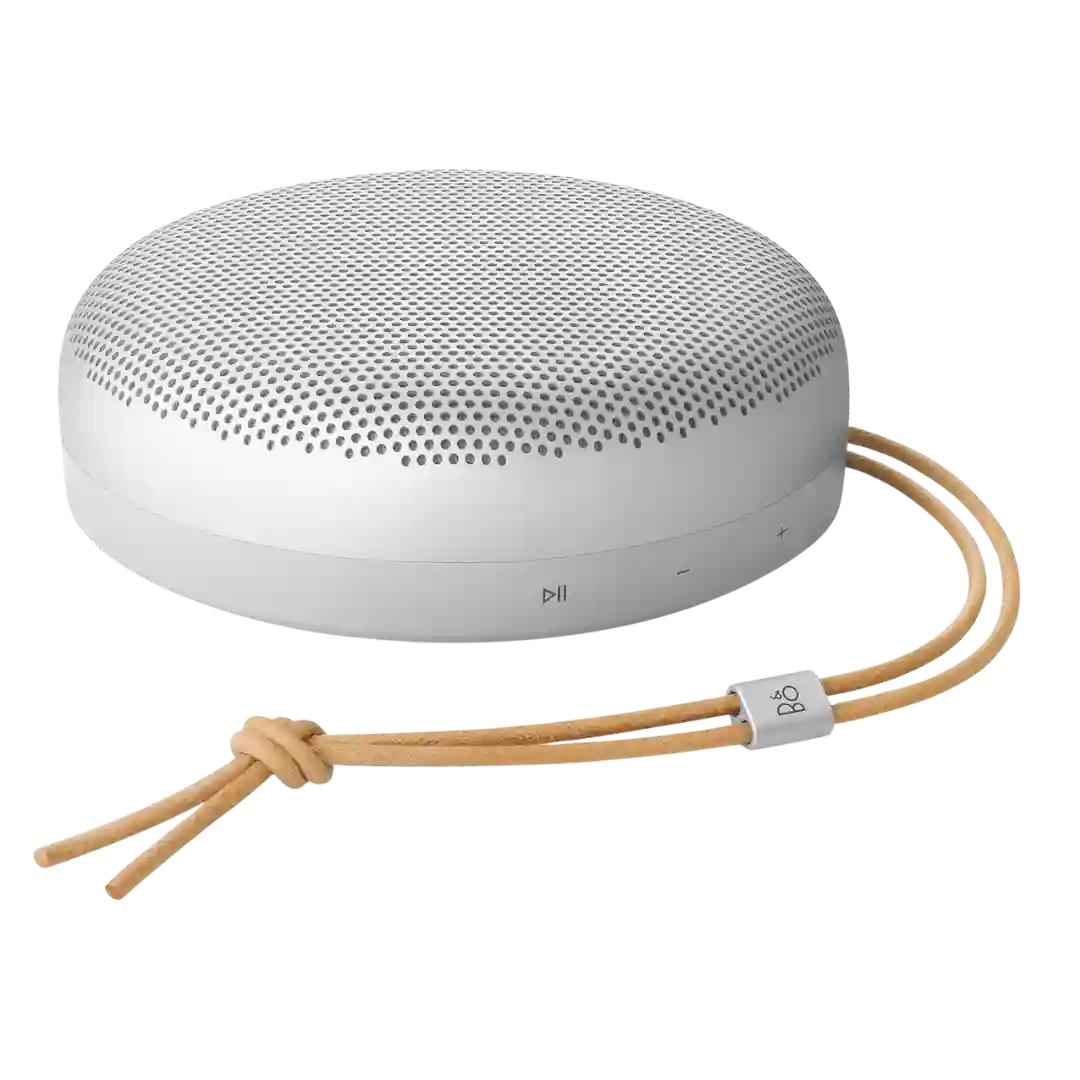
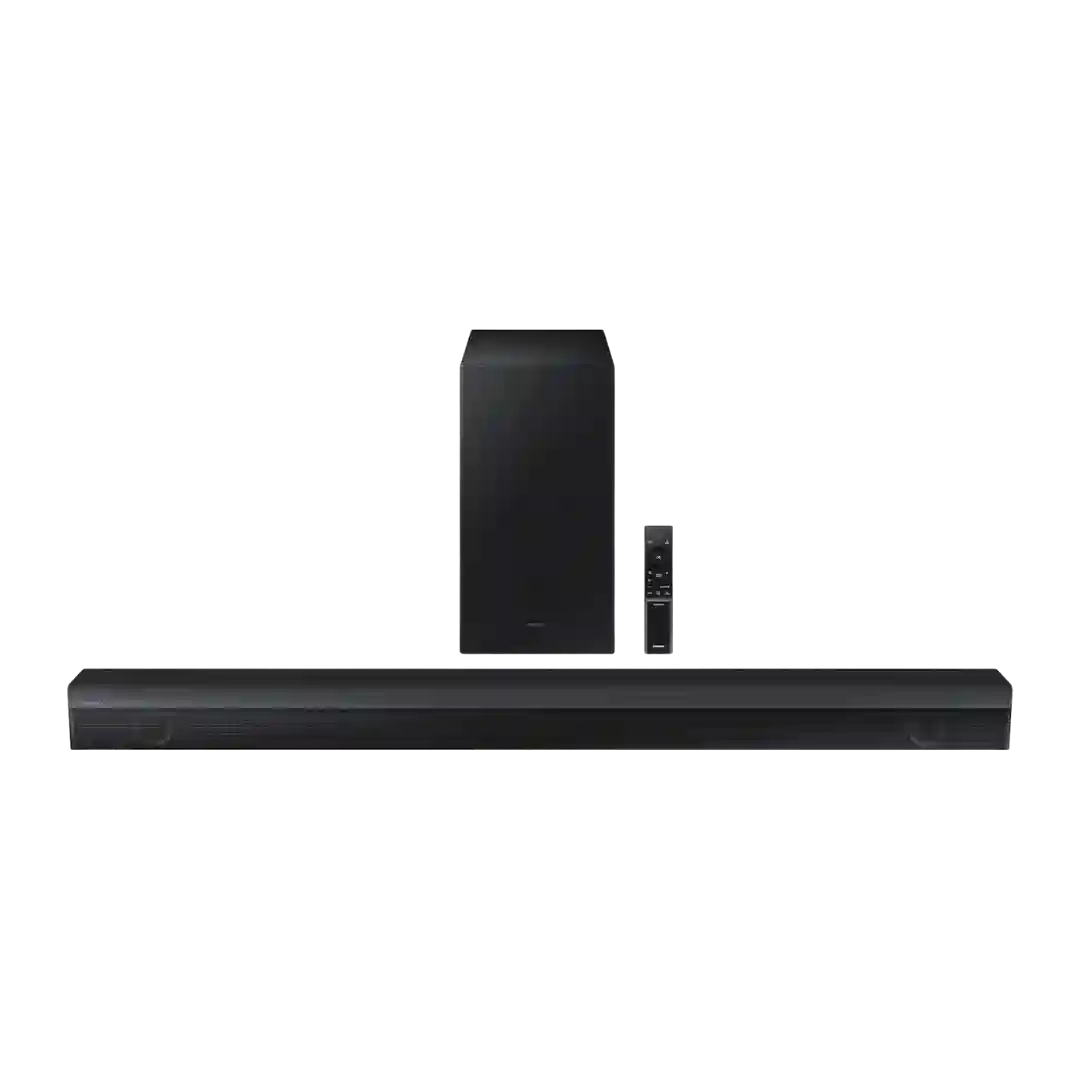
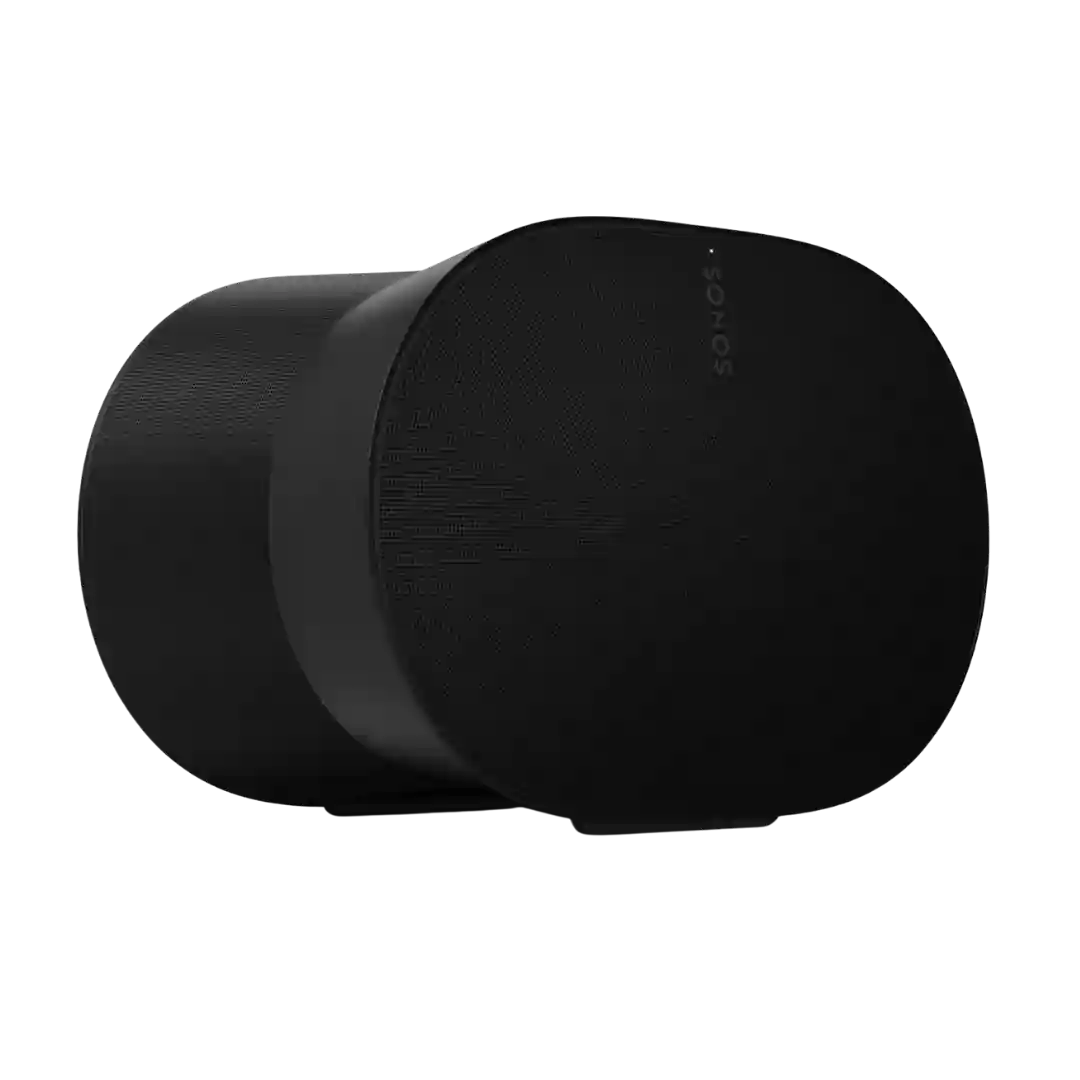
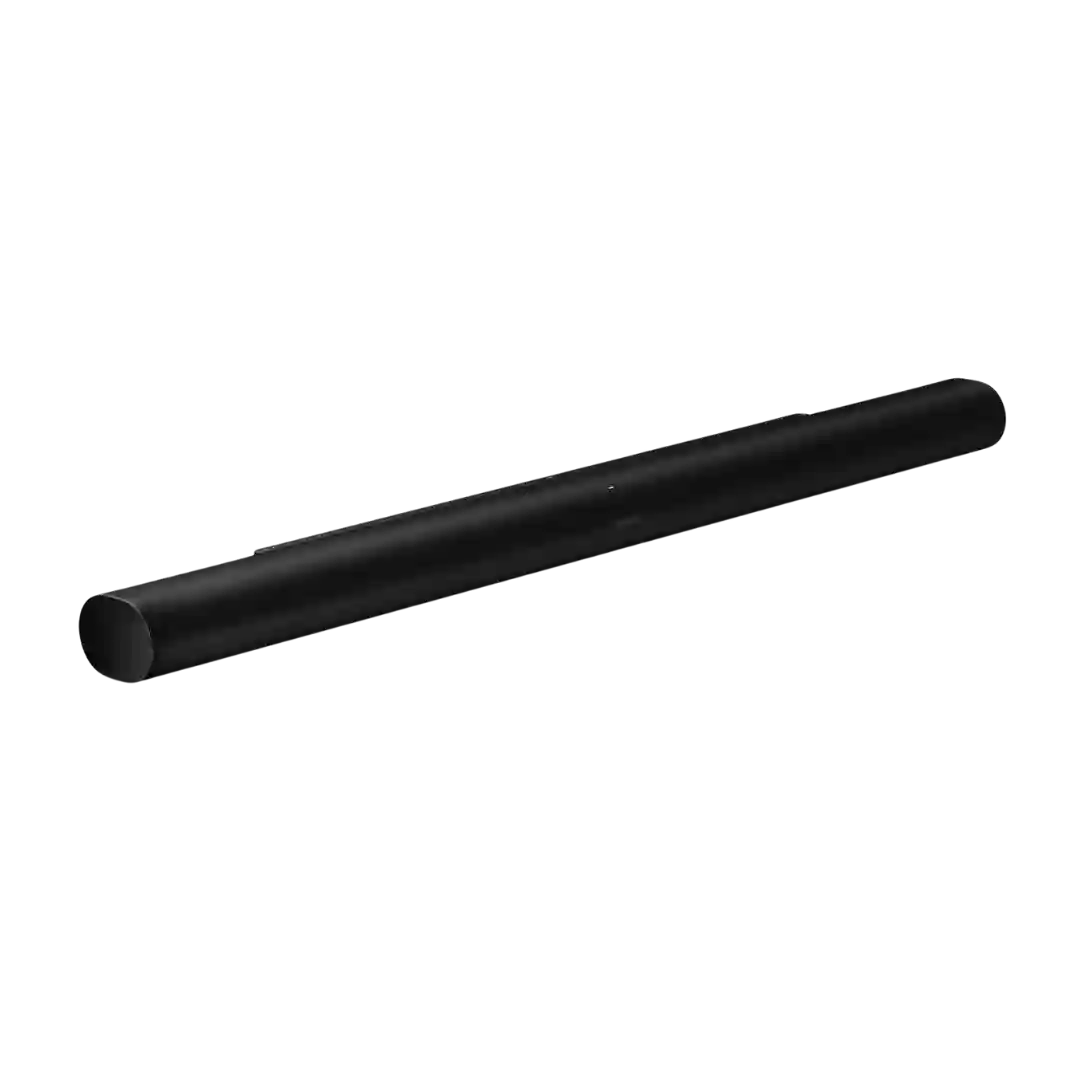
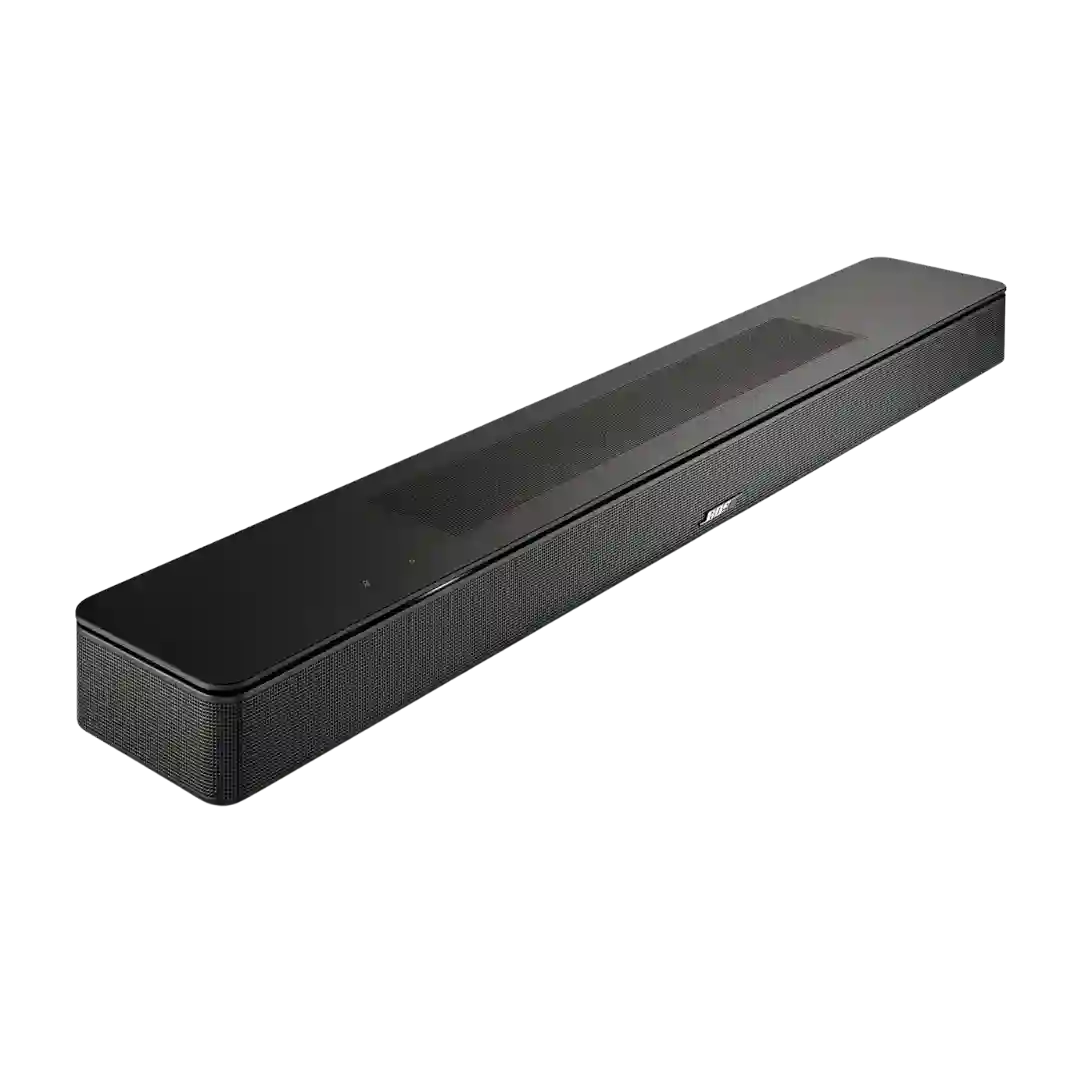
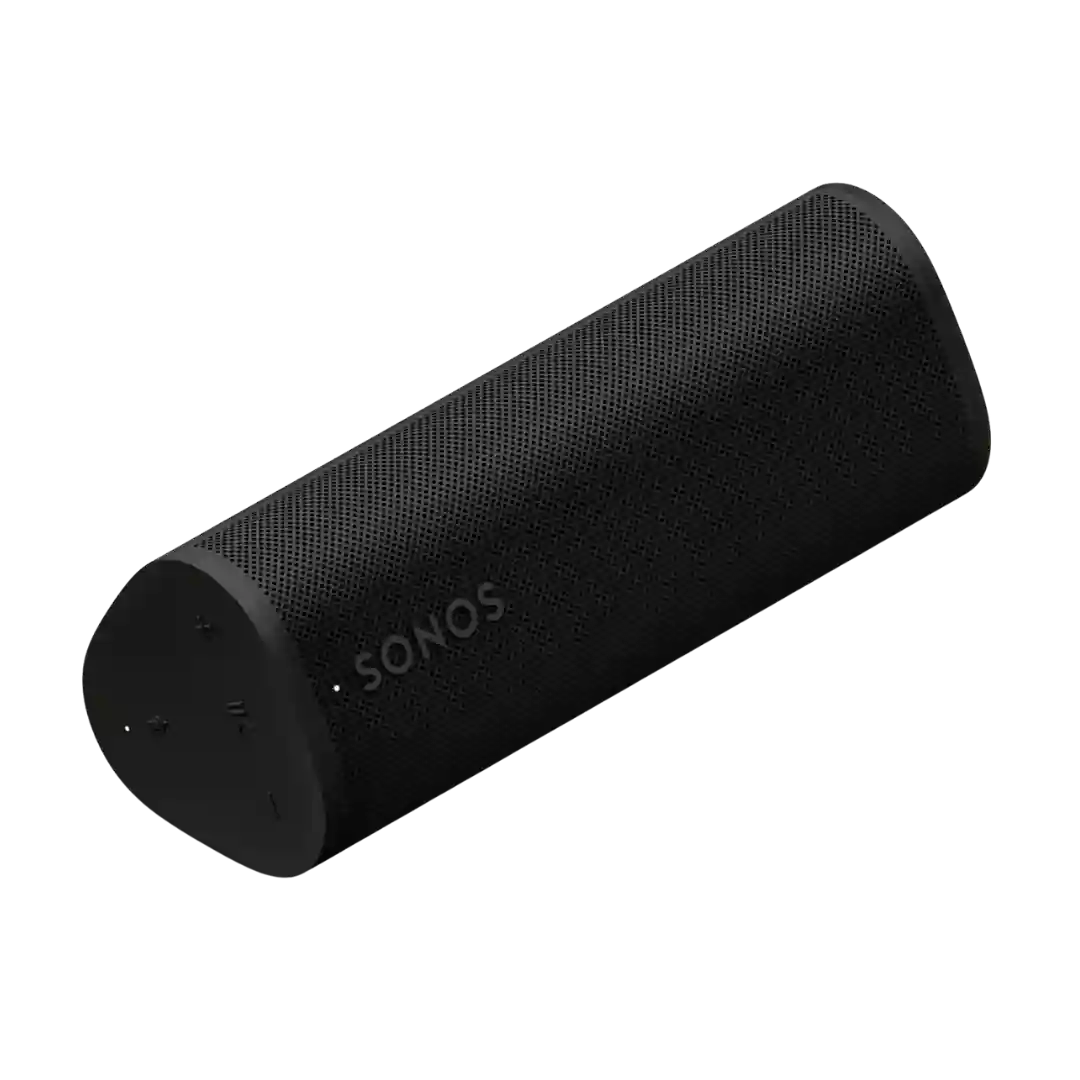
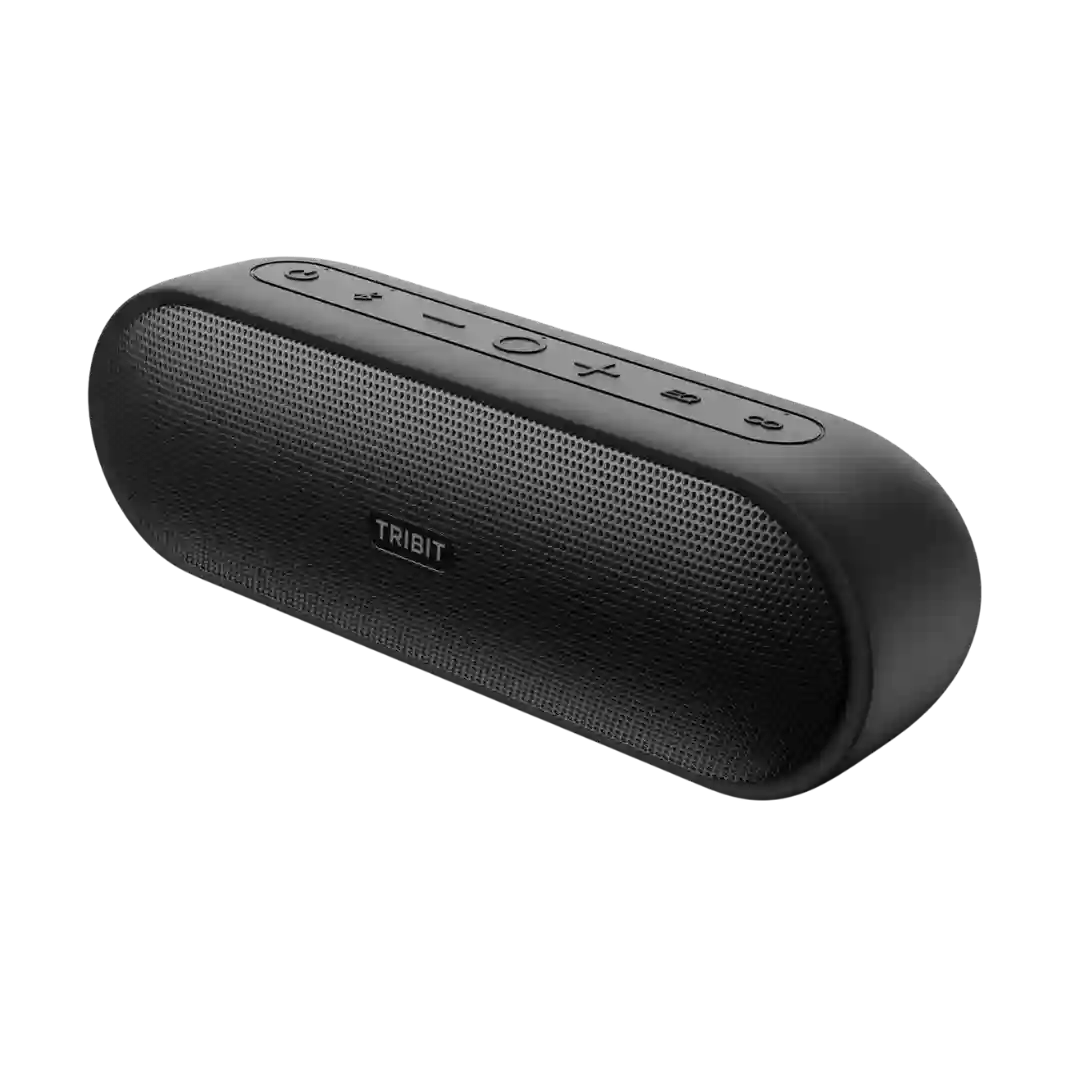
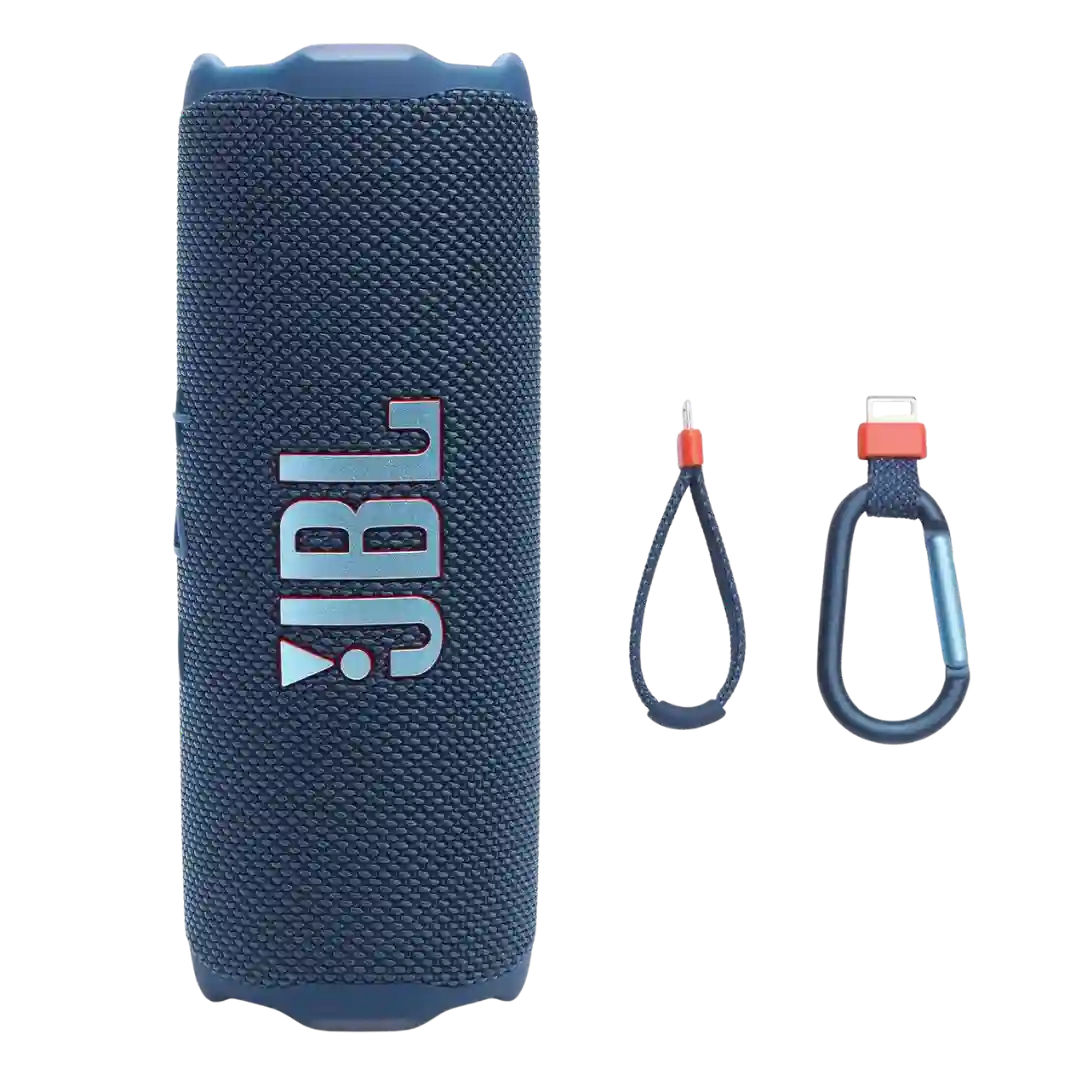
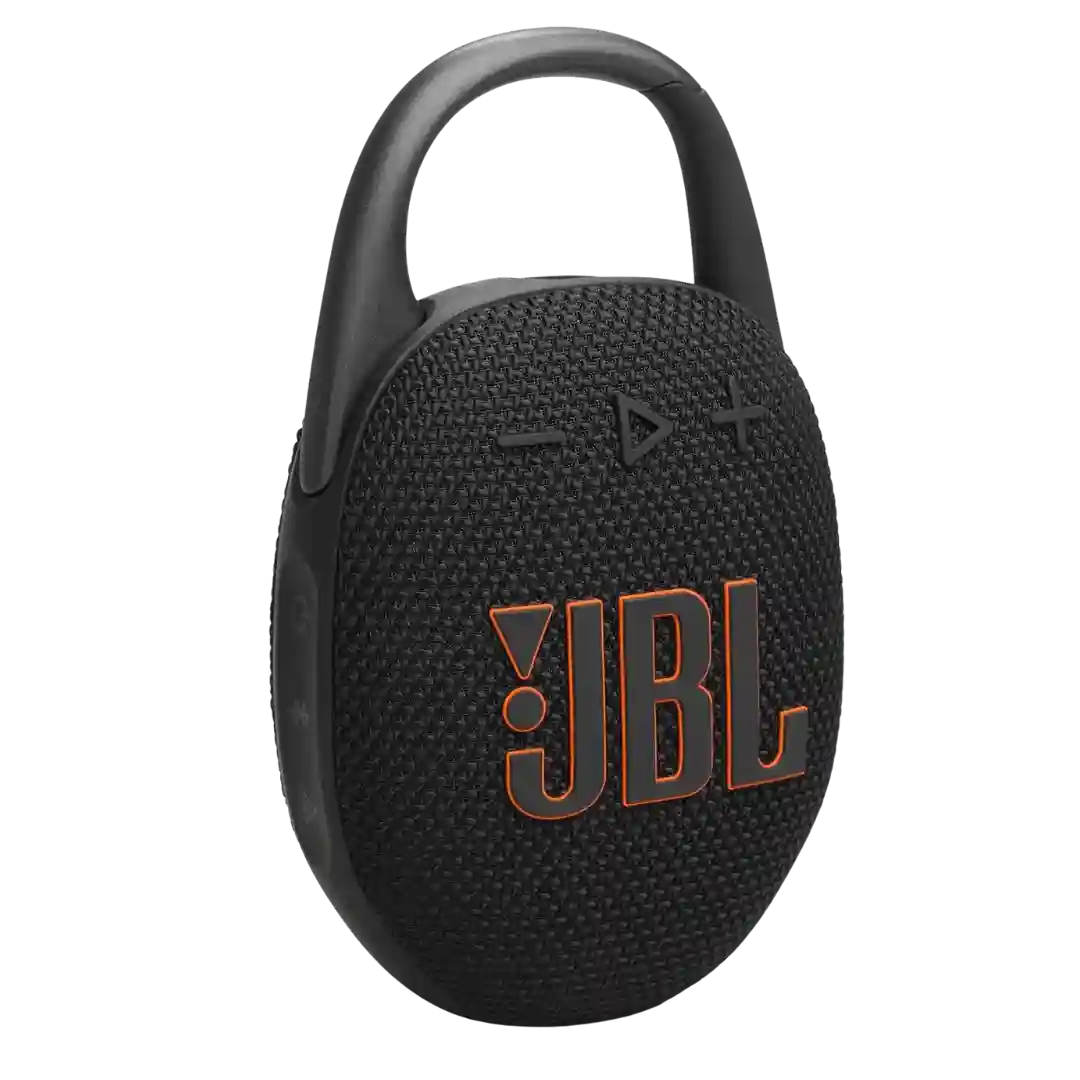
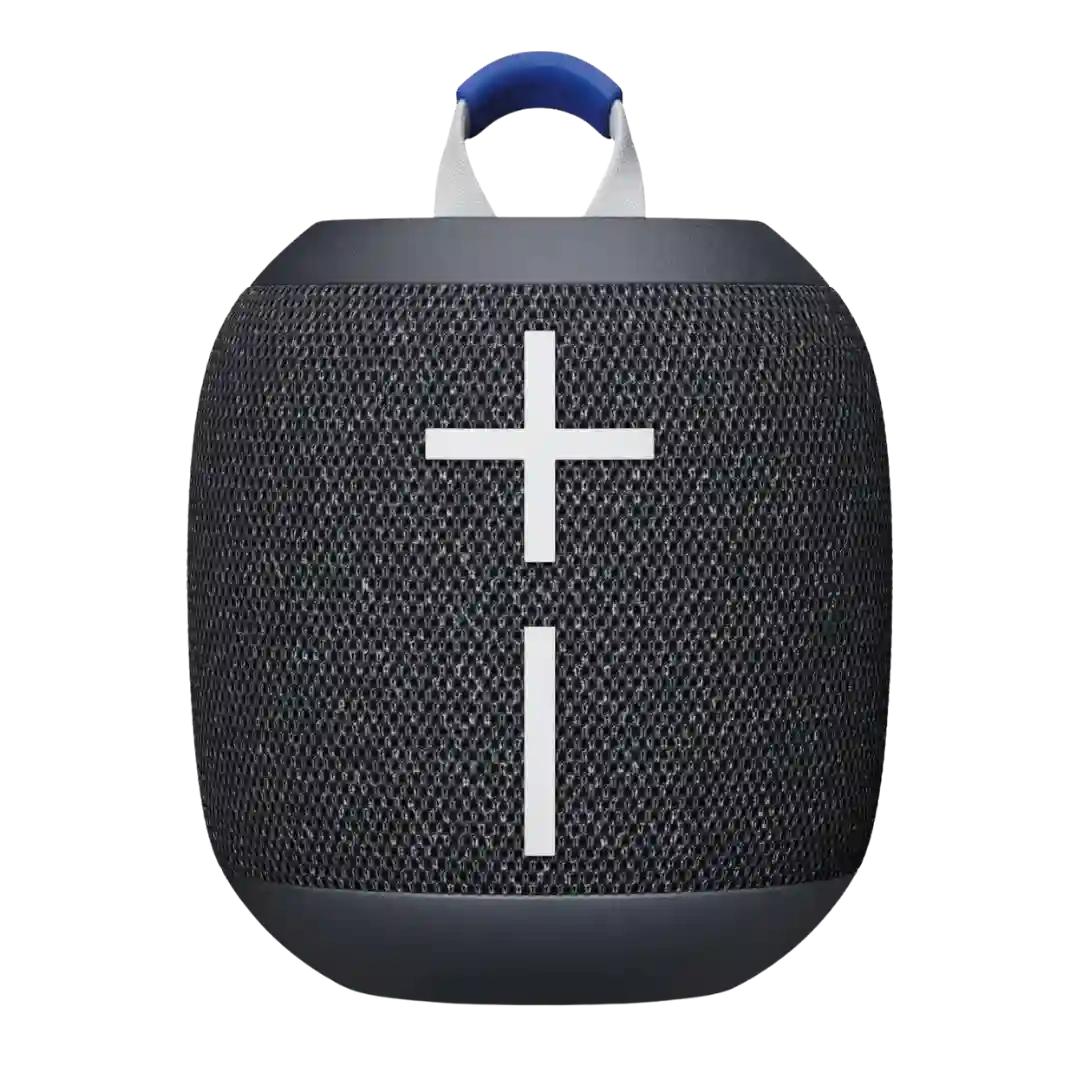
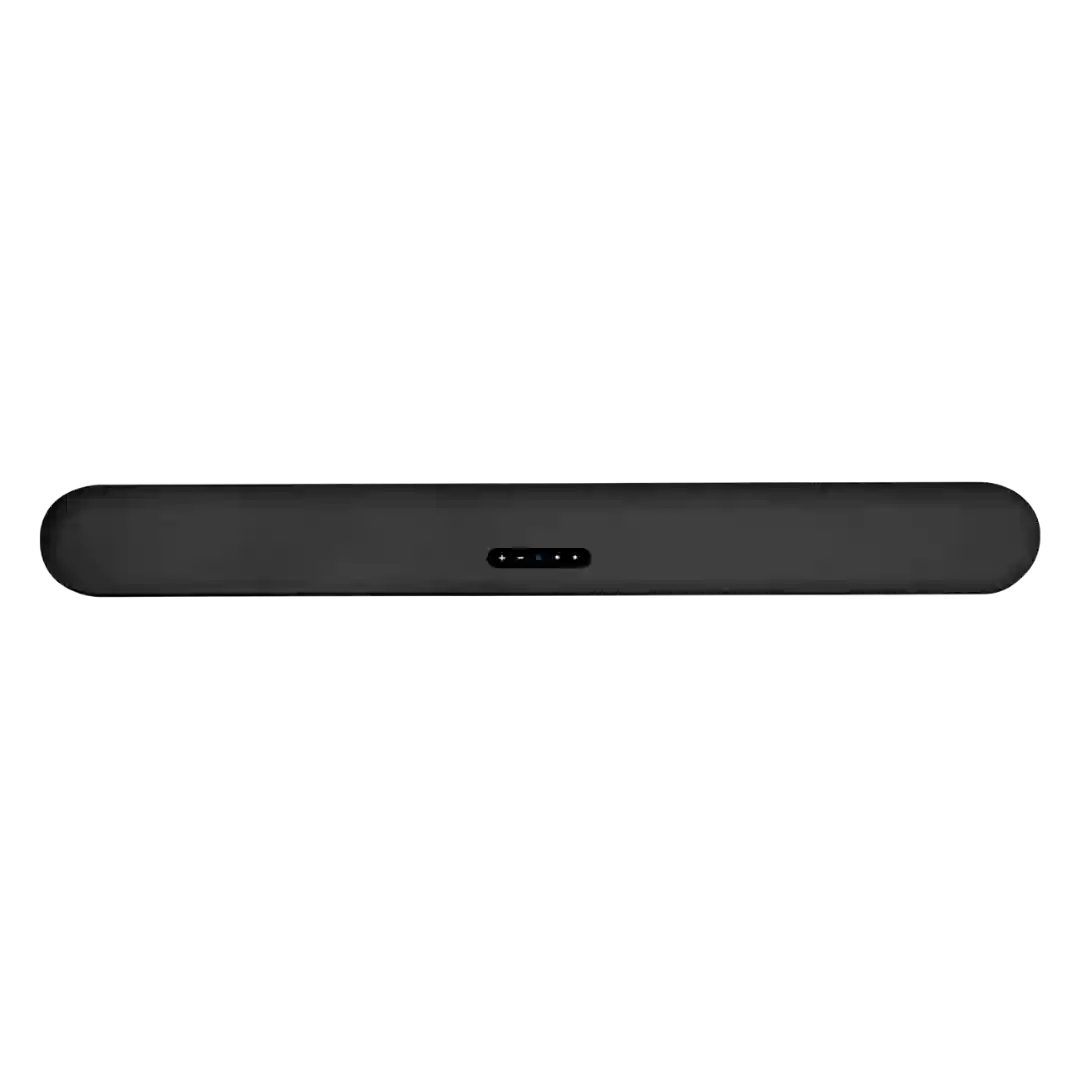
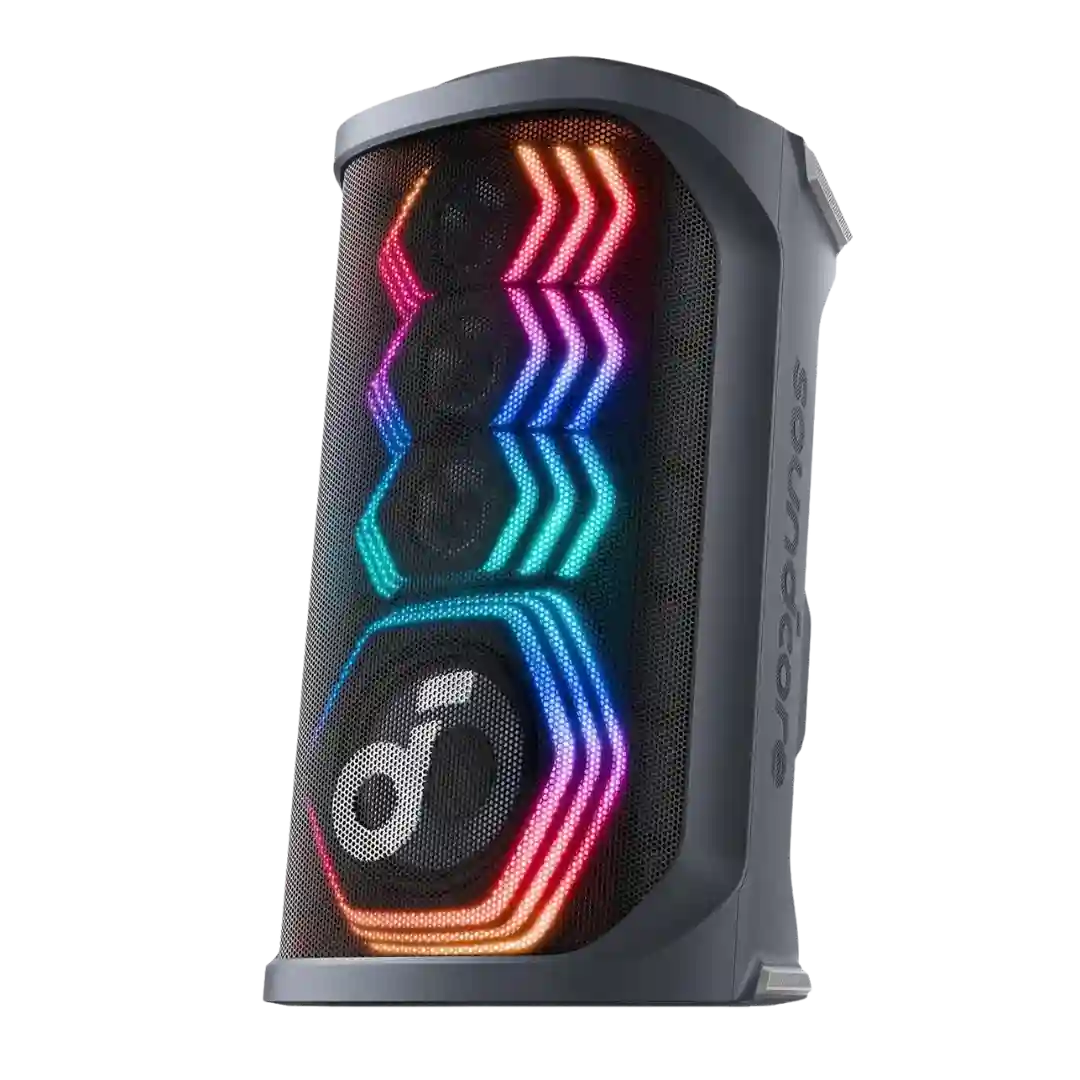
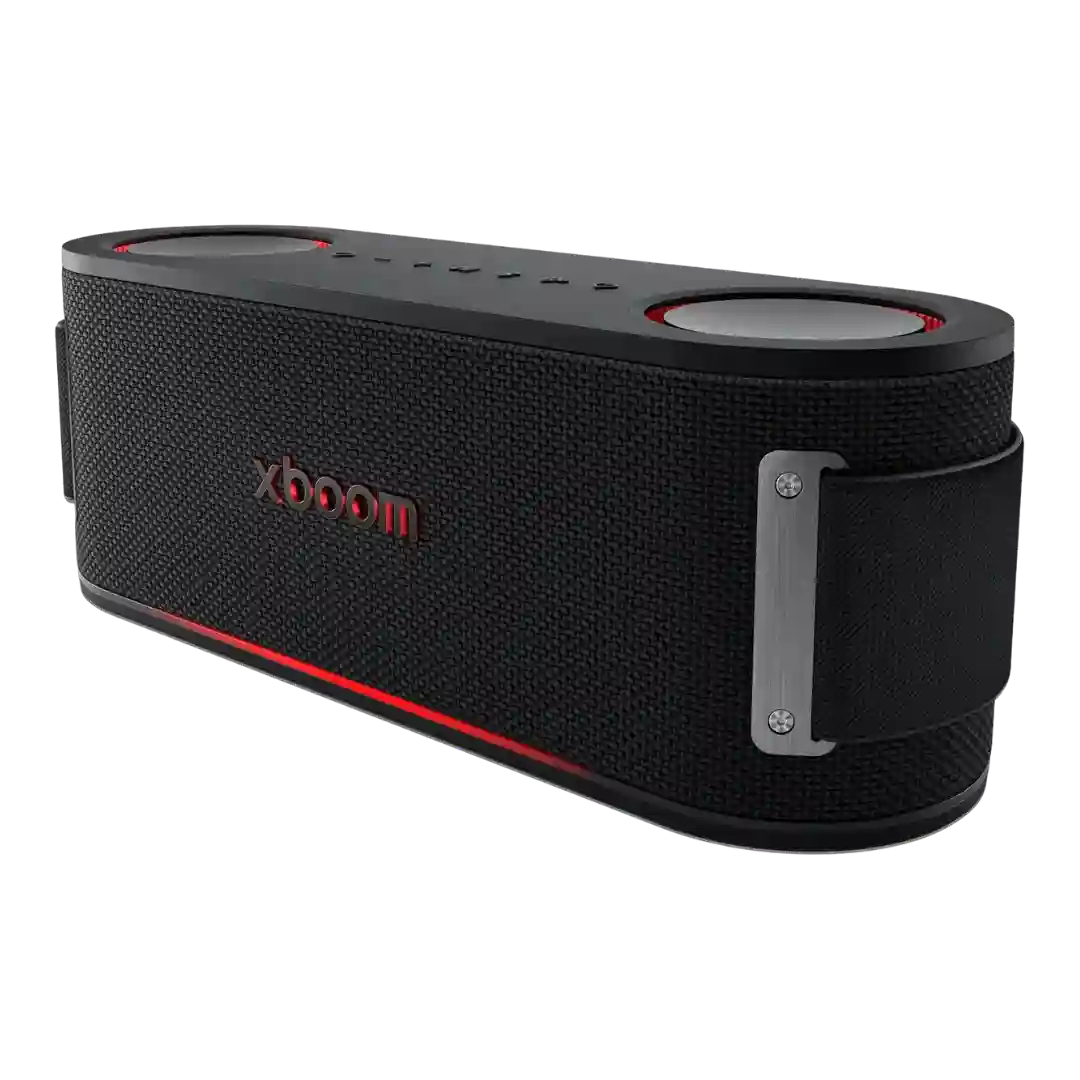
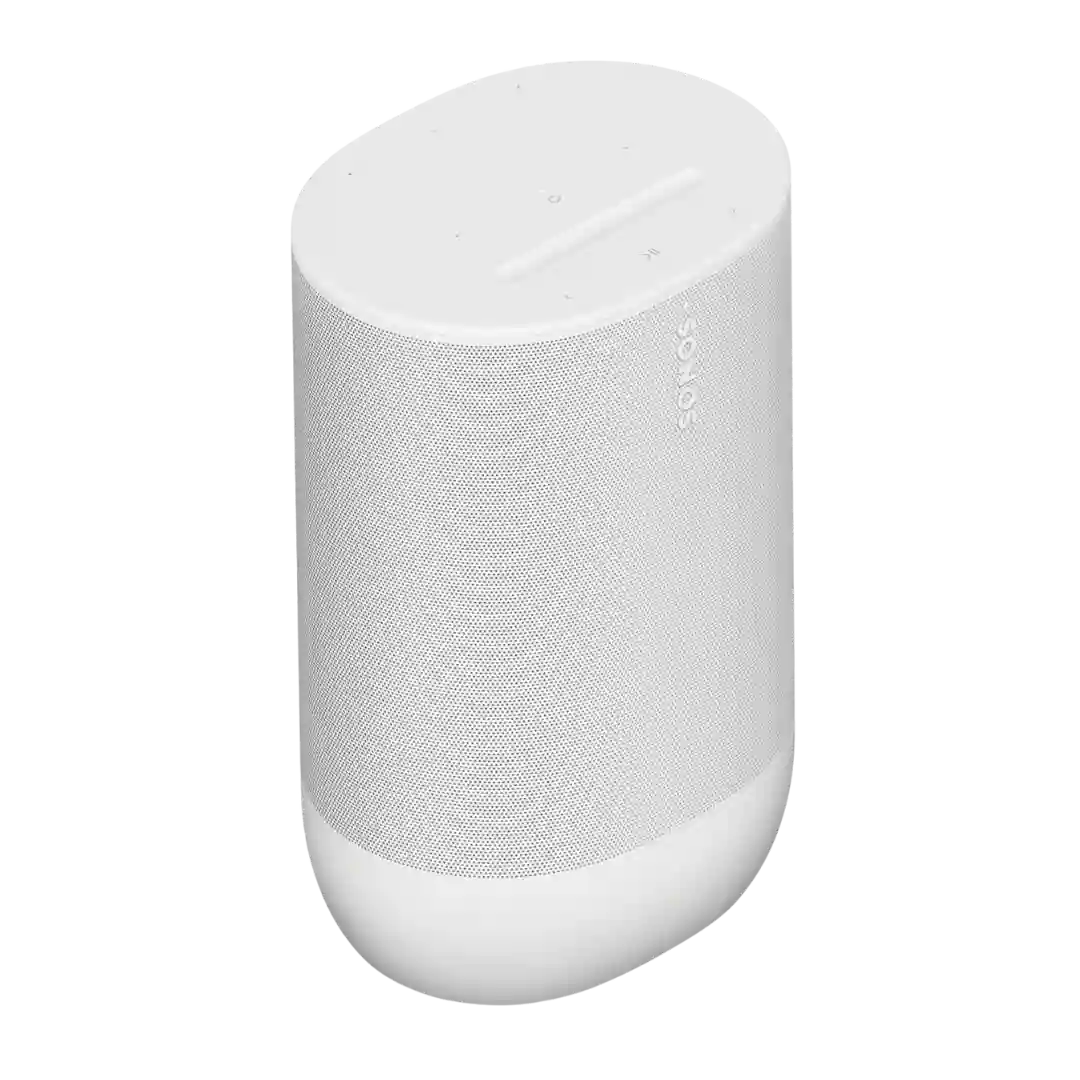
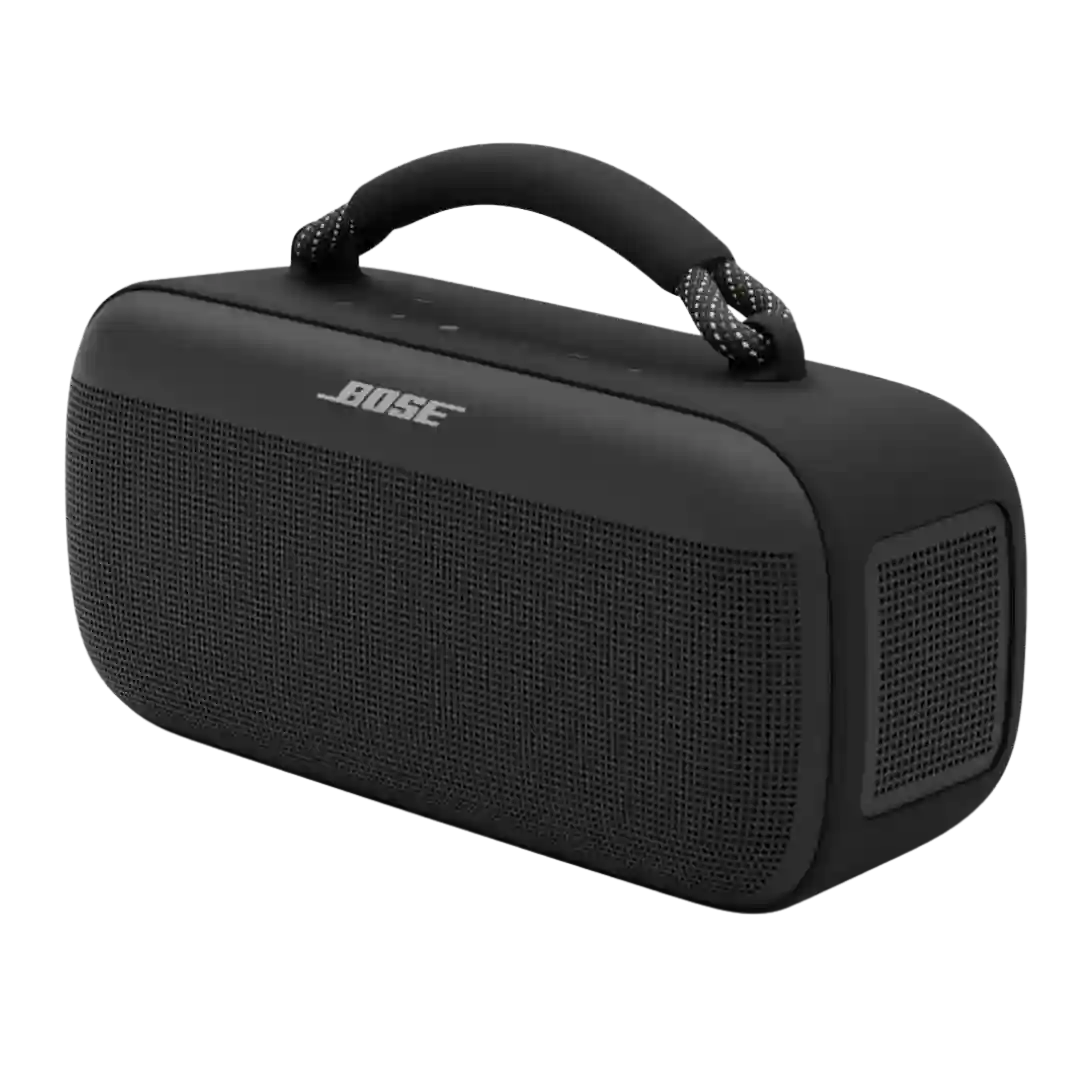
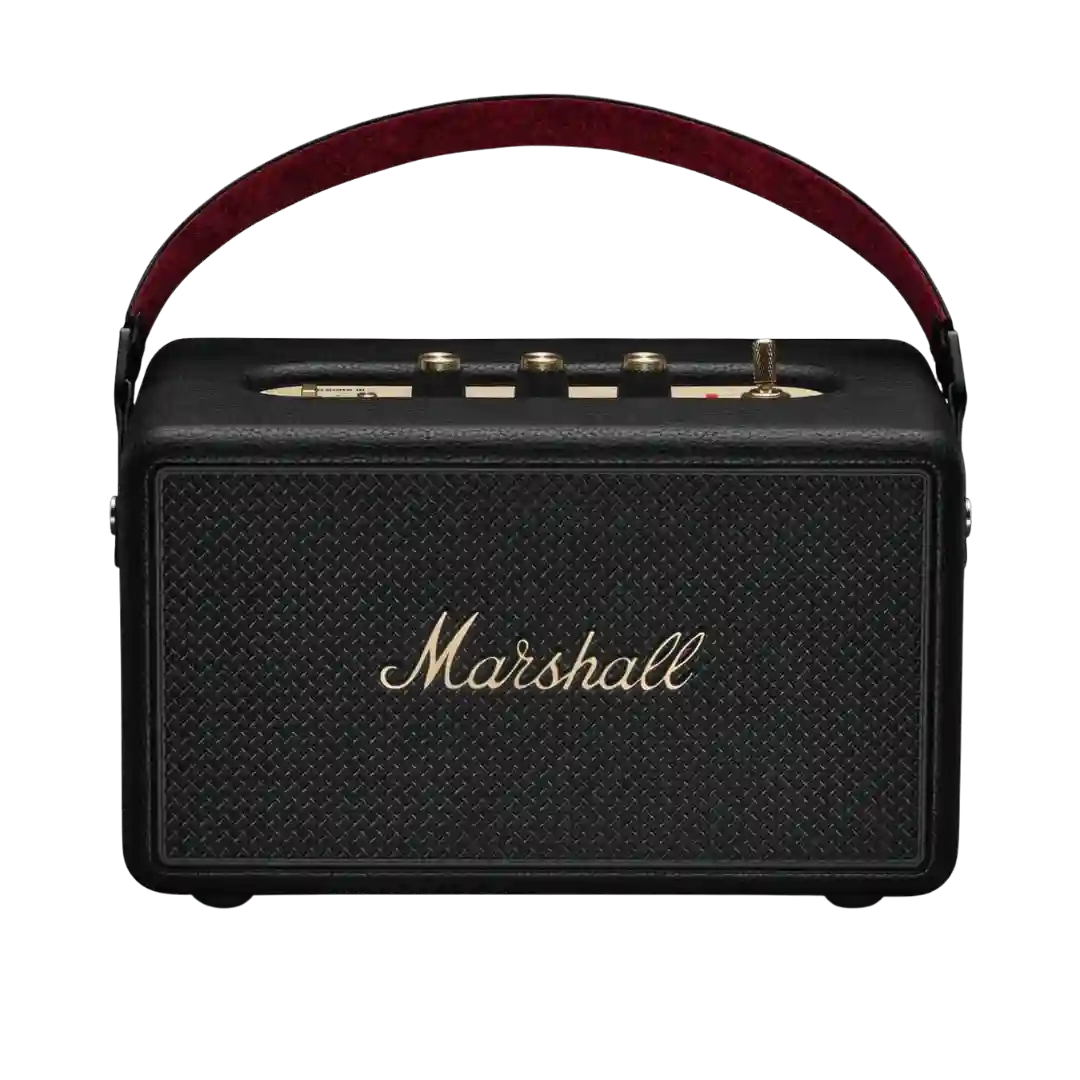
The multi-piece system usually pairs and stays linked reliably once powered, with most reviews reporting stable operation across the bar, rears, and sub.
Grouping and stereo pairing are usually described as simple and dependable, and several reviewers praised how naturally the speaker folds into larger Sonos systems. A few noted extra friction when moving paired speakers between roles.
Adding a Sub and surrounds is usually straightforward once everything is on the network, and most reviewers describe the pairing process as reliable and repeatable.
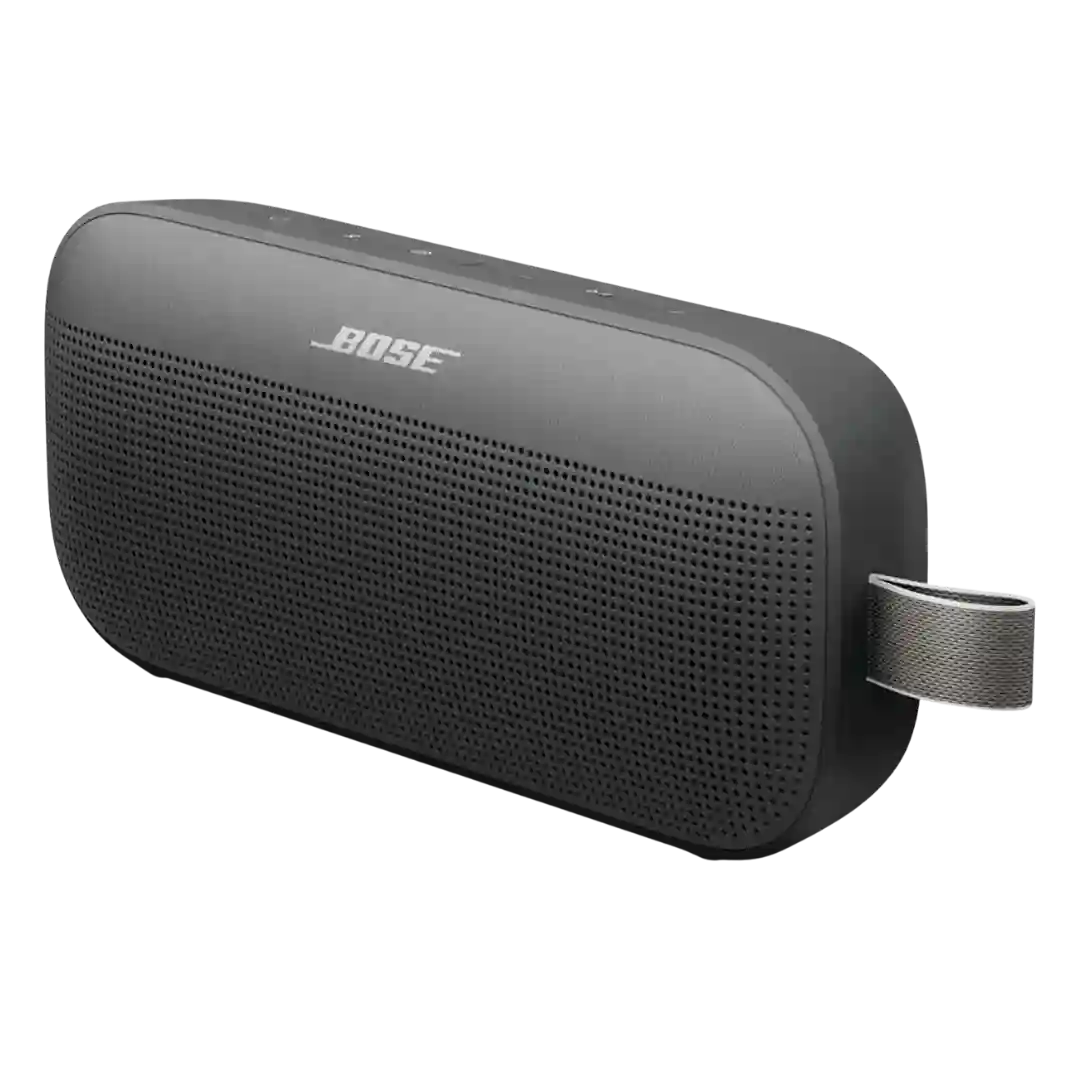
Pairing with other Bose speakers and headphones generally worked well, though one reviewer reported an initial pairing issue that a system update solved.
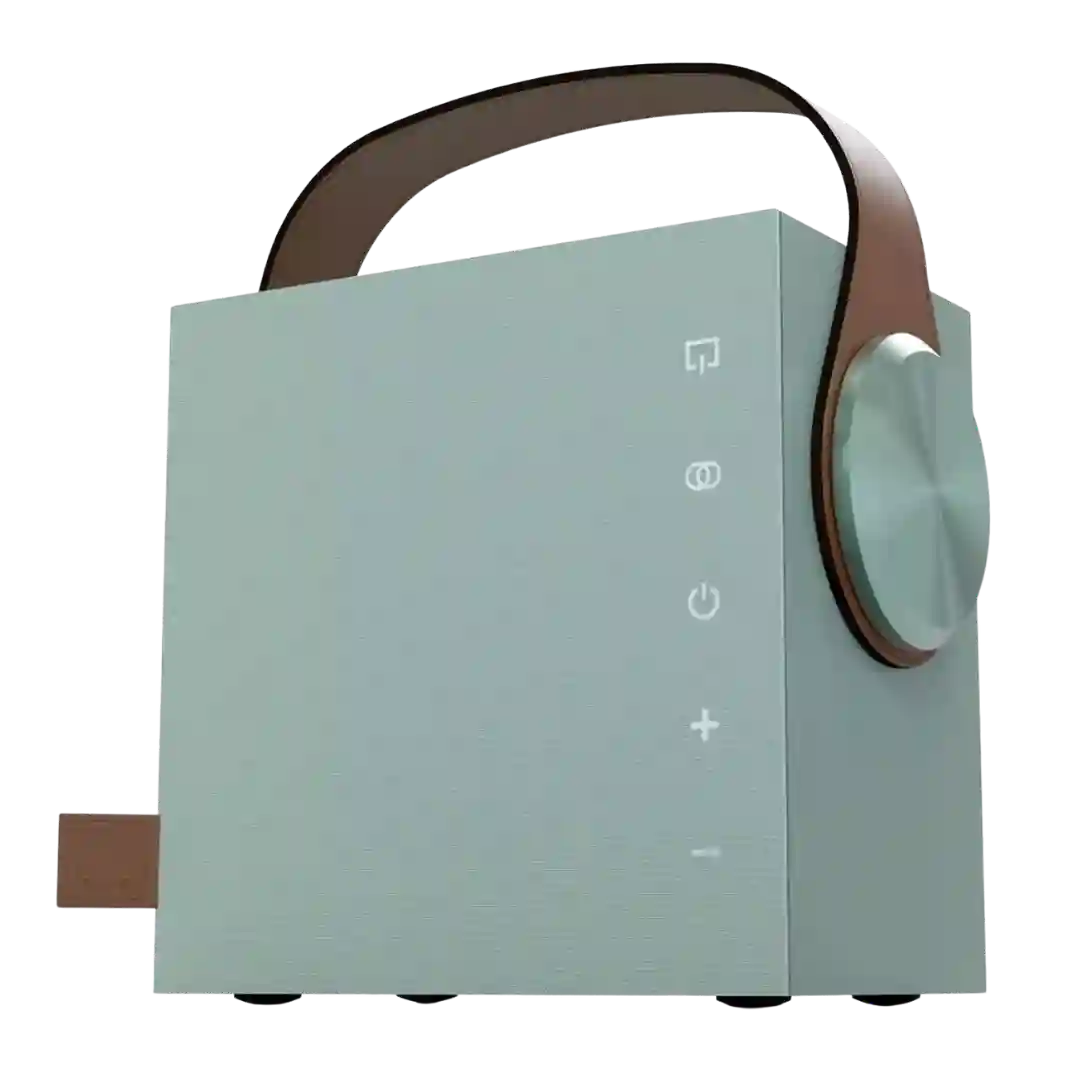
Stereo pairing is widely supported and usually works well once configured, but it is typically tied to Wi-Fi/app setup rather than pure Bluetooth pairing.
Stereo and TWS pairing are described as easy and transformative when two units are used, with several reviewers strongly preferring the pair over a single speaker.
For supported configurations, linking speakers is described as reliable, including stereo pairing with a second identical Grip and multi-speaker playback via Auracast.
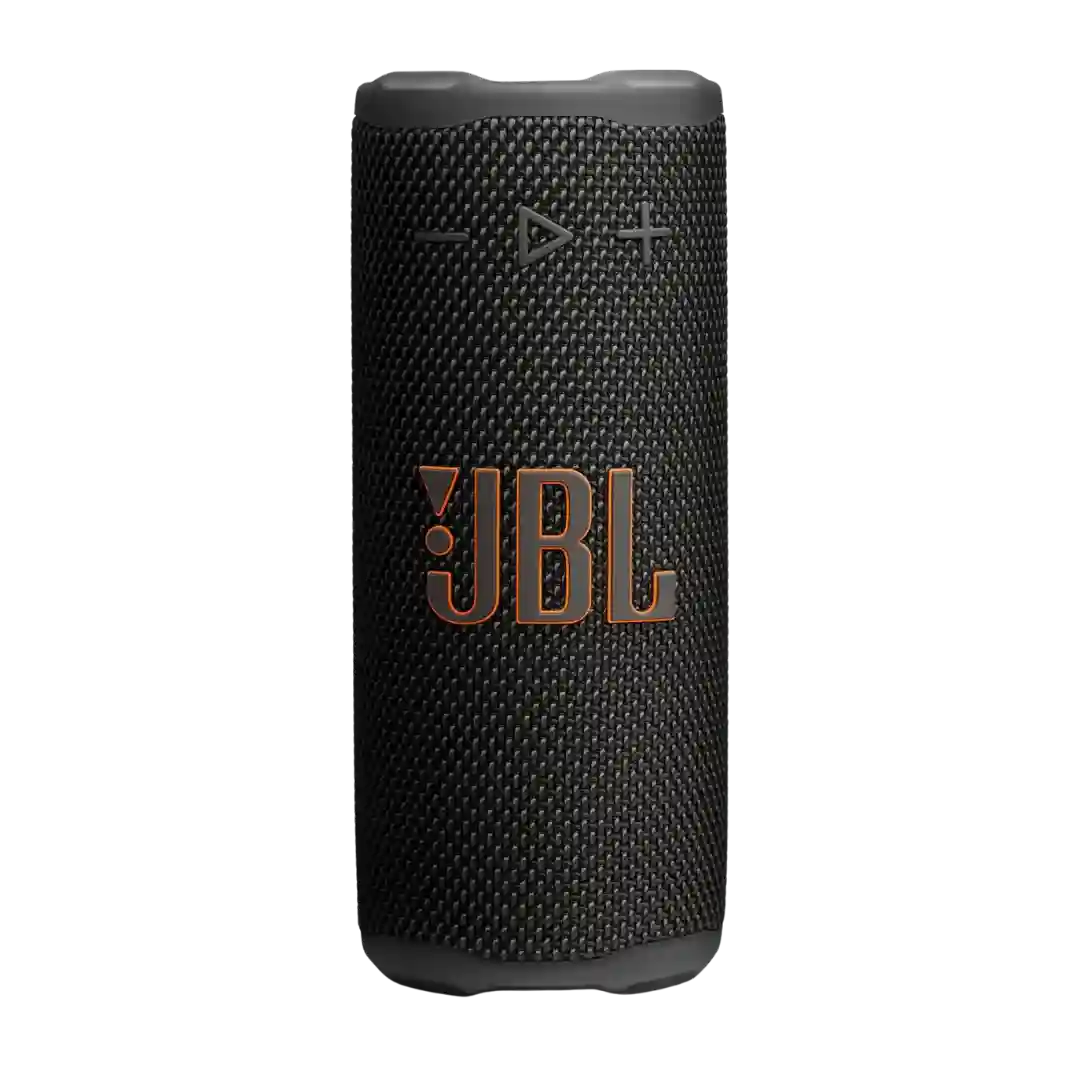
Auracast/Party Together multi-speaker grouping is generally described as easy and reliable with newer compatible JBL models, though a few note the older PartyBoost ecosystem can feel more mature and stable.
Auracast and stereo pairing are widely described as easy to use, but stereo pairing requires an identical second Clip 5 and some modes can reset EQ or stay mono.
Expansion to sub and rear speakers is a major draw; most reports are positive, though some features and fine-tuning are still tied to firmware updates.
It supports linking multiple speakers (Auracast/Oracast) and can form a stereo pair; direct long-term reliability reports are limited, but the feature is consistently present and straightforward to access in controls/app.
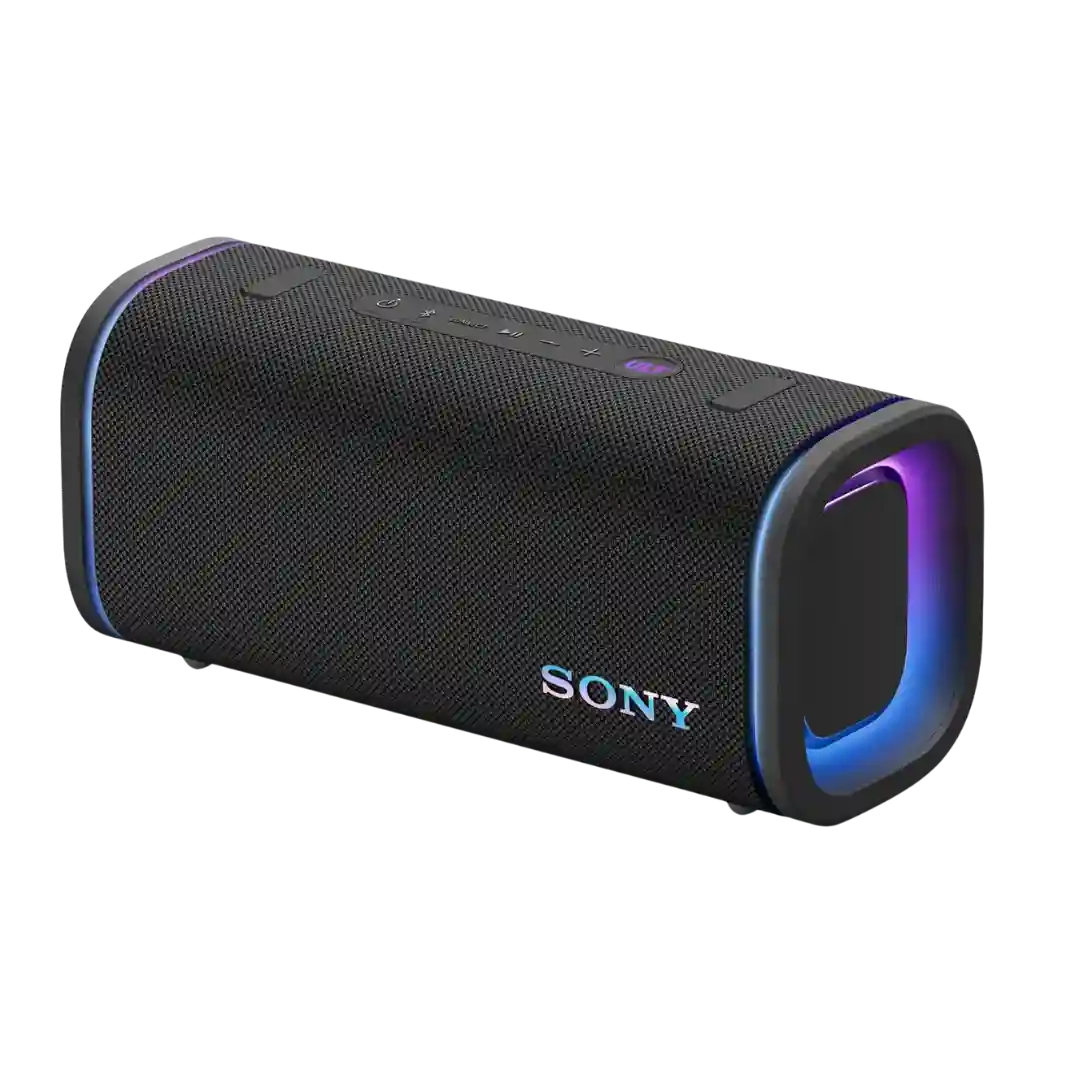
It supports multi-speaker modes (Party Link/Auracast), and most coverage treats pairing as a key capability. A recurring caveat is that some grouping behaviors and mode exits can be app-dependent.
Wireless linking between units is supported, but experiences vary by timing and usage, with some launch-era commentary mentioning missing or evolving pairing features. In general, once configured, pairing is described as straightforward for stereo or synced playback.
A frequent downside is the lack of native stereo pairing or a built-in multi-speaker ecosystem; Auracast is discussed as a workaround, but it depends on compatible sources and is not universally smooth yet.