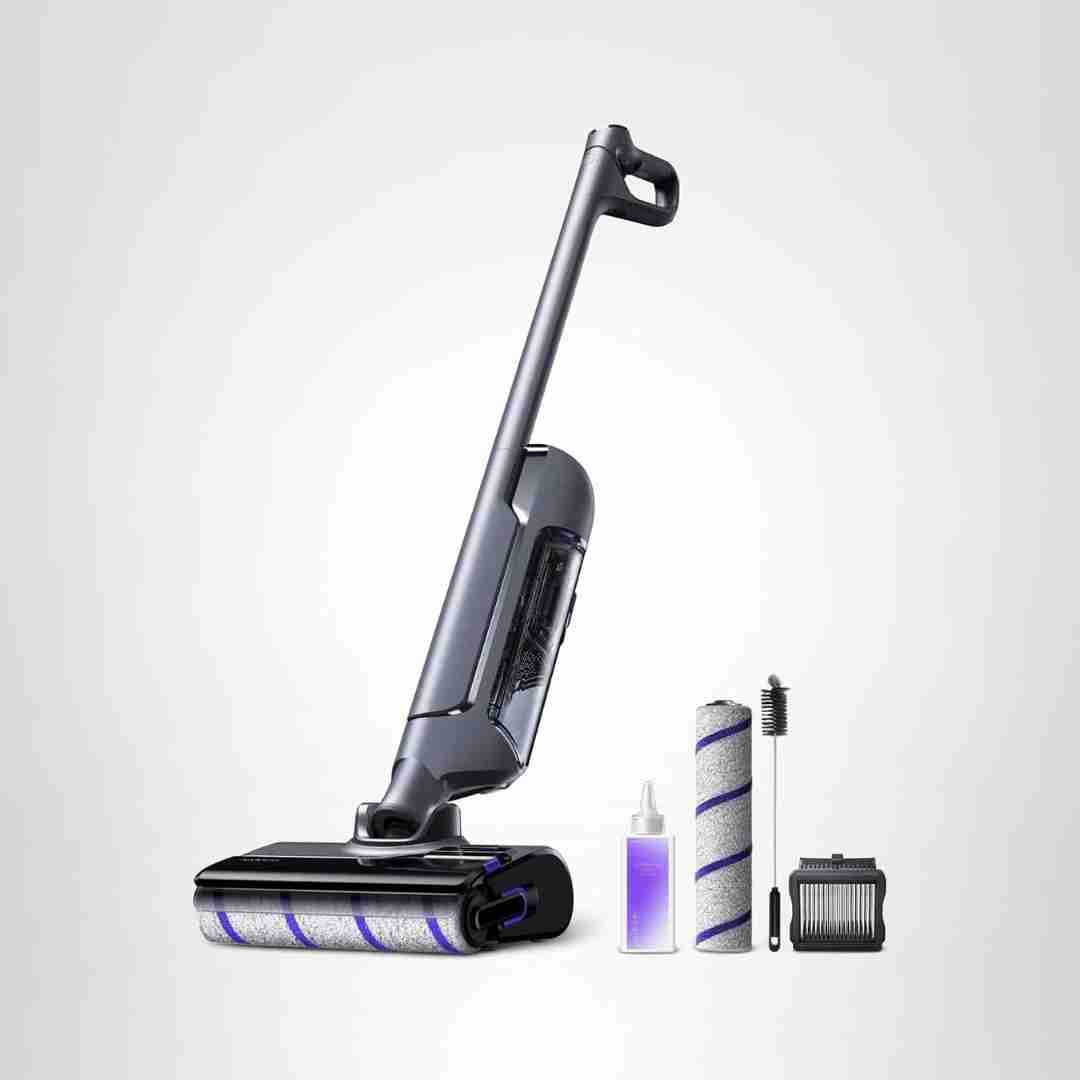
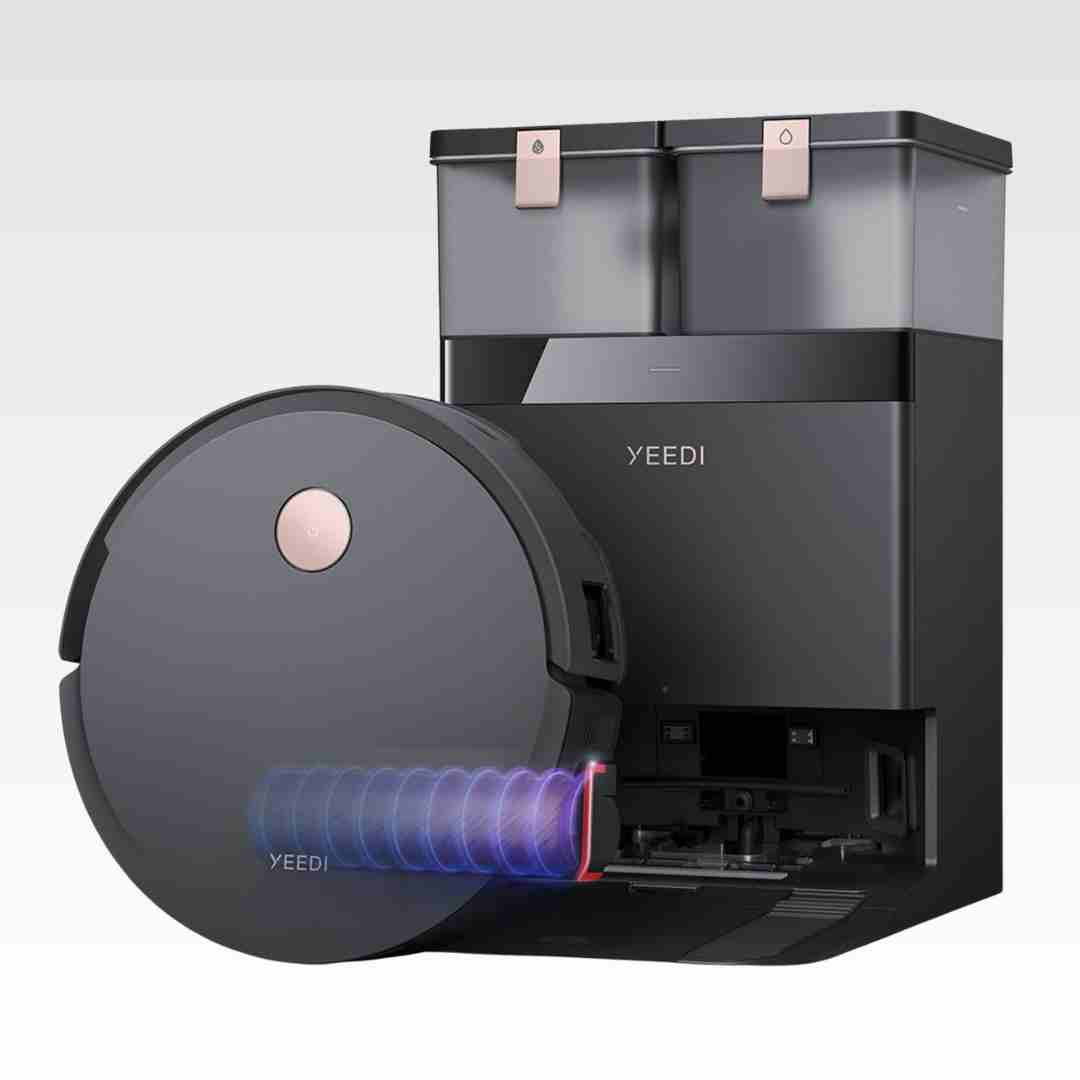
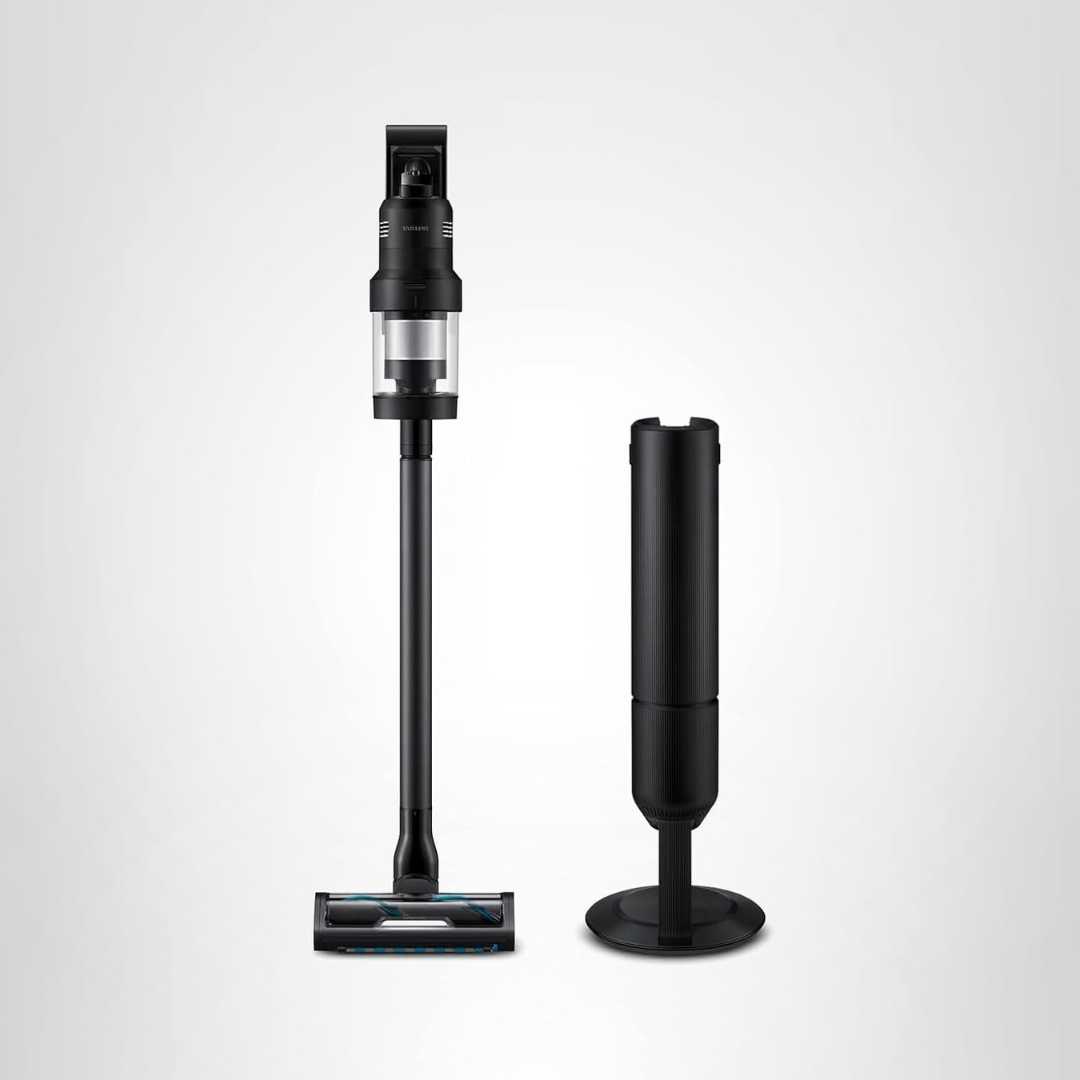
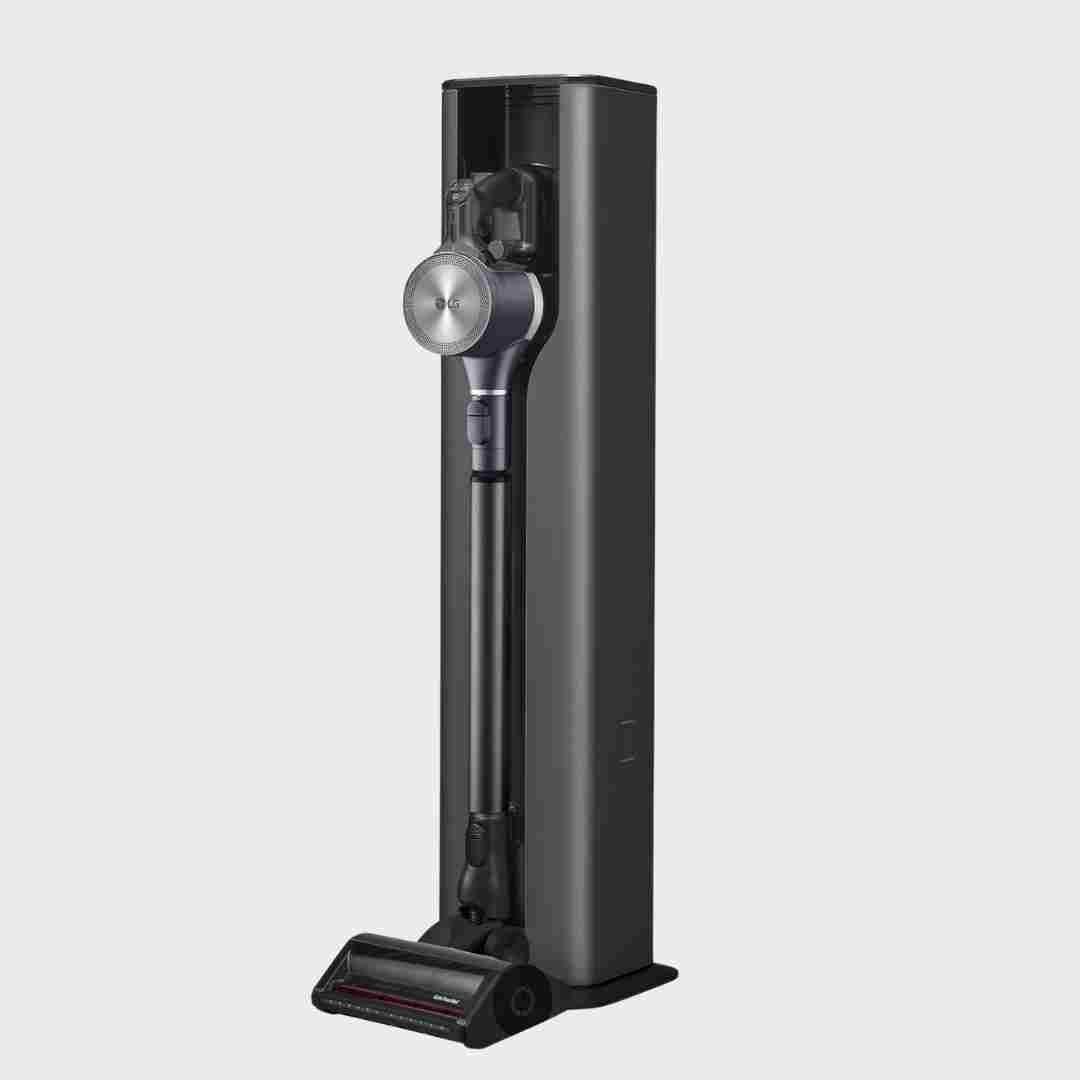
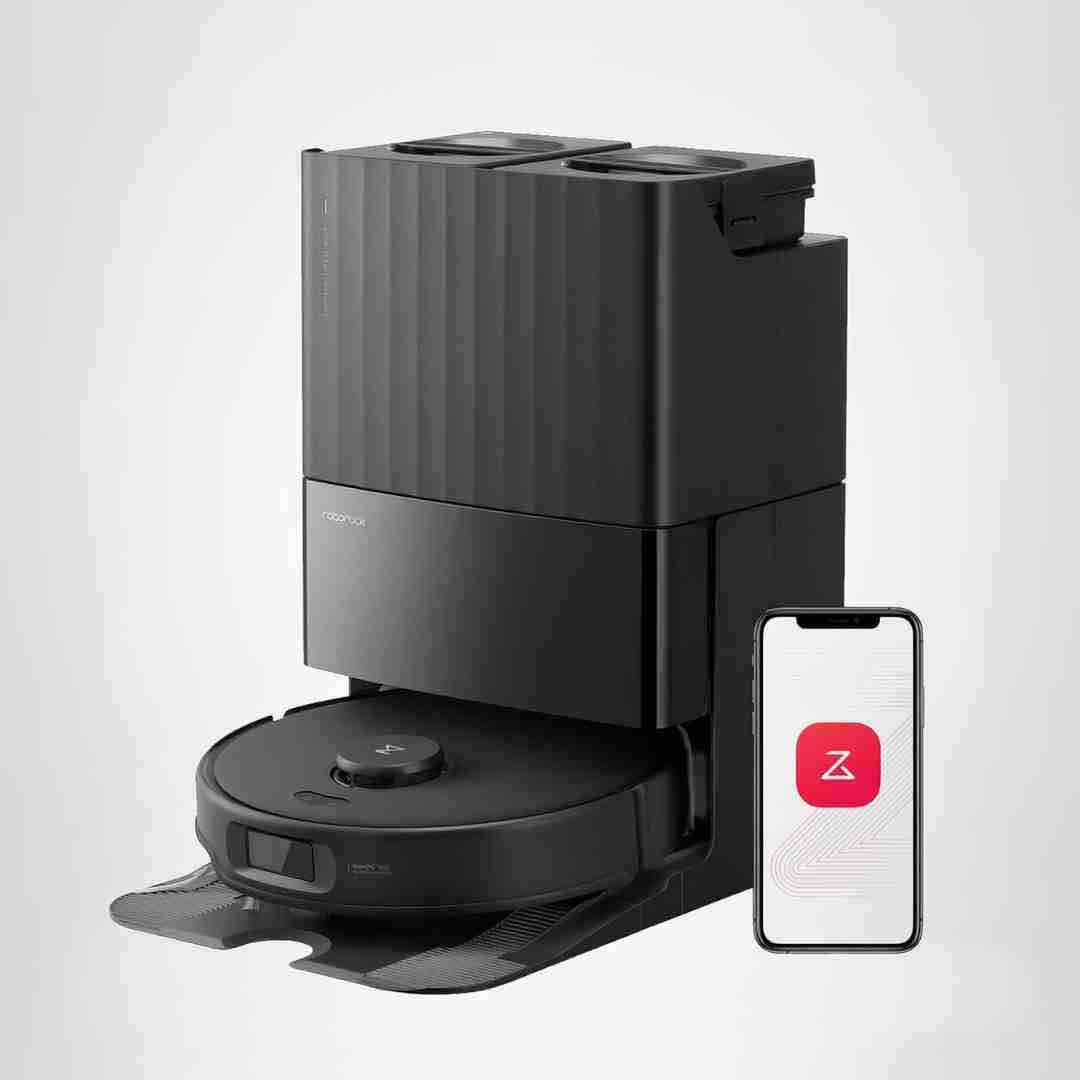
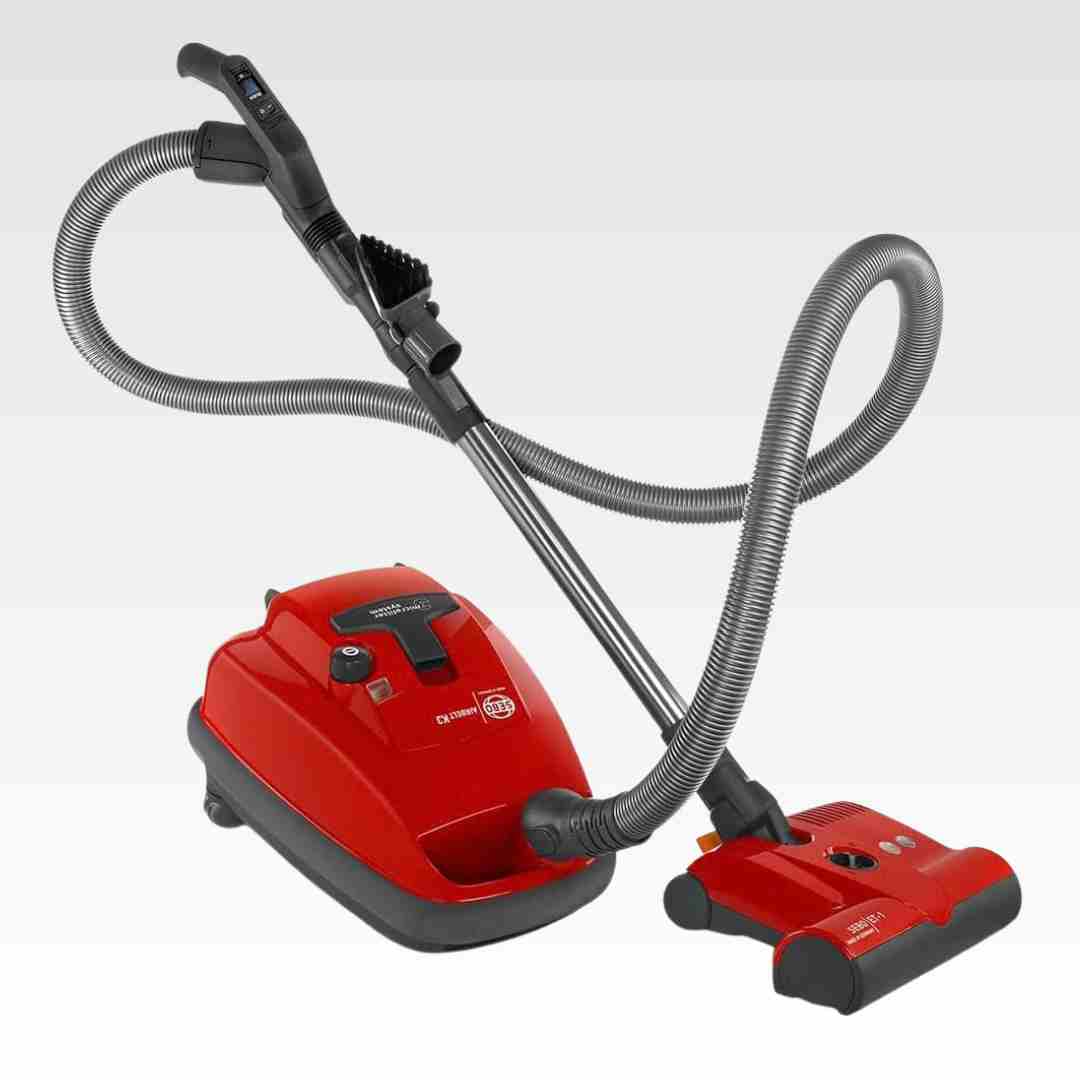
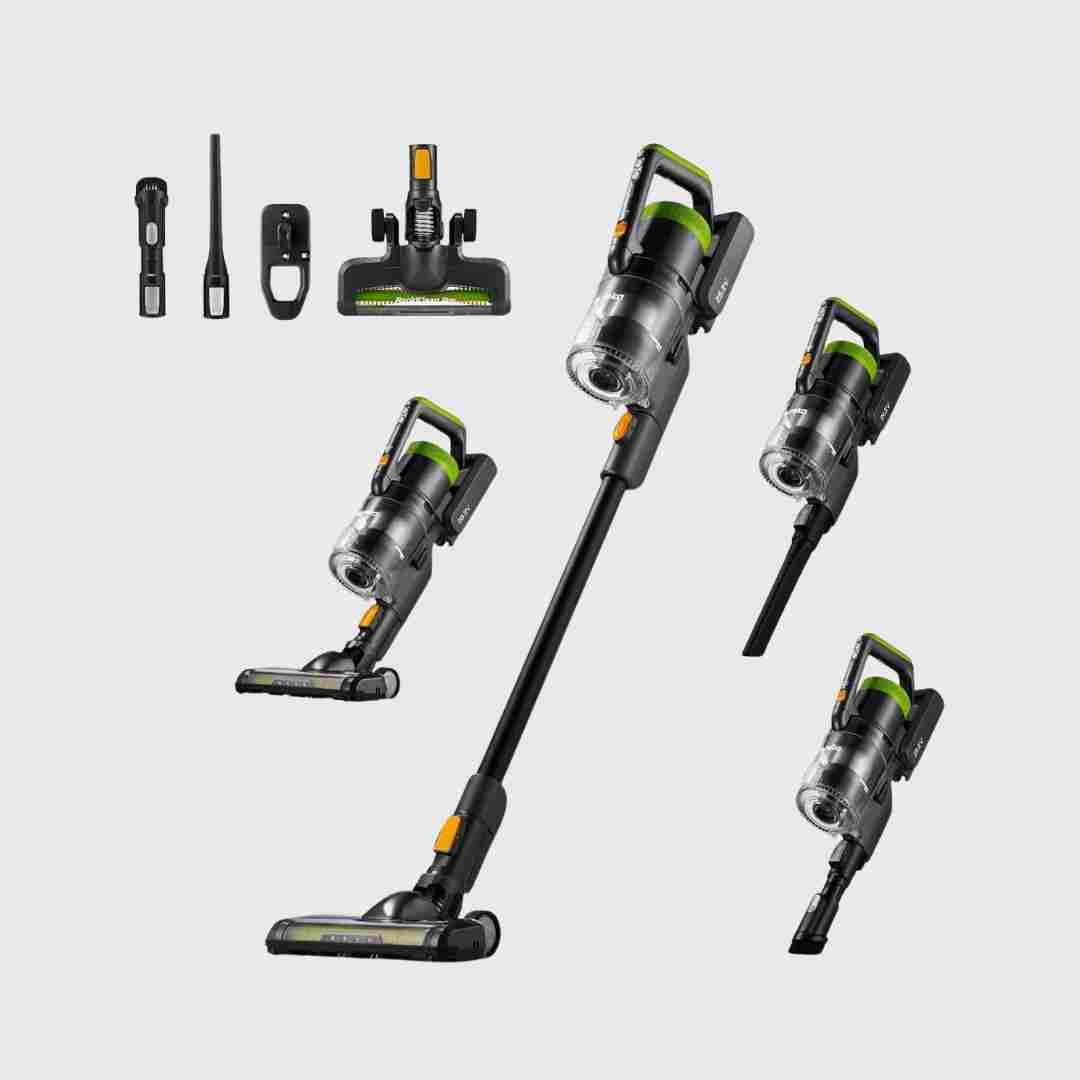
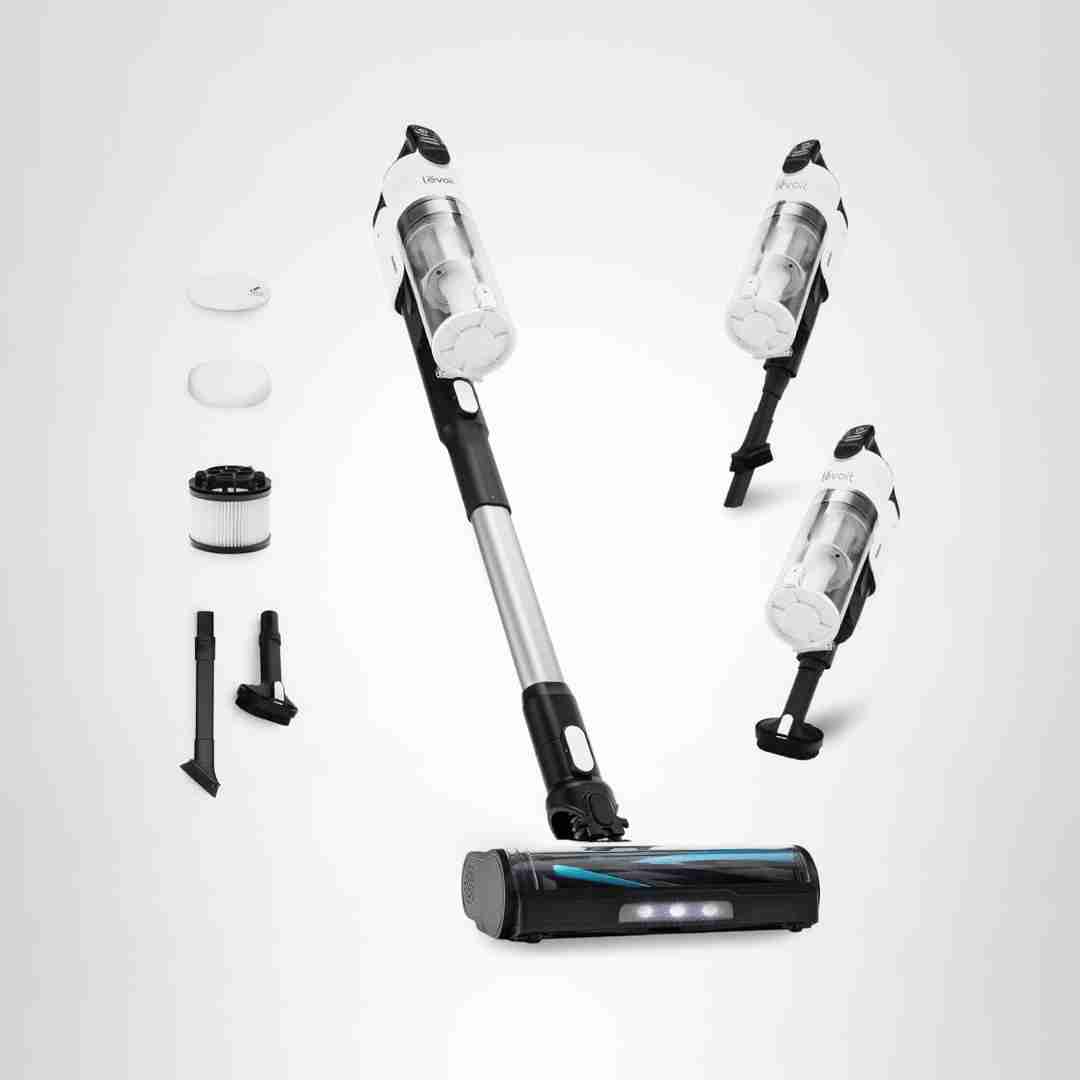
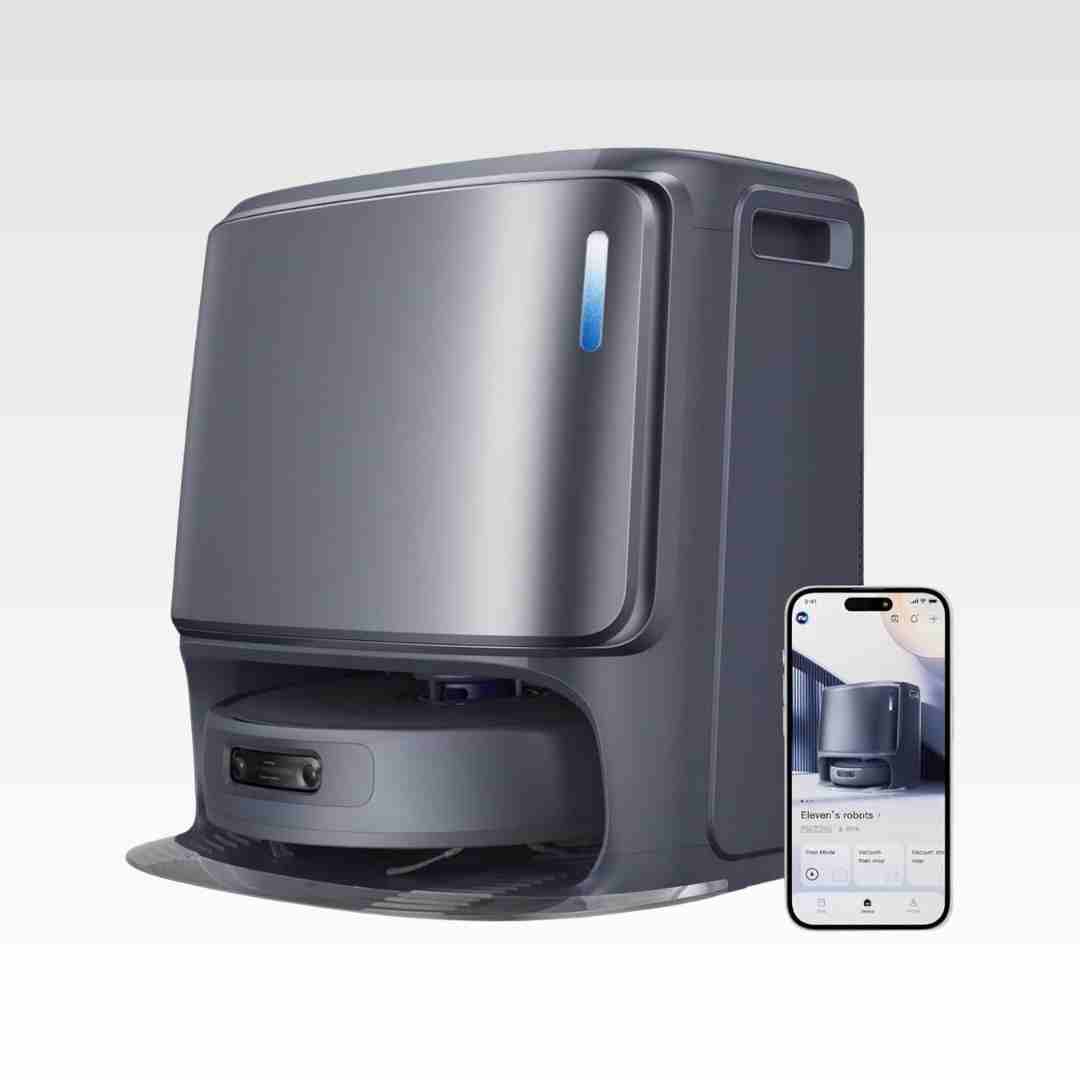
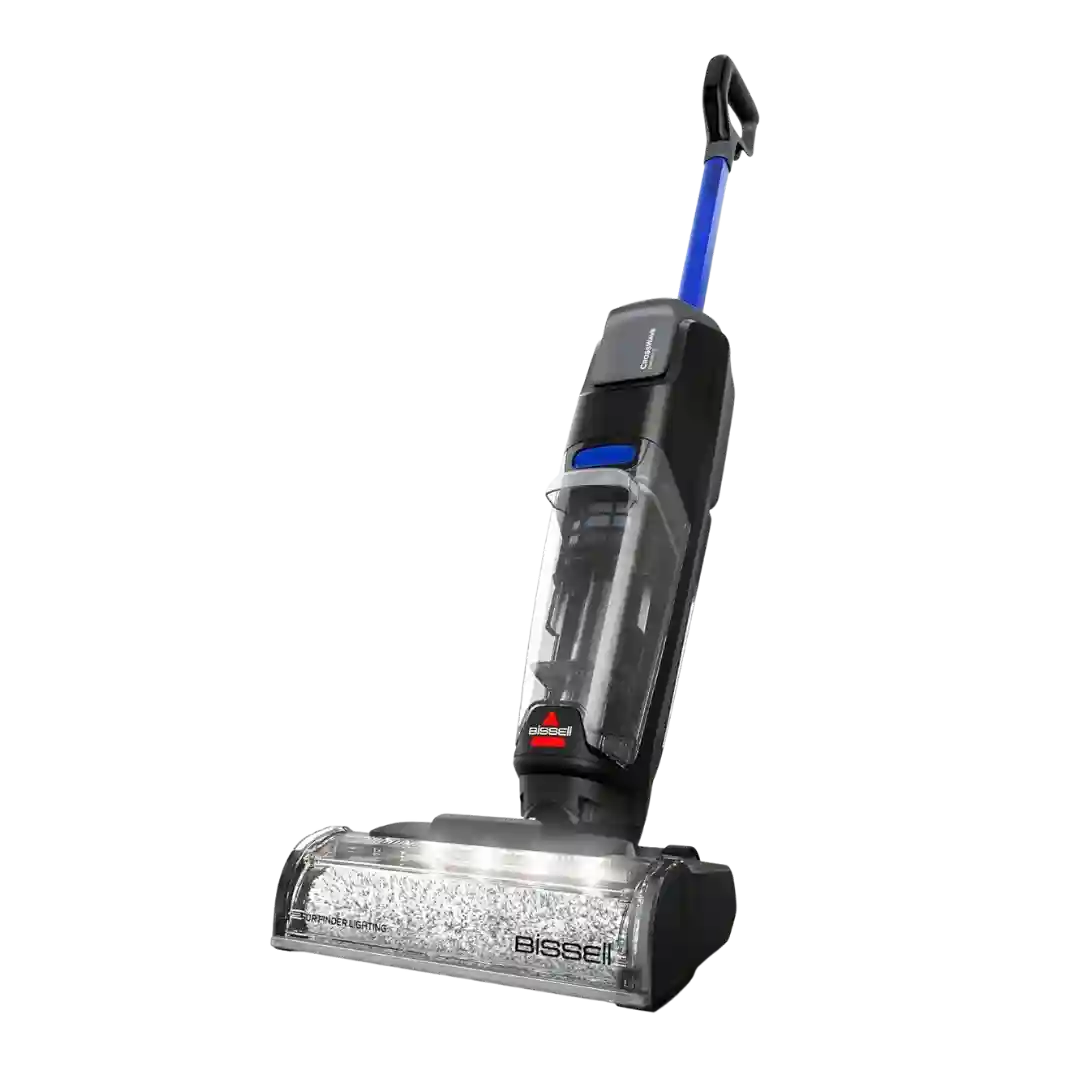
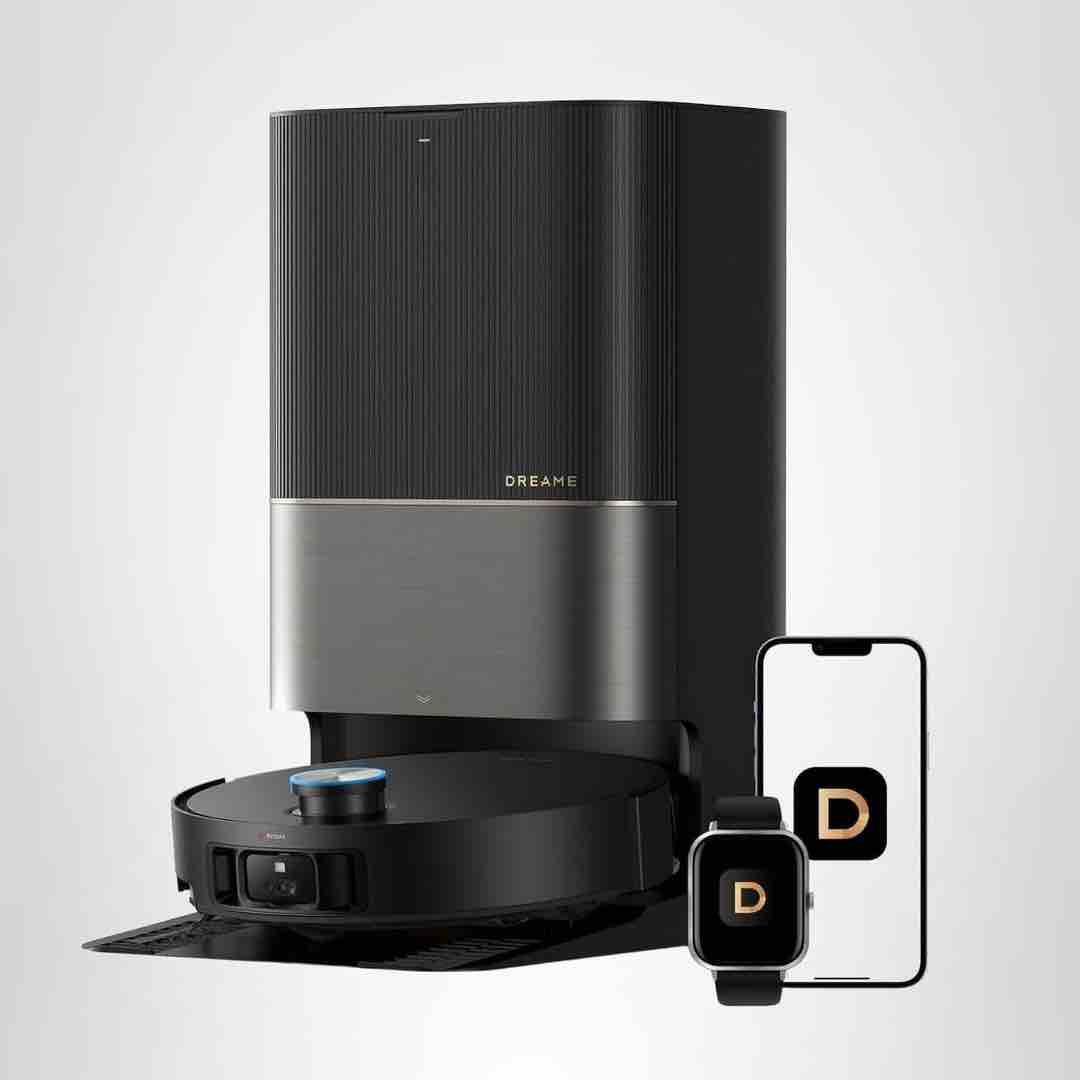
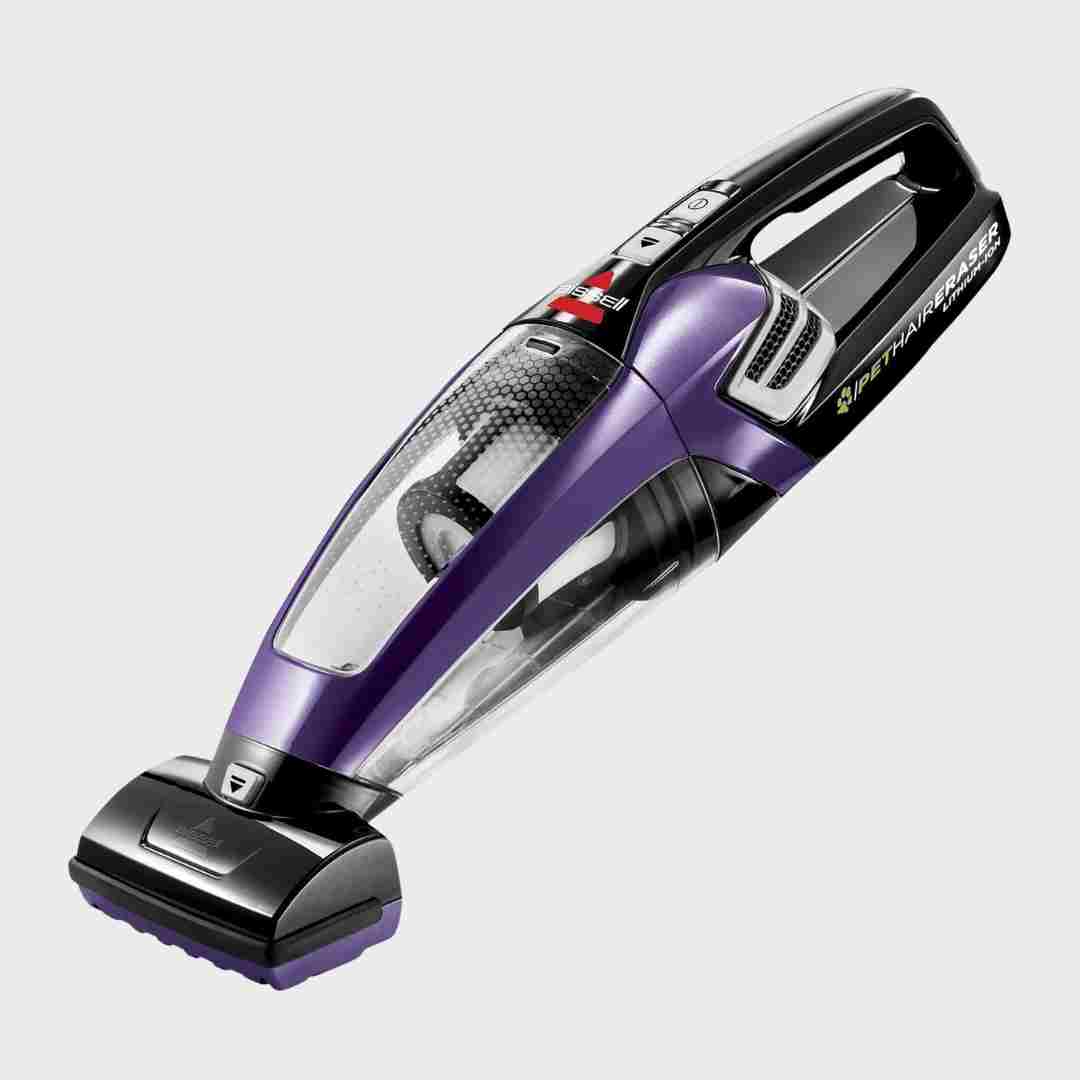
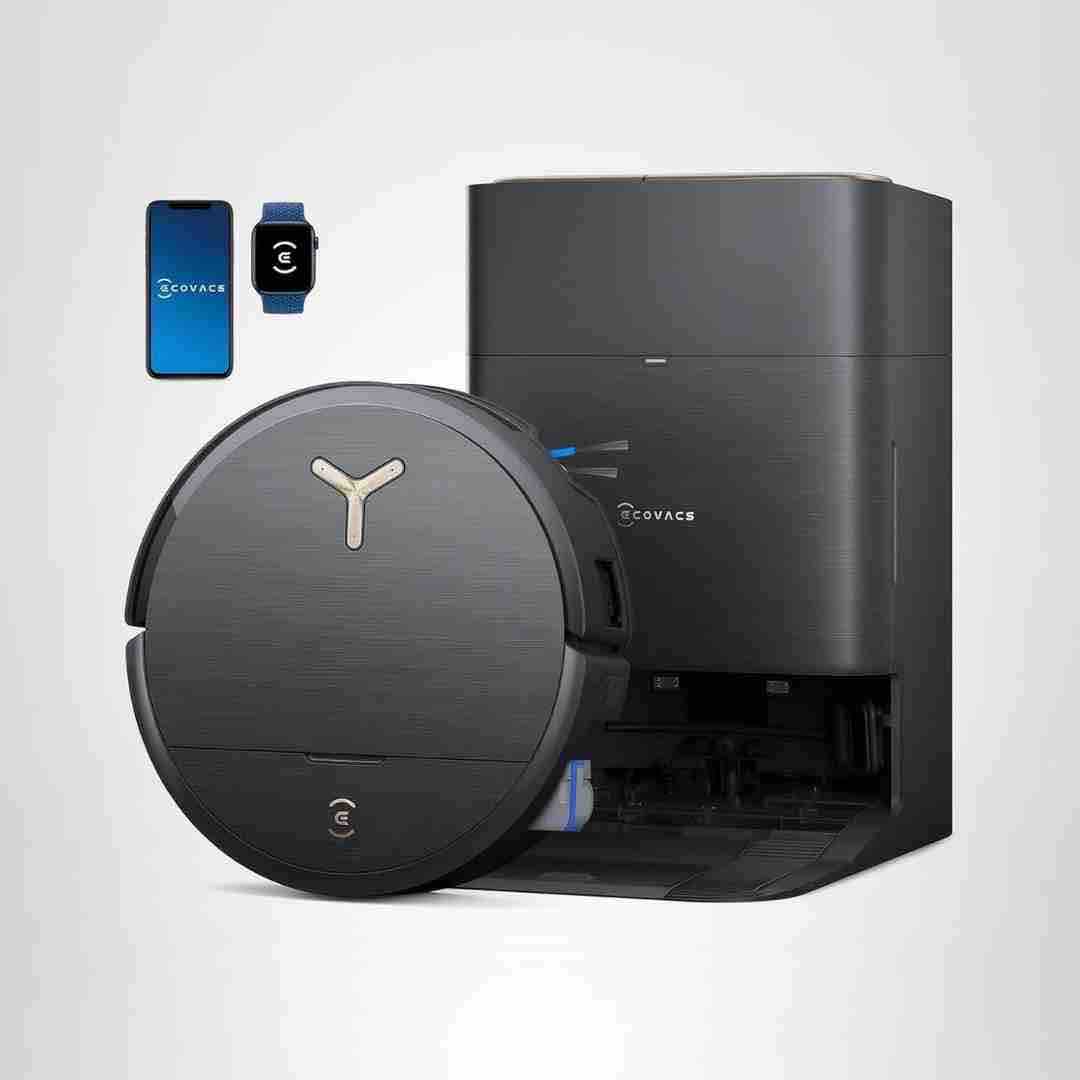
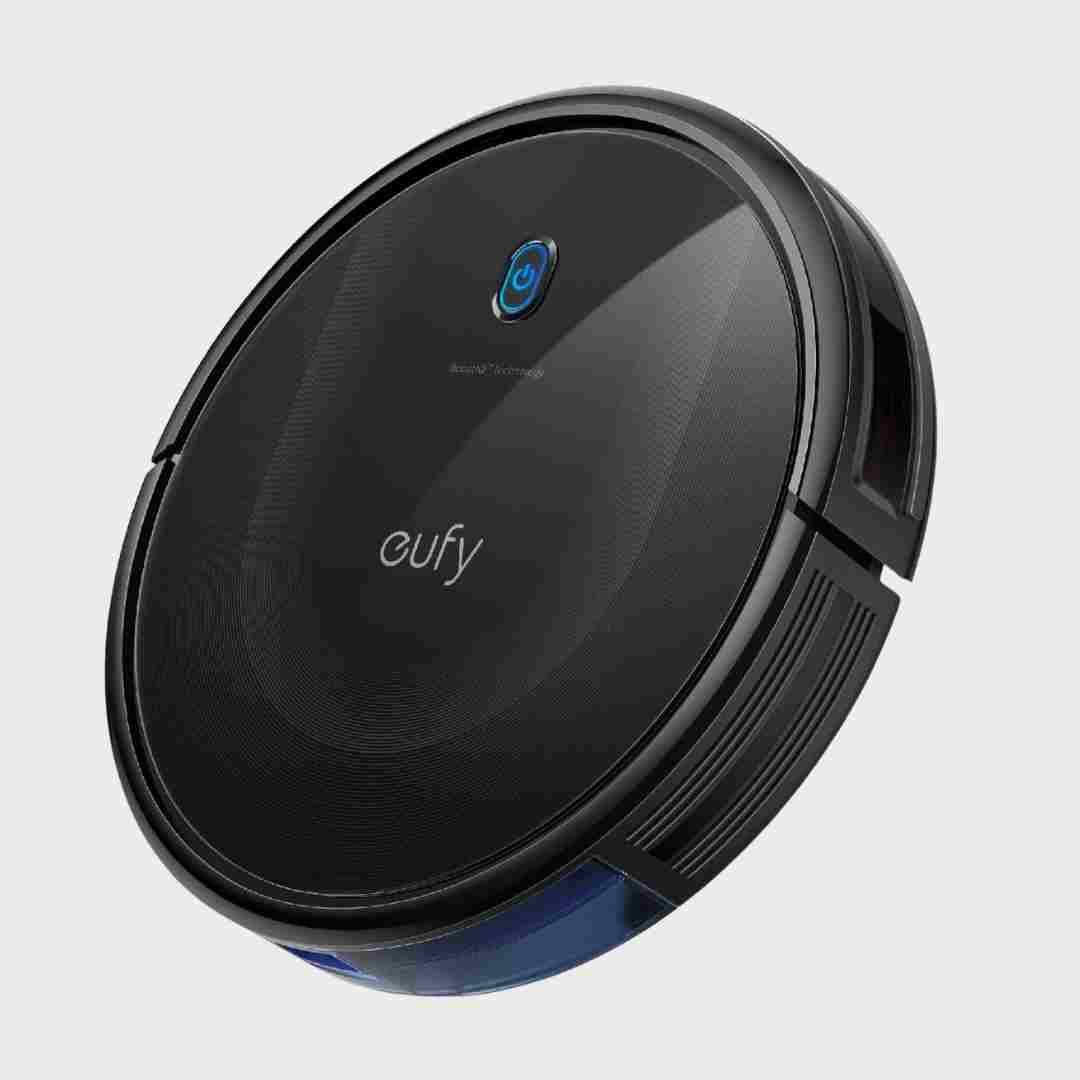
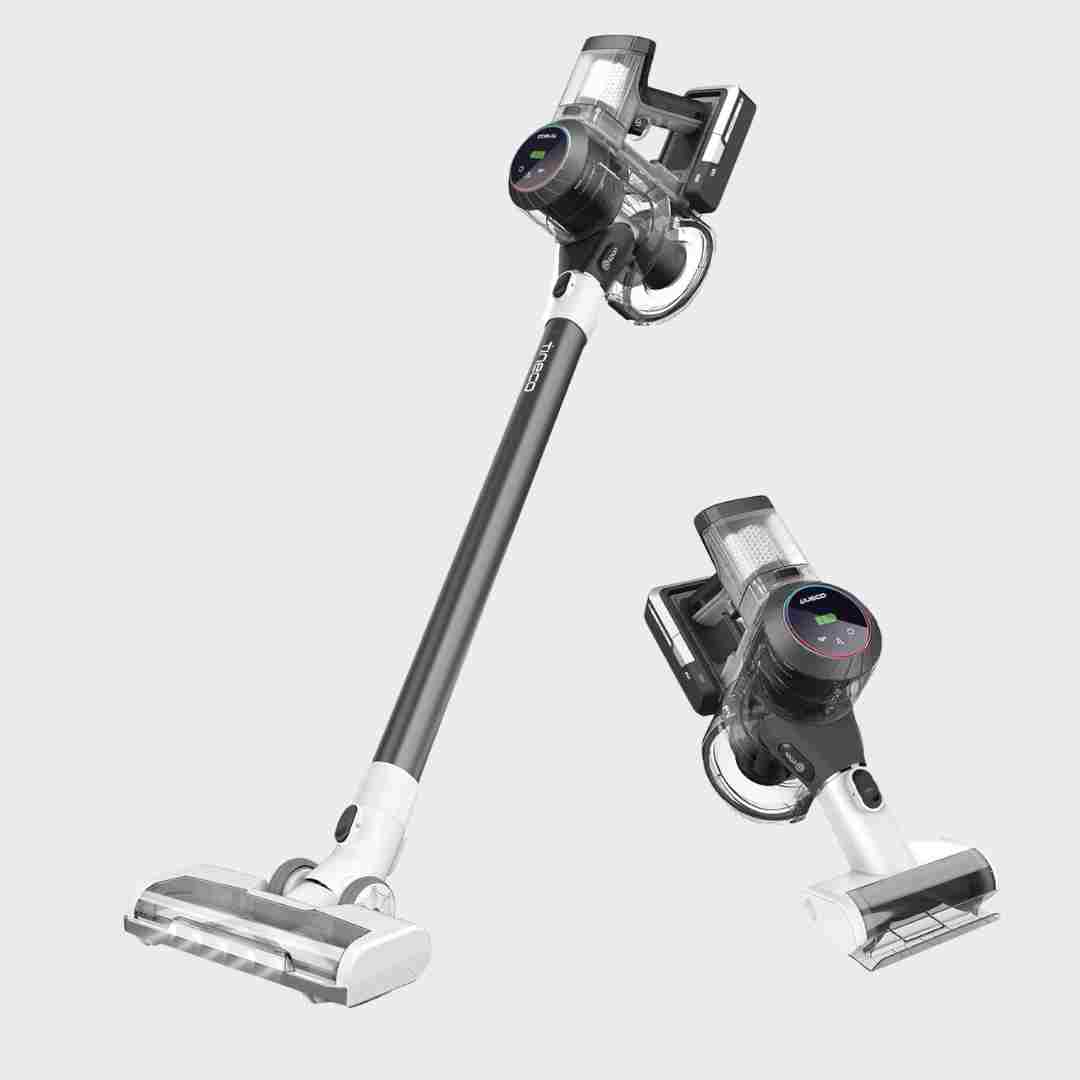
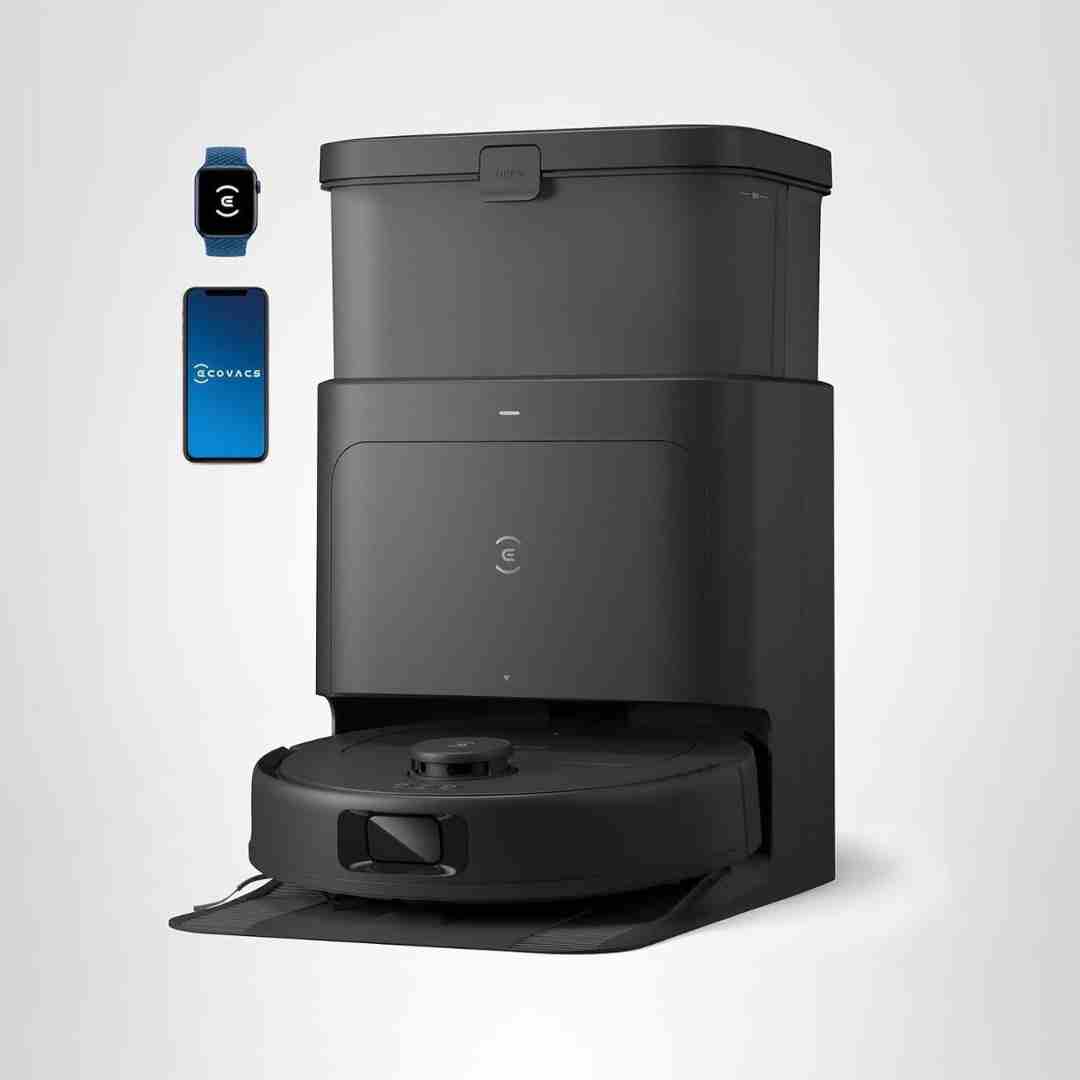
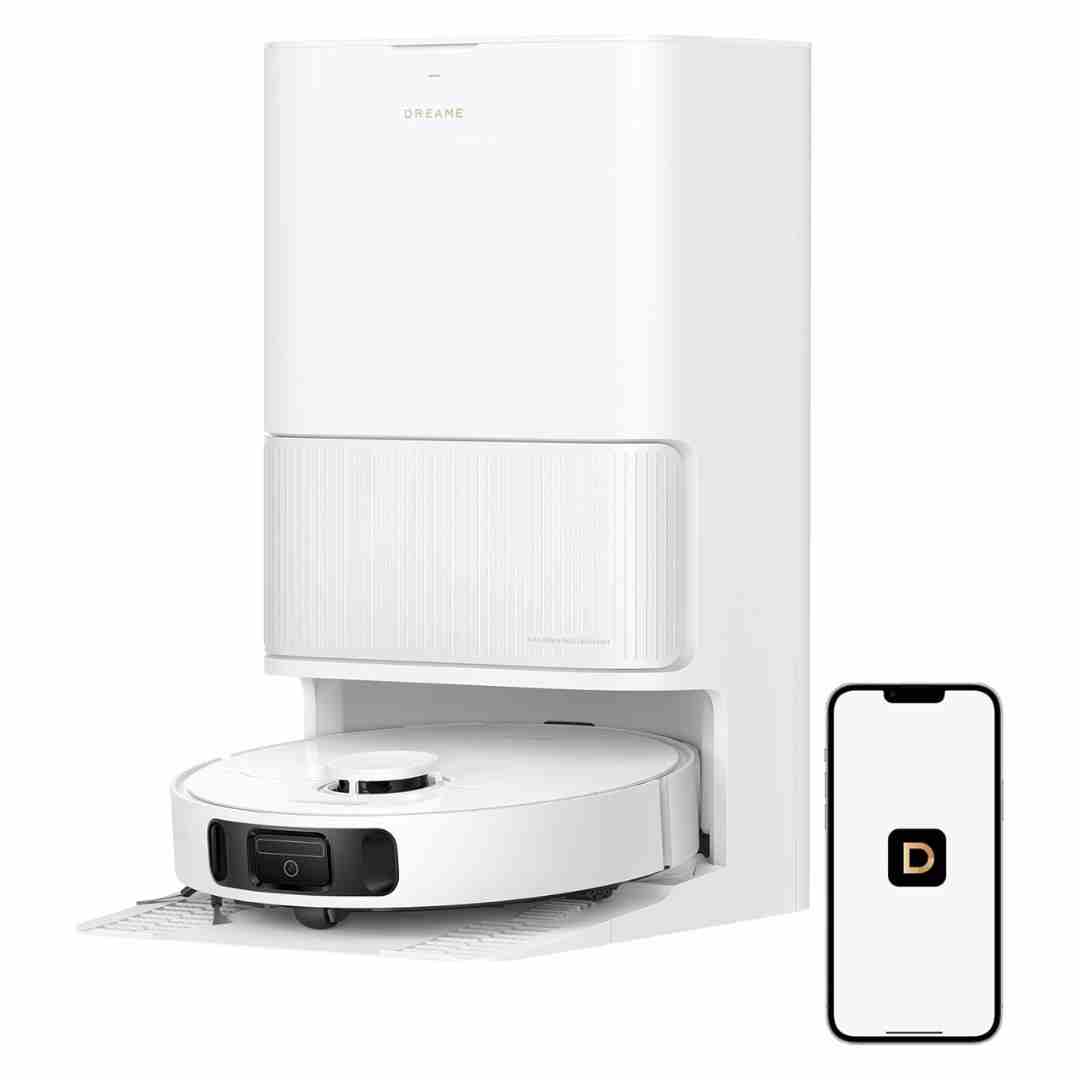
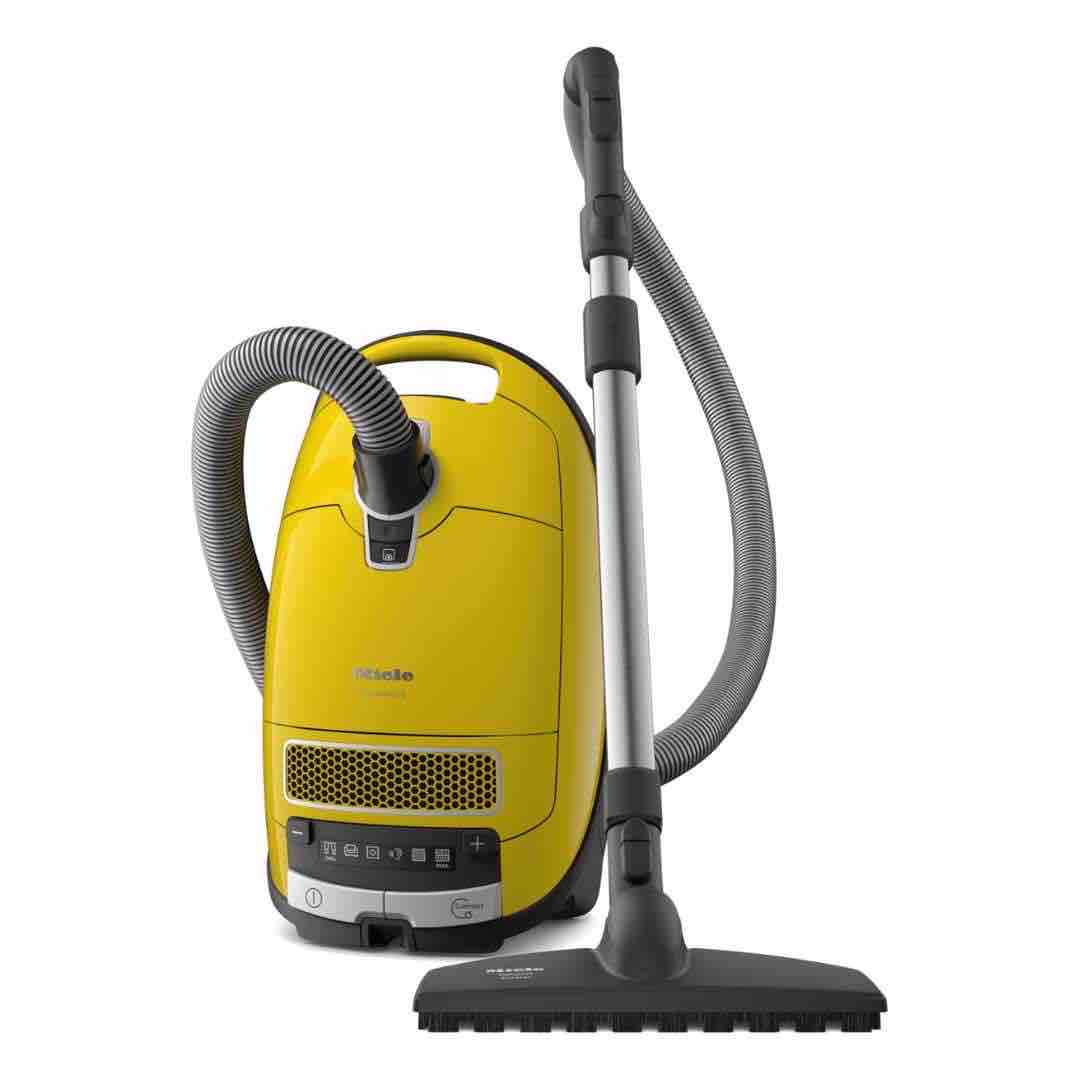
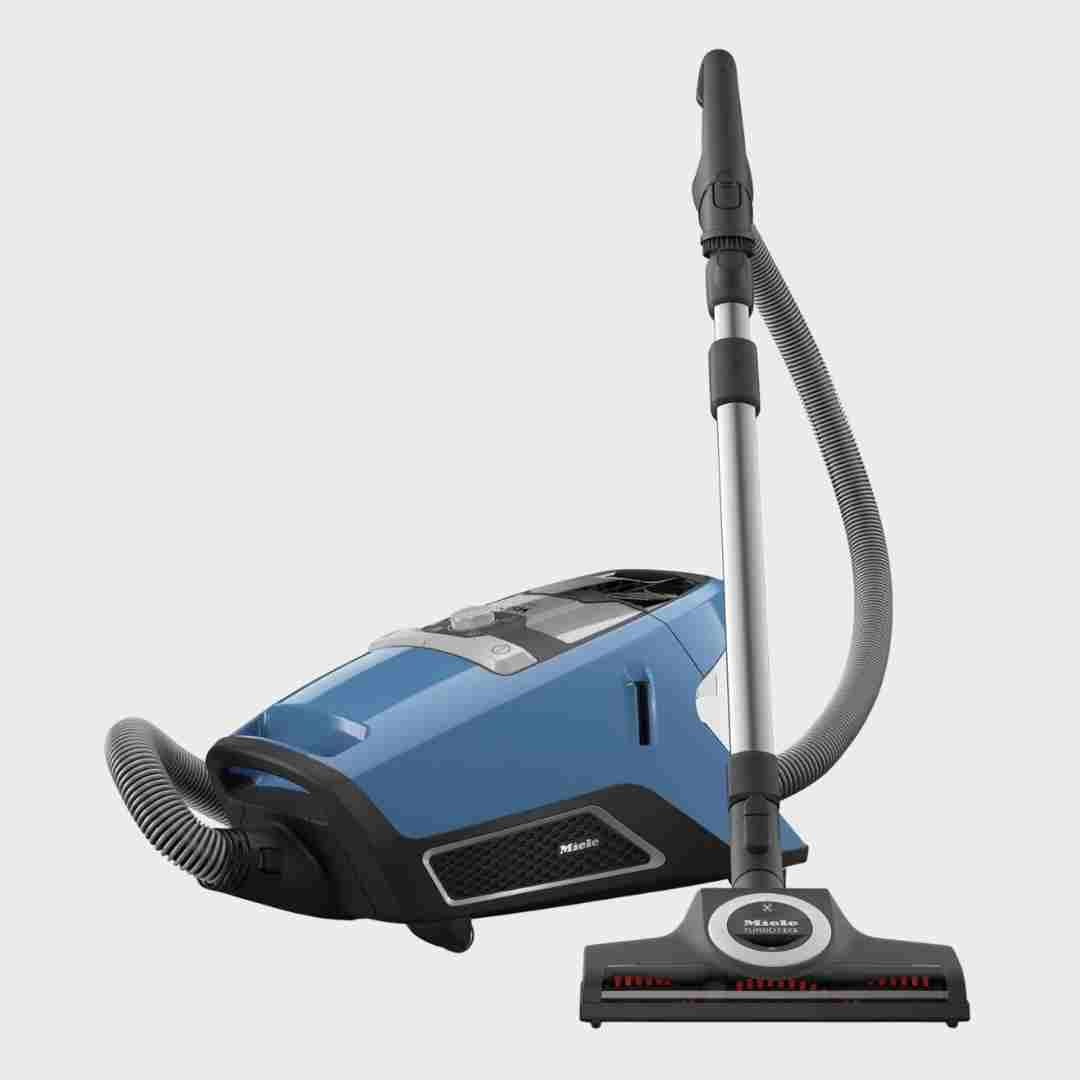
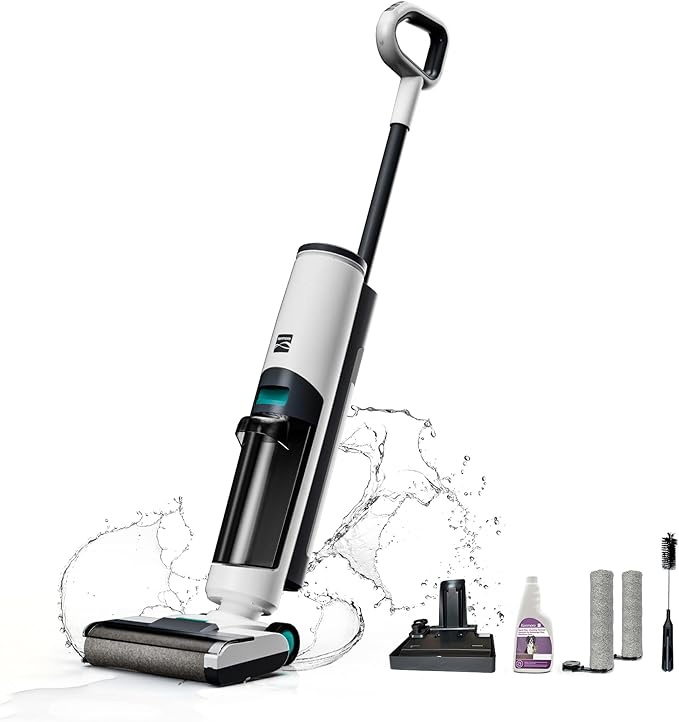
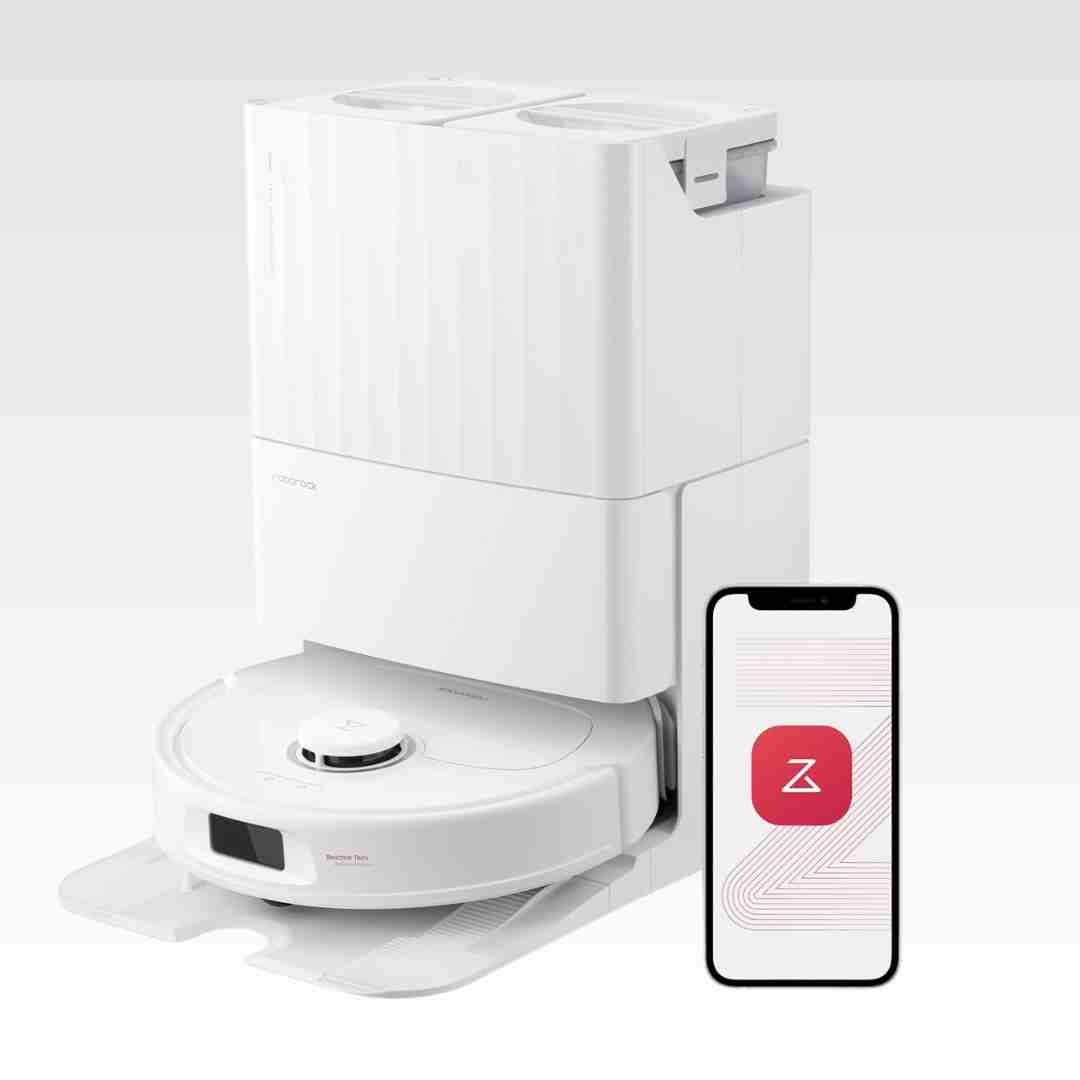
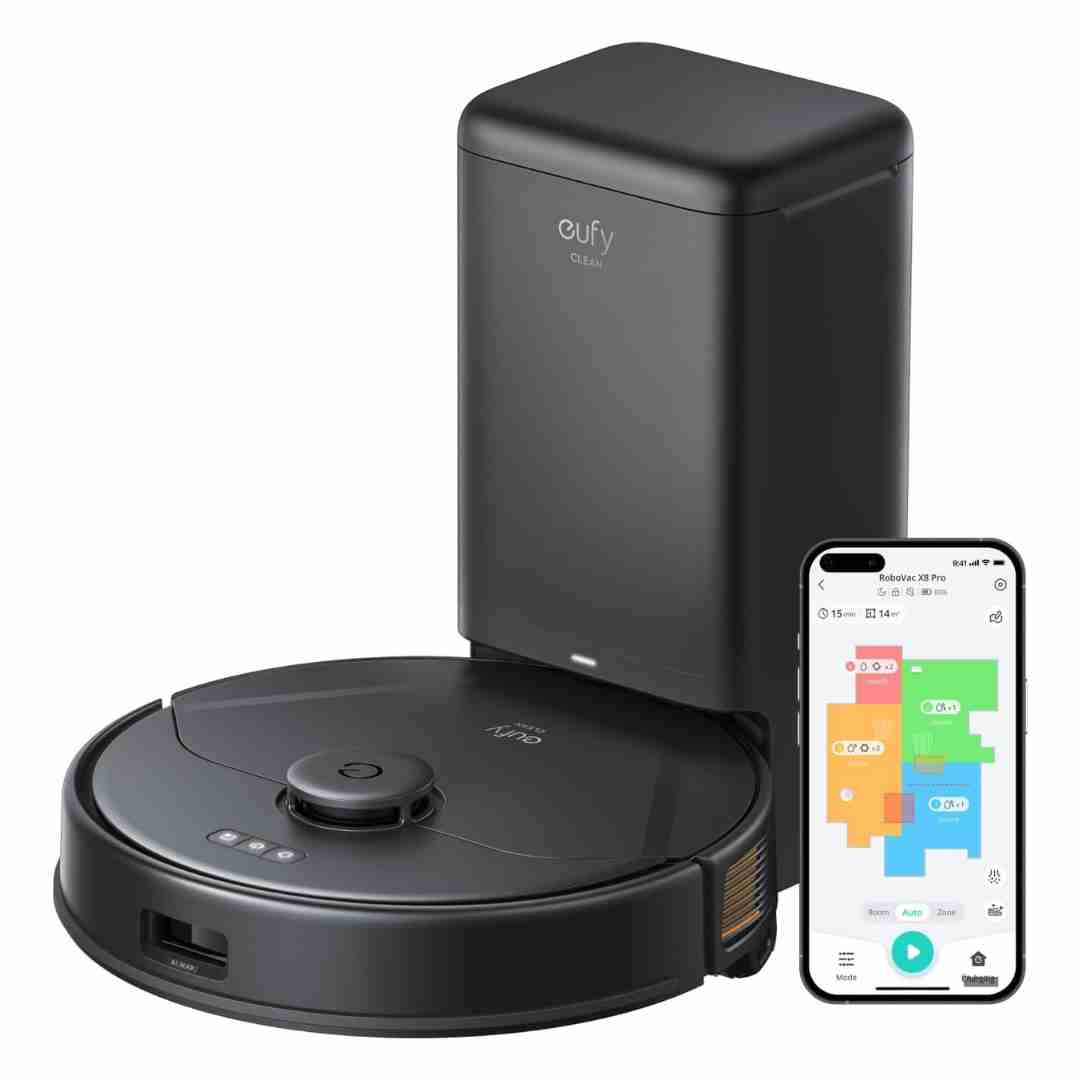
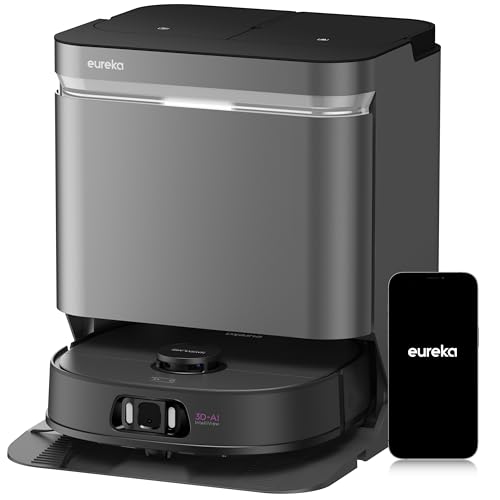
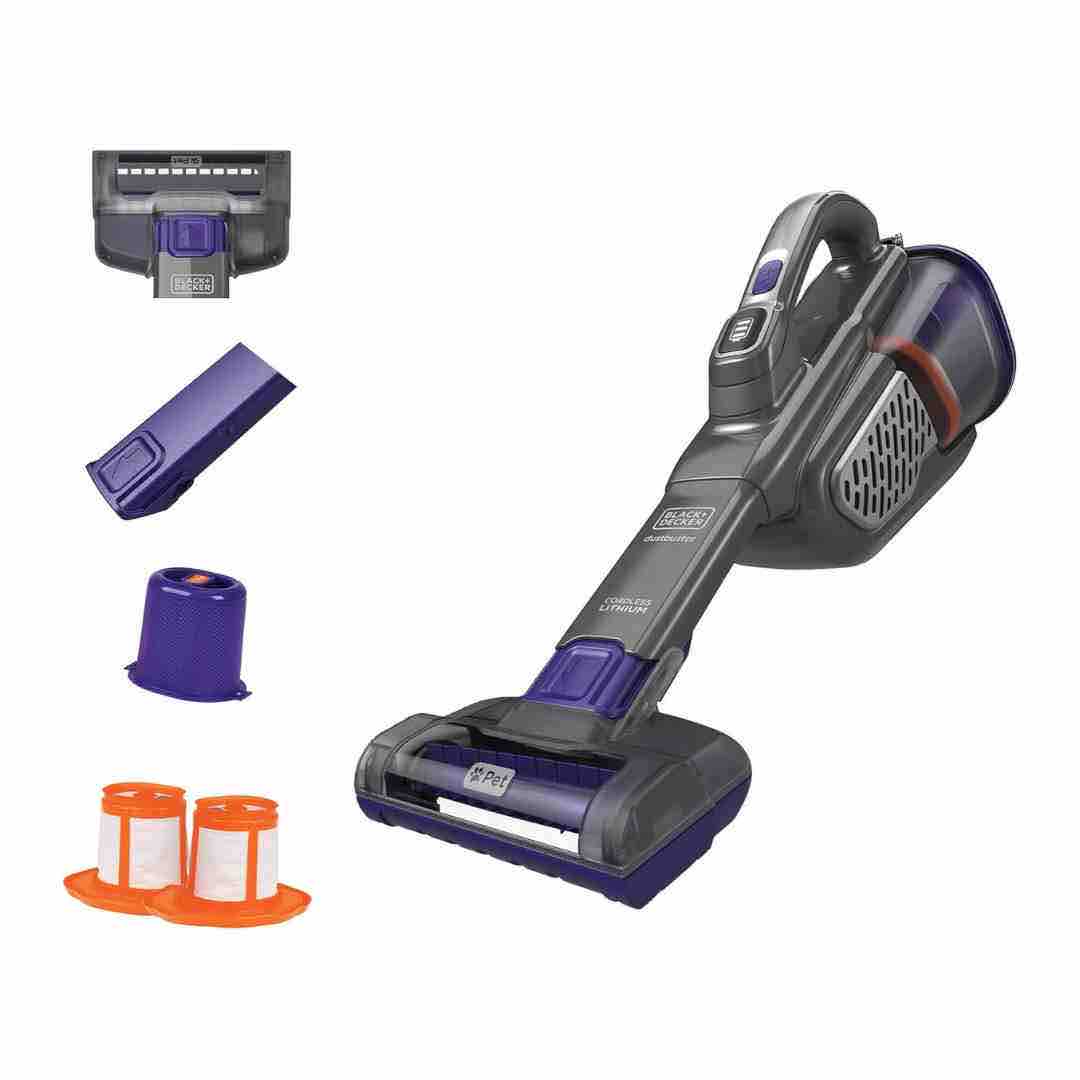
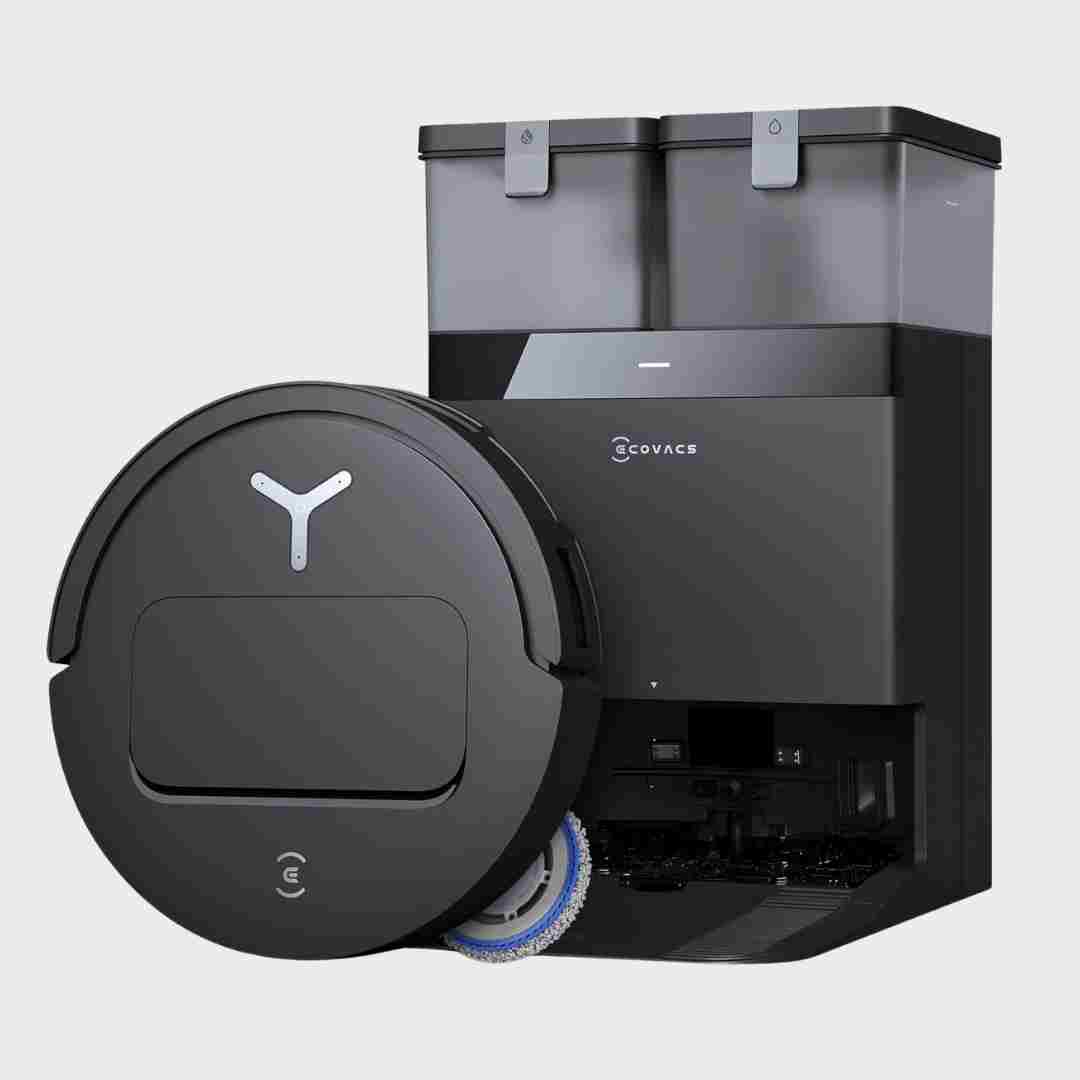
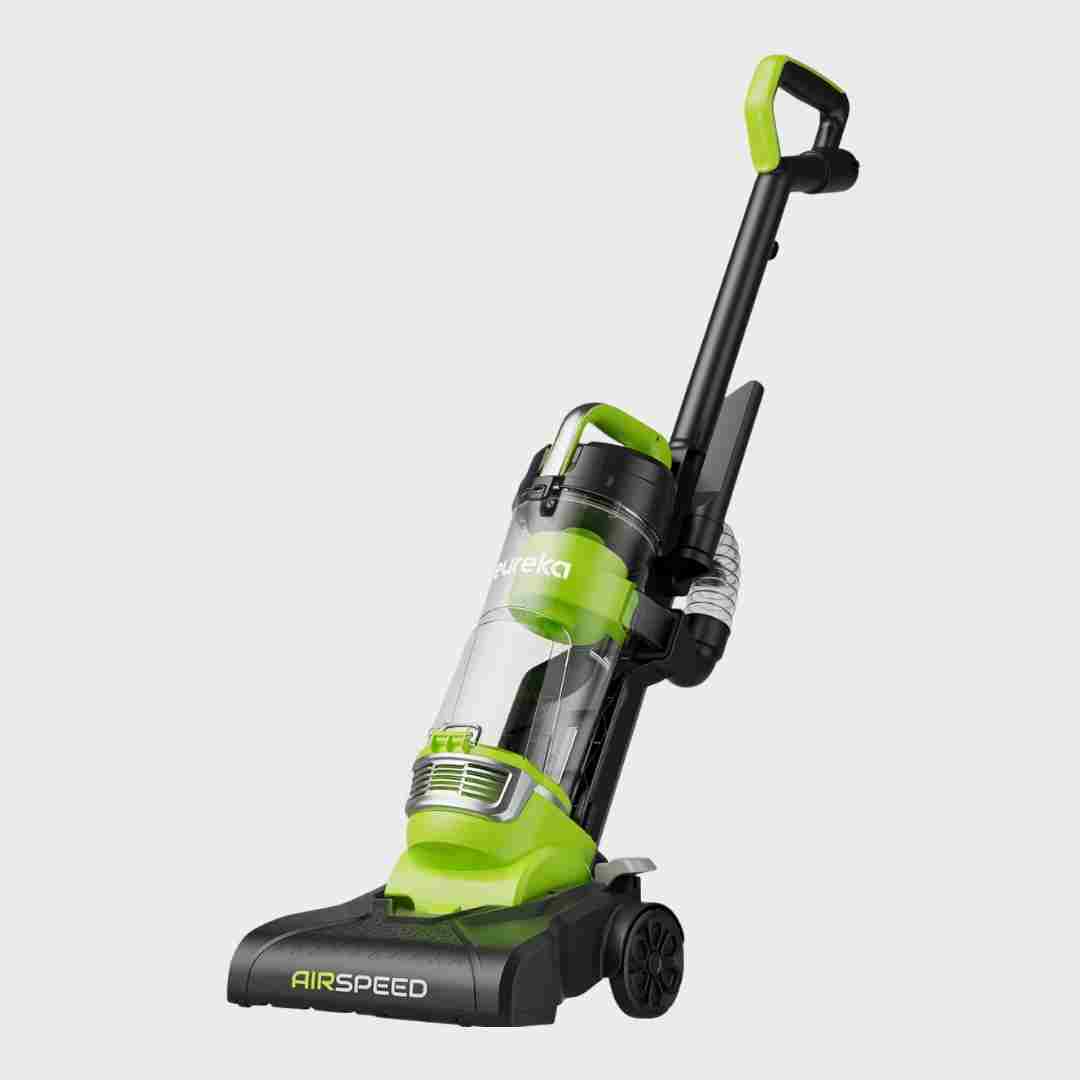
Cleaning and especially the drying cycle are often described as unusually quiet for the category, with some reviewers measuring roughly 39 to 43 dB during roller drying. Quiet mode cleaning is also noted as comfortable for home use.
Noise is a standout strength: measured levels are relatively low on standard modes and many users describe it as quieter than competing cordless sticks.
Noise is often described as relatively quiet for a cordless stick, with one review measuring around mid-60 dB in normal use and higher readings closer to the high-70s on max. Overall, it trends quieter than many competing cordless vacuums in comparable power.
Generally quieter than many competitors; peak loudness is cited around 70 dB on higher suction, and real-home testing reports low disruption (pets barely reacting).
Noise levels are generally reported as relatively quiet for a stick vacuum, with multiple measurements cited around the ~70–76 dB range depending on the source/test.
At least one hands-on reviewer found it surprisingly quiet for the level of suction. Most sources do not provide detailed noise measurements, so expectations should be set as generally acceptable rather than whisper-quiet.
Noise is generally rated as controlled for a flagship robot, with at least one review noting extremely quiet operation in mop-only mode. Dock cycles can still be noticeable, but in-room cleaning noise is usually described as manageable.
Noise is commonly described as relatively quiet for its performance, with measured results in the mid-50s to low-70s dB depending on mode and attachments.
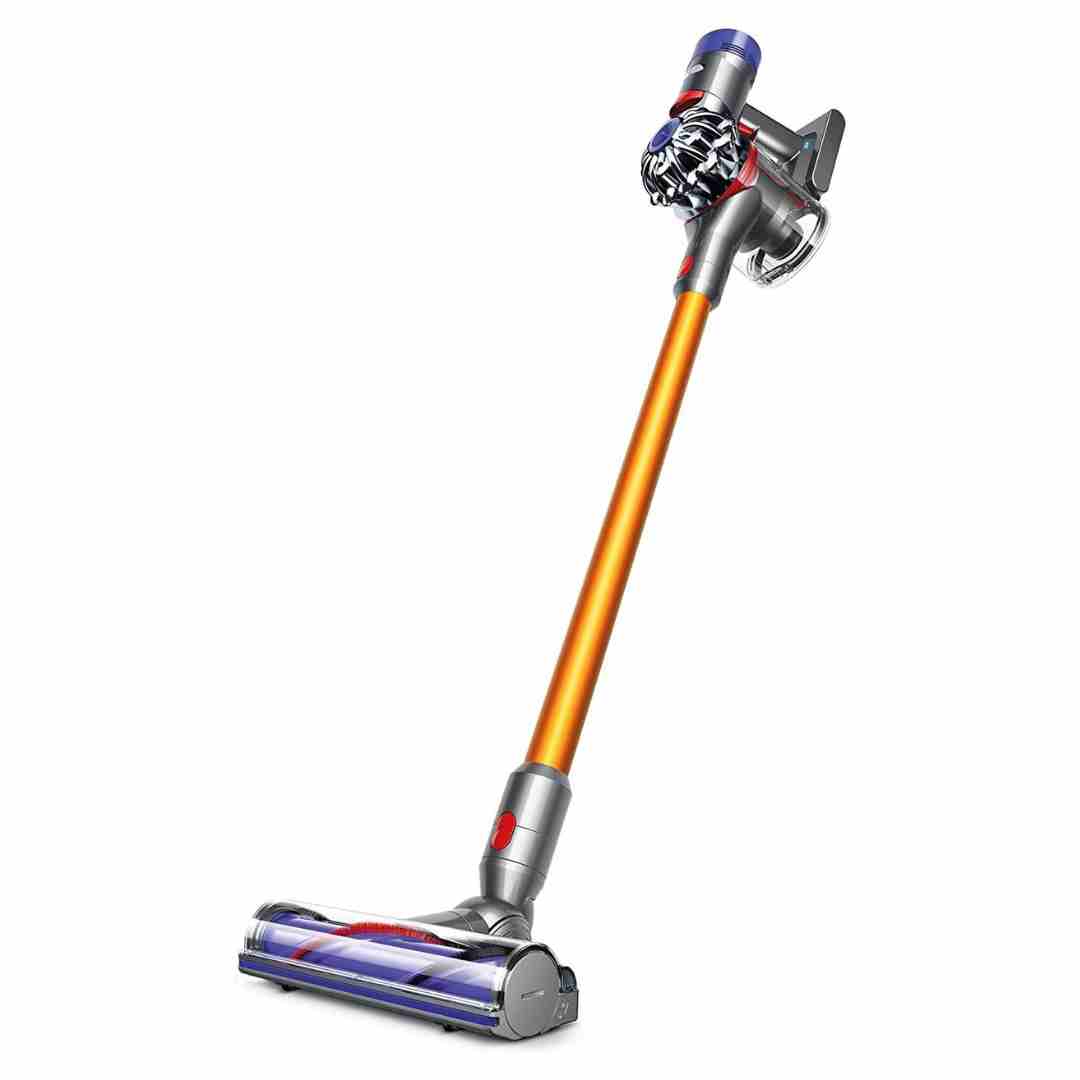
Multiple reviewers highlight that the V8 is noticeably quieter than many newer, higher-powered Dysons, especially with the fluffy/soft roller head. Max mode is louder, but normal mode is often described as easy to live with.
Noise is generally described as reasonable for a flagship robot, with several notes that mopping is especially quiet. Vacuuming at max power can still be loud, but it’s not a standout complaint overall.
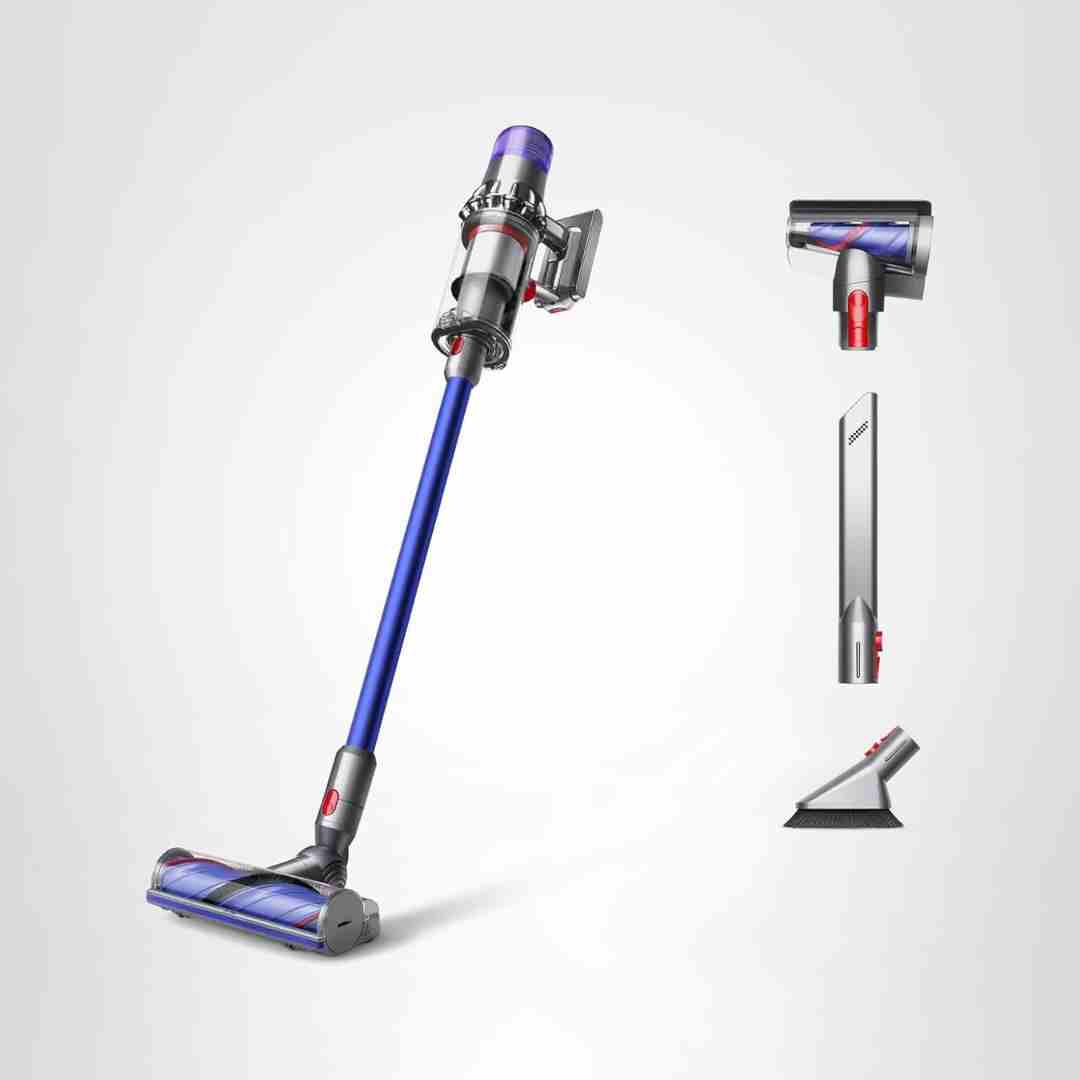
One reviewer calls the V11 notably quiet for a cordless vacuum, especially given its power. Noise level is not a major complaint elsewhere in the review set.
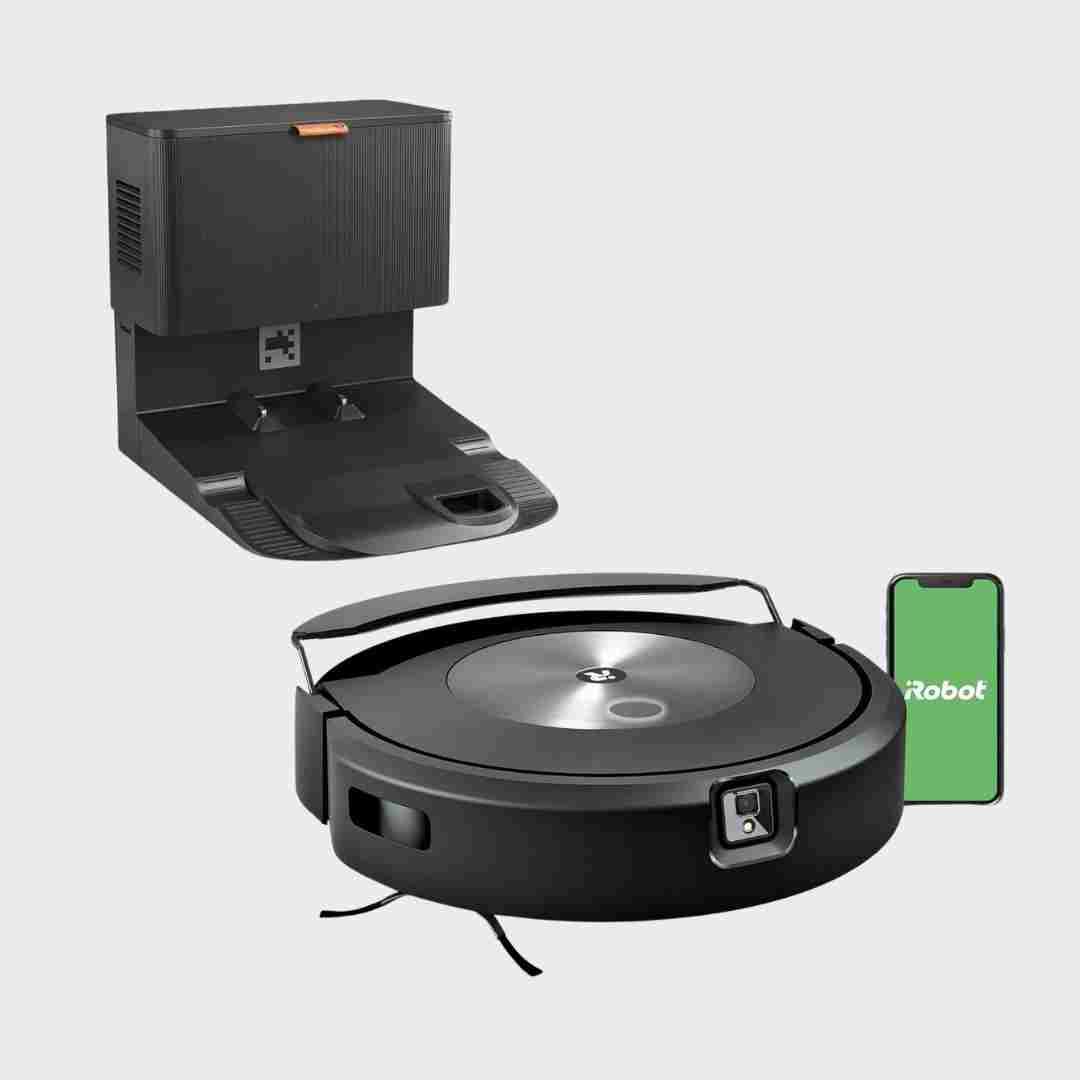
During cleaning, noise is commonly described as moderate to fairly quiet for a robot vacuum, especially on carpet; the main noise complaint centers on the dock, not the robot itself.
Operational noise is generally described positively (quiet or unobtrusive), and some coverage suggests BLAST aims to improve performance without a big noise penalty. Few reviews provide direct measurements, so perceptions dominate.
Multiple reviewers call it notably quiet, with measurements ranging from low‑50s dB to the mid‑60s dB depending on surface and power; warning beeps when stuck can be more noticeable than the motor noise.
In-run noise is frequently called quiet, with higher suction audible but not disruptive. The biggest spikes happen at the dock during auto-empty or maintenance cycles.
Noise is typically described as low for the suction on offer, with measured figures often landing in the mid‑60s to around 80 dB depending on setting and head. Turbo heads can add sound, but most still find it bearable.
Generally described as quiet during cleaning, with some notes that collisions/bumping can create louder momentary noise than the suction itself; higher suction settings increase volume.
Often described as unusually quiet for its power, though one measurement-style test notes max power can be louder than average—lower modes help keep it unobtrusive.
Most reviewers call the C3 relatively quiet for its power—especially on lower settings—and some cite “silent” design elements. Turbo/electric heads can add noticeable noise compared with suction-only hard-floor tools.
Multiple reviews call it notably quiet for a powerful canister, with measured noise in the mid-70 dB range in one test. The ComfortClean/self-clean routine can make a distinct clunking sound even though normal cleaning stays refined.
Noise is generally framed as reasonable/quiet by at least one hands-on unboxing, while another source cites around ~70 dB, suggesting a moderate sound level for the category.
Noise is generally manageable, and some variants emphasize adjustable suction to trade power for quieter operation; one review describes an especially quiet experience on a specific model.
Noise is described as relatively low during mopping at lower water flow and acceptable during standard vacuuming. The loudest moments tend to be MAX+ suction and the brief auto-empty cycle at the dock, which reviewers note is quick.
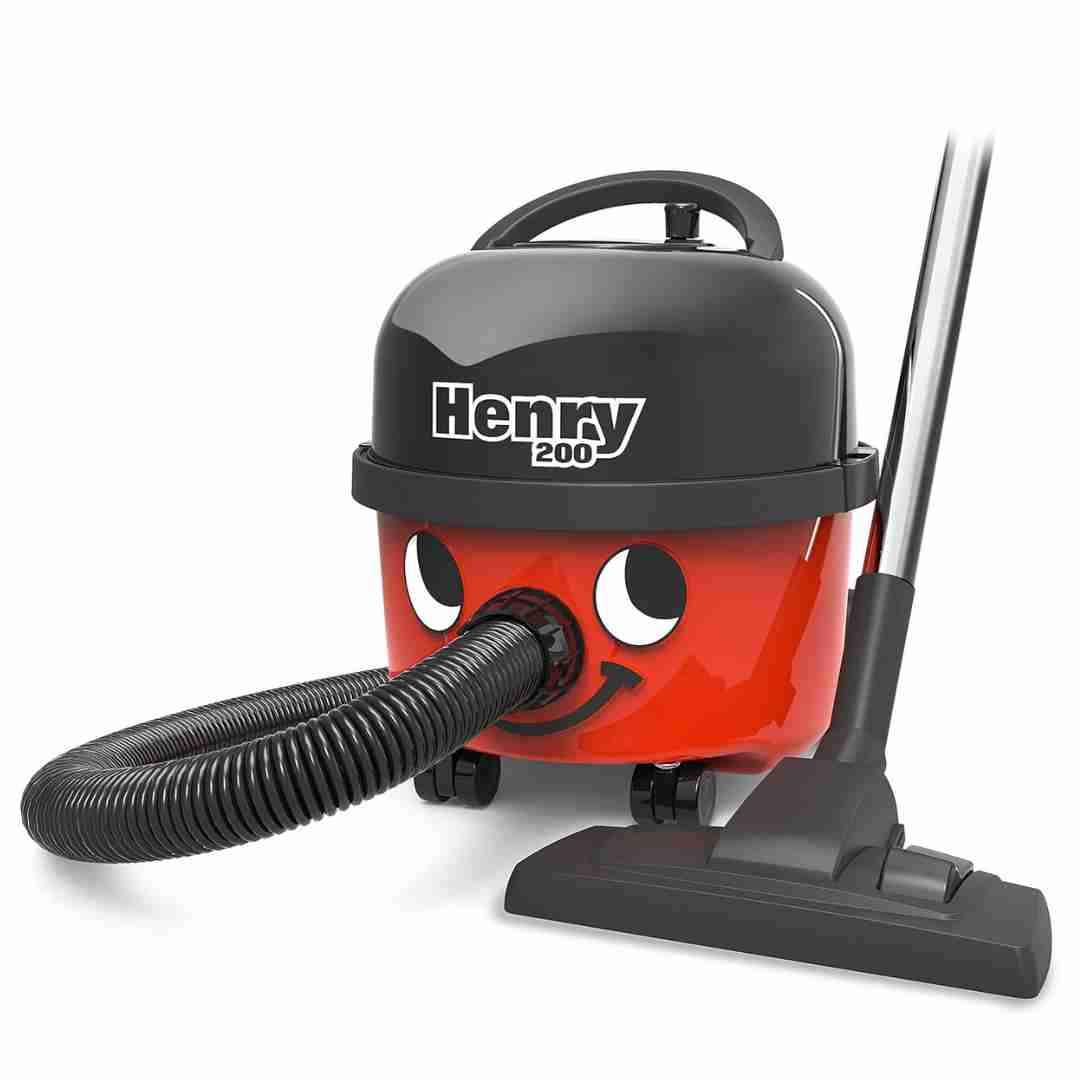
Most reviewers call Henry notably quiet for its power, with one citing about 72 dB. A few older or modified units sound higher-pitched, but the overall noise profile is still viewed as low.
Operational noise is frequently rated favorably for a robot vacuum, with comparative testing placing Q Revo models among the quieter options overall, though high-power modes and auto-empty events remain clearly audible.
Noise impressions vary: some call it very quiet in normal use, while measured max-power runs are above average and not ideal for TV/nap time in the same room. Noise is highly mode-dependent.
Noise impressions are generally positive for the category, with reviewers calling it quieter than expected; one source cites a Quiet Mark rating and another measures roughly 82 dB on default and 89 dB on boost.
Noise is described as relatively quiet for a cordless, with lab-style measurement commentary placing it a bit better (quieter) than the category average.
Noise is generally considered reasonable for the power and is noted as quieter than newer Dyson cordless models in comparisons. Max mode is louder, but still viewed as manageable in normal household use.
Measured cleaning noise is often in the quiet-to-moderate range, while the auto-empty cycle is much louder; most reviews consider it acceptable for daytime use.