Best for Odor control
Yeedi M14 Plus Robot Vacuum and Mop
5.0 feature score
Highest scored product for this feature based on supporting review evidence.
Highest scored product for this feature based on supporting review evidence.
Balances feature score, supporting reviews, and overall product strength.
Has the broadest review evidence for this feature.
Strongest overall product among items with scored evidence for this feature.
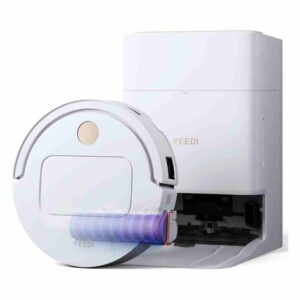
Odor control was a strong point because reviewers linked hot-air drying and self-cleaning to reduced mustiness, odors, bacteria, or mildew.
Pros: Suction and Airflow, Filtration / Dust Containment
Cons: Water tank, Versatility
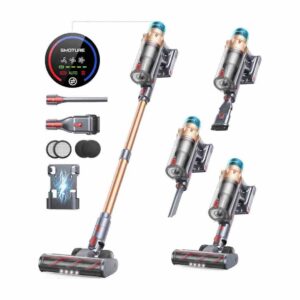
Odor control from aromatherapy tablets was praised as pleasant and freshening rather than merely noted as present.
Pros: Noise level, Storage footprint and upright-stand stability
Cons: Edge and Baseboard Cleaning (Hard Floors), Suitability for heavy-duty use
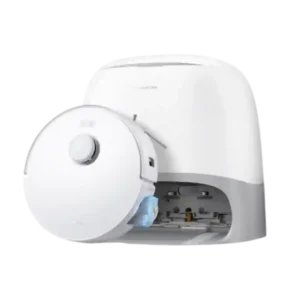
Odor control received positive support from hot-air drying and mold/odor prevention after mop washing.
Pros: Maneuverability and Handling, Versatility
Cons: Under-Furniture Pickup, Low-profile design
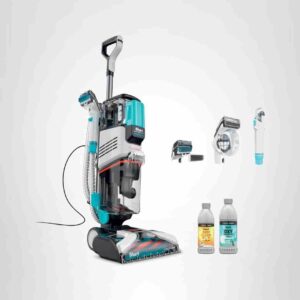
Odor control evidence was positive, with reviewers noting fresh-smelling rugs and no lingering pet stains or odor.
Pros: Pet-Ready Features, Clogging and debris prevention
Cons: Wool carpet compatibility, Noise level
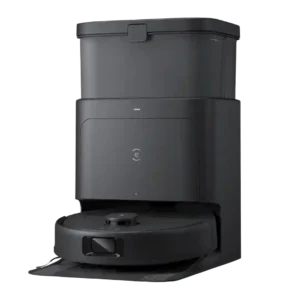
Odor-control evidence was positive because heated drying was credited with preventing damp-smelling mop pads.
Pros: Odor control, Innovation compared to competitors
Cons: Accessories and Tools, Stuck resistance
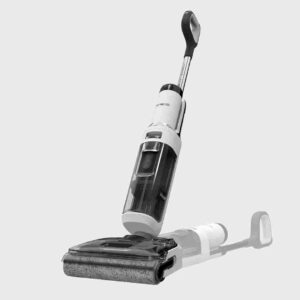
Odor control was praised through self-drying, hot cleaning, and cleaning solution scent.
Pros: Innovation compared to competitors, Low-profile design
Cons: Dock noise, Noise level
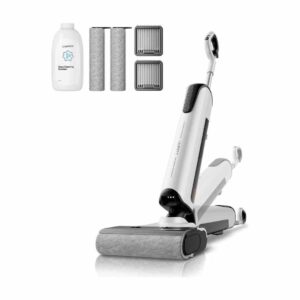
Odor control was a clear positive theme, with reviewers praising brush drying, deodorizing, and reduced dirty-tank smells.
Pros: Pet-Ready Features, Assembly and Setup
Cons: Dock noise, Reverse cleaning performance
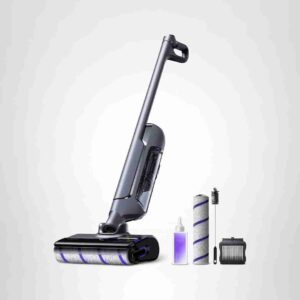
Odor control was praised because self-drying and warm-air drying were said to prevent musty smells and bad odor.
Pros: Pet-Ready Features, Noise level
Cons: Reverse cleaning performance, Suitability for heavy-duty use
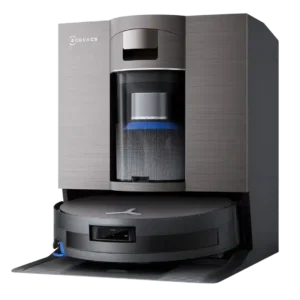
Odor control was mostly positive, with multiple reviewers reporting little or no smell after mopping, though dirty water can smell if left sitting.
Pros: Pet-Ready Features, Suitability for heavy-duty use
Cons: Value-for-money, Area Rug Handling
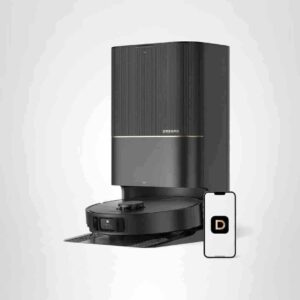
Odor control is strong because hot washing and drying help prevent musty mop-pad smells.
Pros: Edge‑Following Accuracy (Robot), Support and Reliability
Cons: Ongoing ownership costs (bags, filters
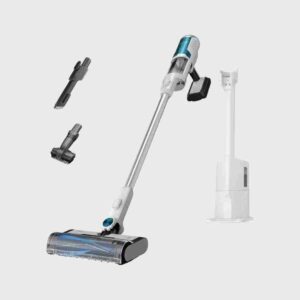
Odor control is praised when the auto-empty base is included, with reviewers saying the fragrance or odor-neutralizing system makes a noticeable difference.
Pros: Headlight and LED lights, Innovation compared to competitors
Cons: Hair Pickup — Hard Floors, Hair-removal channel issues
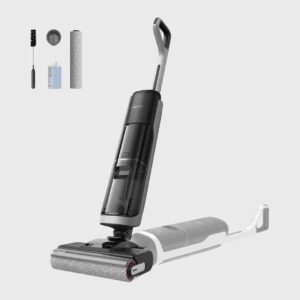
Odor control evidence was positive where hot-air drying was linked to reducing foul smells on the brush.
Pros: Convertible handheld design, Under-Furniture Pickup
Cons: Sanitizing performance, Debris illumination
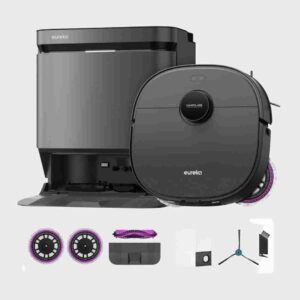
Odor control was praised because hot-air mop drying helped prevent unpleasant mop smells.
Pros: Floorhead design, Hair‑Wrap / Tangle Resistance
Cons: Low-profile design, Cord management
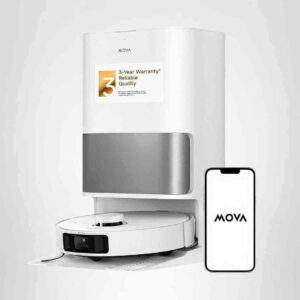
Hot-air mop drying and self-cleaning were praised for reducing odor and hygiene concerns.
Pros: Assembly and Setup, Price and Value
Cons: Dried-On Stain Removal, Overall durability/longevity
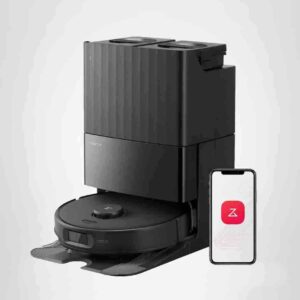
Odor control was positive, with hot-air drying and self-cleaning pads leaving no smells in real-home use.
Pros: Clogging and debris prevention, Floorhead design
Cons: Adaptive chassis lift, Solution / Liquid system
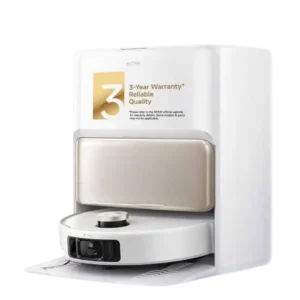
Odor control is a standout pet-home strength, with reviewers praising pet solution, drying, and odor mitigation.
Pros: Accessories and Tools, Hard Floor — Fine Dust Pickup
Cons: Airflow blowback, Scratch resistance
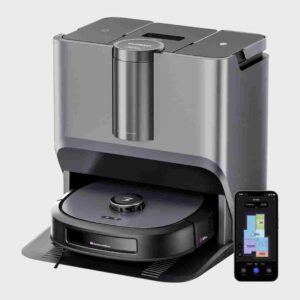
Odor control was praised in positive reviews that credited the base station ventilation and drying system with preventing mop or dust-bin smells.
Pros: Packaging quality, Versatility
Cons: Carpet — Medium-Pile Pickup, Support and Reliability

Odor control was tied to hot-air mop drying and was praised for preventing smells, mildew, or bacteria buildup.
Pros: Kid-friendliness, Reverse cleaning performance
Cons: Solution / Liquid system, Low-profile design
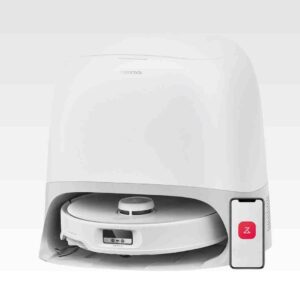
Odor control evidence was favorable because the dock washes and dries mop pads to help prevent stink.
Pros: Overall cleaning convenience, Runtime
Cons: Solution / Liquid system, Crevice / Groove Pickup (Hard Floors)
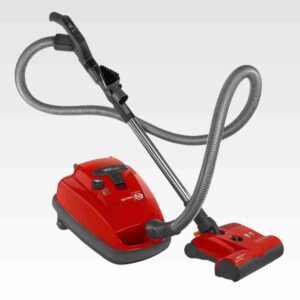
Odor control was positively tied to the bag and filter system reducing stale vacuum smells.
Pros: Versatility, Overall durability/longevity
Cons: Suitability for heavy-duty use, Hair-removal channel issues
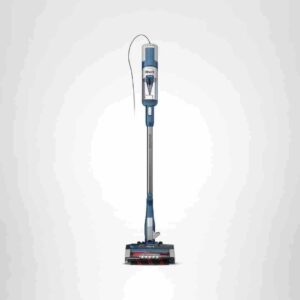
Odor control is strongly praised by most reviewers, though BestReviews was unsure whether it neutralized odors or simply scented the air.
Pros: Carpet — High-Pile Pickup, Hair Pickup — Carpets
Cons: Cord management, Bin and Bag
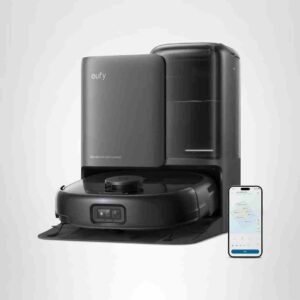
Odor control is a strength because heated drying and mop care were repeatedly linked to fewer musty smells.
Pros: Wool carpet compatibility, Hair‑Wrap / Tangle Resistance
Cons: Suitability for heavy-duty use, Edge‑Following Accuracy (Robot)
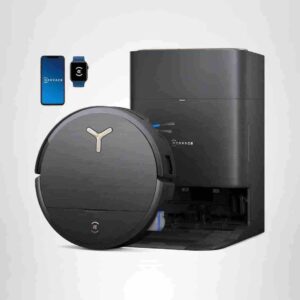
Odor-control evidence was positive, with praise for fresh-smelling mop maintenance and drying that helps prevent bacteria growth.
Pros: Carpet — Medium-Pile Pickup, Heating element
Cons: Clogging and debris prevention, Hair-removal channel issues
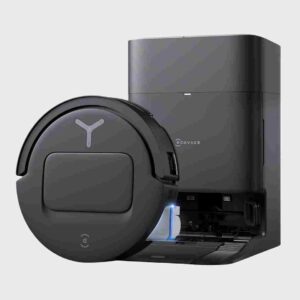
Odor control is positive because hot-air drying was said to reduce smells or remove odor worries after mop washing.
Pros: Innovation compared to competitors, Hard Floor — Large Debris Intake
Cons: Emptying and Mess Control, Cord management
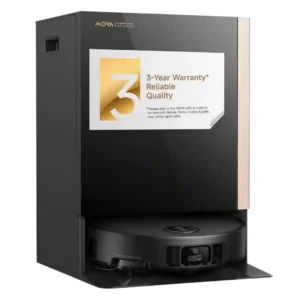
Odor-control evidence was positive because washed/dried pads and dock drying were described as preventing odors.
Pros: Obstacle Avoidance (Robot), Carpet — Medium-Pile Pickup
Cons: Dirty water sensor, Runtime
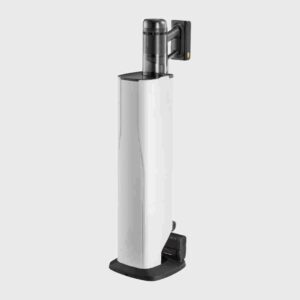
Heated drying was credited with helping prevent the roller from sitting wet, stinking, or developing mildew.
Pros: Pet-Ready Features, Software-update support / feature longevity
Cons: Upholstery / Above-Floor Pickup, Area Rug Handling
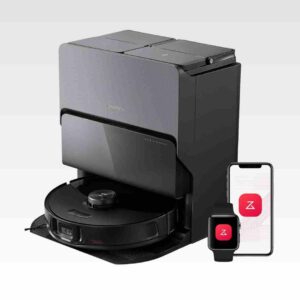
Odor control was praised through detergent dispensing and hot-air drying that reduce bacterial growth and musty smells.
Pros: Filtration / Dust Containment, Bin and Bag
Cons: Price and Value, Tool-change simplicity
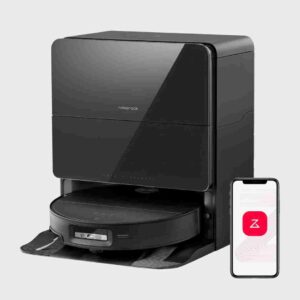
Dock drying and washing were credited with helping prevent odor and bacterial growth.
Pros: Noise level, Tool-change simplicity
Cons: Ongoing ownership costs (bags, filters
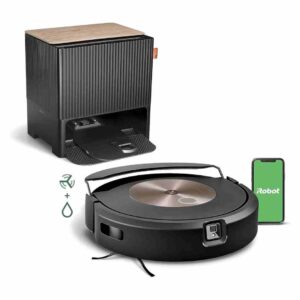
Odor control was viewed favorably because the no-dirty-water-bin approach was considered more sanitary and less messy.
Pros: Pet-Ready Features, Tool-change simplicity
Cons: Stair Cleaning, Build quality and durability
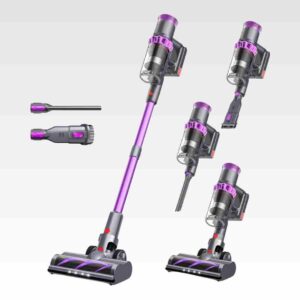
Odor control has limited but positive support from a user who reported no more smelly vacuuming.
Pros: Tool-change simplicity, Aesthetic design and finish
Cons: Support and Reliability, Overall durability/longevity
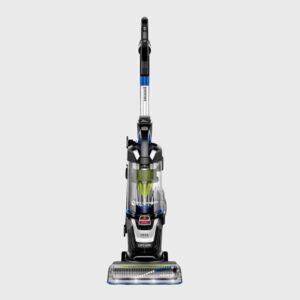
Odor control has limited but positive evidence, including a report of no dusty smell while vacuuming.
Pros: Wool carpet compatibility, Area Rug Handling
Cons: Edge and Baseboard Cleaning (Hard Floors), Airflow blowback
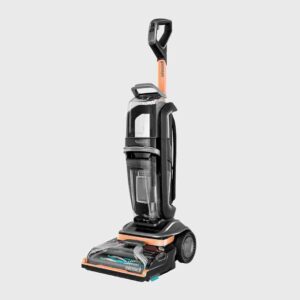
Odor evidence was positive but limited, with customer-review evidence in the transcript saying carpets smelled great after cleaning.
Pros: Pet-Ready Features, Tool-change simplicity
Cons: Cord length, Airflow blowback
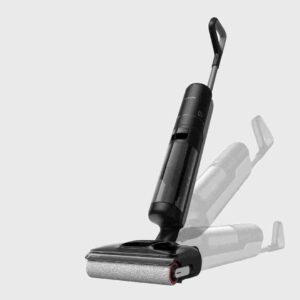
Odor control was praised after use, with no smell remaining on the rollers.
Pros: Accessories and Tools, Streaking / Residue
Cons: Convertible handheld design, Clogging and debris prevention
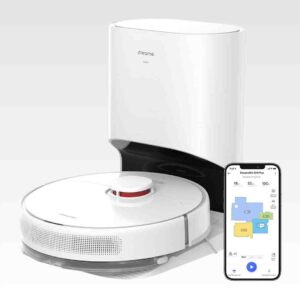
Odor control looked good in the mopping test that reported no odd smells after cleaning.
Pros: Carpet — High-Pile Pickup, Hair Pickup — Carpets
Cons: Dried-On Stain Removal, Suitability for small spaces
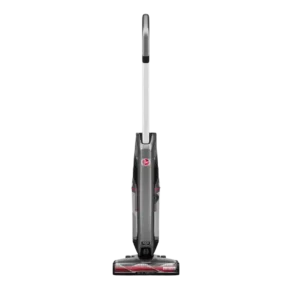
Odor-control evidence is limited but positive, tied to antimicrobial pet features that help prevent odor-causing bacteria.
Pros: Storage footprint and upright-stand stability, Assembly and Setup
Cons: Convertible handheld design, Upholstery / Above-Floor Pickup
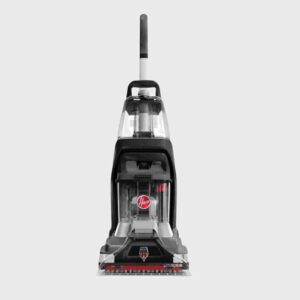
One household reviewer connected shampooing and deodorizing with a noticeable improvement in room feel.
Pros: Pet-Ready Features, Tool-change simplicity
Cons: Overall durability/longevity, Build quality and durability
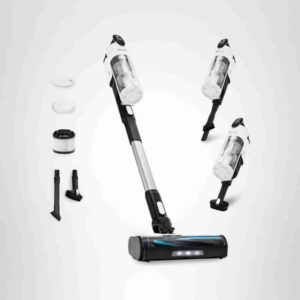
Odor-control evidence was limited but positive where filtration was said to keep vacuumed dust and odors out of the air.
Pros: Support and Reliability, Cordless convenience
Cons: Airflow blowback, Carpet — High-Pile Pickup
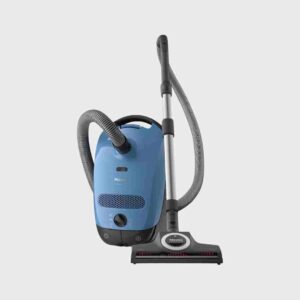
Odor control is supported by the optional Active AirClean filter, which is praised for activated-charcoal odor trapping.
Pros: Clogging and debris prevention, Filtration / Dust Containment
Cons: Cordless convenience, Hair‑Wrap / Tangle Resistance
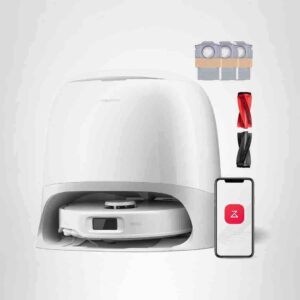
Odor control benefits from warm-air drying that helps prevent mold and unpleasant smells in the dock and mop pads.
Pros: Mopping performance, Controls and UI
Cons: Area Rug Handling, Accessories and Tools
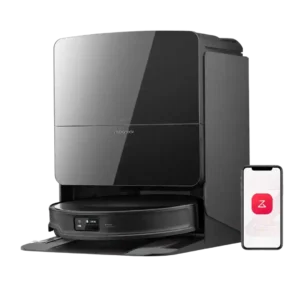
Hot-air drying and dock maintenance were credited with helping prevent stale mop odors.
Pros: Tool-change simplicity, Battery and Charging
Cons: Cord management, Support and Reliability
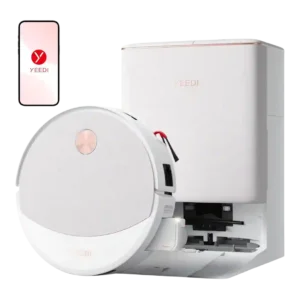
Odor control was praised because drying and self-cleaning features help prevent musty smells and buildup.
Pros: Hair-removal channel issues, Hair‑Wrap / Tangle Resistance
Cons: Accessories and Tools, Stair Cleaning
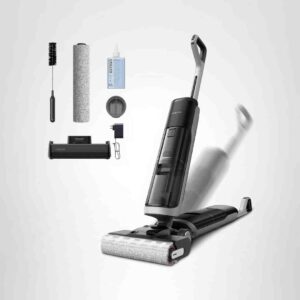
Odor control was a strength when the self-cleaning/drying system was used, though dirty water still needs to be emptied to avoid smells.
Pros: Crevice / Groove Pickup (Hard Floors), Hard Floor — Large Debris Intake
Cons: Sanitizing performance, Clogging and debris prevention
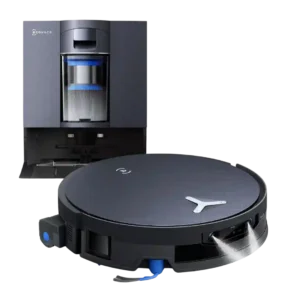
Odor control is tied to hot-air mop drying, which reviewers said helps avoid wet-mop smells.
Pros: Stuck resistance, Assembly and Setup
Cons: Clogging and debris prevention, Suitability for small spaces
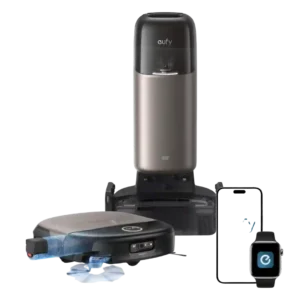
The fragrance system is polarizing: some homes noticed a pleasant, subtle freshness, while others could barely detect it. Dirty-water odors still require regular tank rinsing.
Pros: Pet-Ready Features, Filtration / Dust Containment
Cons: Ongoing ownership costs (bags, filters
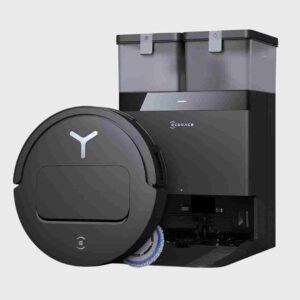
Odor control was positive, with mop drying and low smell after use noted by reviewers.
Pros: Innovation compared to competitors, Under-Furniture Pickup
Cons: Tool-change simplicity, Build quality and durability
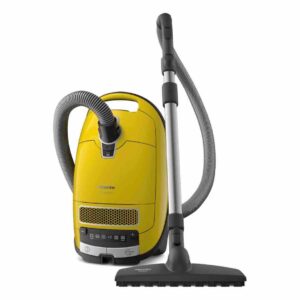
Odor control was useful for pet households, though one reviewer personally did not need the charcoal filter.
Pros: Stair Cleaning, Upholstery / Above-Floor Pickup
Cons: Packaging quality, Hair-removal channel issues
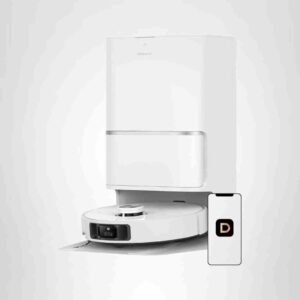
Hot-air mop drying was credited with reducing odors, but direct odor-control evidence was limited.
Pros: Energy efficiency (kWh), Stuck resistance
Cons: Support and Reliability, Streaking / Residue
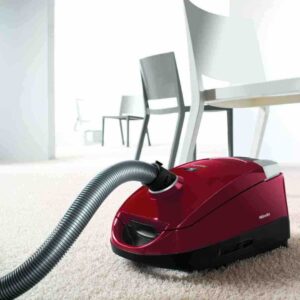
Odor control was praised on pet-focused configurations using activated charcoal or odor-absorbing filters.
Pros: Hard Floor — Fine Dust Pickup, Crevice / Groove Pickup (Hard Floors)
Cons: Floorhead Seal on Hard Floors, Ongoing ownership costs (bags
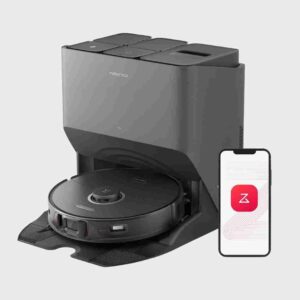
Odor control was a strength when the mop dryer worked, but dirty water still needed timely emptying and rinsing.
Pros: Ease of use, Overall cleaning convenience
Cons: Scratch resistance, Fresh Liquid Pickup Speed
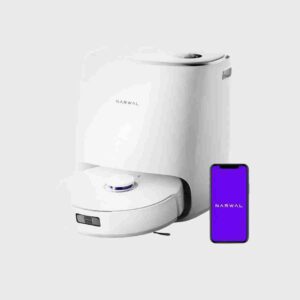
Odor control is positive, with reviewers noting the dock or floors did not hold strong smells after drying or cleaning.
Pros: Accessories and Tools, Storage footprint and upright-stand stability
Cons: Heating element, Suitability for heavy-duty use