Best for Sanitizing performance
Narwal Flow 2
5.0 feature score
Highest scored product for this feature based on supporting review evidence.
Highest scored product for this feature based on supporting review evidence.
Balances feature score, supporting reviews, and overall product strength.
Has the broadest review evidence for this feature.
Strongest overall product among items with scored evidence for this feature.
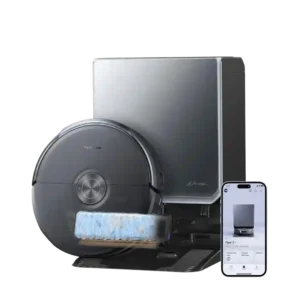
Hot-water washing and warm-air drying help keep the mop and debris bag fresher between uses. The system adds useful hygiene, even though floor-level water temperatures are not true sterilization.
Pros: Pet-Ready Features, Accessories and Tools
Cons: Automatic shutoff for obstructions, Crevice / Groove Pickup (Hard Floors)
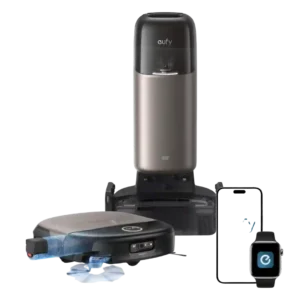
Electrolyzed water, hot washing and continuous roller cleaning give the S2 unusually strong hygiene features. The system is especially appealing for homes with children or pets.
Pros: Pet-Ready Features, Filtration / Dust Containment
Cons: Ongoing ownership costs (bags, filters
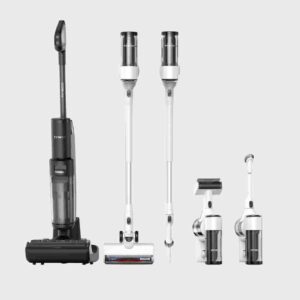
Sanitizing evidence was positive where steam and hot systems were credited with bacteria-killing or hygiene benefits.
Pros: Pet-Ready Features, Build quality and durability
Cons: Emptying and Mess Control, Battery and Charging
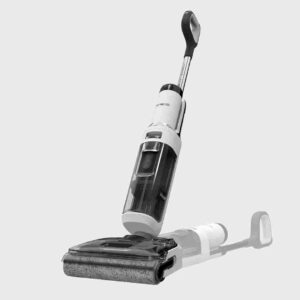
Hot-water self-cleaning was credited with sanitizing the roller.
Pros: Innovation compared to competitors, Low-profile design
Cons: Dock noise, Noise level
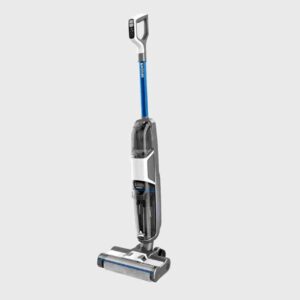
Sanitizing evidence was limited to HydroSteam, where reviewers linked extra heat and steam to better sanitizing power.
Pros: Cord length, Cordless convenience
Cons: Under-Furniture Pickup, Crevice / Groove Pickup (Hard Floors)
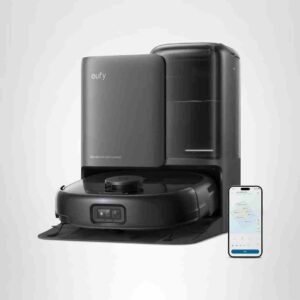
Hygiene/sanitizing-related feedback is positive because mop cleaning and drying left reviewers confident the roller stayed cleaner.
Pros: Wool carpet compatibility, Hair‑Wrap / Tangle Resistance
Cons: Suitability for heavy-duty use, Edge‑Following Accuracy (Robot)
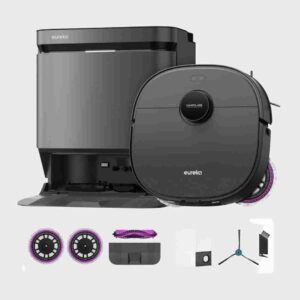
Sanitizing-related performance was praised through the hot-air drying and mop cleaning that kept pads hygienic and mildew-free.
Pros: Floorhead design, Hair‑Wrap / Tangle Resistance
Cons: Low-profile design, Cord management
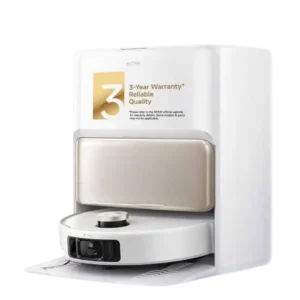
Sanitizing evidence is positive but narrow, focused on fresh, dry mop outcomes and UV/bacteria-reduction features described by reviewers.
Pros: Accessories and Tools, Hard Floor — Fine Dust Pickup
Cons: Airflow blowback, Scratch resistance
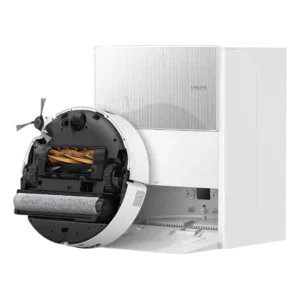
Reviewers consistently judged Sanitizing performance as a strength, with evidence showing strong real-world performance.
Pros: Hair‑Wrap / Tangle Resistance, Versatility
Cons: Stair Cleaning, Clogging and debris prevention
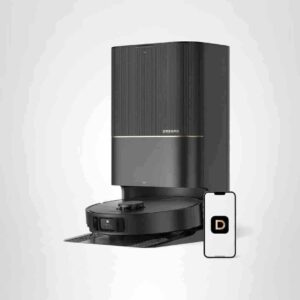
Sanitizing performance is supported by hot-water mop cleaning that reviewers linked to killing bacteria.
Pros: Edge‑Following Accuracy (Robot), Support and Reliability
Cons: Ongoing ownership costs (bags, filters
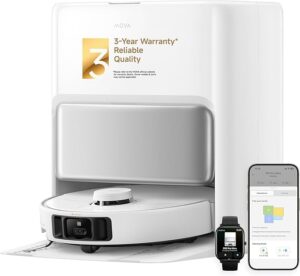
Sanitizing evidence was positive, with reviewers valuing hot-water mop washing and clean, dry mop pads before reuse.
Pros: Hair Pickup — Hard Floors, Corner Cleaning (Robot)
Cons: Carpet — High-Pile Pickup, Support and Reliability
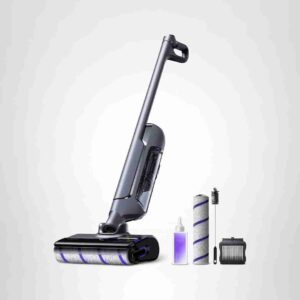
Sanitizing support comes from the heated self-drying/self-cleaning discussion, which reviewers linked to cleaner, less bacteria-friendly rollers.
Pros: Pet-Ready Features, Noise level
Cons: Reverse cleaning performance, Suitability for heavy-duty use
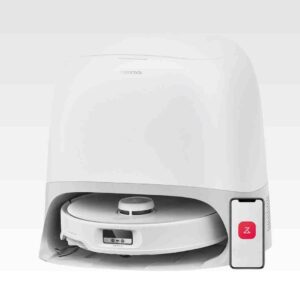
Hygiene-related evidence was positive because hot-water mop cleaning was described as efficient and hygienic.
Pros: Overall cleaning convenience, Runtime
Cons: Solution / Liquid system, Crevice / Groove Pickup (Hard Floors)
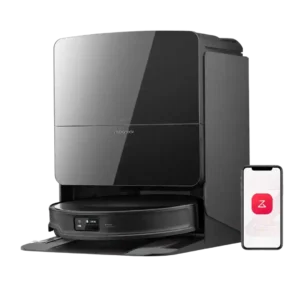
Hot-water washing was credited with better hygiene and sanitizing support than cold water alone.
Pros: Tool-change simplicity, Battery and Charging
Cons: Cord management, Support and Reliability
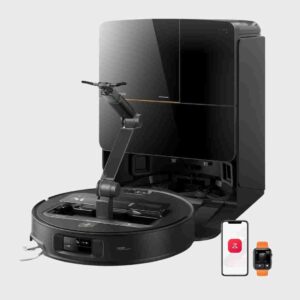
Sanitizing performance is supported positively by hot-water washing and mop-pad drying described as more sanitary.
Pros: Noise level, Maneuverability and Handling
Cons: Clogging and debris prevention, Bin and Bag
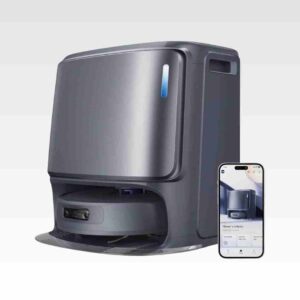
Sanitizing and hygiene evidence was positive thanks to hot-water/heat features and hygienic self-cleaning.
Pros: Build quality and durability, Ease of use
Cons: Large debris handling, Kid-friendliness
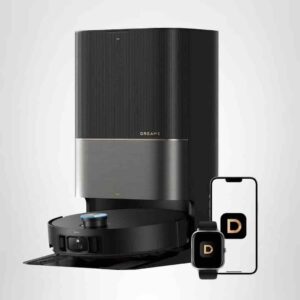
Sanitizing evidence was positive but narrow, tied to UV lamp bacteria-removal technology in the dock and mop-cleaning system.
Pros: Hair Pickup — Carpets, Noise level
Cons: Crevice / Groove Pickup (Hard Floors), Edge‑Following Accuracy (Robot)
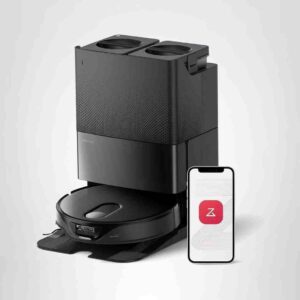
Hot-water mop washing was viewed positively for sanitizing and improving the mopping result.
Pros: Surface safety with attachments, Area Rug Handling
Cons: Accessories and Tools, Clogging and debris prevention
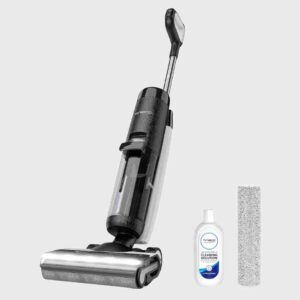
Sanitizing/deodorizing performance gets positive evidence from Ultra/electrolyzed-water use, though it is discussed as part of floor cleaning rather than lab sanitation.
Pros: Hair Pickup — Hard Floors, Hard Floor — Fine Dust Pickup
Cons: Area Rug Handling, Dirty water sensor
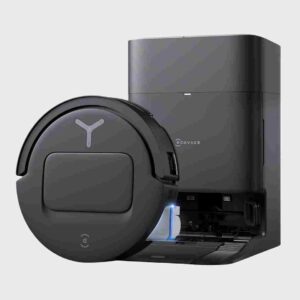
Sanitizing evidence is positive because reviewers linked self-washing, clean-water mopping and reduced cross-contamination with better hygiene.
Pros: Innovation compared to competitors, Hard Floor — Large Debris Intake
Cons: Emptying and Mess Control, Cord management
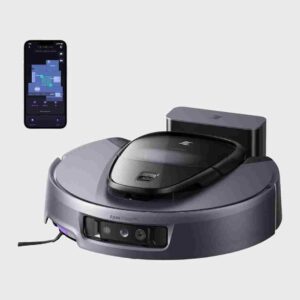
Sanitizing comments were favorable but based on reviewer acceptance of the UV hygiene feature rather than independent lab sanitation testing.
Pros: Ongoing ownership costs (bags, filters
Cons: Floor Drying Time, Odor control
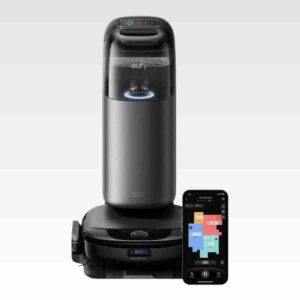
The ozone/sanitizing water system was treated as a notable cleaning feature, though evidence was mostly tied to the water system rather than independent lab verification.
Pros: Storage footprint and upright-stand stability, Maneuverability and Handling
Cons: Hair Pickup — Carpets, Clogging and debris prevention
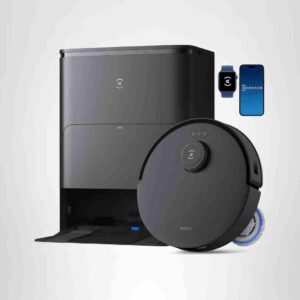
Hot-water mop washing was credited with reducing cross-contamination, supporting a stronger hygiene case than basic pad rinsing.
Pros: Clogging and debris prevention, Battery and Charging
Cons: Suitability for heavy-duty use, Suitability for small spaces
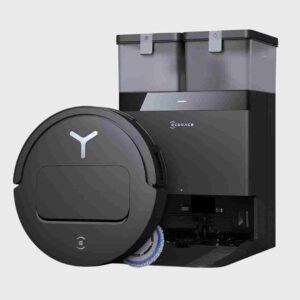
The hot-water mop wash was described as sanitizing and reducing the chance of dragging a dirty mop around.
Pros: Innovation compared to competitors, Under-Furniture Pickup
Cons: Tool-change simplicity, Build quality and durability
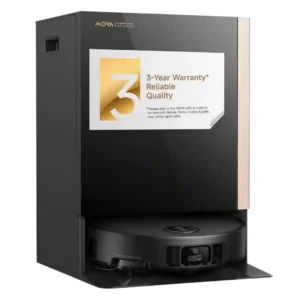
Sanitizing evidence was positive around hot-water mop cleaning helping sanitize pads.
Pros: Obstacle Avoidance (Robot), Carpet — Medium-Pile Pickup
Cons: Dirty water sensor, Runtime
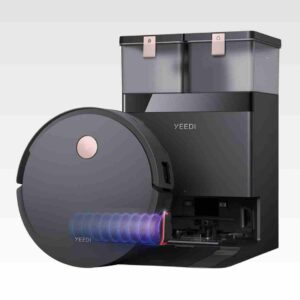
One reviewer appreciated mop drying because it helps avoid buildup of bacteria, mold and mildew.
Pros: Pet-Ready Features, Hair Pickup — Carpets
Cons: Odor control, Build quality and durability
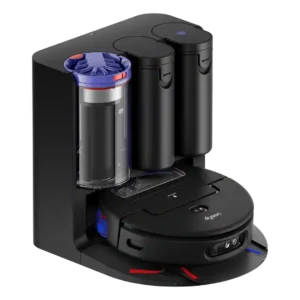
Sanitizing-related evidence centered on the heated, hygienic roller system, which reviewers associated with cleaner, fresher mopping rather than independently verified sanitization.
Pros: Fresh Liquid Pickup Speed, Ongoing ownership costs (bags
Cons: Filtration / Dust Containment, Under-Furniture Pickup
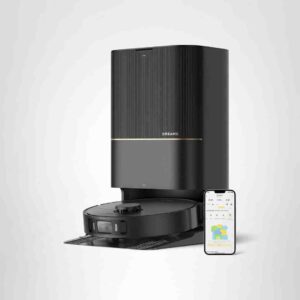
Hot-water dock washing was credited with reducing stain residue and bacterial odors.
Pros: Heating element, Floor shine after cleaning
Cons: Support and Reliability, Suitability for small spaces
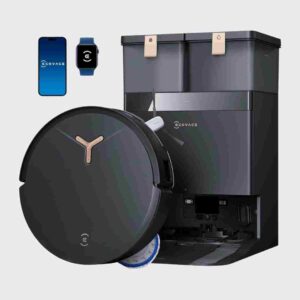
One reviewer described the hot-air drying process as hygienic, helping prevent bacteria and odors on mop pads.
Pros: Packaging quality, Dried-On Stain Removal
Cons: Overall durability/longevity, Support and Reliability
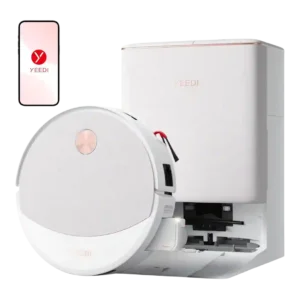
One review framed the heated fresh-water washing system as more hygienic, but evidence was limited to station washing rather than verified sanitization.
Pros: Hair-removal channel issues, Hair‑Wrap / Tangle Resistance
Cons: Accessories and Tools, Stair Cleaning
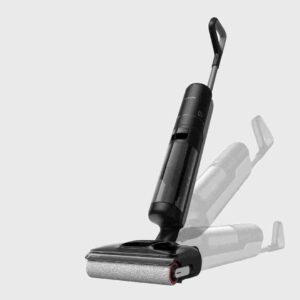
Sanitizing impressions were mixed: one reviewer doubted the practical utility of electrolysis, while another praised the bacteria-reduction system.
Pros: Accessories and Tools, Streaking / Residue
Cons: Convertible handheld design, Clogging and debris prevention
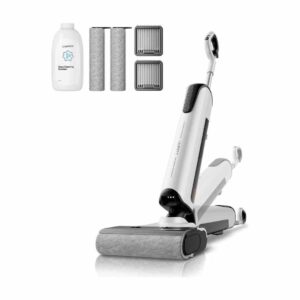
Sanitizing feedback was mixed: one review could not verify the claimed disinfection, while another home test saw visible bacteria reduction after cleaning.
Pros: Pet-Ready Features, Assembly and Setup
Cons: Dock noise, Reverse cleaning performance
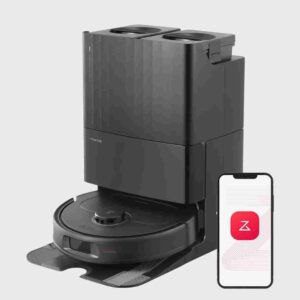
Sanitizing was a limitation because reviewers missed hot-water mop washing and noted the sanitation tradeoff.
Pros: Overall durability/longevity, Controls and UI
Cons: Sanitizing performance, Heating element
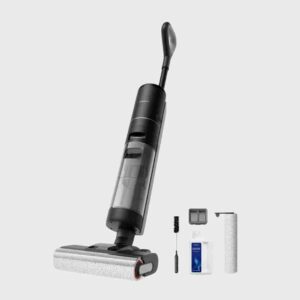
Sanitizing claims were treated skeptically; the reviewer could not verify the electrolysis benefit and advised caution.
Pros: Crevice / Groove Pickup (Hard Floors), Hair‑Wrap / Tangle Resistance
Cons: Hair Pickup — Carpets, Bin and Bag
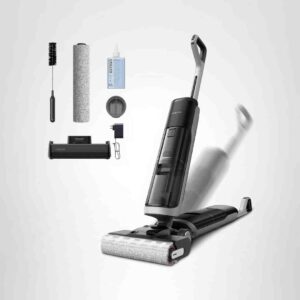
The disinfecting claim drew skepticism from one reviewer who questioned whether electrolyzed water meaningfully disinfects during normal use.
Pros: Crevice / Groove Pickup (Hard Floors), Hard Floor — Large Debris Intake
Cons: Sanitizing performance, Clogging and debris prevention
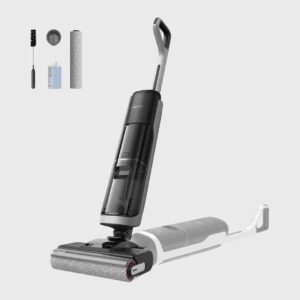
Sanitizing claims were questioned by one reviewer, who viewed electrolyzed-water Ultra mode as more marketing than meaningful cleaning.
Pros: Convertible handheld design, Under-Furniture Pickup
Cons: Sanitizing performance, Debris illumination
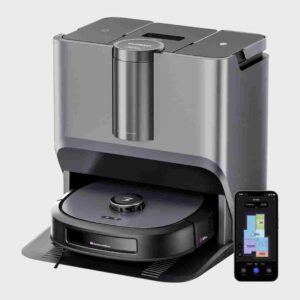
Sanitizing performance received negative evidence because the lack of hot mop-washing water made the process feel less hygienic to one reviewer.
Pros: Packaging quality, Versatility
Cons: Carpet — Medium-Pile Pickup, Support and Reliability
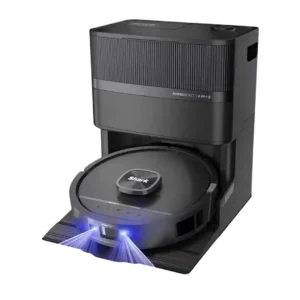
Sanitizing evidence was limited and cautioned that UV light itself does not sanitize quickly during a pass-over.
Pros: Tool-change simplicity, Versatility
Cons: Value-for-money, Support and Reliability
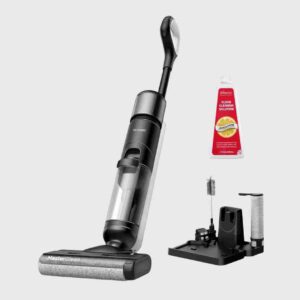
Sanitizing evidence was skeptical, with one reviewer questioning whether the disinfection mode could literally disinfect.
Pros: Suction and Airflow, Stair Cleaning
Cons: Upholstery / Above-Floor Pickup, Area Rug Handling
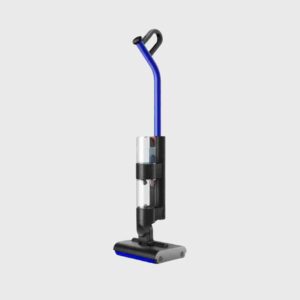
Sanitizing is a limitation because reviewers wanted oxygenation or noted it cannot sanitize floors.
Pros: Packaging quality, Cordless convenience
Cons: Support and Reliability, Steam Cleaning
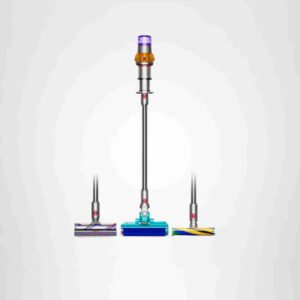
Sanitizing feedback was negative because the Submarine cannot steam-sterilize floors.
Pros: Support and Reliability, Headlight and LED lights
Cons: Dirty water sensor, Steam Cleaning