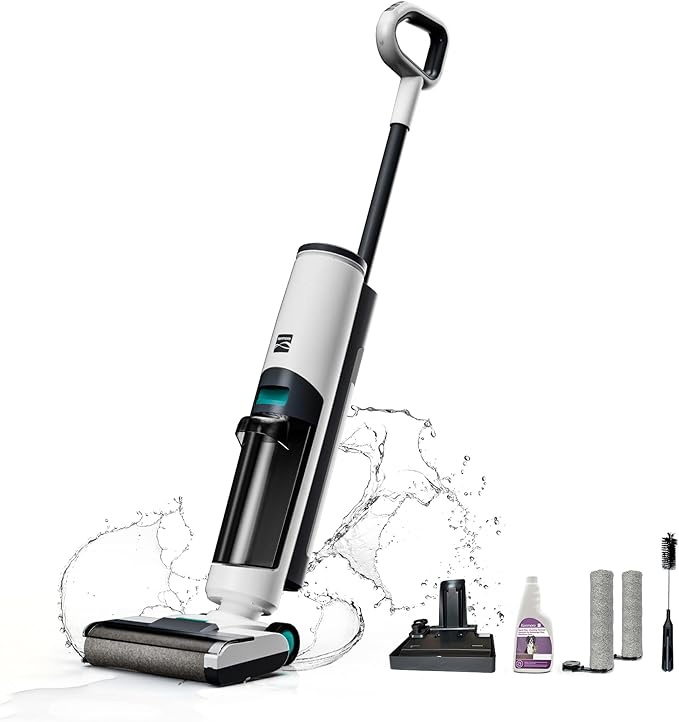
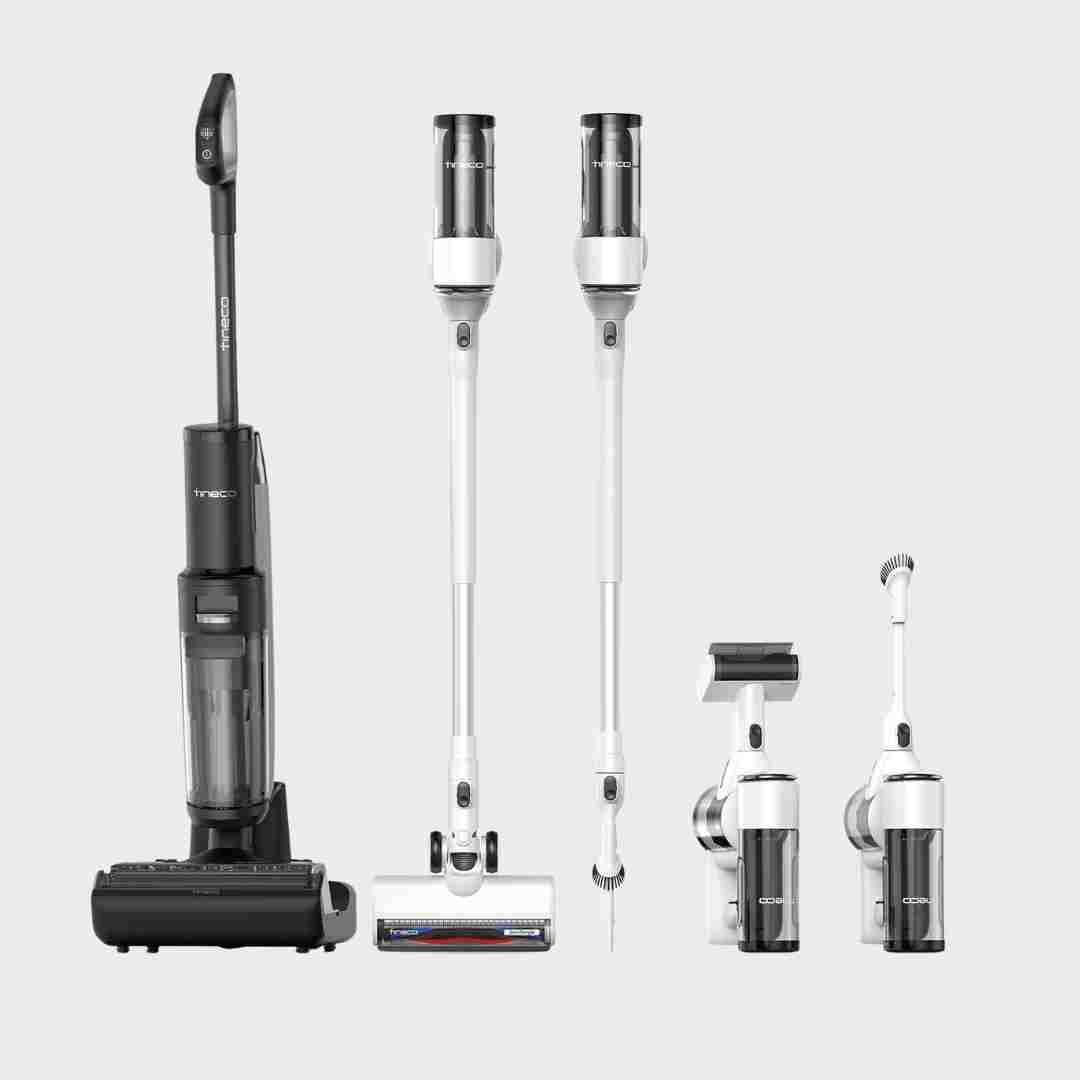
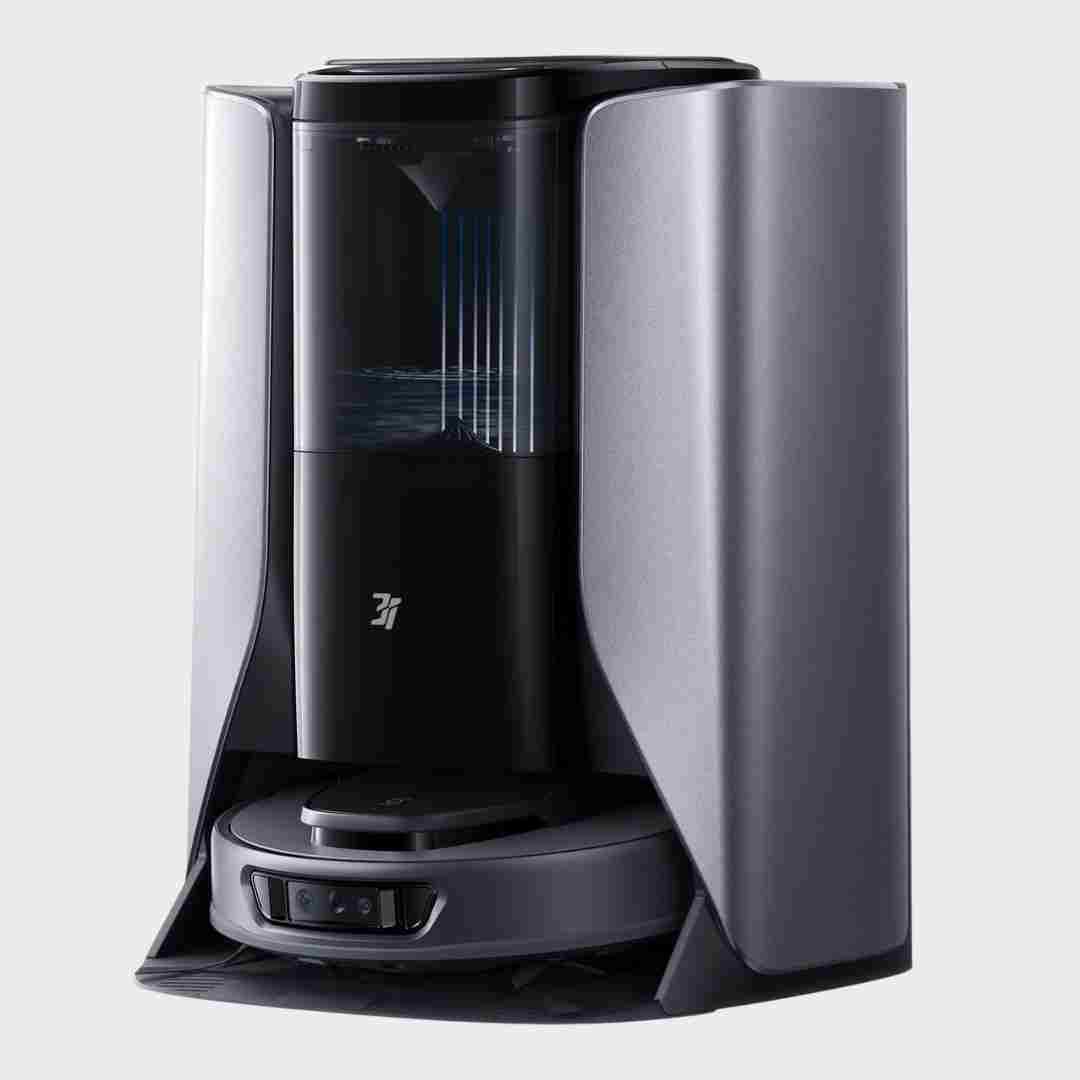
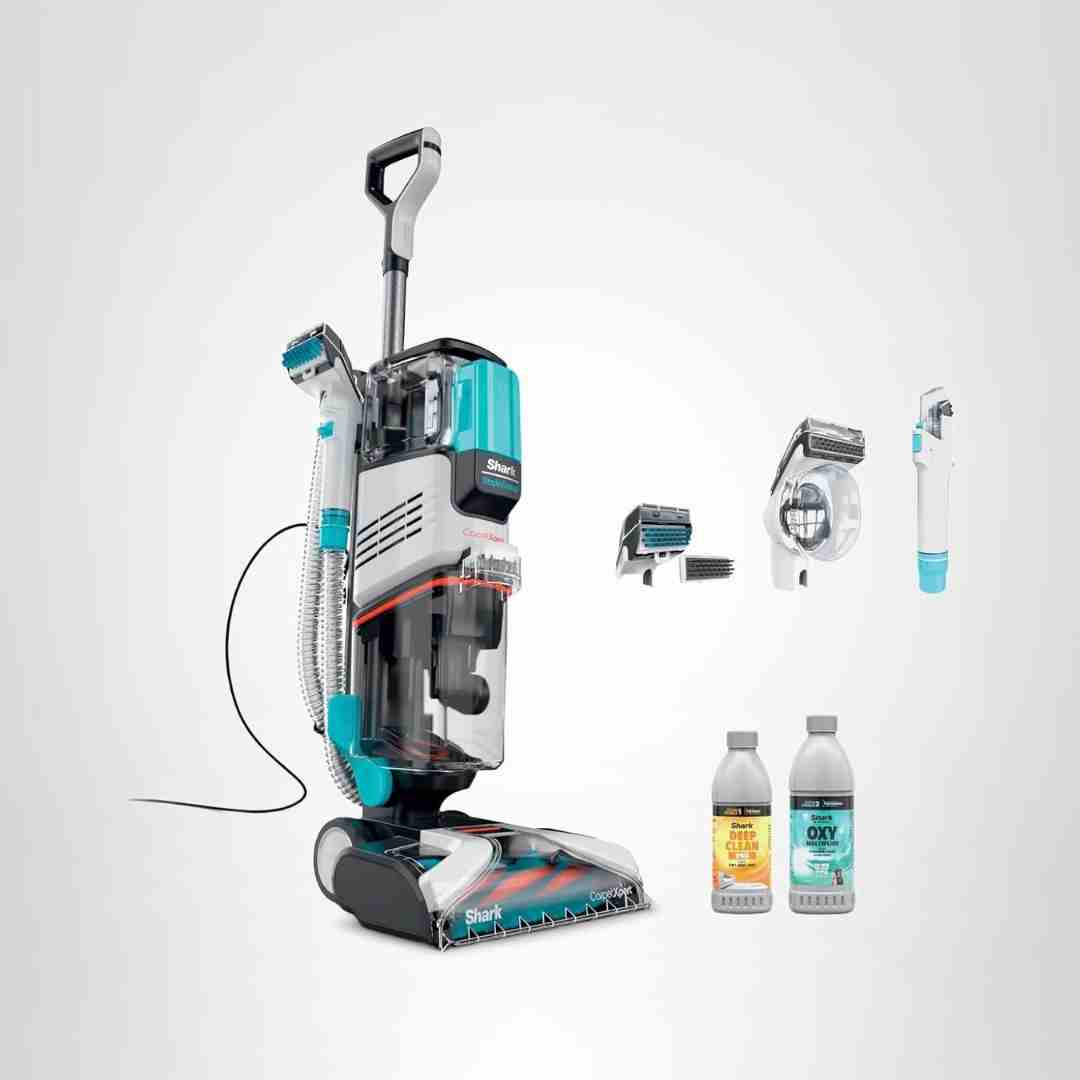
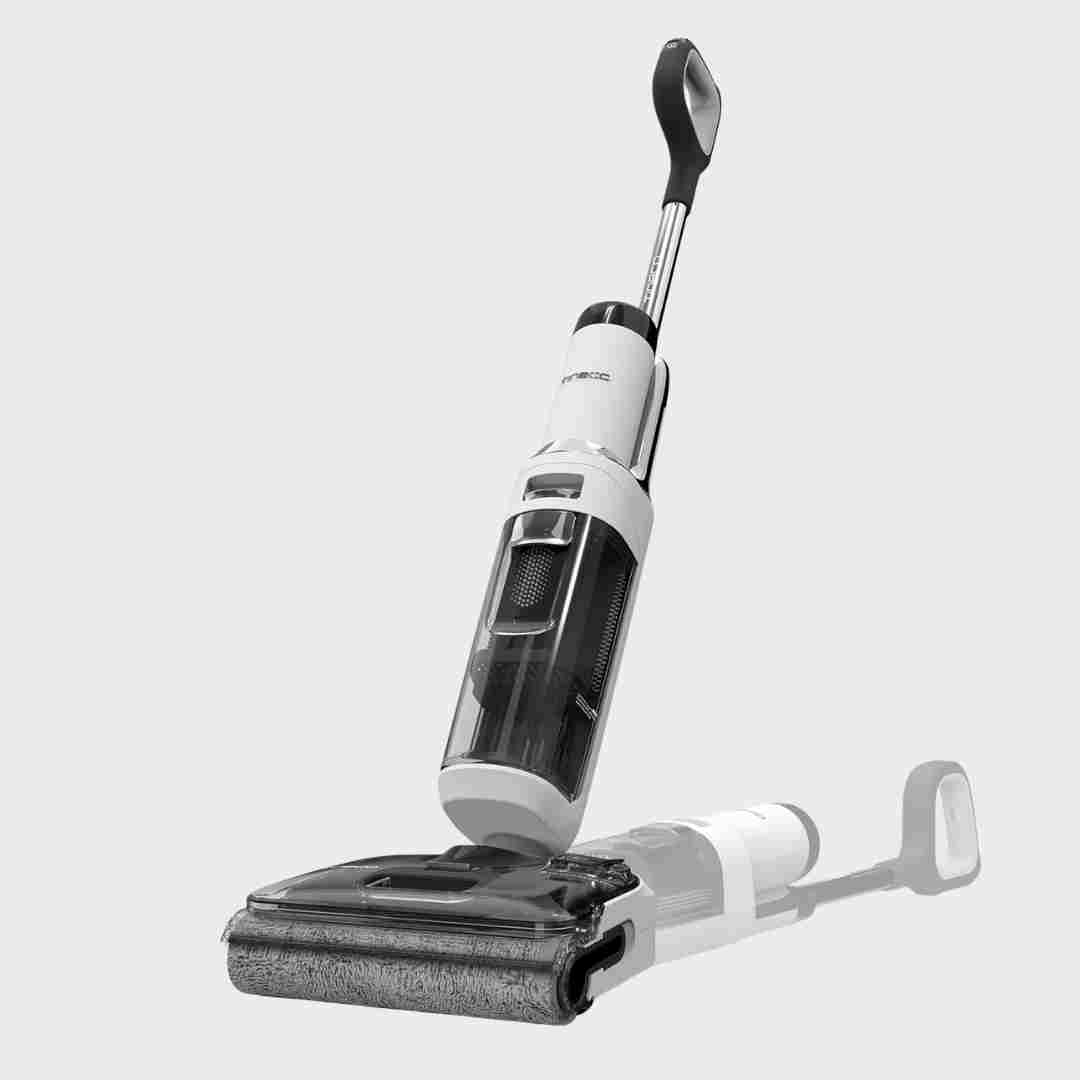
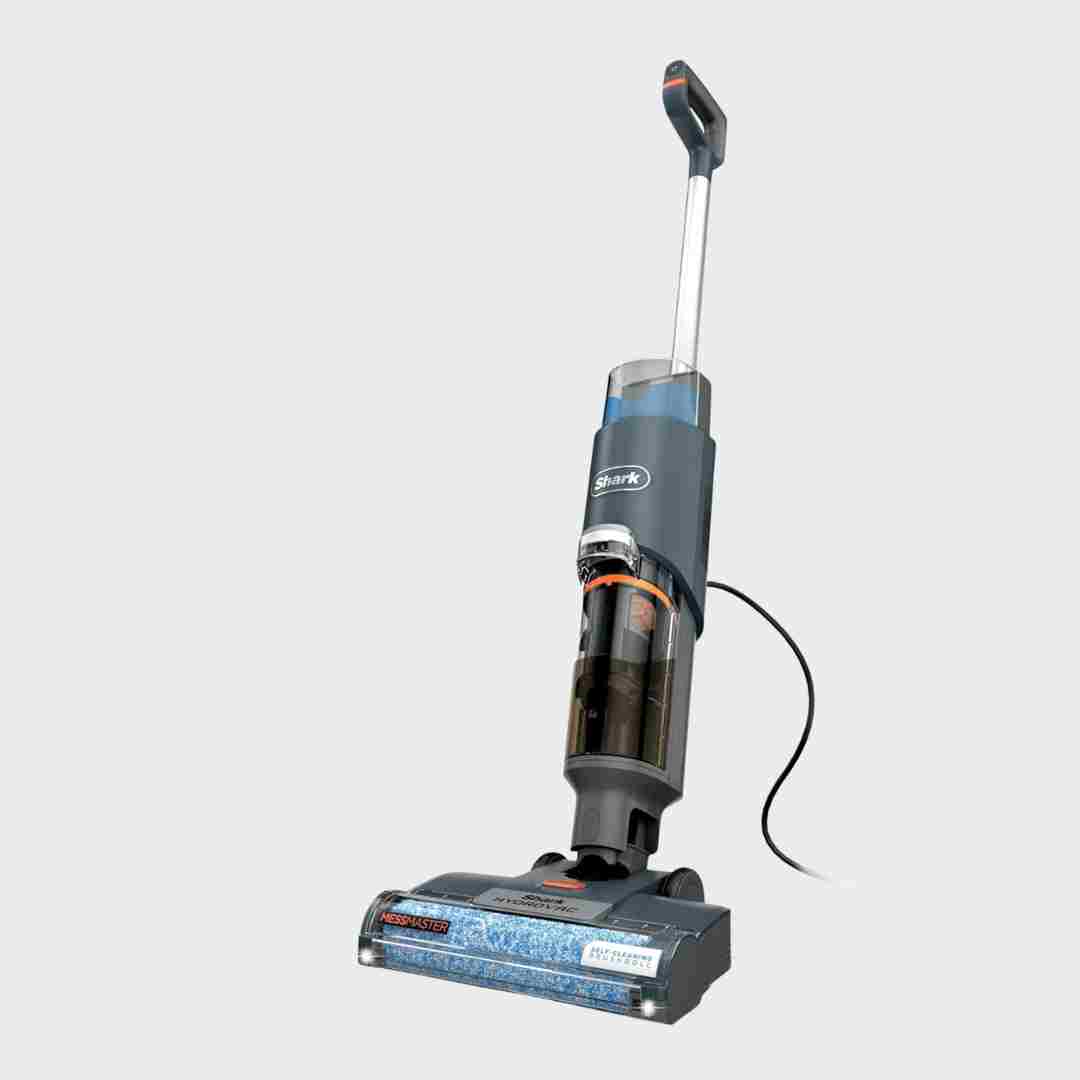
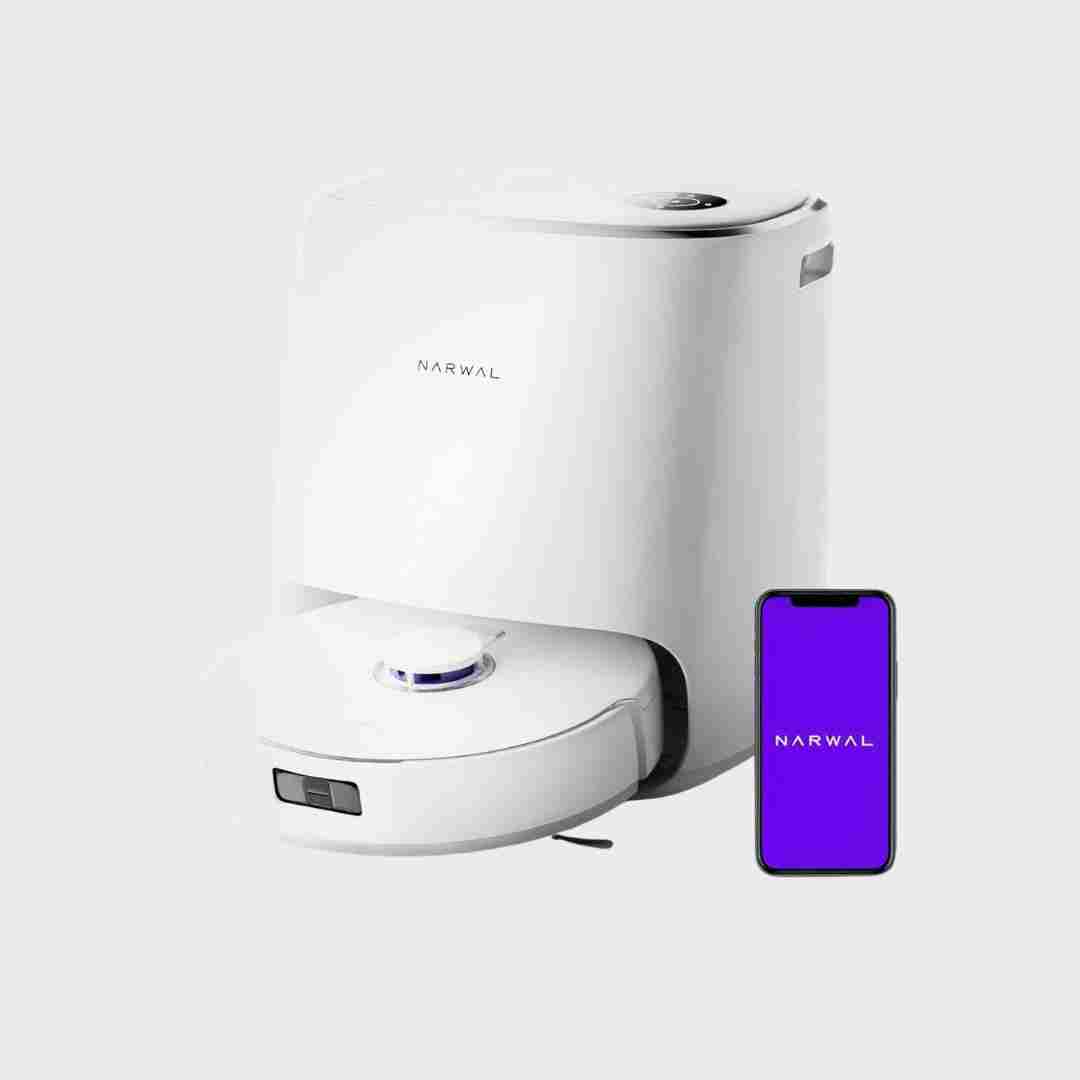
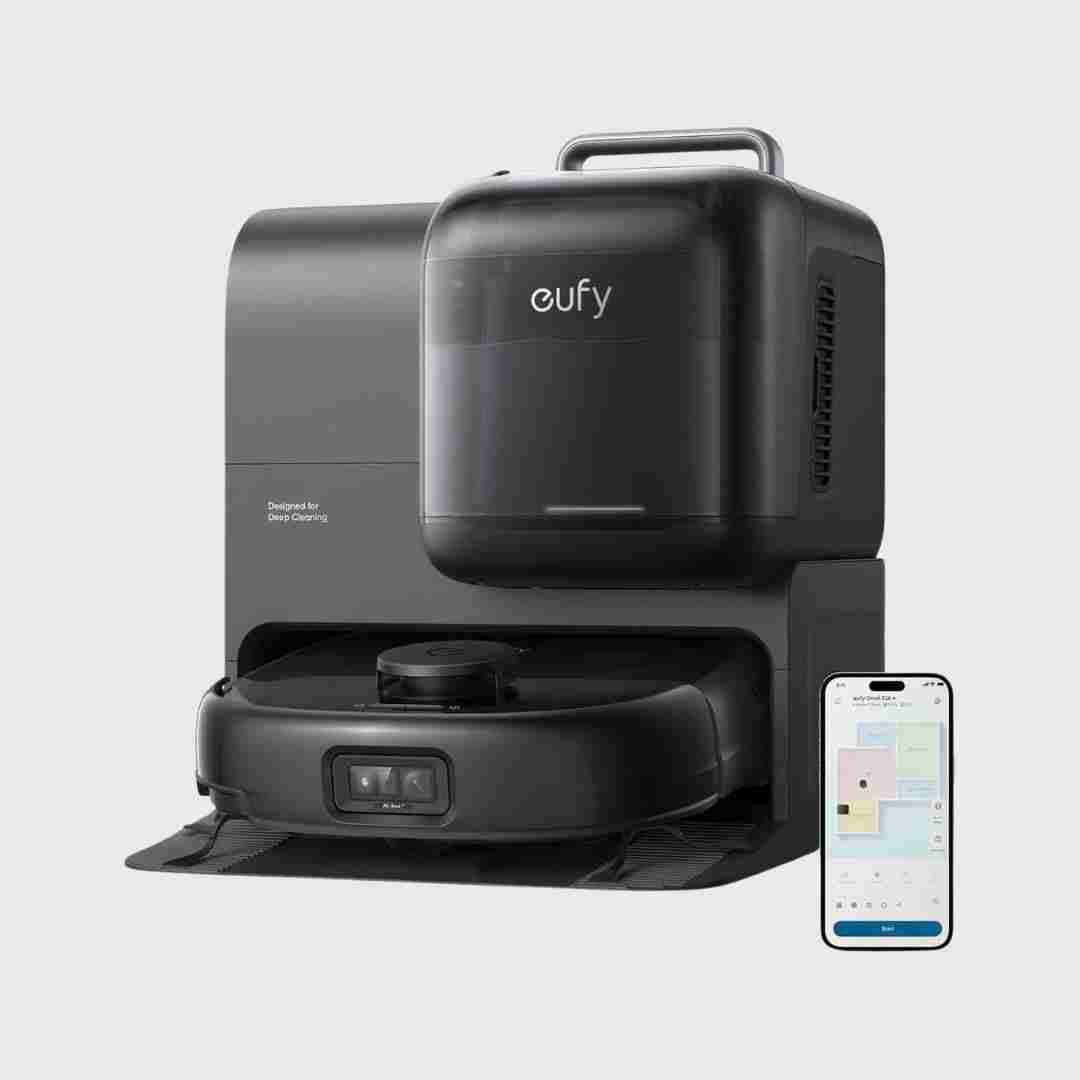
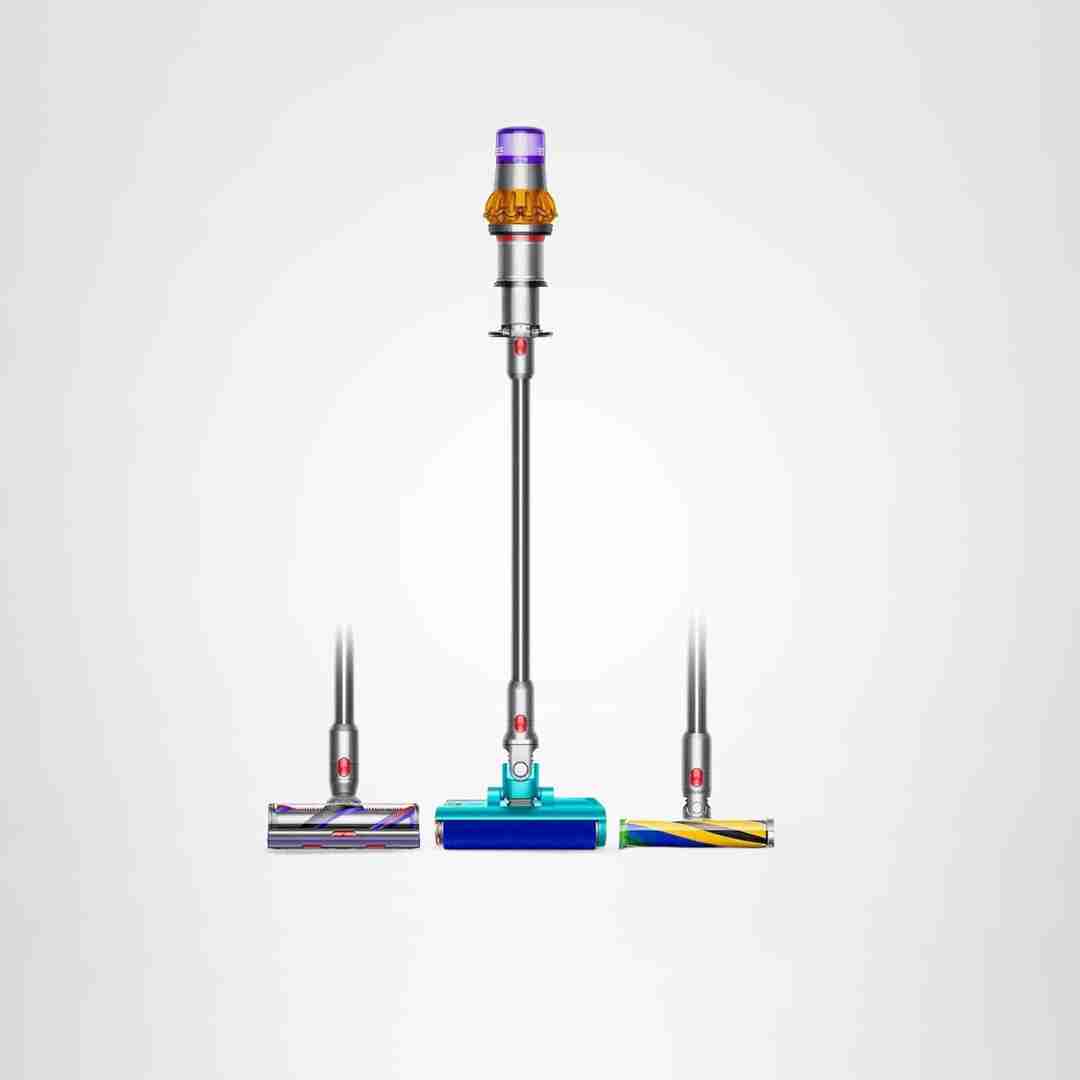
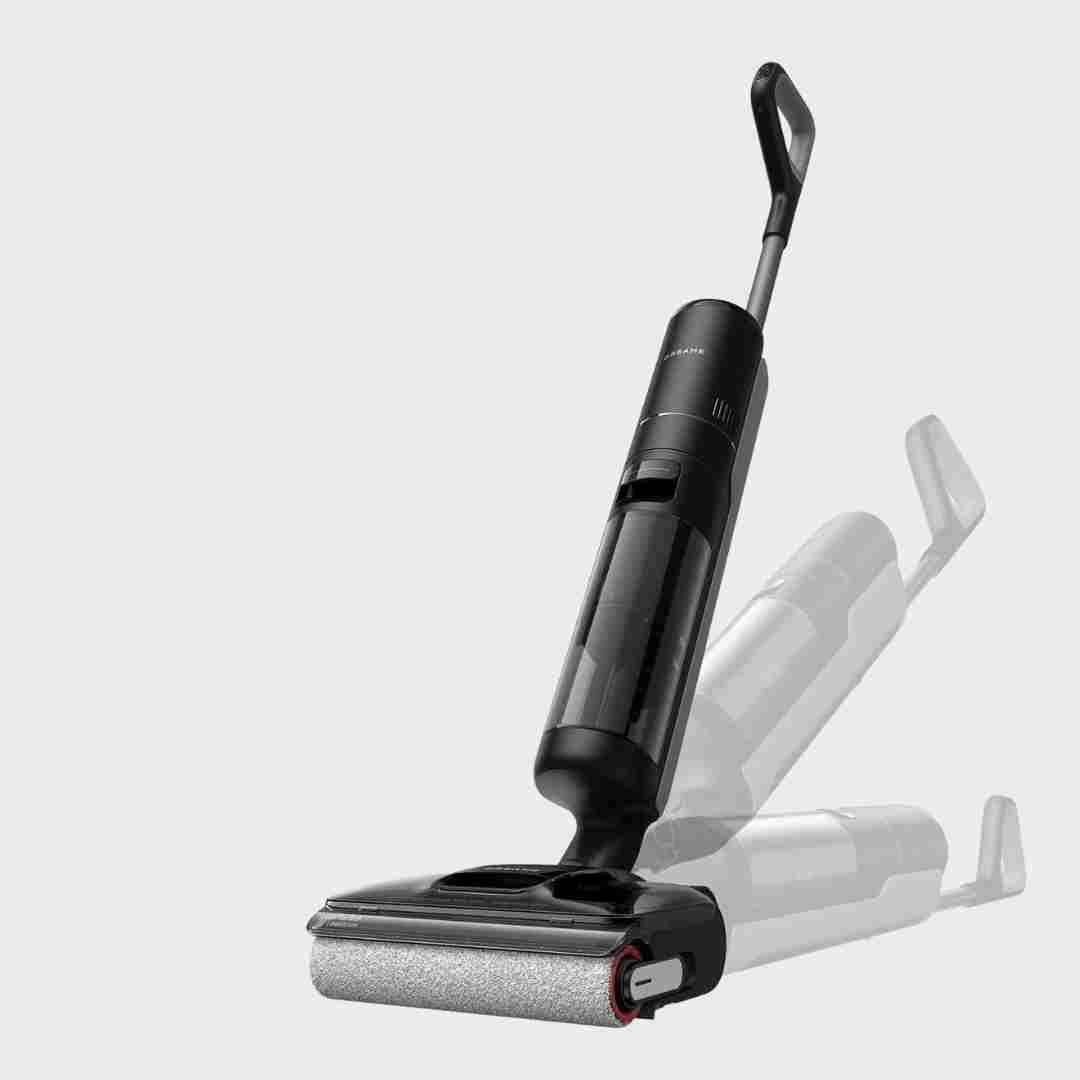
Reviews frequently praise efficient water usage (low use per square foot) paired with strong cleaning, plus simple trigger dispensing, clean/dirty separation, and clear indicators for when solution is running low.
The separate detergent reservoir and auto-dosing system are frequently praised, often described as lasting up to about 40 days and allowing solution on or off control. Reviewers also like having a suction-only mode for liquid pickup without spraying detergent.
Solution/liquid handling is a differentiator: multiple reviews describe onboard clean/dirty water handling and dock detergent/solution features that improve hygiene and reduce smear compared to pad systems.
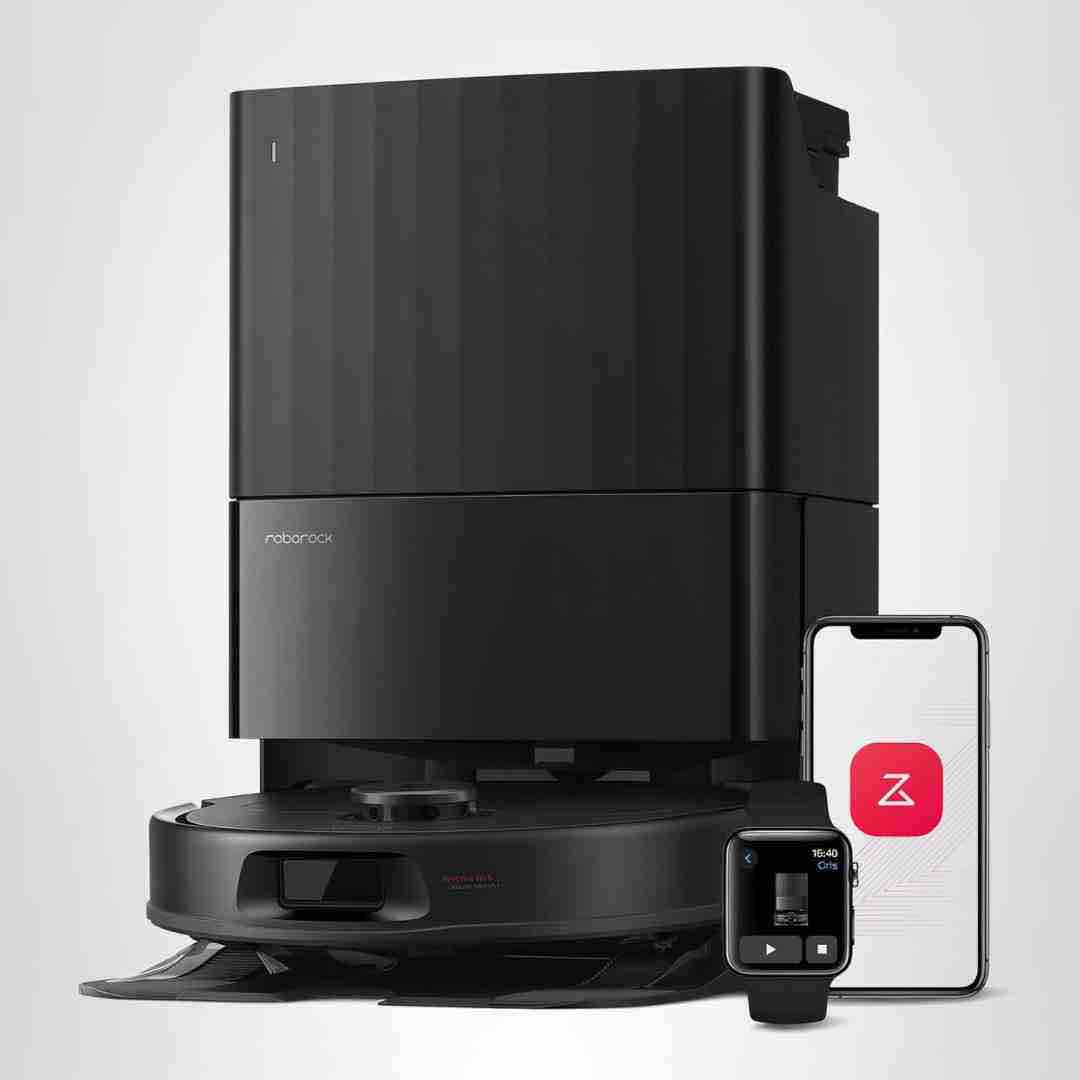
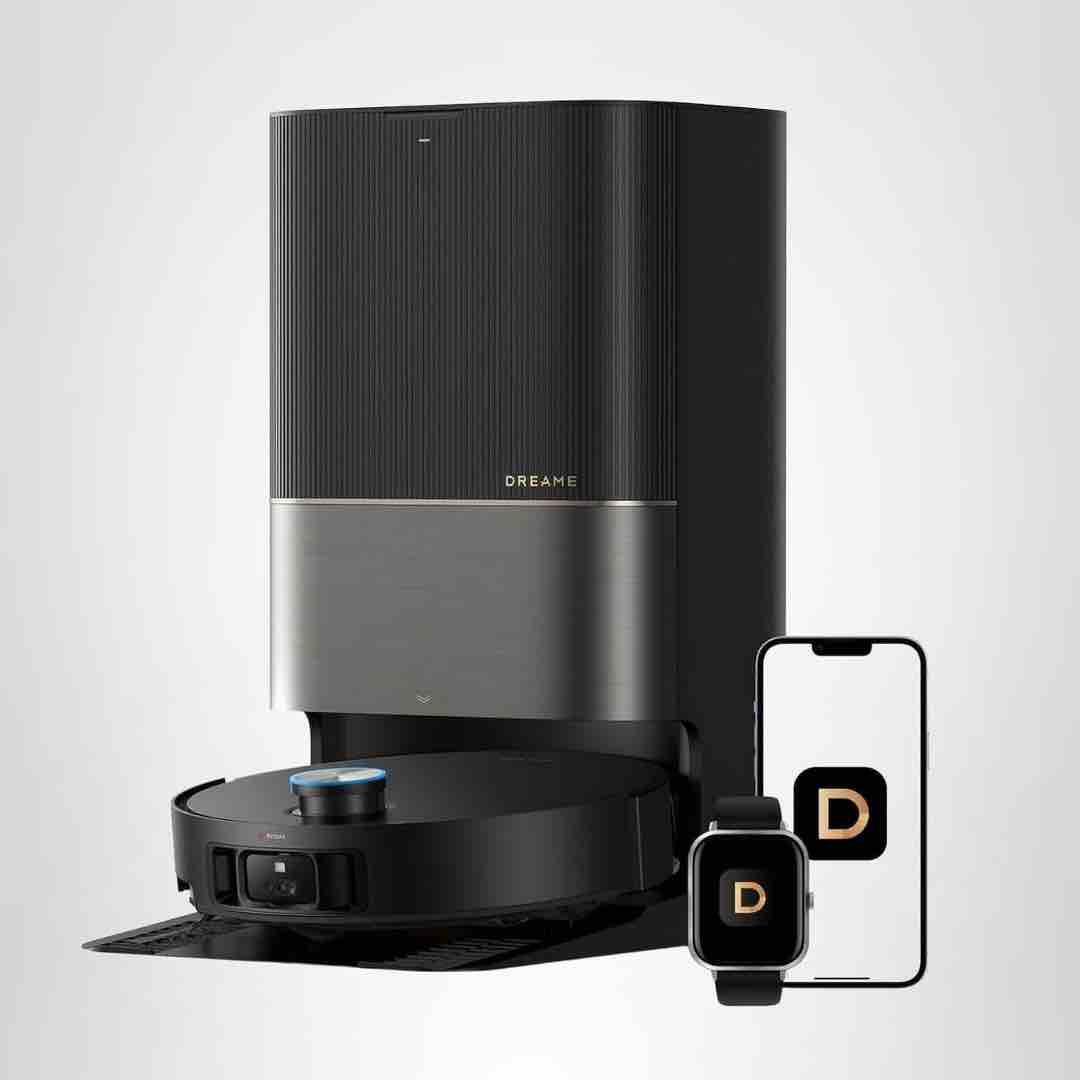
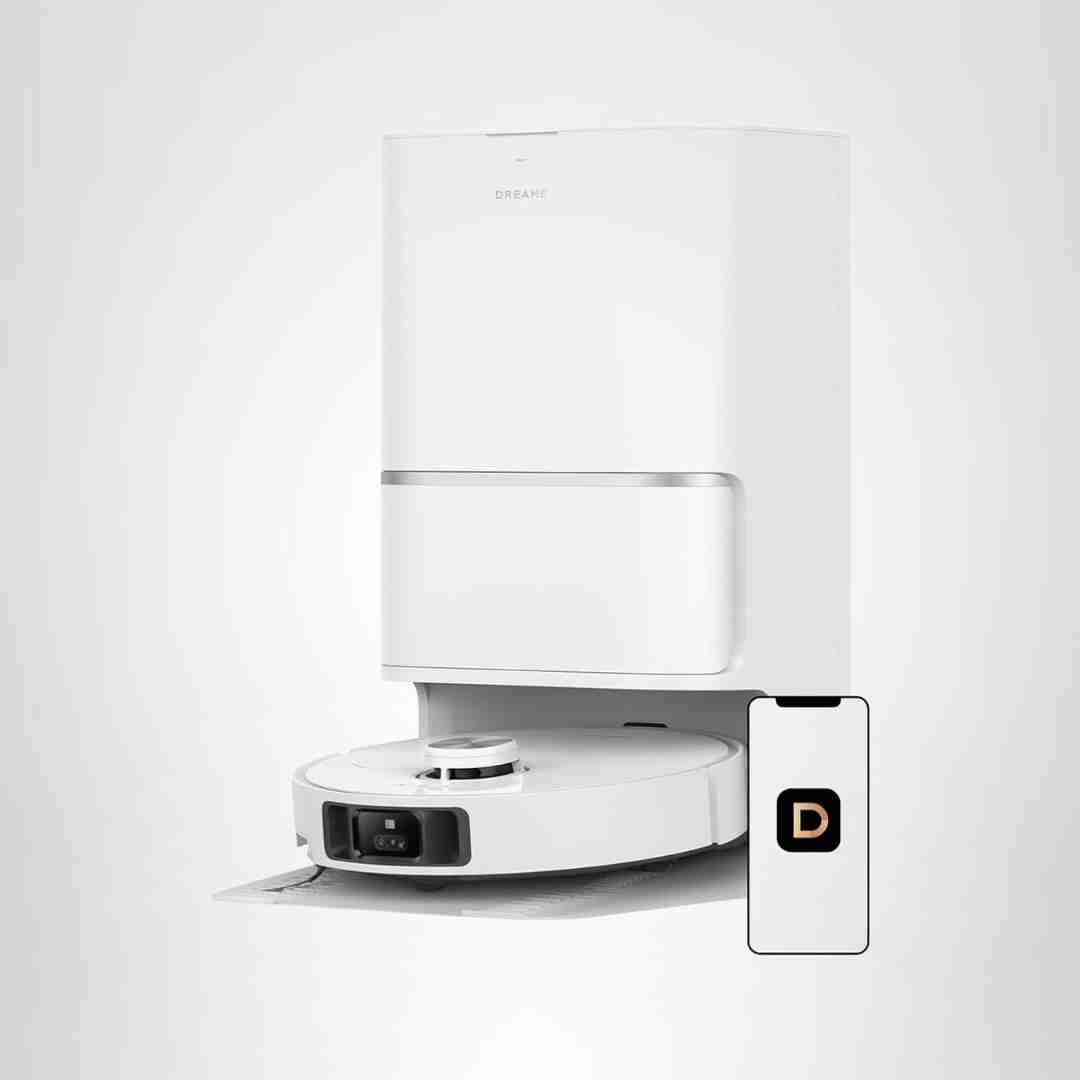
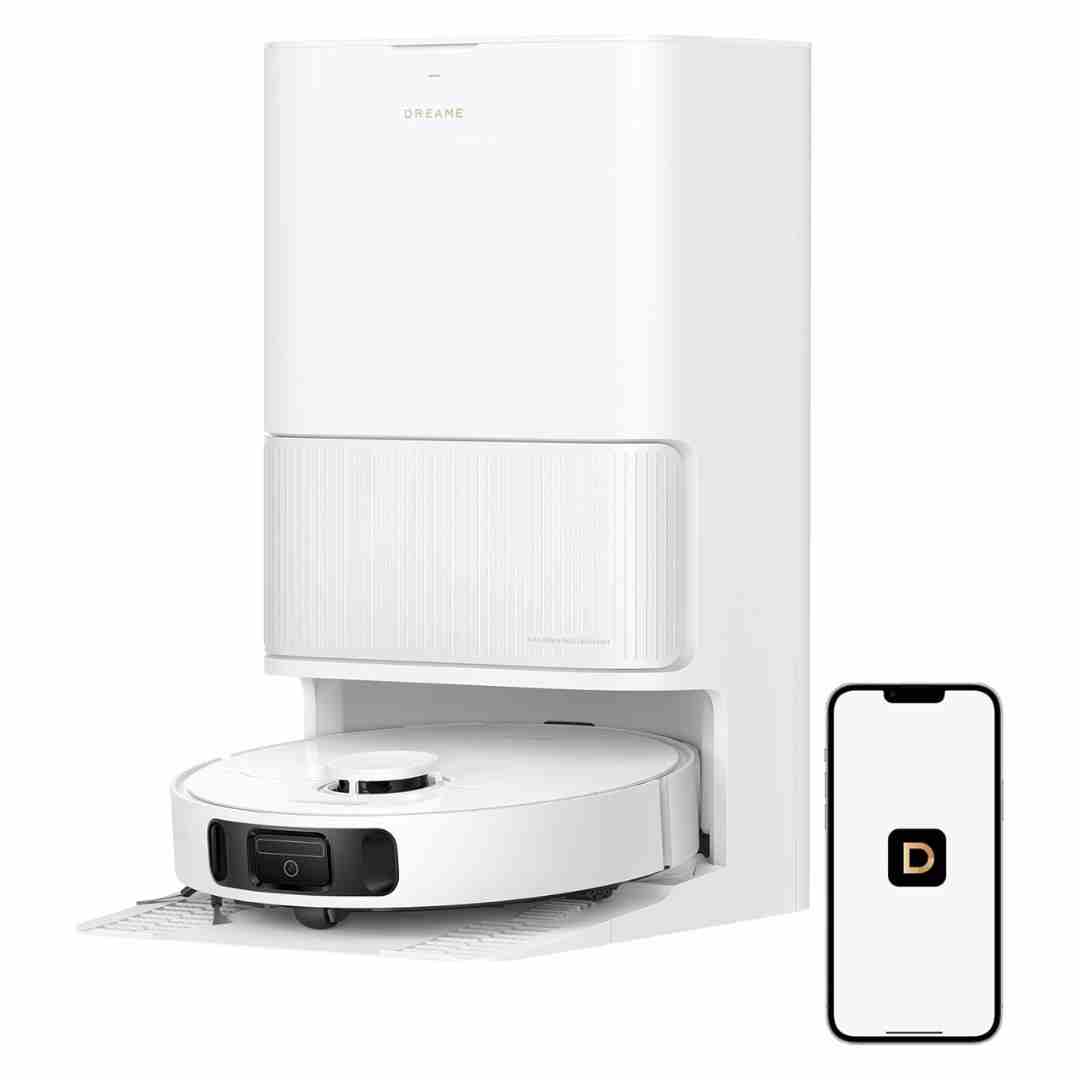
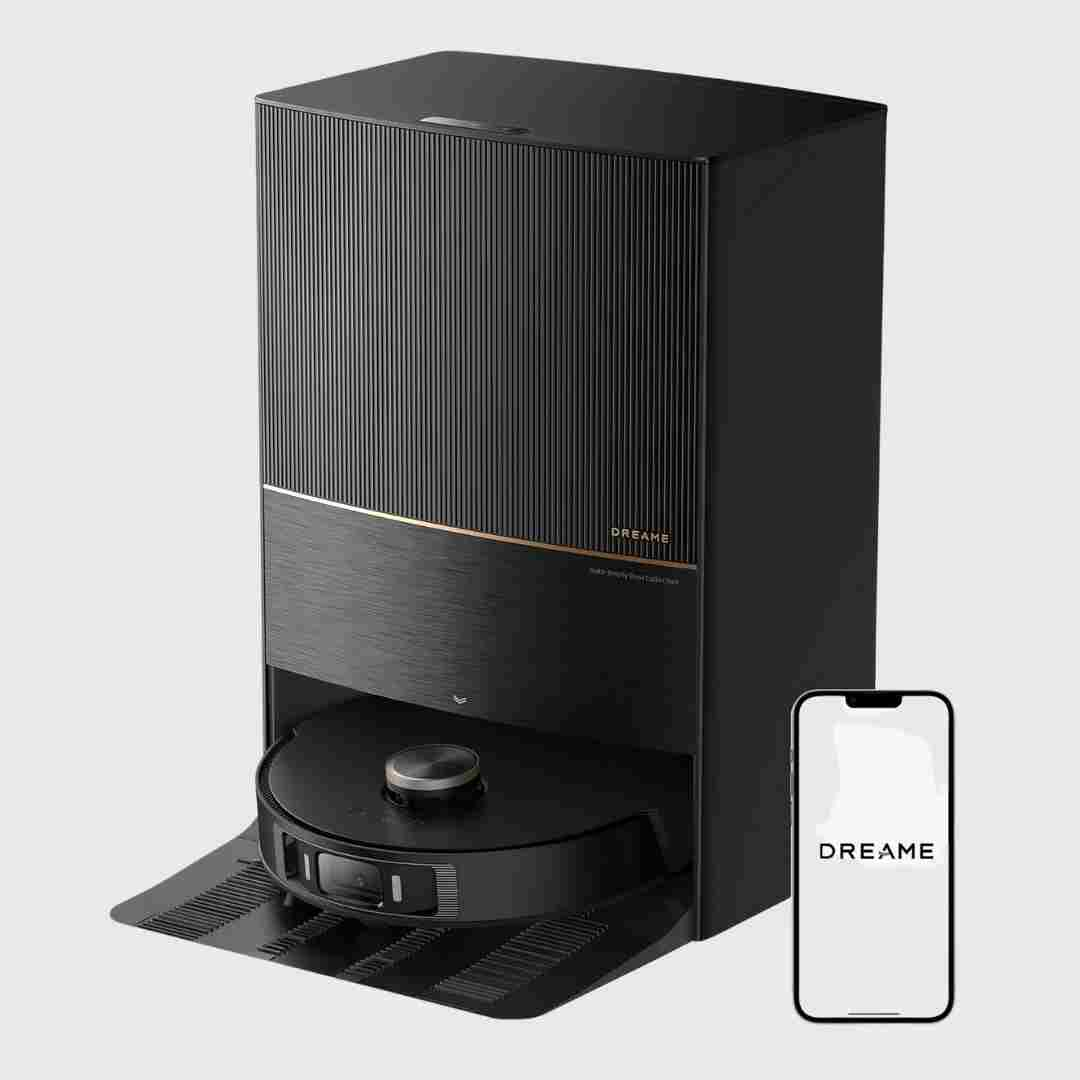
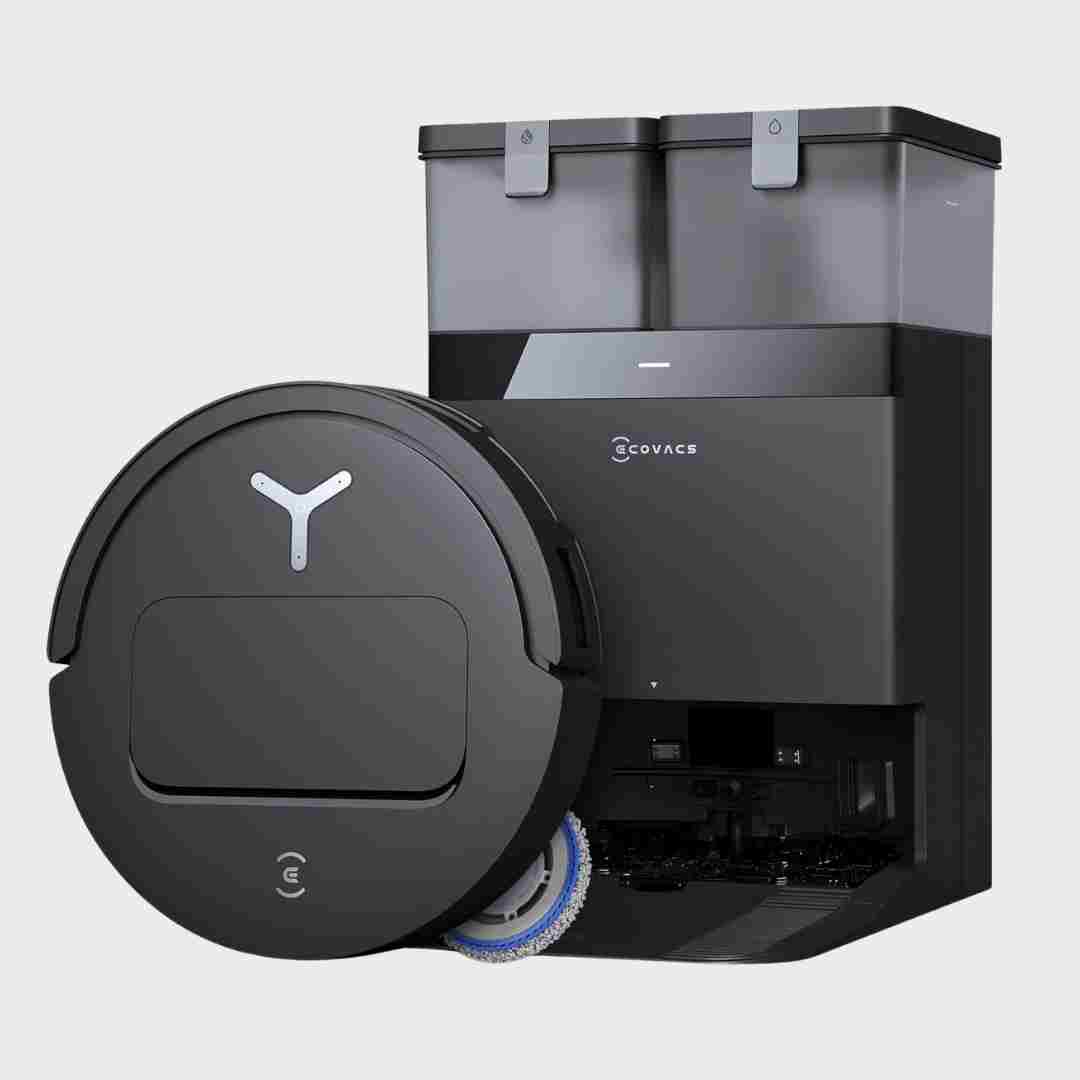
The liquid system is one of the X60’s richer features, with repeated mentions of dual detergent compartments, pet formulas, and automated mixing or dispensing.
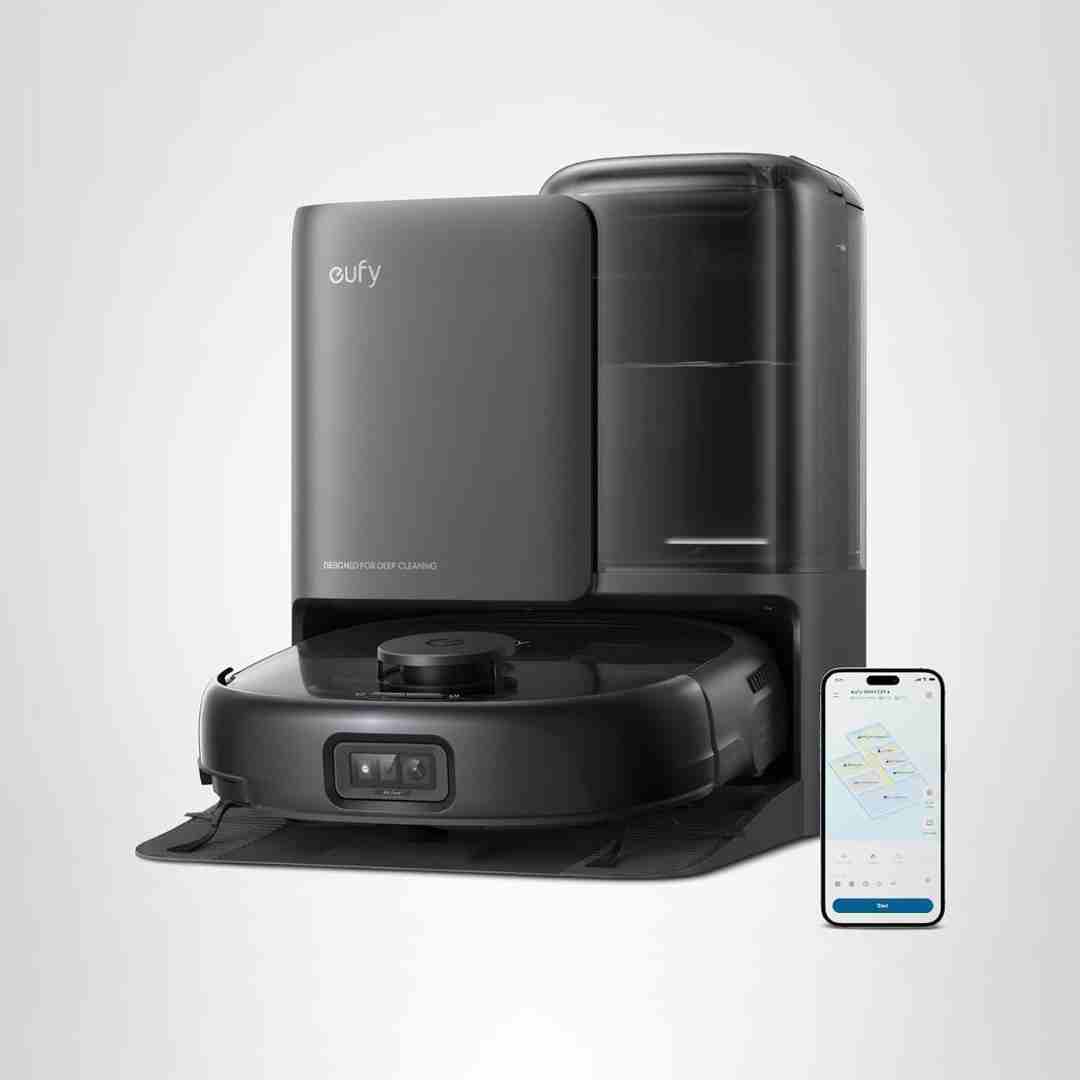
The solution system is well-liked: several reviews mention a dedicated solution tank with automatic mixing/dispensing and long intervals between refills; not every package includes a sample solution.
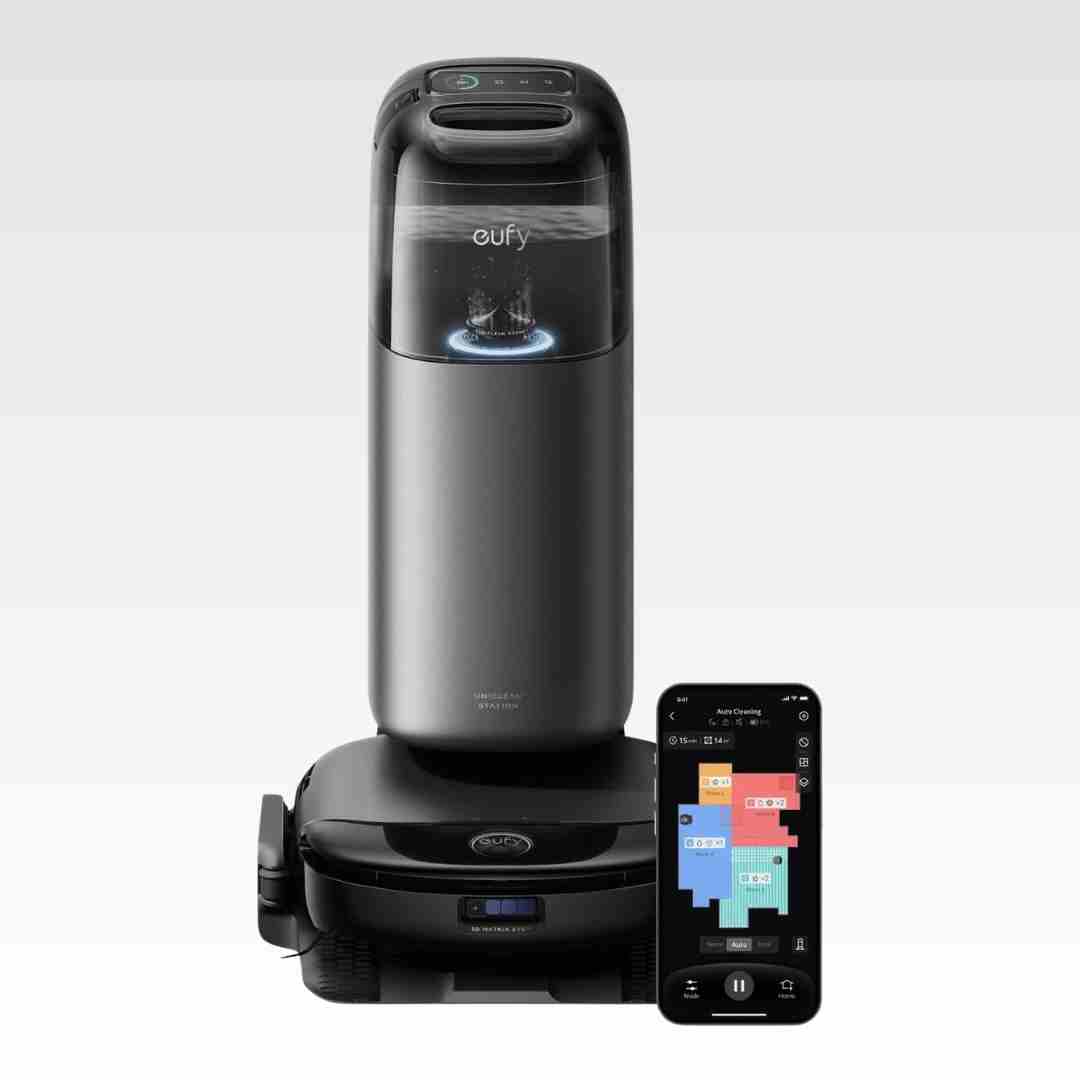
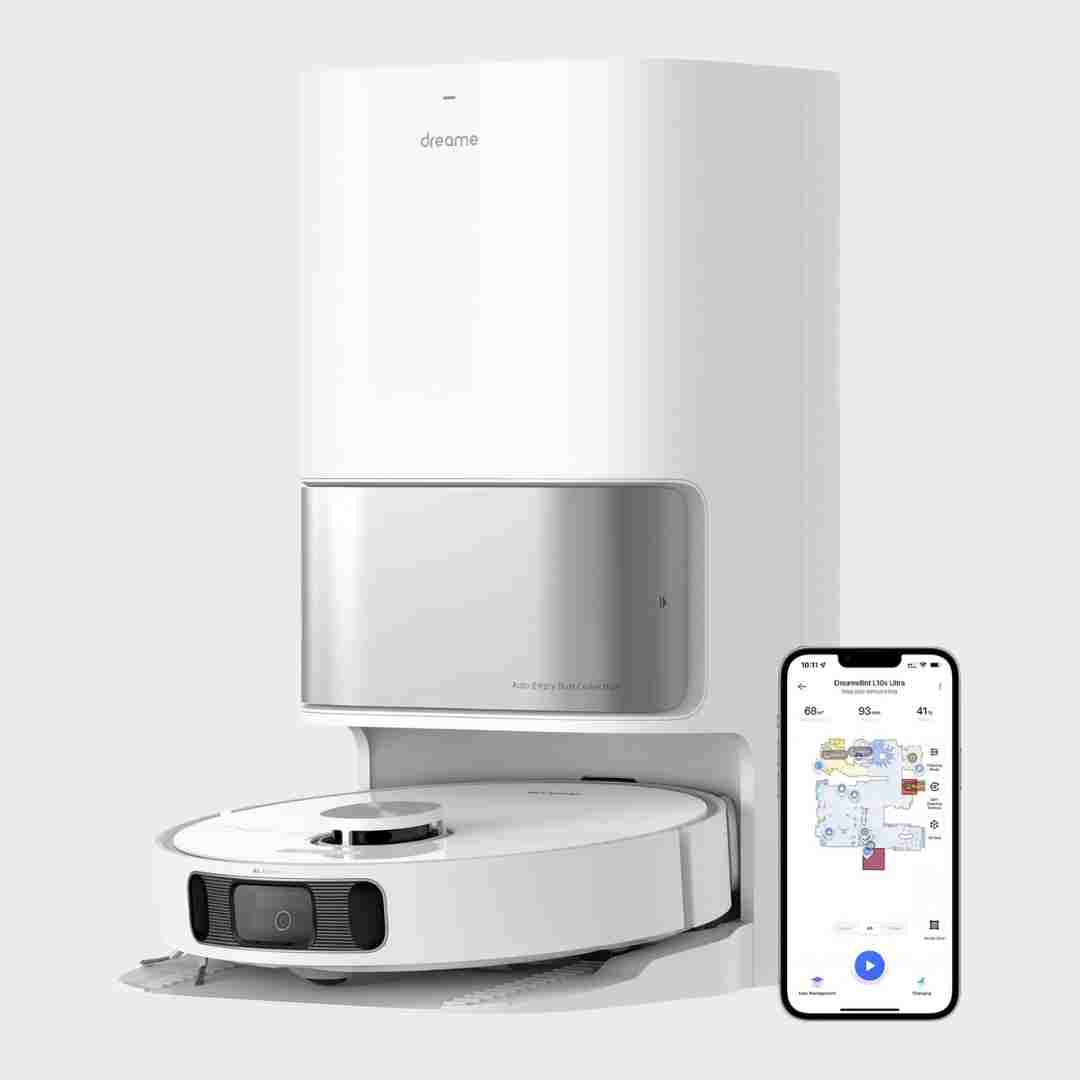
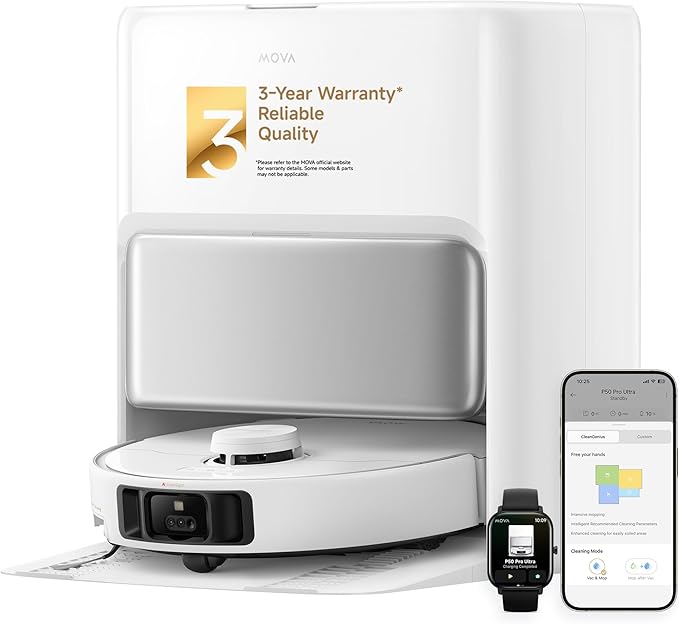
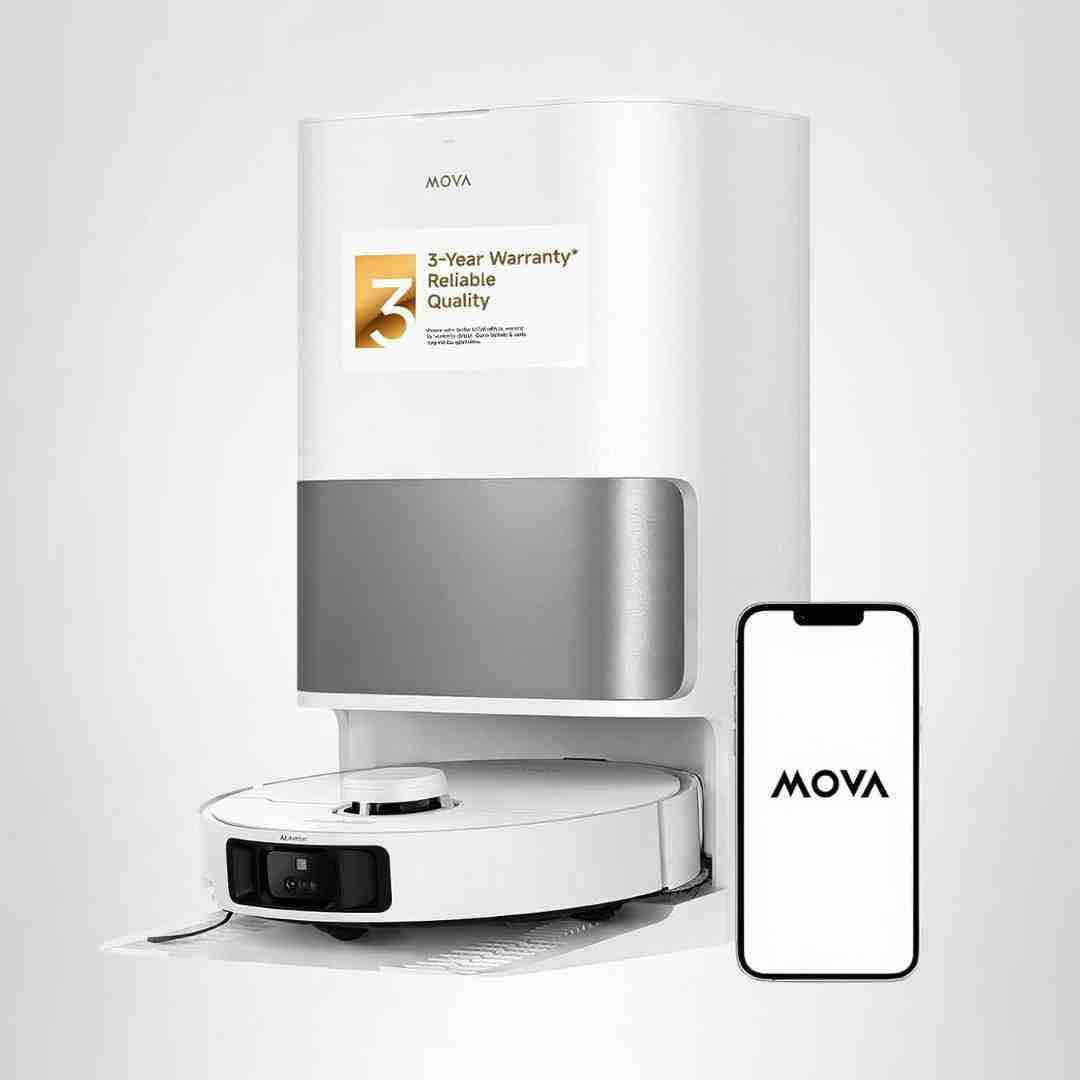
The dock-based detergent and solution system is a common highlight, with reviews mentioning automatic detergent dosing and a dedicated reservoir. It reduces manual mixing and helps keep mopping more consistent across runs.
The liquid system earns praise for an onboard tank, frequent auto-refills at the dock, and a wide range of adjustable water flow levels. Tradeoffs called out include room-temperature water (no heating) and limited intelligence for automatically re-mopping heavily soiled areas.
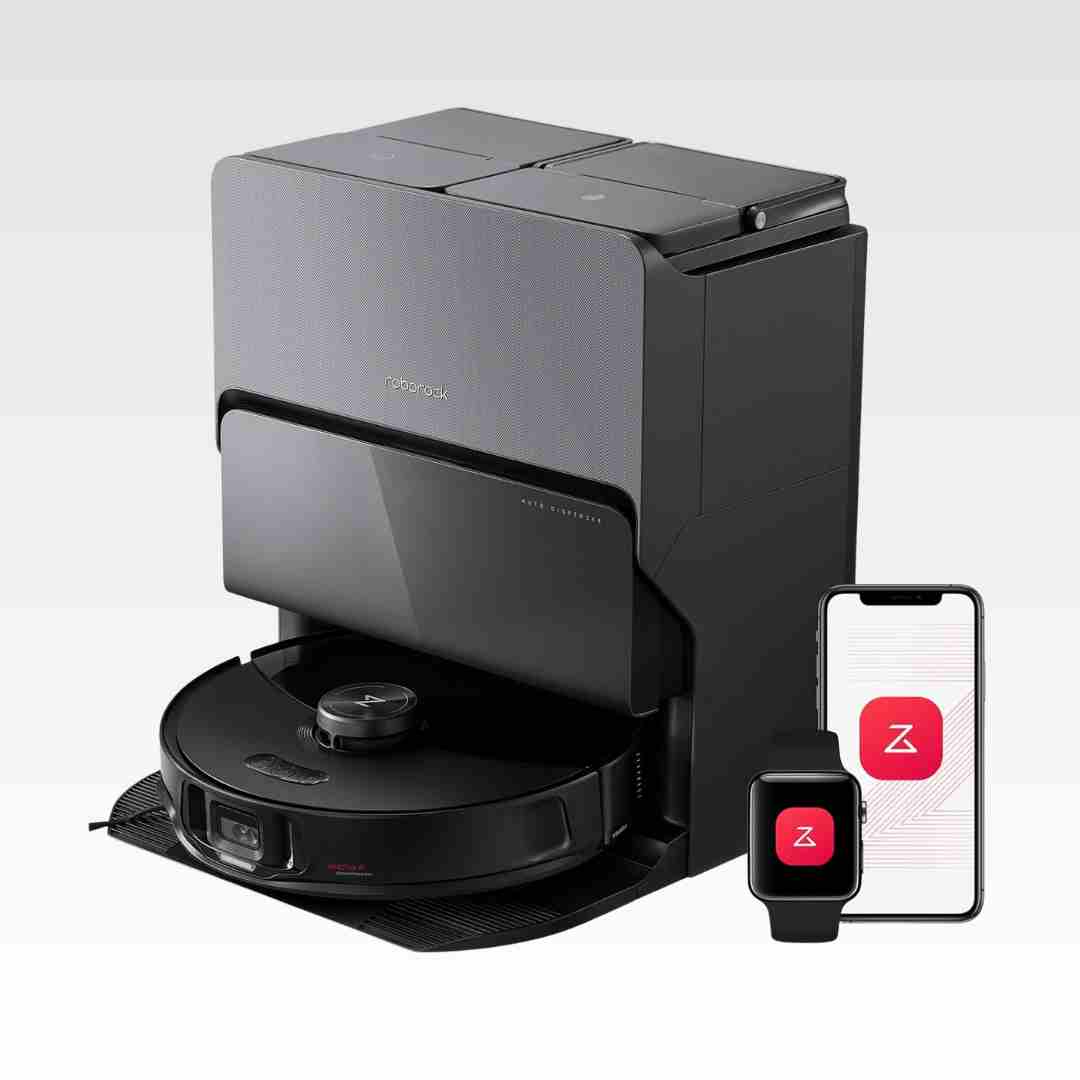
A detergent reservoir/auto-dispensing system and adjustable water output are noted across several reviews, enabling hands-off mopping. A few sources mention proprietary-solution recommendations or smaller solution tanks, which can increase refills or cost.
The separate detergent tank with auto-dosing is widely liked (often described as lasting about a month and avoiding measuring). Some find the fill location awkward or note the included bottle is small and requires repurchase.
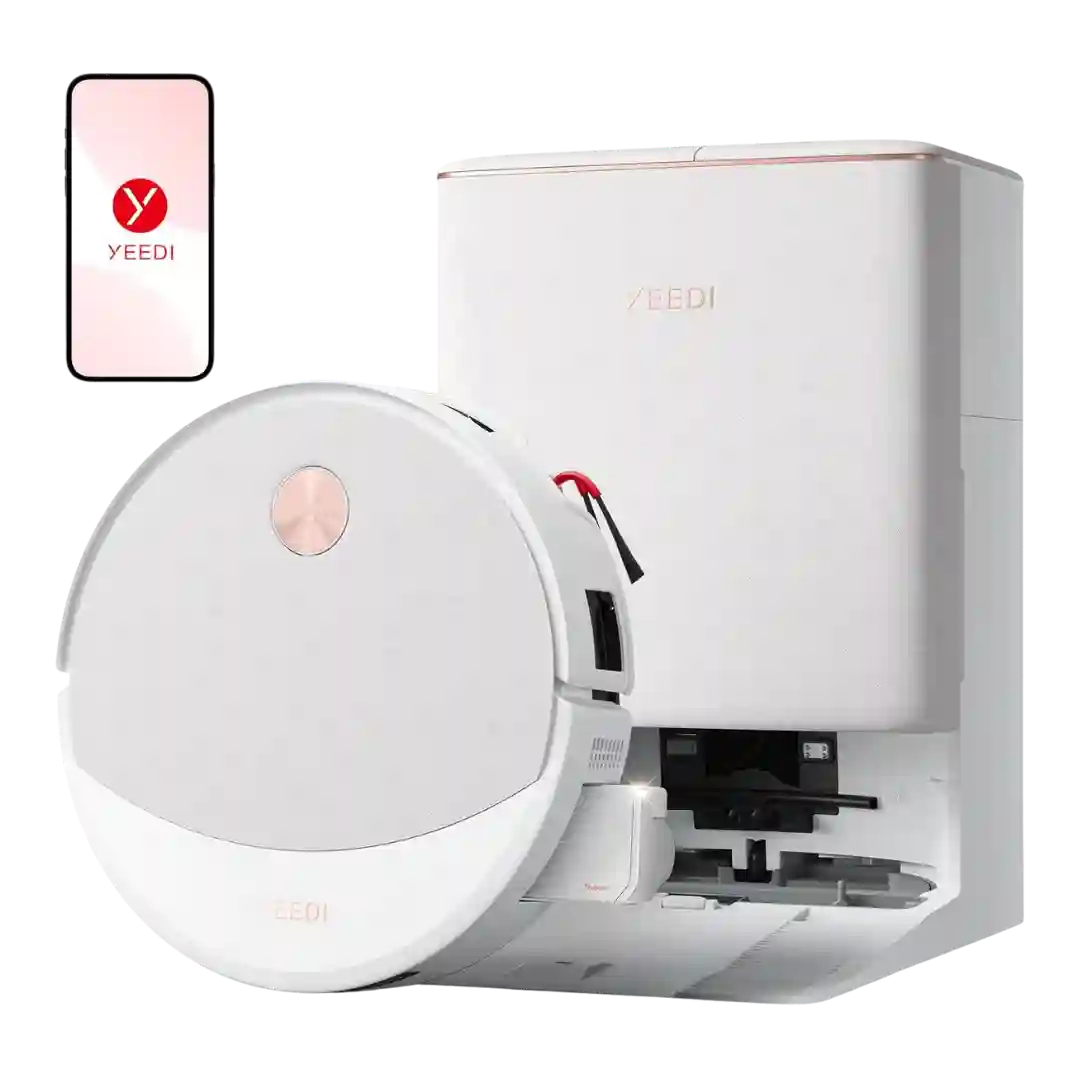
The dedicated detergent/solution system is a standout convenience feature, automatically portioning cleaner and helping reduce odors and maintenance hassle.
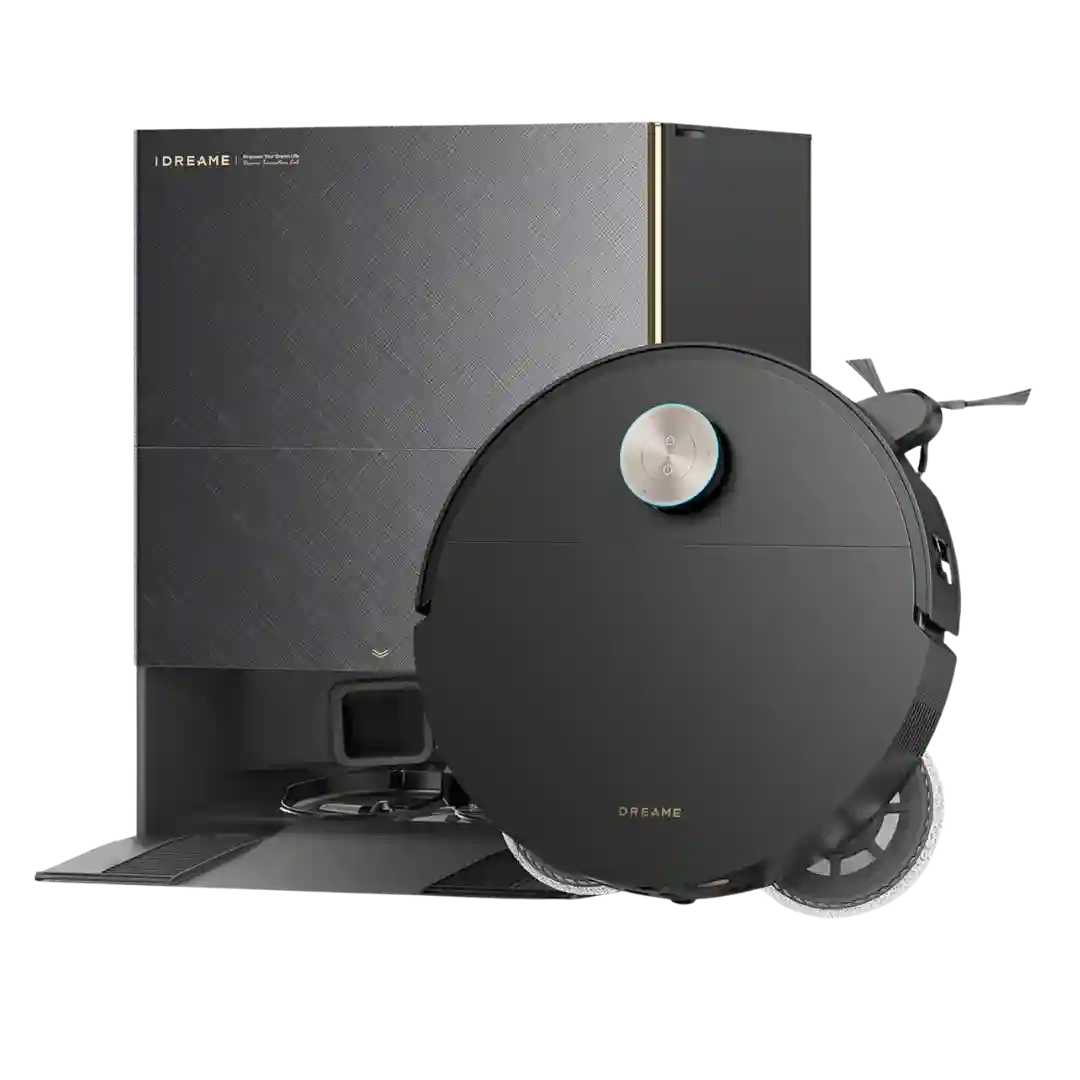
Automatic detergent dispensing or solution mixing is a differentiator versus many peers, improving consistency and helping resist odors when used as intended.
The solution system is viewed as a quality-of-life advantage, with a dedicated tank or holder and automatic dispensing or mixing referenced in several reviews. It reduces manual measuring and helps keep mopping consistent.
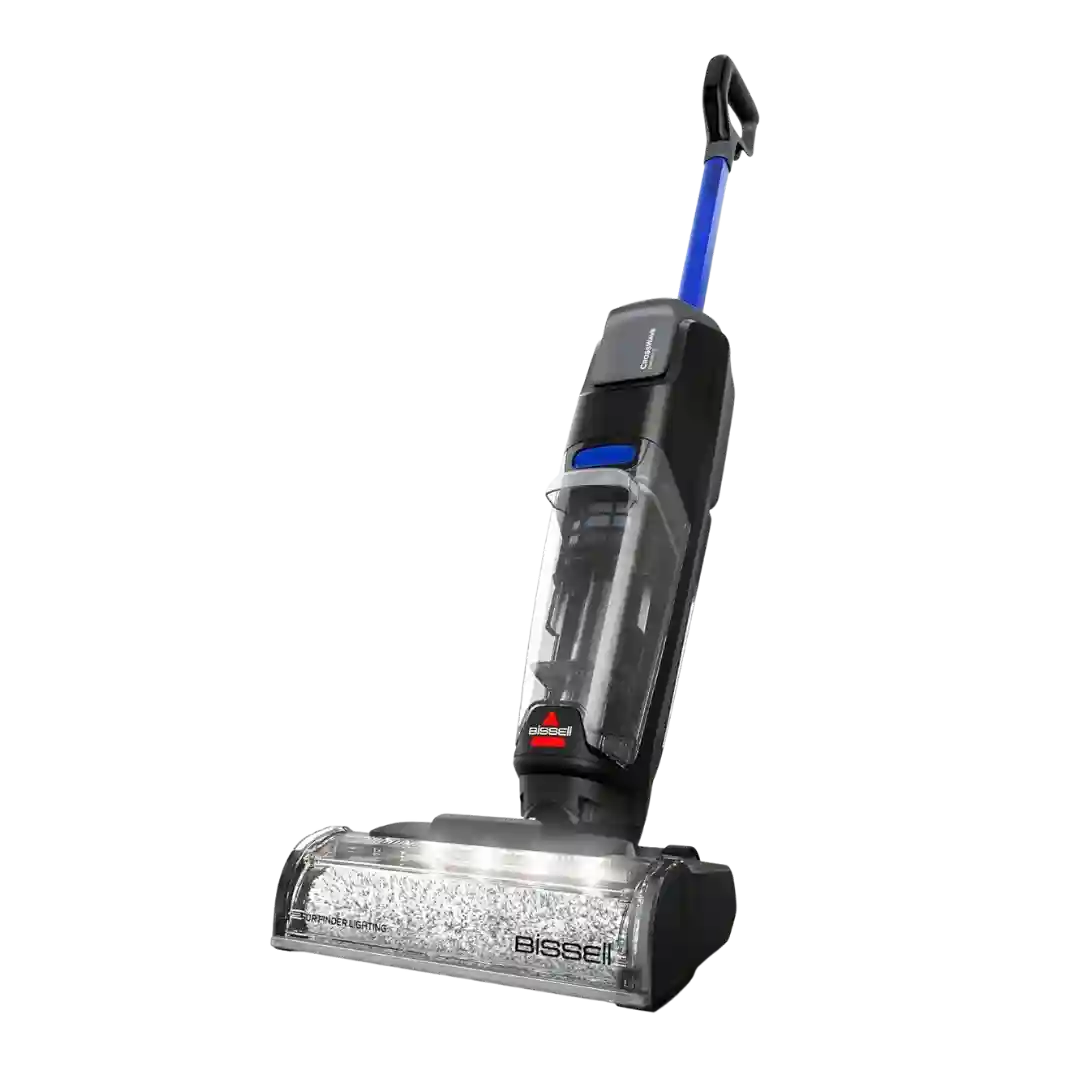
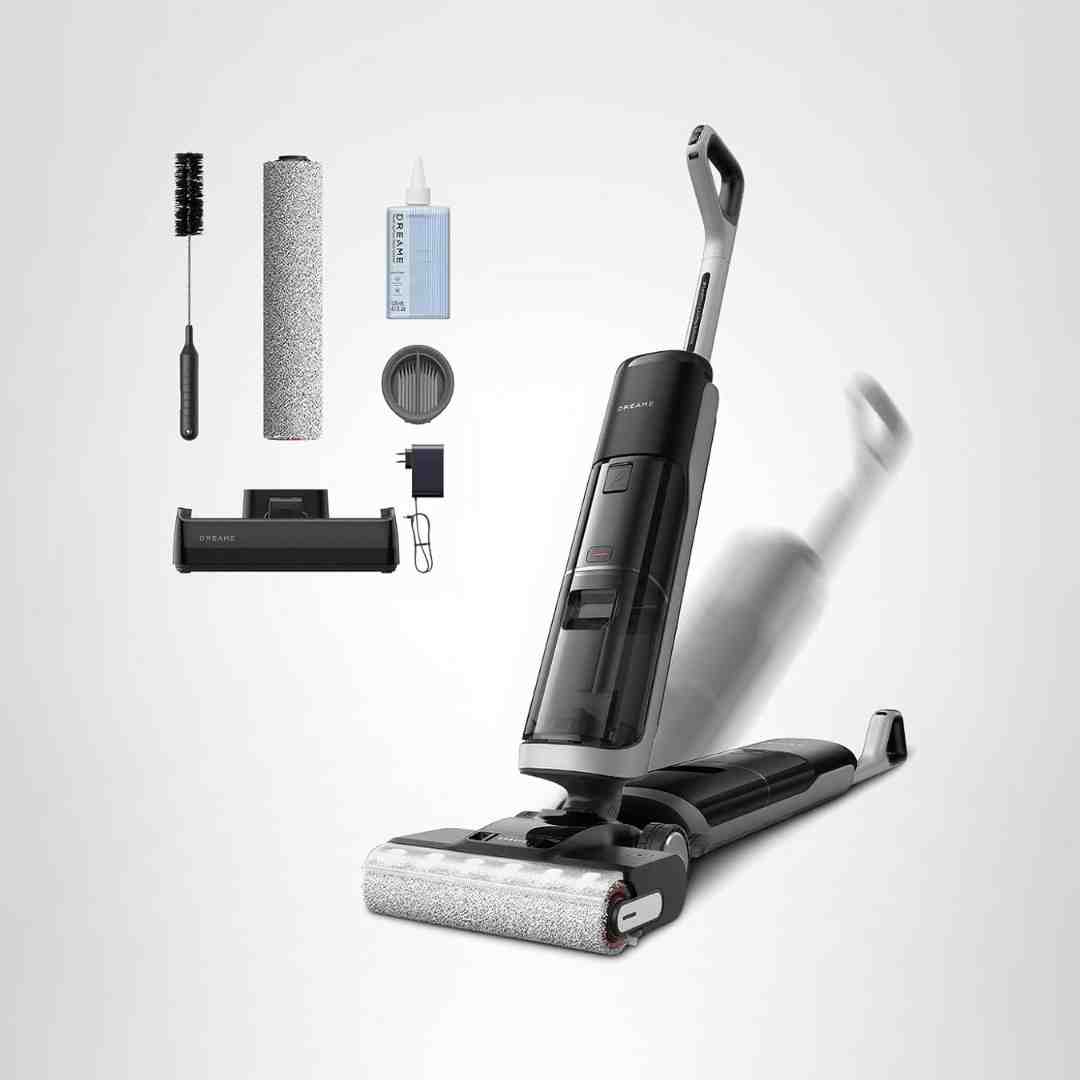
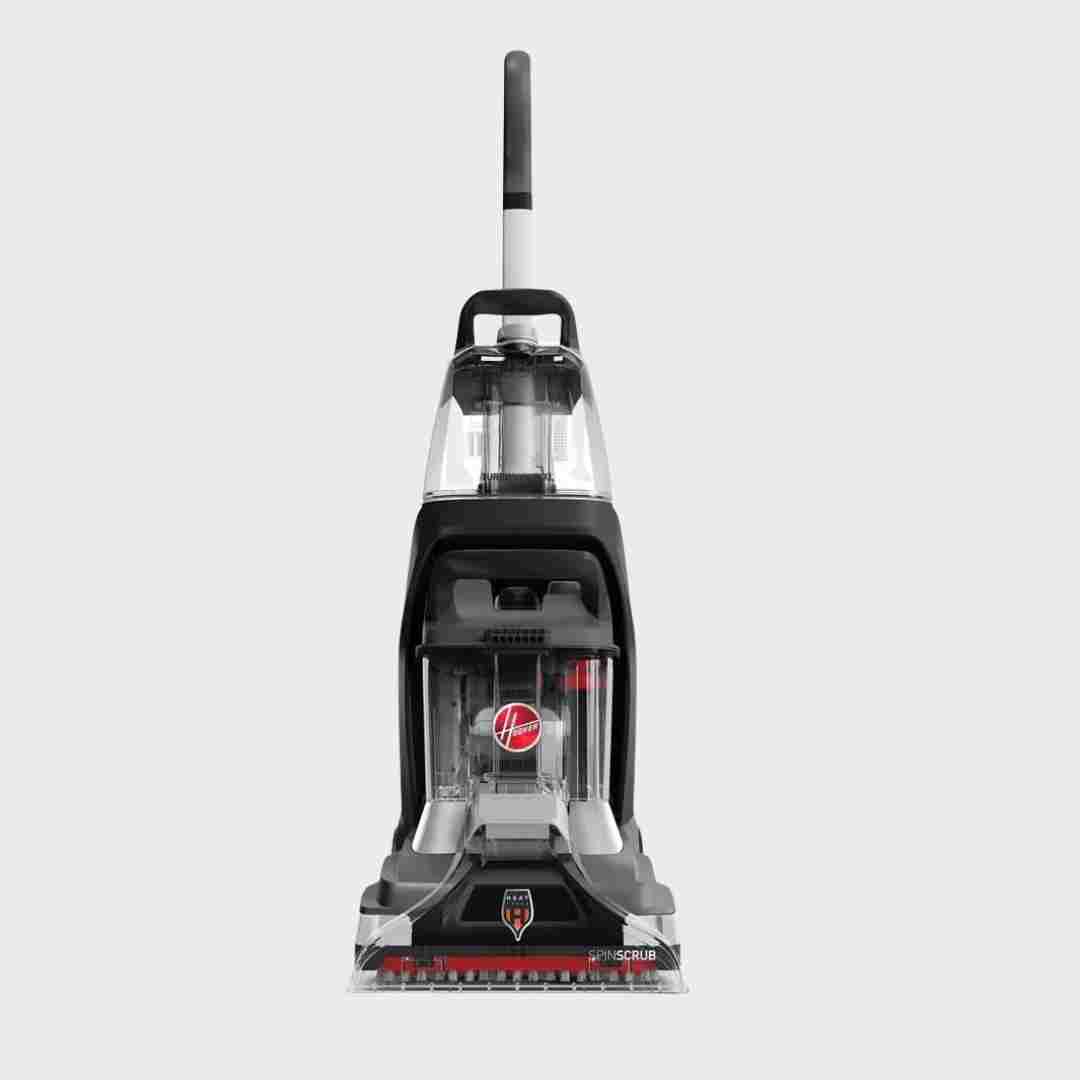
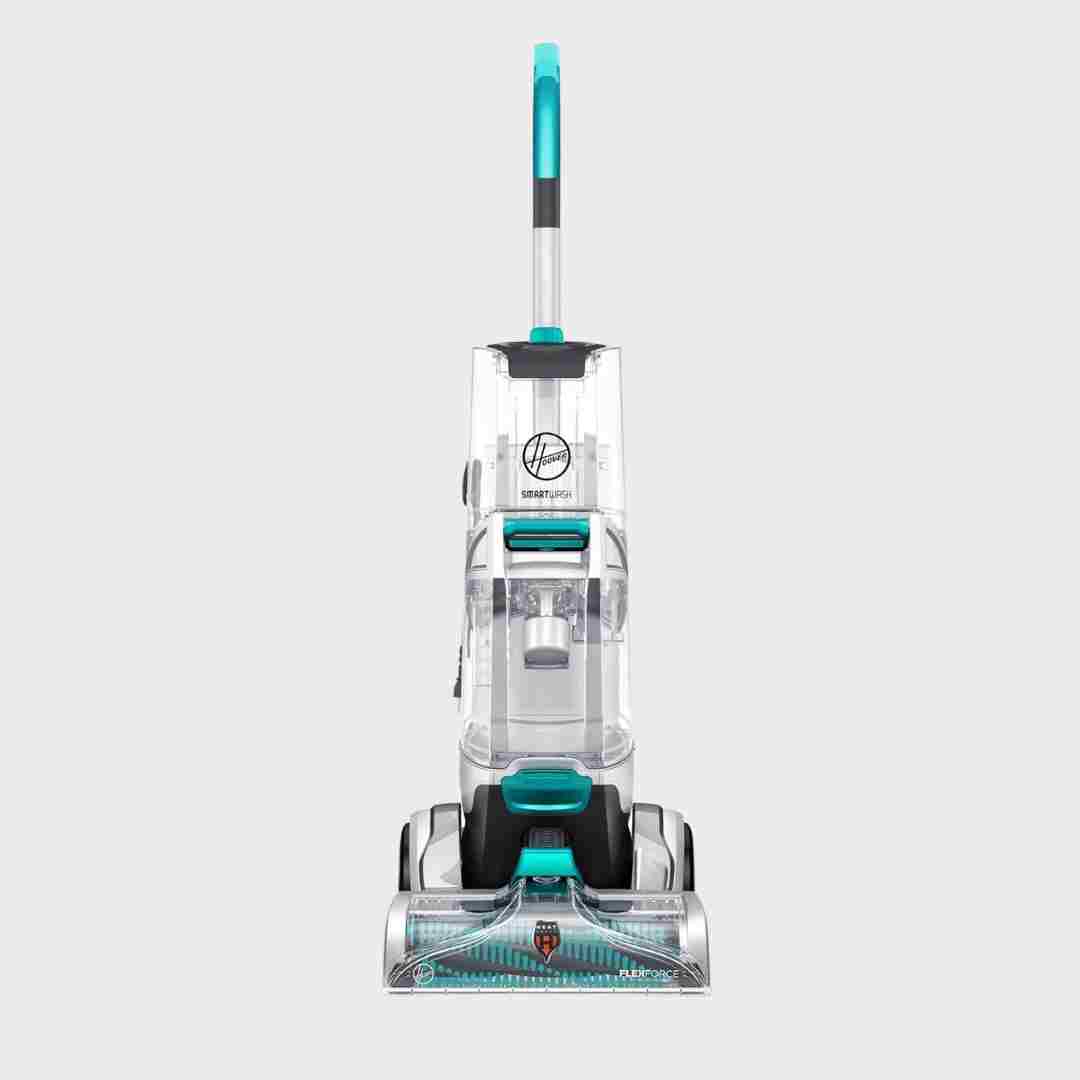
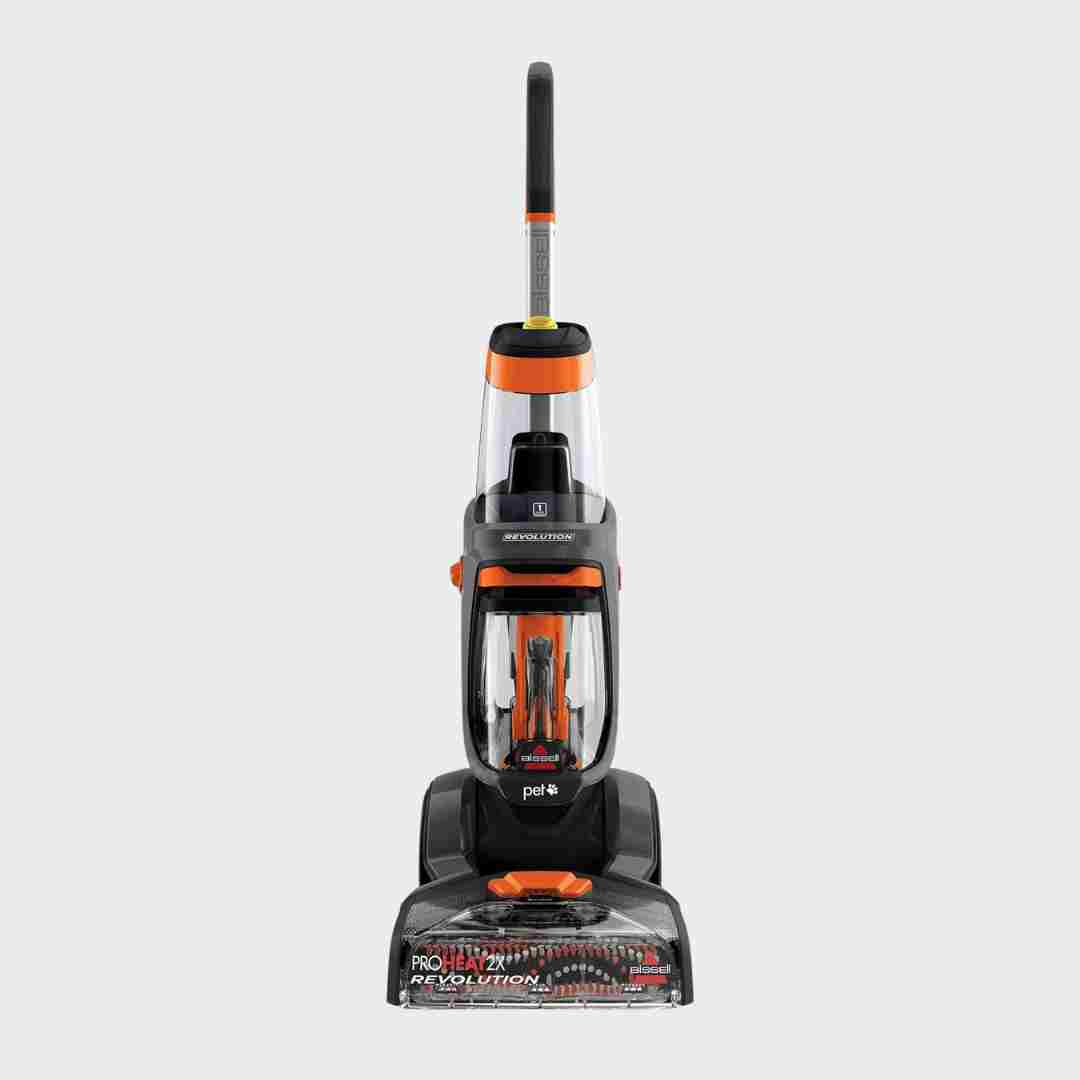
Across reviews, the liquid system is viewed as user-friendly: a trigger-controlled dispense approach is common, and multiple reviewers highlight a rinse/water-only setting to reduce leftover solution. Some variants discussed also emphasize automatic detergent mixing/dispense as a convenience feature.
The auto-mix and two-tank liquid system is a core strength, reducing guesswork and letting you rinse or clean without premixing; one tester notes solution delivery can depend on movement speed.
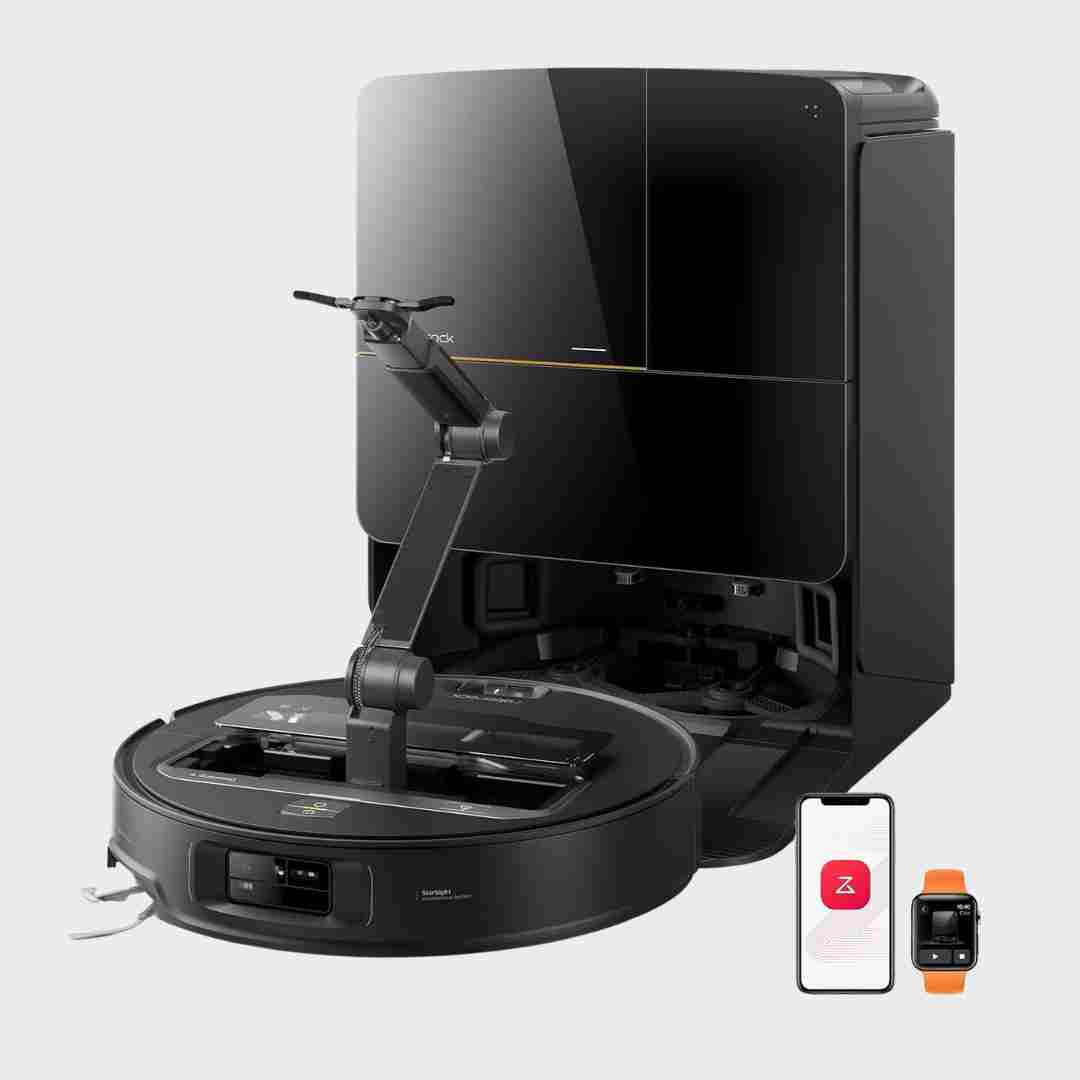
Reviews reference detergent support and automated solution handling as part of the dock’s hands‑off promise, and the included cleaner is often noted. Performance appears strong, with most streak issues tied more to moisture settings and edge behavior than the solution system itself.
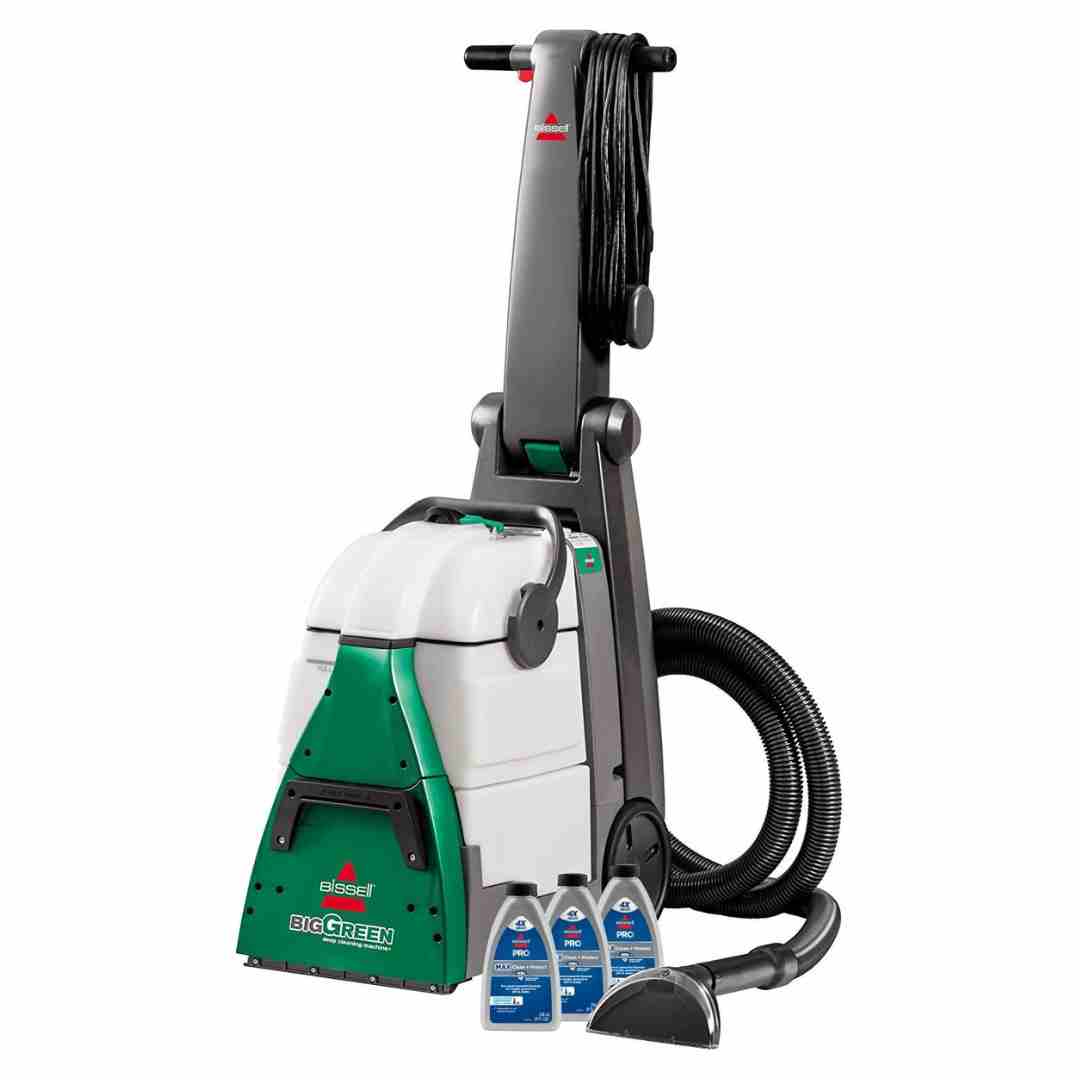
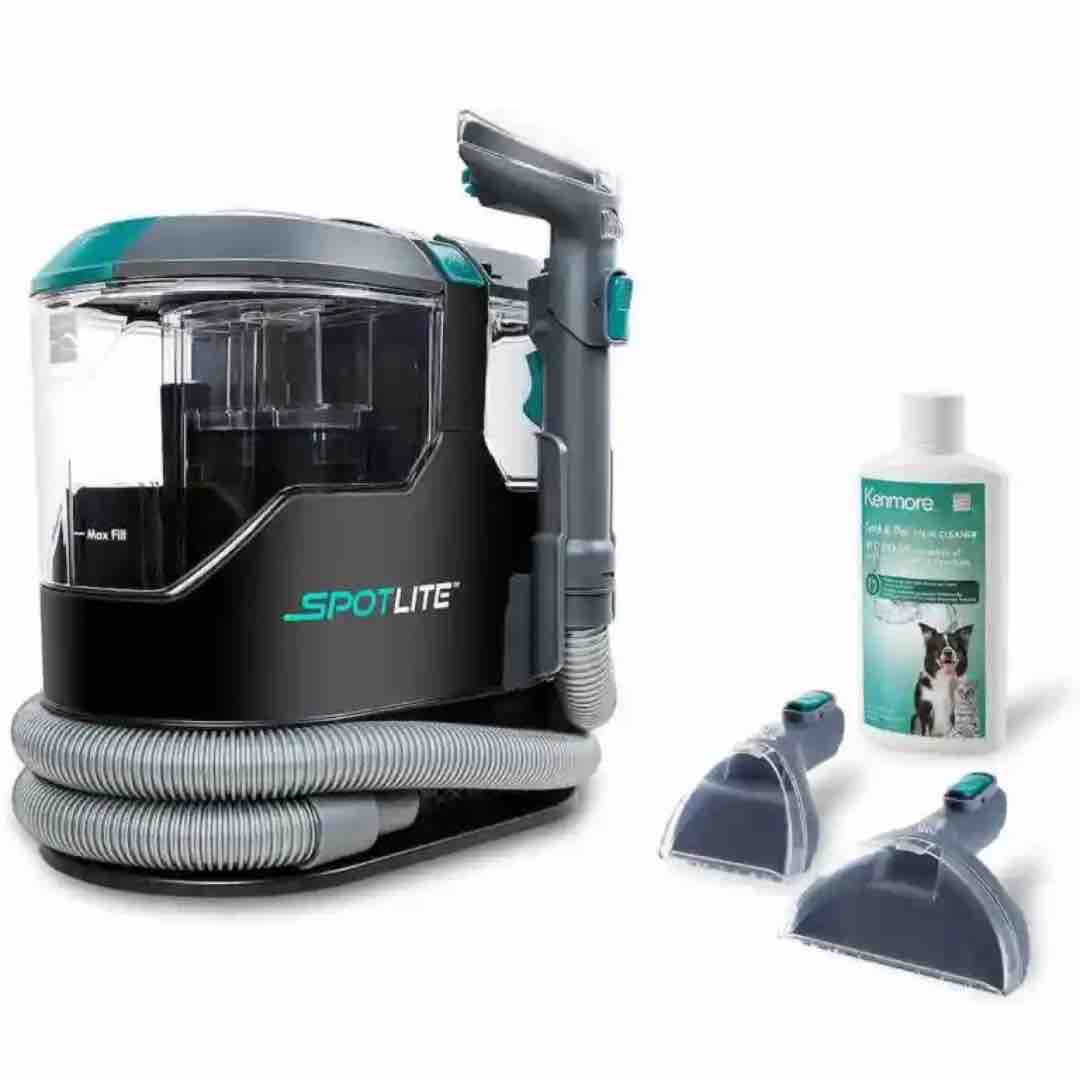
The spray system is described as strong and generous, with at least one reviewer noting it did not require priming and began spraying immediately. Reviews also reference clear small/large mess fill marks, concentrated formula dosing, and guidance to use room-temperature water and spot-test fabrics.
Reviewers like the adjustable water-output options and the ability to use cleaning solution; some highlight electrolyzed-water operation as a differentiator. A common request is easier filling, and there’s no consistent mention of automatic solution dosing.
The solution/detergent system is generally seen as a plus (detergent reservoir and controlled dispensing), though at least one reviewer noted the solution may be applied primarily during mop-pad washing rather than always mixing into the robot’s internal tank.
The dedicated solution tank and auto-dispensing/mixing are praised for convenience, though some reviewers emphasize using the recommended detergent to avoid issues.
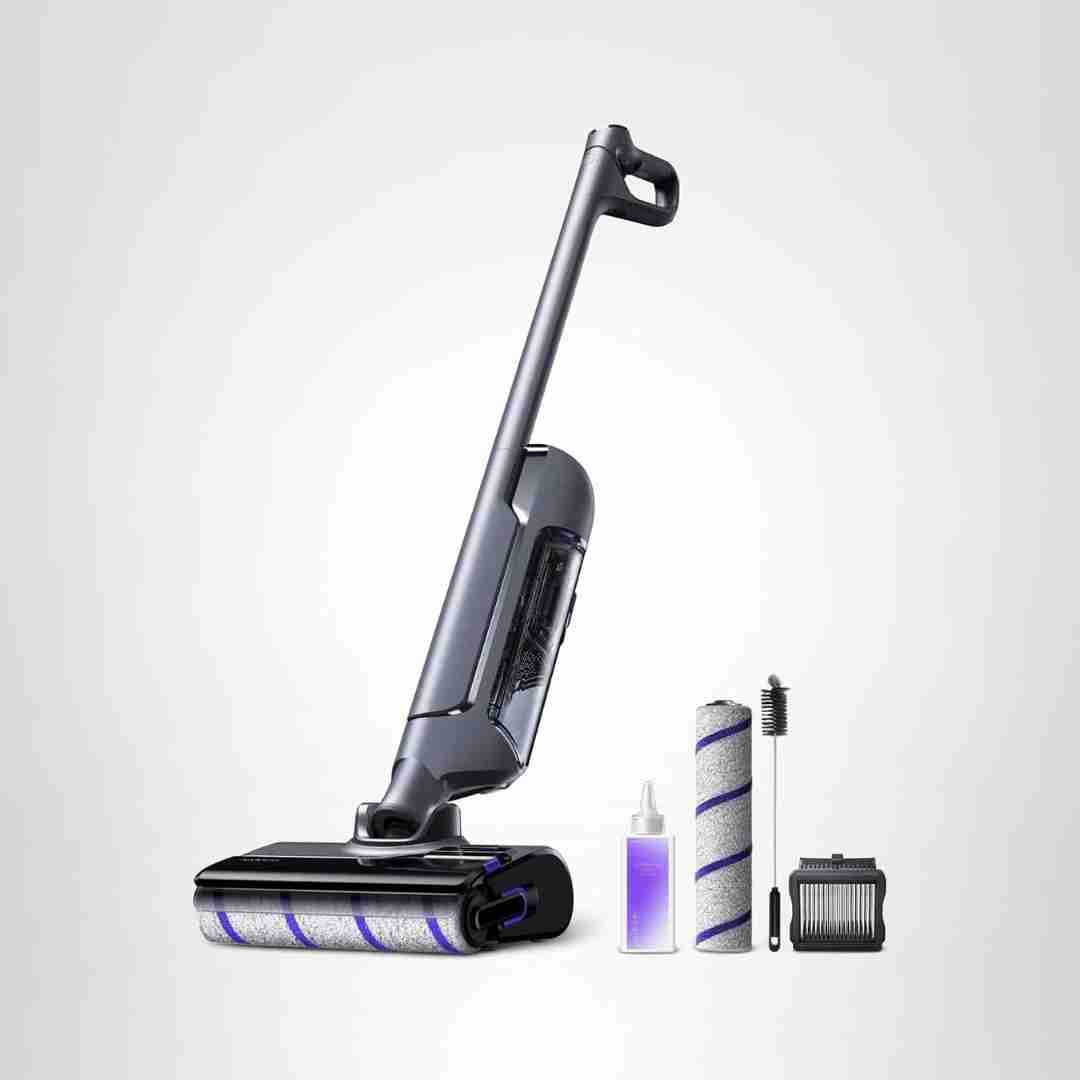
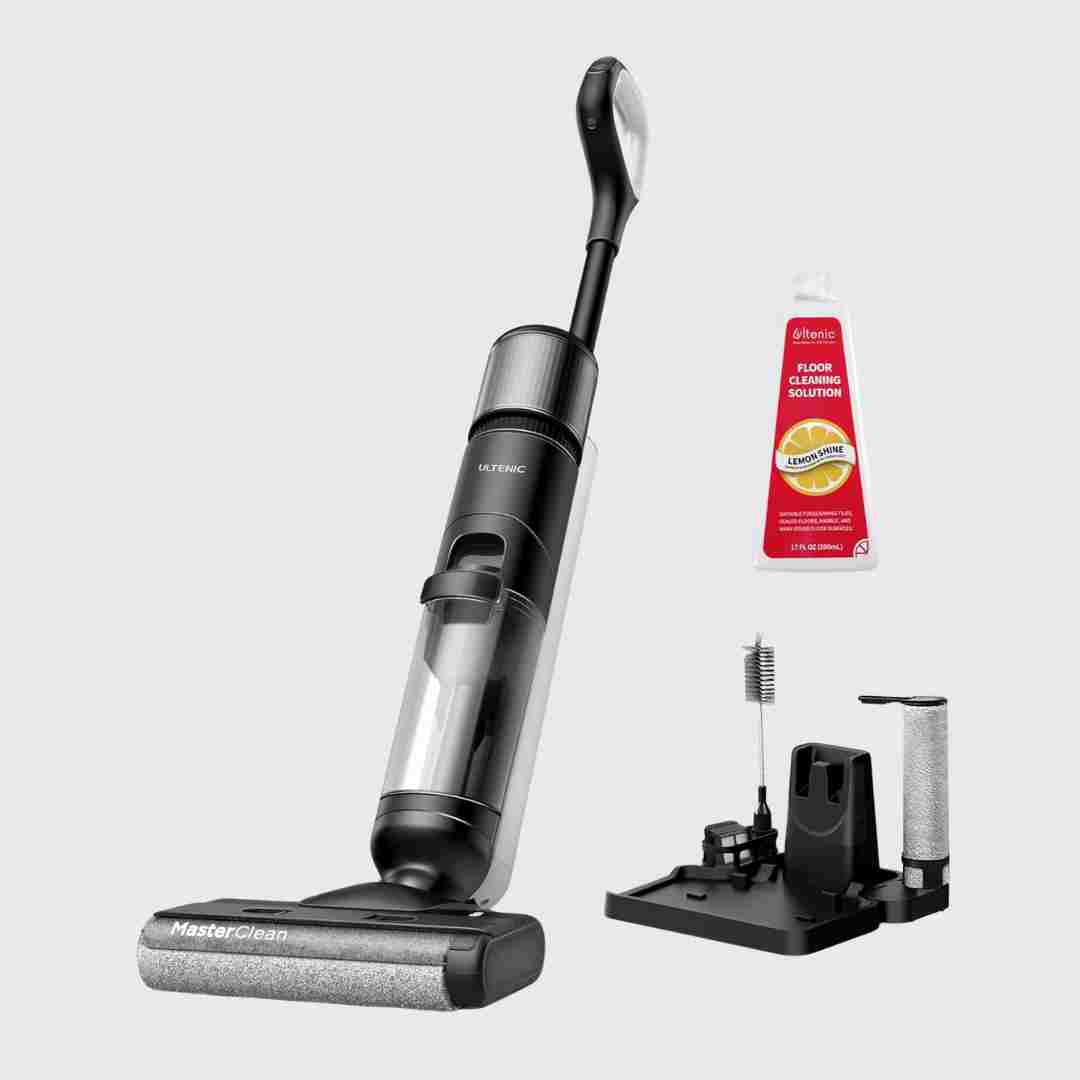
The liquid system is widely praised for feeding fresh water to the roller, offering adjustable hydration, and supporting non-foaming cleaning solution for harder messes.
Liquid handling varies by version: some S7 variants emphasize steam or water-only cleaning, while others support detergent; overall, users like the clean-water-only approach and predictable water control.
Automatic solution dosing is convenient, but it relies on proprietary cleaner, and some reviewers dislike the ongoing cost or lack of flexible water-only options.
The liquid system is a standout: separate solution tanks on some versions, automatic mixing/dispensing, and modes like deep clean and quick dry/dry-only. Reviewers note it can be water-efficient, but that same low water usage may limit upright stain removal on certain soils and can increase reliance on proprietary formulas.
Solution delivery differs by model: HydroDuo-style trigger control lets users meter moisture, while HydroVac-style automatic dispensing is convenient but less adjustable.
The solution system is frequently mentioned but described differently across sources: it can wash pads with detergent and, in some coverage, dispense floor-cleaning fluid. At least one reviewer notes detergent may be used mainly for mop-pad washing rather than being mixed into the floor water by default.
The liquid system (clean/dirty separation and spill pickup) is widely praised, including strong suction-only spill pickup. Some coverage of variants adds automatic detergent mixing and more advanced liquid handling features.
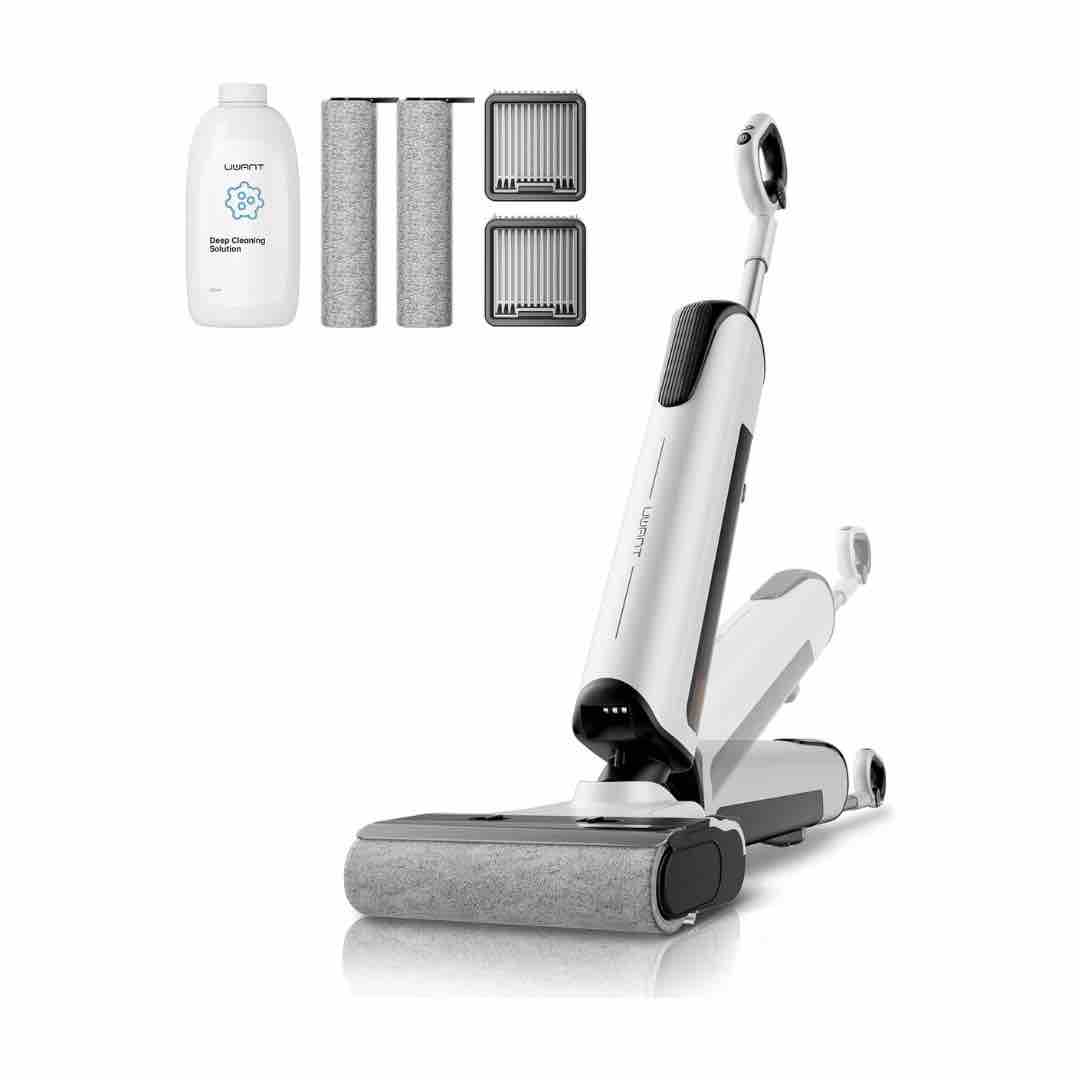
Reviews mention running water-only or using Tineco solution; many like the cleaned feel and mild scent with solution, while a few prefer water-only to avoid residue.
Most variants automatically dispense water/solution as you clean (no trigger), and some newer versions add a boost mode for extra solution on stains. This is convenient, but it offers less manual control than trigger-based competitors and often works best when paired with the recommended cleaning concentrate.
Detergent/solution support is a differentiator (often included and auto-dispensed). Some reviewers like the cleaning boost; others dislike being nudged toward proprietary refills.
The system’s water and detergent handling is a major convenience point: automatic mixing/dispensing and shared reservoirs support both mopping and spot cleaning. Some note solution availability or the need to follow brand guidance, and heavy spot-cleaning can consume water quickly.
Detergent/solution handling is a plus in concept, with docks offering a detergent compartment or reservoir; some reviewers actively used it, while others could not fully test it due to missing accessories.
Mode settings (Max/Deep/Express) and solution delivery get good marks for flexibility, but some reviewers say Max uses a lot of water/solution and the CleanShot pre-treat can feel wasteful or ineffective compared with extra passes.
Detergent or cleaning-solution support is a convenience booster for mopping, but proprietary cartridges or recommended solutions can add cost and limit flexibility.
The included detergent and dosing guidance are appreciated, but some reviewers recommend sticking to the brand solution and others note it may be difficult to buy replacements in some regions.
Reviews mention mopping with water or approved cleaning solutions, and one review notes that using unauthorized solutions may risk warranty coverage. Owners manually fill and empty the combo bin.
Reviews note there is no dedicated solution bottle/tank on the dock, so users add cleaning solution manually into the clean-water tank. This keeps the system simple but adds a small recurring manual step for those who want solution-assisted mopping.
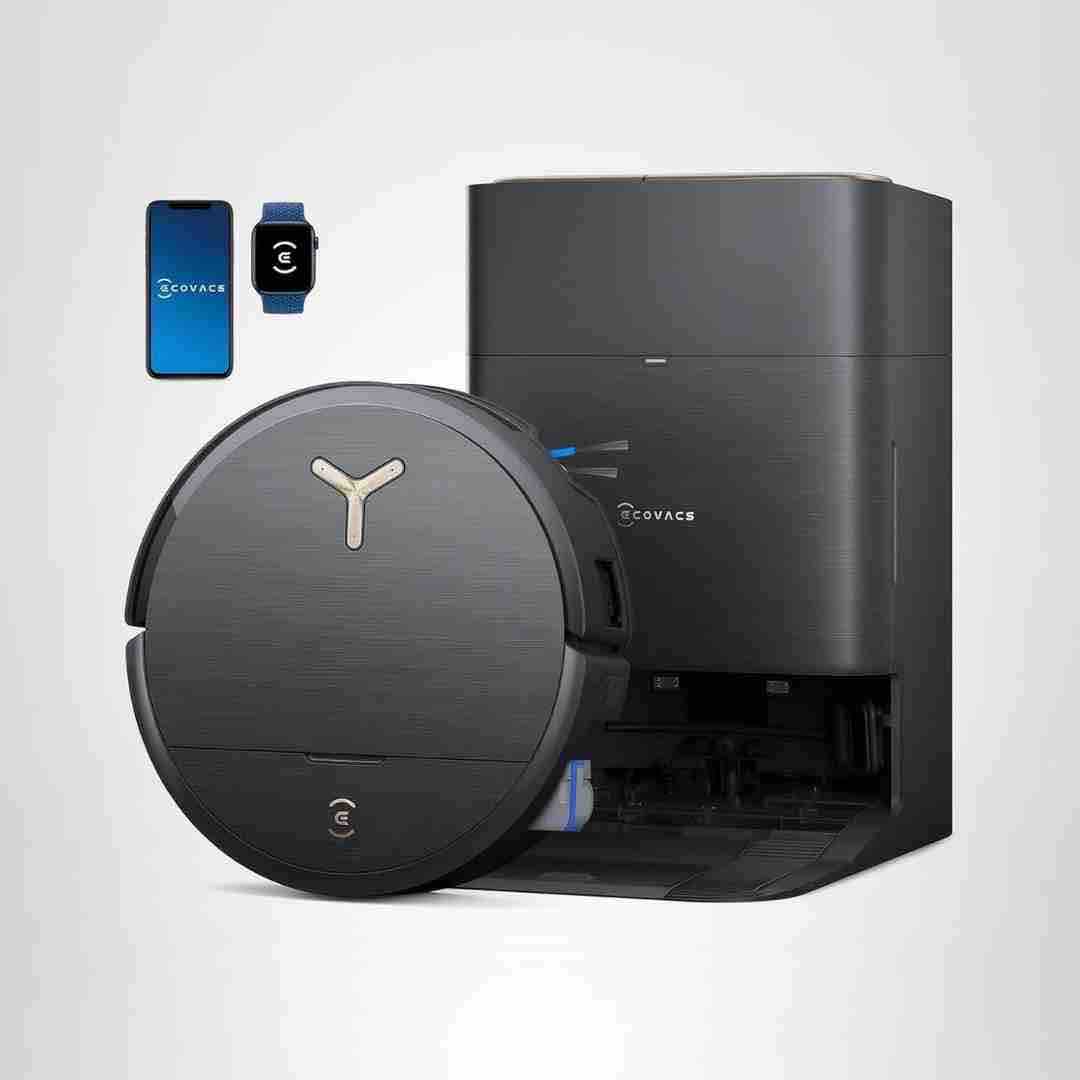
The auto-detergent system is a core convenience feature, but there is disagreement across reviews about solution flexibility. Some suggest proprietary-only or recommended solutions, while others report being able to use different detergents, so owners should follow current manufacturer guidance.
Detergent/solution support is described inconsistently: some reviews recommend relying on water-only mopping and not expecting scented results, while others say Ecovacs’ proprietary solution can be used. Overall, buyers should expect effective cleaning but not a heavy-soap floor-wash experience.
The liquid system is simple and water-based; some reviews mention you can use a mild detergent, but there is typically only one wet mode and limited control over water flow.
Works with included detergent and supports enhanced cleaning modes, but there is no automatic detergent dosing on the H13 Pro (that feature is associated with later models).