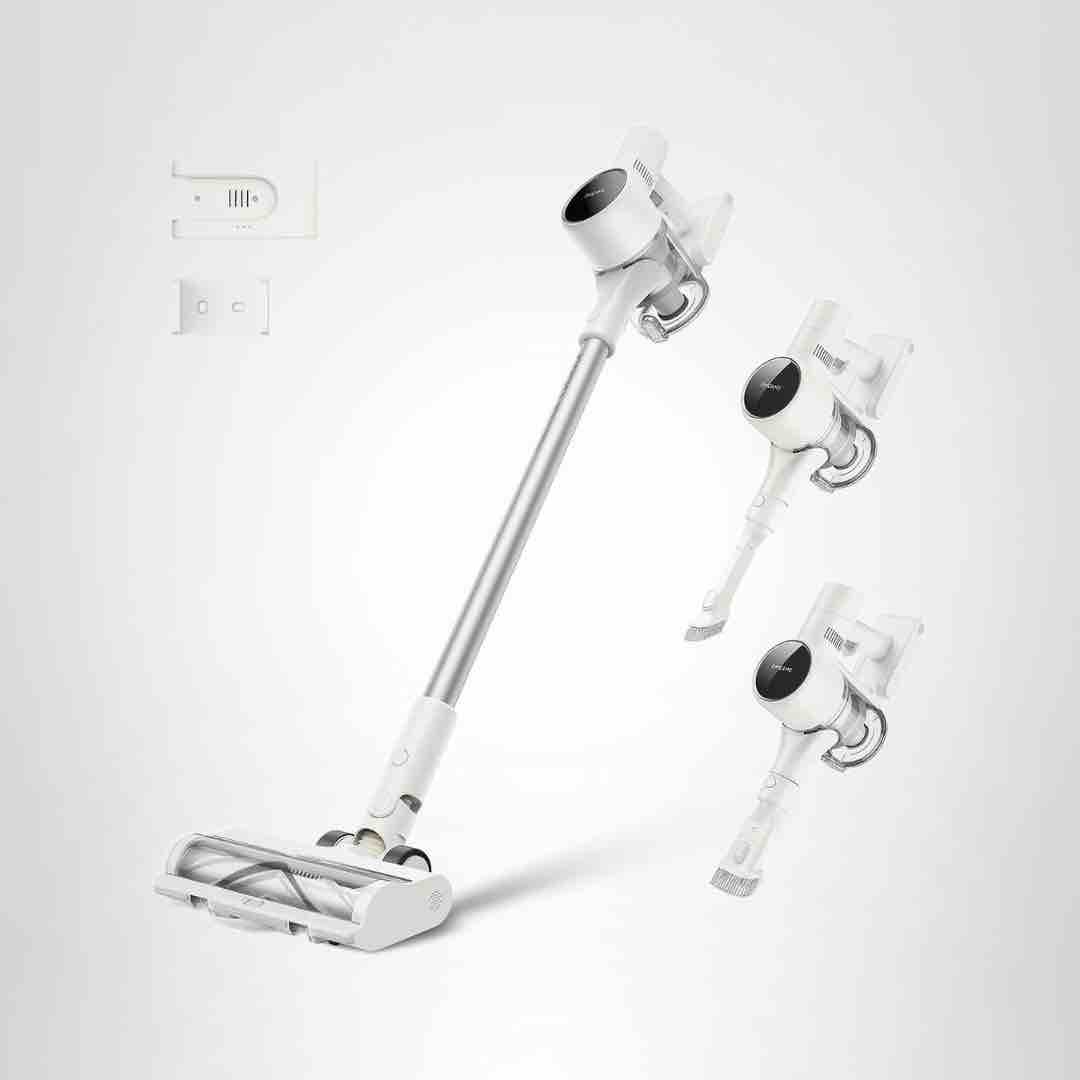
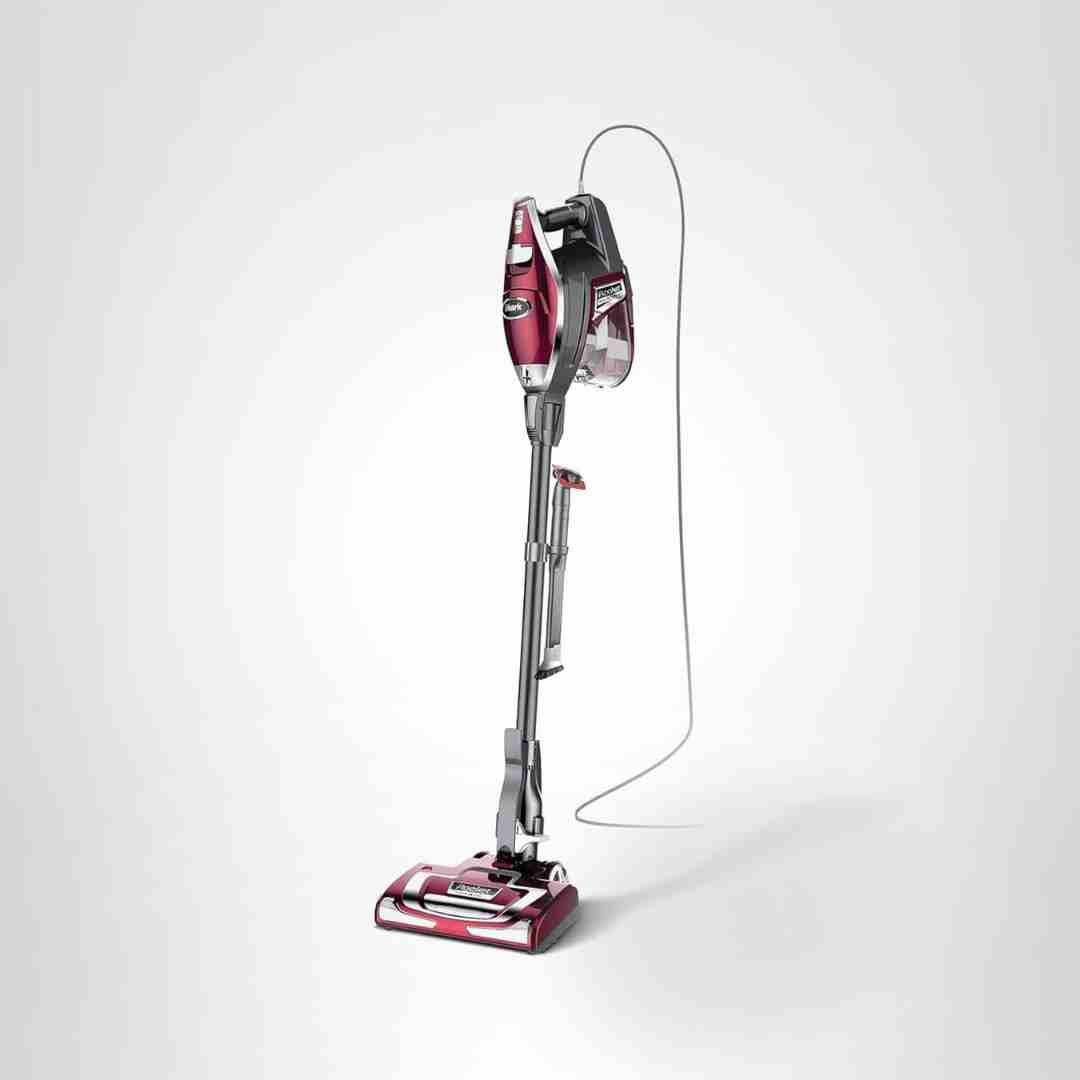
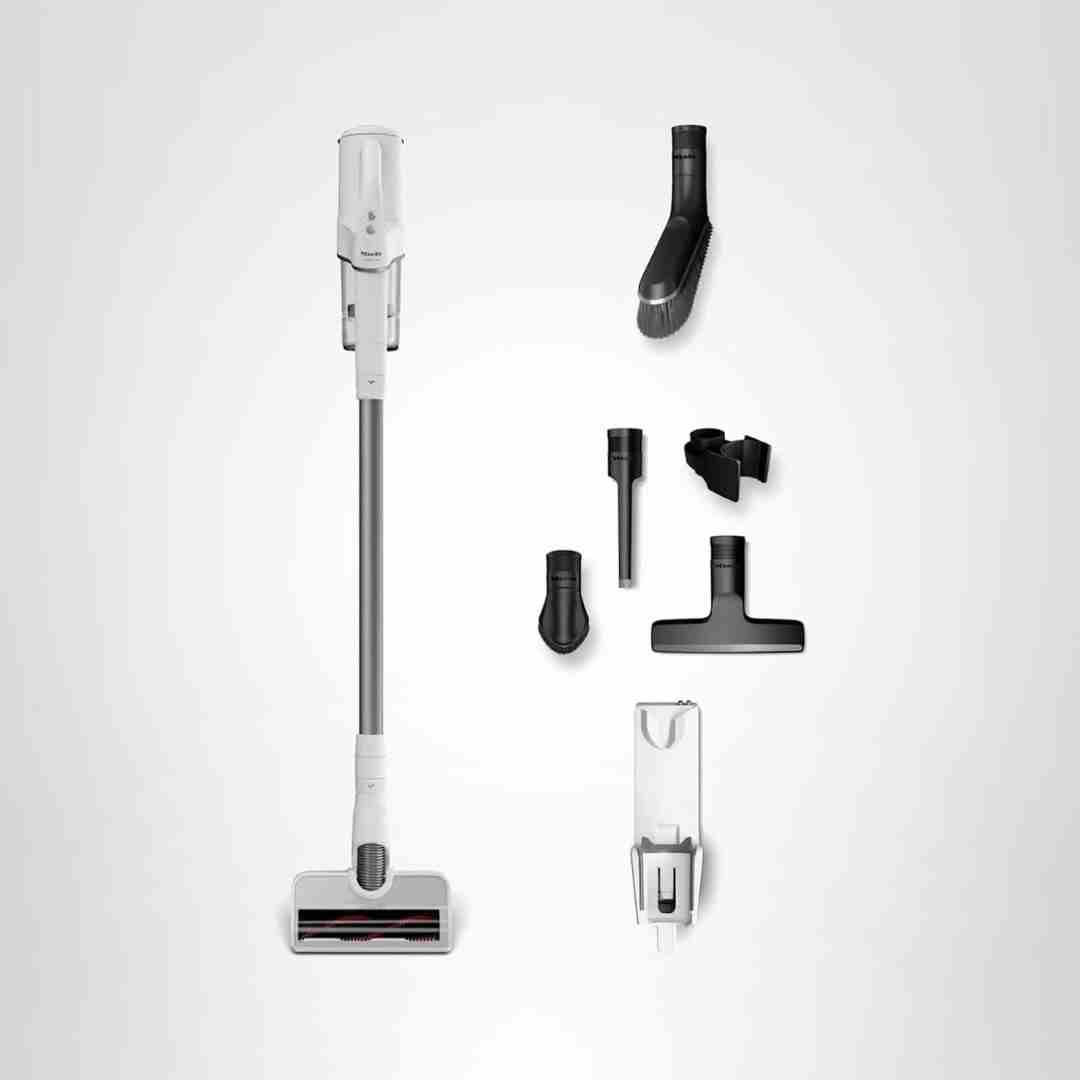
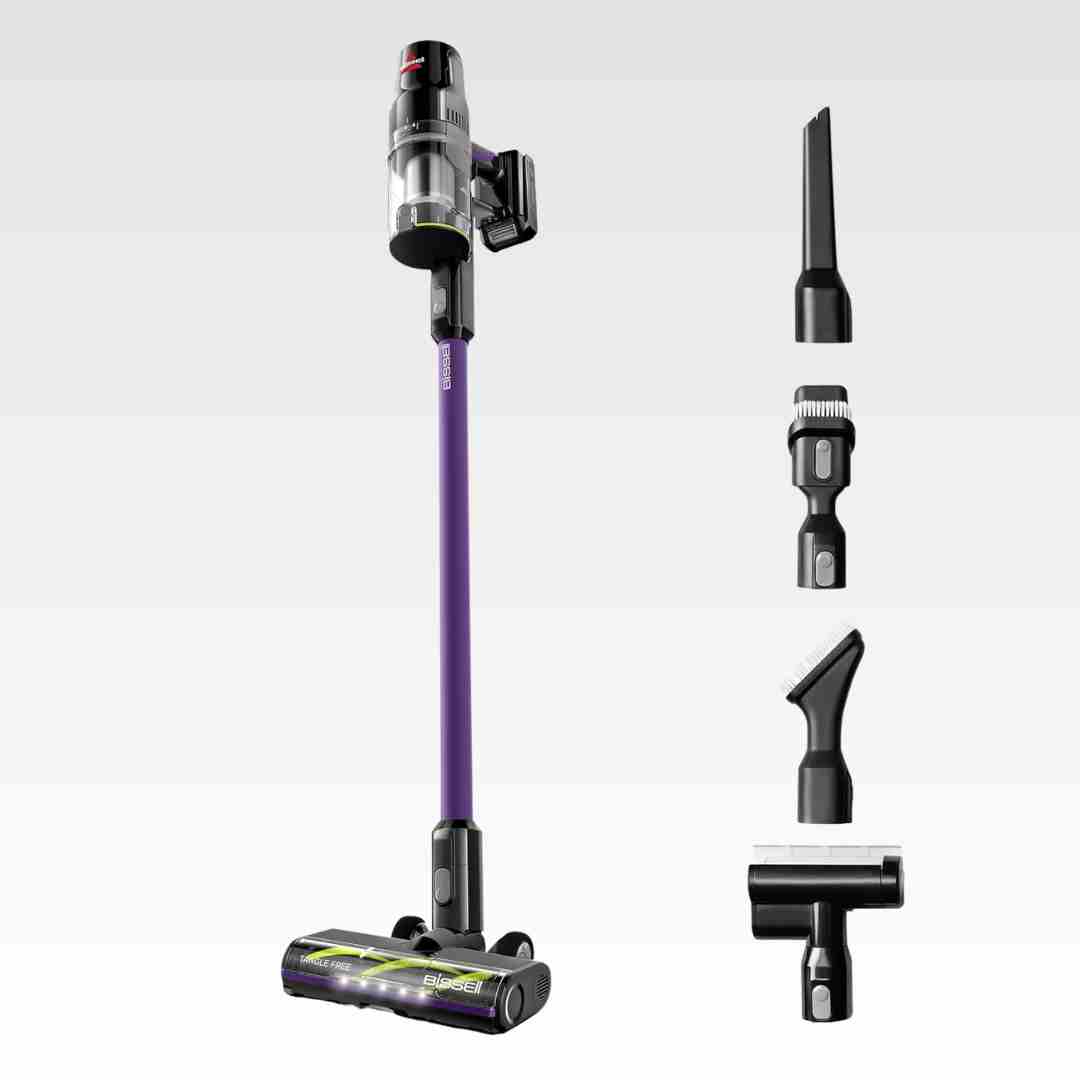
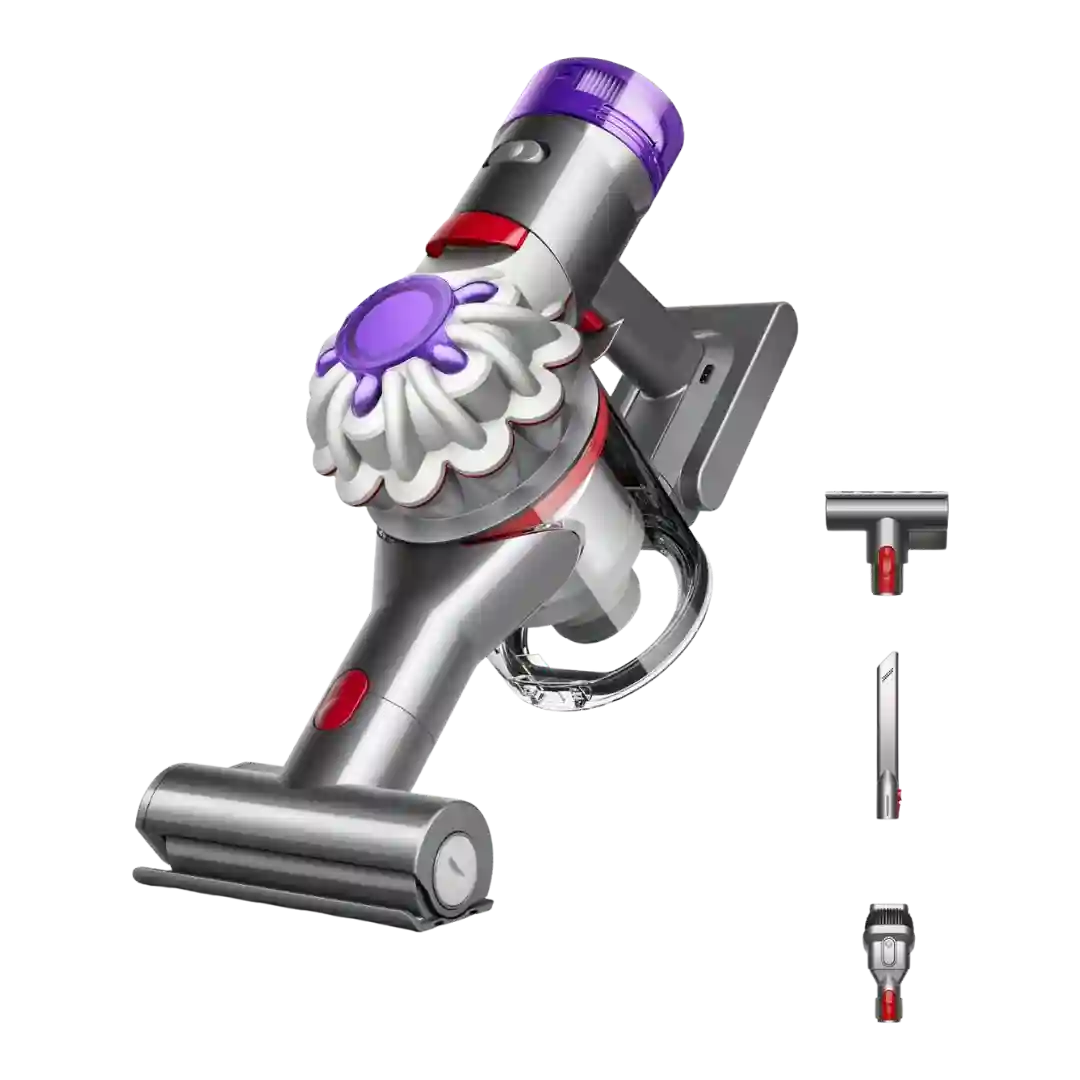
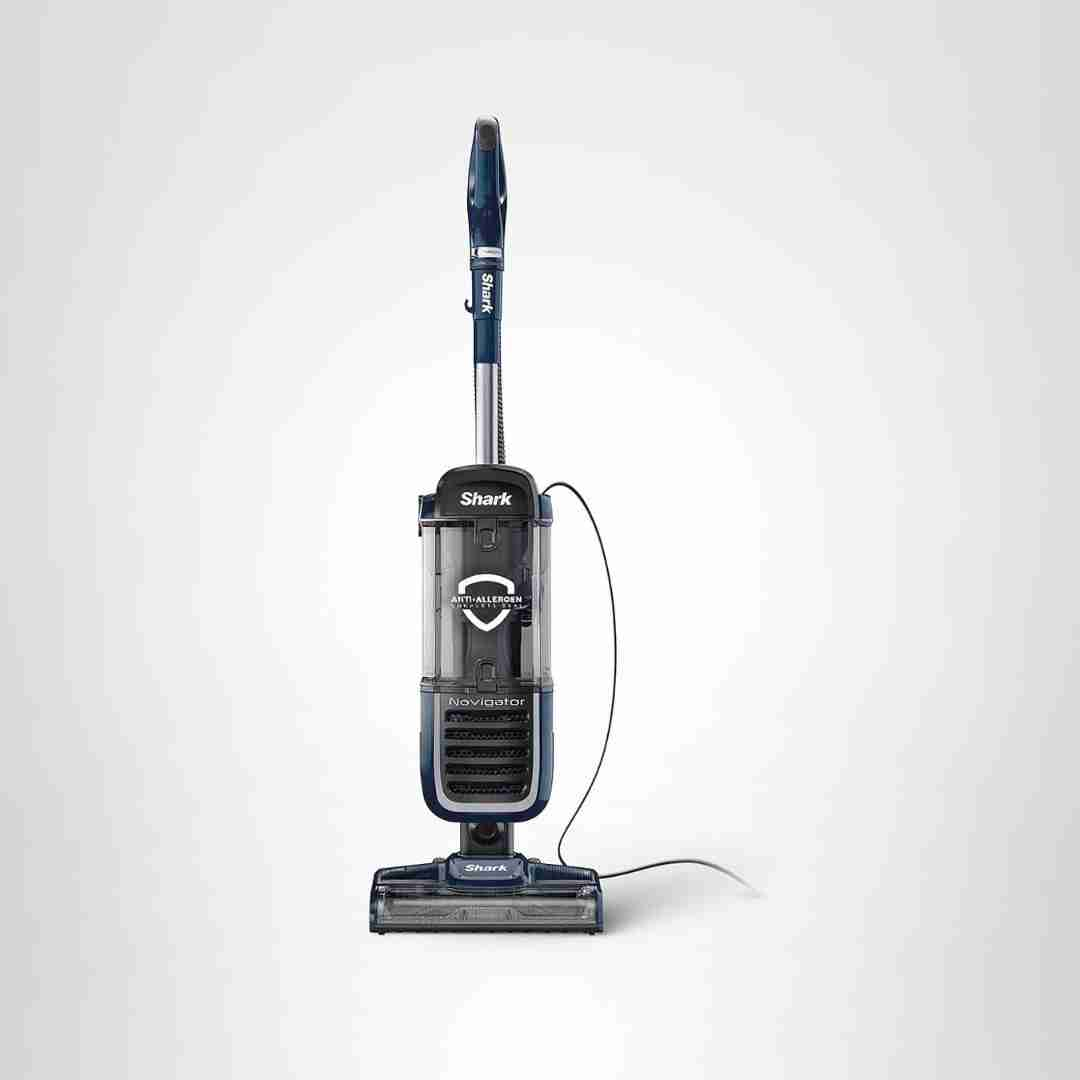
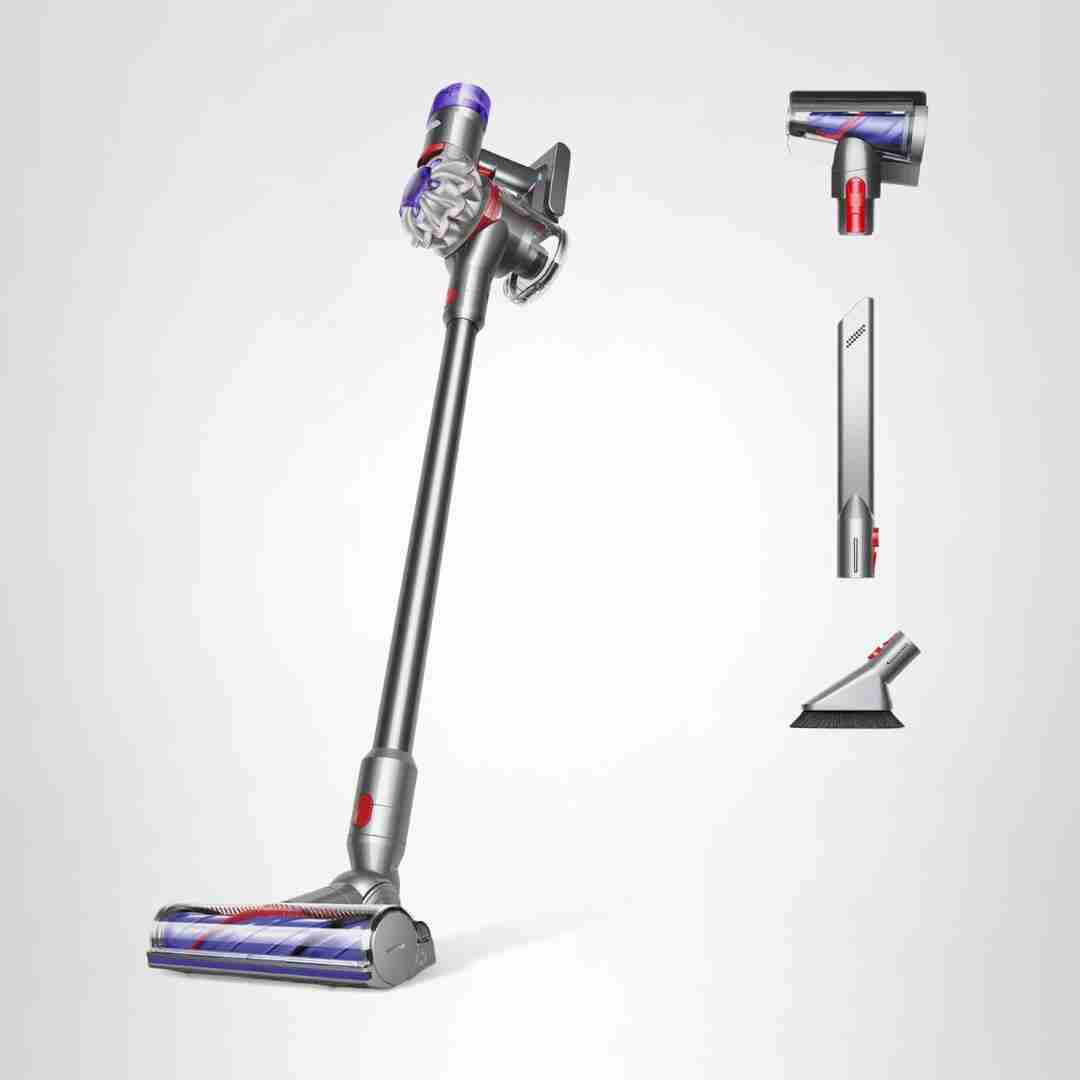
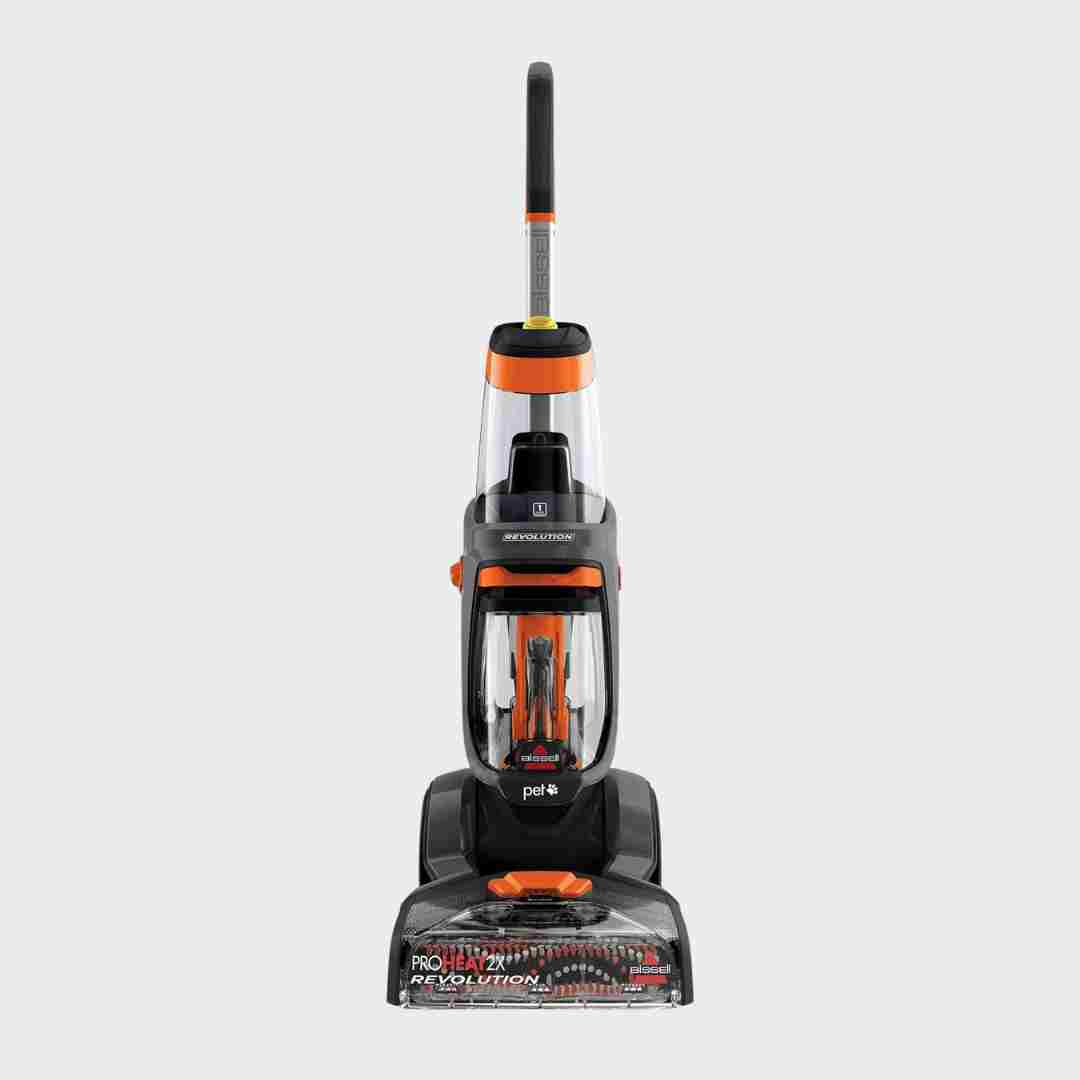
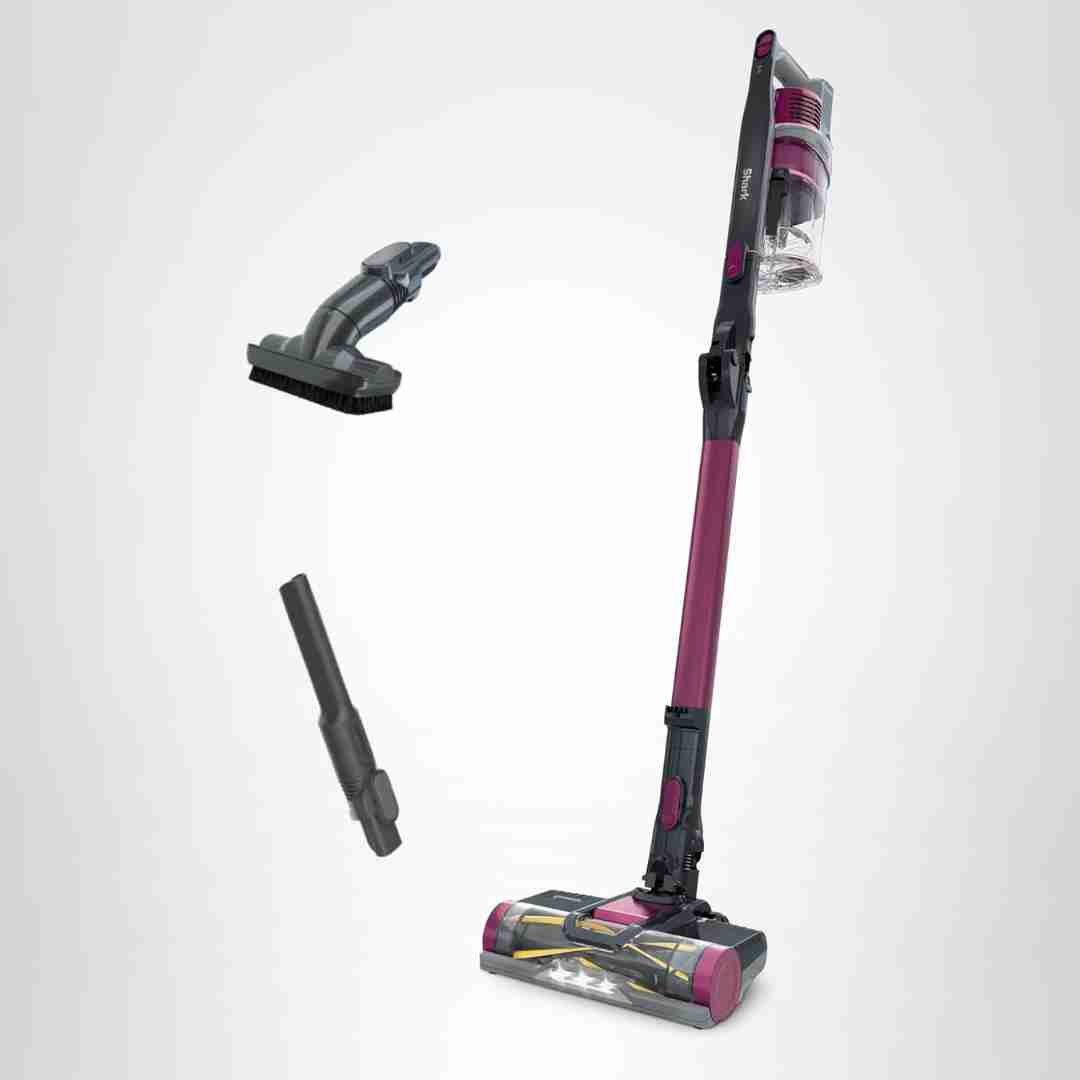
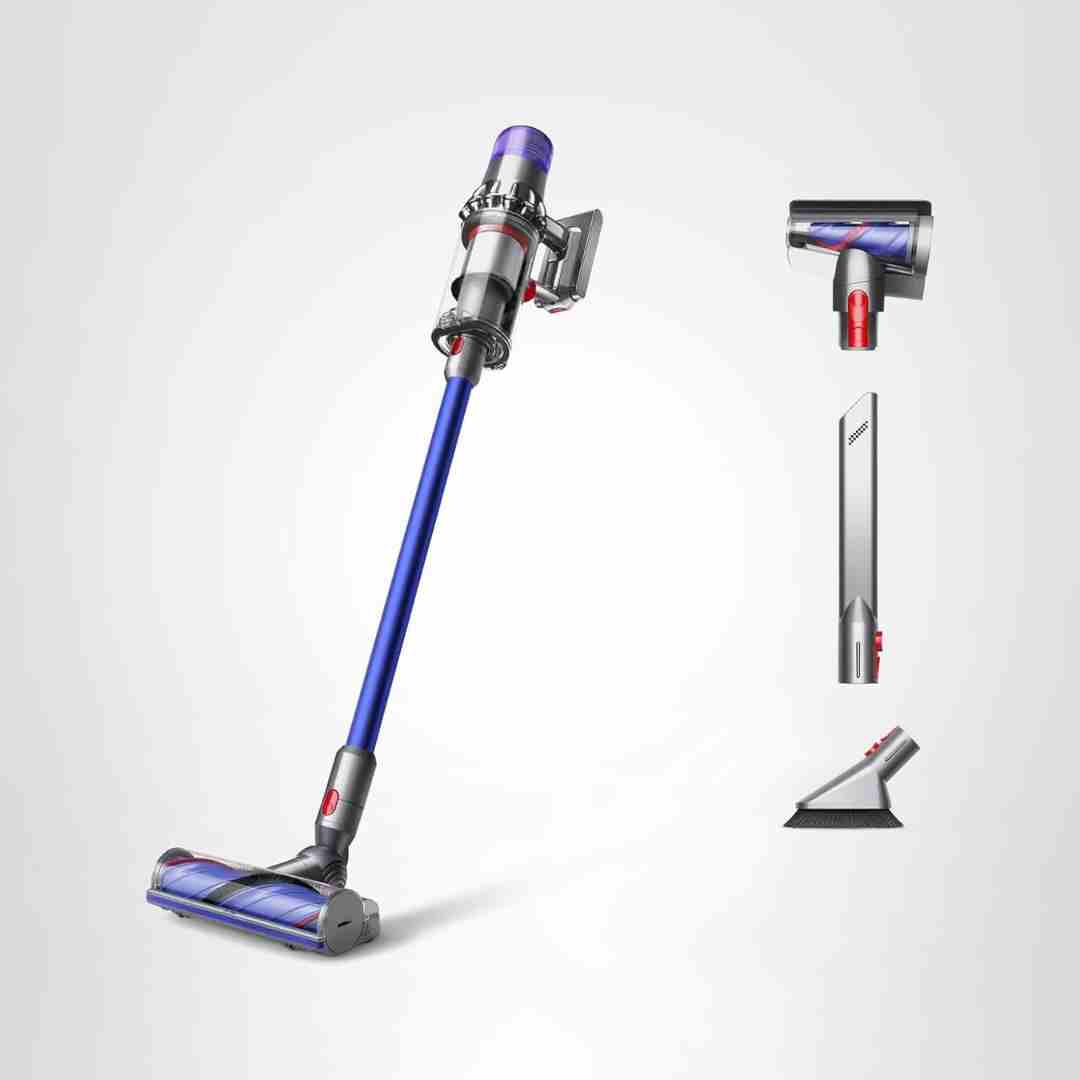
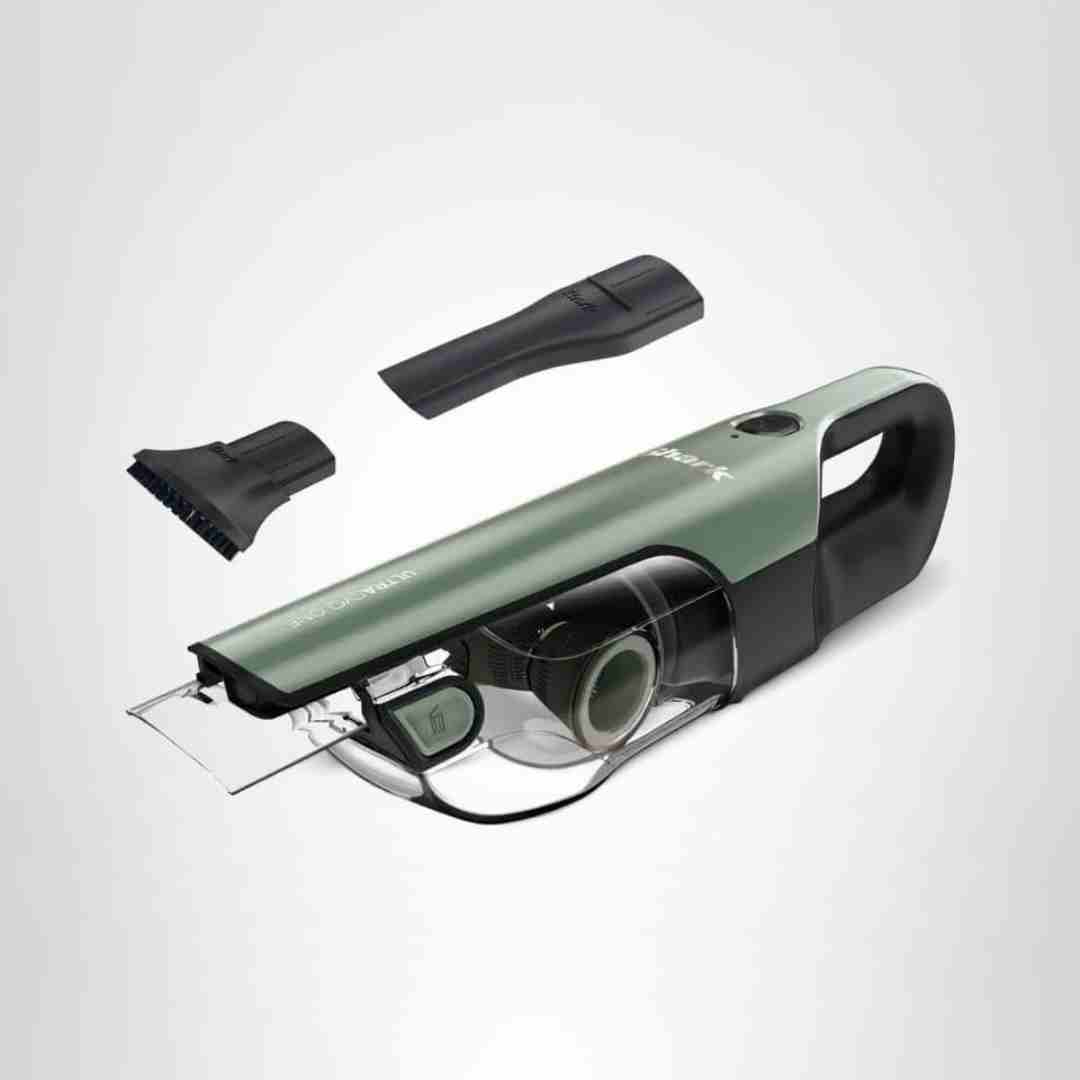
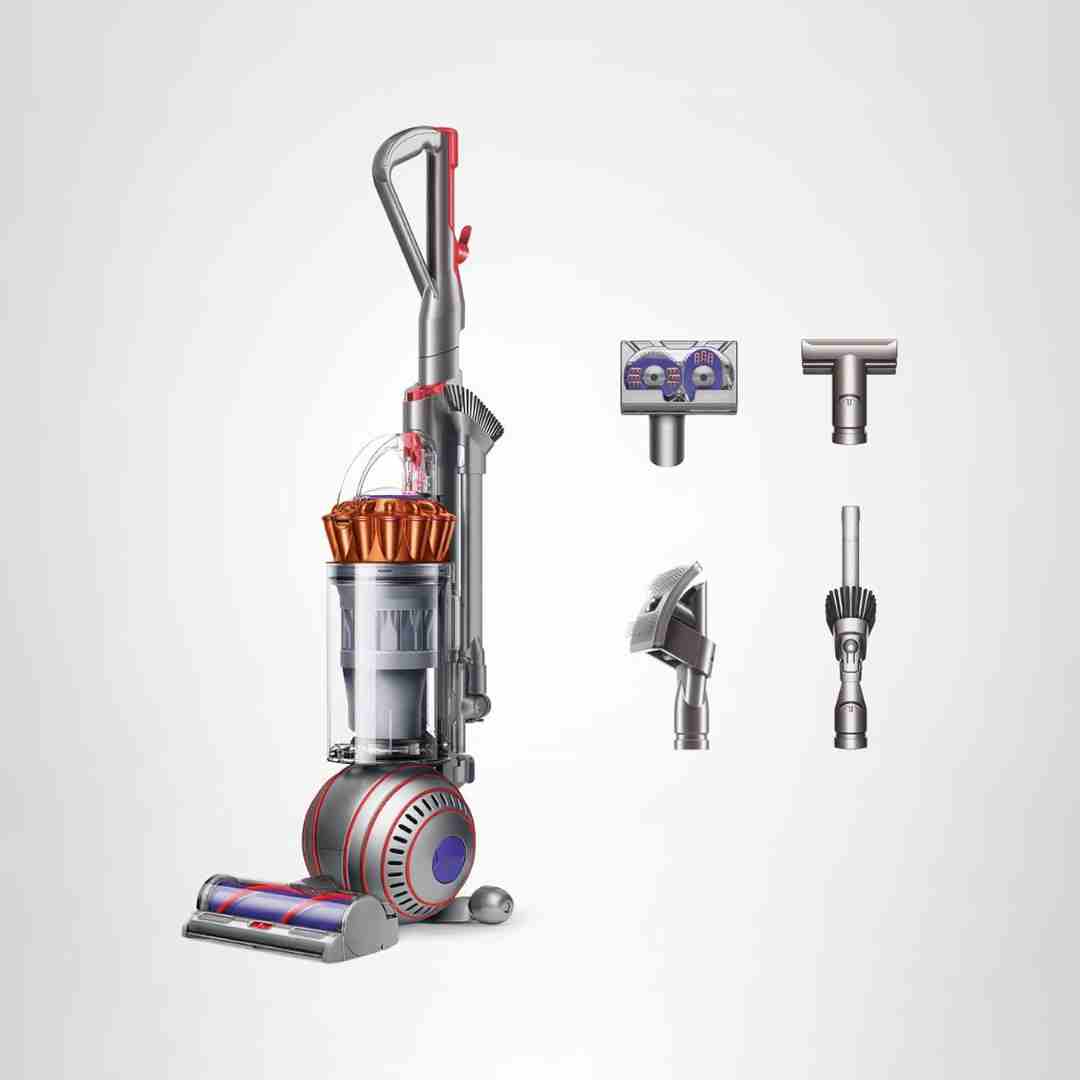
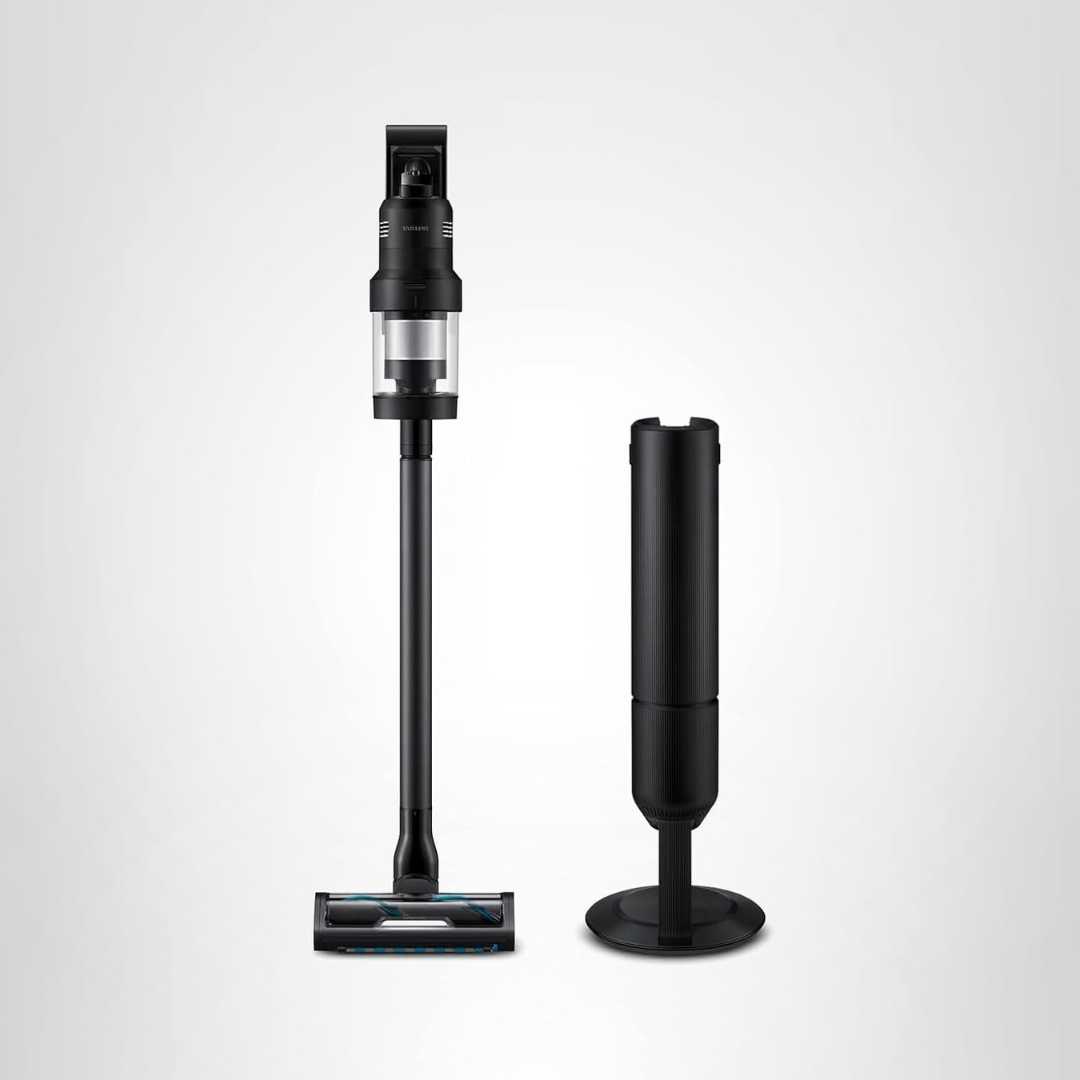
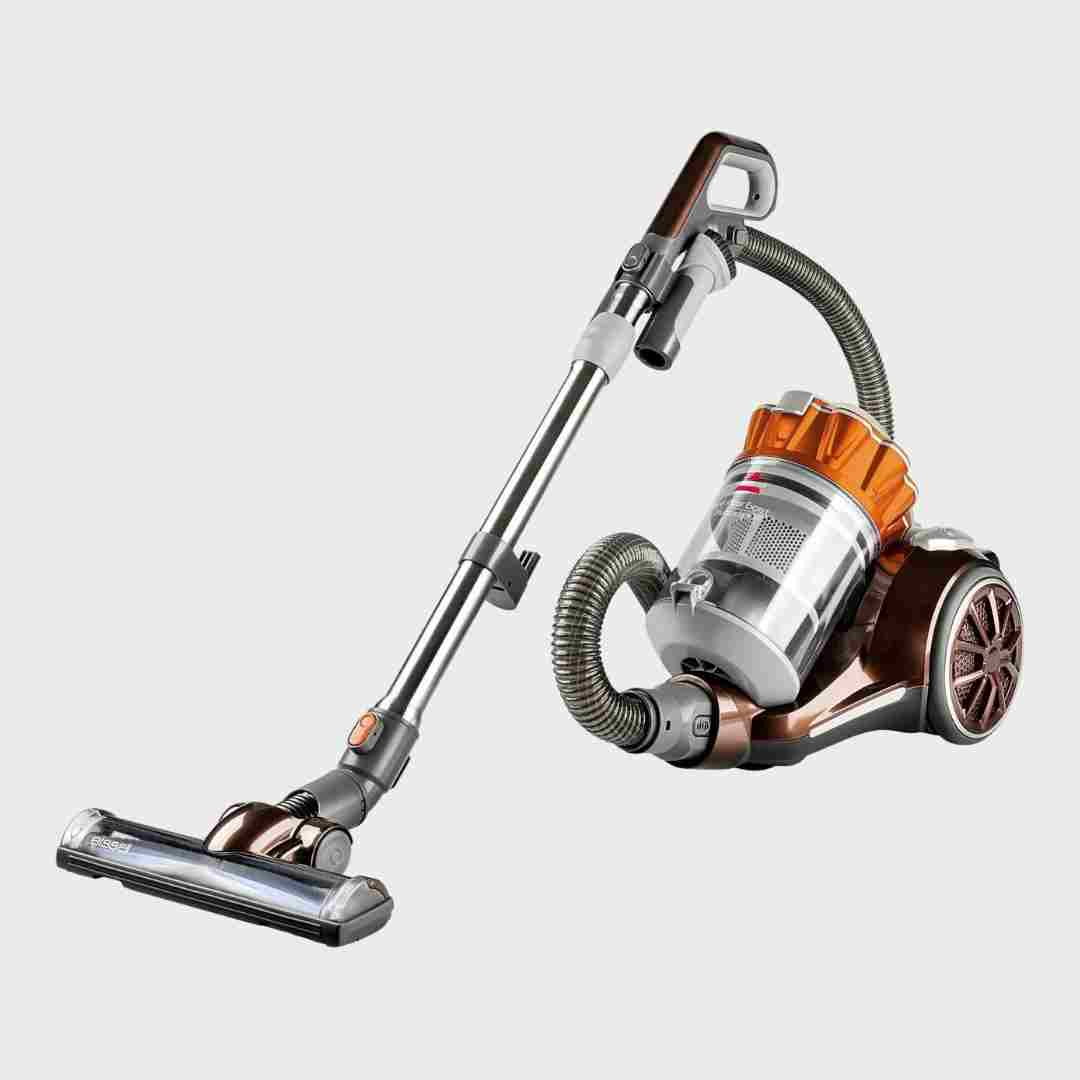
Multiple reviewers call the wand’s integrated crevice/dusting tool a major workflow upgrade: you press a button (or buttons) and immediately switch into detail cleaning without hunting for a separate attachment, then slide it back when finished.
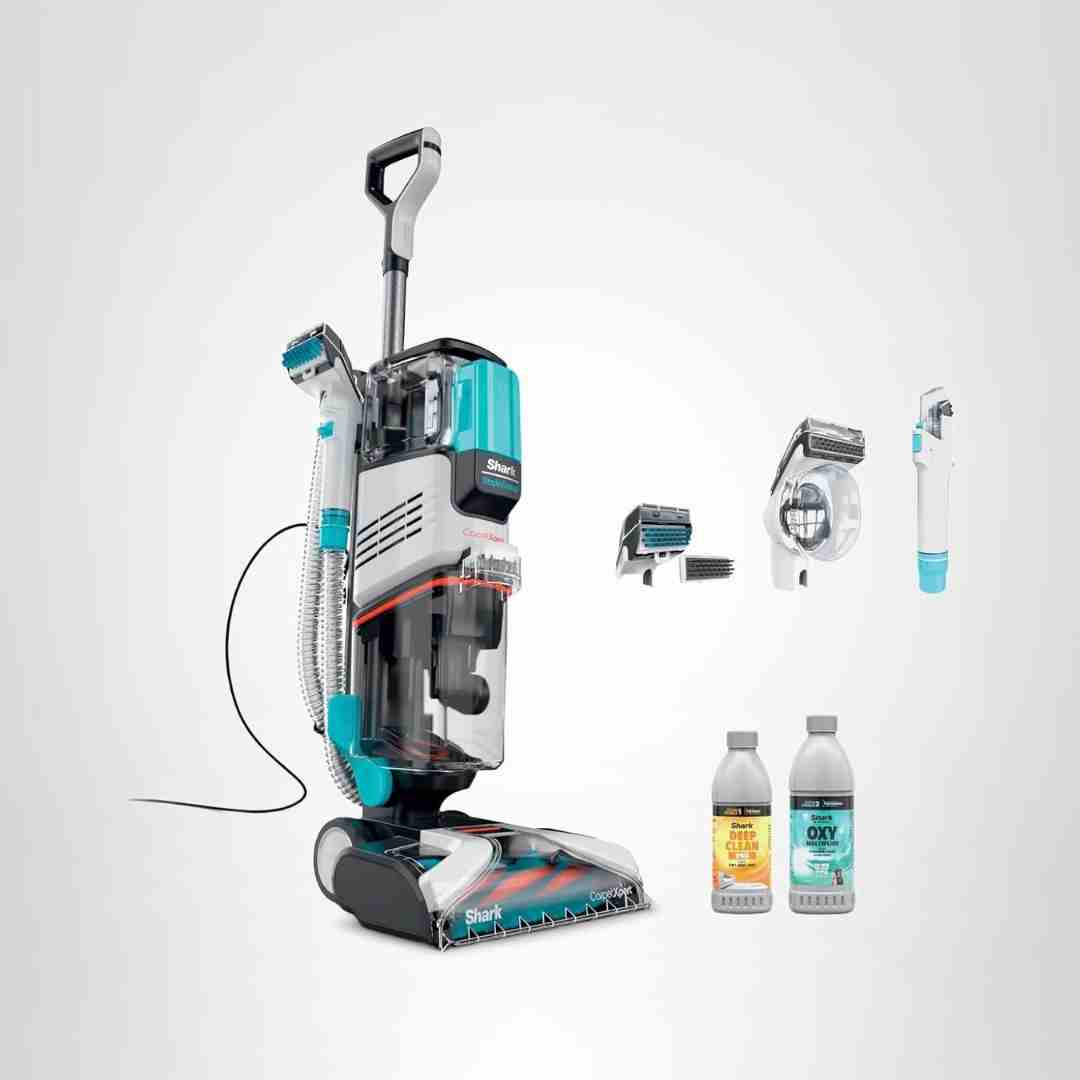
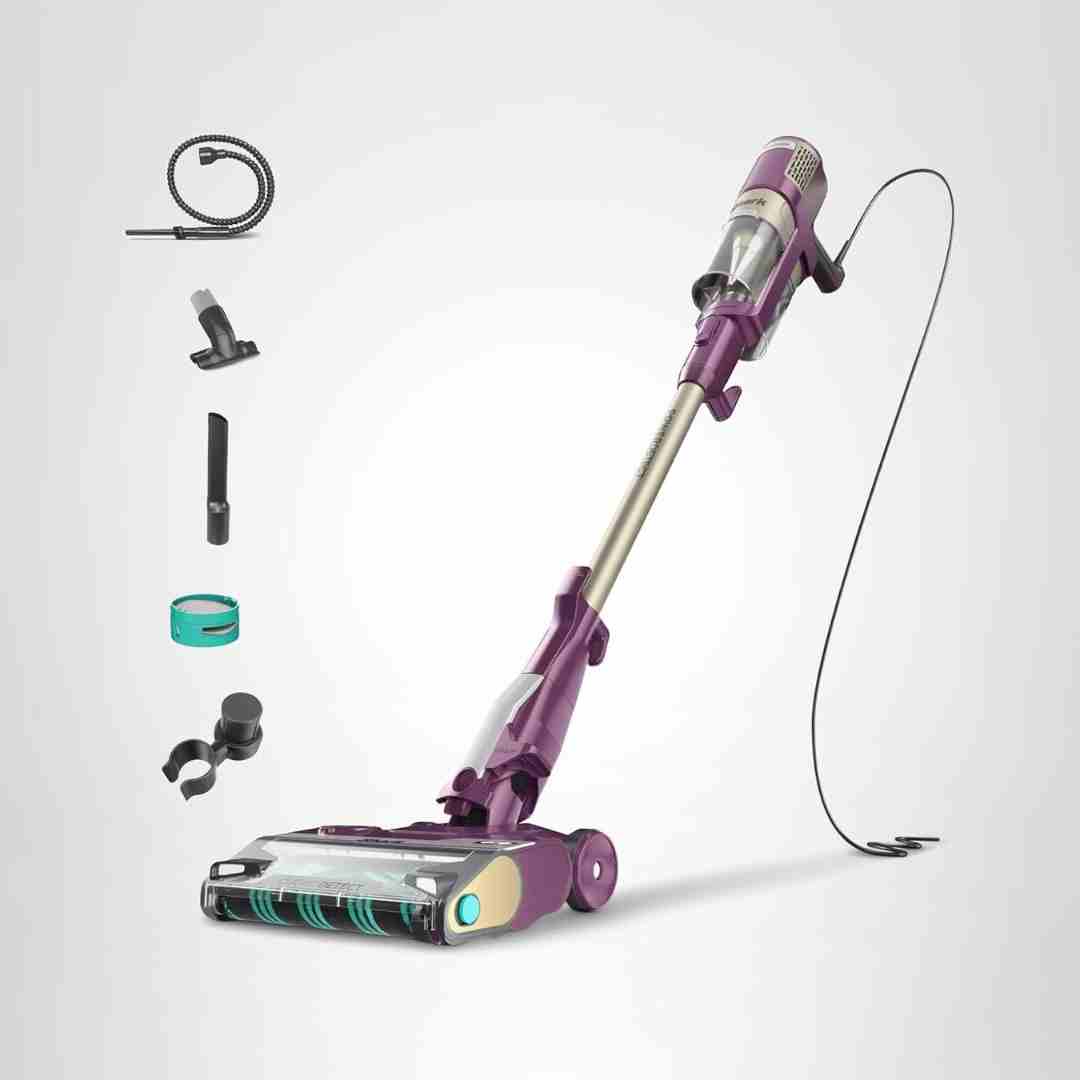
Switching between upright cleaning and handheld/spot work is generally quick thanks to the onboard hose and a simple mode/lever change. A few reviewers note the hose wrap and tool docking can be a little finicky until you learn the right tension and placement.
Tool swapping is generally reported as straightforward, with attachments fitting cleanly and being easy to move between wand use and handheld use in day-to-day cleaning.
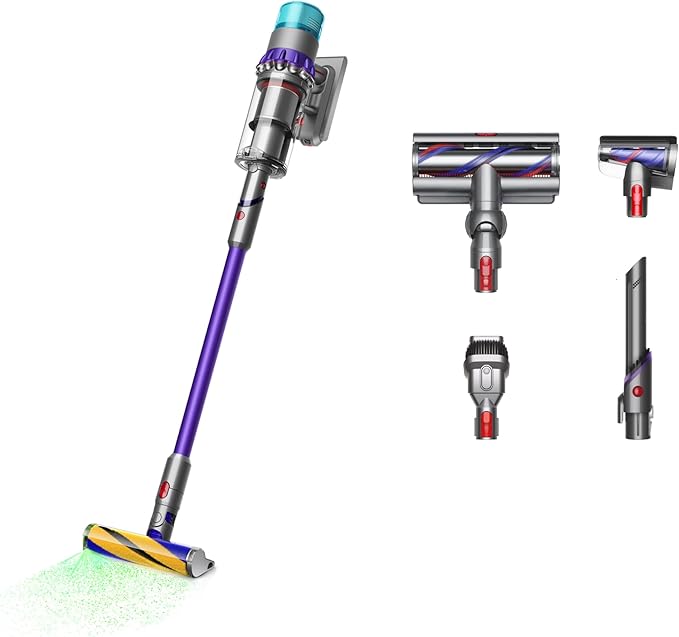
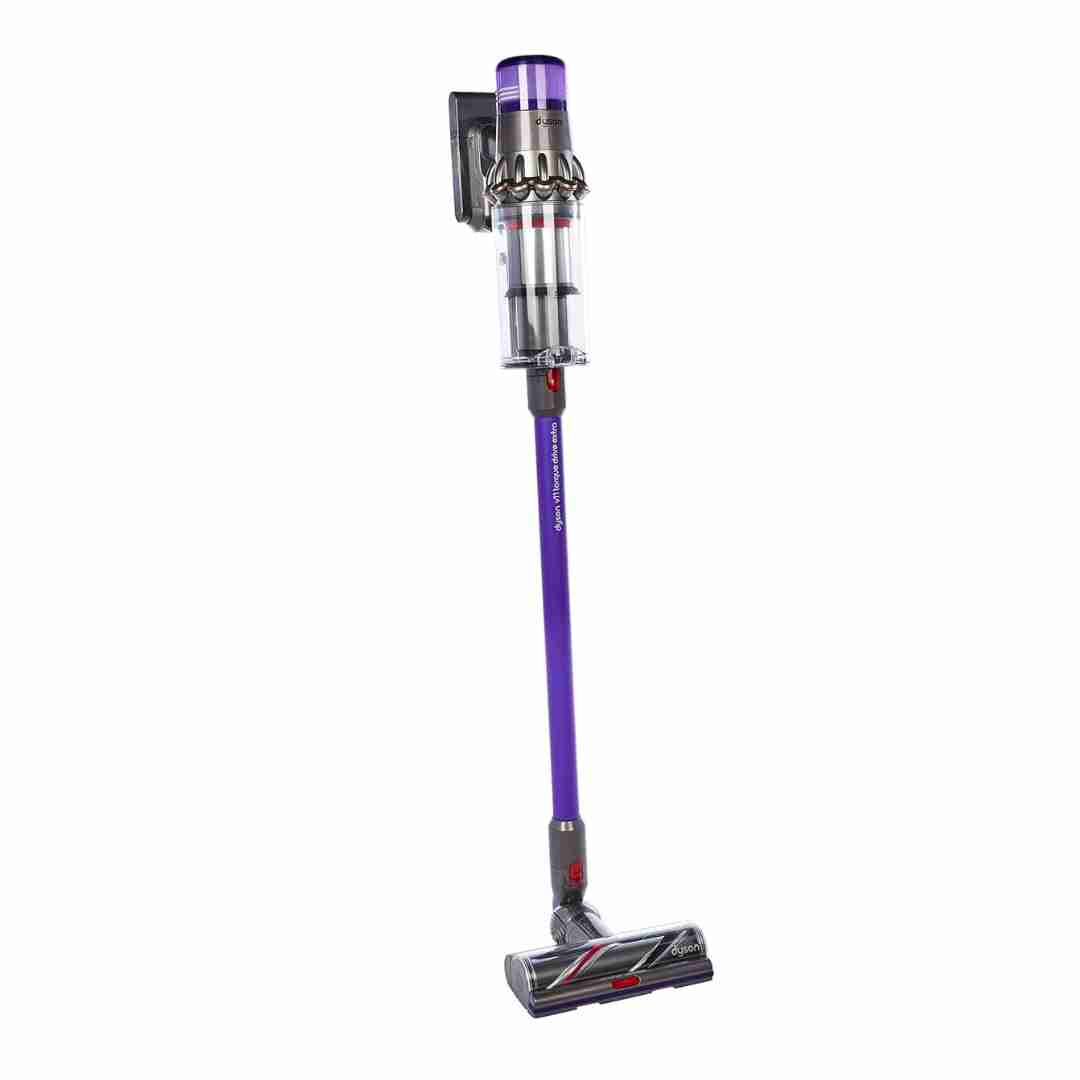
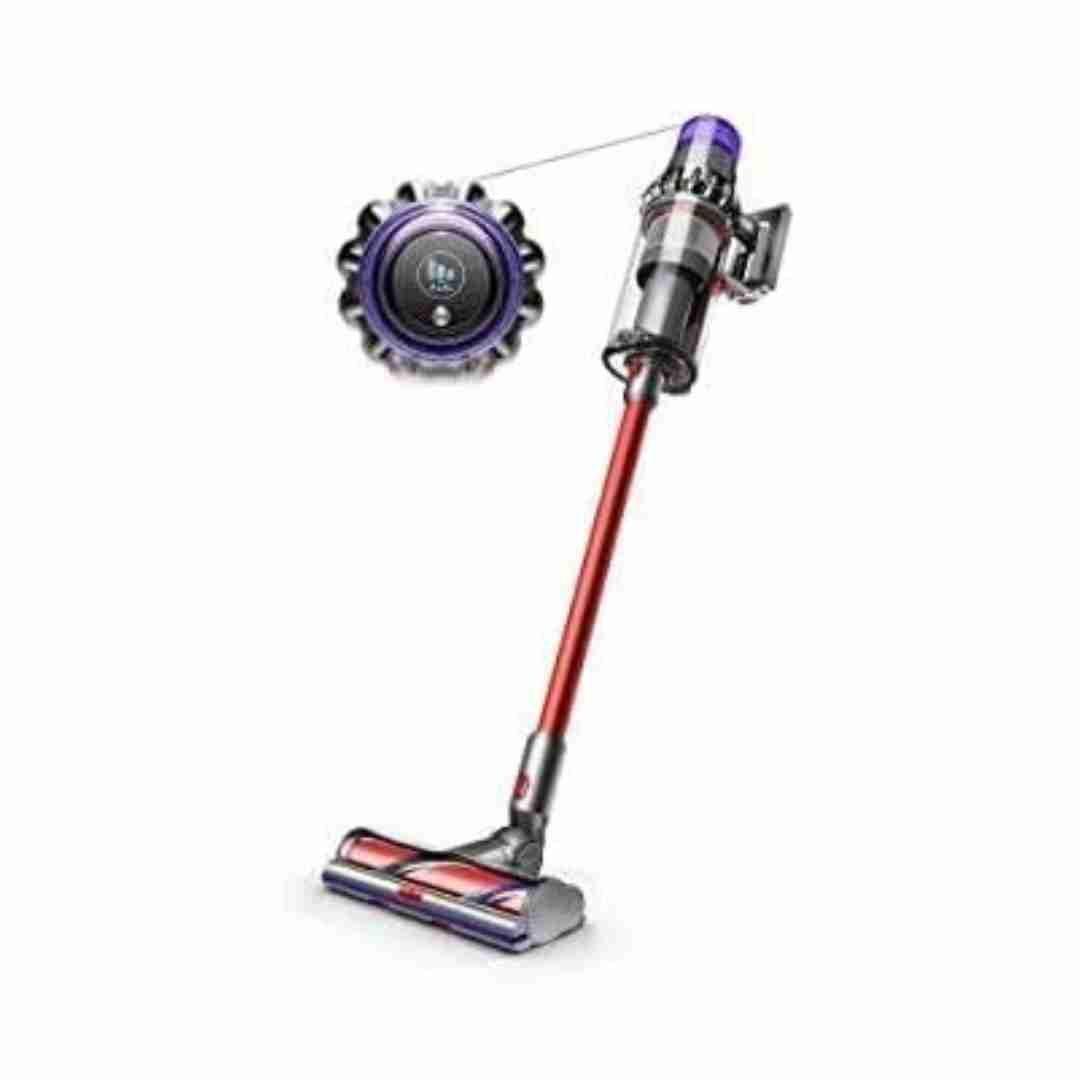
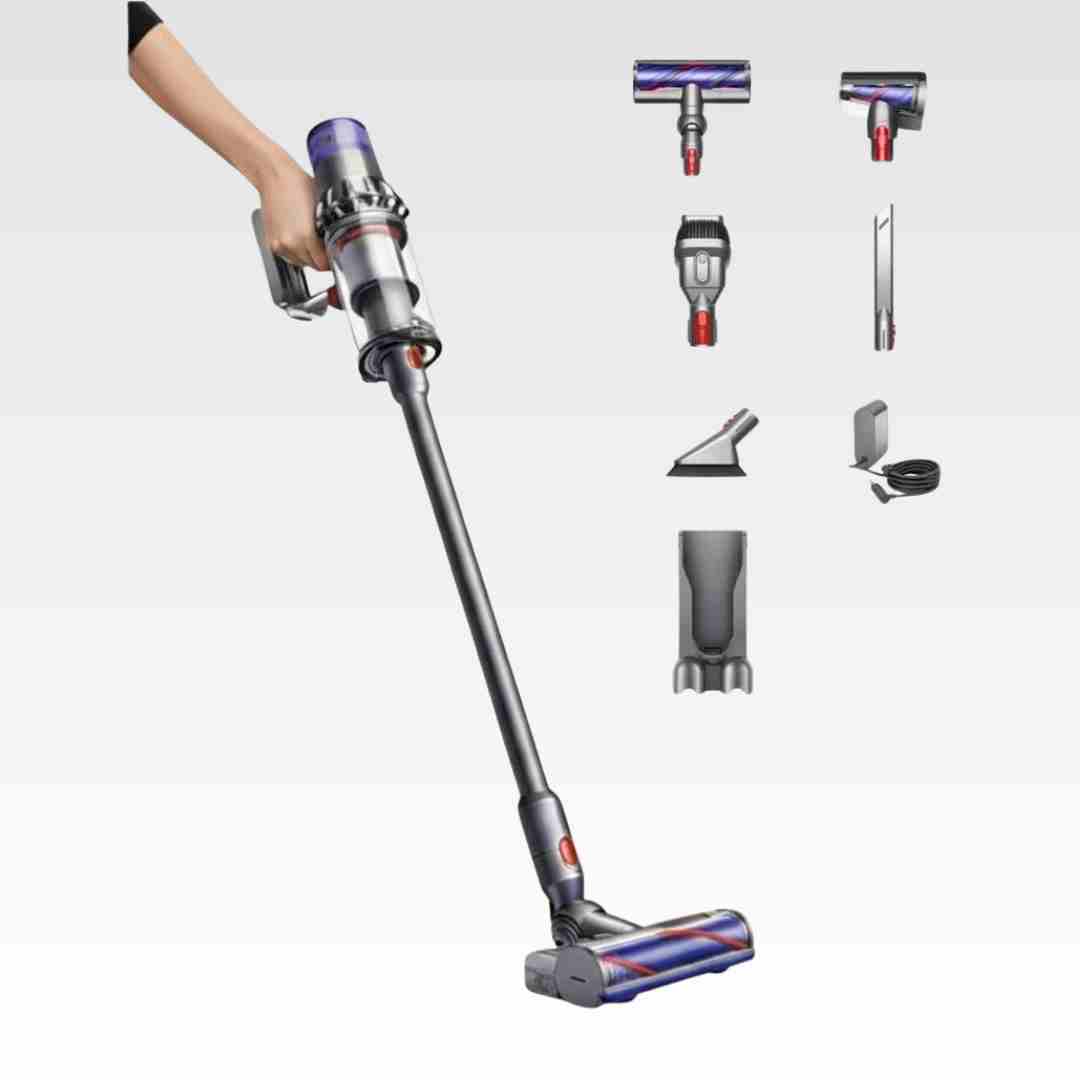
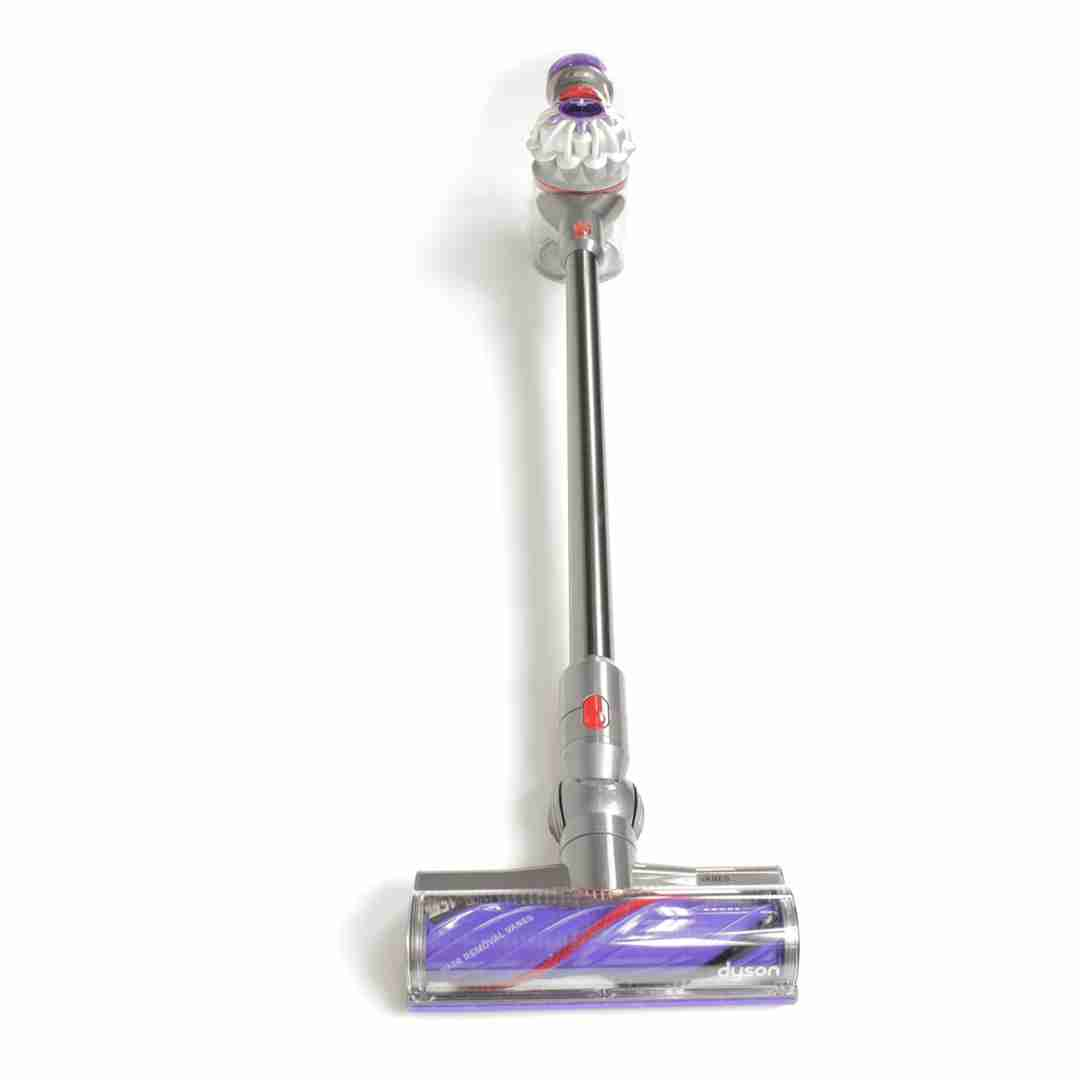
Tool swaps are commonly described as quick and intuitive thanks to Dyson’s quick-release design. This makes it easy to move from floor cleaning to above-floor tasks without breaking momentum.
Most reviewers describe tool swaps as quick and intuitive—press, click, and go—making it easy to switch from floors to crevices or upholstery mid-clean.
Tool swaps are repeatedly described as quick and low-effort, with parts snapping into place for on-the-fly changes. This makes moving between floor cleaning and above-floor tasks feel seamless.
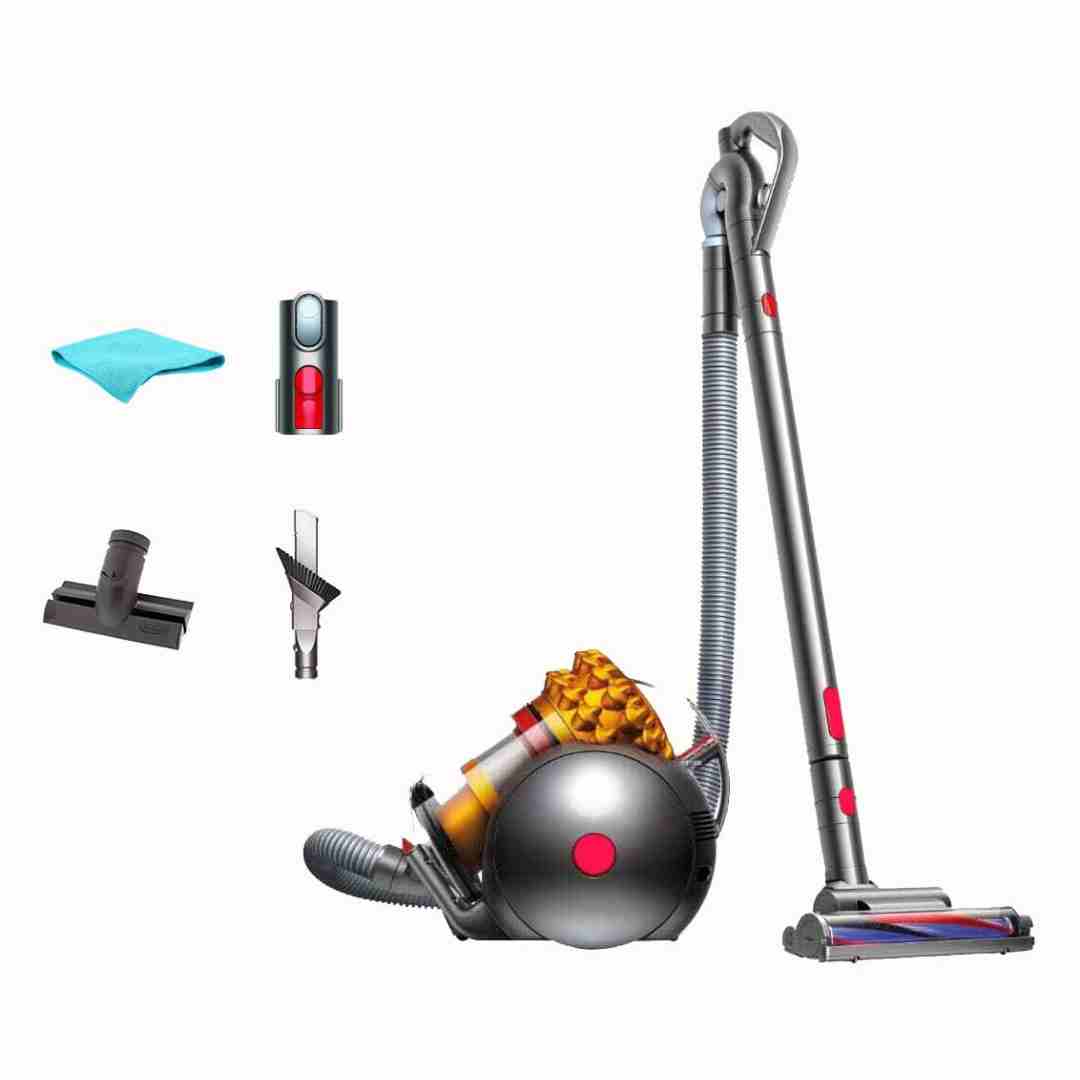
Hose/attachment changes are described as quick and intuitive (often a simple quarter-turn connection), making it easy to switch between floor cleaning and spot work.
The SpeedLock/locking system earns frequent praise for making nozzle swaps and stick-to-handheld conversion fast and low-fuss. A couple of comments mention fit can be a bit tight at times, but overall it is viewed as a major usability win.
Tool changes are generally described as simple, using quick-release buttons and straightforward clicks. The learning curve tends to be more about the bin-emptying sequence or wall-mount setup than swapping attachments.
Attachments are generally described as easy to swap, with parts that click into place and detach quickly. A few users still wish certain tools were included, but the change process itself is straightforward.
Tool swaps are simple thanks to the click-fit, quick-release design, and multiple reviewers call out how fast it is to change attachments mid-clean. This helps when switching from floors to crevices, cars, or upholstery.
Most reviewers find swapping tools and converting configurations straightforward with simple release buttons. A small number say the new connections can feel tight at first compared with older Shark models.
Tool and nozzle swapping is described as quick, and the bin/canister opens with a short twist. Overall, the mechanism is seen as simple and intuitive for fast transitions between tasks.
Attachments and the wand/head are described as quick to swap thanks to push-button latches, making it easy to switch from floors to crevices, stairs, or furniture.
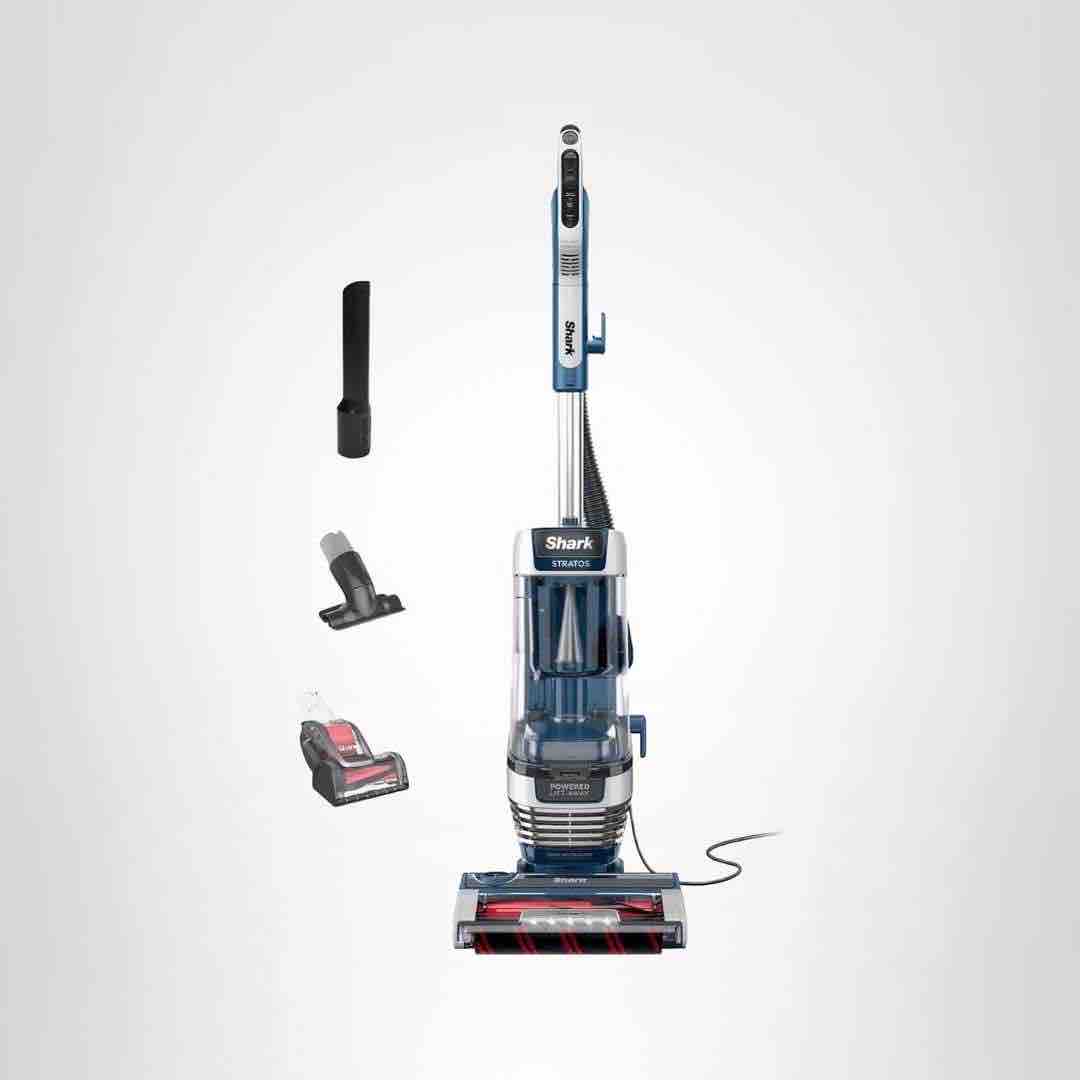
Switching between upright and Lift-Away modes is generally quick with dedicated release buttons, and attachments click in easily. Some reviewers note the multi-configuration approach can feel a bit fiddly until you get used to it.
Switching between floor use and attachments is generally described as quick and straightforward, with tools clipping on easily. Some accessories are friction-fit, but reviewers still found swapping parts hassle-free overall.
Attachment changes are generally described as quick and intuitive, using release buttons or a foot pedal. One review notes some tools are friction-fit rather than snap-on, but they still stayed put during use.
Tool swapping is described as quick thanks to clip-style connectors, and the 2-in-1 tools make it easy to switch between brushing and crevice work. The powered hose also reduces hassle for above-floor tasks by letting you set the main unit down.
Tool changes are generally easy, with attachments described as simple to pop on and off. The main friction comes from the overall limited tool assortment rather than fiddly connections.
Most reviewers find the modular parts click together cleanly and attachments swap quickly; Lift‑Away conversions are usually simple once you learn the latches.
Multiple reviewers describe swapping heads and accessing the bin/filter as straightforward and quick. One review notes reassembly alignment can be finicky, which can feel like a tool-change/setup friction point.
The modular wand and quick attachment swapping are described as straightforward, including using tools either at the handle or at the end of the wand for baseboards and stairs. Cleaning and disassembling some tools is also described as simple.
Tool changes are generally described as simple, using quick-release buttons to swap between wand, hose, and attachments. Reviewers note a short learning curve, but day-to-day changes are straightforward.
Swapping tools is generally quick thanks to click-fit connections and having tools close to the handle. A few reviews note that clip-on tool carriers can be knocked off or require extra care.
Tool and component changes are described as simple, with tanks/nozzles snapping on and off and brush components popping out for rinsing. Disassembly is generally straightforward once you learn the latch points.
Tool swaps and mode changes are generally described as button-driven and quick, with the wand and pod detaching cleanly. A minority of users find handling awkward when they must carry the pod while using attachments, which can reduce the perceived simplicity.
Tool swapping is generally simple, supporting quick changes between floorheads and detail tools. Minor complaints include wobble in extendible tools and occasional debris falling out during head removal in one review.