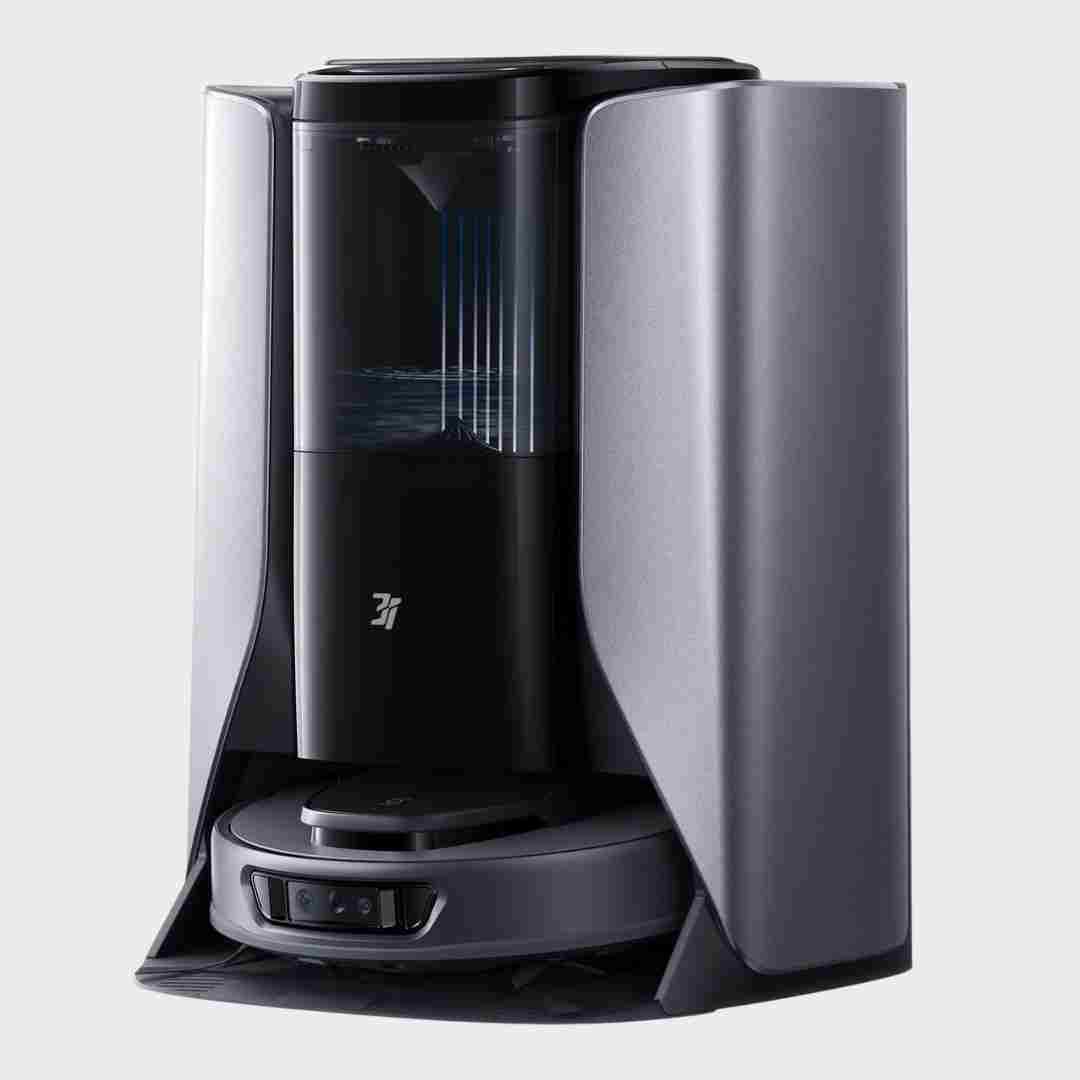
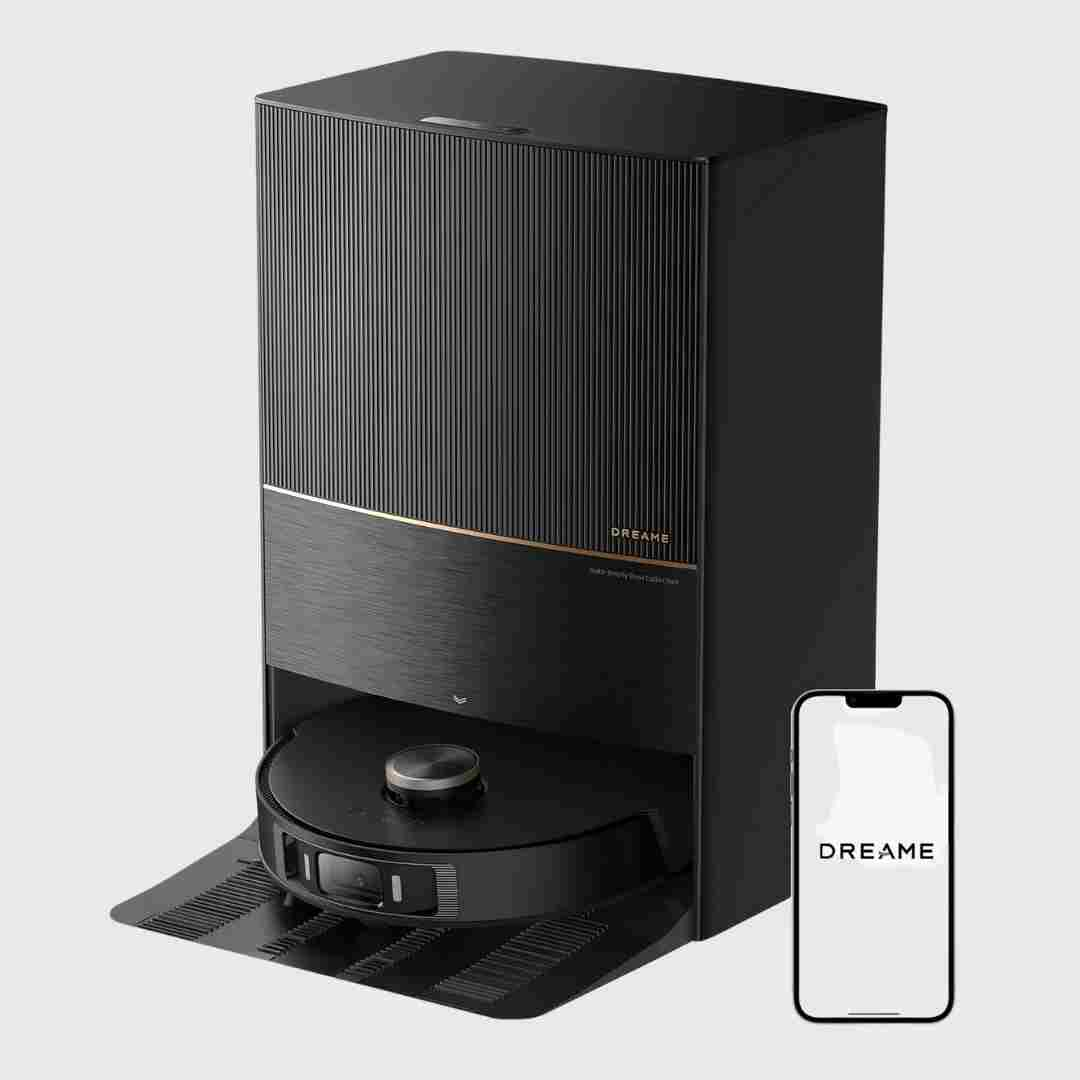
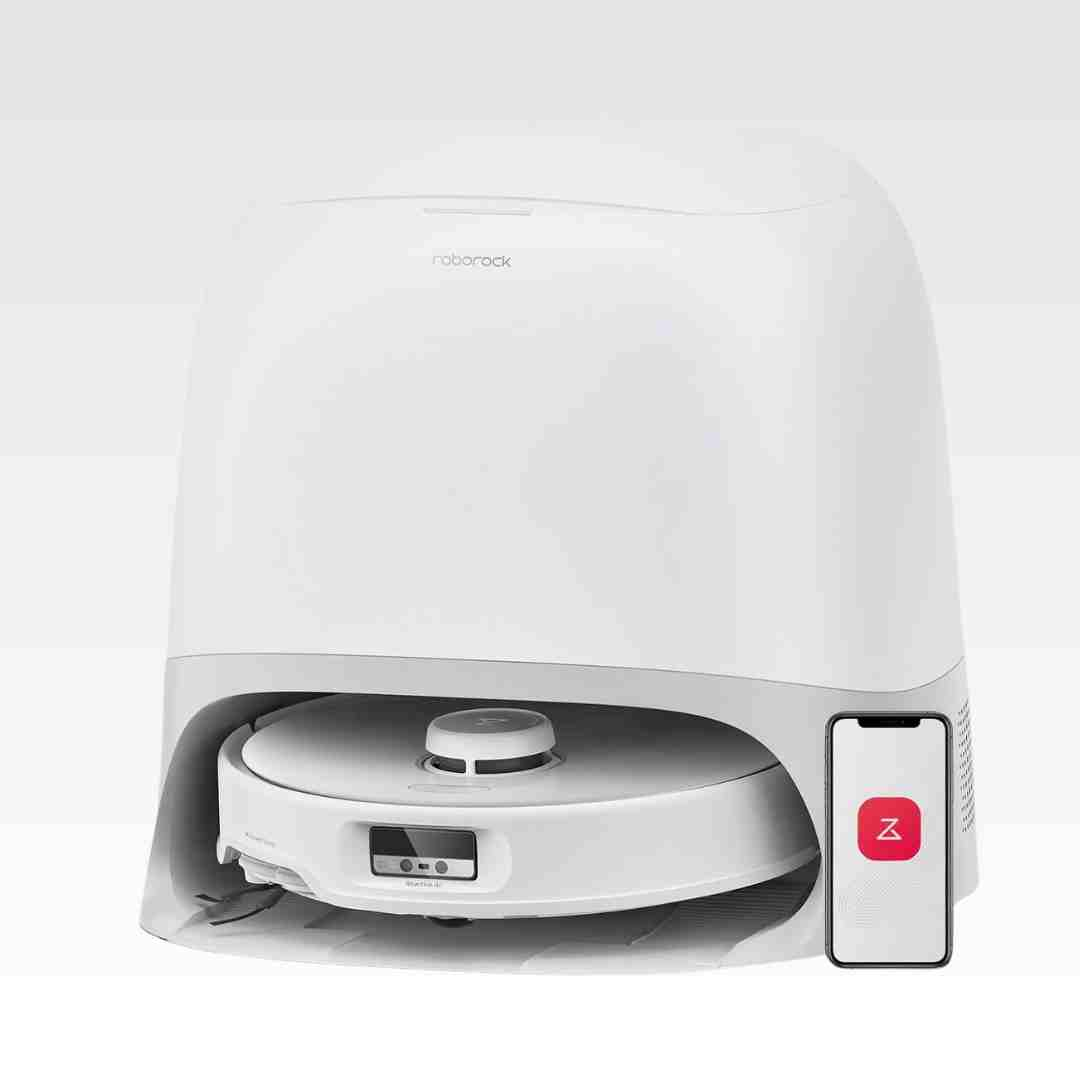
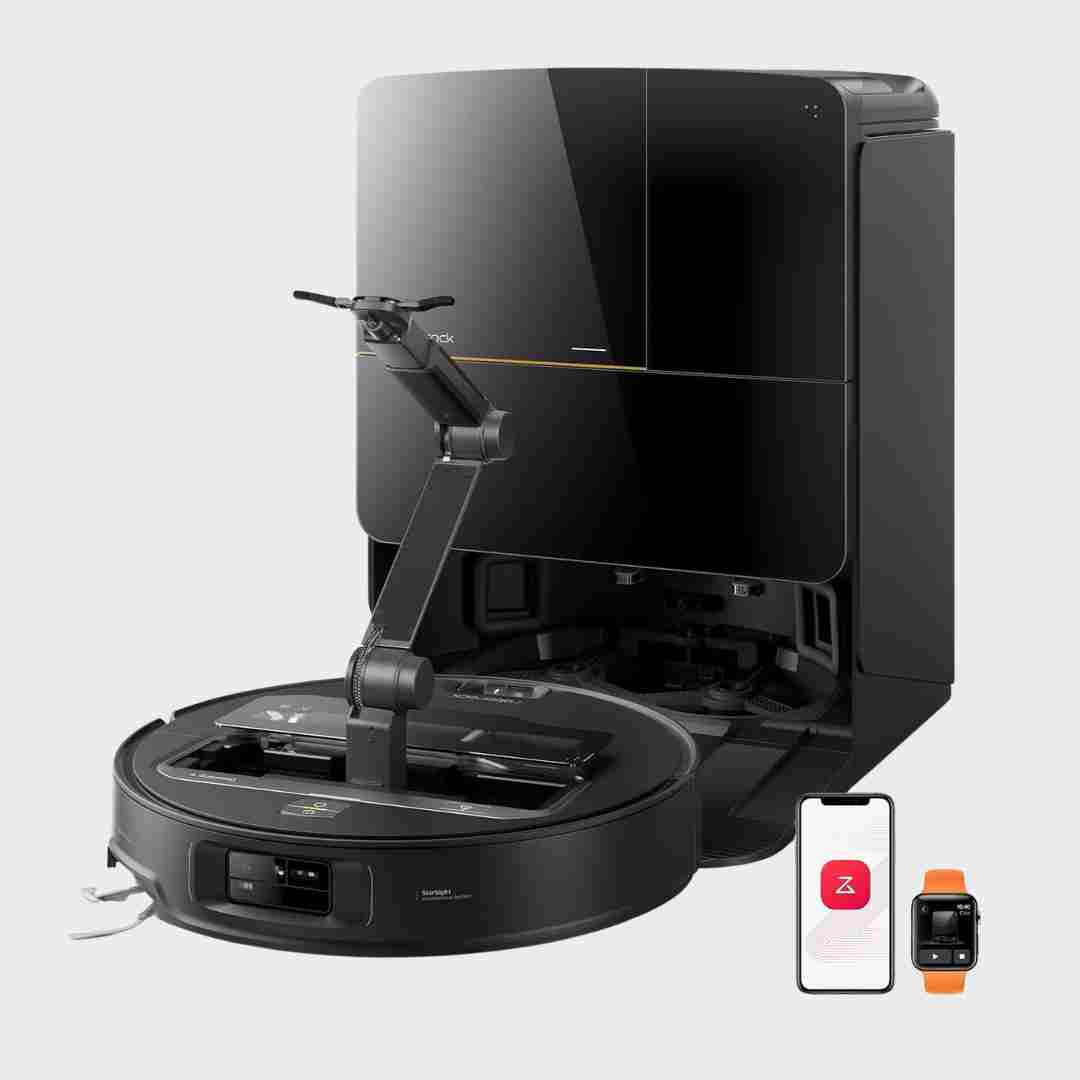
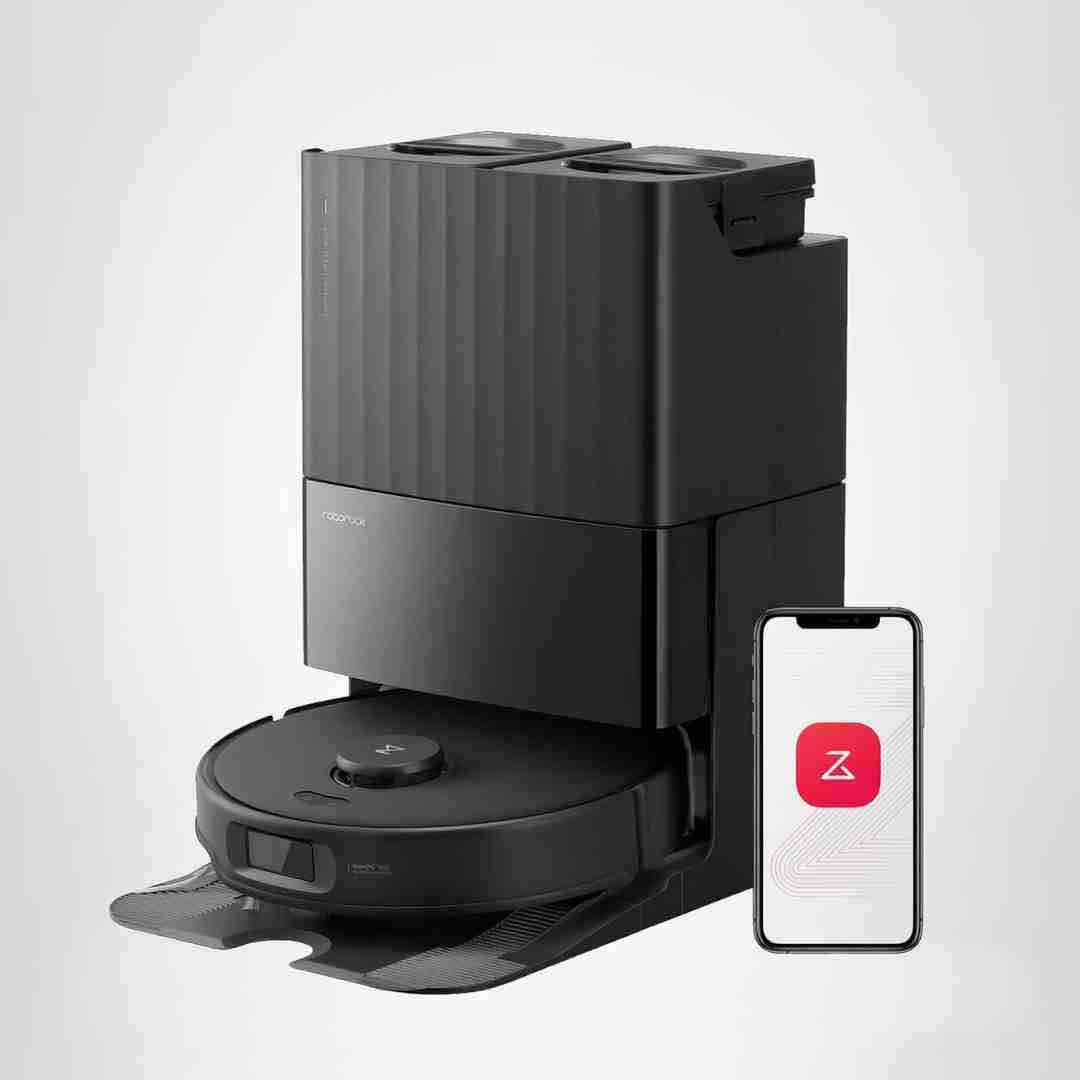
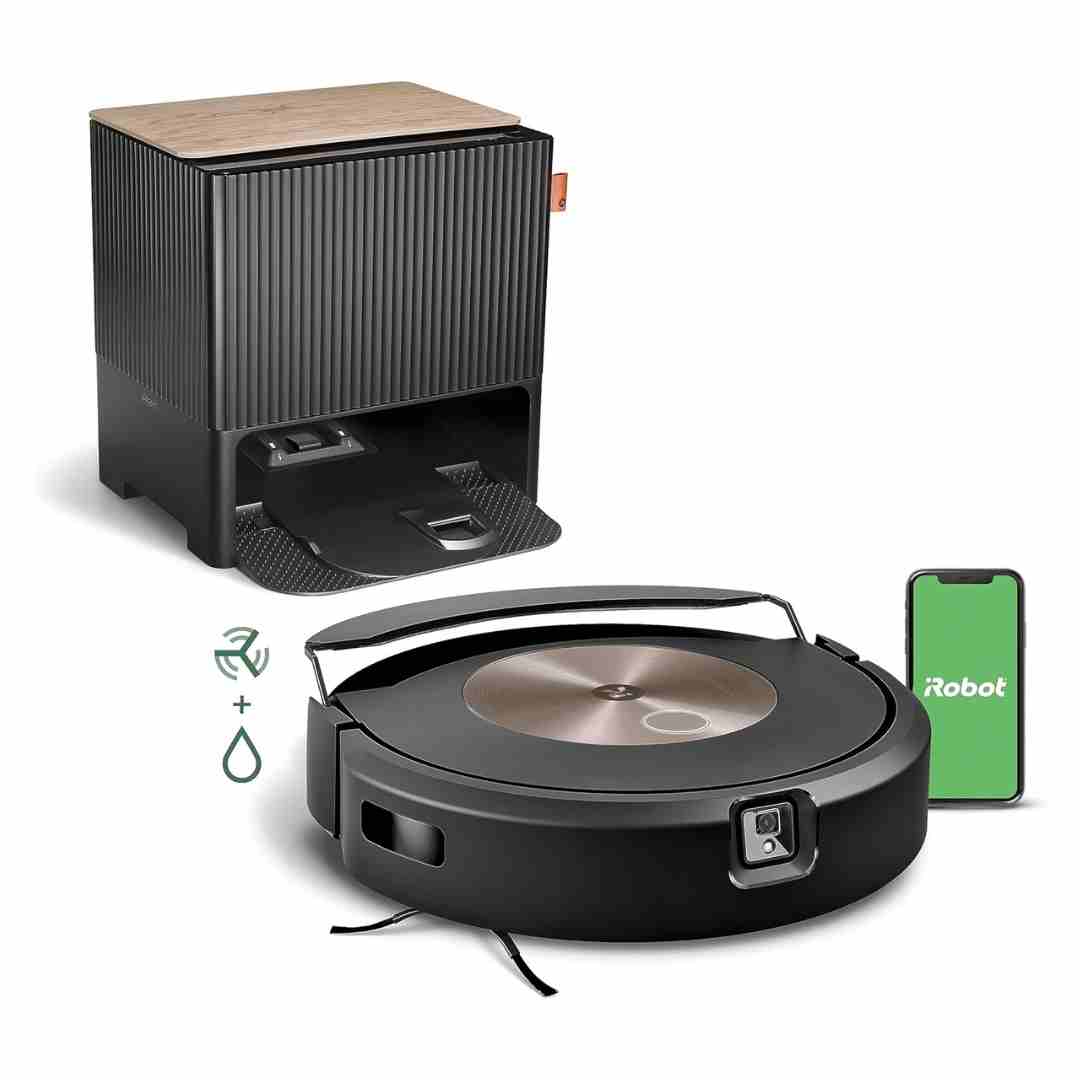
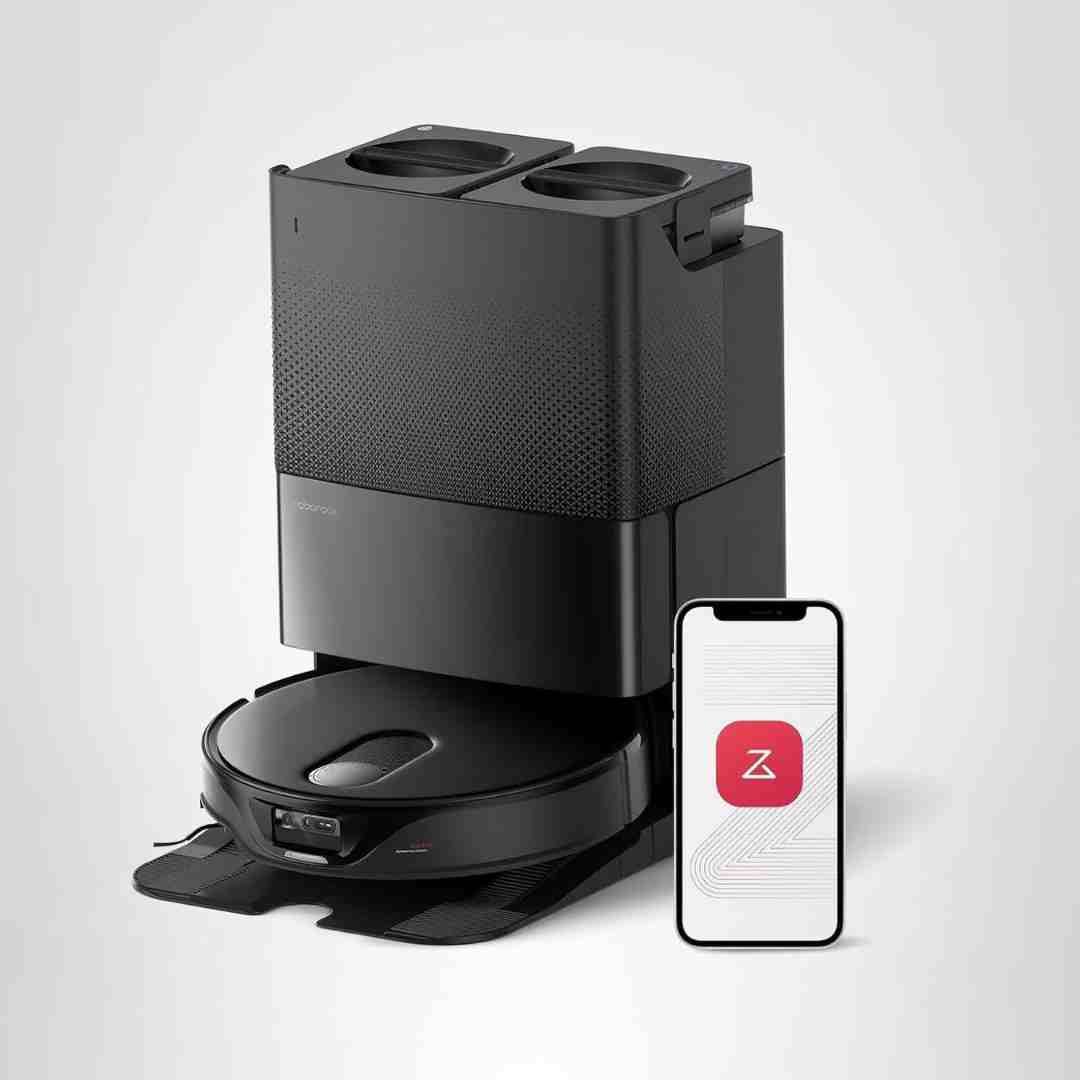
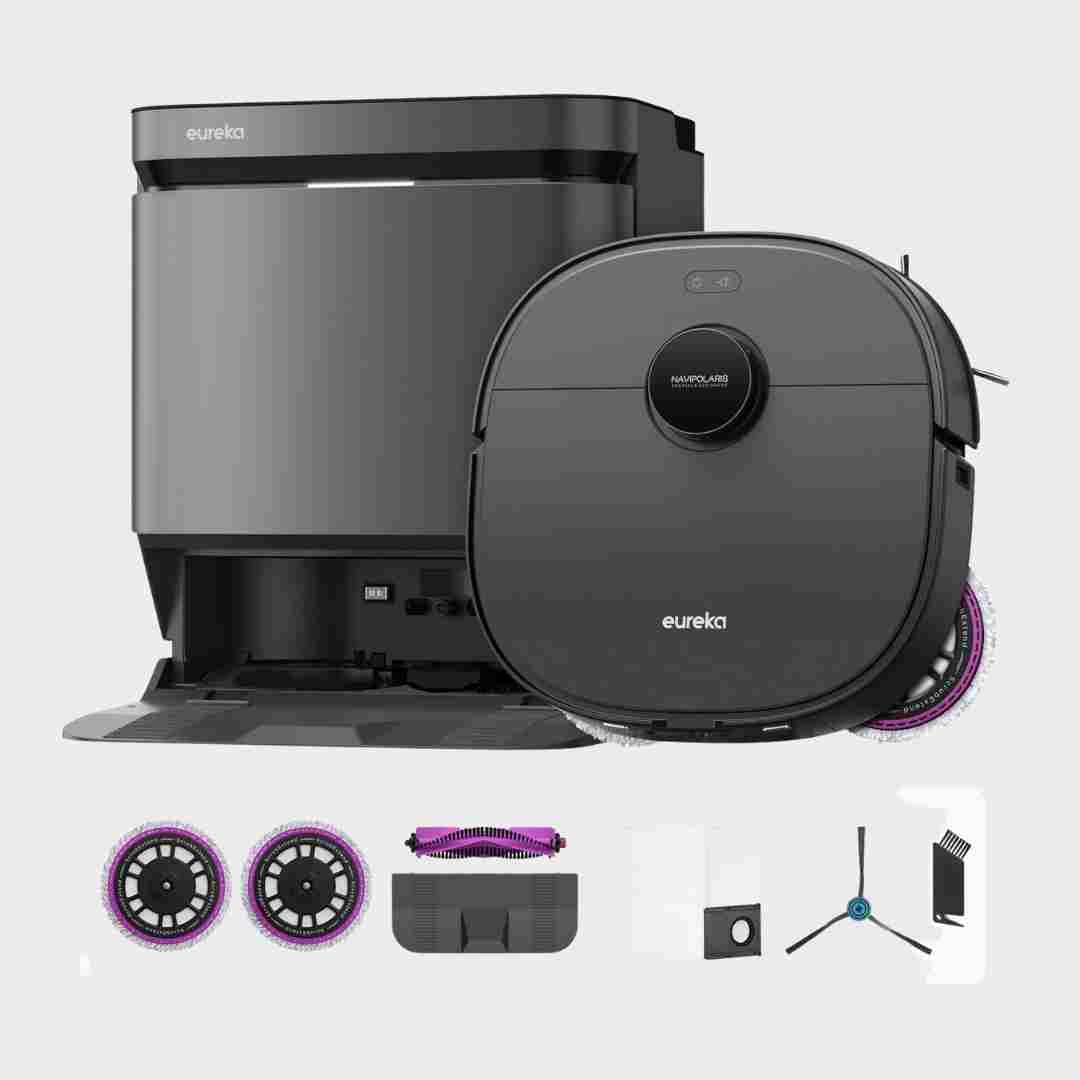
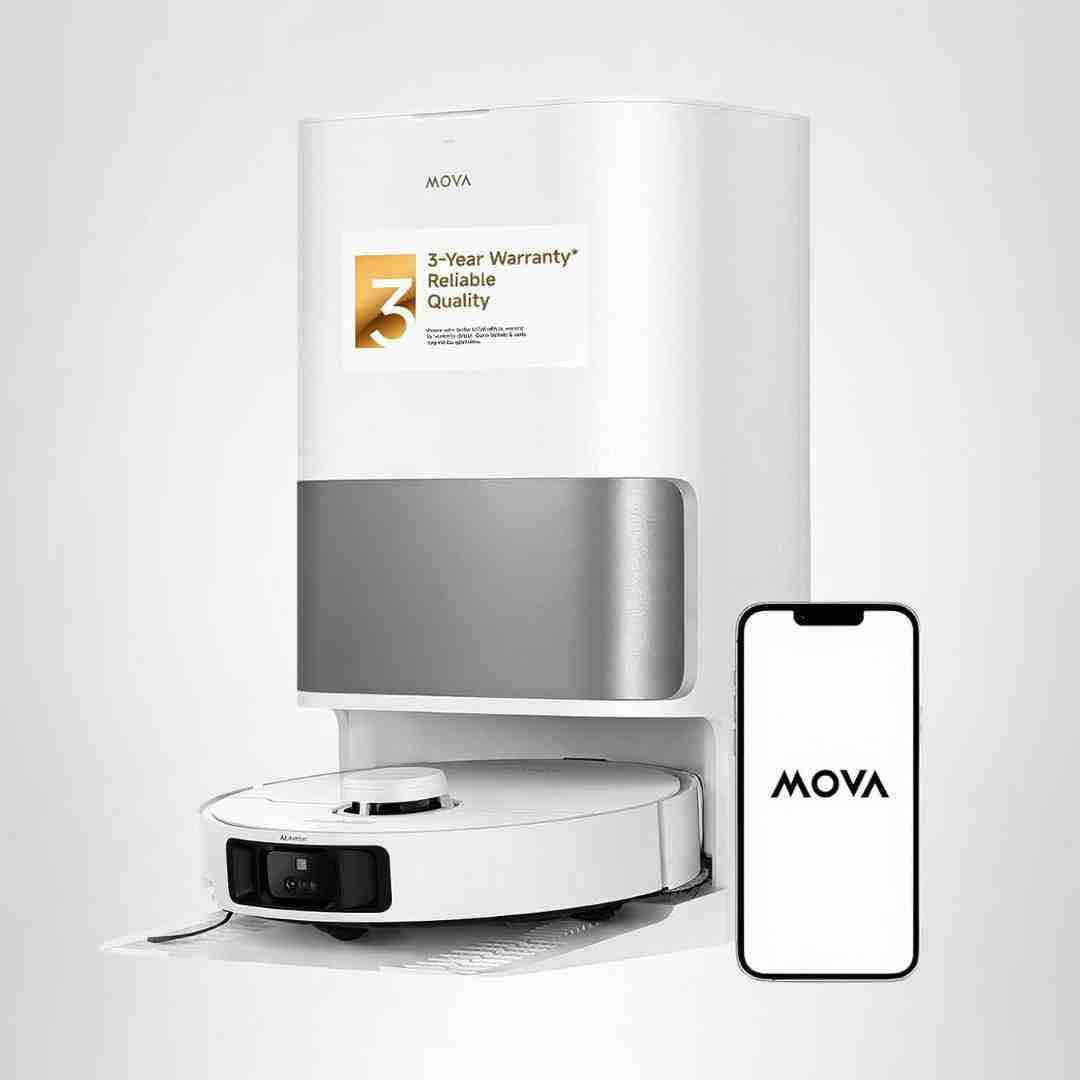
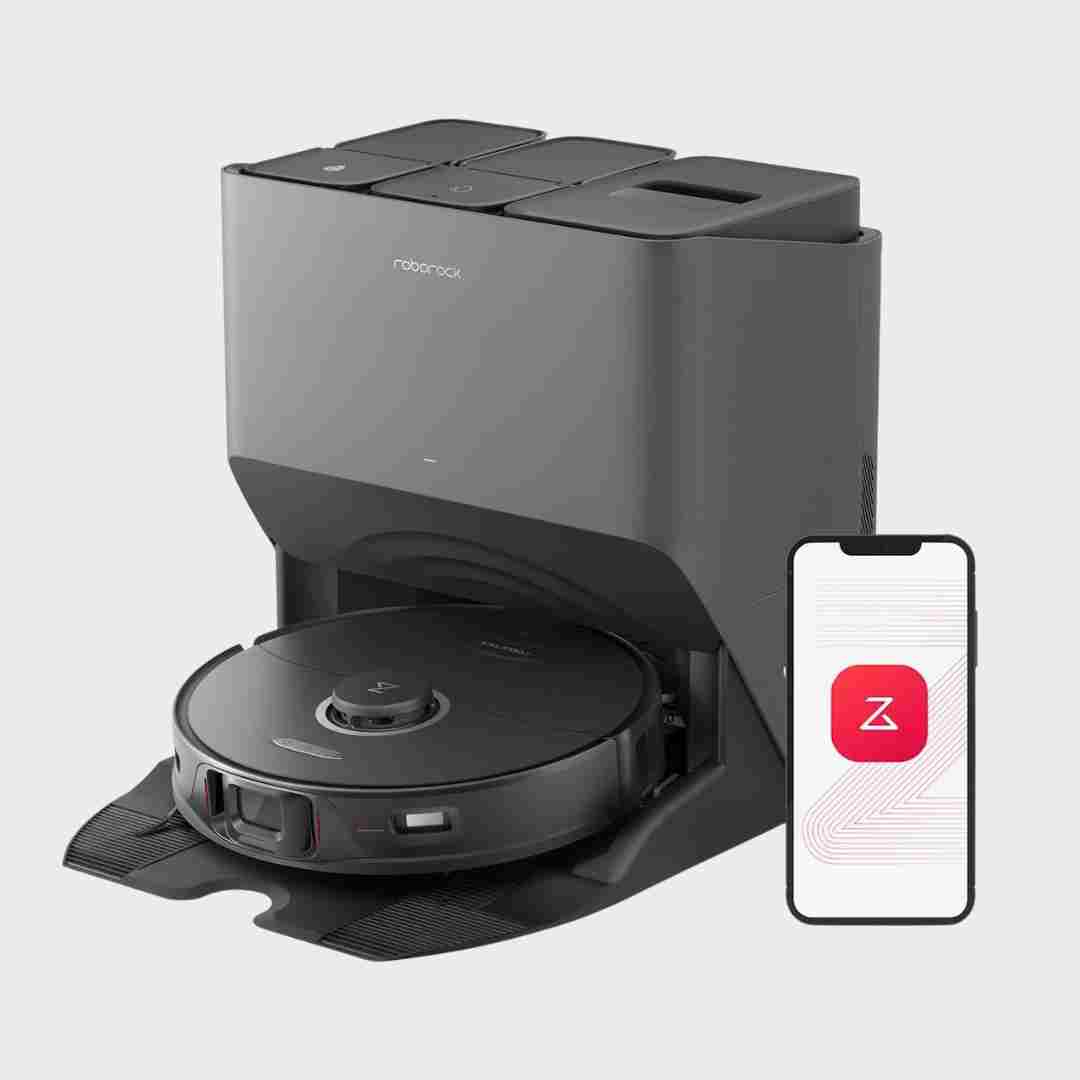
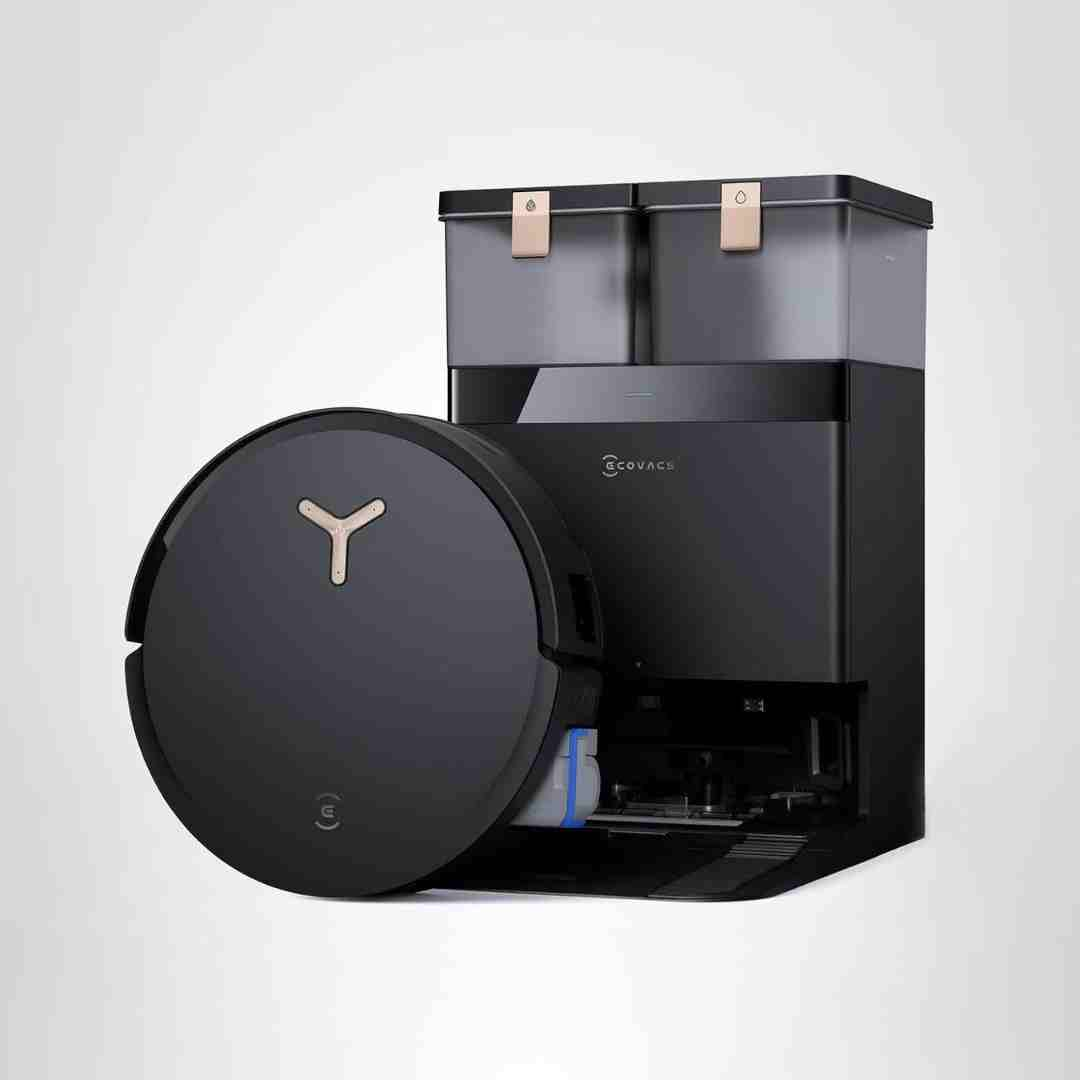
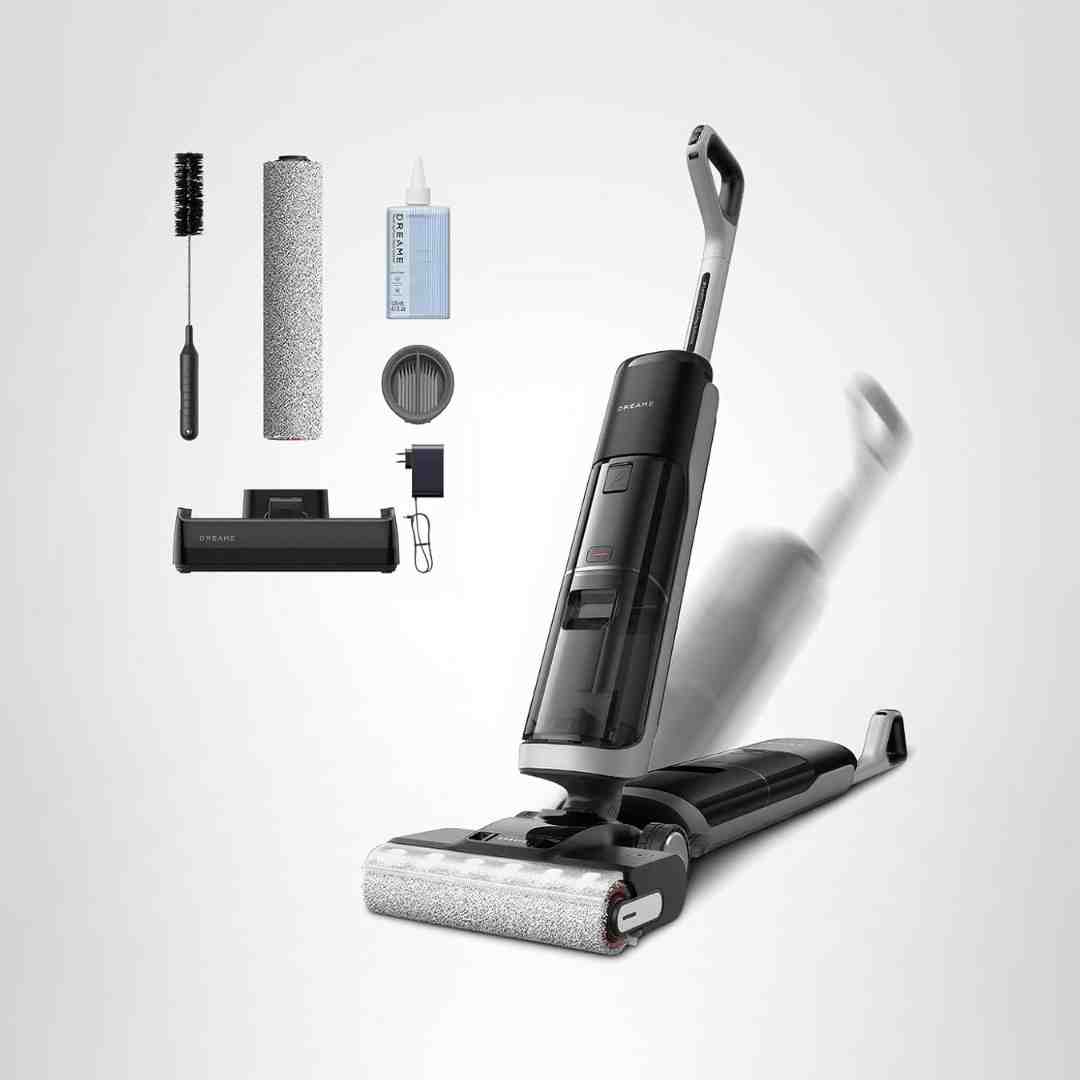
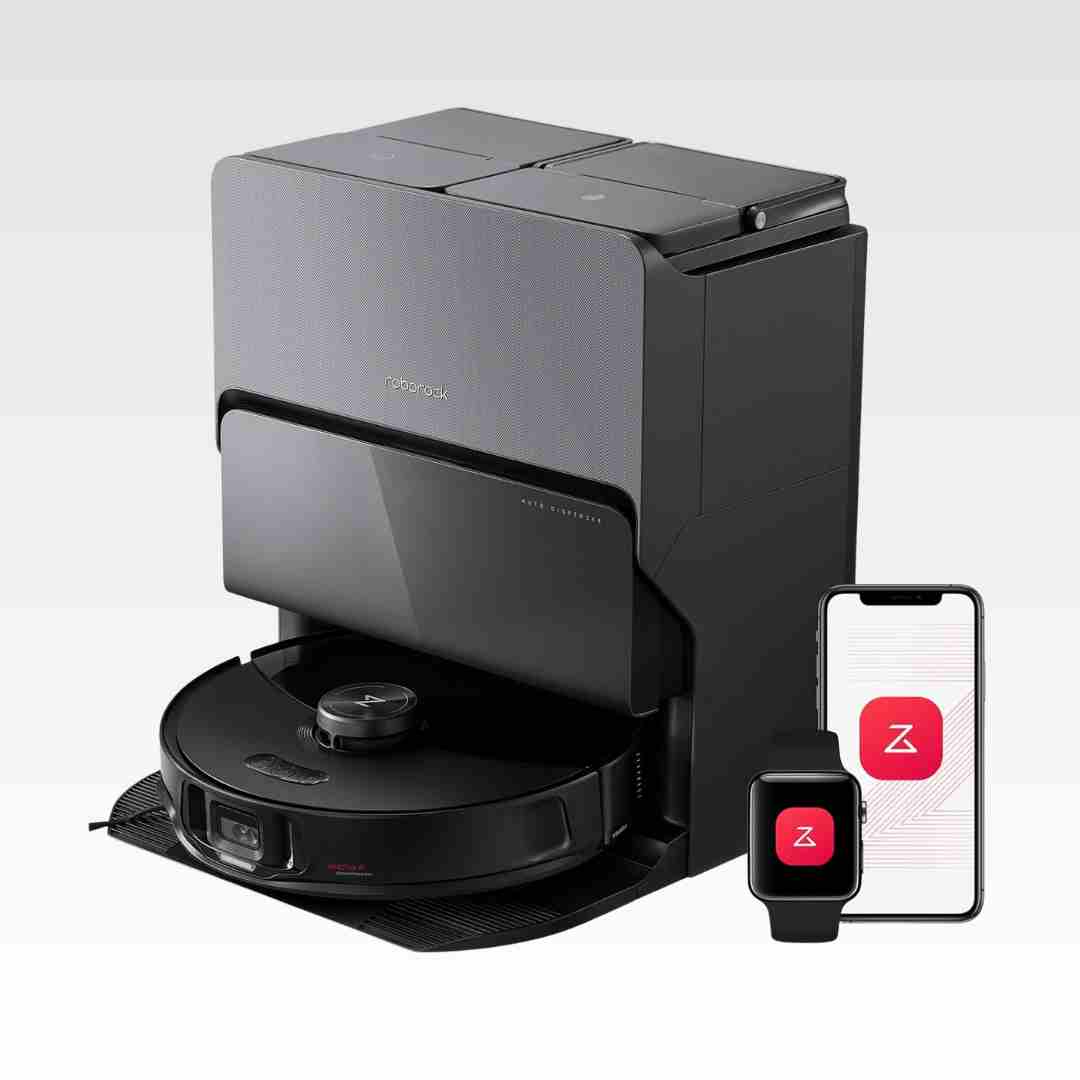
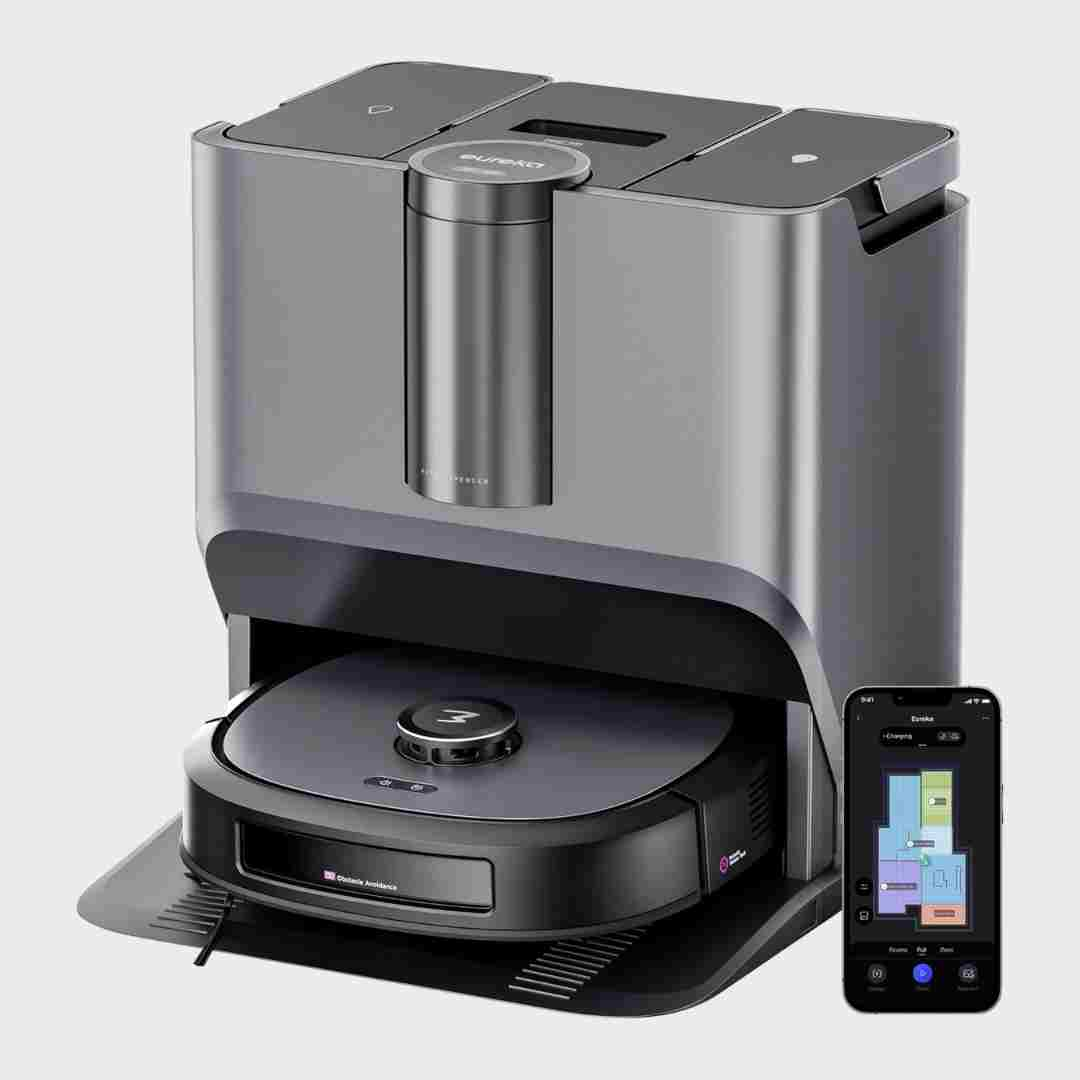
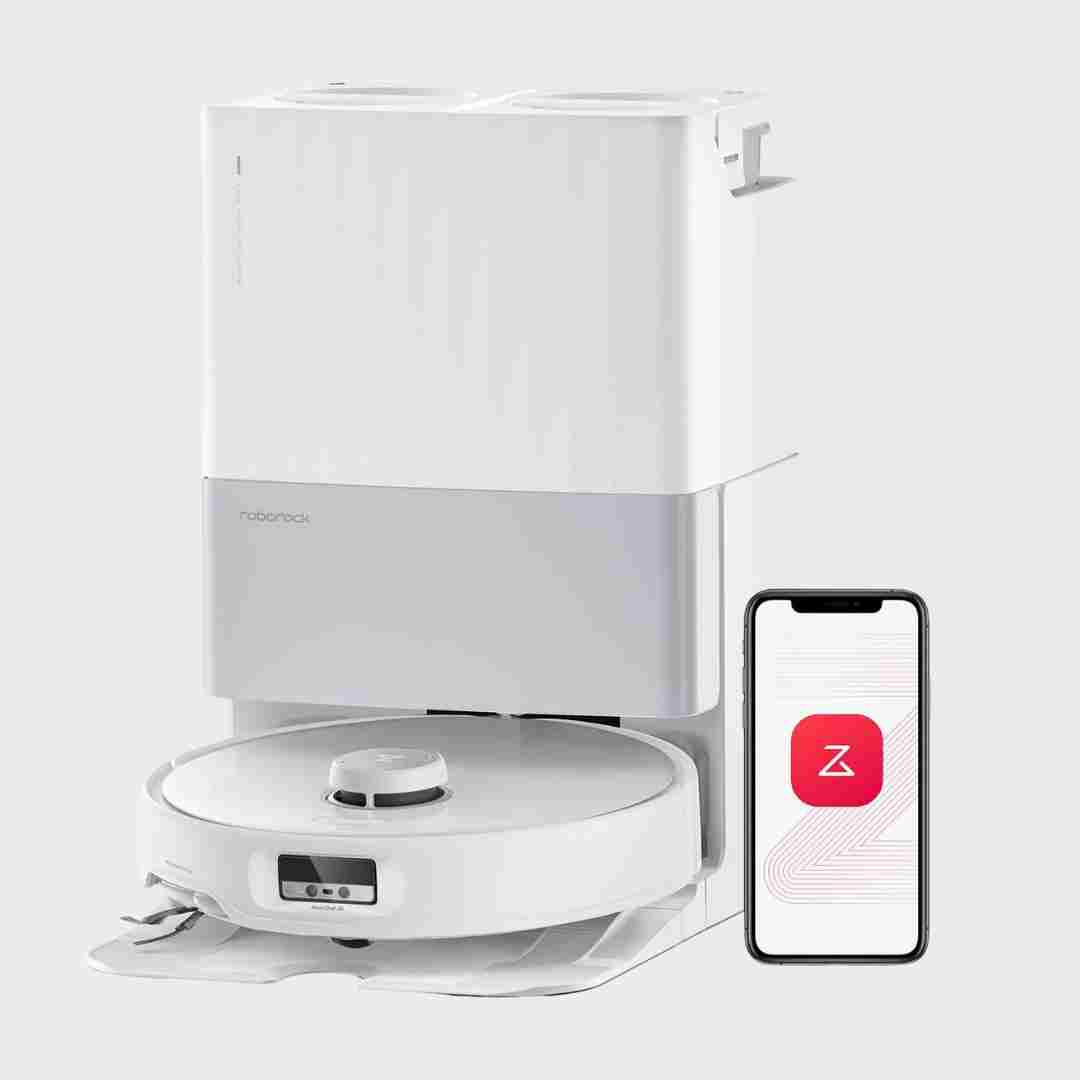
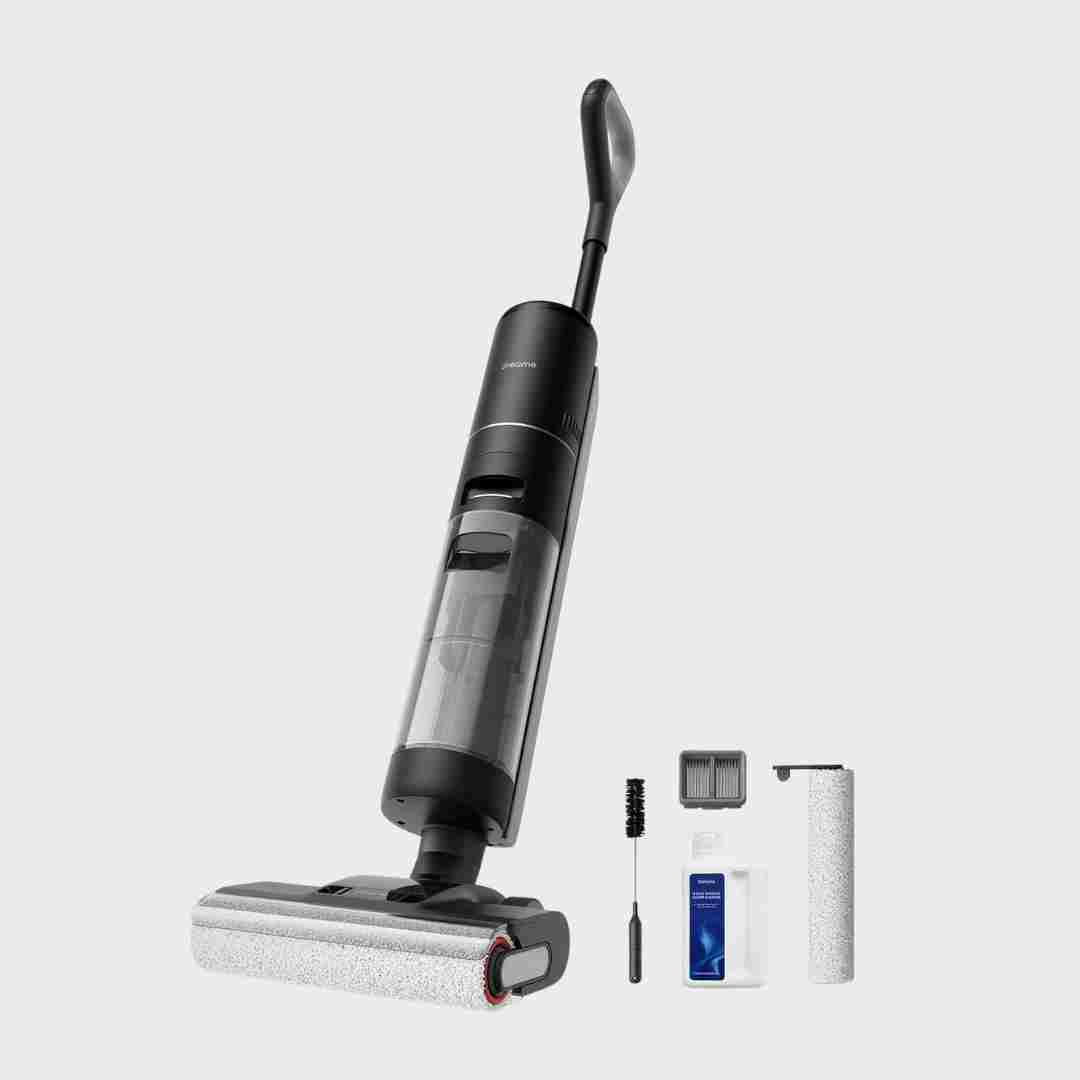
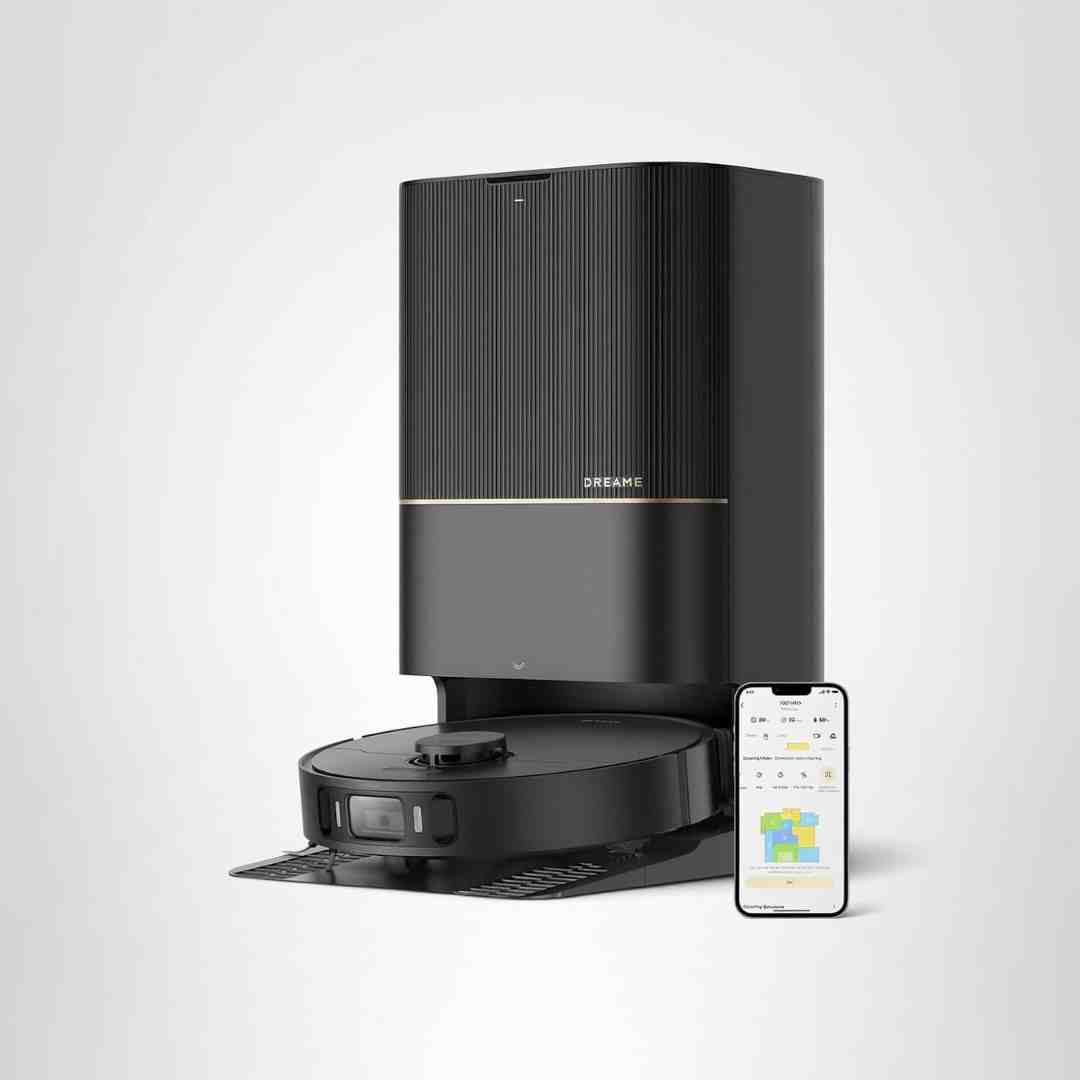
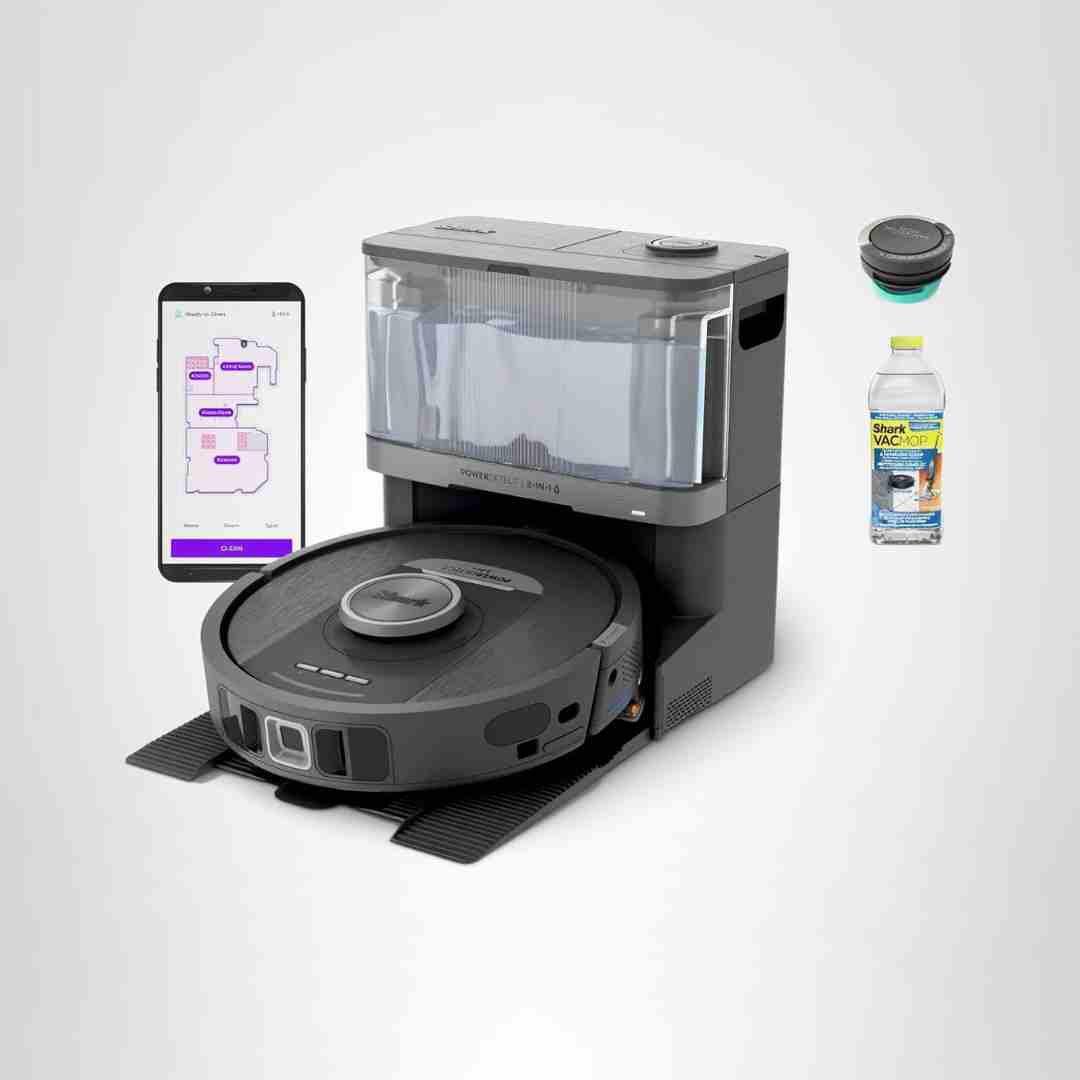
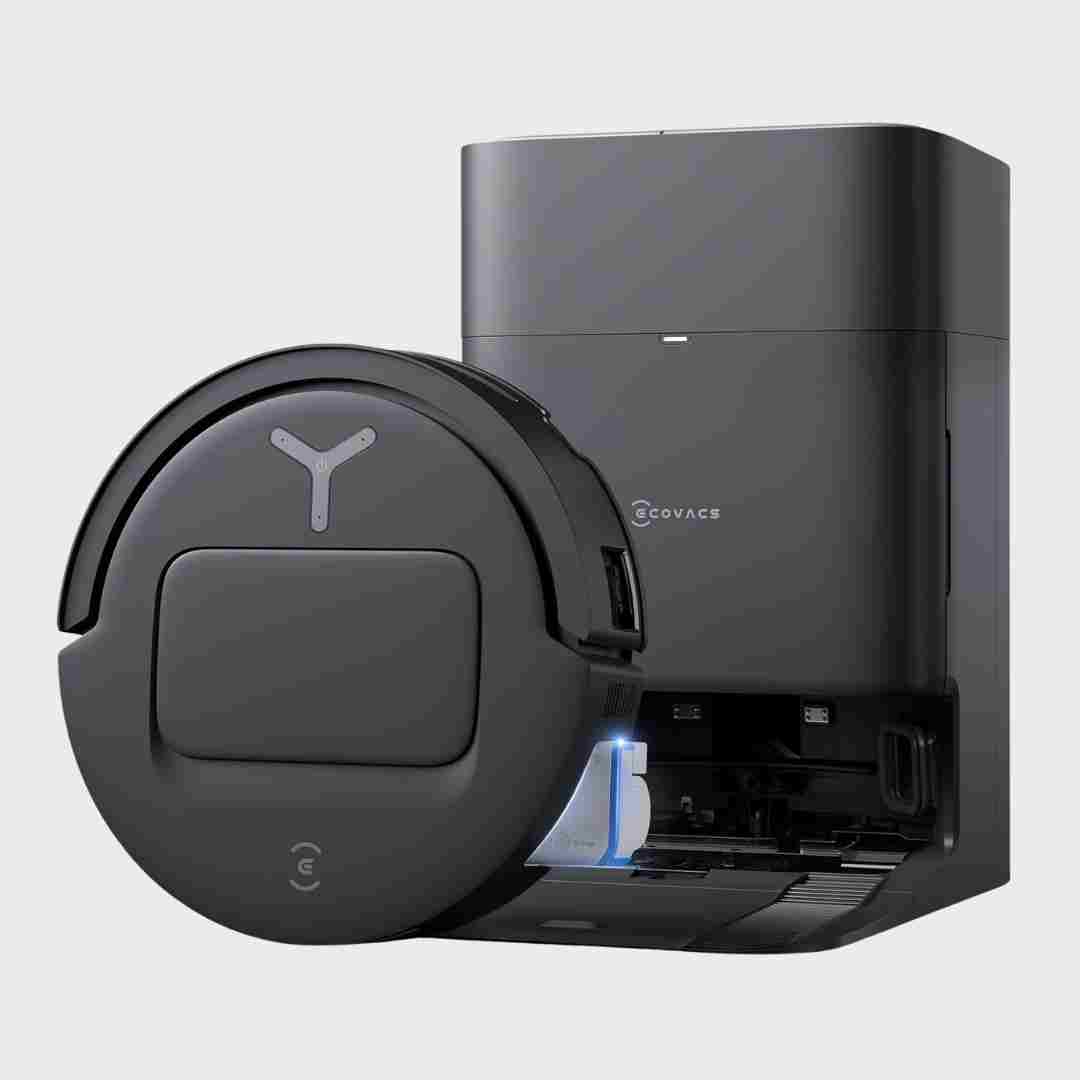
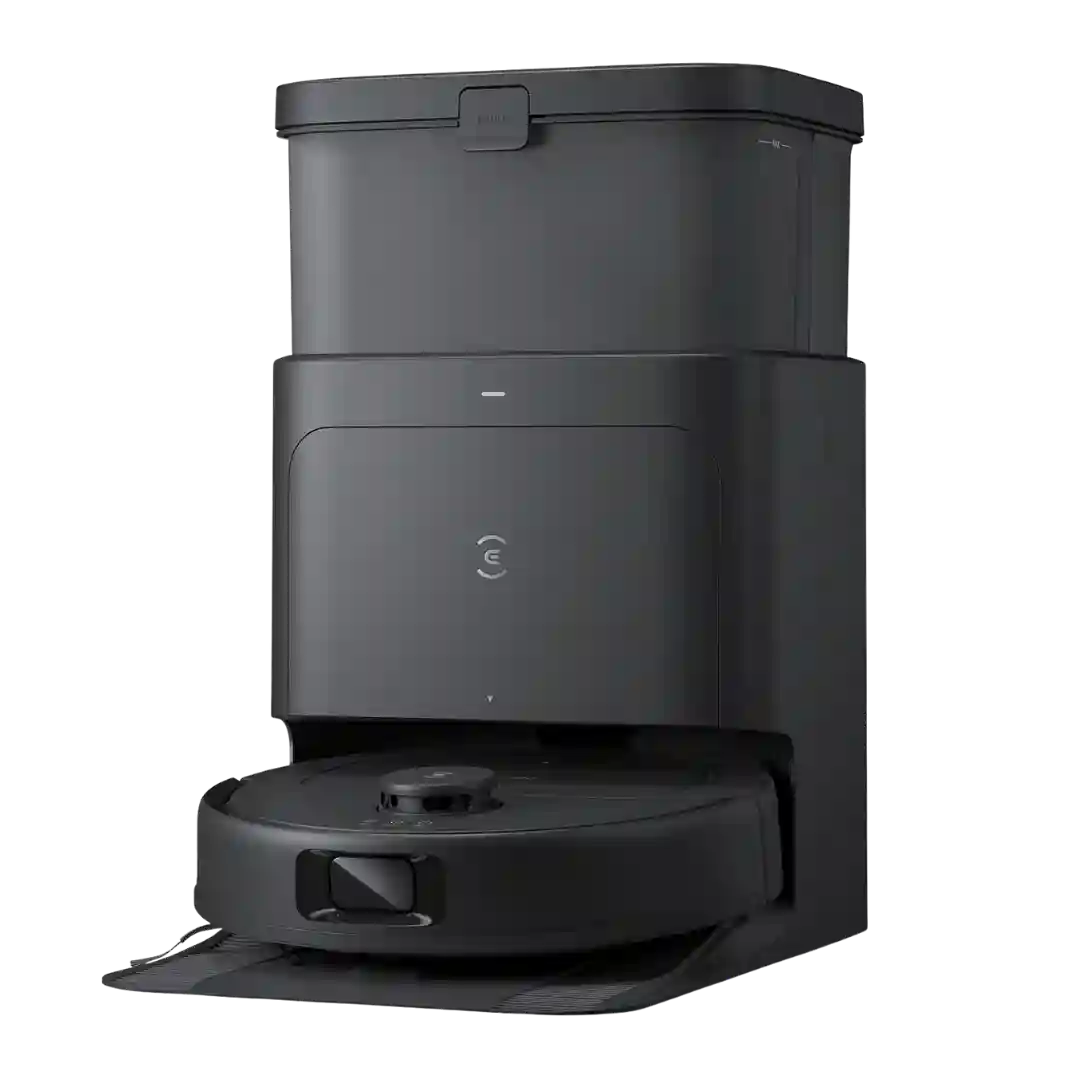
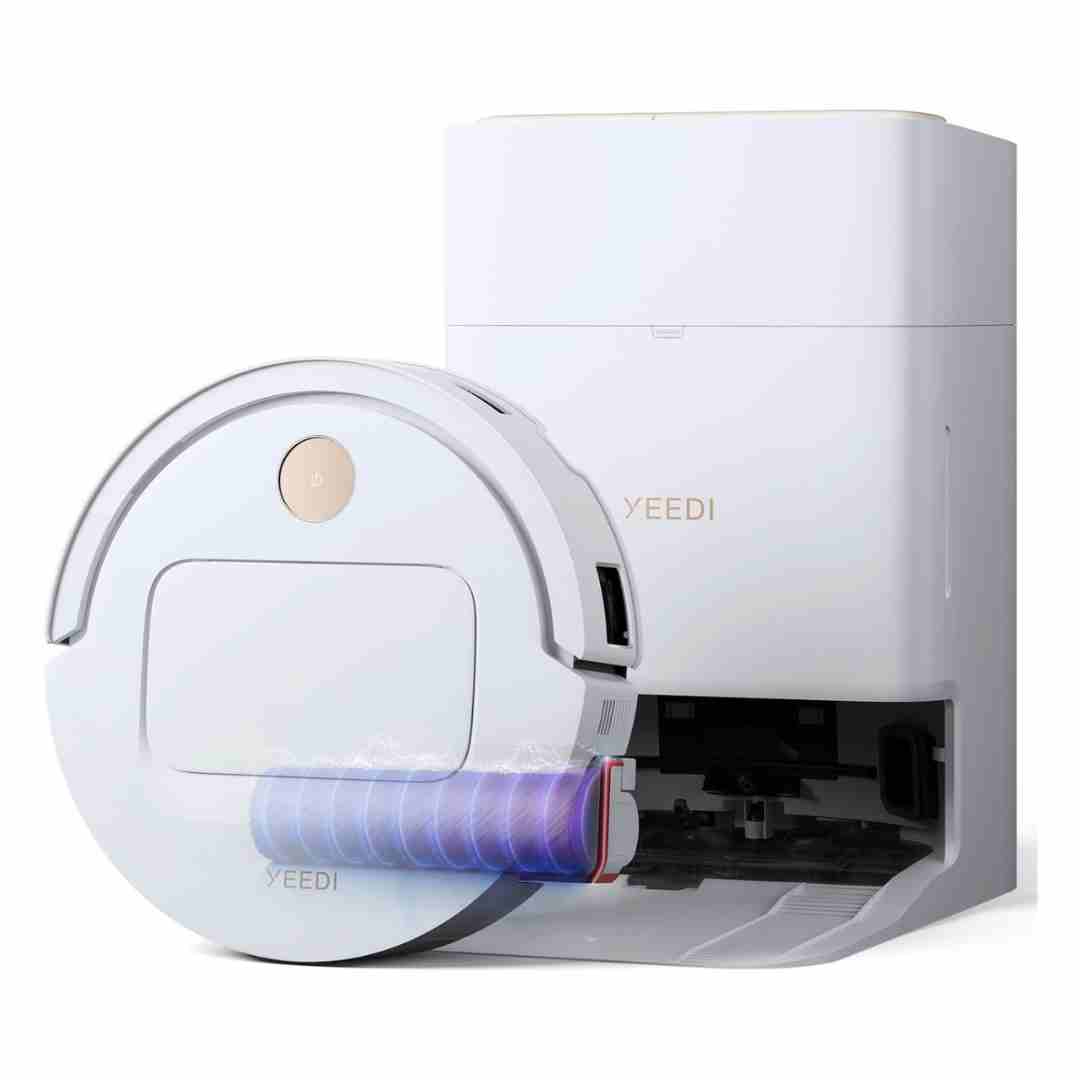
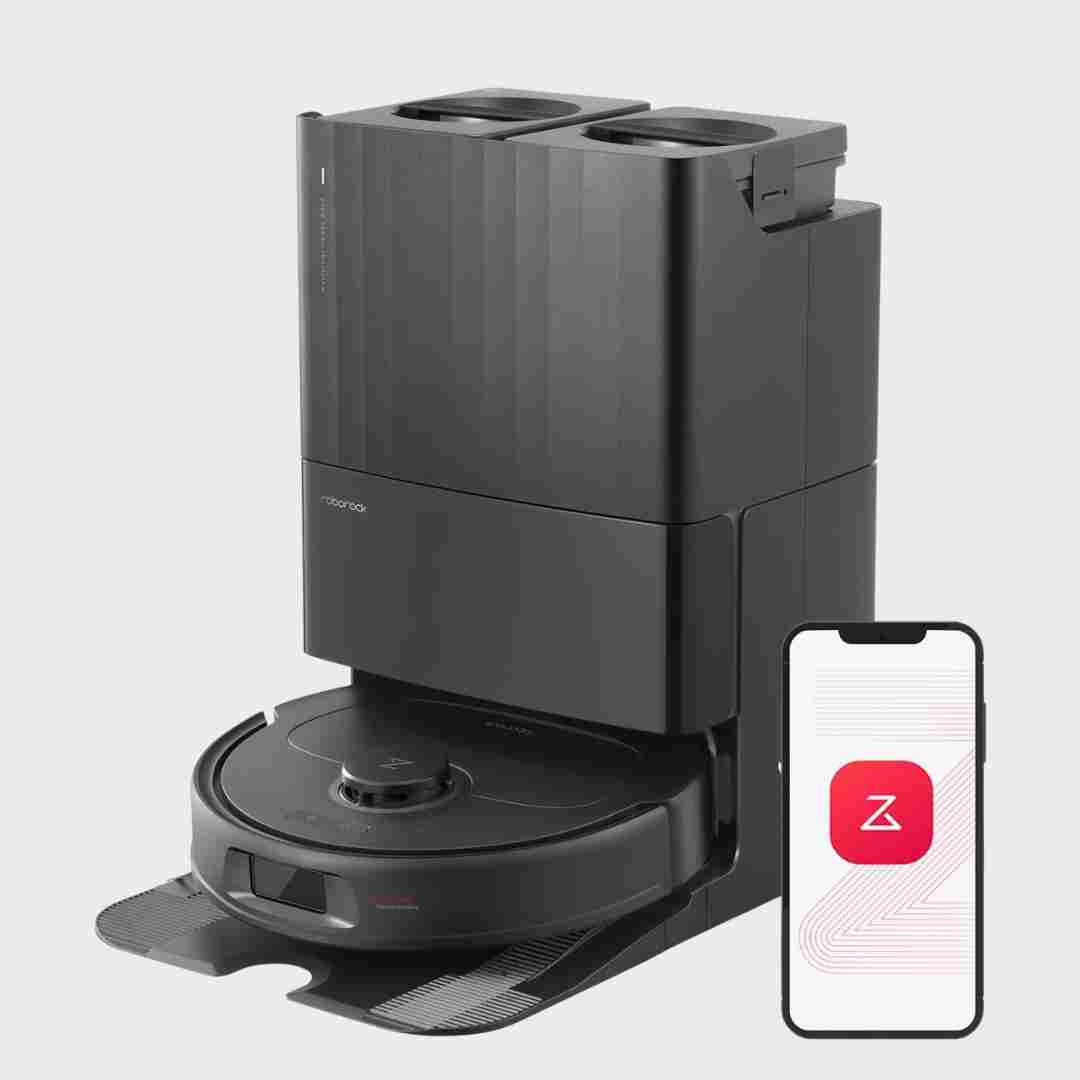
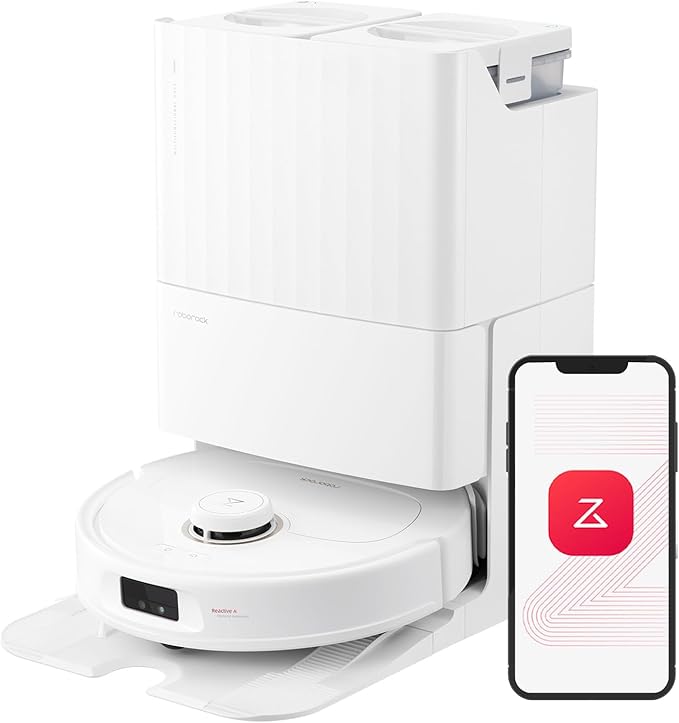
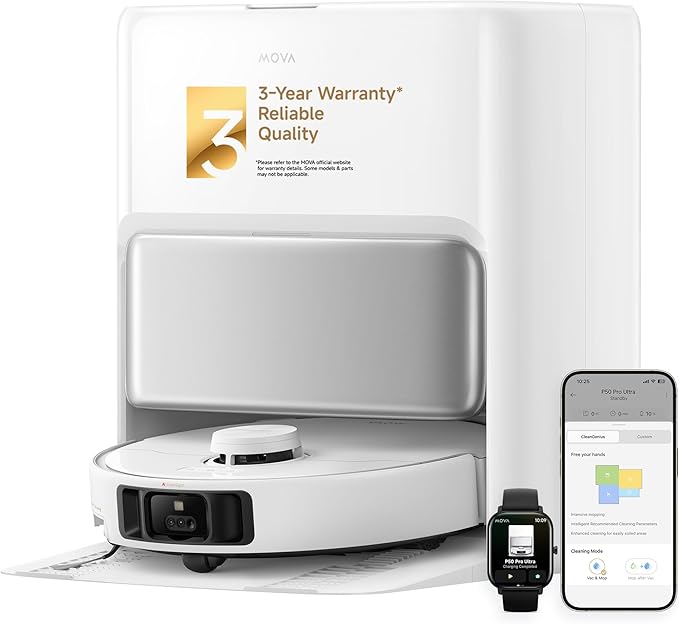
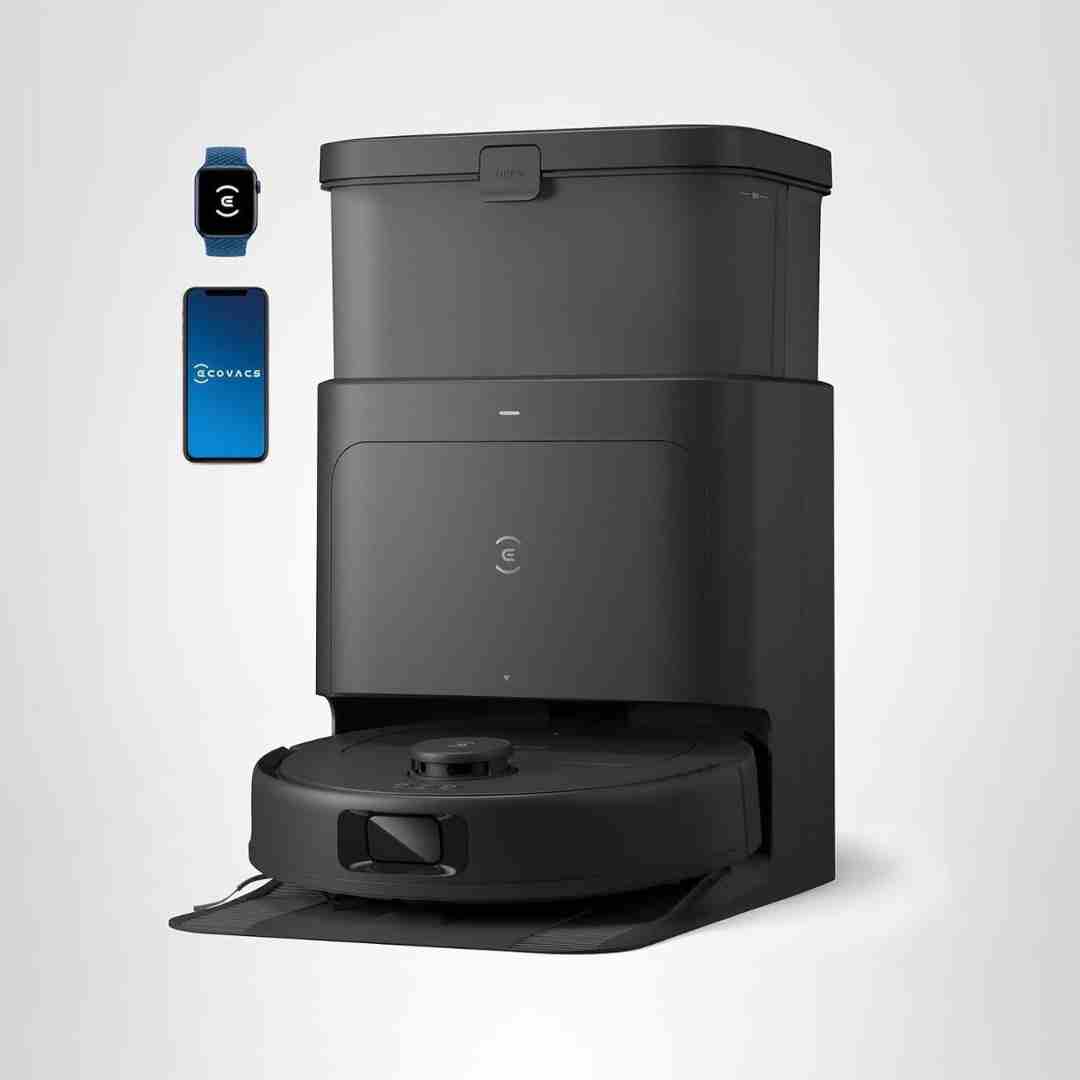
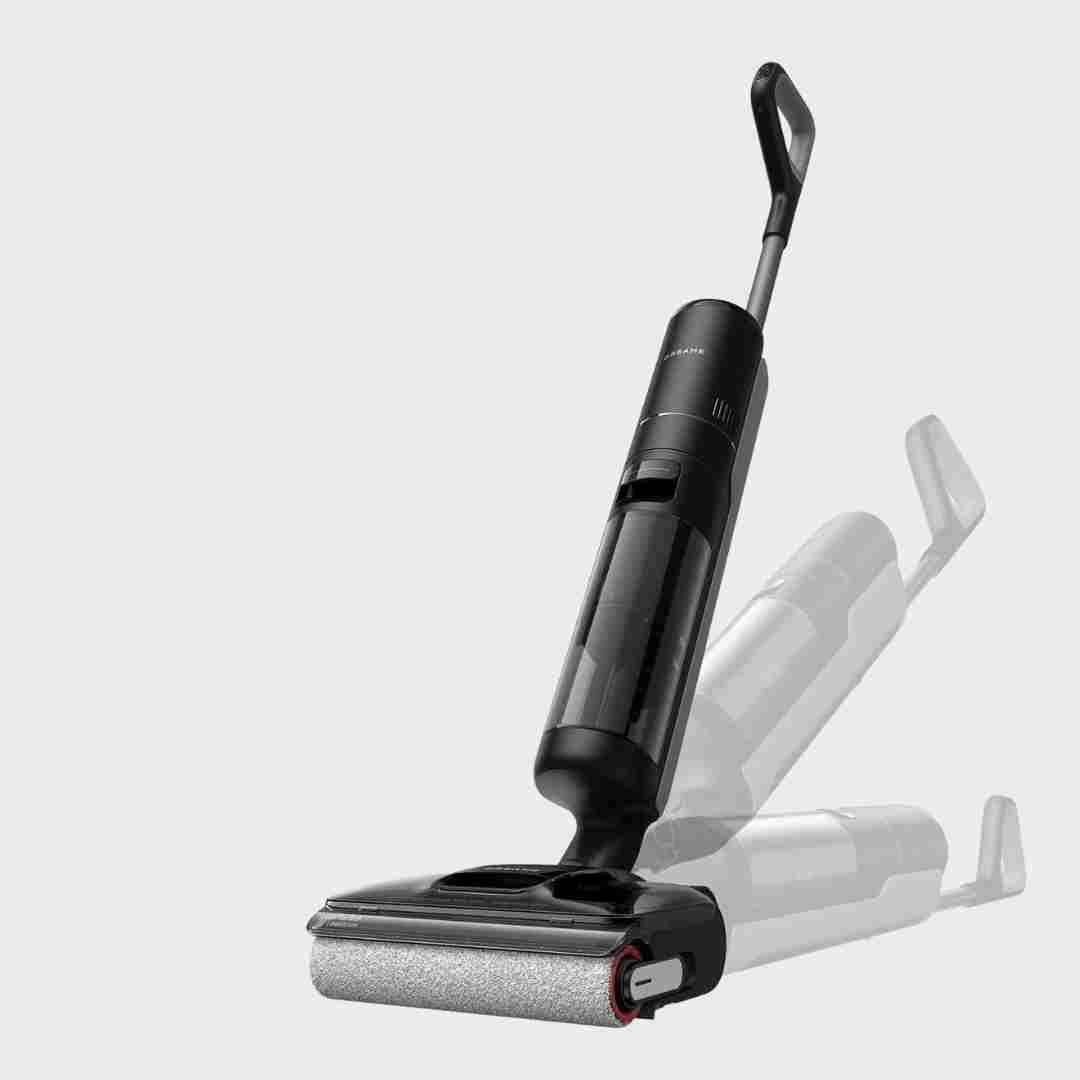
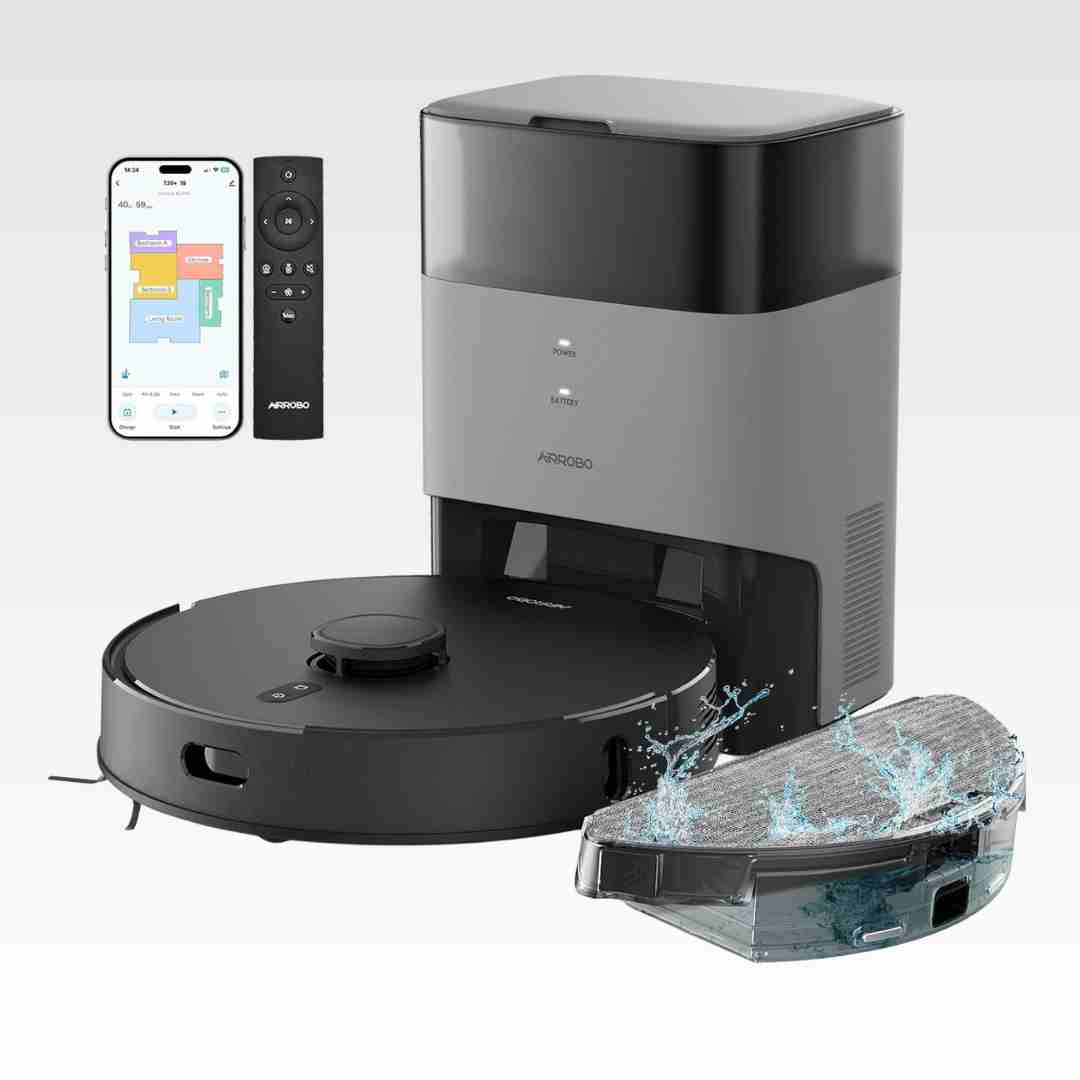
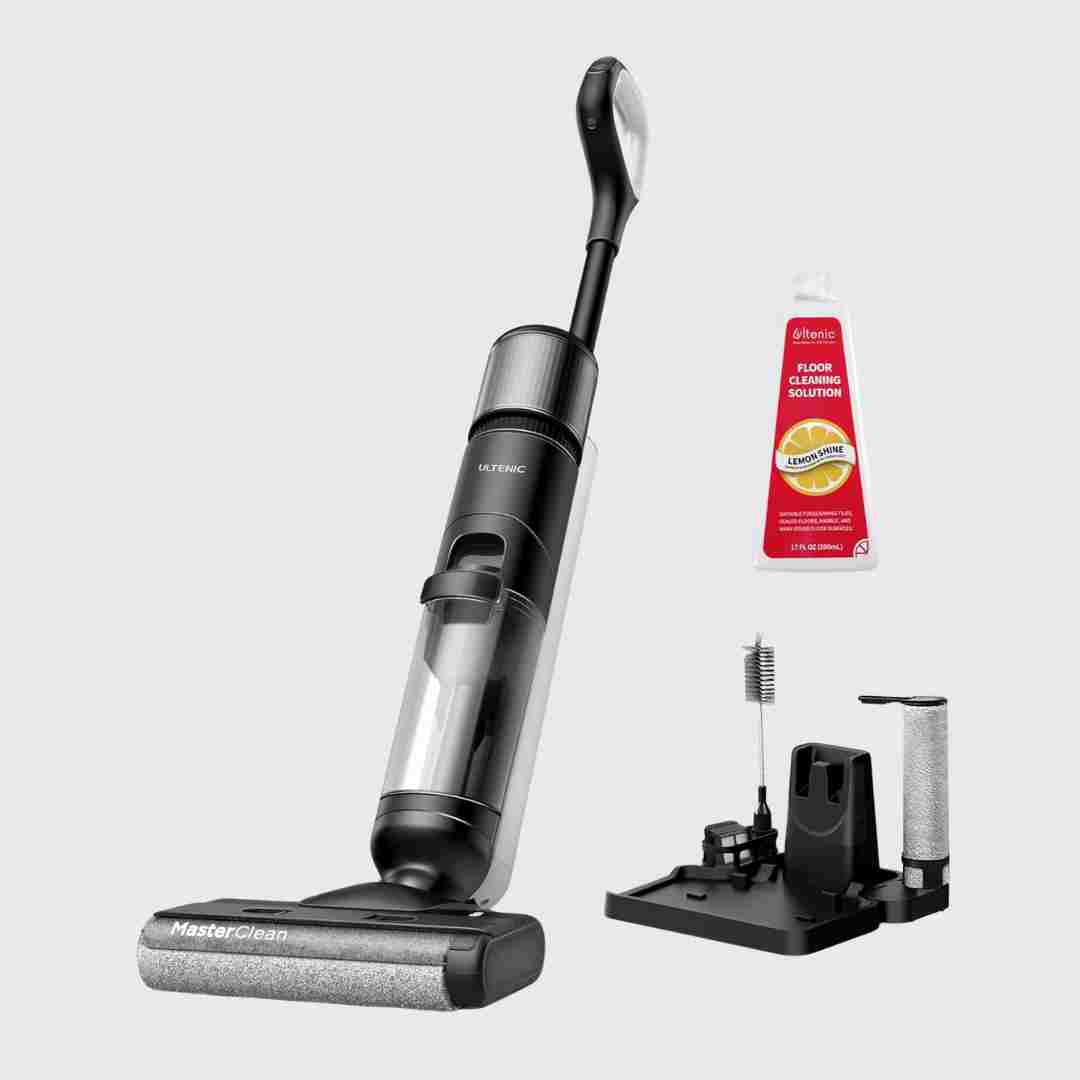
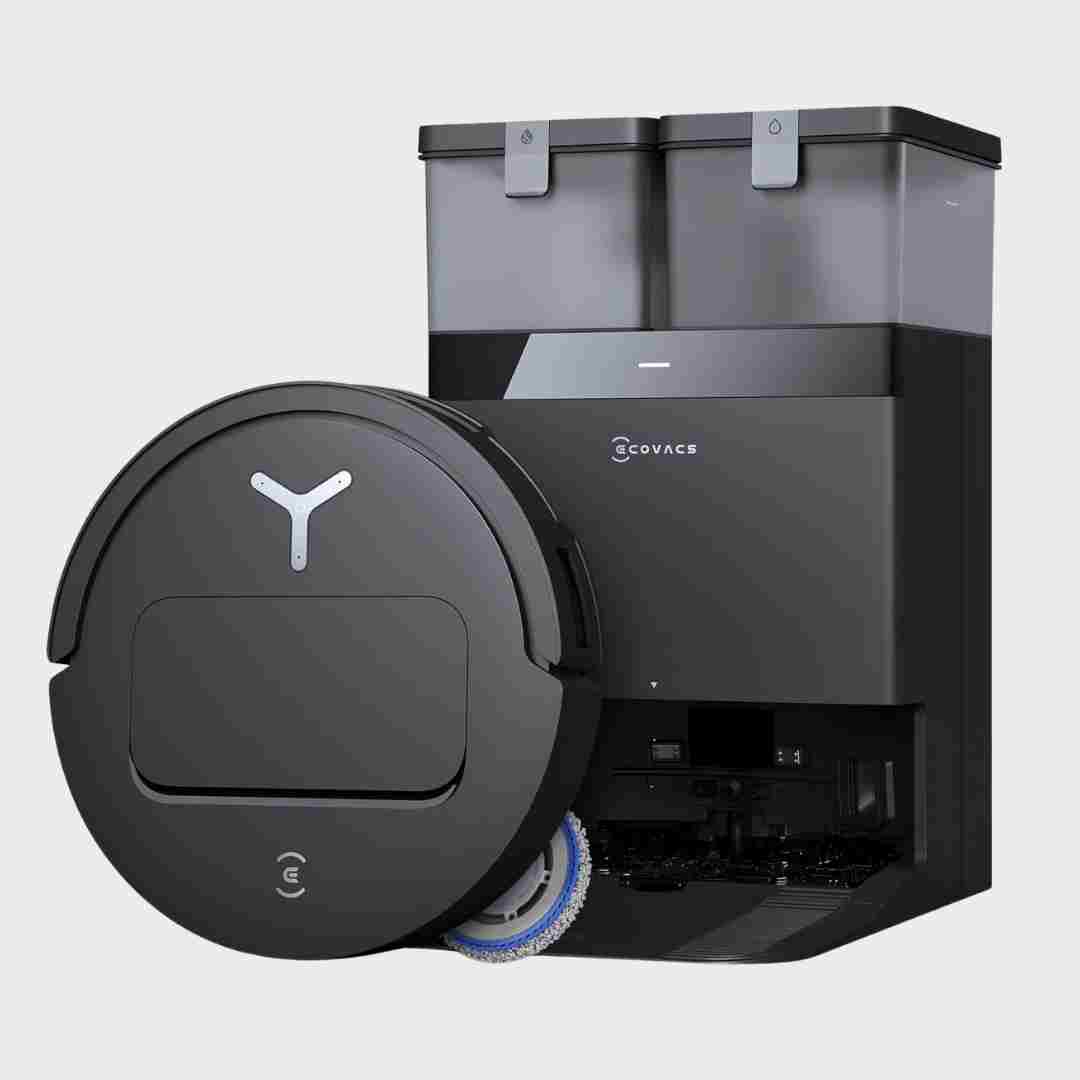
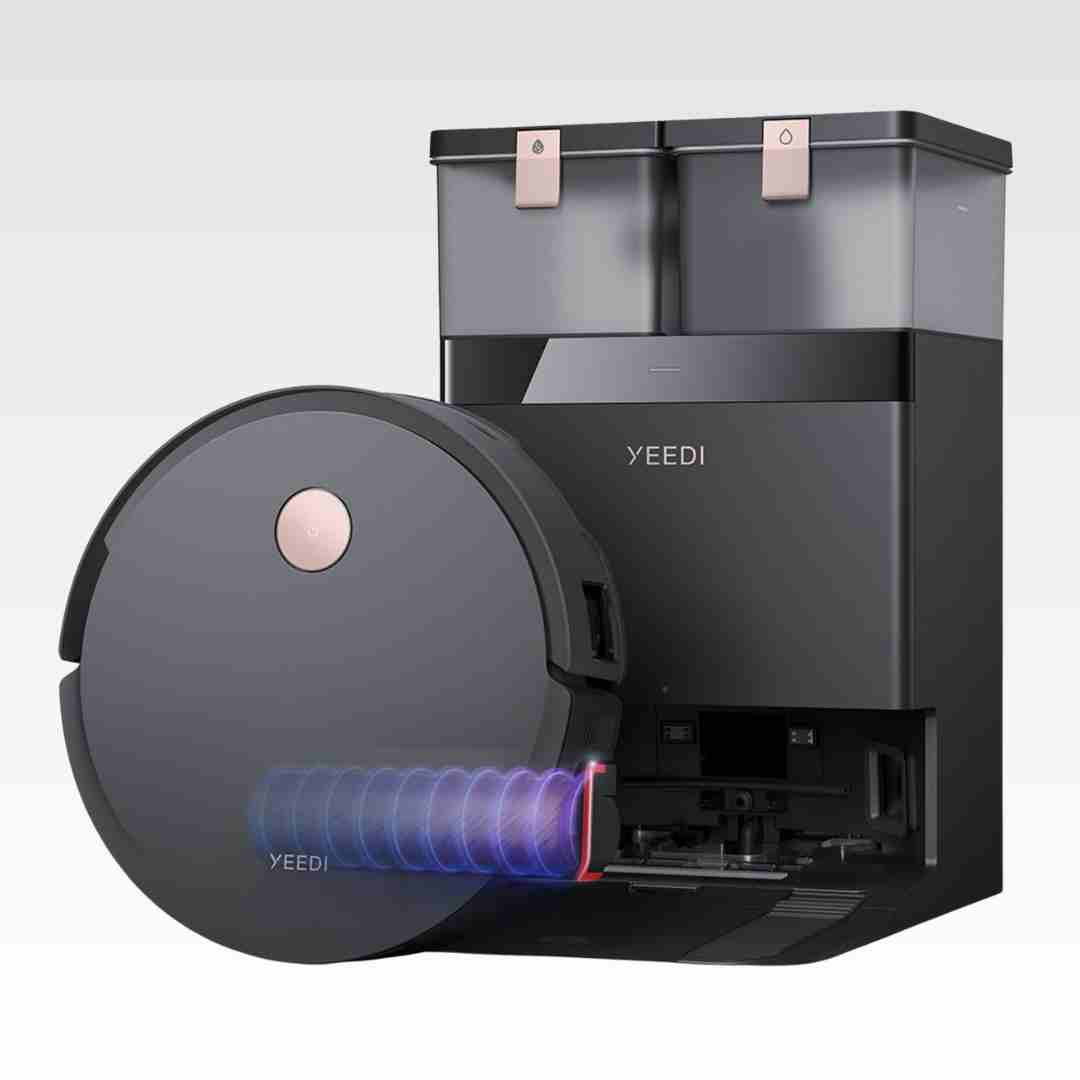
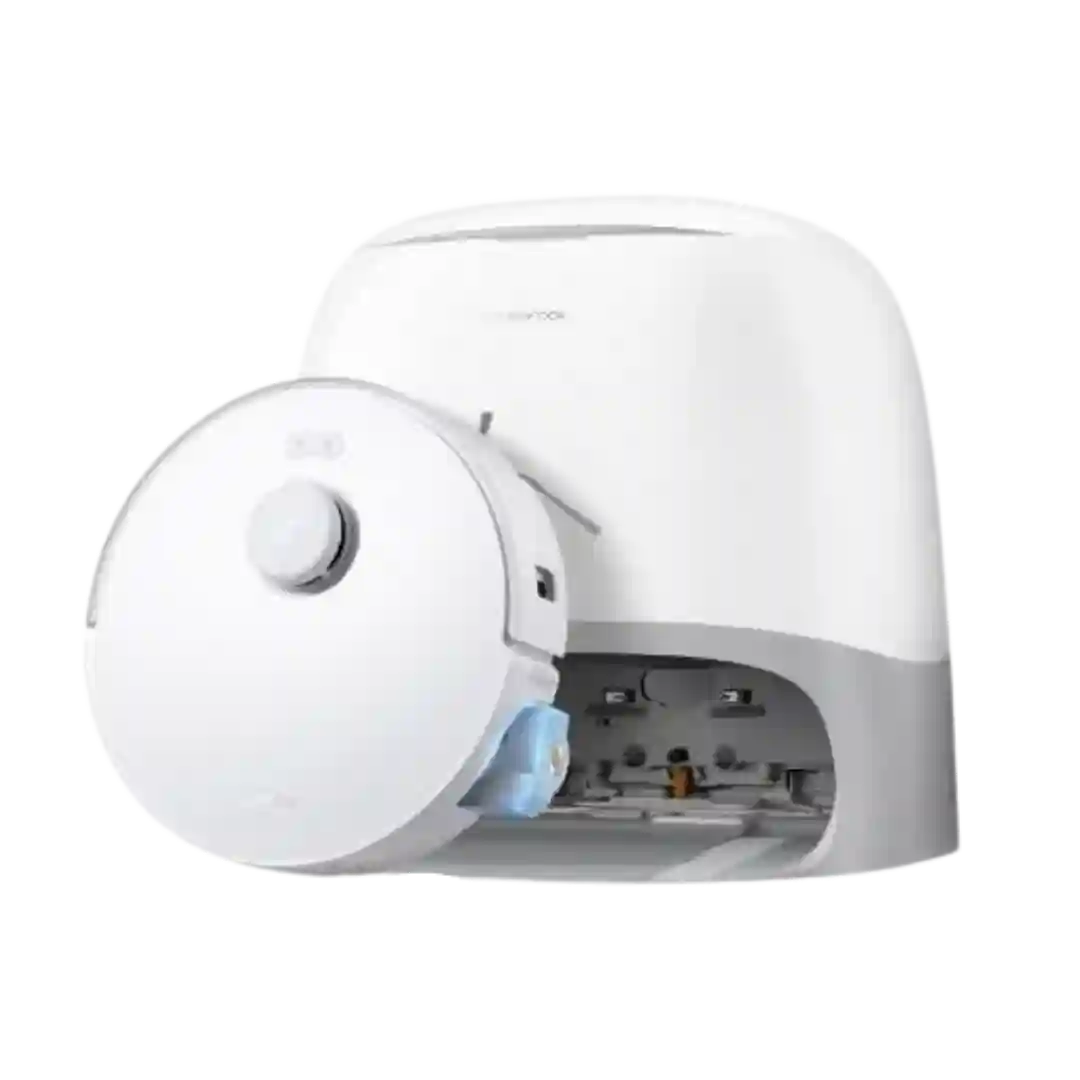
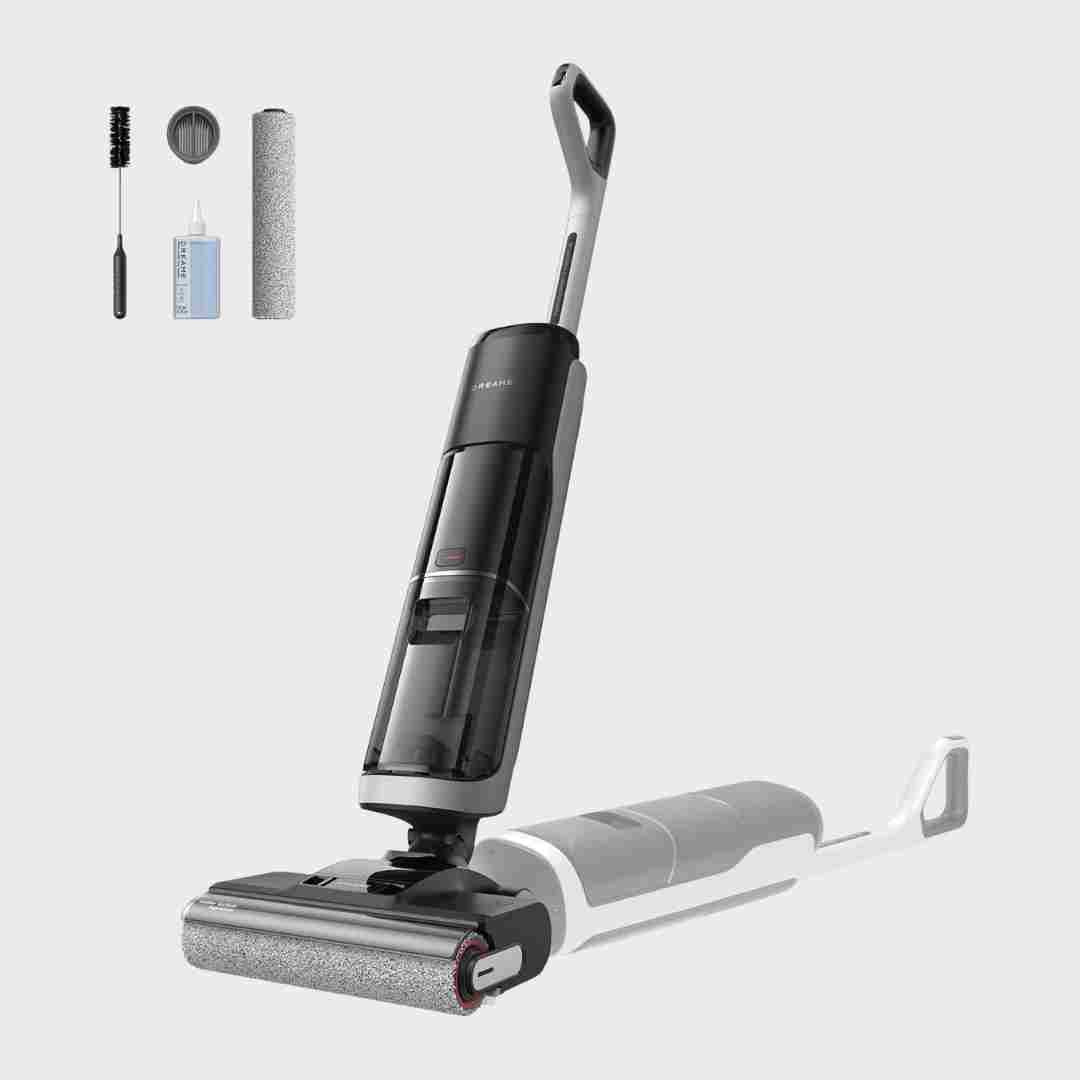
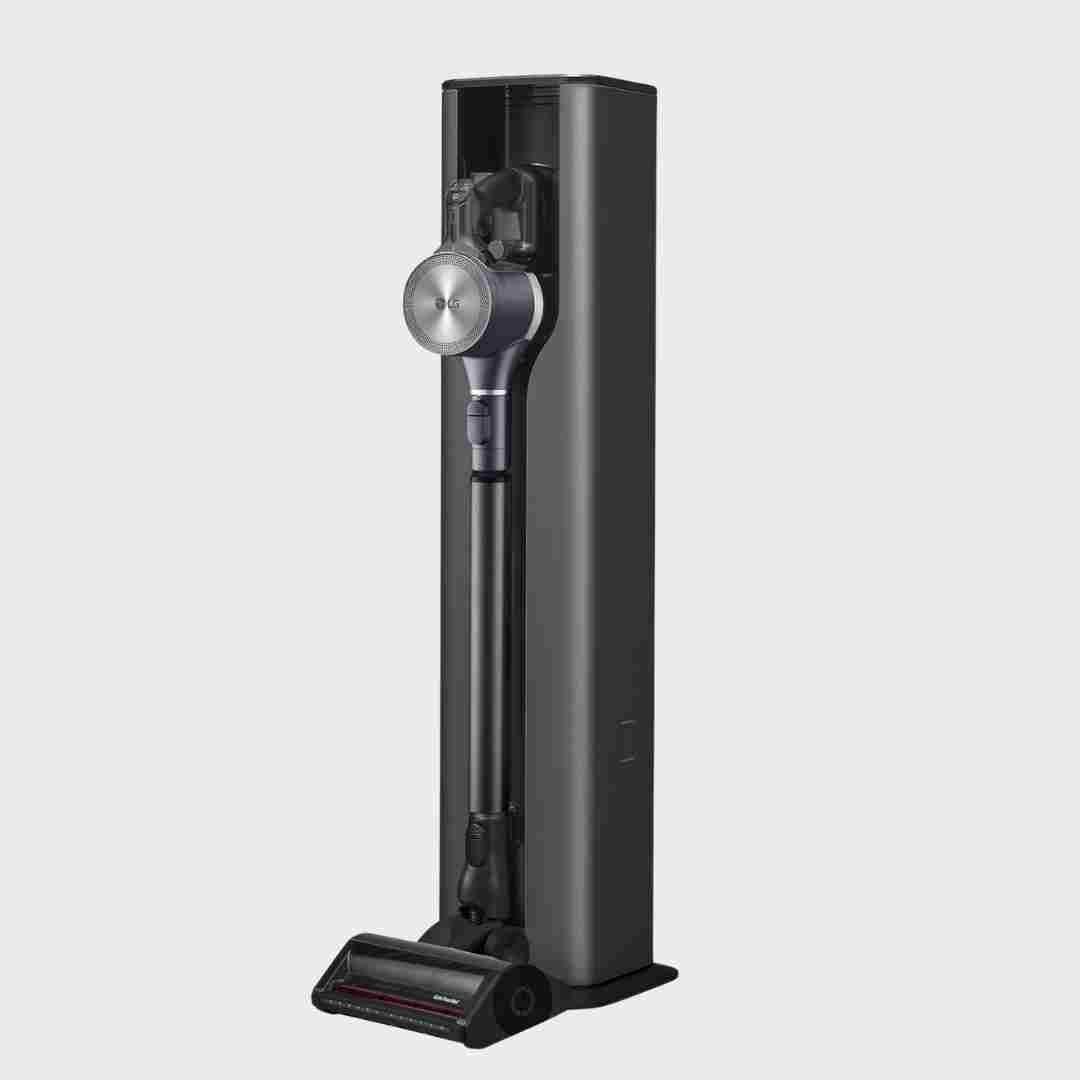
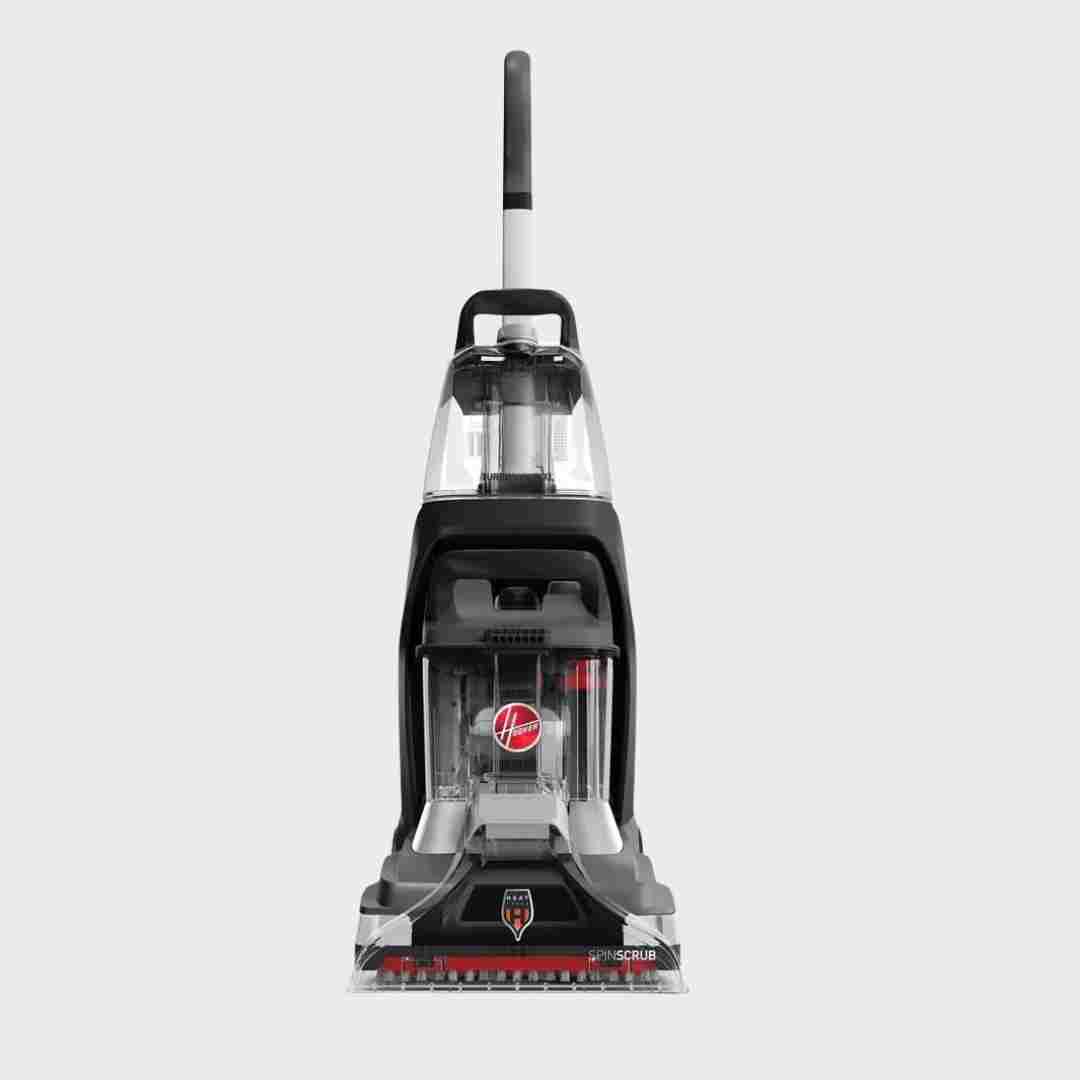
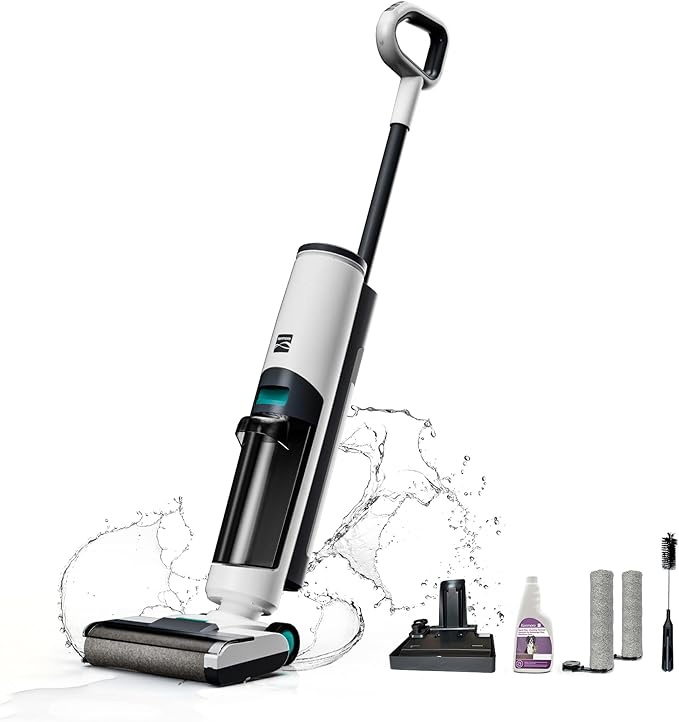
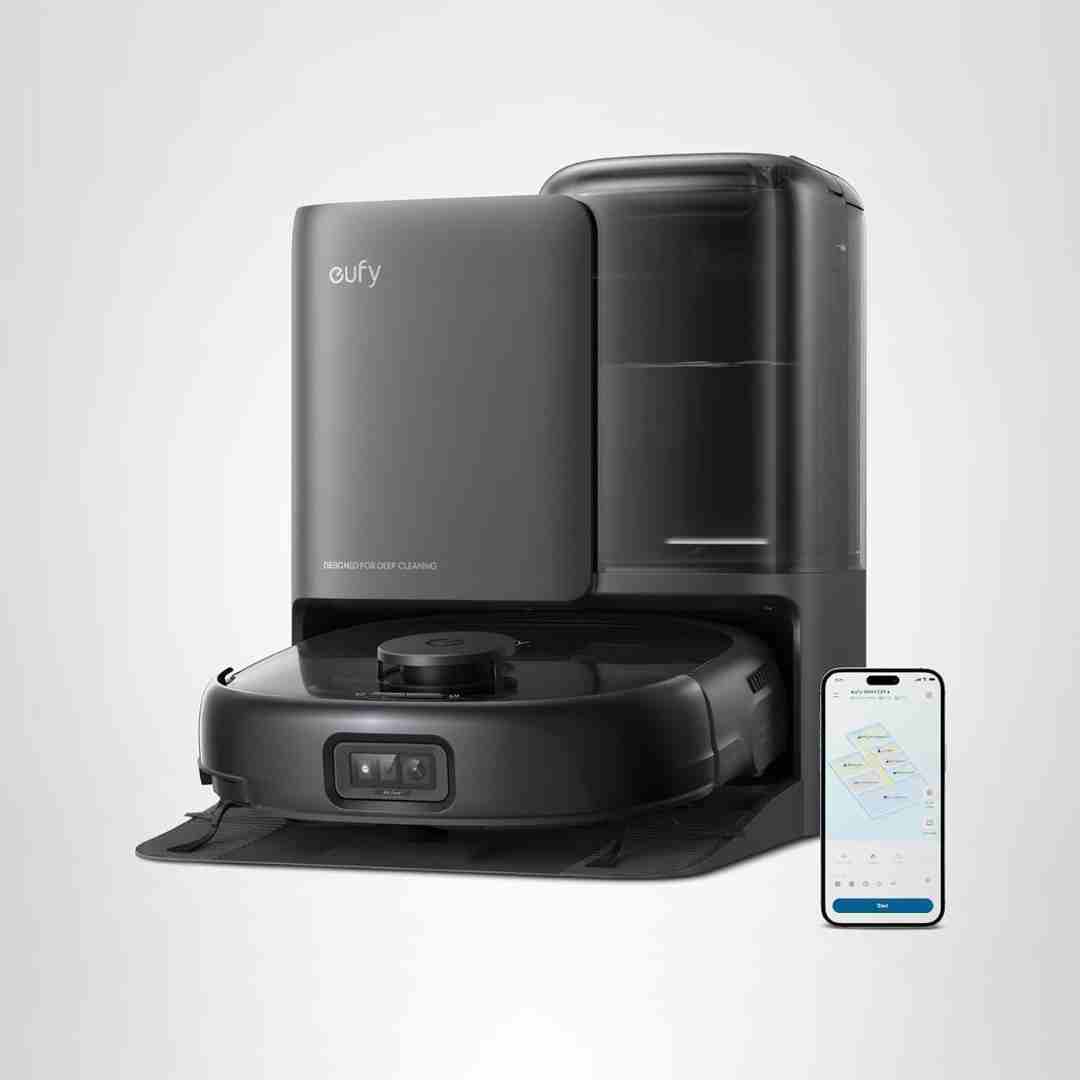
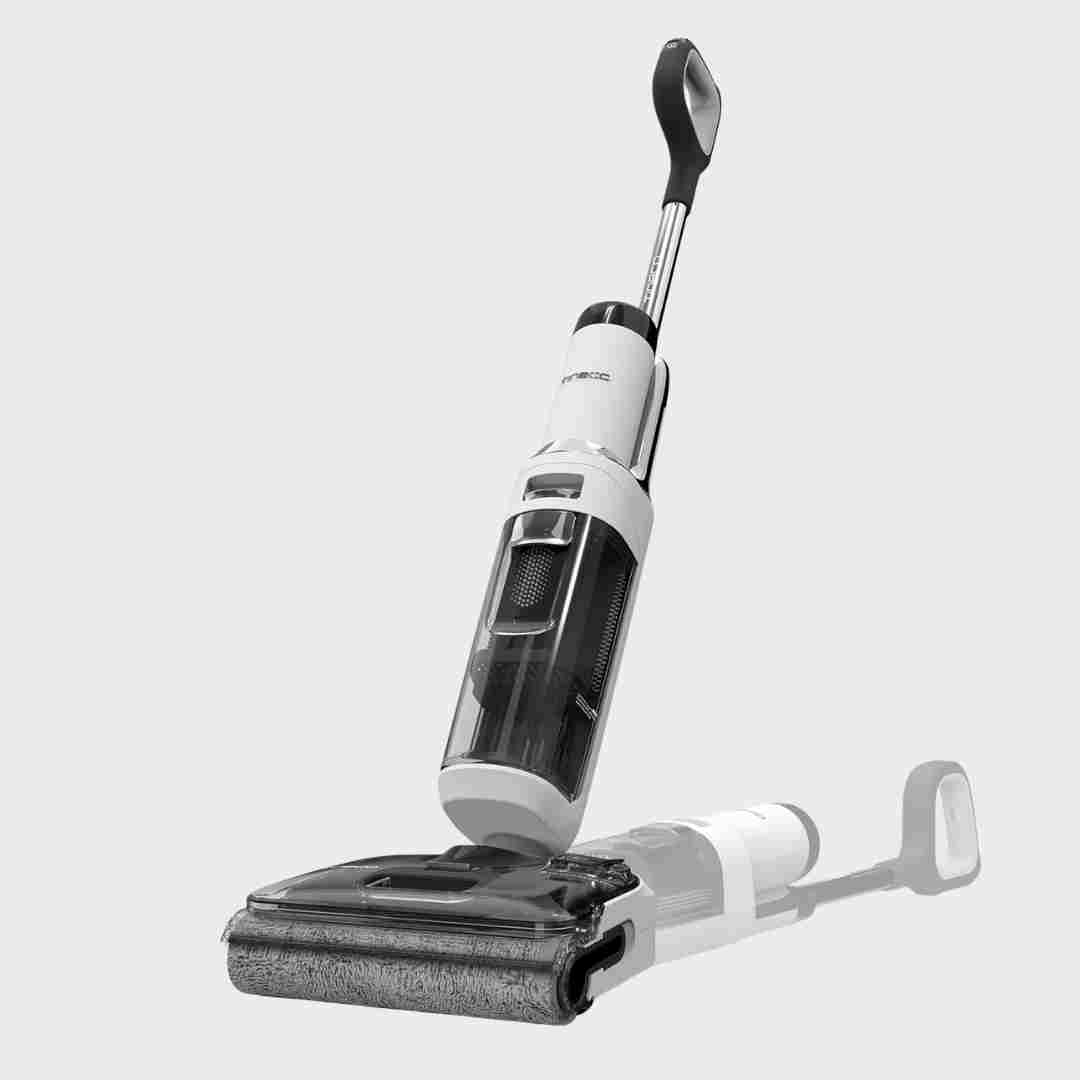
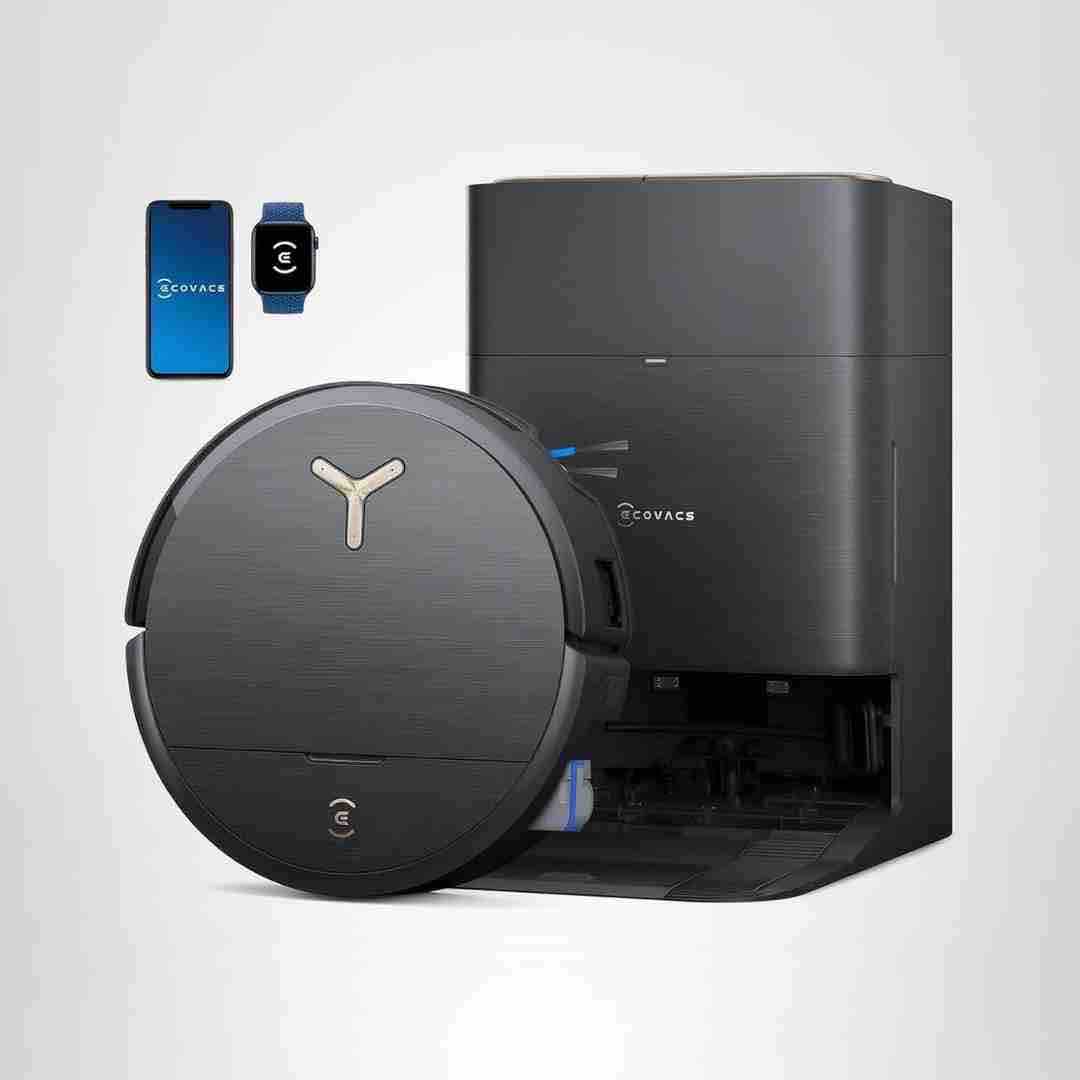
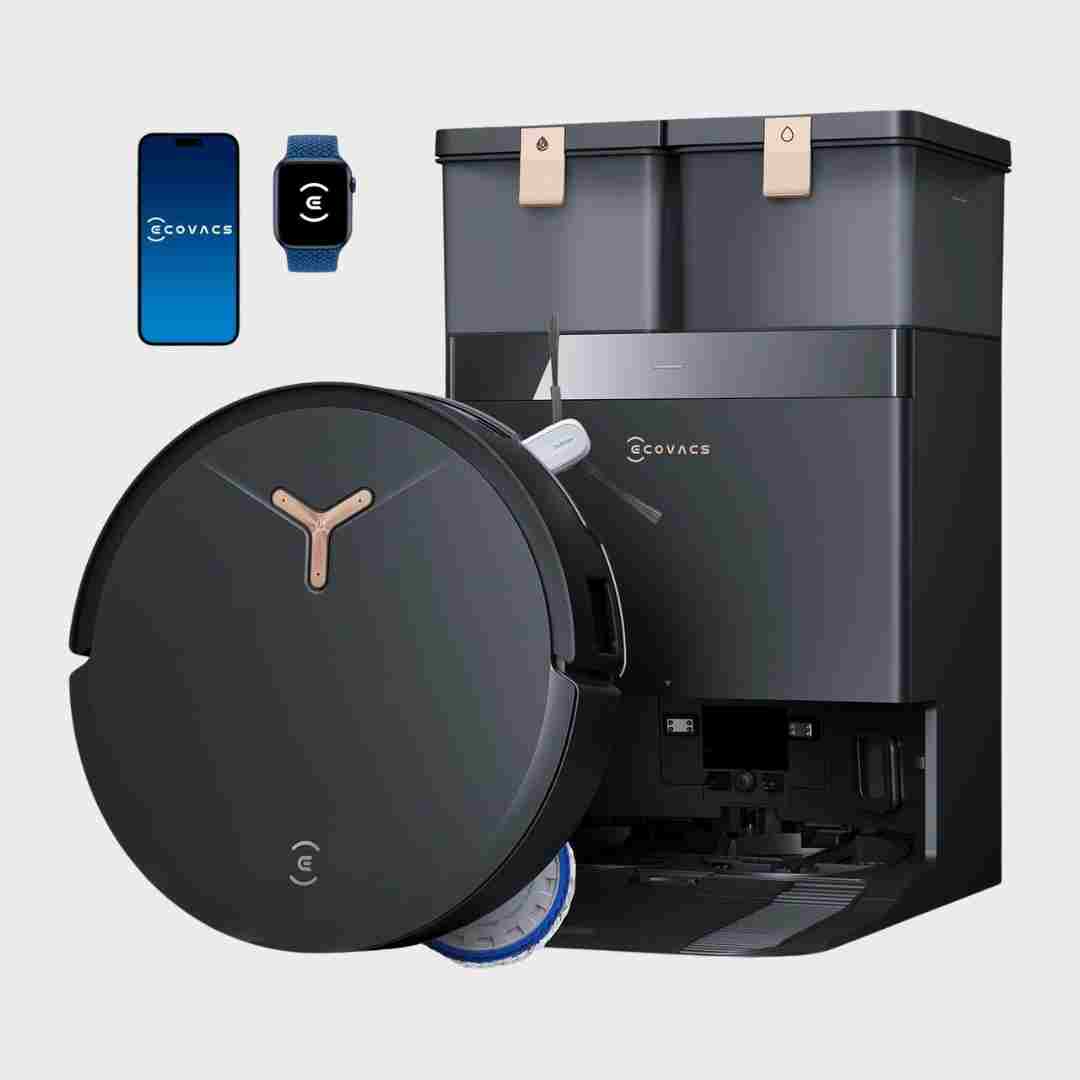
The headline feature is the self-refilling system that condenses humidity and distills dirty mop water so you may rarely add or dump water in humid homes; performance can drop in drier climates where water generation is slower.
Reviews consistently mention separate clean/dirty water tanks plus onboard water handling that keeps pads wet. Tank refills/empties are a routine task, but capacity and adjustable water use are generally seen as practical for whole-home runs.
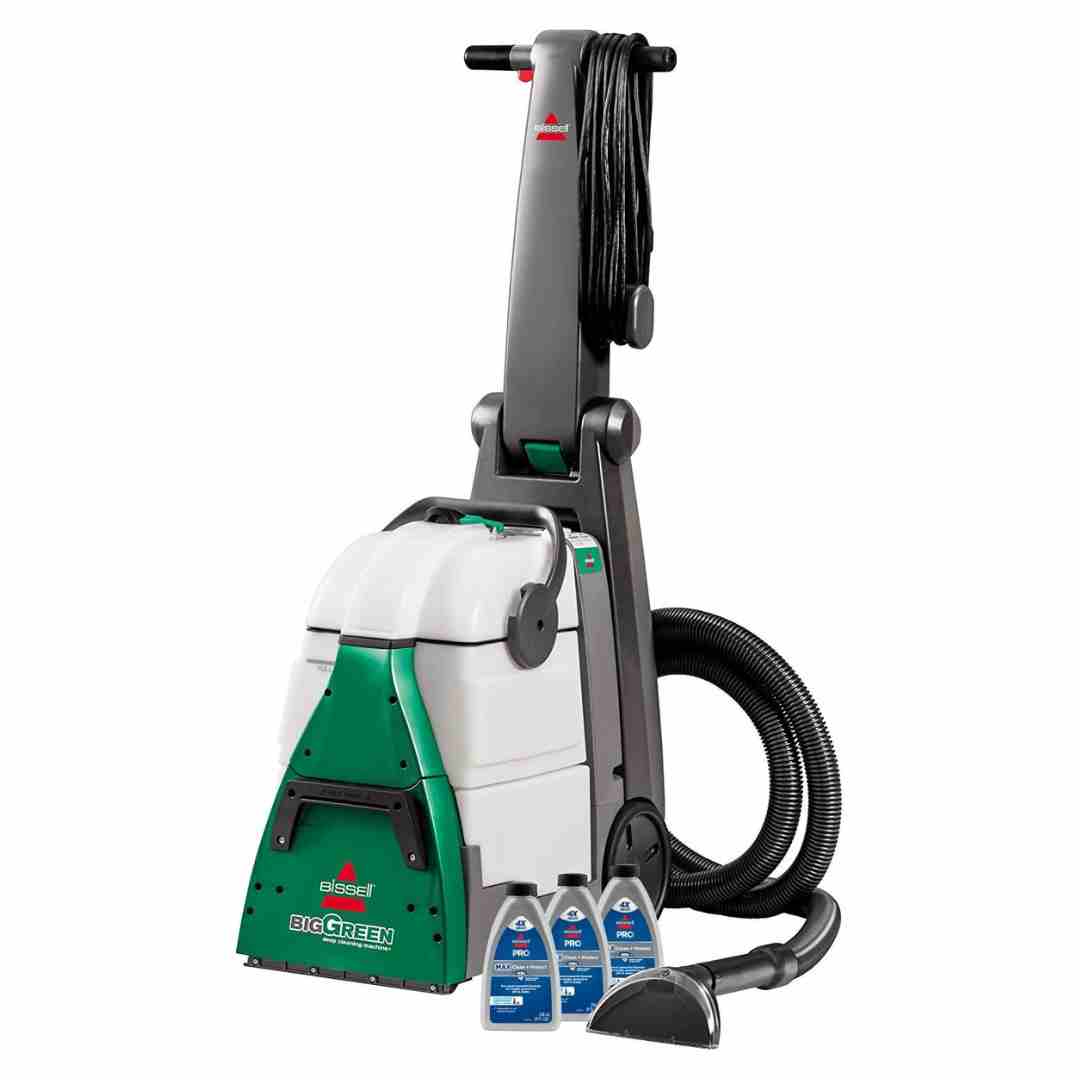
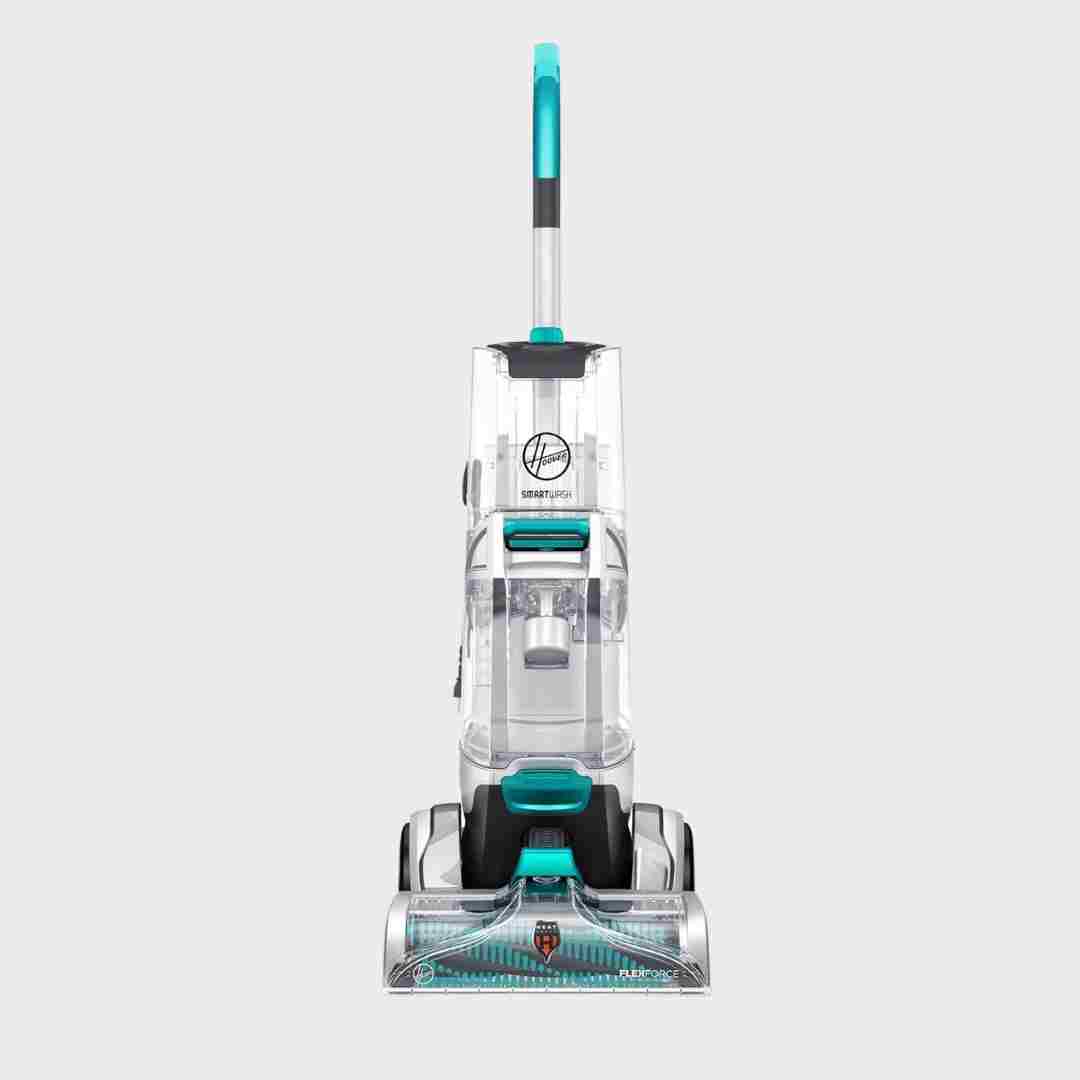
The Big Green’s large clean/dirty tanks (often cited around 1.7–1.75 gallons) are a core advantage, enabling long cleaning sessions. Tanks are described as removable and easy to fill/empty, with occasional outlier mentions of leaking on a different Big Green model.
The clean/dirty water tank setup is a key convenience feature; reviewers cite large tanks (around 4 L clean and ~3.5 L dirty in one real-home test) and automatic onboard refills. This enables multiple full clean-and-mop sessions before needing attention.
Auto-fill dock is a major convenience, with many citing weeks of mopping before refills in average use. A few find the reservoir awkward to handle/refill, but the concept and day-to-day automation score highly.
The dock’s clean/dirty water tanks are large in reviews (commonly 4–5L), enabling hands-off mopping for long stretches, though you still need to empty dirty water and refill clean water periodically.
The dock’s separate clean/dirty tanks are large, lift out easily, and have clear handles/indicators. Capacity is frequently described as enough for multi-day to multi-week mopping, depending on how often you run it.
The dock’s clean/dirty water tanks are repeatedly described as large and convenient, supporting longer hands‑off periods. Water usage can be high on aggressive mopping settings, and some reviewers point to a plumbing/water hookup kit to reduce refills.
Dock tank capacity is described as generous (figures vary by source), supporting long stretches between refills and dirty-water dumps. Several testers report only occasional tank servicing for routine mopping.
Reviews highlight separate clean/dirty tanks and automatic refilling of the robot’s internal tank via the dock. Some note tank markings can be unclear, and an optional water hookup kit is mentioned but not universally tested.
Water tank capacity and the clean/dirty tank system are repeatedly described as generous and convenient, enabling multiple cleans before intervention. Users still need to refill/empty on a cadence based on home size and mop settings.
Water tank capacity and access are praised (large tanks, easy handling on the base), and several reviews note low water consumption per cleaning compared with competitors.
Clean/dirty tank capacity and usage rate are viewed as competitive; some comparisons suggest it can go longer between water changes than many rivals, though frequency still depends on home size and mopping schedule.
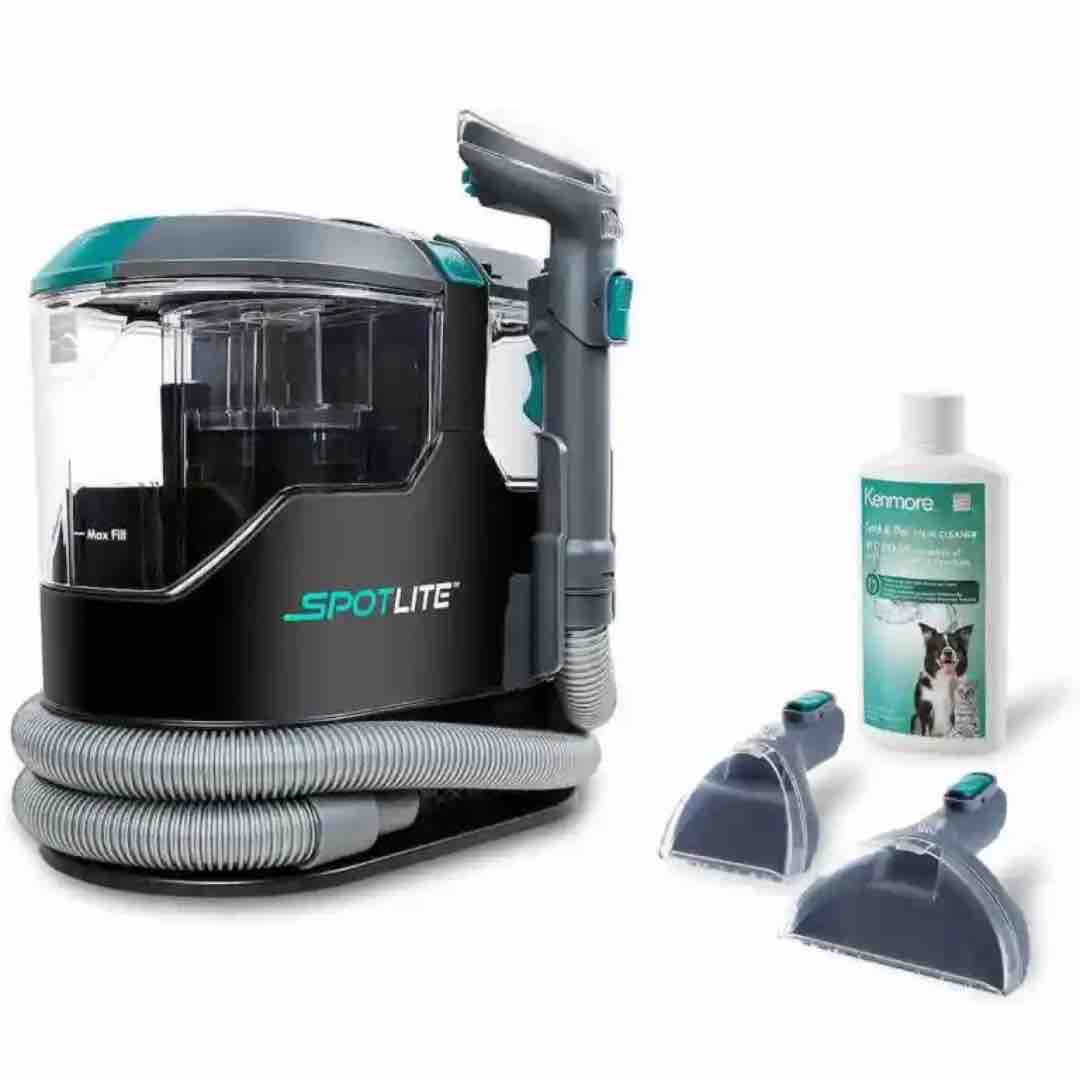
The dual-tank layout is praised for separating clean and dirty water, and several reviewers call the tanks large for a spot cleaner. Specific markings include small/large fill lines (about 25 oz and 76 oz) and a dirty tank around 0.5 gal; very dirty automotive carpet can still burn through a lot of water.
The dual-tank approach is widely praised: onboard tanks plus clean/dirty tanks at the dock enable longer mopping runs with fewer interruptions for refills or rinses.
The clean/dirty water tank system is frequently described as convenient, with reviewers citing generous capacities (for example, 4 L clean and 3 L dirty in one review) and automatic refilling of the robot’s internal tank. Users still need to periodically refill and empty tanks, especially in heavy mopping households.
The clean/dirty tank setup is considered convenient and easy to remove, and the robot also carries an onboard water tank that gets refilled at the dock. Multiple reviews warn the dirty tank can smell if left too long, so frequent emptying/rinsing helps.
Large clean/dirty water tanks are a recurring plus for longer intervals between refills/emptying, though you still need to swap water on a regular schedule.
The dock manages clean and dirty water with auto-refill to the robot; owners still need to refill the clean tank and empty the dirty tank periodically.
The dual-tank system (about 900ml clean / 700ml dirty) supports decent session length and helps keep clean and dirty water separated. Some users still found the dirty tank needs frequent emptying depending on mess volume.
Large clean and dirty water tanks reduce refill frequency for many homes, but you still need to empty dirty water regularly to avoid odors. Real-world cadence varies by home size, mopping wetness, and cleaning frequency.
Reviewers frequently mention the clean/dirty water system and removable tanks, describing them as accessible and easy to handle. Capacity is typically treated as sufficient for routine runs with periodic refills.
The clean/dirty water tank system is generally seen as easy to manage, with well-designed tanks and clear separation of dirty water. A common tradeoff is capacity: at least one review notes the dirty water tank can be smaller than average, requiring more frequent emptying.
Dock tanks are repeatedly cited as large and practical for hands-off operation, while the onboard water capacity is described as smaller but offset by automatic refilling at the dock.
The system uses separate clean and dirty water tanks and is often described as low-effort day to day, but it still requires periodic refills and emptying. At least one reviewer notes it can use a lot of water depending on settings and home size.
Water tanks on the dock are easy to access and support regular mopping, but you still need to refill clean water and dump dirty water. Some guidance suggests emptying dirty water after each mop run to prevent odor buildup.
The onboard water tank is described as generous for this class (roughly mid-300 ml), which helps in apartments, but there is no dock refilling so large homes may need refills mid-week.
The dual-tank design (separate clean and dirty tanks) is widely appreciated, with capacities described as sufficient for typical sessions; however, running multiple self-clean cycles can noticeably draw down the clean-water tank.
Water tank workflow is typical for an Omni-style dock: owners top up clean water and empty dirty water periodically, often roughly weekly with daily runs depending on home size and soil level.
The dual-tank dock system is praised for making mopping more hands-free, though refill/empty frequency varies and some reviewers note fill lines or tank access could be clearer.
The onboard and dock water setup is practical. Tanks are easy to access and generally sized well for routine cleaning, though the onboard dirty-water tank still needs periodic attention.
Tank capacity is often rated as generous for the category, reducing refill/empty trips. Multiple sources note reduced usable dirty-water capacity when operating fully lie-flat.
Tank capacity is generally described as a plus, with multiple test-style reviews citing above-average area coverage per fill/empty. A few users note you still may empty/refill during a single room depending on usage and how much water you dispense.
The two-tank setup (clean vs. dirty) is repeatedly discussed as practical and easy to remove; some comparisons suggest Kenmore’s tanks feel larger than Shark’s.
Dual clean/dirty tank design and onboard dirty-water handling help the roller stay fresh; some early units reportedly had dirty-water tank leakage issues that were later corrected.
Separate clean/dirty tanks are seen as convenient, with capacity that works for routine cleans; bigger spaces may require refills and mid-clean emptying.
The clean/dirty tank setup is commonly described as easy to use, but there are tradeoffs: some miss transparent or externally visible tanks, some describe smaller/hidden tanks requiring more frequent refills, and dirty tanks can have corners that trap grime.
The OMNI station’s clean/dirty tanks support long unattended runs, but at least one reviewer reported water pooling in the base and a dirty-water tank that benefits from regular rinsing to avoid mold.
Tank size supports decent coverage, with some tests estimating roughly 300+ square feet per clean tank, though heavy whole-house jobs can still mean refills.