Best for Water tank
Dreame H12 Pro Wet Dry Vacuum Cleaner
4.3 feature score
Highest scored product for this feature based on supporting review evidence.
Highest scored product for this feature based on supporting review evidence.
Balances feature score, supporting reviews, and overall product strength.
Has the broadest review evidence for this feature.
Strongest overall product among items with scored evidence for this feature.
Showing Stick Vacuums & Electric Brooms only. Switch back to all Vacuums anytime.
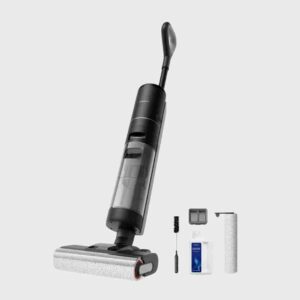
The dual-tank system (about 900ml clean / 700ml dirty) supports decent session length and helps keep clean and dirty water separated. Some users still found the dirty tank needs frequent...
Pros: Edge &, Baseboard Cleaning (Hard Floors)
Cons: AI, Smart &
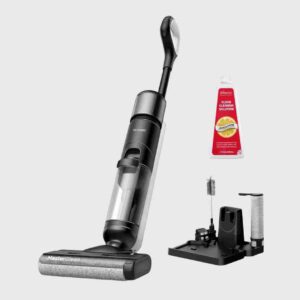
The dual-tank design (separate clean and dirty tanks) is widely appreciated, with capacities described as sufficient for typical sessions; however, running multiple self-clean cycles can noticeably draw down the clean-water...
Pros: Automatic standby switch, Floor Drying Time
Cons: Upholstery / Above-Floor Pickup, Area Rug Handling
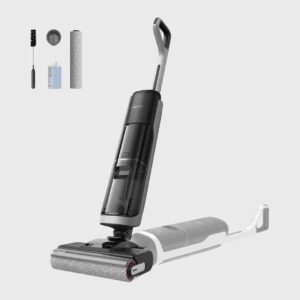
Tank capacity is often rated as generous for the category, reducing refill/empty trips. Multiple sources note reduced usable dirty-water capacity when operating fully lie-flat.
Pros: Assembly and Setup, Fresh Liquid Pickup Speed
Cons: Headlight &, LED lights
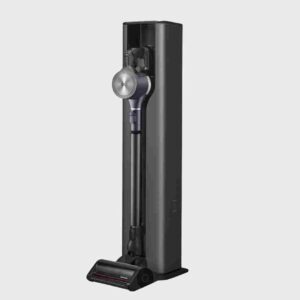
The mop attachment tank is easy to fill and includes adjustable flow settings, though capacity is limited as expected for an add-on tool.
Pros: Noise level, Aesthetic design &
Cons: Headlight &, LED lights
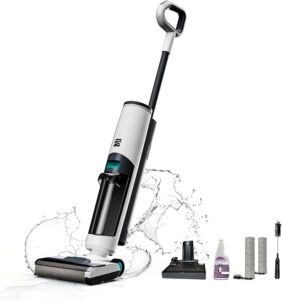
The two-tank setup (clean vs. dirty) is repeatedly discussed as practical and easy to remove; some comparisons suggest Kenmore’s tanks feel larger than Shark’s.
Pros: Hard Floor — Large Debris Intake, Low-profile design
Cons: Suitability for heavy-duty use, Overall durability/longevity
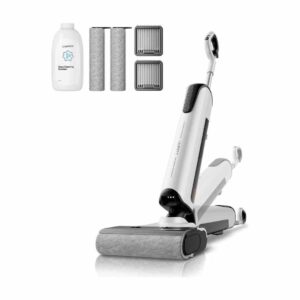
The D100’s water system is often described as a dual-compartment or “two-in-one” tank that keeps clean and dirty water separated. Capacity is cited anywhere from ~650 ml fresh/~700 ml dirty...
Pros: Innovation compared to competitors, Low-profile design
Cons: Airflow blowback, Clogging &
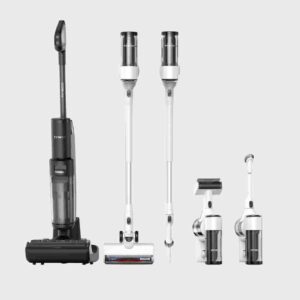
Tank sizes are described as above average in several reviews (roughly ~0.8–1.0 L clean and ~0.72–0.8 L dirty), but you still need to refill/empty for larger jobs.
Pros: Versatility, Fresh Liquid Pickup Speed
Cons: Bin &, Bag
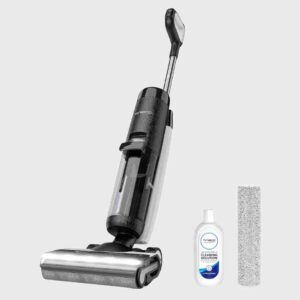
Tank capacities are usually viewed as adequate for apartments and many homes, with reviewers noting roughly 0.85L clean and ~0.72L dirty tanks (minor differences vs competitors). Some still wish the...
Pros: Assembly and Setup, Self-propel feature
Cons: Area Rug Handling, Suction &
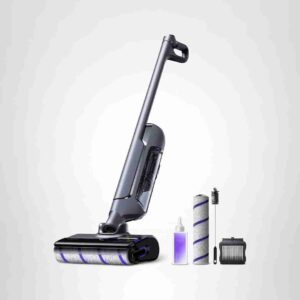
Tank sizes are described as adequate for routine cleaning, with published or reviewer-cited capacities around 0.79 L clean and 0.67 L dirty. Some reviewers feel the clean tank is on...
Pros: Hair‑Wrap / Tangle Resistance, Under-Furniture Pickup
Cons: Headlight &, LED lights
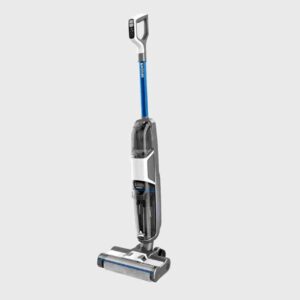
The dual-tank setup (clean and dirty) is widely appreciated, but capacity varies by model: some corded units are called larger than competitors while HF3-style cordless tanks are described as small....
Pros: Assembly and Setup, Steam Cleaning
Cons: Under-Furniture Pickup, Energy efficiency (kWh)
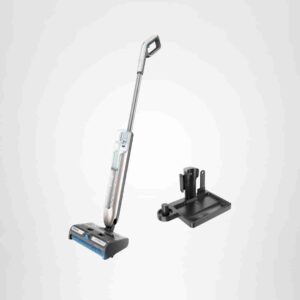
Separate clean and dirty tanks help keep washing sanitary, but capacity can be a limiter for big areas—users sometimes need to refill/empty mid-clean or hit a full/empty stop.
Pros: Weight, Maneuverability &
Cons: Clogging &, debris prevention
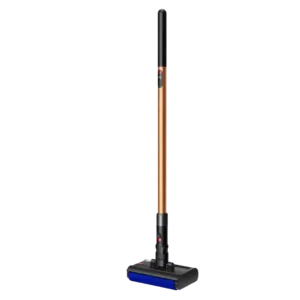
Water-tank capacity is adequate for small spaces but repeatedly described as small, with several reviewers noting the 300ml clean-water tank.
Pros: Noise level, Weight
Cons: Suction and Airflow, Self-cleaning cycle
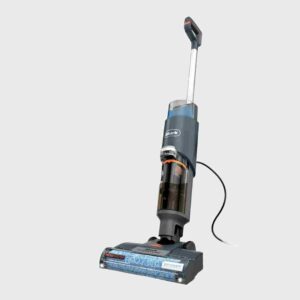
Clean and dirty tanks are frequently called small (commonly around ~0.5 L clean and ~0.36–0.38 L dirty). Some users finish a typical session on one fill, but larger homes may...
Pros: Cordless convenience, Hard Floor — Fine Dust Pickup
Cons: Software-update support / feature longevity, Steam Cleaning
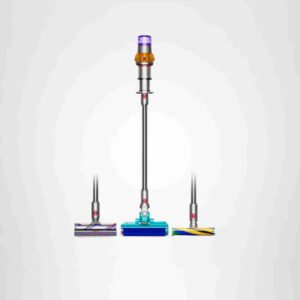
The clean-water tank is small (often cited around 300 mL), so it suits maintenance mopping more than big jobs; the dirty-water compartment can be messy and may leak if overfilled...
Pros: Debris illumination, Suction &
Cons: Self-cleaning cycle, Dirty water sensor
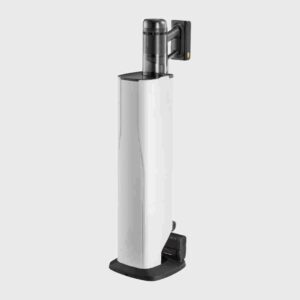
The clean/dirty tanks are consistently described as smaller than key competitors and smaller than Dyad Pro, driving more frequent refills/empties. Visibility can be poor (opaque/smoked tanks), and one test measured...
Pros: Aesthetic design &, finish
Cons: Accessories &, Tools