Best for Water tank
BISSELL Big Green Professional Carpet Cleaner
5.0 feature score
Highest scored product for this feature based on supporting review evidence.
Highest scored product for this feature based on supporting review evidence.
Balances feature score, supporting reviews, and overall product strength.
Has the broadest review evidence for this feature.
Strongest overall product among items with scored evidence for this feature.
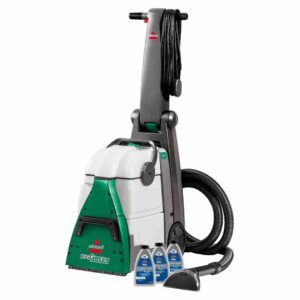
Water-tank performance was repeatedly praised for large capacity, removable/refill-friendly design, and long coverage between refills.
Pros: Pet-Ready Features, Tool-change simplicity
Cons: Innovation compared to competitors, Weight
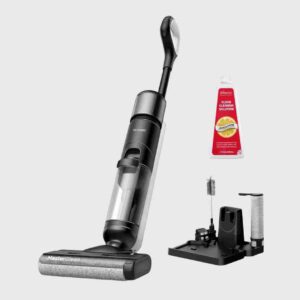
Water-tank feedback was positive, with reviewers praising the dual-tank design and large one-liter capacity.
Pros: Suction and Airflow, Stair Cleaning
Cons: Upholstery / Above-Floor Pickup, Area Rug Handling
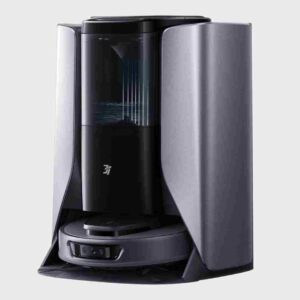
The water tank and WaterRecycle system are the product’s strongest recurring praise, especially in humid homes, though dry climates may need manual refill.
Pros: Build quality and durability, Clogging and debris prevention
Cons: Energy efficiency (kWh), Weight
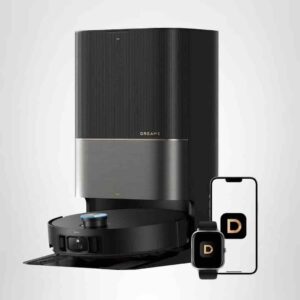
Water tank capacity was praised in one review where the reservoirs lasted through three weeks of testing without needing attention.
Pros: Hair Pickup — Carpets, Noise level
Cons: Crevice / Groove Pickup (Hard Floors), Edge‑Following Accuracy (Robot)
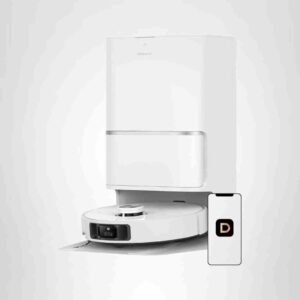
The large water tanks were praised for reducing refill frequency and supporting hands-off cleaning.
Pros: Energy efficiency (kWh), Stuck resistance
Cons: Support and Reliability, Streaking / Residue
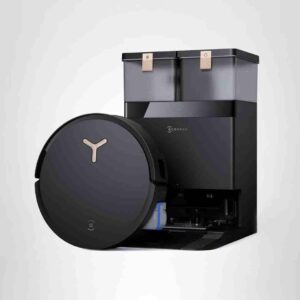
Water-tank feedback was strongly positive, including large capacity, easy-access latches, and less frequent refilling in real-world testing.
Pros: Overall cleaning convenience, Streaking / Residue
Cons: Suitability for small spaces, Dock noise
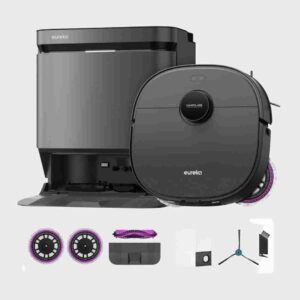
The water tanks earned praise for easy transport thanks to built-in handles.
Pros: Floorhead design, Hair‑Wrap / Tangle Resistance
Cons: Low-profile design, Cord management
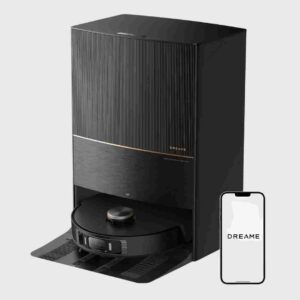
Water tank feedback was broadly positive, with large tank capacity supporting long stretches of cleaning and hands-off use.
Pros: Overall durability/longevity, Surface safety with attachments
Cons: Ongoing ownership costs (bags, filters
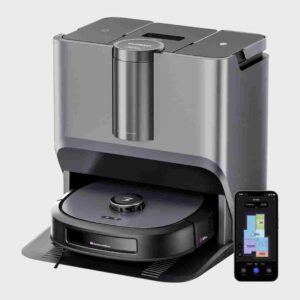
Water tank feedback was mostly positive for large tanks, automatic refills, and clean/dirty water handling, with one reviewer noting unusually heavy water use.
Pros: Packaging quality, Versatility
Cons: Carpet — Medium-Pile Pickup, Support and Reliability
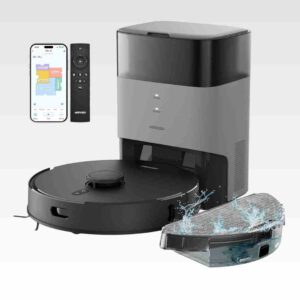
Water and onboard capacity were praised as decent to huge, supporting longer mopping or cleaning sessions before refills.
Pros: Hard Floor — Fine Dust Pickup, Dried-On Stain Removal
Cons: Carpet — High-Pile Pickup, Streaking / Residue
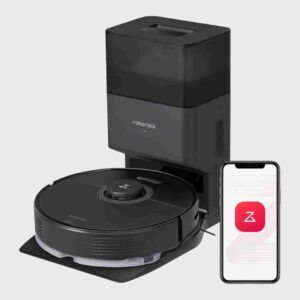
The water tank and flow controls were praised for size and sophistication, especially for frequent mopping.
Pros: Privacy controls, Tool-change simplicity
Cons: Mop lifting system, Dock noise
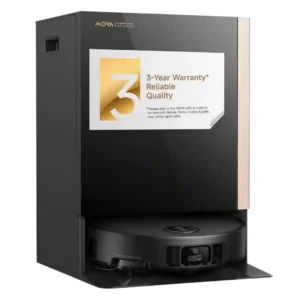
Water tank capacity was praised for supporting multiple cleans and reducing refills.
Pros: Obstacle Avoidance (Robot), Carpet — Medium-Pile Pickup
Cons: Dirty water sensor, Runtime
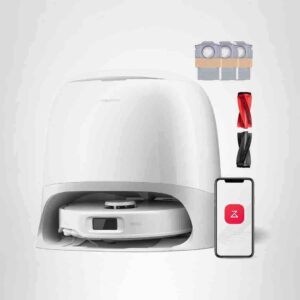
Water handling is flexible and low-effort, with adjustable wetness levels and only occasional tank refills needed.
Pros: Mopping performance, Controls and UI
Cons: Area Rug Handling, Accessories and Tools
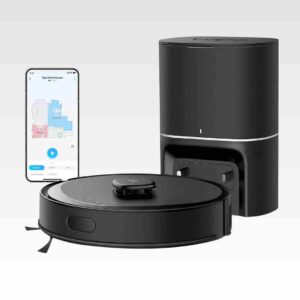
The water tank and combined dust/water container were viewed as easy or clever, though still manually serviced.
Pros: Emptying and Mess Control, Bin and Bag
Cons: Hair-removal channel issues, Mop lifting system
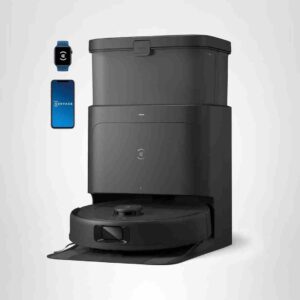
Water tank handling was praised in one review because the tanks were easy to refill and clean.
Pros: Pet-Ready Features, Battery and Charging
Cons: Stair Cleaning, Emptying and Mess Control
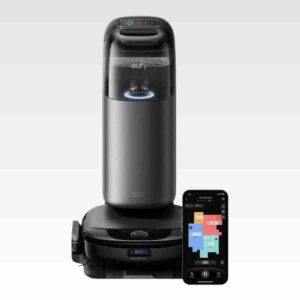
The clear front water tank made water level checks easy at a glance.
Pros: Storage footprint and upright-stand stability, Maneuverability and Handling
Cons: Hair Pickup — Carpets, Clogging and debris prevention
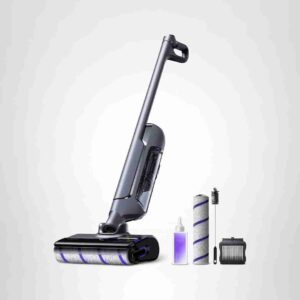
The water-tank design was praised as cleverly hidden and space-conscious rather than bulky.
Pros: Pet-Ready Features, Noise level
Cons: Reverse cleaning performance, Suitability for heavy-duty use
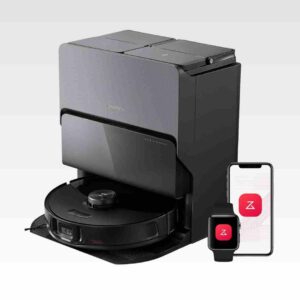
The clean-water tank was easy to remove and handle, supporting a positive water-tank usability score.
Pros: Filtration / Dust Containment, Bin and Bag
Cons: Price and Value, Tool-change simplicity
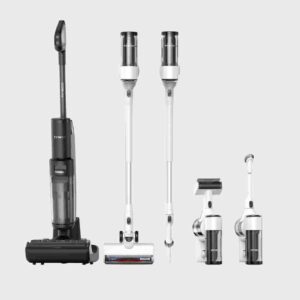
Water tanks were mostly praised for useful or above-average capacity, but one review found the clean tank slightly small.
Pros: Pet-Ready Features, Build quality and durability
Cons: Emptying and Mess Control, Battery and Charging
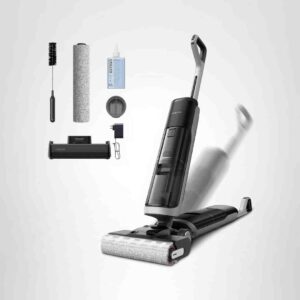
Water-tank feedback was positive overall, especially the large clean-water capacity and easy filling, though dirty-water handling still requires regular emptying.
Pros: Crevice / Groove Pickup (Hard Floors), Hard Floor — Large Debris Intake
Cons: Sanitizing performance, Clogging and debris prevention
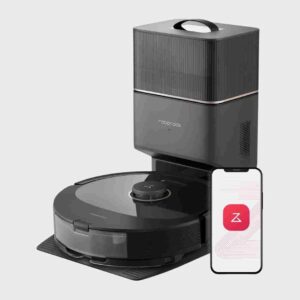
The water tank was viewed positively for its relatively large size and ability to cover a meaningful area before running low.
Pros: Packaging quality, Innovation compared to competitors
Cons: Mop lifting system, Self-cleaning cycle
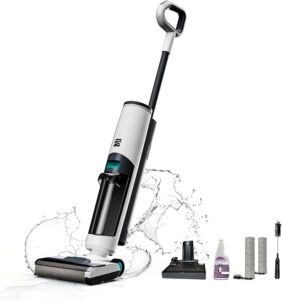
Water-tank feedback was positive, especially for larger tank size, easy fitment, and keeping clean and dirty water separate.
Pros: Suction and Airflow, Noise level
Cons: Heating element, Area Rug Handling
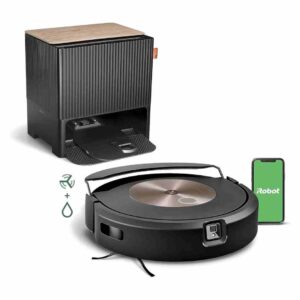
The water tank system drew praise for automatic refilling and automation, but one reviewer found the reservoir awkward to refill.
Pros: Pet-Ready Features, Tool-change simplicity
Cons: Stair Cleaning, Build quality and durability
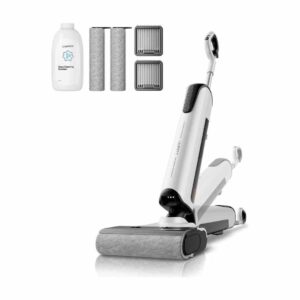
Water tank feedback was mostly positive for capacity, easy removal, filling, and washing, though one review wanted an easier reservoir-filling method.
Pros: Pet-Ready Features, Assembly and Setup
Cons: Dock noise, Reverse cleaning performance
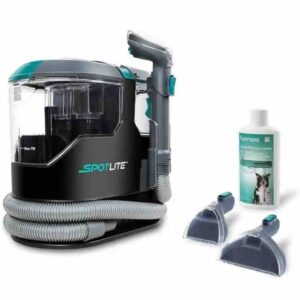
Tank capacity was generally praised for allowing larger jobs and continuous cleaning, though one stain-heavy test used nearly the whole tank.
Pros: Cordless convenience, Comparative performance
Cons: Overall durability/longevity, Support and Reliability
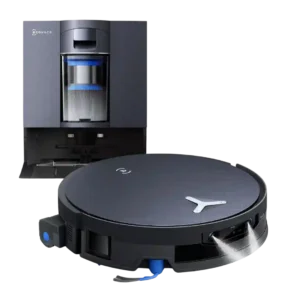
Water handling is positive, with reviewers noting smooth tank removal and automated clean-water management.
Pros: Stuck resistance, Assembly and Setup
Cons: Clogging and debris prevention, Suitability for small spaces
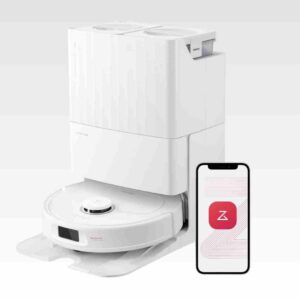
The water system was praised for large clean/dirty tanks and automatic refilling that helps the mop operate semi-autonomously.
Pros: Build quality and durability, Dirty water sensor
Cons: Edge‑Following Accuracy (Robot), Emptying and Mess Control
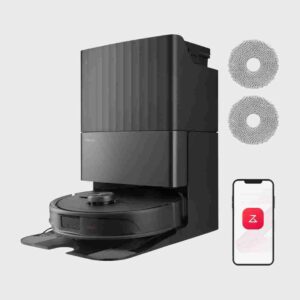
Water handling was easy and flexible, with large tanks praised and solution use described as optional.
Pros: Hair Pickup — Hard Floors, Emptying and Mess Control
Cons: Filtration / Dust Containment, Bin and Bag
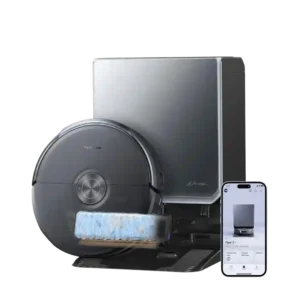
The clean- and dirty-water tanks support long sessions and often need attention only about once a week. Users still have to refill and empty them, and their placement can complicate...
Pros: Pet-Ready Features, Accessories and Tools
Cons: Automatic shutoff for obstructions, Crevice / Groove Pickup (Hard Floors)
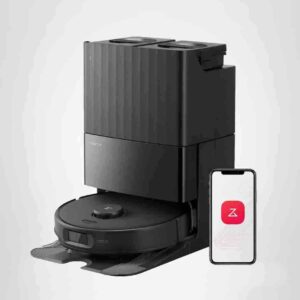
Water capacity was considered helpful for hands-off use, with large tanks reducing refill frequency and supporting multiple mop cycles.
Pros: Clogging and debris prevention, Floorhead design
Cons: Adaptive chassis lift, Solution / Liquid system
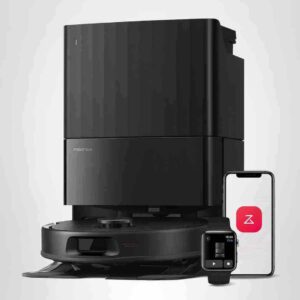
The onboard water tank and water-flow control are praised for keeping mop pads wet and improving everyday mopping.
Pros: Assembly and Setup, Self-cleaning cycle
Cons: Odor control, Fresh Liquid Pickup Speed
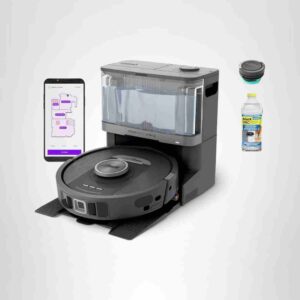
The water tank system was well received for its easy handling and impressive capacity relative to the compact base.
Pros: Stair Cleaning, Filtration / Dust Containment
Cons: Support and Reliability, Heating element
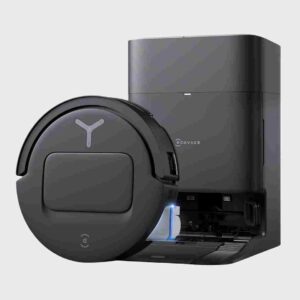
The water-tank score is positive where reviewers praised the station’s automated water refilling and maintenance workflow.
Pros: Innovation compared to competitors, Hard Floor — Large Debris Intake
Cons: Emptying and Mess Control, Cord management
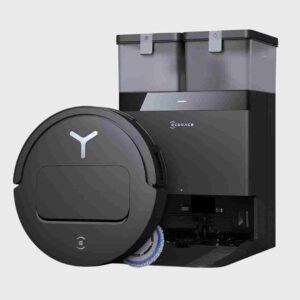
Water-tank maintenance was manageable in one review, with about weekly changes during daily cleaning.
Pros: Innovation compared to competitors, Under-Furniture Pickup
Cons: Tool-change simplicity, Build quality and durability
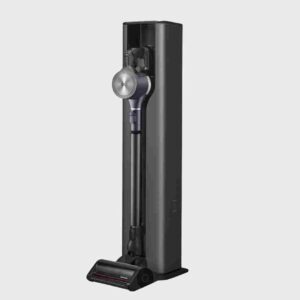
The mop water controls were viewed as useful enough for choosing water output, but evidence was limited to basic water-level use.
Pros: Hard Floor — Fine Dust Pickup, Innovation compared to competitors
Cons: Support and Reliability, Odor control
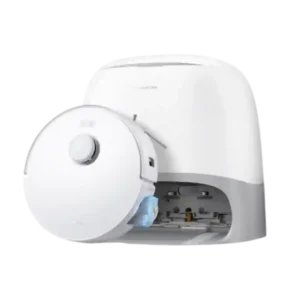
Water tank feedback was mostly positive for ease of use, but the small onboard dirty-water tank requires cleaning after mopping.
Pros: Maneuverability and Handling, Versatility
Cons: Under-Furniture Pickup, Low-profile design
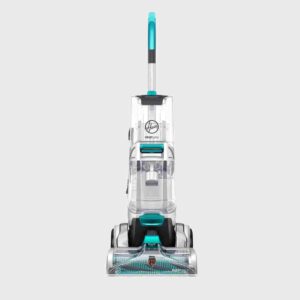
Tank feedback was generally positive for capacity, coverage, and clean/dirty separation, though one review warned the one-gallon tank is small for whole-house jobs.
Pros: Pet-Ready Features, Tool-change simplicity
Cons: Support and Reliability, Overall durability/longevity

Water tank handling was positive, with easy lifting and long tank duration mentioned.
Pros: Kid-friendliness, Reverse cleaning performance
Cons: Solution / Liquid system, Low-profile design
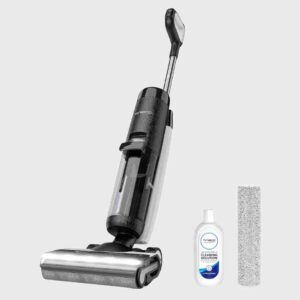
Water-tank evidence is mixed: dirty-tank capacity is praised, but clean-water capacity can be limiting in smaller-home repeated cleaning.
Pros: Hair Pickup — Hard Floors, Hard Floor — Fine Dust Pickup
Cons: Area Rug Handling, Dirty water sensor
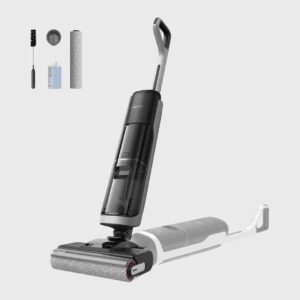
Water tanks were generally praised for fresh-water separation and size, but reviewers noted reduced capacity in flat mode or smaller tanks versus prior models.
Pros: Convertible handheld design, Under-Furniture Pickup
Cons: Sanitizing performance, Debris illumination
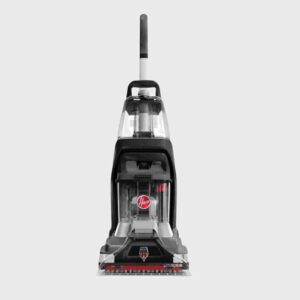
Tank feedback is mixed: large capacity and easy dumping are positives, but leakage and dirty-tank cleanup are concerns.
Pros: Pet-Ready Features, Tool-change simplicity
Cons: Overall durability/longevity, Build quality and durability

Water-tank feedback was mixed: one reviewer went two weeks without refilling, while another emptied the dirty-water bucket regularly.
Pros: Fresh Liquid Pickup Speed, Hard Floor — Large Debris Intake
Cons: Hair-removal channel issues, Accessories and Tools
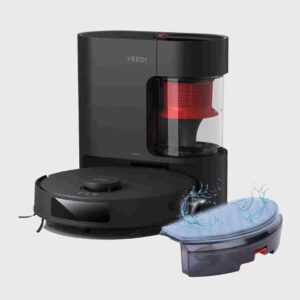
The water tank was considered workable and easy enough to handle, though one tester noted capacity was slightly below average and another emphasized the need to swap/fill it.
Pros: Scratch resistance, Fresh Liquid Pickup Speed
Cons: Onboard tool storage, Self-cleaning cycle
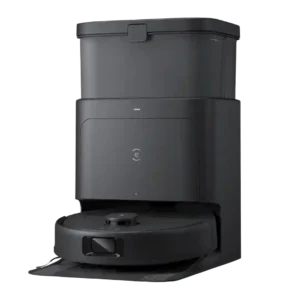
Water-tank feedback was limited but positive, with the transparent fresh-water tank treated as a practical advantage for checking levels.
Pros: Odor control, Innovation compared to competitors
Cons: Accessories and Tools, Stuck resistance
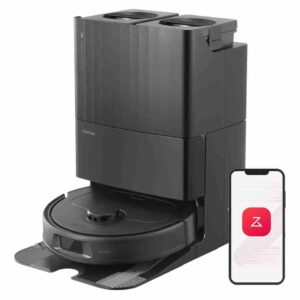
The water-tank maintenance burden was viewed positively by one reviewer who said the dirty tank only needed emptying every seven weeks.
Pros: Versatility, Floor shine after cleaning
Cons: Odor control, Stuck resistance
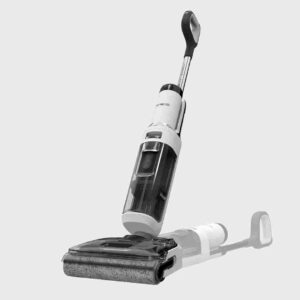
Water-tank feedback was mixed: capacity was praised on Stretch models, but filling, larger-home suitability, and layout drew caveats.
Pros: Innovation compared to competitors, Low-profile design
Cons: Dock noise, Noise level
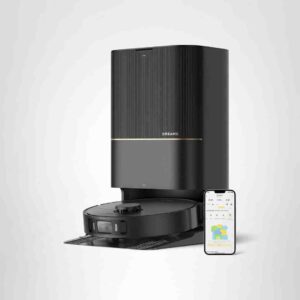
Water tanks were generally seen as large and low-touch, although one review still refilled clean water multiple times during heavy testing.
Pros: Heating element, Floor shine after cleaning
Cons: Support and Reliability, Suitability for small spaces
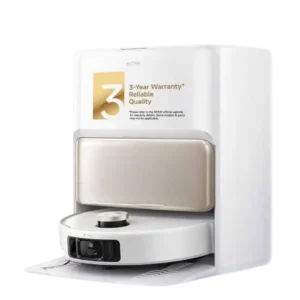
Water tank feedback is mixed: reviewers appreciate clear or large tanks, but frequent changes and small bins are noted in heavier mopping use.
Pros: Accessories and Tools, Hard Floor — Fine Dust Pickup
Cons: Airflow blowback, Scratch resistance
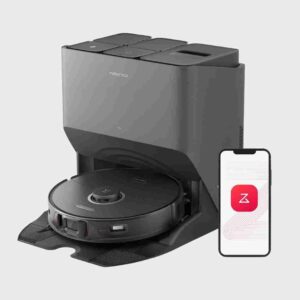
The water tanks were mostly praised for capacity and ease, though the robot’s onboard tank and mop were criticized as non-removable.
Pros: Ease of use, Overall cleaning convenience
Cons: Scratch resistance, Fresh Liquid Pickup Speed
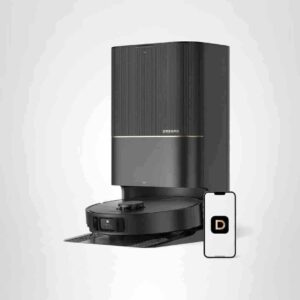
Water-tank feedback is generally positive for capacity and separation, though refilling and emptying still remain part of ownership.
Pros: Edge‑Following Accuracy (Robot), Support and Reliability
Cons: Ongoing ownership costs (bags, filters