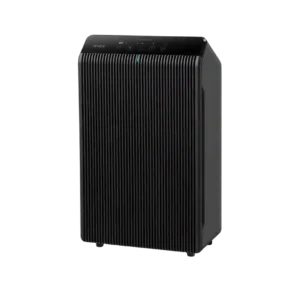
HEPA filtration earned strong praise as a key reason behind test performance and as a major part of allergen and particle capture.
Pros: ozone-free operation, safety certifications
Cons: child lock, PM2.5 detection
HEPA filtration earned strong praise as a key reason behind test performance and as a major part of allergen and particle capture.
Pros: ozone-free operation, safety certifications
Cons: child lock, PM2.5 detection
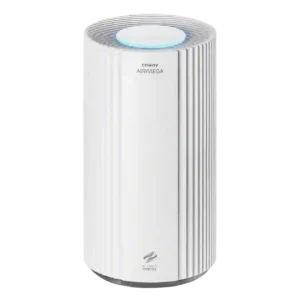
HEPA filtration was praised as making a noticeable difference and as a desirable, gimmick-free filtration approach.
Pros: particle removal effectiveness, air changes per hour
Cons: app connectivity, safety certifications
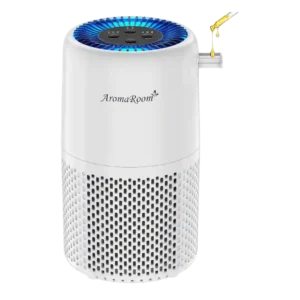
HEPA-related comments are positive, with buyers connecting the H13/HEPA filter to cleaner air, allergy help, and peace of mind. Some mention checking replacement filter pricing as part of ownership.
Pros: sleep mode, ease of use
Cons: initial chemical smell, power connector fit
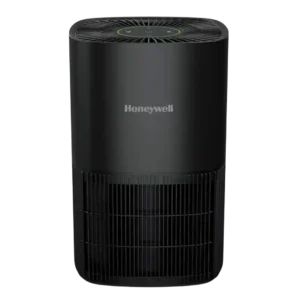
One allergy sufferer linked the HEPA filter use with breathing improvement after two days.
Pros: real-time air quality monitoring, sleep mode
Cons: filter availability, replacement experience
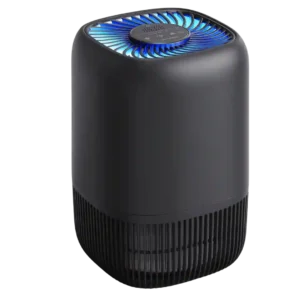
One reviewer specifically liked getting a HEPA filter at a low price. HEPA-specific performance detail was sparse, but that mention was favorable.
Pros: customer support, odor reduction
Cons: air dryness, documentation quality
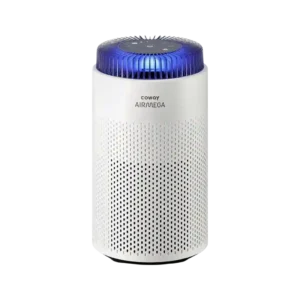
The filtration package is trusted for fine particles and allergens, with very small particle capture highlighted. It performs well even though the exact True HEPA labeling is not always used.
Pros: ozone-free operation, breathing relief
Cons: reliability, customer support
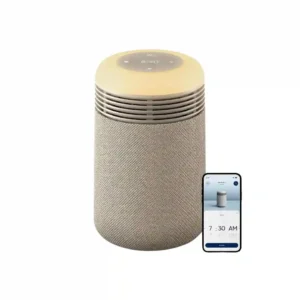
Reviewers like Blueair's HEPASilent filtration for combining particle capture with quiet airflow.
Pros: pet dander removal, energy efficiency
Cons: durability, condition on arrival
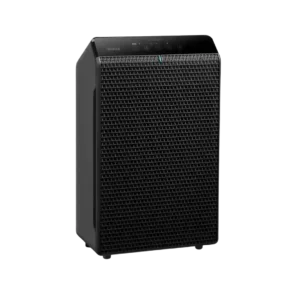
Review evidence for HEPA filtration is mixed, based on opinionated comments from 1 source review(s).
Pros: air purification performance, particle removal effectiveness
Cons: VOC sensor accuracy, display readability