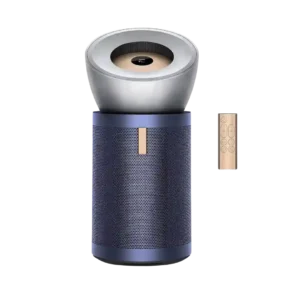
Reviewers were strongly positive on HEPA filtration, with support from expert testing and customer use.
Pros: pet dander removal, HEPA filtration
Cons: condition on arrival, replacement experience
Reviewers were strongly positive on HEPA filtration, with support from expert testing and customer use.
Pros: pet dander removal, HEPA filtration
Cons: condition on arrival, replacement experience
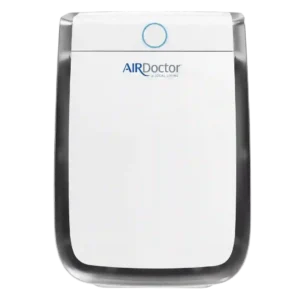
The UltraHEPA filtration is presented as a premium advantage, especially for very fine particles. Testers emphasize its ability to retain tiny contaminants beyond a standard HEPA-style pitch.
Pros: particle removal effectiveness, HEPA filtration
Cons: customer support, warranty coverage
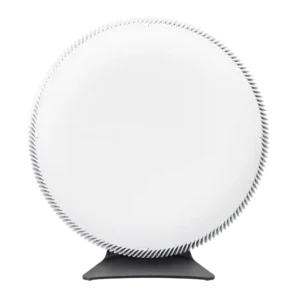
HEPA filtration was treated as a serious strength, especially in expert discussions of HyperHEPA performance. Reviewers credited the filtration system for excellent particle results.
Pros: dust removal, pollen removal
Cons: voice assistant compatibility, condition on arrival
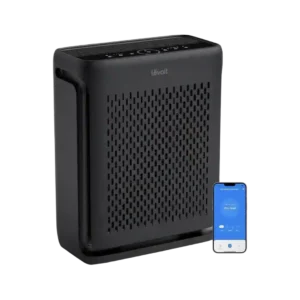
HEPA filtration was praised for powerful filtration and overall filter quality, with reviewers tying it to allergy usefulness and strong test performance.
Pros: Wi-Fi reliability, filter stages
Cons: PM2.5 detection
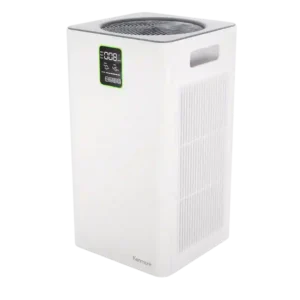
HEPA filtration is treated as a selling point by owners who like the machine’s filter setup. The H13 mention and comparisons to other HEPA filters give this area a positive...
Pros: dust removal, pollen removal
Cons: CADR rating, filter availability
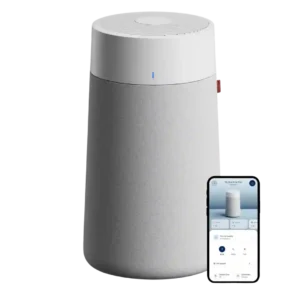
HEPA filtration is seen as effective by one customer, though separate evidence questions whether the unit is true HEPA.
Pros: smoke removal, allergen reduction
Cons: durability, reliability
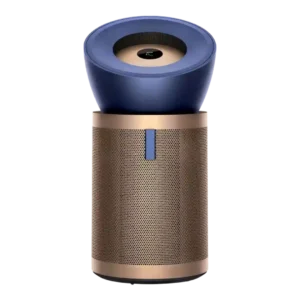
The HEPA H13 filtration and sealed filter path are viewed as high-grade, efficient, and important for particles.
Pros: ease of use, noise level
Cons: condition on arrival, durability
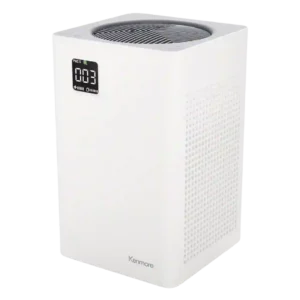
HEPA-related comments are generally positive, especially where owners connect the filter to dust, pollen, and cleaner air. One pet-heavy household flagged frequent HEPA filter replacement as expensive.
Pros: particle removal effectiveness, pollen removal
Cons: customer support, replacement experience
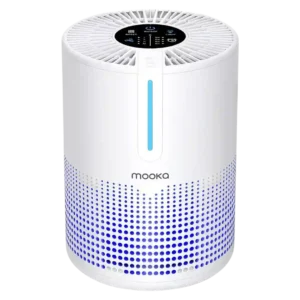
HEPA-related comments are positive where mentioned, especially around the H13 True HEPA filter and the simple fan-plus-filter setup. The praise is practical rather than lab-tested.
Pros: true HEPA filter, energy efficiency
Cons: remote control, condition on arrival
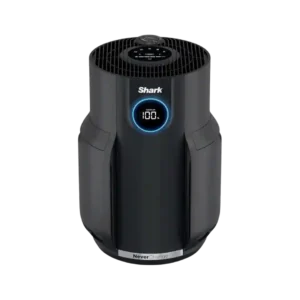
HEPA filtration is consistently treated as a strength for allergens, smoke, dust, and fine particles.
Pros: particle removal effectiveness, ozone-free operation
Cons: Wi-Fi reliability, documentation quality
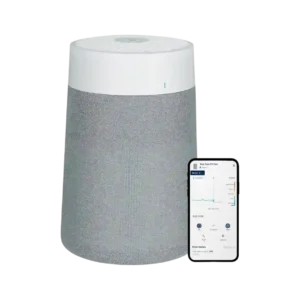
HEPA-related filtration evidence is positive despite the lack of traditional HEPA, with reviewers citing HEPASilent efficiency and little real-world performance difference.
Pros: energy efficiency, power consumption
Cons: handle design, air quality sensor accuracy
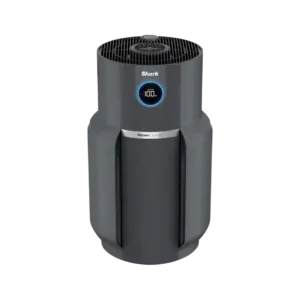
The HEPA filter is consistently treated as a core strength, especially because it is paired with protective pre-filters to extend life.
Pros: particle removal effectiveness, ease of use
Cons: condition on arrival, Wi-Fi reliability
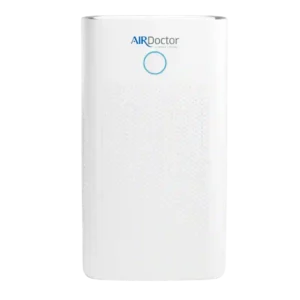
The HEPA filtration is generally treated as a core strength, with expert reviewers praising the H13/UltraHEPA-style particle capture. One scent-sensitive owner, however, felt the HEPA/carbon setup should have been odorless...
Pros: particle removal effectiveness, dust removal
Cons: customer support, formaldehyde removal
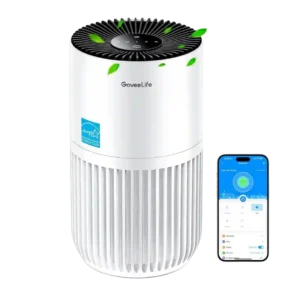
HEPA filtration was credited for the purifier’s measured performance, and another review tied the three-stage system to effective pollutant scrubbing.
Pros: sleep mode, filter stages
Cons: smoke removal, CADR rating
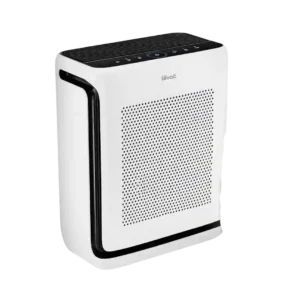
HEPA filtration drew mostly praise for filter quality and performance, but one review criticized the absence of a lab-certified HEPA particle filter.
Pros: allergen reduction, safety certifications
Cons: PM2.5 detection, true HEPA filter
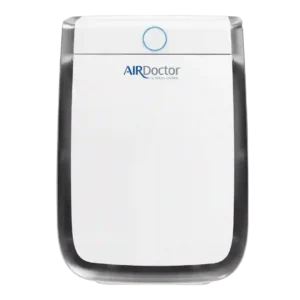
Experts like the UltraHEPA concept and filter size, but one customer reported a harsh chemical odor from the HEPA filter.
Pros: pollen removal, handle design
Cons: mold spore reduction, condition on arrival
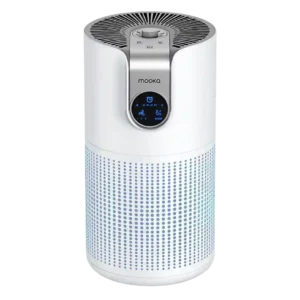
HEPA-related comments are mixed. One buyer says the HEPA filter captures dust, pollen, and pet dander well, while another wanted a better filter for small particles like pollen and smoke.
Pros: pet dander removal, VOC reduction
Cons: real-time air quality monitoring, PM2.5 detection