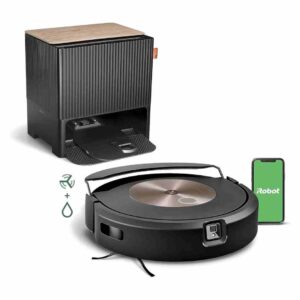
Odor control was viewed favorably because the no-dirty-water-bin approach was considered more sanitary and less messy.
Pros: Pet-Ready Features, Tool-change simplicity
Cons: Stair Cleaning, Build quality and durability
Showing Robotic Vacuums only. Switch back to all Vacuums anytime.
Odor control was viewed favorably because the no-dirty-water-bin approach was considered more sanitary and less messy.
Pros: Pet-Ready Features, Tool-change simplicity
Cons: Stair Cleaning, Build quality and durability
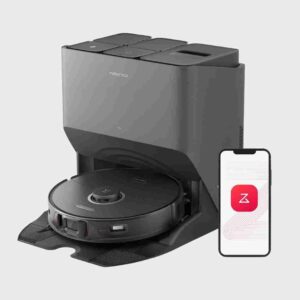
Odor control was a strength when the mop dryer worked, but dirty water still needed timely emptying and rinsing.
Pros: Ease of use, Overall cleaning convenience
Cons: Scratch resistance, Fresh Liquid Pickup Speed
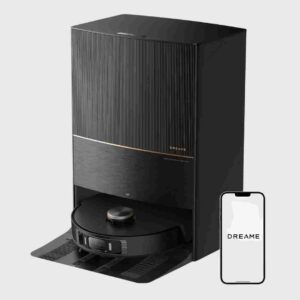
Odor control was mixed: hot-air drying was credited with reducing mold risk, but one review said mop pads still smelled over time.
Pros: Overall durability/longevity, Surface safety with attachments
Cons: Ongoing ownership costs (bags, filters
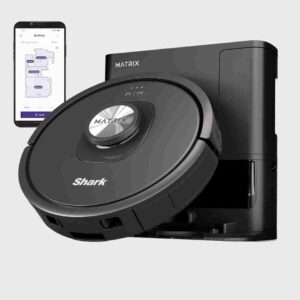
Odor control was a caveat because one reviewer expected many users to empty the bin before its claimed capacity because of odors.
Pros: Overall cleaning convenience, Crevice / Groove Pickup (Hard Floors)
Cons: Filtration / Dust Containment, Noise level
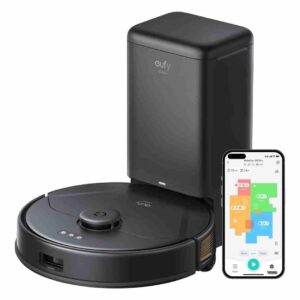
Odor control had limited negative evidence from a mop pad that became smelly when not rinsed after use.
Pros: Packaging quality, Dual motors
Cons: Stair Cleaning, Odor control
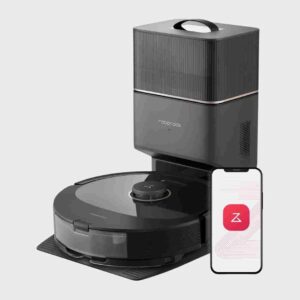
Odor control evidence was negative and tied to mop upkeep, with one reviewer warning that dirty mop cloths can create bad odors.
Pros: Packaging quality, Innovation compared to competitors
Cons: Mop lifting system, Self-cleaning cycle
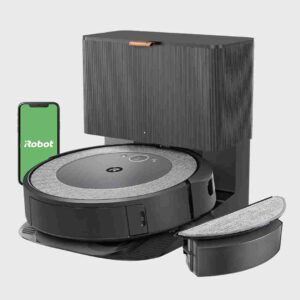
Odor control was poor in one wet-bin failure case where the collection bag and second floor were affected by odor.
Pros: Assembly and Setup, Overall cleaning convenience
Cons: Odor control, Obstacle Avoidance (Robot)