#1
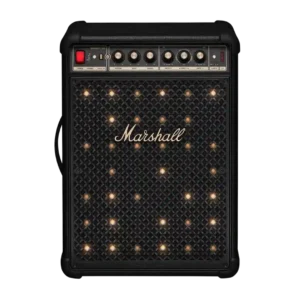
The speaker can expand beyond one unit through Auracast or wired daisy-chaining, and hands-on pairing was easy. Multiple-speaker setups add noticeably more scale and immersion.
Pros: Stereo imaging accuracy, Multi-speaker pairing reliability
Cons: Remote control usability, Bluetooth codec support
#2
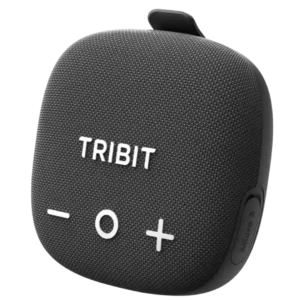
Inter-speaker connectivity was praised for fast TWS connection in testing.
Pros: Stereo imaging accuracy, Setup simplicity
Cons: Wired input, Backwards compatibility
#3

AirTouch is a standout feature, making two-speaker stereo pairing almost instant, while Auracast supports larger JBL groups. True stereo requires two Go 5 units, and older PartyBoost products are not...
Pros: Google, Latency with TV (lip sync)
Cons: Charging cable inclusion, Chromecast compatibility
#4
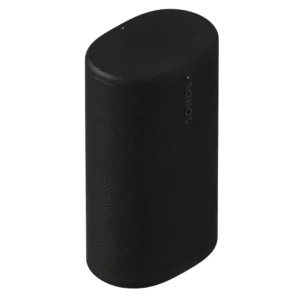
Integration with other Sonos speakers is usually excellent and is a major reason to buy the Play. Most owners report easy linking and seamless multi-room use, though a minority experienced...
Pros: Dialogue clarity (for TV/soundbar use), Multi-speaker pairing reliability
Cons: Surround sound simulation, Protective case inclusion
#5
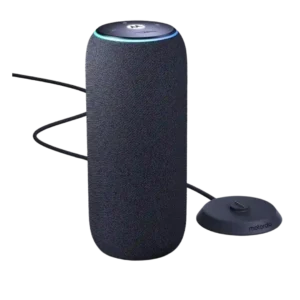
Inter-speaker UWB behavior is praised for automatic channel handling when two units are used, although this depends on owning multiple speakers and compatible hardware.
Pros: Setup simplicity, Design and aesthetics
Cons: Status indicators, Backwards compatibility
#6

Inter-speaker connectivity is generally praised for instant or synchronized pairing, though broader compatibility is handled separately as a weakness.
Pros: Dust resistance rating, Low-volume performance
Cons: Speakerphone quality, Backwards compatibility
#7
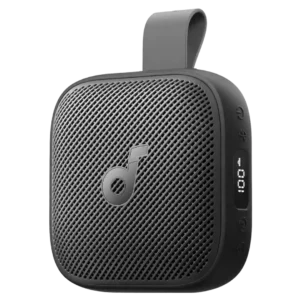
Inter-speaker connectivity was split: same-model Auracast pairing worked well in one test, while pairing with JBL or PartyCast Soundcore speakers disappointed others.
Pros: Smart features, Lighting effects
Cons: Speakerphone quality, Microphone