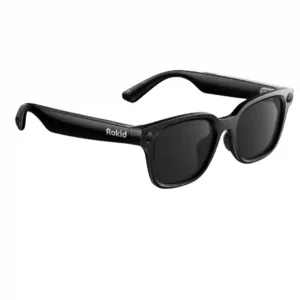
The glasses can be configured as the wearer’s actual prescription pair, avoiding the need to place smart glasses over regular eyewear.
Pros: prescription lens compatibility, temple comfort
Cons: outdoor visibility, camera privacy
The glasses can be configured as the wearer’s actual prescription pair, avoiding the need to place smart glasses over regular eyewear.
Pros: prescription lens compatibility, temple comfort
Cons: outdoor visibility, camera privacy
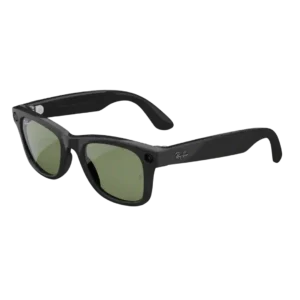
Broad prescription support, reusable Gen 1 lenses, and optician fitting make these unusually practical as everyday corrective glasses.
Pros: media playback, lens clarity
Cons: low-light visibility, heads-up display
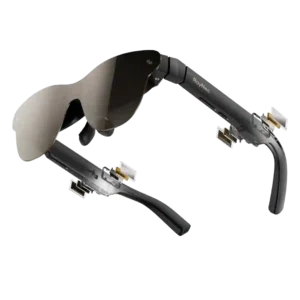
Prescription inserts can transform clarity for nearsighted users, but wearing normal glasses underneath is often awkward and can worsen fit.
Pros: offline functionality, cloud dependency
Cons: tracking stability, power efficiency
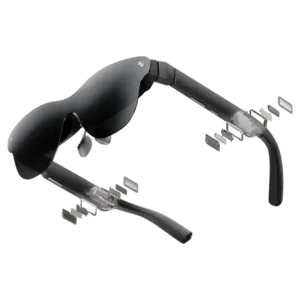
Prescription inserts are workable and compatible with the frame, but normal glasses are impractical underneath. Users who need correction should plan on an insert rather than layering eyewear.
Pros: heads-up display, charging method
Cons: low-light visibility, Bluetooth connectivity