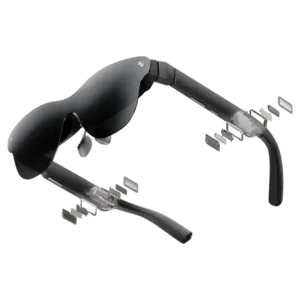
At roughly 76g, the glasses are widely considered light for a wearable display. That helps comfort, though it is still much heavier than ordinary eyewear.
Pros: heads-up display, charging method
Cons: low-light visibility, Bluetooth connectivity
At roughly 76g, the glasses are widely considered light for a wearable display. That helps comfort, though it is still much heavier than ordinary eyewear.
Pros: heads-up display, charging method
Cons: low-light visibility, Bluetooth connectivity
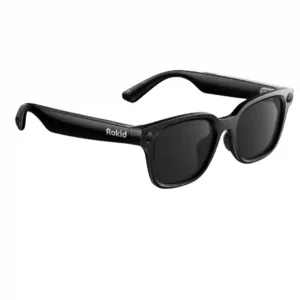
The glasses consistently feel light in real use, even though the advertised 38.5g figure excludes lenses. Most reviewers still noticed a comfort advantage over heavier competitors.
Pros: prescription lens compatibility, temple comfort
Cons: outdoor visibility, camera privacy
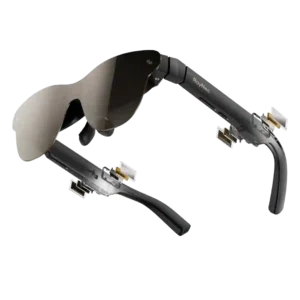
At roughly 76 grams, the glasses are consistently viewed as light for the category and much easier to tolerate than bulky VR headsets.
Pros: offline functionality, cloud dependency
Cons: tracking stability, power efficiency
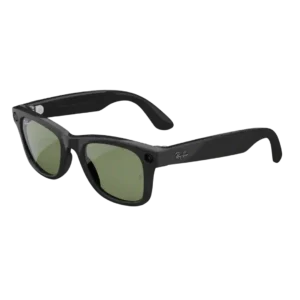
The glasses are light for the technology inside, yet still noticeably heavier than ordinary eyewear and can press on the nose over time.
Pros: media playback, lens clarity
Cons: low-light visibility, heads-up display