#1
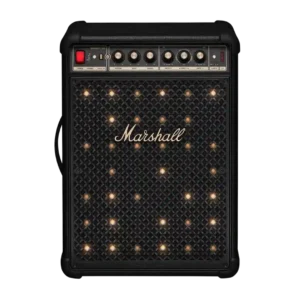
Dual XLR/6.35mm inputs make microphones genuinely useful for karaoke, speeches, and small performances, with onboard delay and reverb adding flexibility.
Pros: Stereo imaging accuracy, Multi-speaker pairing reliability
Cons: Remote control usability, Bluetooth codec support
#2
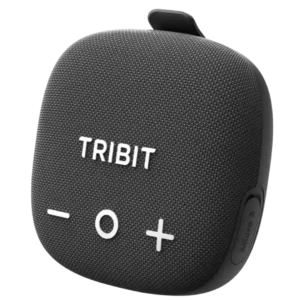
Microphone usefulness was praised for calls and conference-call scenarios, making the Micro 3 more versatile than mic-less competitors.
Pros: Stereo imaging accuracy, Setup simplicity
Cons: Wired input, Backwards compatibility
#3
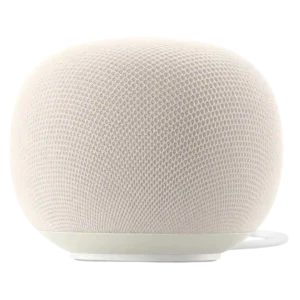
The three far-field microphones are a major strength, usually hearing wake words across rooms and over music. A few tests found softer speech or one-word replies could be missed.
Pros: Wi-Fi streaming reliability, Inter-speaker connectivity
Cons: Wired input, Frequency response balance
#4
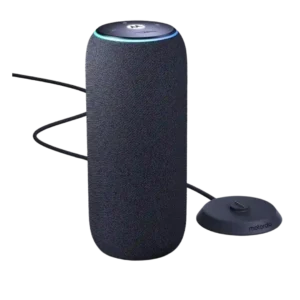
Microphone pickup is strong for normal home calls, with the speaker making the reviewer sound clear and natural.
Pros: Setup simplicity, Design and aesthetics
Cons: Status indicators, Backwards compatibility
#5
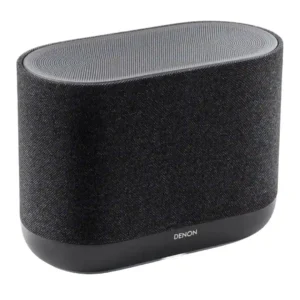
The microphone hardware earns points because it includes a physical mute switch. A tangible shutoff is useful when voice features are not in use.
Pros: Dialogue clarity (for TV/soundbar use), Setup simplicity
Cons: Battery life (if portable), Water resistance rating
#6

The speaker lacks a built-in microphone, so it cannot natively handle calls. Reviewers treat this as a minor-to-moderate omission rather than a deal breaker.
Pros: Google, Latency with TV (lip sync)
Cons: Charging cable inclusion, Chromecast compatibility
#7

The microphone score is low because reviewers explicitly note there is no built-in mic.
Pros: Dust resistance rating, Low-volume performance
Cons: Speakerphone quality, Backwards compatibility
#8
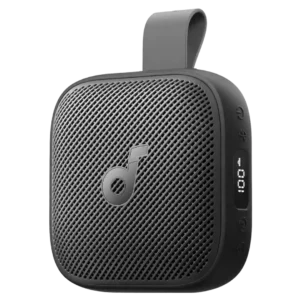
The lack of a built-in microphone was a repeated negative for users who want calls or speakerphone use directly from the speaker.
Pros: Smart features, Lighting effects
Cons: Speakerphone quality, Microphone