Average score
P1
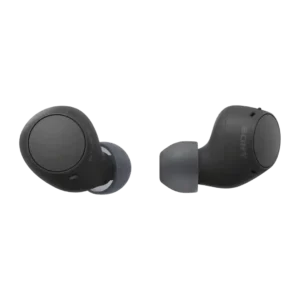
Product 1: Sony WF-C510 Earbuds
3.7
P2
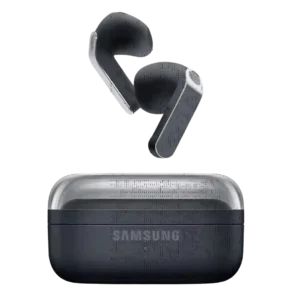
Product 2: Samsung Galaxy Buds 4
3.8
Active noise cancellation
P1
Product 1: Sony WF-C510 Earbuds
1.5
The WF-C510 does not provide active noise cancellation; reviewers often accept that tradeoff at the price, but ANC-focused buyers are repeatedly told to look elsewhere.
P2
Product 2: Samsung Galaxy Buds 4
2.5
Reviewers agreed ANC is the weakest major feature: two hands-on reviews found it modest or not serious, while the specs-focused comparison expected improvement over Buds 3.
Android compatibility
P1
Product 1: Sony WF-C510 Earbuds
4.5
Android compatibility is positive where tested, especially Google Fast Pair and app-supported pairing that reviewers describe as uncomplicated or fast.
P2
Product 2: Samsung Galaxy Buds 4
4.5
Android and especially Samsung users get the strongest experience, with one reviewer explicitly saying the buds were made for Android/Samsung users.
App
P1
Product 1: Sony WF-C510 Earbuds
4.3
The Sony app is mostly praised for EQ, setup, device control, and ease of use, but PC support and some interface choices draw criticism.
P2
Product 2: Samsung Galaxy Buds 4
4.5
The app and phone settings offer a broad control surface, with reviewers highlighting a huge range of adjustable settings.
aptX
P1
Product 1: Sony WF-C510 Earbuds
1.0
aptX support is treated as absent and a limitation by the one reviewer who explicitly wanted higher-quality Bluetooth codec options.
P2Product 2: Samsung Galaxy Buds 4
No score yetAudio-video sync accuracy
P1
Product 1: Sony WF-C510 Earbuds
3.2
Video and gaming sync evidence is mixed: one reviewer found lip sync spot-on, while gaming-oriented comments note no low-latency mode or only limited gaming suitability.
P2Product 2: Samsung Galaxy Buds 4
No score yetBass performance
P1
Product 1: Sony WF-C510 Earbuds
3.6
Bass impressions are mixed: several reviewers praise controlled, punchy or well-rounded bass, while others say bass is light, not skull-rattling, or weaker than pricier Sony buds.
P2
Product 2: Samsung Galaxy Buds 4
4.3
Bass was consistently praised as punchy, wide, warm, and stronger than expected for open-fit entry-level earbuds.
Battery
P1
Product 1: Sony WF-C510 Earbuds
4.4
Battery life is widely praised for long earbud runtime, often around 10-11 hours, but the case's single extra charge creates some battery-life caveats.
P2
Product 2: Samsung Galaxy Buds 4
2.5
Battery life was treated as adequate but unimpressive, with one reviewer calling 5-6 hours poor beside longer-lasting rivals.
Bluetooth
P1
Product 1: Sony WF-C510 Earbuds
4.7
Bluetooth connection reliability is praised where reviewers discuss reconnection and pairing, though one review notes minor jitters in busy stations.
P2
Product 2: Samsung Galaxy Buds 4
4.4
Bluetooth was viewed positively, with reviewers citing longer range, future-proofing, and Bluetooth 6.1 as a meaningful upgrade.
Build quality
P1
Product 1: Sony WF-C510 Earbuds
3.3
Build quality is split: some reviews call the buds solid or well built, while others emphasize cheap plastic, budget feel, or cut corners.
P2
Product 2: Samsung Galaxy Buds 4
4.3
Build quality drew positive comments for a premium feel and a more refined look than the prior generation.
Built-in DAC and hi-res playback
P1Product 1: Sony WF-C510 Earbuds
No score yet
P2
Product 2: Samsung Galaxy Buds 4
4.3
Hi-res/UHQ playback was praised when paired with compatible Galaxy hardware and high-resolution sources, adding perceived expansiveness and cleaner sound.
Button control usability
P1
Product 1: Sony WF-C510 Earbuds
3.5
Physical button usability is divisive: some reviewers prefer the tactile controls and find them easy, while others dislike pushing the buds into the ear or repeated presses.
P2
Product 2: Samsung Galaxy Buds 4
4.5
The stem controls were praised as easy, precise, and straightforward, especially after Samsung refined the blade shape.
Carry case quality
P1
Product 1: Sony WF-C510 Earbuds
3.7
Case quality is mixed: reviewers like the small, pocketable case and some hinge resistance, but others call the plastic cheap or the case limited.
P2
Product 2: Samsung Galaxy Buds 4
4.0
The case was reviewed favorably for practical design touches, including visibility through the lid and useful physical controls.
Charging
P1
Product 1: Sony WF-C510 Earbuds
3.8
Charging is generally acceptable thanks to quick-charge support, but reviewers criticize slow case charging, no wireless charging, or limited case reserve.
P2Product 2: Samsung Galaxy Buds 4
No score yetCodec support
P1
Product 1: Sony WF-C510 Earbuds
3.0
Codec support is a common compromise: AAC and SBC are usually considered sufficient for streaming, but reviewers still flag the lack of higher-end codec options.
P2Product 2: Samsung Galaxy Buds 4
No score yetComfort during long use
P1
Product 1: Sony WF-C510 Earbuds
4.7
Comfort is one of the strongest areas, with many reviewers saying the small, light buds are easy to wear for long sessions, though one had fit problems.
P2
Product 2: Samsung Galaxy Buds 4
4.8
Comfort was a major strength in the Tom's Guide review, including for smaller ears and everyday listening.
Design and Aesthetics
P1
Product 1: Sony WF-C510 Earbuds
4.1
Design sentiment is mostly positive for the compact size, clean look, matte colors, and small profile, though some reviews see the finish as clearly budget.
P2
Product 2: Samsung Galaxy Buds 4
4.1
Design impressions were positive overall, with reviewers calling the Buds 4 more polished, premium, and refined despite the familiar AirPods-like shape.
Eartips fit
P1
Product 1: Sony WF-C510 Earbuds
4.5
Eartip fit is usually strong, with many reviewers praising seal and comfort, though one reviewer could not get any included tip size to fasten securely.
P2
Product 2: Samsung Galaxy Buds 4
2.6
Fit evidence was mixed: reviewers liked the comfort of the open form, but the lack of a seal and repeated fit adjustments hurt stability and ANC.
Ear tip size options
P1
Product 1: Sony WF-C510 Earbuds
4.0
Ear tip option evidence is limited but positive where reviewers connect the included choices or secure tips to small-ear comfort and practical fit.
P2Product 2: Samsung Galaxy Buds 4
No score yetEqualizer customization
P1
Product 1: Sony WF-C510 Earbuds
4.1
EQ customization is a major value add for many reviewers, especially Sony's custom tools, though SoundGuys and TechRadar find the EQ limited or confusing.
P2
Product 2: Samsung Galaxy Buds 4
4.5
EQ customization was described as a premium feature, with access to adjustment options and presets inside Samsung's software experience.
Frequency response accuracy
P1
Product 1: Sony WF-C510 Earbuds
3.0
Frequency response evidence is limited and mixed, with SoundGuys describing a response that is not immediately off-putting but does require adjustment for some listeners.
P2
Product 2: Samsung Galaxy Buds 4
4.0
One comparison review credited the Buds 4 tuning with better clarity and balance than the prior generation.
Head gestures
P1Product 1: Sony WF-C510 Earbuds
No score yet
P2
Product 2: Samsung Galaxy Buds 4
4.1
Head gestures were treated as a useful modern addition that adds hands-free control and helps Samsung keep pace with rivals.
Included accessories
P1
Product 1: Sony WF-C510 Earbuds
2.8
Included accessories are a mild weakness: the missing USB-C cable is criticized by one reviewer but dismissed as a non-issue by another.
P2Product 2: Samsung Galaxy Buds 4
No score yetInstrument separation
P1
Product 1: Sony WF-C510 Earbuds
4.5
Instrument separation is praised in the strongest hi-fi-leaning reviews, though some note that instruments are not the sharpest at this price.
P2
Product 2: Samsung Galaxy Buds 4
4.2
Instrument separation was praised in track testing, where synths, bass, vocals, and percussion stayed layered rather than smeared together.
Integrated microphone
P1
Product 1: Sony WF-C510 Earbuds
4.0
The integrated microphone receives limited direct praise, with PCMag calling it decent, but broader call-quality evidence is more mixed.
P2
Product 2: Samsung Galaxy Buds 4
4.0
The integrated microphone system was described as upgraded and designed for clearer calls and better voice recognition.
LDAC
P1
Product 1: Sony WF-C510 Earbuds
1.5
LDAC support is absent and repeatedly cited as a compromise, though some reviewers say the omission is acceptable for the budget tier.
P2Product 2: Samsung Galaxy Buds 4
No score yetMaximum volume clarity
P1
Product 1: Sony WF-C510 Earbuds
4.7
Maximum-volume clarity is a strength in several reviews, with repeated comments that the earbuds avoid distortion or peaking even when pushed.
P2Product 2: Samsung Galaxy Buds 4
No score yetMicrophone noise reduction
P1
Product 1: Sony WF-C510 Earbuds
2.2
Microphone noise reduction is a weak spot overall, with multiple reviewers saying background sounds leak through or aggressive gating can cut into the voice.
P2
Product 2: Samsung Galaxy Buds 4
4.2
Microphone noise reduction was a strength, with reviewers saying background roar, white noise, wind, and background noise were reduced or blocked.
Microphone quality for calls
P1
Product 1: Sony WF-C510 Earbuds
2.6
Call microphone quality is inconsistent: some hear clear voice pickup in quiet settings, but several reviews criticize noisy-call performance and background pickup.
P2
Product 2: Samsung Galaxy Buds 4
3.6
Call quality was usable but not flawless: one review heard crisp clarity, another reported a muffled voice, and the comparison piece expected clearer calls.
Midrange clarity
P1
Product 1: Sony WF-C510 Earbuds
4.6
Midrange clarity is a recurring strength, with vocals and instruments often described as clear, detailed, natural, and well separated from the bass.
P2
Product 2: Samsung Galaxy Buds 4
4.2
Midrange clarity was praised, especially for vocals, though Engadget described the non-Pro model's mids as merely filling the gaps adequately.
Multi-platform compatibility
P1
Product 1: Sony WF-C510 Earbuds
4.0
Multi-platform compatibility is supported by reviewers who praise iOS/Android parity or smooth phone-desktop use, but PC app support is a limitation.
P2
Product 2: Samsung Galaxy Buds 4
2.5
Multi-platform compatibility was a clear limitation because the richest features and smoothest device switching stay tied to Samsung or Galaxy devices.
Multipoint connectivity reliability
P1
Product 1: Sony WF-C510 Earbuds
4.8
Multipoint connectivity is a recurring advantage, with several reviewers calling switching or reconnection seamless, reliable, or unusually good for the price.
P2
Product 2: Samsung Galaxy Buds 4
3.3
Multipoint and device switching were mixed: Tom's Guide criticized non-Galaxy limitations, while the specs comparison expected smoother Galaxy ecosystem switching.
Noise isolation (passive)
P1
Product 1: Sony WF-C510 Earbuds
4.4
Passive isolation is one of the clearest strengths; reviewers repeatedly say the seal blocks a surprising amount of ambient noise despite the lack of ANC.
P2
Product 2: Samsung Galaxy Buds 4
2.0
Passive isolation was weak because the open-fit body lacks a sealing silicone tip, letting outside noise seep in.
Portability/foldability
P1
Product 1: Sony WF-C510 Earbuds
4.6
Portability is a strength, with the tiny case and small buds repeatedly described as easy to pocket and carry.
P2Product 2: Samsung Galaxy Buds 4
No score yetPreset EQ profile quality
P1
Product 1: Sony WF-C510 Earbuds
2.0
Preset EQ evidence is sparse and mixed, with PCMag finding the preset selection serviceable and SoundGuys calling the presets bland.
P2Product 2: Samsung Galaxy Buds 4
No score yetSensors
P1
Product 1: Sony WF-C510 Earbuds
1.9
Sensor support is a weakness because wear detection is absent, forcing manual pause/play or allowing playback to continue after removal.
P2Product 2: Samsung Galaxy Buds 4
No score yetSoftware/setup simplicity
P1
Product 1: Sony WF-C510 Earbuds
3.9
Setup simplicity is mostly praised for easy pairing and app use, though control customization and app-volume behavior can feel unintuitive.
P2
Product 2: Samsung Galaxy Buds 4
4.1
Setup and software were strongest for Galaxy users, with settings baked into the phone and a broad range of options available.
Sound quality
P1
Product 1: Sony WF-C510 Earbuds
4.5
Reviewers consistently describe the WF-C510 as strong for the price, with clear, balanced, enjoyable sound; the main dissent is that some find it merely serviceable rather than exciting.
P2
Product 2: Samsung Galaxy Buds 4
4.3
Sound quality was the clearest strength across all three reviews, with praise for richness, refinement, and overall listening enjoyment.
Soundstage depth
P1
Product 1: Sony WF-C510 Earbuds
3.3
Soundstage depth evidence is limited and mixed, with one reviewer enjoying grander tracks while another says the buds do not emphasize open staging or layering.
P2
Product 2: Samsung Galaxy Buds 4
4.2
Soundstage depth received positive evidence through UHQ listening, where acoustics were described as reverberating around the listener.
Soundstage width
P1
Product 1: Sony WF-C510 Earbuds
4.8
Soundstage width gets positive notes from reviews that hear spaciousness, separation, or a more open presentation, especially with Sony processing or acoustic material.
P2
Product 2: Samsung Galaxy Buds 4
4.5
Soundstage width was praised in UHQ mode, with Tom's Guide calling the presentation surprisingly expansive.
Spatial audio
P1
Product 1: Sony WF-C510 Earbuds
3.7
Spatial audio is present and sometimes enjoyed for added scale, but several reviewers treat 360 Reality Audio as mixed, limited, or gimmicky for music.
P2
Product 2: Samsung Galaxy Buds 4
2.5
Spatial audio was not a selling point for one reviewer, who said upmixed spatial audio could warp music.
Stability
P1
Product 1: Sony WF-C510 Earbuds
4.5
In-ear stability is generally excellent, with repeated praise for secure fit during walking, running, cycling, workouts, and head movement; one review reports falling out.
P2
Product 2: Samsung Galaxy Buds 4
2.2
Physical stability was a weakness in the Engadget review because the open design required repeated fit adjustments.
Touch control responsiveness
P1
Product 1: Sony WF-C510 Earbuds
4.3
Touch-control evidence is limited to two reviews that describe the controls as responsive or easy, though most other reviews treat the controls as physical buttons.
P2
Product 2: Samsung Galaxy Buds 4
4.4
Touch control responsiveness was praised, with reviewers finding the touch area easy to locate and the gestures precise or straightforward.
Transparency mode quality
P1
Product 1: Sony WF-C510 Earbuds
3.8
Transparency or Ambient Sound mode is usually considered useful and natural for awareness, but some reviewers find it mild, situational, or not enough for easy conversations.
P2
Product 2: Samsung Galaxy Buds 4
4.0
Transparency mode earned positive evidence from the comparison review because Ambient Sound made daily use more practical than Buds 3.
Treble clarity
P1
Product 1: Sony WF-C510 Earbuds
4.0
Treble is generally clear and crisp, especially for vocals and detail-focused music, though a few reviews note underemphasis, crunchiness, or limited brightness.
P2
Product 2: Samsung Galaxy Buds 4
4.3
Treble performance was praised for crunchy highs and strong mids/treble performance, without the tinniness criticized in AirPods comparisons.
Value for money
P1
Product 1: Sony WF-C510 Earbuds
4.7
Value for money is the strongest consensus point: reviewers repeatedly frame the WF-C510 as a bargain or standout budget pick despite tradeoffs.
P2
Product 2: Samsung Galaxy Buds 4
4.3
Value was favorable for Galaxy owners and price-conscious buyers, with reviewers calling the performance strong for the $179 tier.
Voice assistant integration
P1Product 1: Sony WF-C510 Earbuds
No score yet
P2
Product 2: Samsung Galaxy Buds 4
4.0
Voice assistant integration was considered useful for hands-free tasks, though one reviewer personally had little interest in AI assistants.
Volume output
P1
Product 1: Sony WF-C510 Earbuds
3.7
Volume output is context-dependent: many reviewers find it more than loud enough, while a few flag low default app volume or a less powerful maximum.
P2Product 2: Samsung Galaxy Buds 4
No score yetWater/sweat resistance rating
P1
Product 1: Sony WF-C510 Earbuds
3.9
The IPX4 rating is viewed as useful for sweat, rain, running, gym use, and daily activity, but reviewers consistently warn it is not full waterproofing.
P2
Product 2: Samsung Galaxy Buds 4
2.5
Water and sweat resistance were a concern because the Buds 4 dropped from Buds 3's IP57 rating to IP54 and were described as less rugged.
Weight comfort
P1
Product 1: Sony WF-C510 Earbuds
4.9
Low weight contributes heavily to comfort; reviewers repeatedly highlight the roughly 4.6 g earbuds as light, slight, or easy to forget in the ear.
P2Product 2: Samsung Galaxy Buds 4
No score yet