Access logs
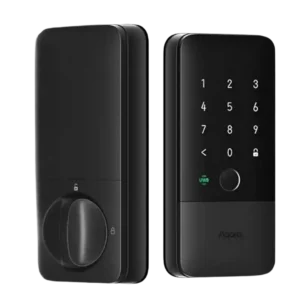
P1Product 1: Aqara UWB Smart Lock U400
No score yet
P2
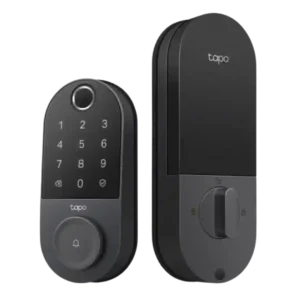
Product 2: Tapo Smart Door Lock DL110
4.5
Access logs were repeatedly praised for showing what happened, who used the lock, and when, often in a clear or categorized format.
App
P1
Product 1: Aqara UWB Smart Lock U400
4.0
The Aqara app was seen as useful and feature-rich, but reviewers also flagged setup complexity, a Matter-code issue, and a learning curve for customization.
P2
Product 2: Tapo Smart Door Lock DL110
4.4
The app was consistently praised as intuitive, useful, and easy to follow for setup, control, users, logs, and settings.
Auto-lock
P1
Product 1: Aqara UWB Smart Lock U400
4.6
Auto-lock was broadly praised and often described as reliable or well implemented, though one reviewer found Aqara app close-detection sometimes delayed.
P2
Product 2: Tapo Smart Door Lock DL110
4.3
Auto-lock was widely praised as convenient and configurable, but the PCWorld review found it could repeatedly cycle when calibration was off.
Auto-relock after failed attempts
P1Product 1: Aqara UWB Smart Lock U400
No score yet
P2
Product 2: Tapo Smart Door Lock DL110
4.5
Failed-attempt lockout had limited but positive evidence, with one reviewer describing automatic lockdown plus notification after suspicious attempts.
Battery
P1
Product 1: Aqara UWB Smart Lock U400
4.3
Battery feedback was mostly positive for USB-C charging, removable/rechargeable design, and long runtime, tempered by concerns about spare or replacement batteries.
P2
Product 2: Tapo Smart Door Lock DL110
4.6
Battery life was strongly praised for its large rechargeable pack and long expected runtime, with one review also noting 100% after weeks of use.
Bluetooth
P1
Product 1: Aqara UWB Smart Lock U400
2.5
Bluetooth-only use was judged weak for this lock because reviewers saw the U400's main value in Thread/UWB rather than basic Bluetooth operation.
P2
Product 2: Tapo Smart Door Lock DL110
4.4
Bluetooth was valued as a useful fallback when Wi-Fi drops or is unavailable, preserving local app control.
Build quality and durability
P1
Product 1: Aqara UWB Smart Lock U400
4.7
Build quality was viewed positively, with reviewers describing a step up from earlier Aqara locks and solid, well-made hardware.
P2
Product 2: Tapo Smart Door Lock DL110
4.6
Build quality was consistently praised as substantial, sturdy, and durable, with reviewers calling it built to last or quality-feeling.
Camera and doorbell performance
P1
Product 1: Aqara UWB Smart Lock U400
4.5
Camera and doorbell integration was described as practical when paired with Aqara or Apple Home video devices, letting users see visitors and unlock from one screen.
P2
Product 2: Tapo Smart Door Lock DL110
4.3
The built-in doorbell was generally praised as useful, integrated, loud enough, and a reason the lock feels more like a two-in-one device.
Door compatibility (deadbolt fit)
P1
Product 1: Aqara UWB Smart Lock U400
4.3
Door fit flexibility was helped by adapters/cross-bore support, with reviewers calling the physical fit detail useful for nonstandard openings.
P2
Product 2: Tapo Smart Door Lock DL110
3.2
Door fit drew mixed evidence: the lock uses common deadbolt hardware, yet reviewers warned that door restrictions and strike/frame tolerances can matter.
Existing hardware reuse
P1
Product 1: Aqara UWB Smart Lock U400
4.2
One reviewer valued that the lock could mount without the kind of door drilling required by the previous lock, making the install feel friendlier to existing doors.
P2
Product 2: Tapo Smart Door Lock DL110
2.8
Existing strike reuse was a weakness in one hands-on review because the tester had to adjust the strike plate before the lock behaved correctly.
Feature additions via updates
P1
Product 1: Aqara UWB Smart Lock U400
4.5
Feature-update evidence was limited but positive, with one reviewer saying Aqara is good about firmware updates.
P2Product 2: Tapo Smart Door Lock DL110
No score yetFingerprint
P1
Product 1: Aqara UWB Smart Lock U400
4.7
Fingerprint access was consistently praised as quick, accurate, consistent, or convenient, especially as a backup when UWB is unavailable.
P2
Product 2: Tapo Smart Door Lock DL110
4.7
Fingerprint recognition was one of the clearest strengths, repeatedly described as fast, accurate, easy to enroll, and nearly instant.
Finish durability
P1
Product 1: Aqara UWB Smart Lock U400
4.2
The exterior finish earned a positive note for resisting fingerprints better than expected.
P2
Product 2: Tapo Smart Door Lock DL110
4.5
The matte finish earned praise for resisting fingerprints and keeping the exterior cleaner after repeated touch use.
Guest Codes and Access
P1
Product 1: Aqara UWB Smart Lock U400
4.4
Guest access was praised through Home app PIN management and temporary/neighbor-style access options.
P2
Product 2: Tapo Smart Door Lock DL110
4.4
Guest access was a strong feature for families, cleaners, technicians, and visitors, although the PCWorld review noted limits for commercial rental automation.
Industrial design
P1
Product 1: Aqara UWB Smart Lock U400
3.9
Industrial design was the most mixed area: reviewers liked the sleeker, more mature, minimal look, but others called it bulky, plain, or plastic-looking.
P2
Product 2: Tapo Smart Door Lock DL110
4.5
Industrial design was praised for its sleek matte look, hidden backup entry, and ability to blend into a door rather than looking overly techy.
Installation and Setup
P1
Product 1: Aqara UWB Smart Lock U400
4.2
Installation was usually described as straightforward and fast, with several reviewers finishing quickly, though a few noted tight wiring, small screw holes, or a latch-area snag.
P2
Product 2: Tapo Smart Door Lock DL110
4.4
Most reviewers found setup quick and DIY-friendly, often around 5-20 minutes, but one reviewer found the DL110 unusually finicky when strike alignment was imperfect.
Key override reliability
P1
Product 1: Aqara UWB Smart Lock U400
4.3
Reviewers liked retaining a physical-key fallback, framing it as a useful mechanical backup rather than a compromised smart-only design.
P2
Product 2: Tapo Smart Door Lock DL110
4.4
Backup key access was treated as a reassuring fallback, especially when paired with the hidden keyhole and other emergency power options.
Keypad
P1
Product 1: Aqara UWB Smart Lock U400
4.1
The keypad was generally usable and responsive, but reviewers also found that it could take extra taps or touches to wake in some cases.
P2
Product 2: Tapo Smart Door Lock DL110
4.4
The keypad was generally well-liked for fast response, code entry convenience, visibility, and anti-shoulder-surfing features.
Keyway quality
P1
Product 1: Aqara UWB Smart Lock U400
4.3
The keyway/cylinder was viewed positively because the reviewer liked that it could be rekeyed rather than forcing a full lock replacement.
P2
Product 2: Tapo Smart Door Lock DL110
4.5
A locksmith reviewer praised the SC1/Schlage-style keyway because it could be pinned to an existing house key without trouble.
Lock/unlock speed
P1
Product 1: Aqara UWB Smart Lock U400
4.8
Lock/unlock speed was one of the strongest themes, especially with UWB; reviewers described fast reactions, instant Home app response, and few delay caveats.
P2
Product 2: Tapo Smart Door Lock DL110
4.8
Unlocking speed was a major strength, with reviewers describing near-instant fingerprint or app response.
Locking reliability
P1
Product 1: Aqara UWB Smart Lock U400
5.0
Locking reliability was strongly praised, with reviewers repeatedly reporting flawless, rock-solid, or consistently smooth hands-free unlocking.
P2
Product 2: Tapo Smart Door Lock DL110
4.4
Overall reliability was strong across testing, though one reviewer’s alignment-related auto-lock issue kept it short of flawless.
Notifications
P1
Product 1: Aqara UWB Smart Lock U400
4.6
Notifications earned praise for adding Apple Watch/iPhone confirmation and a quick relock option after UWB unlocks.
P2
Product 2: Tapo Smart Door Lock DL110
4.5
Notifications were praised as quick, instant, configurable, and useful for lock activity, doorbell presses, and suspicious activity.
Physical attack resistance
P1
Product 1: Aqara UWB Smart Lock U400
2.8
Physical attack resistance drew a caveat: the reviewer appreciated certification but clearly wished the U400 had a stronger Grade 2 rating instead of Grade 3.
P2
Product 2: Tapo Smart Door Lock DL110
4.6
Physical security drew strong praise from reviewers citing Grade 2/BHMA positioning and stronger resistance than many lower-grade locks.
Remote access
P1
Product 1: Aqara UWB Smart Lock U400
3.8
Remote access was useful when configured, with one reviewer praising fast remote unlock and another noting Aqara-app remote control needs an Aqara hub.
P2
Product 2: Tapo Smart Door Lock DL110
4.5
Remote access was a practical highlight, letting reviewers unlock or lock from another location or from a vehicle when someone needed entry.
Security features (encryption)
P1
Product 1: Aqara UWB Smart Lock U400
4.8
Security features were praised around UWB precision, encryption-related safeguards, and prevention of unintended inside unlocks or relay-style weaknesses.
P2
Product 2: Tapo Smart Door Lock DL110
4.5
Security feature praise centered on scramble PINs and biometric app verification; reviewers did not evaluate encryption specifically.
Smart-home integration (Alexa, Google, Siri, HomeKit, Matter, Thread)
P1
Product 1: Aqara UWB Smart Lock U400
4.8
Smart-home integration was a major strength, with reviewers praising Apple Home, Matter over Thread, responsiveness, major ecosystem support, and future-looking compatibility.
P2
Product 2: Tapo Smart Door Lock DL110
4.3
Smart-home integration was mostly positive for Alexa, Google, and SmartThings setup, though one reviewer wanted deeper automation.
Tamper detection sensitivity
P1Product 1: Aqara UWB Smart Lock U400
No score yet
P2
Product 2: Tapo Smart Door Lock DL110
4.4
Tamper-related alerts were treated as useful extra protection, with reviewers praising suspicious-activity alerts and the tamper alarm concept.
Touchscreen
P1
Product 1: Aqara UWB Smart Lock U400
3.2
Touchscreen evidence was mixed, with one reviewer naming wake-up attempts as the main complaint.
P2
Product 2: Tapo Smart Door Lock DL110
3.4
Touch/wake behavior was the one weak touchscreen-related point: one reviewer wished the lock lit up automatically instead of needing an initial touch.
User access management
P1
Product 1: Aqara UWB Smart Lock U400
4.3
User access management was positively reviewed for adequate household limits, more granular Aqara controls, and approachable local fingerprint setup.
P2
Product 2: Tapo Smart Door Lock DL110
4.4
User management was praised for configurable people, fingerprints, PINs, schedules, and control over who can enter.
Value and Price
P1
Product 1: Aqara UWB Smart Lock U400
4.3
Value sentiment was favorable but conditional: reviewers called it worth the upgrade or routine-changing, while also noting the price can feel high.
P2
Product 2: Tapo Smart Door Lock DL110
4.8
Value was one of the strongest consensus points: reviewers repeatedly called the DL110 unusually feature-rich for its price.
Voice control
P1
Product 1: Aqara UWB Smart Lock U400
4.2
Voice control received limited but positive evidence, with a reviewer saying they wished they had the supported voice-control lock routine at home.
P2
Product 2: Tapo Smart Door Lock DL110
4.5
Voice control was shown working well and was viewed positively, especially with required PIN/security steps for unlocking.
Weather resistance
P1
Product 1: Aqara UWB Smart Lock U400
4.8
Weather resistance came across well: reviewers said it could face the elements, and one real-world test cited rain, snow, ice, and no missed performance.
P2
Product 2: Tapo Smart Door Lock DL110
4.5
Weather resistance was viewed positively, with reviewers citing stronger element protection and confidence around rain, snow, and outdoor placement.