Average score
P1
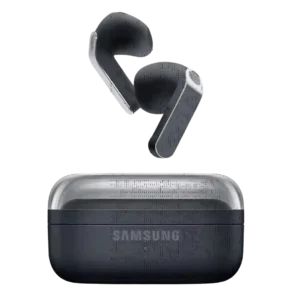
Product 1: Samsung Galaxy Buds 4
3.8
P2
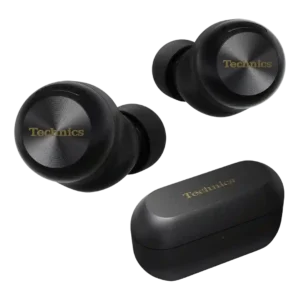
Product 2: Technics EAH-AZ100 Earbuds
4.2
Active noise cancellation
P1
Product 1: Samsung Galaxy Buds 4
2.5
Reviewers agreed ANC is the weakest major feature: two hands-on reviews found it modest or not serious, while the specs-focused comparison expected improvement over Buds 3.
P2
Product 2: Technics EAH-AZ100 Earbuds
4.3
ANC is broadly strong and often near flagship level, though several reviewers say it still falls short of the very best Bose-style silence.
Android compatibility
P1
Product 1: Samsung Galaxy Buds 4
4.5
Android and especially Samsung users get the strongest experience, with one reviewer explicitly saying the buds were made for Android/Samsung users.
P2
Product 2: Technics EAH-AZ100 Earbuds
4.5
Android compatibility is praised for LDAC, fast pairing, and strong ANC value with Android phones.
App
P1
Product 1: Samsung Galaxy Buds 4
4.5
The app and phone settings offer a broad control surface, with reviewers highlighting a huge range of adjustable settings.
P2
Product 2: Technics EAH-AZ100 Earbuds
4.4
The app is mostly praised for useful controls, customization, stability, and EQ access, despite some complaints about layout.
aptX
P1Product 1: Samsung Galaxy Buds 4
No score yet
P2
Product 2: Technics EAH-AZ100 Earbuds
2.0
aptX support is a weakness because one reviewer specifically wished Qualcomm aptX codecs were included.
Audio-video sync accuracy
P1Product 1: Samsung Galaxy Buds 4
No score yet
P2
Product 2: Technics EAH-AZ100 Earbuds
4.3
Video sync is mostly strong, with two reviewers reporting zero or no visible lag, while one notes a slight delay with some codecs.
Auracast support
P1Product 1: Samsung Galaxy Buds 4
No score yet
P2
Product 2: Technics EAH-AZ100 Earbuds
2.0
Auracast support is a concern in one scored review because the reviewer criticizes its absence.
Bass performance
P1
Product 1: Samsung Galaxy Buds 4
4.3
Bass was consistently praised as punchy, wide, warm, and stronger than expected for open-fit entry-level earbuds.
P2
Product 2: Technics EAH-AZ100 Earbuds
4.7
Bass is widely praised for depth, control, punch, and low distortion, with only one review criticizing the default balance as too boomy.
Battery
P1
Product 1: Samsung Galaxy Buds 4
2.5
Battery life was treated as adequate but unimpressive, with one reviewer calling 5-6 hours poor beside longer-lasting rivals.
P2
Product 2: Technics EAH-AZ100 Earbuds
4.7
Battery life is consistently a strength, with reviewers praising long ANC runtime and major improvement over the AZ80.
Bluetooth
P1
Product 1: Samsung Galaxy Buds 4
4.4
Bluetooth was viewed positively, with reviewers citing longer range, future-proofing, and Bluetooth 6.1 as a meaningful upgrade.
P2
Product 2: Technics EAH-AZ100 Earbuds
5.0
Bluetooth reliability is consistently praised, with reviewers reporting stable connections and no meaningful dropouts.
Build quality
P1
Product 1: Samsung Galaxy Buds 4
4.3
Build quality drew positive comments for a premium feel and a more refined look than the prior generation.
P2
Product 2: Technics EAH-AZ100 Earbuds
4.6
Build quality is praised as premium, tactile, mature, and a substantial step forward.
Built-in DAC and hi-res playback
P1
Product 1: Samsung Galaxy Buds 4
4.3
Hi-res/UHQ playback was praised when paired with compatible Galaxy hardware and high-resolution sources, adding perceived expansiveness and cleaner sound.
P2
Product 2: Technics EAH-AZ100 Earbuds
4.8
Hi-res playback is praised in the one scored review, where LDAC/FLAC listening brought more detail, solidity, and space.
Button control usability
P1
Product 1: Samsung Galaxy Buds 4
4.5
The stem controls were praised as easy, precise, and straightforward, especially after Samsung refined the blade shape.
P2
Product 2: Technics EAH-AZ100 Earbuds
4.5
Control remapping is praised as unusually flexible and useful across the app and earbuds.
Carry case quality
P1
Product 1: Samsung Galaxy Buds 4
4.0
The case was reviewed favorably for practical design touches, including visibility through the lid and useful physical controls.
P2
Product 2: Technics EAH-AZ100 Earbuds
3.5
Case quality is mixed: it is compact and pocketable, but multiple reviewers criticize weak magnets, rattle, scratches, or bland styling.
Charging
P1Product 1: Samsung Galaxy Buds 4
No score yet
P2
Product 2: Technics EAH-AZ100 Earbuds
4.5
Charging is viewed positively where evaluated, especially wireless charging and case convenience.
Codec support
P1Product 1: Samsung Galaxy Buds 4
No score yet
P2
Product 2: Technics EAH-AZ100 Earbuds
4.3
Codec support is praised for LDAC/LC3 breadth, but the absence of aptX is called a mild limitation.
Comfort during long use
P1
Product 1: Samsung Galaxy Buds 4
4.8
Comfort was a major strength in the Tom's Guide review, including for smaller ears and everyday listening.
P2
Product 2: Technics EAH-AZ100 Earbuds
4.3
Comfort trends positive thanks to smaller, lighter ergonomics, but fit fatigue and bulk remain concerns for some ears.
Design and Aesthetics
P1
Product 1: Samsung Galaxy Buds 4
4.1
Design impressions were positive overall, with reviewers calling the Buds 4 more polished, premium, and refined despite the familiar AirPods-like shape.
P2
Product 2: Technics EAH-AZ100 Earbuds
4.3
Design and aesthetics are generally praised as premium, sleek, compact, or classy, though a few reviewers find the look plain.
Eartips fit
P1
Product 1: Samsung Galaxy Buds 4
2.6
Fit evidence was mixed: reviewers liked the comfort of the open form, but the lack of a seal and repeated fit adjustments hurt stability and ANC.
P2
Product 2: Technics EAH-AZ100 Earbuds
4.2
Eartip fit is generally good with the right size, but some reviewers report looseness, bulk, or falling out.
Ear tip size options
P1Product 1: Samsung Galaxy Buds 4
No score yet
P2
Product 2: Technics EAH-AZ100 Earbuds
4.5
Ear tip options are considered useful and generous, especially for finding the right fit across ear sizes.
Equalizer customization
P1
Product 1: Samsung Galaxy Buds 4
4.5
EQ customization was described as a premium feature, with access to adjustment options and presets inside Samsung's software experience.
P2
Product 2: Technics EAH-AZ100 Earbuds
4.5
EQ customization is a clear strength, with many reviewers praising the eight-band control and meaningful tuning options.
Find My
P1Product 1: Samsung Galaxy Buds 4
No score yet
P2
Product 2: Technics EAH-AZ100 Earbuds
4.3
Find My support is useful for peace of mind, though one reviewer is disappointed by the location behavior.
Frequency response accuracy
P1
Product 1: Samsung Galaxy Buds 4
4.0
One comparison review credited the Buds 4 tuning with better clarity and balance than the prior generation.
P2
Product 2: Technics EAH-AZ100 Earbuds
4.1
Frequency response impressions are mixed: one review calls it strange, while others praise accuracy, balance, and low distortion.
Head gestures
P1
Product 1: Samsung Galaxy Buds 4
4.1
Head gestures were treated as a useful modern addition that adds hands-free control and helps Samsung keep pace with rivals.
P2Product 2: Technics EAH-AZ100 Earbuds
No score yetIncluded accessories
P1Product 1: Samsung Galaxy Buds 4
No score yet
P2
Product 2: Technics EAH-AZ100 Earbuds
2.5
Included accessories draw criticism where reviewed because foam tips are missing despite multiple silicone tip sizes.
Instrument separation
P1
Product 1: Samsung Galaxy Buds 4
4.2
Instrument separation was praised in track testing, where synths, bass, vocals, and percussion stayed layered rather than smeared together.
P2
Product 2: Technics EAH-AZ100 Earbuds
4.9
Instrument separation is a standout strength, with reviewers hearing layers, voices, and complex arrangements as distinct and clearly placed.
Integrated microphone
P1
Product 1: Samsung Galaxy Buds 4
4.0
The integrated microphone system was described as upgraded and designed for clearer calls and better voice recognition.
P2Product 2: Technics EAH-AZ100 Earbuds
No score yetInterchangeable left/right bud design
P1Product 1: Samsung Galaxy Buds 4
No score yet
P2
Product 2: Technics EAH-AZ100 Earbuds
4.3
Independent left/right earbud use is praised as convenient and useful when scored.
LDAC
P1Product 1: Samsung Galaxy Buds 4
No score yet
P2
Product 2: Technics EAH-AZ100 Earbuds
4.5
LDAC is received positively for higher-quality playback and better sound from compatible Android or hi-res sources.
Maximum volume clarity
P1Product 1: Samsung Galaxy Buds 4
No score yet
P2
Product 2: Technics EAH-AZ100 Earbuds
5.0
Maximum-volume clarity is praised for staying clean and distortion-free even at high levels.
Microphone noise reduction
P1
Product 1: Samsung Galaxy Buds 4
4.2
Microphone noise reduction was a strength, with reviewers saying background roar, white noise, wind, and background noise were reduced or blocked.
P2
Product 2: Technics EAH-AZ100 Earbuds
4.0
Microphone noise reduction is polarized: several reviewers praise wind and background suppression, while one reports failed clarity and cutouts.
Microphone quality for calls
P1
Product 1: Samsung Galaxy Buds 4
3.6
Call quality was usable but not flawless: one review heard crisp clarity, another reported a muffled voice, and the comparison piece expected clearer calls.
P2
Product 2: Technics EAH-AZ100 Earbuds
3.7
Call quality is mixed, ranging from serviceable or excellent in some reviews to choppy, robotic, or poor in others.
Midrange clarity
P1
Product 1: Samsung Galaxy Buds 4
4.2
Midrange clarity was praised, especially for vocals, though Engadget described the non-Pro model's mids as merely filling the gaps adequately.
P2
Product 2: Technics EAH-AZ100 Earbuds
4.7
Midrange and vocals are generally described as clear, detailed, warm, and more forward than the previous model.
Multi-platform compatibility
P1
Product 1: Samsung Galaxy Buds 4
2.5
Multi-platform compatibility was a clear limitation because the richest features and smoothest device switching stay tied to Samsung or Galaxy devices.
P2
Product 2: Technics EAH-AZ100 Earbuds
5.0
Multi-platform compatibility is praised because the app and customization work across iOS and Android.
Multipoint connectivity reliability
P1
Product 1: Samsung Galaxy Buds 4
3.3
Multipoint and device switching were mixed: Tom's Guide criticized non-Galaxy limitations, while the specs comparison expected smoother Galaxy ecosystem switching.
P2
Product 2: Technics EAH-AZ100 Earbuds
4.8
Multipoint is a major strength, with reviewers repeatedly praising reliable switching and three-device connectivity.
Noise isolation (passive)
P1
Product 1: Samsung Galaxy Buds 4
2.0
Passive isolation was weak because the open-fit body lacks a sealing silicone tip, letting outside noise seep in.
P2
Product 2: Technics EAH-AZ100 Earbuds
4.3
Passive isolation is viewed positively when the tips seal well, with reviewers noting isolation even before ANC is active.
Portability/foldability
P1Product 1: Samsung Galaxy Buds 4
No score yet
P2
Product 2: Technics EAH-AZ100 Earbuds
4.5
Portability is strong because the case is repeatedly described as pocketable, small, and easy to carry.
Preset EQ profile quality
P1Product 1: Samsung Galaxy Buds 4
No score yet
P2
Product 2: Technics EAH-AZ100 Earbuds
4.3
Preset EQ quality is mostly positive, especially Direct, Dynamic, and Treble+ modes, though SuperBass+ is too heavy for one reviewer.
Software/setup simplicity
P1
Product 1: Samsung Galaxy Buds 4
4.1
Setup and software were strongest for Galaxy users, with settings baked into the phone and a broad range of options available.
P2
Product 2: Technics EAH-AZ100 Earbuds
3.9
Setup and software simplicity are mostly positive, but the lack of a physical pairing button adds friction for one reviewer.
Sound leakage
P1Product 1: Samsung Galaxy Buds 4
No score yet
P2
Product 2: Technics EAH-AZ100 Earbuds
2.5
Sound leakage is a weakness in the one scored review, which says loud music can be heard in a quiet room.
Sound quality
P1
Product 1: Samsung Galaxy Buds 4
4.3
Sound quality was the clearest strength across all three reviews, with praise for richness, refinement, and overall listening enjoyment.
P2
Product 2: Technics EAH-AZ100 Earbuds
4.7
Reviewers overwhelmingly praise the AZ100's sound as clear, detailed, musical, and high-end, though one review found the stock tuning odd.
Soundstage depth
P1
Product 1: Samsung Galaxy Buds 4
4.2
Soundstage depth received positive evidence through UHQ listening, where acoustics were described as reverberating around the listener.
P2
Product 2: Technics EAH-AZ100 Earbuds
4.5
Soundstage depth is usually strong, with reviewers praising depth, immersion, and layering, though one long-term reviewer wanted more depth.
Soundstage width
P1
Product 1: Samsung Galaxy Buds 4
4.5
Soundstage width was praised in UHQ mode, with Tom's Guide calling the presentation surprisingly expansive.
P2
Product 2: Technics EAH-AZ100 Earbuds
4.7
Soundstage width receives strong praise, with reviewers describing the presentation as spacious, broad, expansive, and room-like.
Spatial audio
P1
Product 1: Samsung Galaxy Buds 4
2.5
Spatial audio was not a selling point for one reviewer, who said upmixed spatial audio could warp music.
P2
Product 2: Technics EAH-AZ100 Earbuds
3.6
Spatial audio is mixed: reviewers appreciate Dolby/head-tracking support, but several find it merely decent, distracting, or less clear than stereo.
Stability
P1
Product 1: Samsung Galaxy Buds 4
2.2
Physical stability was a weakness in the Engadget review because the open design required repeated fit adjustments.
P2
Product 2: Technics EAH-AZ100 Earbuds
3.5
Stability is mixed: several reviewers found the fit secure, while others would not trust it for vigorous movement.
Touch control responsiveness
P1
Product 1: Samsung Galaxy Buds 4
4.4
Touch control responsiveness was praised, with reviewers finding the touch area easy to locate and the gestures precise or straightforward.
P2
Product 2: Technics EAH-AZ100 Earbuds
4.2
Touch controls are generally responsive and customizable, though sensitivity and personal preference create some mixed reactions.
Transparency mode quality
P1
Product 1: Samsung Galaxy Buds 4
4.0
Transparency mode earned positive evidence from the comparison review because Ambient Sound made daily use more practical than Buds 3.
P2
Product 2: Technics EAH-AZ100 Earbuds
3.6
Transparency mode is mixed: some find it natural or useful, while others hear hiss, over-processing, or weaker situational awareness.
Treble clarity
P1
Product 1: Samsung Galaxy Buds 4
4.3
Treble performance was praised for crunchy highs and strong mids/treble performance, without the tinniness criticized in AirPods comparisons.
P2
Product 2: Technics EAH-AZ100 Earbuds
4.3
Treble is usually considered clear, airy, detailed, and non-harsh, though one review says the default tuning lacks high-end content.
Value for money
P1
Product 1: Samsung Galaxy Buds 4
4.3
Value was favorable for Galaxy owners and price-conscious buyers, with reviewers calling the performance strong for the $179 tier.
P2
Product 2: Technics EAH-AZ100 Earbuds
4.1
Value is mixed-to-positive: reviewers like the premium feature set and sound, but several note the high price and strong competition.
Voice assistant integration
P1
Product 1: Samsung Galaxy Buds 4
4.0
Voice assistant integration was considered useful for hands-free tasks, though one reviewer personally had little interest in AI assistants.
P2
Product 2: Technics EAH-AZ100 Earbuds
4.3
Voice assistant integration is limited in coverage but works reliably where tested or described.
Volume output
P1Product 1: Samsung Galaxy Buds 4
No score yet
P2
Product 2: Technics EAH-AZ100 Earbuds
5.0
Volume output is praised as top-tier and very loud in the reviews that discuss it.
Water/sweat resistance rating
P1
Product 1: Samsung Galaxy Buds 4
2.5
Water and sweat resistance were a concern because the Buds 4 dropped from Buds 3's IP57 rating to IP54 and were described as less rugged.
P2
Product 2: Technics EAH-AZ100 Earbuds
3.5
Water and sweat resistance is adequate for workouts or rain, but one reviewer cautions against heavier rain exposure.
Weight comfort
P1Product 1: Samsung Galaxy Buds 4
No score yet
P2
Product 2: Technics EAH-AZ100 Earbuds
4.7
Weight comfort is praised because the earbuds feel better distributed, light, and easier to forget during use.