activity auto-detection
P1
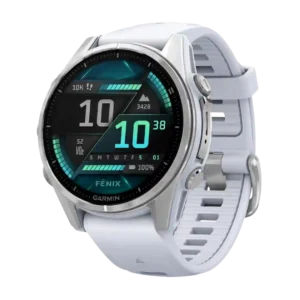
Product 1: Garmin Fenix 8
2.5
The only opinionated auto-detection evidence was negative: Move IQ-style automatic tracking was described as convenient but not accurate enough to rely on.
P2
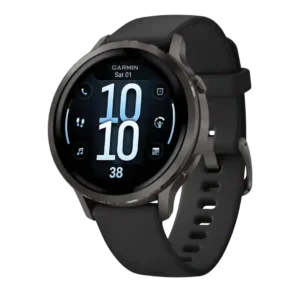
Product 2: Garmin Venu 4
5.0
Opinionated evidence was limited, but automatic track detection worked well in the one clear hands-on account.
app ecosystem
P1
Product 1: Garmin Fenix 8
3.3
Reviewers saw Garmin’s ecosystem as deep enough to offer extra software, but weaker than Apple or Samsung for broader third-party app depth.
P2
Product 2: Garmin Venu 4
2.5
The app ecosystem was a consistent limitation, with reviewers saying Garmin's app breadth and polish lag far behind Apple or Google.
band quality
P1
Product 1: Garmin Fenix 8
3.8
Band quality was generally acceptable to good, with silicone described as comfortable and cleanable but improved by aftermarket nylon options.
P2
Product 2: Garmin Venu 4
4.5
Band quality had narrow but positive evidence, with the strap described as understated and stylish.
battery life
P1
Product 1: Garmin Fenix 8
4.6
Battery life was one of the clearest strengths, repeatedly meeting specs or lasting many days to weeks depending on model and settings.
P2
Product 2: Garmin Venu 4
4.3
Battery life was widely praised as far better than mainstream smartwatches, though always-on display, GPS, and the Venu 3 comparison reduced enthusiasm for some.
brightness
P1
Product 1: Garmin Fenix 8
4.3
Brightness was generally strong on AMOLED, though one reviewer tied always-on use to noticeably higher battery drain.
P2
Product 2: Garmin Venu 4
4.6
Brightness was a clear strength, with reviewers noting the brighter screen and easy readability.
build quality
P1
Product 1: Garmin Fenix 8
4.5
Build quality was consistently praised as rugged, tank-like, premium, and improved over prior generations.
P2
Product 2: Garmin Venu 4
4.5
Build quality was praised for a more premium, sturdier metal-forward design.
button controls
P1
Product 1: Garmin Fenix 8
4.0
Button controls remain useful and reliable, but the new leakproof/inductive feel drew mixed reactions compared with older mechanical buttons.
P2
Product 2: Garmin Venu 4
2.9
Button controls were one of the most repeated tradeoffs: the two-button layout looks cleaner, but several reviewers missed more physical controls during activity.
call handling
P1
Product 1: Garmin Fenix 8
2.8
Call handling was mixed to weak: reviewers liked having calls on-wrist, but repeatedly criticized quiet speakers or poor call sound.
P2
Product 2: Garmin Venu 4
3.6
Call handling was useful for quick calls, but speaker volume and phone dependence kept it from feeling like a core strength.
calorie tracking usefulness
P1Product 1: Garmin Fenix 8
No score yet
P2
Product 2: Garmin Venu 4
4.0
Calorie data received narrow but positive evidence from one extended walking test where the reviewer said calories and related data looked sound.
charging convenience
P1
Product 1: Garmin Fenix 8
3.7
Charging convenience was mixed: the proprietary cable was less convenient than magnetic charging but viewed as reliable.
P2
Product 2: Garmin Venu 4
2.3
Charging convenience was a weakness because reviewers disliked Garmin's proprietary cable even when long battery life softened the issue.
charging speed
P1
Product 1: Garmin Fenix 8
4.3
Charging speed was positively judged in the one opinionated mention, with a full charge taking around an hour.
P2
Product 2: Garmin Venu 4
3.6
Charging speed was acceptable to good, with one reviewer reporting useful quick top-ups and another noting a full charge can take around two hours.
coaching features
P1
Product 1: Garmin Fenix 8
4.6
Coaching features were praised for training, racing, recovery, and training-load guidance rather than just raw data.
P2
Product 2: Garmin Venu 4
4.6
Coaching features were widely praised, with reviewers highlighting Training Readiness, suggested workouts, race tools, Garmin Coach, and more advanced training feedback.
comfort
P1
Product 1: Garmin Fenix 8
3.5
Comfort was mixed: straps and some sizes felt comfortable, but larger or heavier models could become obtrusive over long wear.
P2
Product 2: Garmin Venu 4
4.2
Comfort was mostly strong, with many reviewers finding it wearable all day and during sleep, though a few reported weight, nighttime discomfort, or skin irritation.
companion app quality
P1
Product 1: Garmin Fenix 8
4.4
Garmin Connect and related companion tools were praised for depth, customization, maturity, and usefulness, though not every customization task has moved to the phone.
P2
Product 2: Garmin Venu 4
3.0
The companion app was mixed because Garmin Connect supplied useful lifestyle logging but buried the feature behind several menus.
contactless payments
P1
Product 1: Garmin Fenix 8
4.0
Contactless payments were counted as part of Garmin’s complete smartwatch-tool package in the supporting review.
P2
Product 2: Garmin Venu 4
2.8
Garmin Pay was useful in theory but limited by passwords and uneven bank support, making contactless payments a mixed attribute.
cross-platform compatibility
P1
Product 1: Garmin Fenix 8
3.0
Cross-platform support is mixed: Android gets fuller text-response options, while iPhone limitations still restrict what Garmin can do.
P2
Product 2: Garmin Venu 4
3.6
Cross-platform support was considered a plus because the core experience works across iOS and Android, but Android users get more messaging and map-related features.
customization options
P1
Product 1: Garmin Fenix 8
4.4
Customization remains a strength, with reviewers praising deep options for watch faces, text size, widgets, and overall functionality.
P2
Product 2: Garmin Venu 4
4.0
Customization evidence was limited but positive, with focus modes making the watch feel more personalized and adaptable.
display quality
P1
Product 1: Garmin Fenix 8
4.5
Display quality was widely praised, especially the AMOLED option’s bright, sharp, colorful presentation and more attractive daily experience.
P2
Product 2: Garmin Venu 4
4.8
Display quality was strongly praised for AMOLED color, sharpness, and visual pop.
durability
P1
Product 1: Garmin Fenix 8
4.6
Durability evidence was strong, with reviewers noting element resistance, clean sapphire condition, and minimal visible wear after extended use.
P2
Product 2: Garmin Venu 4
4.5
Durability evidence was limited but positive, with no scratches or visible wear after swims and workouts.
fit
P1
Product 1: Garmin Fenix 8
3.1
Fit depended heavily on wrist size, with wide fit adjustability offset by reports of twisting or too-large sizing for smaller wrists.
P2
Product 2: Garmin Venu 4
4.5
Fit evidence was limited to one reviewer, who found the 45mm version well balanced on a medium-to-large wrist.
fitness tracking accuracy
P1
Product 1: Garmin Fenix 8
4.7
Fitness tracking accuracy was praised as among the best available, with strong activity, movement, and output tracking across reviewers.
P2
Product 2: Garmin Venu 4
4.4
Fitness tracking accuracy was a strength overall, covering workouts, reps, and sports data, though strength training and high-intensity sessions still produced some caveats.
flashlight usefulness
P1Product 1: Garmin Fenix 8
No score yet
P2
Product 2: Garmin Venu 4
4.8
The flashlight was one of the most consistently praised new features, described as genuinely useful for night runs, household use, and quick visibility.
GPS accuracy
P1
Product 1: Garmin Fenix 8
4.6
GPS accuracy was one of the strongest areas, with repeated praise for industry-leading tracks in cities, mountains, open water, and workouts.
P2
Product 2: Garmin Venu 4
4.6
GPS accuracy was one of the strongest points, with reviewers praising fast acquisition, stable tracks, and dual-band performance, while one walking test exposed transport-related distance errors.
health tracking accuracy
P1Product 1: Garmin Fenix 8
No score yet
P2
Product 2: Garmin Venu 4
4.4
Reviewers generally trusted the Venu 4's broader health signals, especially Health Status and HRV-style trend alerts, while treating them as wellness guidance rather than medical proof.
heart rate accuracy
P1
Product 1: Garmin Fenix 8
4.3
Heart-rate accuracy was usually strong and often close to chest straps, though interval, ultra, and wrist-optical limitations created some mixed results.
P2
Product 2: Garmin Venu 4
4.3
Heart-rate evidence was mostly positive across runs, workouts, and chest-strap comparisons, with a few reviewers noting minor dips, lag, or blips during intervals and gym work.
LTE connectivity
P1
Product 1: Garmin Fenix 8
1.7
LTE connectivity was a repeated weakness: reviewers specifically called out the lack of cellular/LTE as disappointing or missing.
P2
Product 2: Garmin Venu 4
1.8
LTE was a clear weakness because the Venu 4 lacks cellular independence, which several reviewers called a downside or limitation.
mapping and navigation
P1
Product 1: Garmin Fenix 8
4.5
Mapping and navigation were strongly praised overall for topo maps, routing, rerouting, on-watch navigation, and backcountry usefulness despite some lag.
P2
Product 2: Garmin Venu 4
3.4
Navigation was useful for routes, breadcrumb guidance, back-to-start, and staying on course, but the lack of full-color maps remained a repeated limitation.
materials quality
P1
Product 1: Garmin Fenix 8
4.5
Materials quality was praised where mentioned, especially the combination of accurate sensors and premium materials.
P2
Product 2: Garmin Venu 4
4.7
Materials quality improved with the full metal chassis and more premium wrist feel.
menu navigation
P1
Product 1: Garmin Fenix 8
3.8
Menu navigation split reviewers: some found the settings redesign logical and easier, while others found the watch slow to learn or cumbersome.
P2
Product 2: Garmin Venu 4
3.5
Menu navigation was quick and convenient in normal use, but the evidence was limited and tied to the touchscreen-led interface.
onboard music storage
P1
Product 1: Garmin Fenix 8
4.7
Onboard music storage performed well in the supporting review, with playlist downloads described as much faster than older watches.
P2
Product 2: Garmin Venu 4
4.0
Offline music storage was praised as strong for a non-smartwatch brand, though app availability was not perfect.
operating system experience
P1
Product 1: Garmin Fenix 8
3.5
Operating system experience was mixed: Garmin’s system is powerful and improving but remains less fluid and less app-rich than rivals.
P2
Product 2: Garmin Venu 4
4.2
The newer Garmin OS and unified platform were generally viewed as a meaningful improvement, with smoother menus, better accessibility, and potential quality gains.
outdoor visibility
P1
Product 1: Garmin Fenix 8
3.9
Outdoor visibility was mixed: AMOLED and solar improvements helped readability, but reflection and glare remained concerns for some outdoor-focused users.
P2
Product 2: Garmin Venu 4
4.8
Outdoor visibility was excellent across reviews, with repeated praise for direct-sunlight readability and no need to squint.
recovery insights
P1
Product 1: Garmin Fenix 8
4.5
Recovery insights were praised as useful and well aligned with perceived energy, training readiness, and recovery needs.
P2
Product 2: Garmin Venu 4
4.6
Recovery tools such as Body Battery, Training Readiness, and recovery recommendations were consistently described as helpful and well matched to how reviewers felt.
reliability
P1
Product 1: Garmin Fenix 8
4.4
Reliability improved after firmware updates, and reviewers also praised the watch’s broader premium build reliability.
P2
Product 2: Garmin Venu 4
2.6
Reliability was mixed: one reviewer experienced workout freezes, and another saw tracking hiccups during an extended walking test.
safety features
P1
Product 1: Garmin Fenix 8
4.6
Safety features scored strongly, driven mainly by the repeatedly praised flashlight and outdoor safety usefulness.
P2
Product 2: Garmin Venu 4
4.5
Safety-feature evidence was limited but positive, focused on the flashlight strobe improving visibility during night runs.
size options
P1
Product 1: Garmin Fenix 8
3.4
Size options were mixed: reviewers liked the three sizes, but criticized confusing choices and limitations for smaller wrists or the 43mm version.
P2
Product 2: Garmin Venu 4
4.0
Size options were useful for smaller wrists, though one reviewer found the smaller screen somewhat cramped.
sleep tracking accuracy
P1
Product 1: Garmin Fenix 8
4.5
Sleep tracking was positively judged for accurately capturing sleep and wake times and matching day-to-day energy impressions.
P2
Product 2: Garmin Venu 4
4.0
Sleep tracking was considered useful and often aligned with competing trackers, but reviewers also found occasional errors around awake time, sleep stages, or scoring strictness.
smartphone notifications
P1
Product 1: Garmin Fenix 8
4.1
Smartphone notifications were viewed positively where tested, with orderly display and useful rich/photo notification support.
P2
Product 2: Garmin Venu 4
3.4
Notifications were adequate but not smartwatch-class: reviewers liked that they displayed effectively, while replies and interactions could feel limited or cumbersome.
smartwatch features
P1
Product 1: Garmin Fenix 8
4.3
Smartwatch features were broad and improving, but reviewers still framed Garmin as fitness-first rather than a true mini-phone replacement.
P2
Product 2: Garmin Venu 4
2.9
Smartwatch features were serviceable for essentials, but reviewers repeatedly framed the Venu 4 as fitness-first and underpowered compared with Apple, Google, or Galaxy watches.
software smoothness
P1
Product 1: Garmin Fenix 8
3.5
Software smoothness was inconsistent: firmware improved the experience for some reviewers, but others still reported lag, slower MIP response, or an unsmooth UI.
P2
Product 2: Garmin Venu 4
4.5
Software smoothness had limited but positive evidence, centered on faster syncing, smoother animations, and broader parity in the updated platform.
style and design
P1
Product 1: Garmin Fenix 8
4.1
Style and design were generally praised as premium or compliment-worthy, though one reviewer disliked the rugged/puck-like look.
P2
Product 2: Garmin Venu 4
4.9
Style and design were among the strongest points, with reviewers repeatedly calling the Venu 4 elegant, premium, date-night-ready, and less obviously sporty.
third-party app support
P1
Product 1: Garmin Fenix 8
2.2
Third-party app support was a weakness compared with Apple, Samsung, watchOS, or Wear OS options.
P2
Product 2: Garmin Venu 4
3.0
Third-party app support was useful enough to boost the smartwatch side for one reviewer, but another stressed that the watch still lacks the extra apps found on fuller smartwatch platforms.
touchscreen responsiveness
P1
Product 1: Garmin Fenix 8
4.1
Touchscreen responsiveness ranged from excellent to frustrating: reviewers liked touch unlock and responsive AMOLED use, but one MIP tester reported repeated taps.
P2
Product 2: Garmin Venu 4
3.7
Touchscreen responsiveness was strong in ordinary navigation, but reviewers found touch less reliable or convenient during sports, rain, gloves, or sweaty workouts.
user interface
P1
Product 1: Garmin Fenix 8
2.9
The user interface was the most divisive area, with some useful modernization but repeated frustration around complexity, lag, and unintuitive changes.
P2
Product 2: Garmin Venu 4
3.8
The user interface was polarizing: several reviewers liked the cleaner, faster experience, while others found touch-first navigation fiddly during workouts.
value for money
P1
Product 1: Garmin Fenix 8
2.1
Value for money was the main concern: nearly every reviewer flagged the very high price, especially versus older Garmin models or narrower feature needs.
P2
Product 2: Garmin Venu 4
3.3
Value was the most divided attribute: reviewers saw meaningful upgrades and occasional deal appeal, but the $100 price jump and competition made it harder to recommend casually.
voice assistant quality
P1
Product 1: Garmin Fenix 8
4.1
Voice assistant quality was mostly positive for timers, activity starts, and off-grid commands, though it still requires a button and is not always faster.
P2
Product 2: Garmin Venu 4
2.7
Voice assistant quality was mixed-to-weak: some found it useful or responsive, while several reviewers called it clunky, buggy, unreliable, or poor compared with phone assistants.
water resistance
P1
Product 1: Garmin Fenix 8
4.4
Water resistance and dive readiness were viewed positively, especially the 40m dive certification, leakproof buttons, and no-subscription dive tools.
P2Product 2: Garmin Venu 4
No score yetwellness insights
P1
Product 1: Garmin Fenix 8
4.6
Wellness insights were praised as comprehensive and useful, especially Body Battery, Training Readiness, and Garmin’s broader fitness-optimization data.
P2
Product 2: Garmin Venu 4
4.5
Wellness insights were a major strength, especially Body Battery, Health Status, Lifestyle Logging, and morning/evening reports, though some reviewers disliked manual habit logging.
workout tracking variety
P1
Product 1: Garmin Fenix 8
5.0
Workout tracking variety was a standout strength, with reviewers repeatedly saying the Fenix 8 covers nearly every sport or training scenario.
P2
Product 2: Garmin Venu 4
4.4
Reviewers liked the broader activity coverage and felt the expanded workout options helped elevate the Venu line beyond older or more basic models.