mapping and navigation
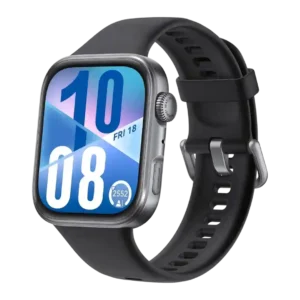
Huawei Watch Fit 4
4.7
Mapping and navigation were standout features for the price, especially offline maps, route-back support, and wrist-based map screens.
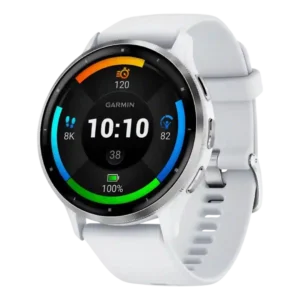
Garmin Venu 3
1.9
Mapping and navigation are weak points; reviewers note missing courses, limited route navigation, lack of maps, and better options for exploration.
blood oxygen tracking
Huawei Watch Fit 4
4.4
Blood oxygen tracking received positive but cautious comments, with reviewers finding readings reliable or closely matching other devices while not treating them as medical-grade.
Garmin Venu 3
2.0
Blood oxygen tracking is weakly supported and mixed-to-negative: reviewers noted battery drain from using it and one scientific test was unimpressed with oxygen saturation measurements.
durability
Huawei Watch Fit 4
4.4
Durability feedback was positive overall, with Gorilla Glass or the regular model considered sufficient for most everyday users.
Garmin Venu 3
2.5
Durability is a concern in the scored evidence, especially around Gorilla Glass 3 and scratching compared with tougher sapphire-equipped rivals.
voice assistant quality
Huawei Watch Fit 4
2.0
Voice assistant quality was weakly supported but negative, because the assistant was said to require a Huawei phone to work.
Garmin Venu 3
3.8
Voice assistant quality is mixed-positive: reviewers liked having phone-assistant access from the wrist, but noted it depends on the phone and can feel limited or slow.
menu navigation
Huawei Watch Fit 4
4.7
Menu navigation was praised for smooth scrolling, useful haptics, flexible layouts, and easy rearrangement.
Garmin Venu 3
3.0
Menu navigation is mixed in the single scored review, where initial access to features and workout lists required some learning.
contactless payments
Huawei Watch Fit 4
2.1
Contactless payments were a consistent weakness because NFC/payment support was limited or unavailable in many places.
Garmin Venu 3
3.6
Contactless payments are convenient when set up, but evidence is mixed because setup can feel unnecessary and bank support is patchier than Apple or Google Pay.
activity auto-detection
Huawei Watch Fit 4
4.0
Only one reviewer judged auto-detection directly, calling it handy while noting it can affect battery life.
Garmin Venu 3
2.5
Activity auto-detection is a weak point, with reviewers saying automatic workout detection can start late or may not begin recording activities reliably.
band quality
Huawei Watch Fit 4
4.5
Band and strap feedback was positive, with praise for secure clasps, comfort, grip, and premium-feeling strap hardware.
Garmin Venu 3
3.2
Band quality is mixed: one reviewer liked the soft silicone strap, while others criticized comfort or called the included strap disappointing.
button controls
Huawei Watch Fit 4
4.7
The crown and button controls earned positive notes for haptics, precision, and practical control over functions like the flashlight.
Garmin Venu 3
3.5
Button controls are useful during workouts, but opinions are mixed because some reviewers wanted more button navigation or found the smaller buttons less usable.
companion app quality
Huawei Watch Fit 4
3.1
Companion app opinions were mixed: one reviewer found it complete and easy, while others criticized clutter, bloat, and slow transfers.
Garmin Venu 3
4.3
The companion app is generally strong, offering deep data, customizable dashboards, workout plans, and health insights, though one setup flow felt cumbersome.
value for money
Huawei Watch Fit 4
4.7
Value for money was extremely strong across reviews, with many calling it one of the best budget or affordable smartwatch options.
Garmin Venu 3
3.7
Value is mixed: many reviewers say the Venu 3 is worth considering or a strong buy, but the high price and cheaper Garmin alternatives repeatedly create caveats.
step counting accuracy
Huawei Watch Fit 4
5.0
Step counting accuracy was strongly praised in one review that ranked Huawei among the best step counters tested.
Garmin Venu 3
4.0
Step counting is supported by a single positive review that characterized step tracking as reasonably accurate.
build quality
Huawei Watch Fit 4
4.6
Build quality was repeatedly described as premium, top-notch, durable, or unusually strong for the price.
Garmin Venu 3
3.7
Build quality is mixed: some reviewers found the watch scratch-free or good-looking from above, while another raised concerns about plastic feel and overall construction.
smartwatch features
Huawei Watch Fit 4
4.1
Smartwatch features were adequate for the price, but reviewers agreed it is not as complete as more app-rich smartwatch platforms.
Garmin Venu 3
3.3
Smartwatch features are convenient but clearly secondary to fitness: reviewers liked calls, music, pay, and notifications, while repeatedly noting weaker apps, LTE, and phone integration.
health tracking accuracy
Huawei Watch Fit 4
4.3
Health tracking accuracy was broadly positive for everyday use, especially heart-rate and sensor reliability, while still framed as non-medical.
Garmin Venu 3
5.0
Review evidence supports strong overall health tracking, with one reviewer calling the health tracking precise and comprehensive.
app ecosystem
Huawei Watch Fit 4
2.7
Reviewers consistently found Huawei’s app store ecosystem limited, with basic apps available but far less depth than richer smartwatch platforms.
Garmin Venu 3
3.4
The app ecosystem is useful for Garmin data, watch faces, and some customization, but reviewers consistently note it is not as rich as Apple or Google ecosystems.
charging convenience
Huawei Watch Fit 4
4.1
Charging convenience was mostly positive thanks to secure magnetic or wireless charging, though one reviewer disliked the proprietary cradle.
Garmin Venu 3
3.5
Charging convenience is mixed: long battery life reduces charger dependence, but reviewers disliked the proprietary cable and loose connector.
smartphone notifications
Huawei Watch Fit 4
3.8
Notifications were useful for basic reading and replies on supported phones, but iOS limitations and missed notifications reduced consistency.
Garmin Venu 3
3.2
Notifications are useful but mixed: Android support and alert reliability are praised, while customization, organization, and typing/reply limitations drew criticism.
water resistance
Huawei Watch Fit 4
4.1
Water resistance was generally positive for swimming and everyday exposure, though one reviewer found water-ejection behavior less reassuring.
Garmin Venu 3
4.8
Water resistance is viewed positively for everyday swimming, showering, and water exposure, though the Venu 3 is not positioned as a rugged dive watch.
stress tracking
Huawei Watch Fit 4
4.1
Stress tracking and emotional well-being features were considered useful and interesting, especially for spotting calmer or unpleasant periods.
Garmin Venu 3
4.8
Stress tracking is praised as useful and accurate, with reviewers saying the watch’s stress and relaxation guidance matched their experience.
third-party app support
Huawei Watch Fit 4
2.7
Third-party app support was limited, with Spotify control and basic apps available but a small AppGallery overall.
Garmin Venu 3
3.3
Third-party app support is limited compared with mainstream smartwatch platforms, though Garmin’s activity export and Connect IQ extras still add value.
user interface
Huawei Watch Fit 4
4.2
The user interface was mostly praised as smooth, fluid, and premium, but permissions and occasional quirks lowered the ceiling.
Garmin Venu 3
4.7
The user interface is a strength, with many reviewers praising intuitive layouts, easy navigation, useful shortcuts, and accessible watch data.
recovery insights
Huawei Watch Fit 4
4.3
Recovery insights were valued when reviewers mentioned recovery time, training load, and training index features.
Garmin Venu 3
4.8
Recovery insights are a major strength, with reviewers repeatedly praising Body Battery, recovery time, sleep coach, and activity/rest guidance for planning training and rest.
Bluetooth connectivity
Huawei Watch Fit 4
3.8
Bluetooth was generally functional, with earbuds pairing and basic connectivity working as expected rather than standing out as a major strength.
Garmin Venu 3
4.3
Bluetooth connectivity is positive for headphones, music, and sensor use, with reviewers saying headphone/watch connectivity worked well and Bluetooth use enabled phone-free workouts.
comfort
Huawei Watch Fit 4
4.5
Comfort was praised across reviews because the watch is light, slim, and easy to wear all day.
Garmin Venu 3
4.9
Comfort is a consistent strength, with reviewers praising all-day wear, sleep comfort, lightness, and a barely-there wrist feel.
outdoor visibility
Huawei Watch Fit 4
4.6
Outdoor visibility was excellent thanks to the bright AMOLED screen, with reviewers repeatedly saying it stayed clear in sun or outdoors.
Garmin Venu 3
5.0
Outdoor visibility is excellent in the scored evidence, with reviewers reporting easy readability in direct sunlight and bright conditions.
watch face quality
Huawei Watch Fit 4
4.1
Watch-face quality was generally strong, with attractive built-in and downloadable faces, though some reviewers disliked paid options.
Garmin Venu 3
3.8
Watch face quality is good but not perfect: reviewers liked the variety and classy designs but wanted more data-field flexibility.
software smoothness
Huawei Watch Fit 4
4.6
Software smoothness was a standout positive, with reviewers repeatedly praising fluid animations, smooth menus, and responsive operation.
Garmin Venu 3
5.0
Software smoothness is strongly positive in the single scored review, which praised smooth animated menus and a slicker Garmin experience.
customization options
Huawei Watch Fit 4
4.5
Customization was a strength, especially watch-face editing, widget/card management, and app/icon arrangement, despite some tile limits.
Garmin Venu 3
4.8
Customization is strong, with reviewers praising configurable data screens, buttons, swipes, widgets, watch bands, and Garmin Connect IQ options.
cross-platform compatibility
Huawei Watch Fit 4
3.6
Cross-platform compatibility was usable but uneven, with iPhone users losing features such as replies, mapping, or onboard music support.
Garmin Venu 3
3.3
Cross-platform compatibility is mixed because the watch works with both ecosystems but Android users get better messaging and notification features than iPhone users.
fitness tracking accuracy
Huawei Watch Fit 4
4.4
Fitness tracking accuracy was generally good, with treadmill, pace, workout, and GPS results comparing well against reference devices.
Garmin Venu 3
4.7
Fitness tracking accuracy is strongly positive across reviews, especially for workout data, general activity tracking, distance, GPS-based exercise, and sensor-driven workout feedback.
coaching features
Huawei Watch Fit 4
4.2
Coaching features were useful when reviewers discussed prompts, training guidance, personal-trainer-like plans, and non-generic feedback.
Garmin Venu 3
3.9
Coaching features are useful but uneven: reviewers liked recovery guidance, custom workouts, and practical wellness advice, while sleep coaching drew some skepticism.
sleep tracking accuracy
Huawei Watch Fit 4
4.1
Sleep tracking was generally reliable for core metrics, though one reviewer said it remained less precise than a dedicated ring.
Garmin Venu 3
4.4
Sleep tracking is broadly praised for detailed sleep reports, nap detection, and useful coaching, though a few reviewers noted stage-estimation limits or occasional false sleep detection.
charging speed
Huawei Watch Fit 4
4.3
Charging speed was considered good, with repeated mentions of a full charge in about 75 minutes and quick top-ups.
Garmin Venu 3
4.5
Charging speed is positive, with reviewers citing fast top-ups and rapid charging.
reliability
Huawei Watch Fit 4
3.8
Reliability was mostly positive but not perfect, balancing strong trust in tracking and durability against occasional disconnects.
Garmin Venu 3
4.0
Reliability is mixed-positive: reviewers praised endurance and low lag, but one raised security concerns around smartwatch access and Garmin Pay behavior.
music controls
Huawei Watch Fit 4
4.2
Music controls worked well for phone playback control, though this was a smaller strength than onboard music storage.
Garmin Venu 3
4.0
Music controls are functional, with playback controls for downloaded playlists covering the basics like pause, skip, and volume.
battery life
Huawei Watch Fit 4
4.6
Battery life was one of the strongest points across reviews, ranging from a comfortable week to around 10 days depending on usage.
Garmin Venu 3
4.8
Battery life is the clearest consensus strength, with reviewers repeatedly reporting multi-day to week-plus endurance and far less charging anxiety than typical smartwatches.
style and design
Huawei Watch Fit 4
4.6
Style and design were among the strongest areas, with repeated praise for a premium, slim, stylish Apple Watch-like look.
Garmin Venu 3
4.4
Style and design are generally positive, with reviewers calling the watch stylish, sleek, office-friendly, and more wearable than rugged Garmin models, though one called it bland.
wellness insights
Huawei Watch Fit 4
4.3
Wellness insights were a bright spot, especially emotional well-being, Health Insights, breathing links, and habit awareness.
Garmin Venu 3
4.5
Wellness insights are a highlight, especially Body Battery, HRV, stress, energy graphs, daily summaries, and Garmin’s ability to explain health trends.
heart rate accuracy
Huawei Watch Fit 4
4.4
Heart-rate accuracy was one of the most strongly supported health metrics, often comparing closely with chest straps or other watches.
Garmin Venu 3
4.5
Heart-rate accuracy is one of the strongest areas: most reviewers found it close to chest straps or other trusted wearables, with only minor or context-specific caveats.
call handling
Huawei Watch Fit 4
4.3
Call handling was generally strong, with loud speakers, clear microphones, and callers reportedly hearing the reviewer well.
Garmin Venu 3
4.2
Call handling is generally useful and clear enough for smartwatch use, but several reviewers described speaker or microphone quality as merely adequate rather than excellent.
brightness
Huawei Watch Fit 4
4.6
Brightness was widely praised, especially the 2,000-nit AMOLED panel and its clear outdoor readability.
Garmin Venu 3
4.5
Brightness receives positive evidence from reviewers who found the AMOLED screen bright and readable, including in demanding use.
touchscreen responsiveness
Huawei Watch Fit 4
4.3
Touchscreen responsiveness was strong in normal use and even praised when wet, though one reviewer noted it was unusable underwater.
Garmin Venu 3
4.4
Touchscreen responsiveness is mostly strong, especially in dry conditions and normal navigation, though wet conditions can cause issues.
flashlight usefulness
Huawei Watch Fit 4
4.2
The flashlight was treated as useful in small ways, especially because brightness can be adjusted, though it was not a core feature.
Garmin Venu 3
4.3
The screen flashlight is useful for quick illumination and dark situations, though reviewers note it is not as strong as Garmin models with dedicated LEDs.
GPS accuracy
Huawei Watch Fit 4
4.6
GPS accuracy was a major strength, with reviewers praising fast lock-on, dual-band support, and close outdoor tracking results.
Garmin Venu 3
4.5
GPS accuracy is one of the best-supported positives: most reviewers found quick locks, precise routes, and strong performance despite the lack of multiband GPS.
fit
Huawei Watch Fit 4
4.6
Fit was praised for a just-right dial size, broad wrist adjustability, and a slim feel on the hand.
Garmin Venu 3
4.5
Fit is positive, especially because the smaller model improves comfort for slimmer wrists and the watch is comfortable for sleep tracking.
materials quality
Huawei Watch Fit 4
4.6
Materials quality was praised for the aluminum or metal body, premium feel, and strong case construction.
Garmin Venu 3
4.5
Materials quality is positive overall, with reviewers liking the metal bezel, Gorilla Glass, and solid feel.
operating system experience
Huawei Watch Fit 4
4.6
The operating system felt polished and smooth overall, though some reviewers noted limited development or similarity to older Huawei models.
Garmin Venu 3
4.5
The operating system experience is positive overall, with reviewers describing it as convenient, well rounded, and a seamless blend of fitness and daily smartwatch use.
pairing reliability
Huawei Watch Fit 4
3.3
Pairing reliability was mixed but acceptable, with occasional disconnects in one review and successful earbud pairing in another.
Garmin Venu 3
3.3
Pairing reliability is split: one reviewer had a nightmare setup and connection process, while another found Android pairing immediate and trouble-free.
onboard music storage
Huawei Watch Fit 4
4.6
Onboard music storage was useful for phone-free listening, especially with Bluetooth earphones paired directly to the watch.
Garmin Venu 3
4.6
Onboard music is a well-liked smartwatch feature, letting reviewers run or work out without carrying a phone while using offline services or local music.
workout tracking variety
Huawei Watch Fit 4
4.5
Workout tracking variety was very strong overall, with over 100 modes, although one reviewer wanted a more complete list.
Garmin Venu 3
4.5
Workout variety is broad, with reviewers praising many sport modes, indoor workout tools, strength/HIIT support, and Garmin’s built-in sport profiles, though advanced sport depth is more mixed.
display quality
Huawei Watch Fit 4
4.7
Display quality was one of the most praised attributes, with reviewers calling the AMOLED panel clear, vibrant, stunning, and responsive.
Garmin Venu 3
4.7
Display quality is repeatedly praised for its AMOLED color, clarity, attractive look, and readable metrics.
calorie tracking usefulness
Huawei Watch Fit 4
4.0
Calorie tracking was only lightly supported, but one reviewer valued seeing calories beside other daily metrics at a glance.
Garmin Venu 3No score yet
ECG functionality
Huawei Watch Fit 4No score yet
Garmin Venu 3
3.0
ECG evidence is mixed by review timing: some reviews found it unavailable or finicky, while later evidence notes FDA-approved on-device ECG readings.
LTE connectivity
Huawei Watch Fit 4No score yet
Garmin Venu 3
1.0
LTE connectivity is a repeated limitation: multiple reviewers call out the lack of LTE or cellular support as a drawback versus Apple, Samsung, or Google watches.
safety features
Huawei Watch Fit 4No score yet
Garmin Venu 3
5.0
Safety features get limited but positive evidence from one reviewer whose watch automatically sent an emergency alert after a minor cycling fall.
size options
Huawei Watch Fit 4No score yet
Garmin Venu 3
4.8
Size options are praised because the 41mm and 45mm models help more users find a comfortable fit.