If you want better pairing reliability
Choose Xiaomi Redmi Watch 5 Lite. It scores 4.7 vs 3.3 for pairing reliability, with a 3.9 overall score.
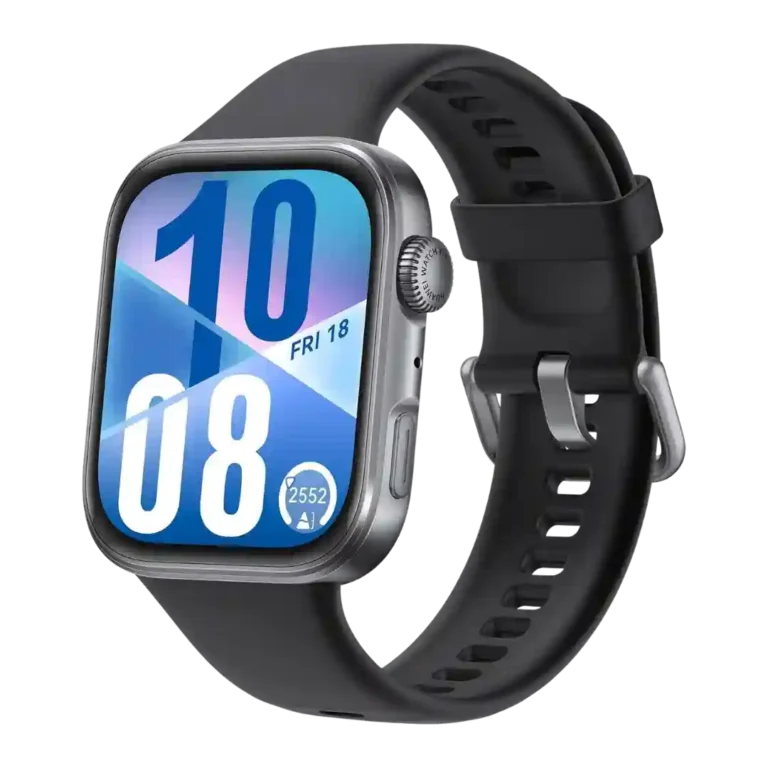
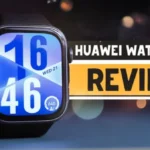
Choose the Huawei Watch Fit 4 for bright AMOLED visuals, strong battery life, accurate GPS, maps, and standout value. Skip it if you need rich apps, reliable payments, LTE, ECG, or the cleanest companion app.
Best for budget-focused buyers outside the US who want a slim, stylish fitness smartwatch with a bright screen, weeklong battery, reliable core tracking, and offline maps. It especially suits users who value health and workout features more than a deep app ecosystem.
Not for users who need full smartwatch depth, dependable contactless payments, LTE, ECG, broad third-party apps, or identical features across iPhone and Android. It is also less ideal for anyone who dislikes cluttered companion apps or proprietary charging tradeoffs.
Reviewers frame the Huawei Watch Fit 4 as a budget smartwatch that feels more premium than its price. The strongest evidence centers on its bright AMOLED display, long battery life, polished design, accurate GPS, and unusually capable mapping for the money. Fitness and everyday health tracking were generally trusted, especially heart rate and sleep basics, though reviewers still warned against treating the data as medical-grade. The main tradeoff is smart functionality: app support is thin, payments are region-limited, iOS loses some features, and the Huawei Health app can feel cluttered. It is strongest as a stylish fitness-first smartwatch, not as a full app-platform replacement.
Compared with other Smartwatches, this product is above average in onboard music storage, mapping and navigation, step counting accuracy, near average in user interface, watch face quality, below average in voice assistant quality, app ecosystem, contactless payments.
| Attribute | This product | Category average | Difference |
|---|---|---|---|
| onboard music storage | 4.6 | 2.8 | +1.8 |
| mapping and navigation | 4.7 | 3.4 | +1.3 |
| step counting accuracy | 5.0 | 3.7 | +1.3 |
| call handling | 4.3 | 3.2 | +1.1 |
| voice assistant quality | 2.0 | 3.0 | -1.0 |
| blood oxygen tracking | 4.4 | 3.4 | +1.0 |
| value for money | 4.7 | 3.8 | +0.9 |
| charging convenience | 4.1 | 3.3 | +0.8 |
Choose Xiaomi Redmi Watch 5 Lite. It scores 4.7 vs 3.3 for pairing reliability, with a 3.9 overall score.
Choose Garmin Venu 3. It scores 5.0 vs 4.3 for health tracking accuracy, with a 4.1 overall score.
Choose TicWatch Pro 5. It scores 5.0 vs 2.1 for contactless payments, with a 4.0 overall score.
Choose Apple Watch Ultra 2. It scores 5.0 vs 2.7 for app ecosystem, with a 3.9 overall score.
Products reviewers directly compared with this model, grouped into quick takeaways.
Reviewers consistently praised battery life. Depending on always-on display, GPS, calls, and health tracking settings, they reported anything from several heavy-use days to roughly a week or more.
Yes. Multiple reviewers praised the bright AMOLED screen and said it stayed clear outdoors or in harsh sunlight.
Yes. GPS accuracy and fast lock-on were major strengths, and reviewers repeatedly treated offline maps and navigation as rare or impressive at this price.
It works with both, but reviewers noted feature gaps. iPhone users can miss out on some replies, mapping, or music features depending on the function.
Not fully. Reviewers said core tasks like notifications, calls, music controls, and weather work well, but app support and payments are limited.
Reviewers generally found heart rate, GPS, sleep basics, and workout metrics reliable for everyday use, with some comparisons close to treadmills, chest straps, rings, or other watches. They still treated the health data as non-medical.
The main drawbacks are limited AppGallery depth, weak or region-limited payment support, clutter in Huawei Health, some iOS restrictions, and occasional connectivity or UI quirks.
These are a few of the reviews included in our analysis.
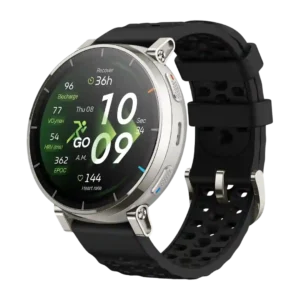
Good if you want premium running features, long battery life, and maps for under $200. Skip it if you need flawless heart-rate data, multiband GPS, LTE, or richer app support.
Pros: pairing reliability, brightness
Cons: Wi-Fi connectivity, Bluetooth connectivity
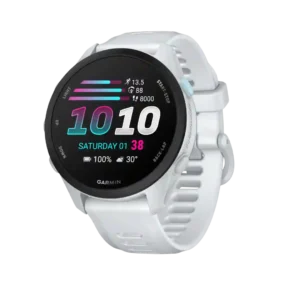
Best for accurate running metrics, excellent coaching tools, a bright AMOLED display, and dependable battery life. Skip it if you need offline maps, music storage, contactless payments, multi-band GPS, or...
Pros: step counting accuracy, app ecosystem
Cons: Bluetooth connectivity, pairing reliability
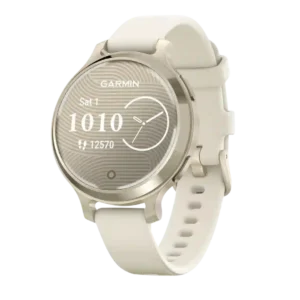
Good if you want a compact, stylish Garmin with strong GPS, comfort, and week-plus battery life. Skip it if you need richer smartwatch apps, onboard music, bright always-on display, or...
Pros: health tracking accuracy, blood oxygen tracking
Cons: ECG functionality, onboard music storage
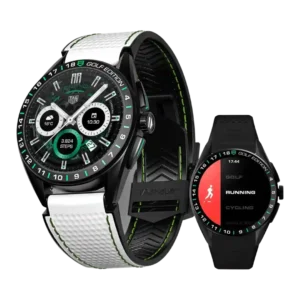
Best for luxury-watch styling, vivid TAG faces, solid build, and casual smartwatch use. Skip it if you need top fitness accuracy, call handling, LTE, or strong value.
Pros: contactless payments, pairing reliability
Cons: LTE connectivity, call handling