activity auto-detection
P1
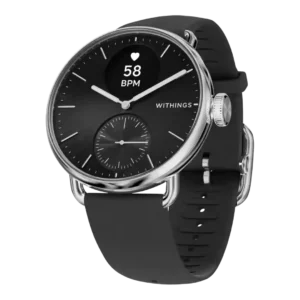
Product 1: Withings ScanWatch 2
3.3
Reviewers found auto-detection useful in concept but inconsistent in practice, with some praising automatic walking/running recognition and others reporting flaky, false, or missing detection.
P2
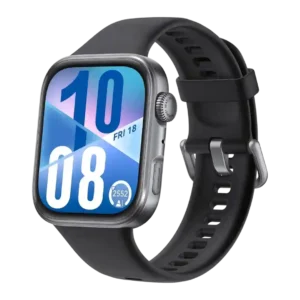
Product 2: Huawei Watch Fit 4
4.0
Workout auto-detection is directly mentioned as handy, though only one review discusses it and notes battery tradeoffs around keeping it enabled.
app ecosystem
P1
Product 1: Withings ScanWatch 2
3.7
The broader ecosystem is strongest for people already using Withings or health-platform integrations, though app changes and paid layers made the experience less universally satisfying.
P2
Product 2: Huawei Watch Fit 4
3.0
Reviewers describe the core Huawei feature set as useful, but the app ecosystem is limited compared with fuller smartwatch platforms.
band quality
P1
Product 1: Withings ScanWatch 2
3.3
Band impressions were split: several reviewers liked the fluoroelastomer or silicone strap, while others found it itchy, slippery, or poorly fitted enough to replace.
P2
Product 2: Huawei Watch Fit 4
4.2
Bands and strap hardware draw mostly positive comments, with easy removal, secure fit, and good strap quality across several reviews.
battery life
P1
Product 1: Withings ScanWatch 2
4.6
Battery life was the most consistently praised attribute, with reviewers regularly getting multiple weeks and sometimes close to a month between charges.
P2
Product 2: Huawei Watch Fit 4
4.5
Battery life is one of the strongest recurring positives, with reviewers reporting roughly a week or more depending on always-on display and usage.
blood oxygen tracking
P1
Product 1: Withings ScanWatch 2
4.0
Blood oxygen support was widely noted as a useful health feature, though reviewers varied from calling readings accurate to noting occasional inconclusive or basic behavior.
P2
Product 2: Huawei Watch Fit 4
4.1
SpO2 tracking is present and repeatedly included among the watch's health metrics, with reviewers treating it as part of a solid wellness set.
Bluetooth connectivity
P1
Product 1: Withings ScanWatch 2
3.2
Bluetooth-connected use is functional for phone pairing and connected GPS, but the watch depends on the phone/app rather than offering a fully independent connection experience.
P2
Product 2: Huawei Watch Fit 4
4.2
Bluetooth support is generally positive for calls, external sensors, and earbuds, with Bluetooth 5.2 and pairing use cases called out.
brightness
P1
Product 1: Withings ScanWatch 2
3.7
Brightness was generally adequate and sometimes praised, but one reviewer found the small screen harder to see in bright light.
P2
Product 2: Huawei Watch Fit 4
4.7
Brightness is a clear strength, with multiple reviewers highlighting the 2,000-nit peak and comfortable visibility.
build quality
P1
Product 1: Withings ScanWatch 2
4.5
Build quality was a clear strength, with repeated praise for the stainless case, solid feel, and premium analog-watch construction.
P2
Product 2: Huawei Watch Fit 4
4.5
Build quality is praised as premium for the price, with aluminum construction and lightweight feel repeatedly mentioned.
button controls
P1
Product 1: Withings ScanWatch 2
4.0
The crown-based controls were usually seen as simple and tactile, though the one-button design can feel limiting compared with touch-first smartwatches.
P2
Product 2: Huawei Watch Fit 4
4.3
The crown and button setup is positively described, with reviewers finding the controls more integrated and handy for scrolling.
call handling
P1
Product 1: Withings ScanWatch 2
1.3
Call handling is minimal: reviewers repeatedly noted that the watch can show or alert for calls but cannot take or answer them from the wrist.
P2
Product 2: Huawei Watch Fit 4
4.3
Call handling is good for a budget smartwatch, especially speaker loudness and Bluetooth calling, though one review notes clarity is not the crispest.
calorie tracking usefulness
P1
Product 1: Withings ScanWatch 2
3.3
Calorie data appears as part of workout or activity summaries, but reviewers treated it as basic supporting information rather than a standout coaching metric.
P2
Product 2: Huawei Watch Fit 4
3.8
Calorie tracking is only lightly supported, but one review values seeing calories alongside steps and heart rate on the watch face.
charging convenience
P1
Product 1: Withings ScanWatch 2
3.5
Charging convenience was mixed: the newer cradle is more secure for some reviewers, while others found the proprietary dock flimsy, fiddly, or clunky.
P2
Product 2: Huawei Watch Fit 4
4.2
Charging convenience is mostly positive thanks to fast top-ups, secure magnetic charging, and wireless charging mentions, but proprietary charging is a caveat.
charging speed
P1
Product 1: Withings ScanWatch 2
4.1
Charging speed was consistently acceptable, with reviewers generally reporting roughly 90 minutes to two hours for a full charge.
P2
Product 2: Huawei Watch Fit 4
4.4
Charging speed is consistently strong, with several reviews citing a full charge around 75 minutes or a meaningful 30-minute top-up.
coaching features
P1
Product 1: Withings ScanWatch 2
3.0
Coaching features mostly live in the app or Withings+; reviewers liked some gentle prompts and sleep tips but often questioned the subscription's value.
P2
Product 2: Huawei Watch Fit 4
4.2
Coaching features are useful, from movement prompts to warmups, cooldowns, training plans, and non-generic feedback.
comfort
P1
Product 1: Withings ScanWatch 2
4.2
Comfort was usually good for all-day wear, helped by the lighter hybrid design, though sleep comfort and strap fit were not consistent for everyone.
P2
Product 2: Huawei Watch Fit 4
4.5
Comfort is a major positive, with reviewers repeatedly describing the watch as light, slim, and wearable all day.
companion app quality
P1
Product 1: Withings ScanWatch 2
3.5
The companion app drew mixed reviews: it can show detailed health data and reports, but reviewers also criticized glitches, busy layout, and unclear insights.
P2
Product 2: Huawei Watch Fit 4
3.6
The Huawei Health app is feature-rich and can be easy to use, but several reviewers criticize clutter or bloat.
contactless payments
P1
Product 1: Withings ScanWatch 2
1.0
Contactless payments are effectively absent, with multiple reviewers explicitly noting no payment support.
P2
Product 2: Huawei Watch Fit 4
2.5
Contactless payment support is weak because NFC or payment support is limited by region and availability.
cross-platform compatibility
P1
Product 1: Withings ScanWatch 2
4.2
Cross-platform support is a strength, with reviewers citing iOS, Android, Apple Health, Google Fit or Health Connect compatibility.
P2
Product 2: Huawei Watch Fit 4
3.9
Cross-platform compatibility is acceptable across Android and iOS, but reviewers flag missing iOS features such as Petal Maps or music support.
customization options
P1
Product 1: Withings ScanWatch 2
3.4
Customization is decent for bands, sizes, colors, menus, and app-controlled screens, but limited for watch faces and deeper interface changes.
P2
Product 2: Huawei Watch Fit 4
4.3
Customization is a strength, including watch-face changes, widgets, button mapping, and quick band swaps.
display quality
P1
Product 1: Withings ScanWatch 2
3.7
Display quality is sharp and readable for its size, but the tiny grayscale screen remains a major limitation for messages and rich fitness data.
P2
Product 2: Huawei Watch Fit 4
4.6
Display quality is strongly praised, with reviewers repeatedly calling out the AMOLED screen, clarity, resolution, and visual punch.
durability
P1
Product 1: Withings ScanWatch 2
4.6
Durability was praised thanks to sapphire glass, stainless steel, water resistance, and reports of no visible scratches after use.
P2
Product 2: Huawei Watch Fit 4
4.2
Durability appears good for everyday use, with Gorilla Glass, water exposure, and daily wear references supporting a positive score.
ECG functionality
P1
Product 1: Withings ScanWatch 2
4.4
ECG functionality was one of the strongest health features, repeatedly described as medical-grade, easy to use, FDA-approved, or shareable with doctors.
P2
Product 2: Huawei Watch Fit 4
1.8
ECG functionality is a clear omission from the regular Fit 4, appearing as a Pro-model advantage rather than a base-model feature.
fit
P1
Product 1: Withings ScanWatch 2
2.9
Fit depended heavily on wrist size and strap choice: some reviewers found it lighter and comfortable, while others found the case or supplied strap awkward.
P2
Product 2: Huawei Watch Fit 4
4.2
Fit is positive, with strap security, wrist-size accommodation, and a balanced dial size appearing across reviews.
fitness tracking accuracy
P1
Product 1: Withings ScanWatch 2
3.6
Fitness tracking accuracy was mixed, with some strong heart-rate and pace comparisons but enough missing, incomplete, or high-intensity issues to keep it from sports-watch territory.
P2
Product 2: Huawei Watch Fit 4
4.3
Fitness tracking accuracy is generally strong, especially treadmill, GPS, route, and workout-map evidence, with only minor caveats in some contexts.
GPS accuracy
P1
Product 1: Withings ScanWatch 2
2.3
GPS was a recurring weakness because most reviewers reported no built-in GPS and reliance on phone-connected GPS, despite some acceptable connected-GPS results.
P2
Product 2: Huawei Watch Fit 4
4.5
GPS accuracy is one of the best-supported strengths, with dual-band GPS, fast lock, offline maps, and accurate outdoor tracking discussed repeatedly.
health tracking accuracy
P1
Product 1: Withings ScanWatch 2
3.8
Health tracking accuracy was broadly promising for core metrics, but confidence varied due to sleep, heart-rate, and app-data inconsistencies.
P2
Product 2: Huawei Watch Fit 4
4.2
Health tracking accuracy is broadly positive for everyday use, especially heart rate and health insights, while reviewers still avoid medical-grade claims.
heart rate accuracy
P1
Product 1: Withings ScanWatch 2
3.2
Heart-rate accuracy was inconsistent: some tests matched straps or other devices closely, while others found daytime, swim, or high-intensity readings unreliable.
P2
Product 2: Huawei Watch Fit 4
4.4
Heart rate accuracy receives strong support, including comparisons to other watches and a Polar H10 chest strap, with one review noting slower mid-exercise updates.
materials quality
P1
Product 1: Withings ScanWatch 2
4.6
Materials quality was consistently strong, with repeated praise for stainless steel, sapphire glass, premium build materials, and high-grade construction.
P2
Product 2: Huawei Watch Fit 4
4.5
Materials quality is consistently praised, especially the aluminum or metal body and premium construction for the price.
menu navigation
P1
Product 1: Withings ScanWatch 2
3.2
Menu navigation was understandable once learned, but reviewers often described scrolling, submenus, or crown-only navigation as clunky or tedious.
P2
Product 2: Huawei Watch Fit 4
4.3
Menu navigation is well supported by list/grid views, crown scrolling, quick workout access, and smooth app layout options.
music controls
P1
Product 1: Withings ScanWatch 2
1.0
Music controls are absent, and reviewers repeatedly mentioned the lack as part of the watch's limited smartwatch feature set.
P2
Product 2: Huawei Watch Fit 4
4.0
Music controls are useful for phone playback and on-watch playback, though platform support can vary.
onboard music storage
P1
Product 1: Withings ScanWatch 2
1.0
Onboard music storage is not supported; the only direct reviewer mention grouped offline music among missing smartwatch features.
P2
Product 2: Huawei Watch Fit 4
4.7
Onboard music storage is a positive where supported, with reviewers noting MP3 copying and internal music storage.
operating system experience
P1
Product 1: Withings ScanWatch 2
4.0
The HealthSense software platform was presented as modern and health-focused, supporting the newer temperature and wellness tracking features.
P2
Product 2: Huawei Watch Fit 4
4.2
The operating system experience feels polished and Apple-Watch-like in several reviews, though permissions and platform gaps remain tradeoffs.
outdoor visibility
P1
Product 1: Withings ScanWatch 2
3.6
Outdoor visibility was serviceable overall, with some reviewers calling the display readable outdoors and others finding bright-light viewing harder.
P2
Product 2: Huawei Watch Fit 4
4.6
Outdoor visibility is a major strength, with multiple reviewers saying the screen remains visible or clear in sunlight.
pairing reliability
P1
Product 1: Withings ScanWatch 2
4.6
Pairing and connection reliability were praised in the reviews that discussed setup, including instant pairing, straightforward setup, and a rock-solid app connection.
P2
Product 2: Huawei Watch Fit 4
3.4
Pairing reliability is only lightly supported and somewhat mixed, with one review mentioning rare disconnects over three weeks.
recovery insights
P1
Product 1: Withings ScanWatch 2
4.0
Recovery insights are a meaningful upgrade, especially through HRV and temperature tracking, though some recovery-related features or analysis remain basic or subscription-tied.
P2
Product 2: Huawei Watch Fit 4
4.3
Recovery insights are present through recovery time, training load, and training index metrics.
reliability
P1
Product 1: Withings ScanWatch 2
2.3
Reliability was a concern in several reviews, especially around app syncing, missed notifications, sleep misclassification, and confidence in sensor output.
P2
Product 2: Huawei Watch Fit 4
3.9
Reliability is mixed but more positive overall, with one review flagging occasional disconnects and another recommending it as reliable.
safety features
P1
Product 1: Withings ScanWatch 2
4.1
Safety features are a strength, with reviewers citing temperature alerts, overheating warnings, sleep-apnea detection, AFib/ECG support, and related health alerts.
P2
Product 2: Huawei Watch Fit 4
4.0
Safety-adjacent navigation features are supported through route-back and back-to-start functions rather than emergency features.
size options
P1
Product 1: Withings ScanWatch 2
4.3
Size options were well covered, with repeated mentions of 38mm and 42mm cases, though reviewers differed on which size best fit smaller wrists.
P2
Product 2: Huawei Watch Fit 4
4.4
Style and design are widely praised, with reviewers describing the watch as elegant, premium, stylish, and Apple Watch-like.
sleep tracking accuracy
P1
Product 1: Withings ScanWatch 2
3.1
Sleep tracking accuracy was mixed: some reviewers found it comparable or useful, while others reported missed sleep, overestimates, or poor handling of wake periods.
P2
Product 2: Huawei Watch Fit 4
4.2
Sleep tracking accuracy is positive overall, with reviews comparing sleep duration, scores, stages, and detection to other wearables.
smartphone notifications
P1
Product 1: Withings ScanWatch 2
2.6
Smartphone notifications are limited by the small scrolling display and inconsistent delivery, useful for quick glances but poor for long messages or interaction.
P2
Product 2: Huawei Watch Fit 4
4.0
Notifications are useful, including app selection, quick replies, and message replies, but iOS reply limitations reduce the score.
smartwatch features
P1
Product 1: Withings ScanWatch 2
2.1
Smartwatch features are intentionally sparse, with reviewers repeatedly describing the ScanWatch 2 as more watch or tracker than full smartwatch.
P2
Product 2: Huawei Watch Fit 4
4.3
Smartwatch features are broad for the price, but the watch is still strongest as a fitness tracker rather than a complete smartwatch.
software smoothness
P1
Product 1: Withings ScanWatch 2
2.8
Software smoothness received limited direct evidence, with one reviewer finding the app decent but inconsistent enough to need fixes.
P2
Product 2: Huawei Watch Fit 4
4.4
Software smoothness is a strong point in several reviews, with fluid interfaces, 60 Hz refresh, and smooth animations repeatedly praised.
step counting accuracy
P1
Product 1: Withings ScanWatch 2
3.6
Step counting was generally acceptable but not perfectly aligned with other devices, with reviewers describing it as precise, conservative, or occasionally uneven.
P2
Product 2: Huawei Watch Fit 4
4.7
Step counting accuracy is directly praised in one review as matching the prior Fit line's strong performance.
stress tracking
P1
Product 1: Withings ScanWatch 2
3.0
Stress tracking is indirect rather than a full stress platform, relying on HRV, recovery, and breathing data while lacking richer readiness-style stress features.
P2
Product 2: Huawei Watch Fit 4
4.1
Stress tracking is well represented through HRV, all-day stress analysis, emotional well-being, and mood-pattern tracking.
style and design
P1
Product 1: Withings ScanWatch 2
4.5
Style and design were the strongest consensus positives, with reviewers repeatedly praising the traditional analog look, premium elegance, and subtle hybrid design.
P2
Product 2: Huawei Watch Fit 4
4.6
Design is one of the clearest strengths, with repeated praise for premium looks, slimness, and everyday wearability.
third-party app support
P1
Product 1: Withings ScanWatch 2
1.0
Third-party app support is essentially absent on the watch itself, even though the phone app can share health data with outside platforms.
P2
Product 2: Huawei Watch Fit 4
2.8
Third-party app support is limited, with AppGallery described as scaled back and one of the main disappointments.
touchscreen responsiveness
P1
Product 1: Withings ScanWatch 2
1.0
Touchscreen responsiveness scores low because the ScanWatch 2 does not have a touchscreen; interaction relies on the crown and small display.
P2
Product 2: Huawei Watch Fit 4
4.1
Touchscreen responsiveness is generally good, especially on the AMOLED touchscreen, though one swimming test found touch use impractical under water.
user interface
P1
Product 1: Withings ScanWatch 2
3.7
The user interface is simple and elegant for basic health data, but constrained by the small screen and crown-only interaction.
P2
Product 2: Huawei Watch Fit 4
4.3
The user interface is mostly praised as fluid, intuitive, and smooth, with some permission and organization caveats elsewhere.
value for money
P1
Product 1: Withings ScanWatch 2
2.9
Value for money was mixed to weak: reviewers liked the premium health-watch concept but often questioned the price versus smarter or cheaper alternatives.
P2
Product 2: Huawei Watch Fit 4
4.6
Value for money is one of the strongest consensus points, with reviewers repeatedly calling the watch affordable, good value, or hard to beat.
watch face quality
P1
Product 1: Withings ScanWatch 2
4.5
The watch face quality was praised for its traditional analog appearance, secondary step dial, and discreet hybrid integration.
P2
Product 2: Huawei Watch Fit 4
4.1
Watch face quality is good, with many attractive faces, but paid faces and regional app-store differences create some caveats.
water resistance
P1
Product 1: Withings ScanWatch 2
4.3
Water resistance is a clear plus, with reviewers repeatedly citing 5ATM protection, swimming, shower, or 50-meter suitability.
P2
Product 2: Huawei Watch Fit 4
4.1
Water resistance is generally positive for swimming and daily wet use, though hot water and Pro diving differences remain caveats.
wellness insights
P1
Product 1: Withings ScanWatch 2
3.9
Wellness insights are broad and health-focused, but reviewers split on whether the free app and Withings+ make the data actionable enough.
P2
Product 2: Huawei Watch Fit 4
4.2
Wellness insights are a strength, especially health insights, emotional well-being, breathing prompts, and mental-wellness trends.
workout tracking variety
P1
Product 1: Withings ScanWatch 2
3.6
Workout variety is respectable for casual users, with 30 to around 50 activities mentioned, but the depth and athlete-focused metrics remain limited.
P2
Product 2: Huawei Watch Fit 4
4.4
Workout variety is very broad, with 100-plus workout modes and many sport profiles, though one review still wanted a fuller list.