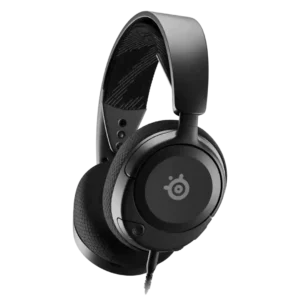
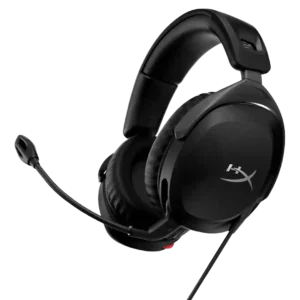
Average score
P1
Product 1: SteelSeries Arctis Nova 1
3.8
P2
Product 2: HyperX Cloud Stinger 2
3.3
Android compatibility
P1
Product 1: SteelSeries Arctis Nova 1
3.8
Android compatibility is limited to phones with headphone jacks or adapters, but one review still gives it credit for working with compatible Android phones.
P2Product 2: HyperX Cloud Stinger 2
No score yetApp
P1
Product 1: SteelSeries Arctis Nova 1
4.1
Software/app support is strong on PC through Sonar or GG, but weaker for analog-only use or non-PC setups.
P2Product 2: HyperX Cloud Stinger 2
No score yetBass performance
P1
Product 1: SteelSeries Arctis Nova 1
3.4
Bass impressions are mixed: some reviewers praise controlled or punchy low end, while others call it weak, restrained, dull, bloated, or overpowering in competitive play.
P2
Product 2: HyperX Cloud Stinger 2
3.4
Bass drew mixed reactions: some reviewers liked the punch and impact, while others found it lacking, coarse, boosted, or less controlled depending on model and tuning.
Battery
P1Product 1: SteelSeries Arctis Nova 1
No score yet
P2
Product 2: HyperX Cloud Stinger 2
3.5
Wireless battery life was adequate but not exceptional: one reviewer never needed to charge, while others called 20 hours below average or nothing special.
Bluetooth
P1
Product 1: SteelSeries Arctis Nova 1
2.5
Bluetooth is a limitation rather than a strength, with one review noting that TV or mobile use may suffer because many devices rely on Bluetooth.
P2Product 2: HyperX Cloud Stinger 2
No score yetBuild quality
P1
Product 1: SteelSeries Arctis Nova 1
4.1
Build quality is mostly good for the price, with praise for solidity and durability despite plastic; some reviewers note it does not feel premium.
P2
Product 2: HyperX Cloud Stinger 2
3.1
Build quality was the most repeated concern, with praise for some Core/Wireless construction but many complaints about flimsy, plasticky, or fragile-feeling parts.
Button control usability
P1
Product 1: SteelSeries Arctis Nova 1
4.1
Controls are usually considered simple and convenient, but a few reviewers criticize mute button location or feedback.
P2
Product 2: HyperX Cloud Stinger 2
3.6
Controls were simple and often convenient, especially the volume wheel and flip-to-mute behavior, though some reviewers disliked cheap feel or overly easy movement.
Cable quality
P1
Product 1: SteelSeries Arctis Nova 1
2.7
Cable impressions are mixed: the included cable can feel good, but one reviewer dislikes the semi-proprietary connector and another finds the cable short.
P2
Product 2: HyperX Cloud Stinger 2
2.5
Cable quality was a weak spot in wired models, with praise for simple low-microphonic cable design offset by coiling, short charging cable complaints, and damage concerns.
Charging
P1Product 1: SteelSeries Arctis Nova 1
No score yet
P2
Product 2: HyperX Cloud Stinger 2
1.8
Charging drew criticism primarily because the included USB-C cable was extremely short or tiny.
Clamping force comfort
P1
Product 1: SteelSeries Arctis Nova 1
3.4
Clamp force divides reviewers: several find it comfortable or secure, while others call it excessive, tight, or pressure-inducing.
P2
Product 2: HyperX Cloud Stinger 2
3.8
Clamping force was generally light and non-fatiguing, though this sometimes paired with fit or seal concerns.
Comfort during long use
P1
Product 1: SteelSeries Arctis Nova 1
4.2
Comfort is the strongest consensus area, with most reviewers praising long-session wear, while a minority report warmth, tightness, or serious discomfort.
P2
Product 2: HyperX Cloud Stinger 2
3.9
Comfort over longer sessions was one of the more divided areas: many reviewers found it light and wearable for hours, while others disliked heat, shallow pads, or ear pressure.
Connectivity versatility
P1
Product 1: SteelSeries Arctis Nova 1
3.5
Connectivity versatility is mixed: analog 3.5mm works well in many setups, but mobile, docked, or modern-device limitations reduce flexibility.
P2
Product 2: HyperX Cloud Stinger 2
4.4
Connectivity versatility was a strength for wired models through 3.5mm use across many devices and for simple wireless dongle setup.
Console compatibility limitations
P1
Product 1: SteelSeries Arctis Nova 1
2.5
Console limitations recur because software features are PC-focused, some systems lack ideal support, and one PSVR2 setup loses mic function.
P2Product 2: HyperX Cloud Stinger 2
No score yetDesign and Aesthetics
P1
Product 1: SteelSeries Arctis Nova 1
4.2
Design is usually praised as sleek, minimalist, neutral, or attractive, though some reviewers find it plain or uninspired.
P2
Product 2: HyperX Cloud Stinger 2
3.5
Design opinions were mixed: reviewers liked the cleaner modern look on some models, but others called it generic, cheap-looking, or visually uninspiring.
Detachable cable convenience
P1
Product 1: SteelSeries Arctis Nova 1
4.2
Detachable cable convenience is mostly positive, with reviewers appreciating easier travel, replacement, and cable flexibility.
P2
Product 2: HyperX Cloud Stinger 2
2.0
The fixed cable was criticized by at least one reviewer who explicitly wished it were detachable.
Detachable microphone convenience
P1Product 1: SteelSeries Arctis Nova 1
No score yet
P2
Product 2: HyperX Cloud Stinger 2
2.6
Microphone convenience was split: reviewers liked flip-up storage and mute behavior, but disliked the fixed mic when it stayed in view or got in the way.
Dongle
P1Product 1: SteelSeries Arctis Nova 1
No score yet
P2
Product 2: HyperX Cloud Stinger 2
4.6
Wireless dongle behavior was a strength, with reviewers praising instant or fast setup and, in one case, excellent range.
Ear cup padding quality
P1
Product 1: SteelSeries Arctis Nova 1
4.1
Ear cup padding is usually praised for softness, breathability, and fit, though some reviewers note warmth or low-quality cloth feel.
P2
Product 2: HyperX Cloud Stinger 2
3.4
Ear padding ranged from breathable and pleasant to thin, shallow, stiff, or in need of more depth depending on reviewer fit and model.
Ear cup swivel/rotation range
P1
Product 1: SteelSeries Arctis Nova 1
4.2
Rotating and lay-flat earcups are repeatedly treated as useful for fit, neck wear, and storage.
P2
Product 2: HyperX Cloud Stinger 2
3.8
Swivel and rotation were often useful for neck wear or fit, but one reviewer found the loose rotating cups frustrating and fragile-feeling.
Earpad replacement ease
P1
Product 1: SteelSeries Arctis Nova 1
4.8
Earpad replacement is praised where discussed, with reviewers noting easy removal or replacement.
P2
Product 2: HyperX Cloud Stinger 2
2.0
Earpad replacement was criticized where reviewers said the pads were easy to remove but difficult to reinstall.
Equalizer customization
P1
Product 1: SteelSeries Arctis Nova 1
4.6
Equalizer customization is a major PC-side upside, with reviewers saying Sonar can significantly improve or personalize the sound.
P2
Product 2: HyperX Cloud Stinger 2
2.9
EQ customization was mixed: NGENUITY could be straightforward where supported, but other reviewers could not get EQ working or felt customization was limited.
Fit/seal reliability
P1
Product 1: SteelSeries Arctis Nova 1
3.3
Fit and seal depend on head and ear size; some reviews praise fit while others warn about large heads, large ears, or narrow suitability.
P2
Product 2: HyperX Cloud Stinger 2
3.5
Fit and seal varied by head, glasses, and pad depth: some reviewers got a secure seal, while others had seal breaks, slipping, or shallow-pad discomfort.
Frequency response accuracy
P1
Product 1: SteelSeries Arctis Nova 1
3.8
Measured or described frequency response is viewed as good for the price by one review, but another calls it serviceable with missed nuance.
P2
Product 2: HyperX Cloud Stinger 2
3.2
Frequency response was viewed as acceptable for the price, but reviewers repeatedly described tradeoffs such as bass emphasis, treble peaks, and reduced accuracy.
Headband adjustability
P1
Product 1: SteelSeries Arctis Nova 1
3.7
Headband adjustability is generally useful, but some reviewers dislike the imprecise adjustment, elastic concerns, or strap comfort.
P2
Product 2: HyperX Cloud Stinger 2
4.2
Headband adjustment was praised for numbered notches or easy readjustment, helping users return to a preferred fit.
Hinge durability
P1
Product 1: SteelSeries Arctis Nova 1
4.5
Durability around hinges and yokes is mostly positive, with reviewers praising reinforced or double-fork designs.
P2
Product 2: HyperX Cloud Stinger 2
2.3
Hinge durability raised concerns in multiple reviews because of skinny plastic hinges, wear points, and loose rotation.
Included accessories
P1
Product 1: SteelSeries Arctis Nova 1
4.1
Included accessories are modest but appreciated, especially the splitter/extension cable and occasional sticker pack.
P2
Product 2: HyperX Cloud Stinger 2
4.0
Included accessories were viewed positively in the Core review because the bundle included useful extras such as DTS and adapters.
Instrument separation
P1
Product 1: SteelSeries Arctis Nova 1
2.9
Detail separation is a recurring weakness in more complex audio, with reviewers noting limited layering and less distinct sound separation versus better headsets.
P2
Product 2: HyperX Cloud Stinger 2
4.3
Instrument separation was positively noted in music testing, with reviewers saying instruments and guitar lines remained distinct rather than getting lost.
Integrated microphone
P1
Product 1: SteelSeries Arctis Nova 1
4.0
The retractable integrated microphone is mostly praised for tucking away neatly, though a few reviewers report wobble or retraction problems.
P2
Product 2: HyperX Cloud Stinger 2
4.5
The integrated boom design was praised for placement and adjustability by reviewers who focused on the physical microphone arm.
Maximum volume clarity
P1
Product 1: SteelSeries Arctis Nova 1
3.1
Maximum-volume clarity is inconsistent: some hear distortion or higher-volume struggle, while one review praises bass that does not distort loudly.
P2Product 2: HyperX Cloud Stinger 2
No score yetMicrophone
P1
Product 1: SteelSeries Arctis Nova 1
4.2
The microphone is generally viewed as capable and good for the price, with some software dependence and one lower-confidence assessment.
P2
Product 2: HyperX Cloud Stinger 2
3.8
Microphone quality ranged from excellent for budget chat to muffled or merely serviceable; most reviewers found it usable, but not professional-grade.
Microphone noise reduction
P1
Product 1: SteelSeries Arctis Nova 1
3.4
Noise reduction is mixed: several reviewers praise background-noise suppression, while others report hiss, weak isolation, or background noise still coming through.
P2
Product 2: HyperX Cloud Stinger 2
3.5
Microphone noise reduction received mixed marks: some reviewers said it blocked keyboards or room noise well, while others heard breathing, keyboard sound, or remaining background noise.
Microphone quality for calls
P1
Product 1: SteelSeries Arctis Nova 1
4.1
Microphone voice quality is usually praised as clear, intelligible, and strong for the price, with a few caveats around passable or overly sensitive performance.
P2
Product 2: HyperX Cloud Stinger 2
4.0
Call and chat microphone quality was usually understandable or clear, though some reviewers reported low levels or inconsistent loudness.
Midrange clarity
P1
Product 1: SteelSeries Arctis Nova 1
3.9
Midrange is generally described as clear or balanced, but a few reviews note vocal clutter, reduced airiness, or a merely adequate mid presentation.
P2
Product 2: HyperX Cloud Stinger 2
3.5
Midrange clarity was usually acceptable to good, especially for voices and gaming detail, but some reviews described compression, dips, or muffled mids.
Multi-platform compatibility
P1
Product 1: SteelSeries Arctis Nova 1
4.5
Multi-platform compatibility is a core strength thanks to the 3.5mm connection across PC, consoles, handhelds, and compatible mobile devices.
P2
Product 2: HyperX Cloud Stinger 2
4.8
Multi-platform use was a clear advantage for wired models with 3.5mm connections that worked across consoles, PCs, and older systems.
Noise isolation (passive)
P1
Product 1: SteelSeries Arctis Nova 1
2.7
Passive isolation is a weak point; reviewers say it is modest and not especially effective at blocking outside noise.
P2
Product 2: HyperX Cloud Stinger 2
3.3
Passive isolation was inconsistent across reviews, ranging from strong attenuation to complaints that household noise or external sound still came through.
Packaging quality
P1
Product 1: SteelSeries Arctis Nova 1
4.0
Packaging gets a small positive mention for protecting the headset in an unboxing review.
P2
Product 2: HyperX Cloud Stinger 2
3.0
Packaging felt basic in one review but attractive in another, suggesting model and price expectations strongly affected impressions.
Portability/foldability
P1
Product 1: SteelSeries Arctis Nova 1
4.2
Portability is helped by low weight and lay-flat earcups, though the headset does not fully fold.
P2
Product 2: HyperX Cloud Stinger 2
2.0
Portability was hurt by loose swiveling earcups that made the headset awkward to grab, despite fold-flat intentions.
Positional audio accuracy
P1
Product 1: SteelSeries Arctis Nova 1
3.7
Positional audio is sharply mixed, ranging from accurate enemy placement to weak direction and distance cues in competitive scenarios.
P2
Product 2: HyperX Cloud Stinger 2
4.4
Positional audio was commonly praised for gaming, with reviewers hearing footsteps, direction, distance, or left/right cues effectively.
Preset EQ profile quality
P1
Product 1: SteelSeries Arctis Nova 1
4.6
Preset EQ support is praised in one review for strongly affecting microphone and sound quality.
P2
Product 2: HyperX Cloud Stinger 2
1.7
Preset EQ or DTS profiles were criticized in the reviews that evaluated them, with reviewers saying presets worsened the sound or diminished quality.
Replaceable earpads
P1
Product 1: SteelSeries Arctis Nova 1
4.5
Replaceable earpads get one positive mention as a way to swap fragile parts without trouble.
P2
Product 2: HyperX Cloud Stinger 2
1.5
Replaceable earpads were criticized in the wireless written review because the pads could not be removed or replaced individually.
Sidetone adjustment quality
P1
Product 1: SteelSeries Arctis Nova 1
1.9
Sidetone or mic-monitoring support is a weakness, with reviewers complaining about no indicator, no sidetone, or no microphone monitoring.
P2
Product 2: HyperX Cloud Stinger 2
3.3
Sidetone and mic monitoring were mixed: one reviewer said sidetone worked well, while another heard white noise when monitoring was enabled.
Smudge resistance
P1
Product 1: SteelSeries Arctis Nova 1
4.0
Smudge resistance gets one positive mention for the black model resisting fingerprints.
P2Product 2: HyperX Cloud Stinger 2
No score yetSoftware/setup simplicity
P1
Product 1: SteelSeries Arctis Nova 1
4.2
Setup is often praised as easy plug-and-play, though software reliance can make the headset less competitive away from PC.
P2
Product 2: HyperX Cloud Stinger 2
3.4
Software and setup were usually simple when plug-and-play or NGENUITY worked, but reviewers also noted limited controls, understated options, or lack of features.
Sound quality
P1
Product 1: SteelSeries Arctis Nova 1
4.1
Reviewers broadly say the Nova 1 sounds good for a budget wired headset, especially for gaming, though several describe it as only adequate, compressed, or less detailed than pricier options.
P2
Product 2: HyperX Cloud Stinger 2
4.1
Reviewers generally found the headset sound strong for the price, with several calling it impressive or rich, though a few noted it was only just okay or lacked premium depth.
Soundstage width
P1
Product 1: SteelSeries Arctis Nova 1
3.6
The soundstage is described as intimate rather than wide, though not so cramped that games or music become unusable.
P2
Product 2: HyperX Cloud Stinger 2
3.3
Soundstage was praised when DTS or high volume made it feel wider and more immersive, but some reviewers found immersion limited or depth missing.
Spatial audio
P1
Product 1: SteelSeries Arctis Nova 1
4.6
Spatial audio receives strong praise when supported by PS5 Tempest, Microsoft Spatial Sound, virtual surround, or Sonar.
P2
Product 2: HyperX Cloud Stinger 2
3.9
Spatial audio was one of the most polarizing features, with some reviewers praising DTS for immersion and positioning while others found it gimmicky or actively worse.
Stability
P1
Product 1: SteelSeries Arctis Nova 1
4.2
Stability is positive where mentioned, with reviewers saying the headset stays secure without slipping.
P2
Product 2: HyperX Cloud Stinger 2
2.0
Headset stability was criticized in one wireless review because the light fit did not grip the head well and could move around.
Treble clarity
P1
Product 1: SteelSeries Arctis Nova 1
3.7
Treble often earns praise for clarity and balance, but reviewers also report low-treble dips, higher-volume strain, and inconsistent treble tuning.
P2
Product 2: HyperX Cloud Stinger 2
3.3
Treble clarity varied: multiple reviewers heard clear highs and dialogue, while others reported compressed highs, coarse hi-hats, overboosted treble, or muffled upper tones.
USB-C
P1
Product 1: SteelSeries Arctis Nova 1
2.2
USB-C support is treated as a miss in one review because modern devices increasingly need USB-C or an adapter.
P2
Product 2: HyperX Cloud Stinger 2
2.2
USB-C commentary was negative only where reviewers focused on the short included USB-C charging cable.
Value for money
P1
Product 1: SteelSeries Arctis Nova 1
4.2
Value is generally strong, especially at budget or sale prices, but a few reviewers argue competing headsets offer better value.
P2
Product 2: HyperX Cloud Stinger 2
4.2
Value for money was broadly positive for budget buyers, though reviewers warned that fragile build, comfort limits, or slightly pricier alternatives could be better.
Volume output
P1
Product 1: SteelSeries Arctis Nova 1
3.0
One reviewer says the headset can get loud enough for them, but it is among the quieter budget options they compared.
P2
Product 2: HyperX Cloud Stinger 2
3.4
Headphone volume split reviewers: several found it loud or very loud, while others thought maximum output was low or lacking.
Weight comfort
P1
Product 1: SteelSeries Arctis Nova 1
4.7
The headset’s light weight is consistently praised as a comfort and portability advantage.
P2
Product 2: HyperX Cloud Stinger 2
4.3
Low weight was consistently helpful for comfort, with several reviewers saying the headset felt very light or barely noticeable.