The reviews specifically mention assist-style options such as autosteering that should make Horizon 6 easier for a broader range of players to enjoy.
One review called the game fully accessible with remappable controls and subtitles, but also noted the lack of colorblind modes.
A reviewed accessibility/parents section described the game as ESRB Teen with language, suggestive themes, and violence.
One review found the AI frustratingly reactive in arcade-style play, saying many moves were blocked and countered immediately.
Reviews praised the smooth animation work, linking it to the game’s flashy, readable presentation.
Reviewers praise the Japanese setting’s visual identity, saying the locales capture iconic aesthetics with real care and precision.
The comic book-inspired art style was highlighted as a standout part of the package.
The setting is often described as vivid and alive, though one review says Tokyo can still feel too empty in preview footage.
One review said each location had its own unique look and feel, helping the stages avoid sameness.
A review noted Campaign+ culminates in a brutal final boss, suggesting a strong challenge spike.
Arcade mode was praised for delivering nice character-building moments and long-awaited payoffs for fans.
One preview highlights roster rebalancing aimed at making vehicle classes more evenly competitive instead of funneling players into a few dominant builds.
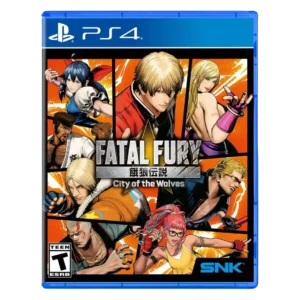
The core fighting was described as excellent, with the actual moment-to-moment combat standing out most.
Car Meets appear to deepen the car culture angle by letting players browse shared designs and even buy pink slips from appealing builds.
One review said the defensive and aggressive systems work together to create more balanced fights.
Previews point to a huge roster of cars and a broad mix of things to do beyond standard races, from collecting to open-world activities.
The package was repeatedly framed as content-rich, with plenty of single-player and multiplayer ways to play.
Wheel impressions say Horizon 6 responds accurately, with steering going where the player expects rather than fighting inputs.
Controls were praised as smooth and responsive in motion.
The loop is still built around driving, exploring, and naturally stumbling into activities instead of focusing only on structured race wins.
The loop of strategy, mind games, and explosive damage was singled out as especially satisfying.
Cross-play was explicitly praised for making it easier to find opponents across platforms.
Dialogue drew criticism in one review for feeling random at times.
One review said campaign fights felt evenly matched for most of the run, aside from bosses.
A review praised the first season DLC being included free for owners, boosting perceived value.
Driving stays approachable and Horizon-like, but at least one preview finds the controller handling twitchy and overly prone to oversteer.
Early hands-on coverage suggests credits come in quickly enough to support experimenting with upgrades and swaps without much friction.
Meter management and REV decisions were described as important tactical tradeoffs during matches.
Japan’s map is repeatedly described as dense and richly detailed, even by critics who still want more city life and traffic.
Stages were praised for animated background elements and lively scene detail.
Exploration is one of the strongest themes in the reviews, with multiple writers saying the world constantly tempts them to keep roaming.
Episodes of South Town was credited with letting players explore the city district by district.
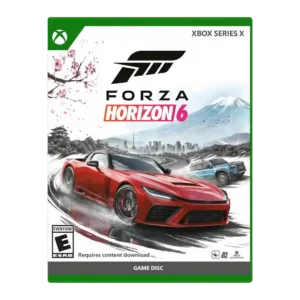
At least one outlet frames Horizon 6 as a return to form that preserves Horizon’s identity while improving where Horizon 5 felt weaker.
One review said the presentation modernizes the game while staying true to the series.
Player houses doubling as fast travel points should make moving around the large map much easier once they are unlocked.
Preview players repeatedly describe the available quality mode as stable and locked in rather than inconsistent.
Performance was praised as flawless, with no stutters or drops during flashy moments.
Across previews, Horizon 6 is repeatedly described as playful, approachable driving fun, especially when the handling and event design line up.
Multiple reviews describe the game as simply fun, with one explicitly saying they had a lot of fun throughout.
The underlying mechanics remain rooted in Horizon’s familiar open-world racing formula: explore freely, enter events, and customize cars.
The REV system was praised as a fantastic new layer that deepens the broader mechanics.
The Japan setting is widely described as the best-looking Horizon yet, with multiple previews calling it a clear visual step up.
Visuals were strongly praised in at least one review, especially character detail and lighting.
One review criticized Episodes of South Town for feeling more like grinding in an RPG than pure skill growth.
One PC-focused review argues the modest minimum requirements make handheld play on Steam Deck-class devices look plausible.
New awareness tools like the proximity radar and optional leaderboard elements are praised for adding information without forcing clutter.
The best previews say the map sells a convincing Japanese driving fantasy, though some footage still feels less lived-in than it should.
A review said the stage variety made fights feel like a city-wide tour through town, strengthening immersion.
Reviewers see meaningful additions such as Time Attack circuits and Car Meets, but not a full reinvention of the Horizon template.
The quest-led campaign concept was described as moving the needle for the fighting genre.
Sensitive handling and car-specific tuning mean some players will need time to adapt before the driving fully clicks.
Reviews frequently positioned the game as accessible at first touch but demanding to truly master.
Free season-one DLC was cited as a reason the game should stay engaging over the long haul.
One review felt the game digs deeper into story and lore than expected after the long wait.
The GPS and road layout are described as clear and useful, helping the giant map feel easy to traverse instead of cumbersome.
Matchmaking impressions were mixed: one review reported long waits in betas, while another praised quick matchmaking and smooth online performance.
Room-match navigation was criticized for relying on a slow-moving cursor and feeling awkward.
The race events sound reliable and on-brand for Horizon, even if previews have not yet shown radically new event structure.
The campaign was praised for presenting different fighting scenarios instead of repeating the same setup.
The early build already shows a wide spread of event types, including circuit races, drag races, rally events, stunts, and cross-country play.
Mission variety was supported by examples like gauntlets and multi-opponent encounters.
Monetization impressions were mixed, with one review praising free included DLC and another objecting to paying extra for fan-favorite content.
Input feel earns good marks on a wheel, but controller-based handling impressions are more mixed because of the extra twitchiness.
One review praised the game’s excellent flow in matches, suggesting strong movement feel once systems click.
Preview coverage points to flexible social racing options, with events and spaces that support solo play, competitive play, and shared-session activity.
A review described the overall multiplayer offering as valuable within a sizable package.
Narrative coverage praised the quest-led story structure and the amount of campaign content.
The opening tourist setup and guided intro appear welcoming, giving players an easy way into the setting and early progression systems.
One review said the game was easier to pick up than expected, even for someone worried about complexity.
Online stability drew split impressions: one review said rollback play was stable, while another encountered disconnects and poor signal.
The map is the consensus standout, with repeated praise for its size, density, variety, and how rewarding it is to simply drive around.
Japan makes the package feel fresher, but several reviews also say the broader Horizon structure remains very familiar.
A review described the combat as feeling both familiar and fresh rather than derivative.
Reviews praise how travel, exploration, and progression flow together, making even the space between events feel worthwhile.
The main complaint in one otherwise positive review was that the PvE side ends too quickly.
Early PC-focused coverage is optimistic that Horizon 6 is being built with strong optimization in mind rather than punishing requirements.
Optimization was praised thanks to flawless performance and no noticeable stutter during supers.
Wheel support receives explicit attention, and early impressions suggest Horizon 6 is taking steering-wheel play more seriously than before.
Multiple previews say the overall presentation feels more polished than previous entries, especially visually.
A review described the overall package as complete and rewarding, pointing to solid polish despite smaller rough edges elsewhere.
The return of gated wristbands and slower unlock pacing is broadly seen as a more purposeful and satisfying progression structure.
Episodes of South Town uses battle-earned experience and leveling as its main progression structure.
Several reviewers kept roaming long after the guided preview content ended, which suggests strong short-term replay pull.
One review said the content and upcoming support should keep players engaged for the long haul.
A major appeal is the freedom to drive almost anywhere, pick your own activities, and set your own pace.
Seasonal changes are described as more dramatic and meaningful than before, especially in Japan’s contrasting regions.
RPG-lite progression includes new skills and abilities as characters level up.
Permanent Car Meets and related shared-world hooks are positioned as stronger social anchors than past Horizon games offered.
Previews mention improved weather audio, engine sounds, and surface detail that help the world and cars feel more tactile.
Sound effects were described as strong and impactful overall.
One preview specifically praises the Japanese radio vibe and says the music brings back classic Horizon energy.
The soundtrack was praised for its diversity, ranging from funk-inspired tracks to heavier material.
Tutorial impressions were positive but mixed in strength: one review called it passable, while another called it really good.
Tuning, garage customization, and more impactful upgrades are all highlighted as meaningful parts of the experience.
Reviewers like the cleaner map presentation and the extra control over UI elements such as split times and radar placement.
UI design was criticized as ugly and frustrating even when the game itself was strong.
One review flatly said the game is definitely worth checking out.
Weather, lighting, and screenshot-friendly presentation are repeatedly singled out as strengths.
Lighting effects and visual flourishes were explicitly praised.
Voice acting impressions were mixed: one review praised the English cast, while another disliked the lack of voice acting in part of Episodes of South Town.
The setting sells a strong sense of place through biomes, landmarks, and a more distinct regional identity than prior maps.
The game’s lore and setting inspired enough interest that one reviewer emphasized being invested in South Town and Fatal Fury history.
This is a recurring weak spot, with reviews noting that traffic and the city still react very little to the player.
Writing received a lukewarm read in one review, which called it nothing special.