Accessibility was one of the clearest strengths. Modern, Dynamic, and streamlined control options repeatedly made the game feel welcoming without removing competitive depth.
One review called the game fully accessible with remappable controls and subtitles, but also noted the lack of colorblind modes.
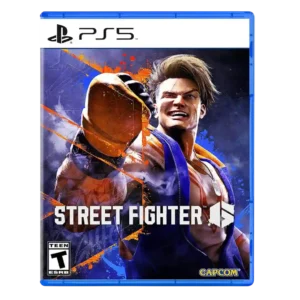
Age appropriateness was supported by the T rating and content-guide details about fighting, mild blood, outfits, smoking, gangs, and alcohol-themed fighting style.
A reviewed accessibility/parents section described the game as ESRB Teen with language, suggestive themes, and violence.
AI behavior was supported by the post-launch V-Rival mode, which simulates real player tactics for practice.
One review found the AI frustratingly reactive in arcade-style play, saying many moves were blocked and countered immediately.
Animation quality was praised through expressive faces, sleek combat animation, and vibrant character movement.
Reviews praised the smooth animation work, linking it to the game’s flashy, readable presentation.
Art direction was praised for neon, graffiti, attitude, and a strong aesthetic identity.
The comic book-inspired art style was highlighted as a standout part of the package.
Atmosphere was praised for hip-hop tone, old-school arcade feeling, and street-punk energy.
One review said each location had its own unique look and feel, helping the stages avoid sameness.
A review noted Campaign+ culminates in a brutal final boss, suggesting a strong challenge spike.
Character development appeared mainly in World Tour's master interactions, bonds, backstories, and character-specific quests.
Arcade mode was praised for delivering nice character-building moments and long-awaited payoffs for fans.
Multiple reviews singled out the roster as a major strength, describing the lineup as both varied and among the series' best.
Class balance was supported by comments that the roster was well-balanced and that every character remained viable in some way.
The combat system drew the strongest praise across the review set. Reviewers repeatedly highlighted the Drive Gauge, risk/reward decisions, creativity, and expressive fighting tools as defining strengths.
The core fighting was described as excellent, with the actual moment-to-moment combat standing out most.
Community features were praised through Battle Hub's arcade-like social structure, clubs, and sense of community.
Competitive balance was viewed positively overall, especially through roster/system integration and later balance changes, with Drive Rush caveats not treated as game-breaking.
One review said the defensive and aggressive systems work together to create more balanced fights.
Content variety was a major strength. Reviews repeatedly noted the large amount of modes, offline content, World Tour, Battle Hub, Fighting Ground, and post-launch additions.
The package was repeatedly framed as content-rich, with plenty of single-player and multiplayer ways to play.
Controls were generally described as responsive across versions, with reviewers noting smooth gamepad play, near-instant response, and consistent combo timing even on older hardware.
Controls were praised as smooth and responsive in motion.
The central loop was described as world-class and easy to enjoy moment to moment, with fights that feel simple to enter but deep enough to keep learning.
The loop of strategy, mind games, and explosive damage was singled out as especially satisfying.
Cross-play support was clearly confirmed by reviewers who cited cross-play across platforms.
Cross-play was explicitly praised for making it easier to find opponents across platforms.
Dialogue drew criticism in one review for feeling random at times.
Difficulty balance was mixed. Core fighting remained rewarding, but World Tour was described both as too easy by one reviewer and frustratingly uneven by others.
One review said campaign fights felt evenly matched for most of the run, aside from bosses.
DLC value was positive where reviews noted bundled Year 1 and Year 2 fighters or ongoing DLC characters as meaningful additions.
A review praised the first season DLC being included free for owners, boosting perceived value.
Meter management and REV decisions were described as important tactical tradeoffs during matches.
The game had emotional impact for at least one reviewer by reigniting competitive excitement lost after Street Fighter V.
Enemy variety was praised in World Tour, where different opponent behaviors teach situations like anti-airs, lows, zoning, and unusual enemy types.
Environmental detail was mixed: Metro City could feel lively and bustling, while older hardware reduced background density.
Stages were praised for animated background elements and lively scene detail.
Exploration was mostly positive, especially in World Tour's RPG-style spaces and hidden discoveries, though not every area offered full exploration depth.
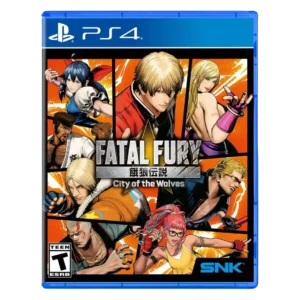
Episodes of South Town was credited with letting players explore the city district by district.
Faithfulness to franchise was strong, with reviewers saying the game carries the spirit of Street Fighter and was designed for series fans.
One review said the presentation modernizes the game while staying true to the series.
Family friendliness was limited but present through casual party-style modes suited to friends or family.
Fast travel convenience was supported only after unlocking points through side missions, making early traversal less convenient.
Frame rate stability was strong in standard versus combat but uneven in World Tour, handheld, PC, PS4, and Xbox-specific situations mentioned by reviewers.
Performance was praised as flawless, with no stutters or drops during flashy moments.
Fun factor was very high overall, with reviewers repeatedly describing the game as hard to put down, amazing, endearing, and a great fighting experience.
Multiple reviews describe the game as simply fun, with one explicitly saying they had a lot of fun throughout.
Reviewers praised the Drive-led mechanics for opening up many tactical options and giving players substantial depth in how they manage pressure, offense, and defense.
The REV system was praised as a fantastic new layer that deepens the broader mechanics.
Graphics quality was generally strong, especially on newer hardware and in fights, though the PS4 and some World Tour areas showed visual compromises.
Visuals were strongly praised in at least one review, especially character detail and lighting.
Grind level was a recurring World Tour drawback, with reviewers mentioning slow style leveling and hours spent grinding stats or unlocks.
One review criticized Episodes of South Town for feeling more like grinding in an RPG than pure skill growth.
Handheld play suitability was a Switch 2 strength, with reviewers emphasizing portability and playing on the go.
HUD clarity was supported by one review's note that combat information was clear and well telegraphed.
A review said the stage variety made fights feel like a city-wide tour through town, strengthening immersion.
Innovation was supported by the Drive System, which one review called one of the series' most interesting developments.
The quest-led campaign concept was described as moving the needle for the fighting genre.
The learning curve remains real because the Drive system has many layers, but training systems and gradual learning hooks make it manageable.
Reviews frequently positioned the game as accessible at first touch but demanding to truly master.
Live-service support was positive in later reviews, which cited new features, updates, reworks, patches, and ongoing DLC plans.
Free season-one DLC was cited as a reason the game should stay engaging over the long haul.
Load times were split by platform: one PS4 review found loading sluggish, while another review praised quick load times and fast rematches.
Gear and loot were a weaker point in one review, which found desirable apparel sparse despite the broader customization systems.
One review felt the game digs deeper into story and lore than expected after the long wait.
Map and navigation design was mixed, with fast travel unlocks helping but some fixed-camera or navigation limitations still noted.
Matchmaking quality was supported by fast rematches and smooth online flow in the PC Gamer review.
Matchmaking impressions were mixed: one review reported long waits in betas, while another praised quick matchmaking and smooth online performance.
Room-match navigation was criticized for relying on a slow-moving cursor and feeling awkward.
Microtransaction impact was one of the main caveats, with several reviews calling out battle passes, premium currency, or aggressive cosmetic monetization.
Mission design was mixed: some missions smartly teach mechanics, but other story missions were described as repetitive and bloated.
The campaign was praised for presenting different fighting scenarios instead of repeating the same setup.
Mission variety was supported by the presence of fun minigames and side activities that break up World Tour's standard fights.
Mission variety was supported by examples like gauntlets and multi-opponent encounters.
Monetization fairness was a concern. Reviewers disliked premium currency and battle passes, though one review noted avatar purchases were cosmetic and not pay-to-win.
Monetization impressions were mixed, with one review praising free included DLC and another objecting to paying extra for fan-favorite content.
One review praised the game’s excellent flow in matches, suggesting strong movement feel once systems click.
Multiplayer design was praised through the online arcade/Battle Hub structure and the overall set of online modes.
A review described the overall multiplayer offering as valuable within a sizable package.
Narrative quality was mixed to weak. Reviewers enjoyed the silliness and setup in places, but several called World Tour's story weak, dull, shallow, or not especially good.
Narrative coverage praised the quest-led story structure and the amount of campaign content.
The onboarding experience was praised for welcoming newcomers, lowering intimidation, and helping players improve through controls, tutorials, and World Tour structure.
One review said the game was easier to pick up than expected, even for someone worried about complexity.
Online stability was mostly praised, with multiple reviewers citing excellent netcode, smooth sessions, and few connection issues, though PS4 Battle Hub play was weaker.
Online stability drew split impressions: one review said rollback play was stable, while another encountered disconnects and poor signal.
The open-world structure was praised as ambitious and unusually substantial for a fighting game, with several reviewers comparing it to a Yakuza-like RPG or semi-open campaign.
A review described the combat as feeling both familiar and fresh rather than derivative.
Pacing drew criticism where World Tour quests and day-night transitions were viewed as padding that slowed progress.
The main complaint in one otherwise positive review was that the PvE side ends too quickly.
Performance optimization varied by mode and platform. Standard matches were often smooth, but World Tour and PS4/Switch-specific situations showed drops or chugging.
Optimization was praised thanks to flawless performance and no noticeable stutter during supers.
Platform-specific feature support was mixed: Switch 2 touch, motion, and portable features were noted, while exclusive modes and PS4 compromises limited enthusiasm.
Platforming inside World Tour was called weak, with one review specifically criticizing it as awful rather than a strength of the mode.
A review described the overall package as complete and rewarding, pointing to solid polish despite smaller rough edges elsewhere.
Progression was mixed because unlocks and character-style growth could feel too slow despite the appeal of learning new moves.
Episodes of South Town uses battle-earned experience and leveling as its main progression structure.
Quest design was criticized for simple fetch-style tasks and backtracking, even though the broader World Tour structure had appeal.
Replay value was repeatedly supported by ranked grinding, long-term play, post-launch updates, and comments that the game can support short or very long engagement.
One review said the content and upcoming support should keep players engaged for the long haul.
Seasonal content quality was supported by added characters, stages, Battle Hub events, and gameplay features after launch.
The skill tree adds RPG-style stat growth, though the evidence focused more on its presence than on exceptional depth.
RPG-lite progression includes new skills and abilities as characters level up.
Social features were mixed-positive. Battle Hub was often praised as welcoming or arcade-like, though one Switch 2 review found it empty and one PS4 review saw pop-in.
Sound design was praised for shouts, screams, impacts, and crunchy fight feedback that reinforced presentation.
Sound effects were described as strong and impactful overall.
The soundtrack supported the game's energy and helped create intense fights.
The soundtrack was praised for its diversity, ranging from funk-inspired tracks to heavier material.
Tutorial quality was very strong, with reviews praising training tools, character guides, combo trials, mechanic lessons, and modes that teach fundamentals through play.
Tutorial impressions were positive but mixed in strength: one review called it passable, while another called it really good.
User interface design was a weakness in some modes, with reviewers calling menus hard to navigate or abstruse.
UI design was criticized as ugly and frustrating even when the game itself was strong.
Value for money was strong due to content volume, quality, and reviewer statements that the game is worth its price.
One review flatly said the game is definitely worth checking out.
Visual effects quality was a clear strength, especially the graffiti-like Drive Impact effects, paint splashes, and spectacular fight visuals.
Lighting effects and visual flourishes were explicitly praised.
Voice acting and commentary received positive mention through the real-time commentary feature, which made matches feel like tournament broadcasts.
Voice acting impressions were mixed: one review praised the English cast, while another disliked the lack of voice acting in part of Episodes of South Town.
World-building was supported through Metro City, franchise references, and an over-the-top campaign tone rooted in Street Fighter and Final Fight history.
The game’s lore and setting inspired enough interest that one reviewer emphasized being invested in South Town and Fatal Fury history.
World interactivity was supported by the ability to challenge NPCs directly in the map, helping World Tour feel more reactive than a static story mode.
Writing quality was criticized in World Tour by one reviewer who called the story nonsense, separating the goofy charm from stronger narrative writing.
Writing received a lukewarm read in one review, which called it nothing special.