Accessibility was one of the clearest strengths. Modern, Dynamic, and streamlined control options repeatedly made the game feel welcoming without removing competitive depth.
The reviews consistently note robust accessibility support, including visual adjustments, accessibility tools, and options to bypass major gameplay demands.
Age appropriateness was supported by the T rating and content-guide details about fighting, mild blood, outfits, smoking, gangs, and alcohol-themed fighting style.
Reviews describe abuse, kidnapping, murder, and similarly heavy material, making the game better suited to older teens and adults than younger players.
AI behavior was supported by the post-launch V-Rival mode, which simulates real player tactics for practice.
Animation quality was praised through expressive faces, sleek combat animation, and vibrant character movement.
The stop-motion-inspired animation is widely praised for giving the game a distinctive, intentionally stylized look.
Art direction was praised for neon, graffiti, attitude, and a strong aesthetic identity.
Reviewers repeatedly highlight the game’s strong artistic vision and highly stylized presentation as standout strengths.
Atmosphere was praised for hip-hop tone, old-school arcade feeling, and street-punk energy.
The Deep South setting, folklore, and haunting tone create an atmosphere reviewers found memorable and absorbing.
Bosses are generally seen as memorable and varied enough to stand out, even by reviewers who were cooler on regular combat.
Technical issues exist, but the reviews point to occasional bugs rather than constant problems.
Camera issues are a real weakness, with at least one review citing camera glitches and another criticizing lock-on behavior in crowded fights.
Character development appeared mainly in World Tour's master interactions, bonds, backstories, and character-specific quests.
Hazel’s personal growth lands well in stronger reviews, which describe her coming into her own over the course of the story.
Multiple reviews singled out the roster as a major strength, describing the lineup as both varied and among the series' best.
Class balance was supported by comments that the roster was well-balanced and that every character remained viable in some way.
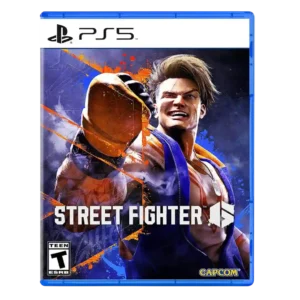
The combat system drew the strongest praise across the review set. Reviewers repeatedly highlighted the Drive Gauge, risk/reward decisions, creativity, and expressive fighting tools as defining strengths.
Combat is functional but divisive: some reviewers enjoyed the late-game flow, while many still found it shallow or merely serviceable.
Community features were praised through Battle Hub's arcade-like social structure, clubs, and sense of community.
Crouton adds a useful twist by briefly turning enemies against each other, but companion play is treated as a light supplement rather than a core pillar.
Competitive balance was viewed positively overall, especially through roster/system integration and later balance changes, with Drive Rush caveats not treated as game-breaking.
Content variety was a major strength. Reviews repeatedly noted the large amount of modes, offline content, World Tour, Battle Hub, Fighting Ground, and post-launch additions.
The game offers varied scenery and chapter-to-chapter folklore color, even if its structure stays linear.
Controls were generally described as responsive across versions, with reviewers noting smooth gamepad play, near-instant response, and consistent combo timing even on older hardware.
Responsiveness is mixed, with some criticism of sluggishness or delay despite otherwise playable controls.
The central loop was described as world-class and easy to enjoy moment to moment, with fights that feel simple to enter but deep enough to keep learning.
The core loop is easy to grasp but becomes repetitive, especially once combat arenas start repeating the same pattern.
Crash stability looks solid overall, with reviews mentioning smooth runs and no widespread crash issues.
Cross-play support was clearly confirmed by reviewers who cited cross-play across platforms.
Dialogue is regularly described as natural, conversational, and believable.
Difficulty balance was mixed. Core fighting remained rewarding, but World Tour was described both as too easy by one reviewer and frustratingly uneven by others.
Difficulty tuning is uneven: some found it fair and forgiving, while others felt combat spikes unless eased on lower settings.
DLC value was positive where reviews noted bundled Year 1 and Year 2 fighters or ongoing DLC characters as meaningful additions.
The game had emotional impact for at least one reviewer by reigniting competitive excitement lost after Street Fighter V.
The game’s storytelling and themes hit hard emotionally, with multiple reviewers saying it stirred strong feelings.
Enemy variety was praised in World Tour, where different opponent behaviors teach situations like anti-airs, lows, zoning, and unusual enemy types.
Enemy variety is enough to create some contrast early on, but several reviews say the same enemy sets wear out their welcome.
Environmental detail was mixed: Metro City could feel lively and bustling, while older hardware reduced background density.
Environmental detail is a major strength, with richly dressed spaces and strong place-making throughout Prospero.
Exploration was mostly positive, especially in World Tour's RPG-style spaces and hidden discoveries, though not every area offered full exploration depth.
Exploration is pleasant for atmosphere and light secrets, but many reviewers found it simple and not especially rewarding.
Character faces and expressions are frequently praised for helping cutscenes land emotionally.
Faithfulness to franchise was strong, with reviewers saying the game carries the spirit of Street Fighter and was designed for series fans.
Family friendliness was limited but present through casual party-style modes suited to friends or family.
Its story regularly deals with trauma, abuse, kidnapping, and murder, so it is not presented as family-friendly entertainment.
Fast travel convenience was supported only after unlocking points through side missions, making early traversal less convenient.
Frame rate stability was strong in standard versus combat but uneven in World Tour, handheld, PC, PS4, and Xbox-specific situations mentioned by reviewers.
Frame-rate performance is mixed rather than disastrous, ranging from smooth reports to visible dips on some platforms.
Fun factor was very high overall, with reviewers repeatedly describing the game as hard to put down, amazing, endearing, and a great fighting experience.
Even with clear flaws, several reviewers still describe the overall experience as enjoyable and easy to recommend to story-minded players.
Reviewers praised the Drive-led mechanics for opening up many tactical options and giving players substantial depth in how they manage pressure, offense, and defense.
The mechanics are competent and readable, but most reviews frame them as familiar rather than inventive.
Graphics quality was generally strong, especially on newer hardware and in fights, though the PS4 and some World Tour areas showed visual compromises.
Visual fidelity is widely praised, especially the lighting, environments, and overall presentation quality.
Grind level was a recurring World Tour drawback, with reviewers mentioning slow style leveling and hours spent grinding stats or unlocks.
Handheld play suitability was a Switch 2 strength, with reviewers emphasizing portability and playing on the go.
One review specifically calls the Steam Deck a perfectly fine place to play, suggesting good handheld suitability.
The game sustains a creepy, Southern Gothic unease without leaning entirely into full horror.
HUD clarity was supported by one review's note that combat information was clear and well telegraphed.
Combat readability suffers a bit, with cooldown information criticized for relying on visual indicators without explicit timers.
Strong regional detail and careful environmental touches help the world feel immersive and lived in.
Innovation was supported by the Drive System, which one review called one of the series' most interesting developments.
The setting and cultural framing feel fresh, but reviewers are clear that the underlying gameplay systems are not especially groundbreaking.
The learning curve remains real because the Drive system has many layers, but training systems and gradual learning hooks make it manageable.
The learning curve is moderate, with some early friction but not much severe punishment once systems click.
Level design earns praise for comfort, clarity, and striking spaces, even from reviewers who dislike other parts of the game.
Live-service support was positive in later reviews, which cited new features, updates, reworks, patches, and ongoing DLC plans.
Load times were split by platform: one PS4 review found loading sluggish, while another review praised quick load times and fast rematches.
Gear and loot were a weaker point in one review, which found desirable apparel sparse despite the broader customization systems.
The game’s folklore, notes, and chapter tales give the world satisfying lore density for a compact adventure.
Map and navigation design was mixed, with fast travel unlocks helping but some fixed-camera or navigation limitations still noted.
Navigation is mixed: guidance tools keep the critical path clear, but at least one reviewer disliked the lack of a map.
Matchmaking quality was supported by fast rematches and smooth online flow in the PC Gamer review.
Menus are described as straightforward and easy to understand.
Microtransaction impact was one of the main caveats, with several reviews calling out battle passes, premium currency, or aggressive cosmetic monetization.
Mission design was mixed: some missions smartly teach mechanics, but other story missions were described as repetitive and bloated.
Mission variety was supported by the presence of fun minigames and side activities that break up World Tour's standard fights.
Chapter-based subplots and folklore arcs give the campaign more mission-to-mission variety than its combat structure suggests.
Monetization fairness was a concern. Reviewers disliked premium currency and battle passes, though one review noted avatar purchases were cosmetic and not pay-to-win.
Movement generally feels smooth and satisfying during traversal, helping the game maintain momentum between fights.
Multiplayer design was praised through the online arcade/Battle Hub structure and the overall set of online modes.
Narrative quality was mixed to weak. Reviewers enjoyed the silliness and setup in places, but several called World Tour's story weak, dull, shallow, or not especially good.
Narrative reception is mixed but positive overall, with strong praise for the main themes offset by complaints about loose connective tissue or unresolved threads.
The onboarding experience was praised for welcoming newcomers, lowering intimidation, and helping players improve through controls, tutorials, and World Tour structure.
The onboarding is effective in some reviews thanks to strong tutorial framing, but others felt the game over-explains too much.
Online stability was mostly praised, with multiple reviewers citing excellent netcode, smooth sessions, and few connection issues, though PS4 Battle Hub play was weaker.
The open-world structure was praised as ambitious and unusually substantial for a fighting game, with several reviewers comparing it to a Yakuza-like RPG or semi-open campaign.
The game’s blend of Deep South folklore and modern fairy-tale framing gives it a notably original identity.
Pacing drew criticism where World Tour quests and day-night transitions were viewed as padding that slowed progress.
Pacing is mostly seen as good for a short campaign, though some reviews call out a slow start or abrupt later beats.
Performance optimization varied by mode and platform. Standard matches were often smooth, but World Tour and PS4/Switch-specific situations showed drops or chugging.
Optimization appears generally sound, with several reviews noting stable play and few major hitches.
Platform-specific feature support was mixed: Switch 2 touch, motion, and portable features were noted, while exclusive modes and PS4 compromises limited enthusiasm.
Platforming inside World Tour was called weak, with one review specifically criticizing it as awful rather than a strength of the mode.
Platforming is approachable yet precise enough that jumps, wall-runs, and grapples usually feel reliable.
Overall polish is good but not spotless, with strong presentation covering for a handful of rough edges.
Progression was mixed because unlocks and character-style growth could feel too slow despite the appeal of learning new moves.
Progression helps later combat somewhat, but many reviews still frame it as limited rather than transformative.
Hazel is one of the game’s clearest strengths, regularly praised as likable, charming, and easy to follow.
Puzzle design is one of the weaker areas, with repeated criticism that solutions are too obvious or low challenge.
Quest design was criticized for simple fetch-style tasks and backtracking, even though the broader World Tour structure had appeal.
Replay value was repeatedly supported by ranked grinding, long-term play, post-launch updates, and comments that the game can support short or very long engagement.
Replay appeal looks limited for most reviewers, who did not view combat or structure as reasons to revisit the whole campaign.
Seasonal content quality was supported by added characters, stages, Battle Hub events, and gameplay features after launch.
Even brief side characters leave an impression thanks to expressive writing and presentation.
The skill tree adds RPG-style stat growth, though the evidence focused more on its presence than on exceptional depth.
The skill tree is consistently described as small or underwhelming, with limited build depth.
Social features were mixed-positive. Battle Hub was often praised as welcoming or arcade-like, though one Switch 2 review found it empty and one PS4 review saw pop-in.
Sound design was praised for shouts, screams, impacts, and crunchy fight feedback that reinforced presentation.
Sound design is excellent, with ambient effects and movement cues repeatedly highlighted as part of the game’s identity.
The soundtrack supported the game's energy and helped create intense fights.
The soundtrack is one of the game’s biggest draws, earning repeated praise for memorable songs and strong story integration.
Tutorial quality was very strong, with reviews praising training tools, character guides, combo trials, mechanic lessons, and modes that teach fundamentals through play.
Tutorial quality is mixed: one review praises its narrative framing, while another finds the pop-ups overbearing.
Upgrades exist, but several reviews argue they do not evolve combat enough to feel essential.
User interface design was a weakness in some modes, with reviewers calling menus hard to navigate or abstruse.
The UI is praised for being clean, simple, and easy to navigate.
Value for money was strong due to content volume, quality, and reviewer statements that the game is worth its price.
At full price the value feels decent rather than outstanding, with some reviewers specifically steering buyers toward Game Pass.
Visual effects quality was a clear strength, especially the graffiti-like Drive Impact effects, paint splashes, and spectacular fight visuals.
Lighting, fog, and other visual flourishes regularly stand out and help scenes feel cinematic.
Voice acting and commentary received positive mention through the real-time commentary feature, which made matches feel like tournament broadcasts.
Voice acting is a standout, with performances repeatedly singled out as authentic and emotionally effective.
World-building was supported through Metro City, franchise references, and an over-the-top campaign tone rooted in Street Fighter and Final Fight history.
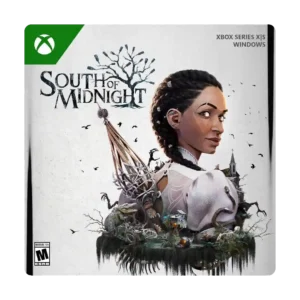
The world-building around Prospero, its folklore, and its history is one of the game’s biggest strengths.
World interactivity was supported by the ability to challenge NPCs directly in the map, helping World Tour feel more reactive than a static story mode.
Writing quality was criticized in World Tour by one reviewer who called the story nonsense, separating the goofy charm from stronger narrative writing.
Writing is one of the better-regarded parts of the package, especially in dialogue and scene construction, even if some larger story beats divide reviewers.