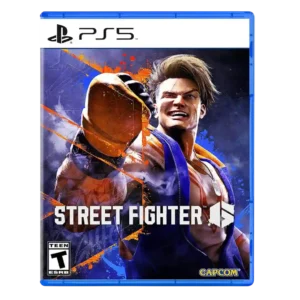
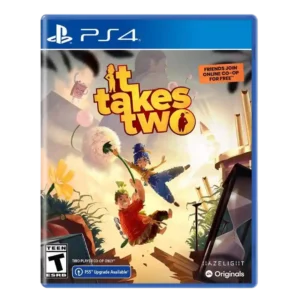
Compare Street Fighter 6 vs It Takes Two

P1 Street Fighter 6
P2 It Takes Two

Comparison Takeaways

Street Fighter 6

Where It Has the Edge

  • dialogue quality is 4.5 vs 2.4. Dialogue and small master interactions were warmly received, especially casual chats and text-message moments.
  • character development is 4.0 vs 2.0. Character development showed up in master bonds and arcade/world interactions, but it was not the central narrative strength.
  • family friendliness is 4.0 vs 3.0. Family or casual-group play was supported by Dynamic controls, party-style modes, and approachable local play.
  • replay value is 4.9 vs 3.9. Replay value was very high thanks to ranked play, Battle Hub, training, World Tour completion, and long-term competitive...

It Takes Two

Where It Has the Edge

  • platforming precision is 5.0 vs 2.0. Platforming precision receives strong praise, with reviewers calling it responsive, precise, and effortless.
  • monetization fairness is 5.0 vs 2.6. Monetization fairness is praised because Friend Pass/pro-consumer ownership rules let two people play without both buying full copies.
  • frame rate stability is 5.0 vs 2.8. Frame rate stability is praised across PC/console/Switch coverage, with reviewers noting steady or smooth performance.
  • polish is 5.0 vs 3.0. Polish is praised through comments about thoughtful production, virtual glitch-free execution, and masterful construction.
Average score
Product 1: Street Fighter 6
4.0
Product 2: It Takes Two
4.4
accessibility options
Product 1: Street Fighter 6
4.8

Accessibility was a standout, with Modern/Dynamic controls and approachable design repeatedly praised for welcoming new players.

Product 2: It Takes Two
No score yet
age appropriateness
Product 1: Street Fighter 6
No score yet
Product 2: It Takes Two
3.0

Age appropriateness is mixed-to-cautious: reviewers note mature themes, marriage metaphors, and challenge that may not fit younger children.

AI behavior
Product 1: Street Fighter 6
3.3

AI-related features were mixed: V-Rival-style practice was useful, while some World Tour AI behavior drew criticism.

Product 2: It Takes Two
No score yet
animation quality
Product 1: Street Fighter 6
5.0

Animation quality stood out through expressive character movement and polished fight presentation.

Product 2: It Takes Two
5.0

Animation is praised for Pixar-like presentation, squash-and-stretch style, and strong mocap-style character work.

art direction
Product 1: Street Fighter 6
5.0

Art direction was a major strength, with repeated praise for the graffiti, hip-hop, urban, and colorful visual identity.

Product 2: It Takes Two
4.8

Art direction is widely praised as remarkable, gorgeous, imaginative, and strong enough to survive Switch visual compromises.

atmosphere
Product 1: Street Fighter 6
5.0

The atmosphere captured an arcade/community feeling that several reviewers found nostalgic and energizing.

Product 2: It Takes Two
5.0

Atmosphere is praised for wonder, warmth, and imaginative environmental mood.

battle pass value
Product 1: Street Fighter 6
2.0

Battle pass value was viewed negatively as unnecessary in a paid fighting game.

Product 2: It Takes Two
No score yet
boss design
Product 1: Street Fighter 6
No score yet
Product 2: It Takes Two
4.7

Bosses are praised as fun, challenging, cinematic, and sometimes wonderful, with checkpoints supporting the tougher encounters.

bug frequency
Product 1: Street Fighter 6
No score yet
Product 2: It Takes Two
4.0

Bug frequency appears low in the evidence, with one review reporting only minor graphical bugs plus one checkpoint-reset issue.

camera behavior
Product 1: Street Fighter 6
No score yet
Product 2: It Takes Two
4.5

Camera behavior receives a positive note for keeping up with fast, dynamic action.

character development
Product 1: Street Fighter 6
4.0

Character development showed up in master bonds and arcade/world interactions, but it was not the central narrative strength.

Product 2: It Takes Two
2.0

Character development draws criticism from two reviews that felt May and Cody's marital issues were not explored deeply enough.

character roster
Product 1: Street Fighter 6
4.8

The roster was widely praised as balanced, varied, stylish, and strong for both returning and new characters.

Product 2: It Takes Two
No score yet
checkpoint system
Product 1: Street Fighter 6
No score yet
Product 2: It Takes Two
5.0

Checkpointing is praised as extremely generous or instant, making experimentation and deaths less punishing.

class balance
Product 1: Street Fighter 6
4.5

Class or archetype balance was praised through comments that every character had viable strengths and weaknesses.

Product 2: It Takes Two
No score yet
co-op experience
Product 1: Street Fighter 6
No score yet
Product 2: It Takes Two
5.0

Co-op experience is the clearest strength, with every review praising how essential, joyful, collaborative, or unusually strong the cooperative play feels.

combat system
Product 1: Street Fighter 6
4.9

Combat earned the strongest praise: reviewers highlighted expressive Drive options, strategic meter use, and satisfying risk-reward decisions.

Product 2: It Takes Two
No score yet
community features
Product 1: Street Fighter 6
4.8

Community features were praised through Battle Hub's arcade feel, rival/friend tools, and social gathering design.

Product 2: It Takes Two
No score yet
competitive balance
Product 1: Street Fighter 6
4.3

Competitive balance was viewed positively overall, especially the Drive system, Modern tradeoffs, and later character viability.

Product 2: It Takes Two
4.0

Competitive balance is mixed: core roles are praised as equal, but some minigames or character roles are described as one-sided.

content variety
Product 1: Street Fighter 6
4.9

Content variety was a major strength, with reviewers emphasizing the breadth of modes, training, arcade, online, and offline extras.

Product 2: It Takes Two
5.0

Content variety is one of the strongest consensus points, with reviewers praising constant new mechanics, tools, genres, settings, and minigames.

controls responsiveness
Product 1: Street Fighter 6
4.6

Responsiveness was strong across most versions, though weaker platforms and connections could still affect the feel.

Product 2: It Takes Two
4.8

Controls are widely praised as responsive, tight, natural, and accessible, with only the Switch Joy-Con feel drawing a mild caveat.

core gameplay loop
Product 1: Street Fighter 6
4.8

The core loop was repeatedly described as quick, satisfying, addictive, and hard to put down.

Product 2: It Takes Two
5.0

The core loop is described as a well-crafted platforming foundation that supports the game's cooperative variety.

couch co-op quality
Product 1: Street Fighter 6
No score yet
Product 2: It Takes Two
5.0

Couch co-op is repeatedly praised as a natural or superior way to experience the game.

dialogue quality
Product 1: Street Fighter 6
4.5

Dialogue and small master interactions were warmly received, especially casual chats and text-message moments.

Product 2: It Takes Two
2.4

Dialogue quality is mixed, with some humorous or realistic dialogue but repeated criticism of Dr. Hakim as cringy or uncomfortable.

difficulty balance
Product 1: Street Fighter 6
2.6

Difficulty balance was mixed, with some reviewers finding World Tour too easy and others hitting frustrating late-game spikes.

Product 2: It Takes Two
3.2

Difficulty is mixed: several reviewers found it forgiving or not very challenging, while others noted frustration or a gradual, approachable curve.

DLC value
Product 1: Street Fighter 6
5.0

DLC value was strongest for the Years 1-2 Fighters Edition, which bundled characters at a better value.

Product 2: It Takes Two
No score yet
economy and resource balance
Product 1: Street Fighter 6
4.5

The Drive Gauge's resource design was praised as a balanced risk-reward system with meaningful consequences.

Product 2: It Takes Two
No score yet
emotional impact
Product 1: Street Fighter 6
4.5

Some reviewers described a genuine emotional response to the character redesigns and franchise comeback.

Product 2: It Takes Two
4.6

The emotional impact is often strong, especially around relationship reflection, ending moments, and co-op connection, though divorce sensitivity is a caveat.

endgame content
Product 1: Street Fighter 6
4.5

Endgame content centered on ranked play and ongoing improvement, which reviewers saw as a long-term grind.

Product 2: It Takes Two
No score yet
enemy variety
Product 1: Street Fighter 6
4.5

Enemy variety in World Tour was praised for teaching matchups and adding amusing oddball opponents.

Product 2: It Takes Two
No score yet
environmental detail
Product 1: Street Fighter 6
4.3

Environmental detail was strong in stages and city presentation, though older hardware reduced background liveliness.

Product 2: It Takes Two
5.0

Environmental detail is praised in both character materials and intricate level spaces.

exploration quality
Product 1: Street Fighter 6
3.0

Exploration was considered fun in spots but not consistently distinctive compared with other open-world games.

Product 2: It Takes Two
5.0

Exploration is praised where reviewers emphasize that playful, interactive spaces reward looking around and traversing levels.

faithfulness to franchise
Product 1: Street Fighter 6
4.8

Faithfulness to the franchise was strong because reviewers felt the game honored Street Fighter while moving it forward.

Product 2: It Takes Two
No score yet
family friendliness
Product 1: Street Fighter 6
4.0

Family or casual-group play was supported by Dynamic controls, party-style modes, and approachable local play.

Product 2: It Takes Two
3.0

Family friendliness is limited by language and teen-rated content despite the otherwise loved cooperative experience.

fast travel convenience
Product 1: Street Fighter 6
2.5

Fast travel was useful only after unlocking points; before then, one reviewer felt they ran around aimlessly.

Product 2: It Takes Two
No score yet
frame rate stability
Product 1: Street Fighter 6
2.8

Frame-rate stability was excellent in core fights on stronger versions but inconsistent in World Tour, PS4, PC open areas, and Switch 2 exploration.

Product 2: It Takes Two
5.0

Frame rate stability is praised across PC/console/Switch coverage, with reviewers noting steady or smooth performance.

fun factor
Product 1: Street Fighter 6
4.9

Fun factor was extremely high, with reviewers repeatedly calling matches, modes, and systems exciting or addictive.

Product 2: It Takes Two
4.9

Fun factor is exceptionally strong, with most reviewers calling it joyful, blast-like, highly enjoyable, or one of their most fun recent games.

gameplay mechanics
Product 1: Street Fighter 6
4.9

Reviewers praised the Drive-era mechanics as deep, flexible, and satisfying, with post-launch updates adding meaningful tactical changes.

Product 2: It Takes Two
4.9

Reviewers overwhelmingly praise the mechanics as simple to grasp yet constantly inventive, with several genres and toolsets executed well.

graphics quality
Product 1: Street Fighter 6
4.5

Graphics were generally praised, though Switch, PS4, and World Tour performance/visual compromises were noted.

Product 2: It Takes Two
4.2

Graphics are praised on stronger hardware but notably compromised on Switch, where reviewers describe rough visuals and graphical tradeoffs.

grind level
Product 1: Street Fighter 6
2.4

Grind level was a recurring drawback in World Tour, especially master/style leveling and late-game stat farming.

Product 2: It Takes Two
No score yet
handheld play suitability
Product 1: Street Fighter 6
4.3

Handheld suitability was positive on Switch 2, though World Tour and visual compromises limited the result.

Product 2: It Takes Two
4.0

Handheld suitability is positive overall, with similar handheld and docked performance, though controller and visual compromises remain.

immersion
Product 1: Street Fighter 6
5.0

Immersion benefited from World Tour and Battle Hub, with reviewers calling it the franchise's most immersive entry.

Product 2: It Takes Two
5.0

Immersion is praised through absorbing environments and gameplay that reinforces the couple/co-op premise.

innovation
Product 1: Street Fighter 6
4.5

Innovation was praised in the open-world RPG structure, accessibility ideas, and Drive system.

Product 2: It Takes Two
5.0

Innovation is strongly praised for its original, constantly changing co-op mechanics and creative approach.

learning curve
Product 1: Street Fighter 6
4.3

The learning curve was considered manageable because the game has depth but gives players practical tools to improve.

Product 2: It Takes Two
4.7

The learning curve is viewed positively, especially for non-gamers, with gradual skill development and inclusive design.

level design
Product 1: Street Fighter 6
3.5

World Tour's main hubs were appreciated, while smaller global areas were criticized for feeling limited.

Product 2: It Takes Two
4.9

Level design is consistently praised as creative, intricate, masterfully mapped out, and varied across imaginative environments.

live-service support
Product 1: Street Fighter 6
4.0

Live-service support was considered solid after launch, though monetization concerns kept it from being unqualified praise.

Product 2: It Takes Two
No score yet
load times
Product 1: Street Fighter 6
3.5

Load times ranged from extremely quick in stronger versions to sluggish on base PS4 hardware.

Product 2: It Takes Two
No score yet
lore depth
Product 1: Street Fighter 6
4.0

Lore references and Final Fight/Street Fighter connections added flavor for longtime fans.

Product 2: It Takes Two
No score yet
matchmaking quality
Product 1: Street Fighter 6
4.0

Matchmaking was mostly quick and smooth, but ranked matchmaking concerns appeared in one later player-focused review.

Product 2: It Takes Two
No score yet
menu usability
Product 1: Street Fighter 6
2.8

Menu usability had some friction, especially around settings, friends, and navigation.

Product 2: It Takes Two
No score yet
microtransaction impact
Product 1: Street Fighter 6
2.1

Microtransactions were a repeated negative, even when reviewers noted cosmetics did not affect gameplay.

Product 2: It Takes Two
No score yet
mission design
Product 1: Street Fighter 6
2.4

Mission design was mixed to negative because reviewers enjoyed some lessons and minigames but disliked fetch quests and backtracking.

Product 2: It Takes Two
No score yet
mission variety
Product 1: Street Fighter 6
4.6

Mission variety was positive when minigames and combat lessons taught mechanics, but not all mission structures stayed fresh.

Product 2: It Takes Two
No score yet
monetization fairness
Product 1: Street Fighter 6
2.6

Monetization fairness was the most persistent concern, with several reviewers objecting to premium currency and aggressive cosmetic monetization.

Product 2: It Takes Two
5.0

Monetization fairness is praised because Friend Pass/pro-consumer ownership rules let two people play without both buying full copies.

movement feel
Product 1: Street Fighter 6
5.0

The fighting feel was described as fluid, logical, natural, and easy to pick up without losing depth.

Product 2: It Takes Two
5.0

Movement is repeatedly described as freeing, smooth, delightful, and enjoyable across jumping, dashing, and traversal.

multiplayer design
Product 1: Street Fighter 6
4.7

Multiplayer design was praised for Battle Hub, ranked/casual paths, and flexible ways to fight without forcing the social lobby.

Product 2: It Takes Two
5.0

Multiplayer design is praised as fully built around two players, with local, online, and cooperative structure central to the experience.

narrative quality
Product 1: Street Fighter 6
2.8

Narrative quality was the most common creative weakness, with several reviewers calling World Tour's main story weak, dull, or shallow.

Product 2: It Takes Two
3.4

Narrative quality is divisive: some reviewers found the relationship story moving or healthy, while others called it shallow, predictable, or poorly told.

onboarding experience
Product 1: Street Fighter 6
4.9

Onboarding was consistently strong because World Tour, guides, and Modern controls taught fundamentals without isolating newcomers.

Product 2: It Takes Two
4.8

The onboarding is praised for welcoming new or non-gamer partners without heavy-handed teaching.

online stability
Product 1: Street Fighter 6
4.5

Online stability was a clear strength, with reviewers repeatedly praising netcode and smooth connections, despite isolated issues.

Product 2: It Takes Two
3.8

Online stability is mostly positive but not perfect, with rare rubberbanding or server drops not erasing much progress.

open-world design
Product 1: Street Fighter 6
4.1

World Tour was broadly welcomed as an ambitious single-player RPG mode, though reviewers varied on its execution and polish.

Product 2: It Takes Two
No score yet
originality
Product 1: Street Fighter 6
4.5

Originality came through World Tour's unusual fighting-game RPG structure and the full package's fresh approach.

Product 2: It Takes Two
5.0

Originality is praised through reviewers calling the game rare and among the most creative co-op experiences they have played.

pacing
Product 1: Street Fighter 6
2.5

Pacing was uneven: the main fighting stayed engaging, but World Tour could feel repetitive, grindy, or padded.

Product 2: It Takes Two
4.4

Pacing is mostly praised as breakneck, fantastic, and expertly paced, though one reviewer felt the game overstayed its welcome and another noted one section ran long.

performance optimization
Product 1: Street Fighter 6
3.3

Performance optimization varied sharply by platform and mode, with traditional fights strong but World Tour often weaker.

Product 2: It Takes Two
4.0

Performance optimization is mostly positive in the cited review, with only occasional frame-rate dips in heavier scenes.

platform-specific feature support
Product 1: Street Fighter 6
2.5

Platform-specific features were mixed: touch controls helped on Switch 2, while gyro modes felt more gimmicky than essential.

Product 2: It Takes Two
4.3

Platform-specific support on Switch is praised for multiple play options, though practical compromises remain.

platforming precision
Product 1: Street Fighter 6
2.0

Platforming in World Tour was one of the few clearly criticized mechanical side activities.

Product 2: It Takes Two
5.0

Platforming precision receives strong praise, with reviewers calling it responsive, precise, and effortless.

polish
Product 1: Street Fighter 6
3.0

Polish was mostly strong, though pop-in and platform-specific compromises prevented a perfect score everywhere.

Product 2: It Takes Two
5.0

Polish is praised through comments about thoughtful production, virtual glitch-free execution, and masterful construction.

progression system
Product 1: Street Fighter 6
3.0

Progression was criticized for slow style leveling and a drip-feed of unlocks despite giving players plenty to chase.

Product 2: It Takes Two
No score yet
protagonist appeal
Product 1: Street Fighter 6
2.0

The World Tour avatar/protagonist drew criticism when described as mute and overly errand-focused.

Product 2: It Takes Two
2.6

Protagonist appeal is polarized: some reviewers found Cody and May real or excellent, while others found them irritating, bitter, or unlikeable.

puzzle design
Product 1: Street Fighter 6
No score yet
Product 2: It Takes Two
5.0

Puzzle design is praised for making both players collaborate, with tools and level setups creating satisfying shared problem solving.

quest design
Product 1: Street Fighter 6
2.5

Quest design drew criticism when missions required backtracking and became tedious despite some memorable character interactions.

Product 2: It Takes Two
No score yet
replay value
Product 1: Street Fighter 6
4.9

Replay value was very high thanks to ranked play, Battle Hub, training, World Tour completion, and long-term competitive depth.

Product 2: It Takes Two
3.9

Replay value is generally positive due to swapped characters and replayable minigames, though one reviewer personally had no desire to replay.

sandbox freedom
Product 1: Street Fighter 6
4.7

Avatar and moveset customization were major positives, letting players build intentionally wild or broken fighters.

Product 2: It Takes Two
No score yet
seasonal content quality
Product 1: Street Fighter 6
4.3

Seasonal content quality was positive in post-launch coverage, especially for well-received guest and returning fighters.

Product 2: It Takes Two
No score yet
server reliability
Product 1: Street Fighter 6
4.0

Server reliability had a brief private-lobby issue, but the reviewer noted Capcom resolved it quickly.

Product 2: It Takes Two
3.5

Server reliability is mixed in the Switch evidence because online play was mostly solid but had a couple of server drops.

side character depth
Product 1: Street Fighter 6
4.3

Side-character depth was a pleasant surprise, especially through master relationships and smaller personal interactions.

Product 2: It Takes Two
4.5

Side characters are generally praised for providing laughs and inventive background flavor.

skill tree depth
Product 1: Street Fighter 6
3.0

Skill-tree depth was viewed as functional but basic rather than a major strength.

Product 2: It Takes Two
No score yet
social features
Product 1: Street Fighter 6
4.3

Social features were one of the game's identity points, from avatars and chat to spectating and lobby interactions.

Product 2: It Takes Two
No score yet
sound design
Product 1: Street Fighter 6
4.5

Sound design was praised for adding impact through fight shouts, hits, and combat audio.

Product 2: It Takes Two
5.0

Sound design is repeatedly praised as outstanding, top-notch, rich, whimsical, and technically impressive.

soundtrack quality
Product 1: Street Fighter 6
4.2

Soundtrack reactions were mostly positive, with a few reservations about specific new character themes.

Product 2: It Takes Two
4.7

The soundtrack is usually praised as fitting, cinematic, and emotionally effective, though one reviewer found some music generic.

split-screen quality
Product 1: Street Fighter 6
No score yet
Product 2: It Takes Two
4.5

Split-screen quality is praised for companionship and smooth two-window play, especially despite Switch limitations.

tutorial quality
Product 1: Street Fighter 6
4.8

Tutorials and training tools were among the most acclaimed parts of the package, often called best-in-class.

Product 2: It Takes Two
No score yet
user interface design
Product 1: Street Fighter 6
2.5

User interface design was criticized by at least one reviewer as confusing and harder than it should be.

Product 2: It Takes Two
No score yet
value for money
Product 1: Street Fighter 6
4.6

Value for money was high because reviewers saw a large, feature-rich package with offline, online, and edition-specific value.

Product 2: It Takes Two
4.9

Value for money is praised due to long runtime, Friend Pass, replay value, sale pricing, and perceived worth.

visual effects quality
Product 1: Street Fighter 6
5.0

Visual effects, especially paint-splatter and Drive Impact effects, were consistently praised.

Product 2: It Takes Two
No score yet
voice acting
Product 1: Street Fighter 6
4.5

Voice and commentary features were liked when they made fights feel more like events, though repetition was a caveat elsewhere.

Product 2: It Takes Two
4.8

Voice acting is strongly praised across reviews as fantastic, phenomenal, well acted, and top-tier.

world-building
Product 1: Street Fighter 6
4.7

World-building was praised for making Metro City and the broader Street Fighter universe feel lived-in and connected.

Product 2: It Takes Two
5.0

World-building is praised for imagination and character shining through the whole adventure.

world interactivity
Product 1: Street Fighter 6
4.3

Reviewers enjoyed the ability to fight nearly anyone and interact with the world in silly, playful ways.

Product 2: It Takes Two
4.9

Interactive spaces are a major strength, with reviewers praising playful objects, rewarded curiosity, and dense environmental interactions.

writing quality
Product 1: Street Fighter 6
2.0

Writing quality suffered where the story relied on thin characters, predictable twists, or fetch-quest framing.

Product 2: It Takes Two
3.4

Writing quality is split between praise for snappy, excellent writing and criticism that the tone is uneven or disappointing beside the gameplay.