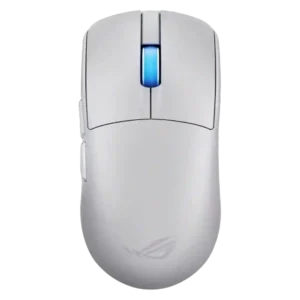
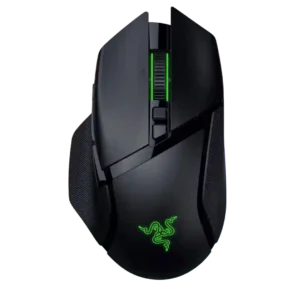
Compare ASUS ROG Harpe II Ace vs Razer Basilisk V3 Pro 35K

P1 ASUS ROG Harpe II Ace
P2 Razer Basilisk V3 Pro 35K

Comparison Takeaways

ASUS ROG Harpe II Ace

Where It Has the Edge

  • cross-platform compatibility is 4.7 vs 2.2. Cross-platform compatibility was positive because web-based settings and easy PC/Mac switching made the mouse flexible across devices.
  • weight is 4.7 vs 2.7. The ultralight weight was one of the strongest points across reviews, repeatedly described as excellent, headline-worthy, and easy...
  • FPS gaming suitability is 4.8 vs 3.0. FPS suitability was extremely strong, with repeated shooter-focused praise around instant reactions, precision, and competitive advantage.
  • cable flexibility is 4.8 vs 3.3. Cable flexibility had limited but positive evidence, with one reviewer calling the included cable thin and flexible.

Razer Basilisk V3 Pro 35K

Where It Has the Edge

  • onboard memory is 4.4 vs 2.0. Onboard memory was useful for profile storage and for reducing dependence on Synapse after setup.
  • MMO gaming suitability is 4.2 vs 2.5. MMO suitability was generally positive because of extra buttons and macros, but it was not seen as a...
  • software stability is 4.4 vs 3.0. Software stability was mostly improved or reliable, though Synapse still drew occasional criticism.
  • palm grip comfort is 4.9 vs 3.6. Palm grip comfort was one of the strongest fit cases, with several reviewers saying the shape felt fantastic...
Average score
Product 1: ASUS ROG Harpe II Ace
4.4
Product 2: Razer Basilisk V3 Pro 35K
4.2
2.4GHz connectivity
Product 1: ASUS ROG Harpe II Ace
4.7

2.4GHz connectivity received strong marks for gaming preference, lag-free behavior, and wireless 8K support without extra add-ons.

Product 2: Razer Basilisk V3 Pro 35K
4.6

Reviewers liked the included HyperSpeed or 2.4GHz path for low-latency wireless use, with multi-device dongle convenience also mentioned.

acceleration control
Product 1: ASUS ROG Harpe II Ace
5.0

Acceleration control was specifically praised in testing where the reviewer found no jitter, skipping, or unwanted acceleration.

Product 2: Razer Basilisk V3 Pro 35K
5.0

Evidence was positive where reviewers tested unwanted acceleration or jitter control, with one review reporting clean acceleration behavior.

Accuracy and tracking precision
Product 1: ASUS ROG Harpe II Ace
4.8

Reviewers consistently described accurate, stable aiming and precise corrections, with especially strong praise in shooter and aim-control contexts.

Product 2: Razer Basilisk V3 Pro 35K
4.6

Most reviewers praised precision and tracking, though one noted slight jitter at very high DPI settings.

balance and weight distribution
Product 1: ASUS ROG Harpe II Ace
4.7

Balance and weight distribution received strong praise from reviewers who found the mouse well balanced and natural in hand.

Product 2: Razer Basilisk V3 Pro 35K
4.2

Balance was generally viewed as controlled and stable, though one reviewer found the mouse somewhat front-heavy.

battery life
Product 1: ASUS ROG Harpe II Ace
4.3

Battery life was good at standard polling but mixed at 8K, where reviewers reported notably shorter runtimes.

Product 2: Razer Basilisk V3 Pro 35K
4.4

Battery life was a consistent strength, but RGB and high polling rates could reduce endurance substantially.

Bluetooth support
Product 1: ASUS ROG Harpe II Ace
4.6

Bluetooth support was praised for stable productivity use and broader multi-device convenience, though competitive use favored 2.4GHz.

Product 2: Razer Basilisk V3 Pro 35K
4.5

Bluetooth was valued for work, travel, and multi-device flexibility, though not always ideal for esports latency.

build quality
Product 1: ASUS ROG Harpe II Ace
4.7

Build quality was strongly praised, with repeated comments about rigidity, no flex, no creaks, and premium shell integrity.

Product 2: Razer Basilisk V3 Pro 35K
4.8

Build quality was repeatedly praised as solid, tank-like, or nearly flawless.

button customization
Product 1: ASUS ROG Harpe II Ace
4.7

Button customization was rated well because Gear Link exposes broad assignment controls and reviewers found the interface comprehensive.

Product 2: Razer Basilisk V3 Pro 35K
4.6

Customization was a major strength, with extensive remapping, HyperShift, and button control through Synapse.

button responsiveness
Product 1: ASUS ROG Harpe II Ace
4.7

Button responsiveness was widely positive, with reviewers calling the clicks immediate, quick, consistent, and dependable in play.

Product 2: Razer Basilisk V3 Pro 35K
4.5

Button responsiveness was consistently positive, with clean actuation, clear pressure points, and minimal response delay.

cable flexibility
Product 1: ASUS ROG Harpe II Ace
4.8

Cable flexibility had limited but positive evidence, with one reviewer calling the included cable thin and flexible.

Product 2: Razer Basilisk V3 Pro 35K
3.3

Cable feedback was mixed: one review found it stiff, another praised it as lightweight and smooth, and another found it slightly stiff.

charging convenience
Product 1: ASUS ROG Harpe II Ace
4.8

Charging convenience was positive because reviewers could keep playing while charging or recover hours of play from short top-ups.

Product 2: Razer Basilisk V3 Pro 35K
4.2

Charging convenience ranged from excellent with the dock to frustrating when relying on quick wired top-ups.

claw grip comfort
Product 1: ASUS ROG Harpe II Ace
4.6

Claw grip comfort was a major strength, with multiple reviewers calling the shape suitable, easy, or ideal for claw users.

Product 2: Razer Basilisk V3 Pro 35K
3.2

Claw grip worked for some reviewers but was less comfortable for others because of the weight and shape.

click latency
Product 1: ASUS ROG Harpe II Ace
4.8

Click latency evidence was limited but positive, with optical switches described as avoiding debounce delay.

Product 2: Razer Basilisk V3 Pro 35K
4.9

Latency-related feedback was strong, with reviewers praising fast response, low latency, and near-zero debounce delay.

click noise
Product 1: ASUS ROG Harpe II Ace
3.9

Click noise was acceptable to positive: one reviewer found clicks louder than the predecessor, while another found the optical sound mild.

Product 2: Razer Basilisk V3 Pro 35K
4.4

Click noise was mixed, with some reviewers calling it quiet and others noting sharper or louder clicks.

connection stability
Product 1: ASUS ROG Harpe II Ace
4.8

Connection stability was a strength across Bluetooth, dongle, and wireless sessions, with no dropouts, desyncs, or odd behavior reported.

Product 2: Razer Basilisk V3 Pro 35K
4.2

Connectivity was mostly stable, though one review had temporary dropouts until relocating the dongle.

cross-platform compatibility
Product 1: ASUS ROG Harpe II Ace
4.7

Cross-platform compatibility was positive because web-based settings and easy PC/Mac switching made the mouse flexible across devices.

Product 2: Razer Basilisk V3 Pro 35K
2.2

Cross-platform support was a weakness for Linux users because Synapse is not officially available there.

dock compatibility
Product 1: ASUS ROG Harpe II Ace
No score yet
Product 2: Razer Basilisk V3 Pro 35K
4.0

Dock support was praised for convenience and higher polling, but reviewers often noted extra cost or availability issues.

DPI range
Product 1: ASUS ROG Harpe II Ace
3.9

The 42,000 DPI ceiling was seen as impressive but partly overkill, with reviewers noting most players will never use such a high range.

Product 2: Razer Basilisk V3 Pro 35K
3.5

The 35K DPI ceiling was viewed as technically impressive but often overkill or not worth paying extra for.

durability over time
Product 1: ASUS ROG Harpe II Ace
4.6

Durability over time evidence was positive but short-term, with click feel and button consistency holding up after intensive use.

Product 2: Razer Basilisk V3 Pro 35K
No score yet
ecosystem integration
Product 1: ASUS ROG Harpe II Ace
No score yet
Product 2: Razer Basilisk V3 Pro 35K
4.5

Razer ecosystem integration was liked for Chroma synchronization and multi-device setup polish.

ergonomic design
Product 1: ASUS ROG Harpe II Ace
4.6

Ergonomic design was praised for comfort and not fighting the user's grip, but reviewers stressed that shape fit remains personal.

Product 2: Razer Basilisk V3 Pro 35K
4.8

Ergonomics were one of the strongest themes, especially for right-handed users and palm-focused comfort.

fingertip grip comfort
Product 1: ASUS ROG Harpe II Ace
4.5

Fingertip grip comfort was also strong, with praise for low-hump control and micro-adjustments, though size may affect smaller-hand users.

Product 2: Razer Basilisk V3 Pro 35K
3.1

Fingertip comfort was mixed to weak because the mouse is heavy and shaped more for palm or claw grips.

FPS gaming suitability
Product 1: ASUS ROG Harpe II Ace
4.8

FPS suitability was extremely strong, with repeated shooter-focused praise around instant reactions, precision, and competitive advantage.

Product 2: Razer Basilisk V3 Pro 35K
3.0

FPS suitability was mixed: the sensor could keep up, but the weight reduced flick speed and competitive agility.

glide smoothness
Product 1: ASUS ROG Harpe II Ace
4.7

Glide smoothness was one of the clearest strengths, with reviewers praising smooth, low-friction movement across pads and stock feet.

Product 2: Razer Basilisk V3 Pro 35K
4.7

Glide was usually praised as smooth or buttery, though surface choice affected the feel.

grip texture
Product 1: ASUS ROG Harpe II Ace
4.4

Grip texture was mostly positive for grippy coatings and matte finishes, but some reviewers disliked slipperiness or fingerprints.

Product 2: Razer Basilisk V3 Pro 35K
4.6

Grip texture was consistently praised for control, fingerprint resistance, and rubberized side support.

handedness options
Product 1: ASUS ROG Harpe II Ace
3.4

Handedness evidence was mixed: one left-handed reviewer liked it, while others noted the side-button layout favors right-handed users.

Product 2: Razer Basilisk V3 Pro 35K
2.3

Handedness was a clear limitation because reviewers repeatedly described it as right-handed only.

left and right click quality
Product 1: ASUS ROG Harpe II Ace
4.3

Left and right click quality was mostly strong, but one early unit had main-trigger rattle, creating a mild build-related caveat.

Product 2: Razer Basilisk V3 Pro 35K
4.0

Main click quality was mostly good but mixed by one reviewer who found the clicks somewhat squishy or easy to mispress.

lift-off distance
Product 1: ASUS ROG Harpe II Ace
No score yet
Product 2: Razer Basilisk V3 Pro 35K
5.0

Lift-off distance control received strong marks where reviewers evaluated its adjustability and consistency across surfaces.

long-session comfort
Product 1: ASUS ROG Harpe II Ace
4.5

Long-session comfort was positive for low fatigue and wrist relief, though palm-grip marathon comfort favored larger ergonomic alternatives.

Product 2: Razer Basilisk V3 Pro 35K
4.7

Long-session comfort was repeatedly praised thanks to the thumb rest, ergonomic shape, and reduced hand strain.

macro support
Product 1: ASUS ROG Harpe II Ace
No score yet
Product 2: Razer Basilisk V3 Pro 35K
4.9

Macro support was a strength through Synapse, HyperShift, and extra programmable controls.

materials quality
Product 1: ASUS ROG Harpe II Ace
4.5

Materials quality was praised for the bio-based nylon's feel, rigidity, and grippy surface, with minor smudge and slipperiness caveats.

Product 2: Razer Basilisk V3 Pro 35K
4.8

Materials were viewed as premium, grippy, and visually polished, especially on the Phantom White version.

MMO gaming suitability
Product 1: ASUS ROG Harpe II Ace
2.5

MMO suitability was weak because one reviewer found the five-button layout limited for MMO gamers.

Product 2: Razer Basilisk V3 Pro 35K
4.2

MMO suitability was generally positive because of extra buttons and macros, but it was not seen as a full dedicated MMO mouse.

MOBA gaming suitability
Product 1: ASUS ROG Harpe II Ace
No score yet
Product 2: Razer Basilisk V3 Pro 35K
4.8

MOBA suitability was positive where reviewers cited extra buttons, reliable commands, and precise tracking.

motion consistency
Product 1: ASUS ROG Harpe II Ace
4.9

Motion consistency was rated strongly, with reviewers reporting stable cursors, reliable tracking, and no jitter under fast movement.

Product 2: Razer Basilisk V3 Pro 35K
5.0

Motion consistency was highly praised, with reviewers describing consistent tracking and precise input translation.

onboard memory
Product 1: ASUS ROG Harpe II Ace
2.0

Onboard memory was the clearest functional drawback: one reviewer explicitly called its absence a downside for multi-PC use.

Product 2: Razer Basilisk V3 Pro 35K
4.4

Onboard memory was useful for profile storage and for reducing dependence on Synapse after setup.

palm grip comfort
Product 1: ASUS ROG Harpe II Ace
3.6

Palm-grip comfort was mixed: one reviewer fit it well, while others preferred fuller right-handed shapes for long palm-heavy use.

Product 2: Razer Basilisk V3 Pro 35K
4.9

Palm grip comfort was one of the strongest fit cases, with several reviewers saying the shape felt fantastic or exceptionally comfortable.

polling rate
Product 1: ASUS ROG Harpe II Ace
4.4

8K polling was praised as a serious competitive feature, though several reviewers said gains can be subtle and battery cost rises at high rates.

Product 2: Razer Basilisk V3 Pro 35K
3.8

Polling rate feedback was mixed: high rates were valued, but accessories and battery penalties limited their practical appeal.

portability
Product 1: ASUS ROG Harpe II Ace
4.2

Portability was good thanks to low weight and travel-friendly size, though one reviewer wanted a carrying bag.

Product 2: Razer Basilisk V3 Pro 35K
4.0

Portability was acceptable for multi-PC or Bluetooth use, but weight made it less ideal as a travel-first mouse.

premium feel
Product 1: ASUS ROG Harpe II Ace
4.7

Premium feel was consistently strong, with reviewers describing high-quality impressions, sturdy construction, and a solid premium feel.

Product 2: Razer Basilisk V3 Pro 35K
4.6

Premium feel was strong, with reviewers praising the look, hardware polish, and feature-packed construction.

profile switching
Product 1: ASUS ROG Harpe II Ace
4.3

Profile and mode switching drew positive reactions for Zone Mode convenience, but underside DPI/profile controls created a usability caveat.

Product 2: Razer Basilisk V3 Pro 35K
4.8

Profile switching was useful where reviewers could store or cycle profiles without constantly returning to Synapse.

programmable buttons
Product 1: ASUS ROG Harpe II Ace
4.7

Programmable button evidence was positive but limited, centered on freely assignable buttons and full-feature button remapping.

Product 2: Razer Basilisk V3 Pro 35K
4.5

Programmable buttons were a major advantage, providing enough controls for productivity, MMOs, MOBAs, and general gaming.

RGB features
Product 1: ASUS ROG Harpe II Ace
4.4

RGB was treated as a small but useful extra, mainly around the illuminated scroll wheel and controllable logo lighting.

Product 2: Razer Basilisk V3 Pro 35K
4.3

RGB was usually praised for underglow and zone effects, though some noted hand coverage and battery drain.

scroll wheel quality
Product 1: ASUS ROG Harpe II Ace
4.5

Scroll wheel feedback was positive overall for precision, tactile notches, smoothness, and tension, with some productivity limitations noted.

Product 2: Razer Basilisk V3 Pro 35K
4.3

The scroll wheel was a standout feature, though Smart-Reel behavior and occasional noise or responsiveness quirks created mixed notes.

sensor performance
Product 1: ASUS ROG Harpe II Ace
4.7

Sensor feedback was highly positive overall, with reviewers reporting precise or flawless tracking and only mild caveats that extreme DPI is mostly beyond normal use.

Product 2: Razer Basilisk V3 Pro 35K
4.7

Sensor performance was one of the highest-scoring areas, with reviewers praising accuracy, flawless tracking, and high-end specs.

shape comfort
Product 1: ASUS ROG Harpe II Ace
4.6

Shape comfort was broadly positive for neutral, refined handling, though one reviewer found the mouse a little too big.

Product 2: Razer Basilisk V3 Pro 35K
4.2

Shape comfort was mostly positive for ergonomic use, though some reviewers found it too thin or grip-specific.

side button quality
Product 1: ASUS ROG Harpe II Ace
4.6

Side buttons were broadly praised for placement, crispness, accessibility, and reduced accidental presses.

Product 2: Razer Basilisk V3 Pro 35K
4.4

Side buttons were generally praised for placement, tactility, and accessibility without many accidental presses.

software stability
Product 1: ASUS ROG Harpe II Ace
3.0

Software stability had a concern: moving settings to a web server raised worries about future access if the service goes down.

Product 2: Razer Basilisk V3 Pro 35K
4.4

Software stability was mostly improved or reliable, though Synapse still drew occasional criticism.

software usability
Product 1: ASUS ROG Harpe II Ace
4.7

Software usability was a major win, with Gear Link described as clear, responsive, resource-saving, handy, full-featured, and better than Armoury Crate.

Product 2: Razer Basilisk V3 Pro 35K
4.1

Software usability was powerful but mixed: reviewers liked the depth of controls, while some found Synapse annoying or overwhelming.

surface compatibility
Product 1: ASUS ROG Harpe II Ace
4.7

Surface compatibility was positive, including praise for tracking on varied surfaces and tempered glass, with one reviewer still recommending cloth pads.

Product 2: Razer Basilisk V3 Pro 35K
3.9

Surface compatibility was strong on pads and even glass in some tests, but harder or shiny surfaces created caveats.

switch durability
Product 1: ASUS ROG Harpe II Ace
4.6

Switch durability evidence came from short-to-medium use outcomes: reviewers said the click feel stayed consistent after intensive sessions.

Product 2: Razer Basilisk V3 Pro 35K
No score yet
switch feel
Product 1: ASUS ROG Harpe II Ace
4.6

Switch feel was generally crisp and clean, though one reviewer found the switches merely okay rather than best-in-class.

Product 2: Razer Basilisk V3 Pro 35K
4.5

Switch feel was broadly positive, described as snappy, tactile, clean, or satisfying.

tilt gesture controls
Product 1: ASUS ROG Harpe II Ace
No score yet
Product 2: Razer Basilisk V3 Pro 35K
4.7

Tilt controls were useful for horizontal scrolling, extra inputs, lean functions, and productivity workflows.

value for money
Product 1: ASUS ROG Harpe II Ace
4.3

Value was mixed-to-positive: reviewers called it competitive or easy to recommend, but several noted the high premium-mouse price.

Product 2: Razer Basilisk V3 Pro 35K
3.1

Value was the most common concern because the mouse is expensive and often only a modest upgrade over cheaper predecessors.

weight
Product 1: ASUS ROG Harpe II Ace
4.7

The ultralight weight was one of the strongest points across reviews, repeatedly described as excellent, headline-worthy, and easy to move.

Product 2: Razer Basilisk V3 Pro 35K
2.7

Weight was the biggest tradeoff: some liked the controlled heft, but many found it heavy for fast competitive play.

wireless latency
Product 1: ASUS ROG Harpe II Ace
4.9

Wireless latency was rated very highly, with reviewers reporting no noticeable delay, little to no input lag, and instant 2.4GHz response.

Product 2: Razer Basilisk V3 Pro 35K
4.5

Wireless latency was praised as effectively indistinguishable from wired by one reviewer and low-latency through HyperSpeed by another.

wireless performance
Product 1: ASUS ROG Harpe II Ace
4.9

Wireless performance was consistently excellent, with reviewers reporting standout wireless, low interference, lag-free use, and strong real-play results.

Product 2: Razer Basilisk V3 Pro 35K
4.5

Wireless performance was generally strong, with rock-solid HyperSpeed and reliable 2.4GHz performance in most reviews.