2.4GHz connectivity
P1
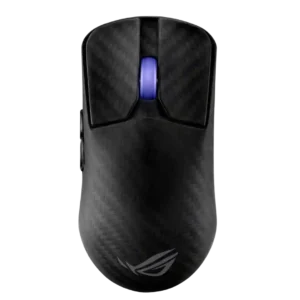
Product 1: ROG Harpe Ace Extreme
3.8
Reviewers liked that 2.4 GHz mode unlocked the mouse’s strongest gaming performance, though one reviewer reported a connection issue.
P2
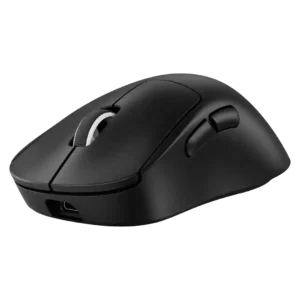
Product 2: Logitech G PRO X Superlight...
4.8
2.4GHz connectivity was praised for stable, speedy Lightspeed/2.4GHz operation and high polling without a bulky receiver.
Accuracy and tracking precision
P1
Product 1: ROG Harpe Ace Extreme
5.0
Tracking precision drew strong praise across tests, with reviewers repeatedly describing accurate, responsive, and reliable movement across games and surfaces.
P2
Product 2: Logitech G PRO X Superlight...
4.6
Reviewers generally found tracking and aiming precise, with praise for pinpoint pixel work, fast shooters, and smooth control; one reviewer struggled mainly because the shape hurt aim.
balance and weight distribution
P1
Product 1: ROG Harpe Ace Extreme
4.7
Balance feedback was consistently positive where mentioned, with reviewers saying the light shell stayed well distributed in hand.
P2
Product 2: Logitech G PRO X Superlight...
4.4
Balance was mostly praised as well distributed and fatigue-free, though one reviewer felt the rear-heavy balance hurt lift-offs.
battery life
P1
Product 1: ROG Harpe Ace Extreme
3.4
Battery life was mixed: acceptable to strong at lower polling rates, but clearly reduced at 8K and behind some flagship competitors.
P2
Product 2: Logitech G PRO X Superlight...
4.5
Battery life was widely praised as long-lasting, often exceeding expectations, though high polling rates were noted to drain it faster.
Bluetooth support
P1
Product 1: ROG Harpe Ace Extreme
4.3
Bluetooth was treated as a useful convenience and notable inclusion on such a lightweight esports-focused mouse.
P2
Product 2: Logitech G PRO X Superlight...
2.4
Bluetooth support was a weakness because it is absent, though some reviewers accepted the tradeoff for weight and responsiveness.
build quality
P1
Product 1: ROG Harpe Ace Extreme
4.6
Build quality was one of the strongest areas, with most reviewers praising the solid carbon-fiber structure and lack of flex, aside from isolated defects.
P2
Product 2: Logitech G PRO X Superlight...
4.9
Build quality was consistently strong, with reviewers reporting sturdy construction, no flex, no rattle, and solid fit despite the low weight.
button customization
P1
Product 1: ROG Harpe Ace Extreme
4.0
Button remapping and assignment were available and generally treated as straightforward, especially through the lighter Armoury Crate Gear software.
P2
Product 2: Logitech G PRO X Superlight...
4.1
Button customization was strong in software, especially drag-and-drop remapping, but constrained by the DEX's simplified button layout.
button responsiveness
P1
Product 1: ROG Harpe Ace Extreme
4.7
Button responsiveness was usually praised as crisp, fast, and immediate, though one reviewer found the switches less spammable.
P2
Product 2: Logitech G PRO X Superlight...
4.8
Button responsiveness was one of the stronger areas, with many reviewers calling clicks tactile, immediate, snappy, or super responsive.
cable flexibility
P1
Product 1: ROG Harpe Ace Extreme
3.6
Cable impressions were mixed: some found it flexible and lightweight, while others thought it was stiff or simply not very good.
P2
Product 2: Logitech G PRO X Superlight...
2.0
Cable flexibility was a repeated complaint, with reviewers calling the cable bad, not ultralight, or unsuitable for wired use.
charging convenience
P1
Product 1: ROG Harpe Ace Extreme
3.0
Charging convenience was only lightly discussed, with USB-C charging working but the included cable feeling somewhat stiff to one reviewer.
P2
Product 2: Logitech G PRO X Superlight...
4.3
Charging convenience was strong when using USB-C or Powerplay, though one reviewer criticized the full recharge time.
claw grip comfort
P1
Product 1: ROG Harpe Ace Extreme
3.9
Claw grip comfort was generally good for medium to large hands, but smaller-handed reviewers found some button and hump geometry awkward.
P2
Product 2: Logitech G PRO X Superlight...
3.5
Claw grip comfort was mixed, working for relaxed claw or some users while feeling too large or high for others.
click latency
P1
Product 1: ROG Harpe Ace Extreme
4.5
Click latency was praised as very low, although high polling gains were often framed as marginal in real-world play.
P2
Product 2: Logitech G PRO X Superlight...
4.8
Click/input latency was mostly praised as immediate, responsive, or low, with one measured latency result landing only mid-pack despite still being usable.
click noise
P1
Product 1: ROG Harpe Ace Extreme
3.0
Click noise was a caveat: reviewers found the switches crisp or pleasant but often not quiet, and sometimes quite loud.
P2
Product 2: Logitech G PRO X Superlight...
2.9
Click noise was a caveat: main clicks were often loud or high-pitched, though some found the noise acceptable or preference-based.
connection stability
P1
Product 1: ROG Harpe Ace Extreme
4.4
Connection stability was mostly strong, but a few reviewers reported receiver dropouts or 8K-related interruptions.
P2
Product 2: Logitech G PRO X Superlight...
4.8
Connection stability was positive where tested, with no issues on Windows, reliable wireless impressions, and supportive receiver setup comments.
cross-platform compatibility
P1Product 1: ROG Harpe Ace Extreme
No score yet
P2
Product 2: Logitech G PRO X Superlight...
2.3
Cross-platform compatibility was limited by the lack of Bluetooth and multi-device switching, making it less flexible than generalist mice.
DPI range
P1
Product 1: ROG Harpe Ace Extreme
4.0
DPI/CPI range was technically extreme and often praised, though some reviewers viewed the 42,000 DPI figure as excessive marketing.
P2
Product 2: Logitech G PRO X Superlight...
4.8
The DPI ceiling was treated as extremely high and impressive, with fine adjustment praised by reviewers who used G Hub.
durability over time
P1
Product 1: ROG Harpe Ace Extreme
4.5
Durability over time was supported mainly by the carbon-fiber shell and secure grip, but long-term skate durability remained more uncertain.
P2
Product 2: Logitech G PRO X Superlight...
4.5
Durability over time had limited evidence but one month of use showed the coating had not decayed.
ecosystem integration
P1
Product 1: ROG Harpe Ace Extreme
4.0
Ecosystem integration was seen as a useful bonus for users already invested in Asus gear, especially shared receiver support.
P2
Product 2: Logitech G PRO X Superlight...
4.8
Ecosystem integration was strong where mentioned, especially G Hub plus Logitech hardware features that set the mouse apart.
ergonomic design
P1
Product 1: ROG Harpe Ace Extreme
3.5
Ergonomics split by hand size and preference: some praised prolonged comfort, while others found the elongated hump restrictive.
P2
Product 2: Logitech G PRO X Superlight...
4.8
Ergonomic design was a major positive overall, with reviewers praising the hand support, contoured right-handed form, and FPS-friendly ergonomic balance.
fingertip grip comfort
P1
Product 1: ROG Harpe Ace Extreme
3.4
Fingertip comfort depended heavily on hand size, with some reviewers finding it workable and others saying the mouse was too large.
P2
Product 2: Logitech G PRO X Superlight...
2.8
Fingertip comfort was generally weak because the larger hump and body interfered with finger micro-adjustments, with only one reviewer finding it workable.
FPS gaming suitability
P1
Product 1: ROG Harpe Ace Extreme
4.6
FPS suitability was strong, with reviewers linking its low weight, fast sensor, and responsive inputs to competitive shooter use.
P2
Product 2: Logitech G PRO X Superlight...
4.4
FPS gaming suitability was strong overall, with praise for shooters, responsiveness, and control; negative reports centered on hand-size/shape fit rather than sensor performance.
glide smoothness
P1
Product 1: ROG Harpe Ace Extreme
4.5
Glide was widely praised on PTFE and glass feet, though the very smooth glass feet sometimes required adjustment.
P2
Product 2: Logitech G PRO X Superlight...
3.6
Glide smoothness was mixed: some praised effortless movement and PTFE feet, while many enthusiasts disliked the stock skates and wanted replacements.
grip texture
P1
Product 1: ROG Harpe Ace Extreme
3.8
Grip texture was mixed: carbon fiber and grooves helped, but some reviewers still found the plastic sides slippery.
P2
Product 2: Logitech G PRO X Superlight...
3.7
Grip texture was mixed: some liked the dry or grippy coating, while others found it too smooth, sticky over time, or in need of tape.
handedness options
P1
Product 1: ROG Harpe Ace Extreme
3.0
Handedness was mixed because the shell is symmetrical, but side-button placement limits true left-handed usability.
P2
Product 2: Logitech G PRO X Superlight...
2.4
Handedness options were a drawback because the DEX is strongly right-handed and several reviewers warned left-handers away.
left and right click quality
P1
Product 1: ROG Harpe Ace Extreme
4.1
Main click quality ranged from exceptional praise to isolated complaints about pre-travel, post-travel, or a defective left click.
P2
Product 2: Logitech G PRO X Superlight...
4.5
Main click quality was usually strong, with repeated praise for tactile, crisp, snappy clicks, though a few reviewers wanted a sharper or more premium feel.
lift-off distance
P1
Product 1: ROG Harpe Ace Extreme
3.8
Lift-off distance support was considered useful, but limited setting depth kept it from being universally praised.
P2
Product 2: Logitech G PRO X Superlight...
3.0
Lift-off options were inconsistent across reviews: one reviewer could set LOD, another disliked the lack of millimeter values, and another found no adjustment.
long-session comfort
P1
Product 1: ROG Harpe Ace Extreme
3.5
Long-session comfort depended on use: the shape could support longer play, but the stiff scroll wheel or hump bothered some reviewers.
P2
Product 2: Logitech G PRO X Superlight...
4.2
Long-session comfort was generally positive thanks to low weight and ergonomics, though awkward grip demands caused fatigue for one reviewer.
materials quality
P1
Product 1: ROG Harpe Ace Extreme
4.4
Materials quality was generally a highlight because of the carbon fiber shell, though some disliked the plastic side contrast.
P2
Product 2: Logitech G PRO X Superlight...
4.5
Materials quality was praised as premium and well assembled in the few reviews that explicitly judged the materials.
motion consistency
P1
Product 1: ROG Harpe Ace Extreme
4.5
Motion consistency was praised through consistent tracking, Motion Sync, and stable sensor behavior.
P2
Product 2: Logitech G PRO X Superlight...
5.0
Motion stayed consistent in fast movements, with reviewers reporting no acceleration, smoothing, or loss of tracking while sliding quickly.
onboard memory
P1
Product 1: ROG Harpe Ace Extreme
4.5
Onboard memory was appreciated because settings could be saved and the software avoided after setup.
P2
Product 2: Logitech G PRO X Superlight...
4.7
Onboard memory was valued for saving profiles and reducing dependence on G Hub, with reviewers noting multiple memory slots or dongle/profile convenience.
palm grip comfort
P1
Product 1: ROG Harpe Ace Extreme
3.1
Palm grip comfort was polarizing: large-hand users could find support, while several reviewers found the shape too short, high, or irritating.
P2
Product 2: Logitech G PRO X Superlight...
4.4
Palm grip comfort was usually strong, with reviewers praising the larger ergonomic rear and palm support; one source still advised some palm users toward a rival.
polling rate
P1
Product 1: ROG Harpe Ace Extreme
4.0
Polling rate was a headline strength, but reviewers often questioned the practical value of 8K versus its battery cost.
P2
Product 2: Logitech G PRO X Superlight...
4.5
The 8K wireless polling rate impressed reviewers for speed and smoothness, though several called it overkill or battery-hungry outside competitive play.
portability
P1
Product 1: ROG Harpe Ace Extreme
4.4
Portability was praised because of the included carrying case and travel-focused accessory setup.
P2
Product 2: Logitech G PRO X Superlight...
5.0
Portability was excellent because the compact receiver and onboard storage make the high-polling setup easy to pack.
premium feel
P1
Product 1: ROG Harpe Ace Extreme
4.5
Premium feel was strong overall, driven by the carbon fiber finish, packaging, accessories, and showpiece presentation.
P2
Product 2: Logitech G PRO X Superlight...
4.0
Premium feel was mixed: one reviewer initially found it budget-like due to lightness, while another praised the in-hand quality.
profile switching
P1
Product 1: ROG Harpe Ace Extreme
4.5
Profile switching was useful because profiles and key settings could be handled on-mouse or saved without keeping software open.
P2
Product 2: Logitech G PRO X Superlight...
2.7
Profile switching was a recurring weakness because reviewers missed a physical DPI/profile button and disliked leaving games to change settings.
programmable buttons
P1
Product 1: ROG Harpe Ace Extreme
2.8
Programmable buttons were functional but limited, with reviewers repeatedly noting the basic five-button layout.
P2
Product 2: Logitech G PRO X Superlight...
2.8
Programmable button evidence was mixed: G Hub assignment was useful, but the five-button layout and lack of extra controls limited flexibility.
RGB features
P1
Product 1: ROG Harpe Ace Extreme
3.1
RGB was mixed: reviewers liked that lighting remained on an ultralight mouse, but the single scroll-wheel zone was limited or distracting.
P2
Product 2: Logitech G PRO X Superlight...
3.9
RGB absence was mostly framed as acceptable or even beneficial for battery and subtle looks, though it makes the mouse less flashy.
scroll wheel quality
P1
Product 1: ROG Harpe Ace Extreme
3.9
Scroll wheel quality varied widely, from precise and well-defined to stiff, small, fatiguing, or underwhelming.
P2
Product 2: Logitech G PRO X Superlight...
4.0
Scroll wheel feedback was generally usable and often quiet or tactile, but several reviewers noted rattle, mushiness, or weaker click feel.
sensor performance
P1
Product 1: ROG Harpe Ace Extreme
4.7
Sensor performance was consistently strong, with reviewers calling it top-tier, flawless, responsive, and worry-free.
P2
Product 2: Logitech G PRO X Superlight...
4.8
The Hero 2 sensor was repeatedly described as top-tier, flawless, or working perfectly, with only isolated uncertainty around real-world need for the highest specs.
shape comfort
P1
Product 1: ROG Harpe Ace Extreme
3.6
Shape comfort was one of the most preference-dependent areas, praised as safe and comfortable by some but too long or awkward by others.
P2
Product 2: Logitech G PRO X Superlight...
4.2
Shape comfort split reviewers: many loved the ergonomic, right-handed shape, while several found it too bulky, awkward, or hand-size dependent.
side button quality
P1
Product 1: ROG Harpe Ace Extreme
3.8
Side button quality was highly split, with praise for tactility and implementation but criticism of size, force, and forward placement.
P2
Product 2: Logitech G PRO X Superlight...
2.8
Side buttons were the most divisive control: some found them easy and great in game, while many criticized mushiness, high placement, or extra travel.
skate durability
P1
Product 1: ROG Harpe Ace Extreme
3.1
Skate durability and skate impressions were mixed: PTFE and glass skates felt good, while glass longevity and control raised caveats.
P2
Product 2: Logitech G PRO X Superlight...
3.2
Skate durability was mixed: one reviewer valued long-lasting skates, while others recommended replacement or noted wear concerns.
software stability
P1
Product 1: ROG Harpe Ace Extreme
2.3
Software stability was a repeated weakness, including pop-ups, broken download flow, setup issues, and older software not working.
P2
Product 2: Logitech G PRO X Superlight...
2.5
Software stability was mixed to poor, led by a PC Gamer report of freezes, crashes, and reinstall trouble despite another reviewer finding basics usable.
software usability
P1
Product 1: ROG Harpe Ace Extreme
3.4
Software usability improved with Armoury Crate Gear, but reviewers still found it overkill, basic, or troublesome depending on setup.
P2
Product 2: Logitech G PRO X Superlight...
4.0
Software usability was generally good when G Hub worked, with useful profiles, remapping, macros, and calibration; memory use and interface speed drew criticism.
surface compatibility
P1
Product 1: ROG Harpe Ace Extreme
4.7
Surface compatibility was strong, with reliable tracking and calibration across several desk, pad, and material types.
P2
Product 2: Logitech G PRO X Superlight...
3.5
Surface compatibility was adequate but not universal, with one reviewer preferring padded surfaces and another reporting no glass-pad tracking issues.
switch durability
P1
Product 1: ROG Harpe Ace Extreme
4.0
Switch durability was supported by the reviewer’s description of durable 100-million-actuation optical switches.
P2
Product 2: Logitech G PRO X Superlight...
4.5
Switch durability evidence was limited but positive, with one reviewer reporting no double clicks or related issues during testing.
switch feel
P1
Product 1: ROG Harpe Ace Extreme
3.9
Switch feel was mostly positive but not unanimous, with praise for tactile optical clicks alongside complaints about squish or slow rebound.
P2
Product 2: Logitech G PRO X Superlight...
4.5
Switch feel was mostly praised for crisp, tactile Lightforce clicks, though some reviewers found them inconsistent, loud, or merely satisfactory.
value for money
P1
Product 1: ROG Harpe Ace Extreme
2.3
Value for money was the most consistent weakness because reviewers repeatedly questioned the extreme $250 price.
P2
Product 2: Logitech G PRO X Superlight...
2.9
Value for money was the most common strategic concern because reviewers liked the performance but repeatedly called the price high or premium.
weight
P1
Product 1: ROG Harpe Ace Extreme
4.6
Weight was a major strength, with reviewers praising the roughly 47g body as extremely light for its size and construction.
P2
Product 2: Logitech G PRO X Superlight...
4.8
Weight was one of the clearest strengths, repeatedly described as feather-light, ultra-light, or impressively low for its size.
wireless latency
P1
Product 1: ROG Harpe Ace Extreme
4.5
Wireless latency was generally praised as very low or responsive, though reviewers questioned how much 8K improves real gameplay.
P2
Product 2: Logitech G PRO X Superlight...
4.9
Wireless latency was praised as low or highly responsive, helping several reviewers feel comfortable using it wirelessly for serious gaming.
wireless performance
P1
Product 1: ROG Harpe Ace Extreme
4.4
Wireless performance was mostly excellent, with strong SpeedNova praise and stable performance, offset by a few connection complaints.
P2
Product 2: Logitech G PRO X Superlight...
4.9
Wireless performance was consistently excellent, with reviewers reporting fast, stable, lag-free, high-performance wireless use.