Compare SteelSeries Rival 3 Gen 2 Wired vs Razer Cobra

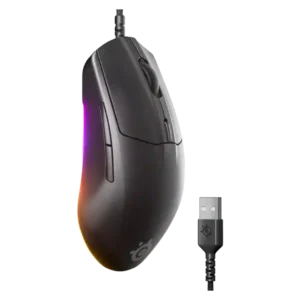
SteelSeries Rival 3 Gen 2 Wired
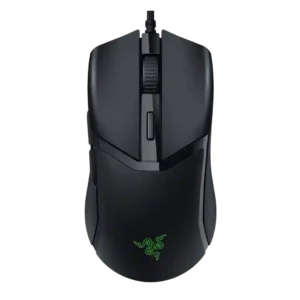
Razer Cobra

Quick verdict

What each product is best for

Choose SteelSeries Rival 3 Gen 2 Wired for onboard memory and click noise.

Choose Razer Cobra for palm grip comfort and acceleration control.

Comparison Takeaways

SteelSeries Rival 3 Gen 2 Wired

Where It Has the Edge

  • onboard memory is 4.5 vs 2.3. Onboard memory was useful for preserving settings across computers without relying on local software.
  • click noise is 4.0 vs 2.3. Click noise was acceptable: the switches were described as crisp without being overly loud or heavy.
  • cross-platform compatibility is 4.5 vs 3.0. Cross-system use was supported by onboard settings, with one review calling personal settings seamless across different computers.
  • left and right click quality is 4.8 vs 3.8. Primary click quality was praised as firm, balanced, and close to best-in-class for feel and performance.

Razer Cobra

Where It Has the Edge

  • palm grip comfort is 4.8 vs 2.3. Palm grip comfort was positive in the reviews that tested it, especially for medium or smaller hands.
  • acceleration control is 5.0 vs 4.0. High-speed movement and acceleration did not cause sensor skip in the reviewer evidence.
  • premium feel is 4.1 vs 3.2. Premium feel was mostly positive for the price, though one first-impression review felt the clicks made the mouse...
  • software usability is 4.3 vs 3.5. Software usability was generally positive for customization, RGB, DPI, calibration, and profiles, though Mac software support was limited.
Average score
SteelSeries Rival 3 Gen 2 Wired
4.1
Razer Cobra
4.2
palm grip comfort
SteelSeries Rival 3 Gen 2 Wired
2.3

Palm grip comfort was the clearest fit issue, with reviewers saying palm users may find it too small or should look elsewhere.

Razer Cobra
4.8

Palm grip comfort was positive in the reviews that tested it, especially for medium or smaller hands.

onboard memory
SteelSeries Rival 3 Gen 2 Wired
4.5

Onboard memory was useful for preserving settings across computers without relying on local software.

Razer Cobra
2.3

Onboard memory was a clear limitation, with reviews noting only one profile or no saved settings across computers.

click noise
SteelSeries Rival 3 Gen 2 Wired
4.0

Click noise was acceptable: the switches were described as crisp without being overly loud or heavy.

Razer Cobra
2.3

Click noise was a repeated drawback, with reviewers noting the clicks are loud enough to bother people in quiet spaces.

cross-platform compatibility
SteelSeries Rival 3 Gen 2 Wired
4.5

Cross-system use was supported by onboard settings, with one review calling personal settings seamless across different computers.

Razer Cobra
3.0

Cross-platform compatibility was mixed because the mouse works on Windows and Mac, but the software support was described as Windows-only.

acceleration control
SteelSeries Rival 3 Gen 2 Wired
4.0

Acceleration settings were considered easy to understand in SteelSeries GG, with clear graphs and sliders.

Razer Cobra
5.0

High-speed movement and acceleration did not cause sensor skip in the reviewer evidence.

premium feel
SteelSeries Rival 3 Gen 2 Wired
3.2

Premium feel was mixed: reviewers liked the fundamentals but said it lacked higher-end flair or felt less premium than Aerox models.

Razer Cobra
4.1

Premium feel was mostly positive for the price, though one first-impression review felt the clicks made the mouse seem mediocre.

left and right click quality
SteelSeries Rival 3 Gen 2 Wired
4.8

Primary click quality was praised as firm, balanced, and close to best-in-class for feel and performance.

Razer Cobra
3.8

Left and right click quality was mixed, ranging from firm and clean to hollow or weaker than expected.

software usability
SteelSeries Rival 3 Gen 2 Wired
3.5

Software usability was mixed: GG was praised by some, but other reviewers found it cluttered or unintuitive.

Razer Cobra
4.3

Software usability was generally positive for customization, RGB, DPI, calibration, and profiles, though Mac software support was limited.

long-session comfort
SteelSeries Rival 3 Gen 2 Wired
4.3

Long-session comfort was repeatedly positive for workday use, prolonged use, and reduced sweat or fatigue.

Razer Cobra
5.0

Long-session comfort was praised in the review that noted extended play without hand strain.

switch durability
SteelSeries Rival 3 Gen 2 Wired
3.8

Switch durability evidence was mixed: one review reported a lodged switch issue, while another described consistent long-term performance.

Razer Cobra
4.5

Switch durability evidence was positive, centered on the optical switch lifespan and double-click resistance discussed by reviewers.

shape comfort
SteelSeries Rival 3 Gen 2 Wired
3.8

Shape comfort was generally good but not universal: reviewers liked the in-hand feel while noting limited contouring for some grips.

Razer Cobra
4.5

Shape comfort was broadly positive for small to medium hands, although large-handed users may find the mouse too small.

switch feel
SteelSeries Rival 3 Gen 2 Wired
4.5

Switch feel was praised as crisp, clicky, balanced, and responsive without being too heavy.

Razer Cobra
3.8

Switch feel was mixed-positive: many liked the satisfying optical clicks, while some found them hollow or unusual at first.

sensor performance
SteelSeries Rival 3 Gen 2 Wired
4.3

Sensor performance was broadly positive for a budget mouse, with snappy response, smooth tracking, and satisfying gaming performance.

Razer Cobra
4.9

Sensor performance was strongly positive overall, with reviewers praising responsiveness, stability, calibration, and real-world tracking.

Accuracy and tracking precision
SteelSeries Rival 3 Gen 2 Wired
4.4

Accuracy was a major strength: reviewers reported precise swipes, strong aim-trainer results, and little practical impact from the modest sensor ceiling.

Razer Cobra
5.0

Reviewers consistently reported accurate tracking, with no missed beats, no skipping, and strong precision even in games or daily use.

side button quality
SteelSeries Rival 3 Gen 2 Wired
3.6

Side button quality was mixed, ranging from thin and less premium to easily accessible and functional.

Razer Cobra
3.1

Side button quality was mixed, with praise for placement and speed but criticism of free play, hollowness, or loudness in some reviews.

motion consistency
SteelSeries Rival 3 Gen 2 Wired
4.5

Motion consistency was strong, with easy recoil control and predictable responses in low-DPI/high-sensitivity play.

Razer Cobra
5.0

Motion consistency was excellent in the tested evidence, with reviewers reporting no lag, jitters, skip, or sensor dropout.

ecosystem integration
SteelSeries Rival 3 Gen 2 Wired
4.0

SteelSeries GG and Prism integration was treated as a useful bonus for adding personal RGB and settings touches.

Razer Cobra
4.5

Synapse integration was described as seamless in one review, supporting the broader Razer accessory/software ecosystem.

profile switching
SteelSeries Rival 3 Gen 2 Wired
3.0

Profile switching was somewhat limited because there is no dedicated profile button by default, though remapping is possible.

Razer Cobra
2.5

Profile switching was a drawback because reviewers noted the single-profile limit or friction when changing scenarios.

surface compatibility
SteelSeries Rival 3 Gen 2 Wired
4.5

Surface compatibility was positive, with smooth feet described as gliding across most surfaces.

Razer Cobra
4.0

Surface compatibility was positive, with reviewers finding it usable on desk mats, wood, mouse pads, and other materials, despite more drag on rough wood.

weight
SteelSeries Rival 3 Gen 2 Wired
4.3

Weight was generally praised for quick movements and reduced fatigue, though reviewers noted it is not ultralight compared with some rivals.

Razer Cobra
4.7

Weight was consistently praised as light, comfortable, and well suited to fast movement without feeling cheap.

DPI range
SteelSeries Rival 3 Gen 2 Wired
3.8

The 8,500 DPI ceiling was usually considered enough for gaming, though one reviewer warned the lower peak sensitivity could matter to some users.

Razer Cobra
4.3

DPI and sensitivity were considered sufficient for most users, with reviewers finding the 8500 DPI range smooth or workable in practice.

button customization
SteelSeries Rival 3 Gen 2 Wired
4.0

Button customization was seen as giving useful flexibility and control over play style through software adjustments.

Razer Cobra
4.4

Button remapping and customization were praised through Synapse, though one first-impression review was less enthusiastic overall.

button responsiveness
SteelSeries Rival 3 Gen 2 Wired
4.3

Buttons were generally satisfying and responsive, with reviewers praising rapid tapping, quick rebound, and a lack of accidental presses.

Razer Cobra
4.6

Button responsiveness was generally strong, especially where reviewers praised optical switches, low debounce, and effortless clicking.

glide smoothness
SteelSeries Rival 3 Gen 2 Wired
4.5

Glide was consistently praised, with PTFE feet and smooth skates keeping movement low-friction across mousepads and surfaces.

Razer Cobra
4.8

Glide smoothness was strongly praised across reviews, with repeated comments about low drag, smooth feet, and easy movement.

grip texture
SteelSeries Rival 3 Gen 2 Wired
4.0

Grip texture was mostly positive for matte, grippy plastic, though one review wished the side grooves were deeper.

Razer Cobra
3.8

Grip texture was mixed: several reviewers liked the grippy texture, while others wished for more rubber or found the coating low-grip.

click latency
SteelSeries Rival 3 Gen 2 Wired
4.5

Latency impressions were positive, with reviewers reporting no lag or missed inputs and direct, delay-free movement response.

Razer Cobra
4.8

Click latency evidence was positive, with reviewers emphasizing optical-switch responsiveness, zero debounce, and reduced delay.

programmable buttons
SteelSeries Rival 3 Gen 2 Wired
4.0

Programmable buttons were seen as adding practical flexibility and control when customized in software.

Razer Cobra
4.3

Programmable buttons were praised as customizable through Synapse and useful for standard gaming mouse controls.

cable flexibility
SteelSeries Rival 3 Gen 2 Wired
4.6

The braided/paracord-style cable drew consistent praise for staying unobtrusive, avoiding friction, and feeling almost unnoticeable in fast play.

Razer Cobra
4.4

The SpeedFlex-style cable was repeatedly praised as flexible, light, and low-drag, making the wired design less intrusive.

RGB features
SteelSeries Rival 3 Gen 2 Wired
4.4

RGB was a consistent wired-model strength, with praise for tasteful underglow and extensive customization.

Razer Cobra
4.3

RGB features were generally praised for subtle, attractive lighting and customization, with one reviewer personally less enthusiastic.

ergonomic design
SteelSeries Rival 3 Gen 2 Wired
4.5

Ergonomics were mostly positive, with reviewers describing the wired mouse as comfortable and improved, though not highly sculpted.

Razer Cobra
4.6

Ergonomics were broadly praised, with reviewers describing the mouse as comfortable, well shaped, and easy for fingertips or hands to settle into.

FPS gaming suitability
SteelSeries Rival 3 Gen 2 Wired
4.3

FPS gaming suitability was strong across reviews, with positive examples from Call of Duty, Counter-Strike 2, Valorant, and similar aim-focused testing.

Razer Cobra
4.3

FPS suitability was positive for small to medium hands and lightweight preferences, though one reviewer suggested top-tier FPS players may want a better sensor.

value for money
SteelSeries Rival 3 Gen 2 Wired
4.6

Value was the strongest consensus point, with reviewers repeatedly praising the mouse as budget-friendly, cost-effective, and a strong class option.

Razer Cobra
4.6

Value was a consistent strength, with reviewers calling the Cobra affordable, impressive for the price, or a strong budget buy.

build quality
SteelSeries Rival 3 Gen 2 Wired
4.8

Build quality was praised as sturdy and solid, including zero flex or creaking in one hands-on teardown-oriented review.

Razer Cobra
4.7

Build quality was one of the strongest themes, with most reviewers calling the Cobra solid, durable, sturdy, or well made.

claw grip comfort
SteelSeries Rival 3 Gen 2 Wired
4.5

Claw grip users were well served, with multiple reviewers calling the shape comfortable or ideal for claw-style handling.

Razer Cobra
4.5

Claw grip comfort was positive in the reviews that tested it, especially for small to medium hands.

durability over time
SteelSeries Rival 3 Gen 2 Wired
4.5

Durability over time was supported by comments about consistent switch performance in long-term use.

Razer Cobra
4.5

Durability impressions were positive, though mostly based on build, switch lifespan claims, and reviewer confidence rather than long-term abuse testing.

fingertip grip comfort
SteelSeries Rival 3 Gen 2 Wired
4.5

Fingertip grip comfort was strong, with the low-profile shape repeatedly described as comfortable or ideal for that style.

Razer Cobra
4.5

Fingertip grip comfort was positive in the one review that tested it directly.

materials quality
SteelSeries Rival 3 Gen 2 Wired
4.5

Materials were praised as thick, textured matte plastic, with another review describing improved build materials.

Razer Cobra
4.5

Materials were praised where reviewed, especially the robust and sturdy plastic feel.

polling rate
SteelSeries Rival 3 Gen 2 Wired
4.0

Polling-rate feedback was mixed but generally adequate: 1,000Hz was called standard or delay-free, while PCMag called it low but acceptable.

Razer Cobra
4.0

Polling rate was viewed as suitable for most gamers rather than elite or unusually high-end.

scroll wheel quality
SteelSeries Rival 3 Gen 2 Wired
4.0

The scroll wheel was considered simple but well suited, with distinct notches and usable firmness.

Razer Cobra
4.0

Scroll wheel quality was mixed: several reviewers liked the tactile or firm feel, but others found it mushy, low, or weak.

balance and weight distribution
SteelSeries Rival 3 Gen 2 WiredNo score yet
Razer Cobra
4.5

One review praised the centered weight balance for keeping the mouse stable.

connection stability
SteelSeries Rival 3 Gen 2 Wired
5.0

The wired setup was praised for stable, consistent performance without connection drops or battery-related interruptions.

Razer CobraNo score yet
handedness options
SteelSeries Rival 3 Gen 2 Wired
3.0

Handedness support was mixed because the shape is symmetrical but one review said it is optimized for right-handed use.

Razer CobraNo score yet
macro support
SteelSeries Rival 3 Gen 2 Wired
4.0

Macro support was viewed as flexible, with side buttons able to be macroed through SteelSeries software.

Razer CobraNo score yet
portability
SteelSeries Rival 3 Gen 2 Wired
4.0

Portability was a plus for users who value a smaller mouse, even if that is a performance tradeoff for some.

Razer CobraNo score yet
skate durability
SteelSeries Rival 3 Gen 2 Wired
4.0

Skate durability and serviceability were mildly positive because divots helped remove the feet without damage.

Razer CobraNo score yet
software stability
SteelSeries Rival 3 Gen 2 Wired
3.8

Software stability and performance were acceptable, with comments that GG was not resource-heavy and functioned well at its core.

Razer CobraNo score yet