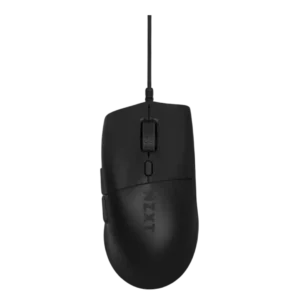
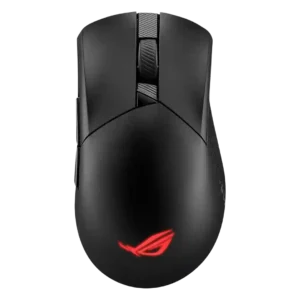
Compare NZXT Lift 2 Ergo vs ASUS ROG Gladius III Wireless

P1 NZXT Lift 2 Ergo
P2 ASUS ROG Gladius III Wireless

Comparison Takeaways

NZXT Lift 2 Ergo

Where It Has the Edge

  • click noise is 4.5 vs 3.4. Click noise is restrained overall: reviewers describe crisp, clicky switches that are not especially loud.
  • value for money is 4.6 vs 4.1. Value for money is one of the clearest strengths, with reviewers repeatedly stressing premium specs, strong performance, and...
  • weight is 4.7 vs 4.2. Weight is excellent, with reviewers consistently describing the mouse as around 60-61g and comfortably lightweight.
  • software usability is 4.4 vs 3.9. Software usability is mostly positive, with CAM described as easy and capable, though one reviewer disliked its bloat.

ASUS ROG Gladius III Wireless

Where It Has the Edge

  • wireless performance is 4.7 vs 0.5. Wireless performance was broadly positive, with no lag, stable RF use, and smooth gaming performance across reviews.
  • 2.4GHz connectivity is 4.6 vs 0.5. Reviewers consistently found useful 2.4GHz/RF connectivity, often linking it to low-latency gaming or tri-mode versatility.
  • Bluetooth support is 4.6 vs 0.5. Bluetooth was repeatedly praised as a useful secondary mode for multi-device use, longer battery life, or broader compatibility.
  • RGB features is 4.2 vs 1.2. RGB features were well covered, with Aura Sync, profile-linked effects, and multiple zones on some models, but RGB...
Average score
Product 1: NZXT Lift 2 Ergo
3.9
Product 2: ASUS ROG Gladius III Wireless
4.3
2.4GHz connectivity
Product 1: NZXT Lift 2 Ergo
0.5

Reviewers repeatedly describe the Lift 2 Ergo as wired-only, so it has no 2.4GHz wireless mode despite strong wired performance.

Product 2: ASUS ROG Gladius III Wireless
4.6

Reviewers consistently found useful 2.4GHz/RF connectivity, often linking it to low-latency gaming or tri-mode versatility.

Accuracy and tracking precision
Product 1: NZXT Lift 2 Ergo
4.6

Tracking accuracy is viewed positively, with reviewers citing the PMW3395-class sensor, smooth aim, and reliable in-game precision.

Product 2: ASUS ROG Gladius III Wireless
4.7

Tracking accuracy was generally strong, especially in FPS testing, though one reviewer noted extreme DPI settings became impractical.

balance and weight distribution
Product 1: NZXT Lift 2 Ergo
No score yet
Product 2: ASUS ROG Gladius III Wireless
4.6

Only one review directly discussed balance, and it found the mouse felt well balanced despite the internal battery placement.

battery life
Product 1: NZXT Lift 2 Ergo
No score yet
Product 2: ASUS ROG Gladius III Wireless
4.4

Battery life was usually positive, ranging from decent multi-day use to spectacular endurance, with RGB usage as the main limiter.

Bluetooth support
Product 1: NZXT Lift 2 Ergo
0.5

Bluetooth is not available; the mouse is consistently framed as a wired-only model with no wireless connectivity.

Product 2: ASUS ROG Gladius III Wireless
4.6

Bluetooth was repeatedly praised as a useful secondary mode for multi-device use, longer battery life, or broader compatibility.

build quality
Product 1: NZXT Lift 2 Ergo
4.4

Build quality is a clear strength: reviewers describe a sturdy shell, no wobble, little flex, and a quality feel despite the low price.

Product 2: ASUS ROG Gladius III Wireless
4.3

Build quality drew mixed but mostly positive reactions: several reviewers found it sturdy, while a few felt the plastic seemed cheap or fragile.

button customization
Product 1: NZXT Lift 2 Ergo
4.4

Button customization is strong through NZXT CAM, which supports remapping and macro assignment for the available buttons.

Product 2: ASUS ROG Gladius III Wireless
4.6

Button customization was widely supported through Armoury Crate, with reviewers noting remapping, DPI changes, and full button configurability.

button responsiveness
Product 1: NZXT Lift 2 Ergo
4.6

Button responsiveness is rated highly thanks to optical switches, fast click response, and reliable input registration.

Product 2: ASUS ROG Gladius III Wireless
4.5

Button responsiveness was mostly strong thanks to quick switch response and low-lag feel, though one reviewer found the clicks firmer than expected.

cable flexibility
Product 1: NZXT Lift 2 Ergo
4.4

The paracord cable is generally praised as flexible, smooth, low-drag, and unobtrusive, though it still limits wireless-style portability.

Product 2: ASUS ROG Gladius III Wireless
4.3

The cable was often considered light and flexible, but one review criticized it for kinking easily.

charging convenience
Product 1: NZXT Lift 2 Ergo
4.5

Because the mouse is wired, reviewers note that it avoids charging concerns entirely, though the non-removable cable is a tradeoff.

Product 2: ASUS ROG Gladius III Wireless
4.6

Charging convenience was a clear strength because the mouse can be used wired while charging through USB-C.

claw grip comfort
Product 1: NZXT Lift 2 Ergo
4.1

Claw grip comfort is good for medium-to-large hands, with reviewers treating the shape as usable for claw or claw-palm hybrids.

Product 2: ASUS ROG Gladius III Wireless
4.5

Claw grip comfort was usually positive, with multiple reviewers finding the shape stable or comfortable for claw use.

click latency
Product 1: NZXT Lift 2 Ergo
4.6

Click latency and system responsiveness are strong, supported by optical switches, 8K polling, low response-time claims, and Reflex mentions.

Product 2: ASUS ROG Gladius III Wireless
4.9

Click latency was a major strength in reviews that measured or discussed it, including reports of near-instant or 0 ms wireless response.

click noise
Product 1: NZXT Lift 2 Ergo
4.5

Click noise is restrained overall: reviewers describe crisp, clicky switches that are not especially loud.

Product 2: ASUS ROG Gladius III Wireless
3.4

Click noise was mixed: some found the buttons quiet or acceptable, while others described the clicks as loud, hollow, or noisy.

connection stability
Product 1: NZXT Lift 2 Ergo
2.5

Connection stability receives a caution because one reviewer reported intermittent disconnects on PC reboot.

Product 2: ASUS ROG Gladius III Wireless
4.8

Connection stability was strong where tested, with reviewers reporting stable wireless links and no noticeable lag or drops.

cross-platform compatibility
Product 1: NZXT Lift 2 Ergo
No score yet
Product 2: ASUS ROG Gladius III Wireless
4.7

Cross-platform and multi-device use was a plus, with evidence for macOS, iPadOS, and simultaneous/multi-device workflows.

DPI range
Product 1: NZXT Lift 2 Ergo
4.8

DPI range is a major strength, with multiple reviewers highlighting up to 26,000 DPI and fine adjustment options.

Product 2: ASUS ROG Gladius III Wireless
4.5

DPI range was repeatedly highlighted as high-end, especially on AimPoint versions with 36,000 DPI or earlier versions tuned up to 26,000 DPI.

durability over time
Product 1: NZXT Lift 2 Ergo
4.6

Durability evidence is positive, especially around 100-million-click optical switches, solid construction, and months of use without wear.

Product 2: ASUS ROG Gladius III Wireless
4.6

Durability over time was strongly tied to replaceable switches, spare feet, and repairability, though one reviewer lacked confidence in the shell.

ecosystem integration
Product 1: NZXT Lift 2 Ergo
3.7

Ecosystem integration is limited but present through NZXT CAM, which one reviewer says also manages other NZXT products.

Product 2: ASUS ROG Gladius III Wireless
4.5

Ecosystem integration was positive for ASUS users because Aura Sync and Armoury Crate can connect the mouse with other ASUS hardware.

ergonomic design
Product 1: NZXT Lift 2 Ergo
4.5

Ergonomic design is one of the strongest points, especially for right-handed users who want a comfortable work-and-gaming mouse.

Product 2: ASUS ROG Gladius III Wireless
4.6

Ergonomic design was generally praised, especially the tall right-handed shape and hand support.

fingertip grip comfort
Product 1: NZXT Lift 2 Ergo
2.0

Fingertip comfort is weak because at least one reviewer explicitly would not recommend the large ergonomic shape for fingertip grip.

Product 2: ASUS ROG Gladius III Wireless
4.1

Fingertip comfort was more conditional than palm or claw; some reviewers said it works, while others were unsure or preferred larger hands.

firmware reliability
Product 1: NZXT Lift 2 Ergo
No score yet
Product 2: ASUS ROG Gladius III Wireless
4.0

Firmware reliability had limited evidence: updates are available in software, but the update process sometimes required extra steps.

FPS gaming suitability
Product 1: NZXT Lift 2 Ergo
4.6

FPS suitability is strong, with reviewers praising fast tracking, high polling, smooth aim, and performance in shooters or aim trainers.

Product 2: ASUS ROG Gladius III Wireless
4.7

FPS suitability was strong, with reviewers praising precision, flicking, fast-paced shooter performance, and low-latency wireless use.

glide smoothness
Product 1: NZXT Lift 2 Ergo
4.1

Glide smoothness is mostly positive, but reviewers warn that the frame or feet can drag or scratch on softer pads.

Product 2: ASUS ROG Gladius III Wireless
4.7

Glide smoothness was consistently praised, mainly due to PTFE feet and smooth movement on mousepads or desks.

grip texture
Product 1: NZXT Lift 2 Ergo
4.5

Grip texture is a strength; micro-dot or rubberized side textures improve control and comfort in long or fast sessions.

Product 2: ASUS ROG Gladius III Wireless
4.3

Grip texture was generally helpful, with grooves, ridges, PBT, rubber, or grip tape improving control, though one reviewer found a side slightly slippery.

handedness options
Product 1: NZXT Lift 2 Ergo
2.1

Handedness options are limited because the Ergo model is designed specifically for right-handed users.

Product 2: ASUS ROG Gladius III Wireless
2.9

Handedness is a limitation: the mouse is repeatedly described as right-handed, with left-handed users told to look elsewhere.

left and right click quality
Product 1: NZXT Lift 2 Ergo
4.5

Left and right click quality is well regarded, with reviewers noting crisp, solid, consistent, tactile clicks and only minor travel complaints.

Product 2: ASUS ROG Gladius III Wireless
4.3

Left and right click quality was mostly positive for low wobble, little pre/post-travel, and pleasant pressure, with some criticism of firmer clicks.

lift-off distance
Product 1: NZXT Lift 2 Ergo
4.4

Lift-off distance support is good, with CAM offering adjustment and reviewers citing 1mm or 1-2mm options.

Product 2: ASUS ROG Gladius III Wireless
4.4

Lift-off distance customization was well supported in Armoury Crate, though one reviewer found its effect unclear.

long-session comfort
Product 1: NZXT Lift 2 Ergo
4.6

Long-session comfort is strong, with reviewers reporting day-long comfort, extended-session grip comfort, and little hand fatigue.

Product 2: ASUS ROG Gladius III Wireless
4.3

Long-session comfort was mostly positive due to shape and weight, but larger-hand fit, sweat, and cramped feel created some caveats.

macro support
Product 1: NZXT Lift 2 Ergo
4.4

Macro support is consistently available through NZXT CAM, though the small button count limits how many macros are practical.

Product 2: ASUS ROG Gladius III Wireless
4.7

Macro support appears in Armoury Crate evidence, where reviewers note macros can be assigned to buttons.

materials quality
Product 1: NZXT Lift 2 Ergo
4.0

Materials quality is generally good for the price, though one reviewer found the smooth plastic slightly slippery.

Product 2: ASUS ROG Gladius III Wireless
4.1

Materials quality was mixed: PBT, rubber, and clean finish were praised, while some plastic was described as hollow or cheap.

MMO gaming suitability
Product 1: NZXT Lift 2 Ergo
No score yet
Product 2: ASUS ROG Gladius III Wireless
3.5

MMO suitability was limited; precision was fine, but one reviewer specifically said there were not enough buttons for true MMO use.

MOBA gaming suitability
Product 1: NZXT Lift 2 Ergo
4.0

MOBA suitability has limited positive evidence from a reviewer who used the grips and side buttons for fast gameplay including League of Legends.

Product 2: ASUS ROG Gladius III Wireless
4.2

MOBA suitability had limited positive evidence, mainly from side-button reassignment for skill-based games.

motion consistency
Product 1: NZXT Lift 2 Ergo
4.5

Motion consistency is strong overall, with reviewers describing smooth movement, no jerky tracking, and reliable high-polling performance.

Product 2: ASUS ROG Gladius III Wireless
4.6

Motion consistency was supported indirectly through accurate DPI, no jitter, stable polling, and precise sensor behavior across tests.

onboard memory
Product 1: NZXT Lift 2 Ergo
4.6

Onboard memory is a standout customization feature, with repeated support for up to five onboard profiles.

Product 2: ASUS ROG Gladius III Wireless
4.6

Onboard memory was a clear advantage, with many reviews noting four or five saved profiles on the mouse.

palm grip comfort
Product 1: NZXT Lift 2 Ergo
4.6

Palm grip comfort is excellent and repeatedly identified as the most natural match for this right-handed ergonomic shell.

Product 2: ASUS ROG Gladius III Wireless
4.6

Palm grip comfort was one of the strongest comfort themes, especially for the larger, high-hump shape.

polling rate
Product 1: NZXT Lift 2 Ergo
4.8

Polling rate is a headline strength, with all reviewers noting support up to 8,000Hz or 8K.

Product 2: ASUS ROG Gladius III Wireless
4.5

Polling rate evidence was positive at 1000 Hz, including one benchmark that exceeded the advertised rate on average.

portability
Product 1: NZXT Lift 2 Ergo
3.1

Portability is mixed: the mouse is very light and backpack-friendly, but wired-only design and a fixed cable reduce mobile convenience.

Product 2: ASUS ROG Gladius III Wireless
4.3

Portability was a useful but secondary strength, supported by dongle storage, multi-device use, and bring-one-mouse convenience.

premium feel
Product 1: NZXT Lift 2 Ergo
4.2

Premium feel is better than the price suggests, with reviewers describing quality construction, high-end specs, and a more luxurious experience.

Product 2: ASUS ROG Gladius III Wireless
4.6

Premium feel was mixed-positive: some reviewers saw a premium or quality product, while price and plastic feel prevented universal agreement.

profile switching
Product 1: NZXT Lift 2 Ergo
4.1

Profile switching is supported through onboard profiles and a top button, but lack of LEDs makes active profiles harder to identify.

Product 2: ASUS ROG Gladius III Wireless
4.5

Profile switching was widely supported through onboard profiles and a bottom profile button.

programmable buttons
Product 1: NZXT Lift 2 Ergo
4.4

Programmable buttons are supported through CAM remapping, though the physical button count remains modest.

Product 2: ASUS ROG Gladius III Wireless
4.3

Programmable buttons were consistently six-button oriented and useful, though not enough for dedicated MMO users.

RGB features
Product 1: NZXT Lift 2 Ergo
1.2

RGB features are poor by design; reviewers repeatedly note that the mouse has no RGB or LEDs.

Product 2: ASUS ROG Gladius III Wireless
4.2

RGB features were well covered, with Aura Sync, profile-linked effects, and multiple zones on some models, but RGB reduced battery life.

scroll wheel quality
Product 1: NZXT Lift 2 Ergo
3.9

Scroll wheel quality is mostly sturdy and grippy, but one reviewer wanted more tactility and clearer scroll steps.

Product 2: ASUS ROG Gladius III Wireless
4.1

Scroll wheel quality was generally good for tactile steps and texture, but there were complaints about noise and no adjustable resistance.

sensor performance
Product 1: NZXT Lift 2 Ergo
4.6

Sensor performance is a major strength, with repeated praise for the PMW3395 sensor, high DPI, accurate tracking, and high-speed specs.

Product 2: ASUS ROG Gladius III Wireless
4.8

Sensor performance was one of the strongest areas, with reviewers repeatedly praising the AimPoint sensor, precision, and high-end tracking.

shape comfort
Product 1: NZXT Lift 2 Ergo
4.4

Shape comfort is strong for right-handed palm or claw users with medium-to-large hands, though shape preference remains subjective.

Product 2: ASUS ROG Gladius III Wireless
4.5

Shape comfort was strongly positive for palm and claw users, but size could be too small or bulky depending on hand size.

side button quality
Product 1: NZXT Lift 2 Ergo
4.1

Side button quality is generally positive for placement and access, though one reviewer found them somewhat spongy.

Product 2: ASUS ROG Gladius III Wireless
4.5

Side button quality was mostly praised for reachability, placement, and satisfying clicks.

skate durability
Product 1: NZXT Lift 2 Ergo
2.6

Skate durability and feet quality are a concern because reviewers describe oddly shaped or thin feet that may be hard to replace.

Product 2: ASUS ROG Gladius III Wireless
4.5

Skate durability was positive because several reviews noted spare PTFE feet or easy replacement if feet wear out.

software stability
Product 1: NZXT Lift 2 Ergo
No score yet
Product 2: ASUS ROG Gladius III Wireless
2.5

Software stability was one of the more common weaknesses, with Bluetooth detection, forced update, and Armoury Crate failure complaints.

software usability
Product 1: NZXT Lift 2 Ergo
4.4

Software usability is mostly positive, with CAM described as easy and capable, though one reviewer disliked its bloat.

Product 2: ASUS ROG Gladius III Wireless
3.9

Software usability was polarizing: Armoury Crate offers deep controls, but several reviewers called it overloaded, unintuitive, or unreliable.

surface compatibility
Product 1: NZXT Lift 2 Ergo
2.7

Surface compatibility is mixed because the shell or feet can drag on softer pads while firmer or glass pads fare better.

Product 2: ASUS ROG Gladius III Wireless
4.5

Surface compatibility was positive where reviewed, with calibration support and successful rough testing across glass, cardboard, and mousepads.

switch durability
Product 1: NZXT Lift 2 Ergo
4.8

Switch durability is excellent on paper, with optical switches repeatedly described as rated for 100 million clicks.

Product 2: ASUS ROG Gladius III Wireless
4.7

Switch durability was a standout feature, with replaceable switches and 70-million-click ratings repeatedly highlighted.

switch feel
Product 1: NZXT Lift 2 Ergo
4.5

Switch feel is strong: reviewers describe the optical clicks as crisp, clicky, solid, and pleasant.

Product 2: ASUS ROG Gladius III Wireless
4.3

Switch feel was generally good and customizable, though preferences differed between mechanical and optical switches.

tilt gesture controls
Product 1: NZXT Lift 2 Ergo
No score yet
Product 2: ASUS ROG Gladius III Wireless
1.0

Tilt gesture controls are effectively absent; the relevant review evidence says the wheel is pressable but not tiltable.

value for money
Product 1: NZXT Lift 2 Ergo
4.6

Value for money is one of the clearest strengths, with reviewers repeatedly stressing premium specs, strong performance, and budget pricing.

Product 2: ASUS ROG Gladius III Wireless
4.1

Value for money was divided: several reviewers found the feature set justified, while others saw the price as steep or insufficient versus rivals.

weight
Product 1: NZXT Lift 2 Ergo
4.7

Weight is excellent, with reviewers consistently describing the mouse as around 60-61g and comfortably lightweight.

Product 2: ASUS ROG Gladius III Wireless
4.2

Weight was generally favorable for the AimPoint at 79 g, while the older 89 g wireless version was considered heavier than some competitors.

wireless latency
Product 1: NZXT Lift 2 Ergo
No score yet
Product 2: ASUS ROG Gladius III Wireless
4.7

Wireless latency was consistently strong, with SpeedNova, low-latency 2.4GHz, and even 0 ms wireless latency evidence.

wireless performance
Product 1: NZXT Lift 2 Ergo
0.5

Wireless performance is effectively absent because reviewers consistently state that the Lift 2 Ergo is wired-only.

Product 2: ASUS ROG Gladius III Wireless
4.7

Wireless performance was broadly positive, with no lag, stable RF use, and smooth gaming performance across reviews.