Compare Razer Cobra vs ASUS ROG Harpe II Ace

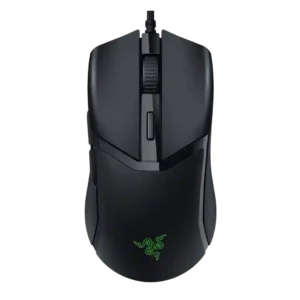
P1 Razer Cobra
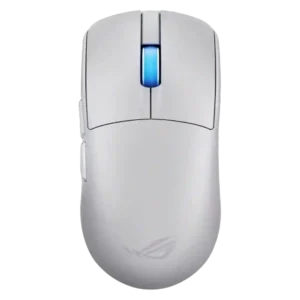
P2 ASUS ROG Harpe II Ace

Comparison Takeaways

Razer Cobra

Where It Has the Edge

  • palm grip comfort is 4.4 vs 3.5. Palm grip comfort is positive in the two reviews that directly tried or named palm grip use.
  • onboard memory is 2.3 vs 1.7. Onboard memory is a weakness or mixed point, with reviews disagreeing between one stored profile and no onboard...
  • value for money is 4.5 vs 4.2. Value is a strong consensus point, with reviewers repeatedly calling it budget-friendly, affordable, or very good for the...
  • ecosystem integration is rated 4.4 while the other product has no score yet. Ecosystem integration is supported by Synapse RGB syncing with other Razer accessories.

ASUS ROG Harpe II Ace

Where It Has the Edge

  • wireless latency is 4.7 vs 1.0. Wireless latency is consistently strong, with reviewers describing low-latency, instant, lag-free, or delay-free wireless performance.
  • wireless performance is 4.7 vs 1.0. Wireless performance is widely praised, especially native high-polling wireless, strong SpeedNova behavior, lag-free use, and wired-like responsiveness.
  • 2.4GHz connectivity is 4.7 vs 1.0. Reviewers consistently note strong 2.4GHz wireless support, including native high-polling operation through the included receiver or dongle, with...
  • Bluetooth support is 4.5 vs 1.0. Bluetooth support is repeatedly confirmed as part of the tri-mode setup and is treated as useful for productivity,...
Average score
Product 1: Razer Cobra
3.8
Product 2: ASUS ROG Harpe II Ace
4.3
2.4GHz connectivity
Product 1: Razer Cobra
1.0

2.4GHz support is absent according to the review that explicitly says there is no 2.4GHz dongle.

Product 2: ASUS ROG Harpe II Ace
4.7

Reviewers consistently note strong 2.4GHz wireless support, including native high-polling operation through the included receiver or dongle, with several preferring it for competitive play.

acceleration control
Product 1: Razer Cobra
4.1

Acceleration-related performance is adequate in the reviews that mention it, with specs and no-skip testing supporting confidence.

Product 2: ASUS ROG Harpe II Ace
4.5

Acceleration-related evidence is positive but limited: reviewers cite a 50G sensor rating, no odd acceleration in testing, and tuning options such as angle snapping or motion sync.

Accuracy and tracking precision
Product 1: Razer Cobra
4.5

Reviewers repeatedly describe the Cobra as accurate and dependable in tracking, with no missed beats or skipping in the strongest accounts.

Product 2: ASUS ROG Harpe II Ace
4.7

Accuracy evidence is broadly strong, with reviewers reporting precise aiming, stable tracking, spot-on fine corrections, and better average accuracy in one comparison test.

balance and weight distribution
Product 1: Razer Cobra
4.5

Weight balance is directly praised in one review as centered and stable.

Product 2: ASUS ROG Harpe II Ace
4.6

Balance is praised where discussed, especially the hand balance created by the shape and the spot-on weight distribution felt during use.

battery life
Product 1: Razer Cobra
No score yet
Product 2: ASUS ROG Harpe II Ace
4.4

Battery life is generally considered good for an ultralight esports mouse, though reviewers repeatedly note that 8K polling or Zone Mode reduces endurance versus 1K use.

Bluetooth support
Product 1: Razer Cobra
1.0

Bluetooth support is absent according to the review that explicitly says there are no Bluetooth wireless options.

Product 2: ASUS ROG Harpe II Ace
4.5

Bluetooth support is repeatedly confirmed as part of the tri-mode setup and is treated as useful for productivity, multi-device use, and non-competitive sessions.

build quality
Product 1: Razer Cobra
4.5

Build quality is mostly strong, with repeated praise for solid construction, durable feel, and robust materials.

Product 2: ASUS ROG Harpe II Ace
4.6

Build quality receives strong agreement: reviewers describe a rigid, solid shell with little or no creaking, flex, rattling, or hollow feel in normal use.

button customization
Product 1: Razer Cobra
4.5

Button customization is well supported through Synapse, including remapping buttons, DPI controls, and other mouse functions.

Product 2: ASUS ROG Harpe II Ace
4.5

Button customization is well supported through Gear Link, with reviewers noting adjustable assignments, DPI, lighting, and performance settings from the web interface.

button responsiveness
Product 1: Razer Cobra
4.4

Button responsiveness is mostly strong, with reviewers calling the switches responsive, easy to press, or improved by zero debounce.

Product 2: ASUS ROG Harpe II Ace
4.7

Button responsiveness is rated highly, with reviewers describing immediate response, fast triggering, consistent clicks, and crisp actuation.

cable flexibility
Product 1: Razer Cobra
4.4

Cable flexibility is widely praised, with reviewers describing the SpeedFlex or braided cable as light, flexible, and low-drag.

Product 2: ASUS ROG Harpe II Ace
4.4

Cable evidence is limited but positive, with reviewers describing the included USB-C cable as flexible or thin enough for charging or wired play.

charging convenience
Product 1: Razer Cobra
No score yet
Product 2: ASUS ROG Harpe II Ace
4.5

Charging convenience is a practical strength: reviewers mention quick cable top-ups, charge-while-play behavior, and continued use while charging.

claw grip comfort
Product 1: Razer Cobra
4.3

Claw grip comfort is positive where tested, with reviewers saying the mouse works well for claw-style use.

Product 2: ASUS ROG Harpe II Ace
4.5

Claw grip comfort is one of the strongest ergonomic themes, with many reviewers saying the shape favors claw use or feels easy to control in claw grip.

click latency
Product 1: Razer Cobra
4.7

Click latency evidence is positive, with optical switching and zero-debounce language pointing to very responsive inputs.

Product 2: ASUS ROG Harpe II Ace
4.6

Click-latency evidence is positive where mentioned, with immediate main-button response and optical switches that avoid debounce delay.

click noise
Product 1: Razer Cobra
3.0

Click noise is a common caveat, with multiple reviewers describing loud, deeper, or hollow-sounding clicks.

Product 2: ASUS ROG Harpe II Ace
3.9

Click noise receives mild caveats rather than serious criticism, with reviewers noting slightly louder primary clicks or a recognizable optical-switch sound.

connection stability
Product 1: Razer Cobra
4.5

Connection stability is positive for wired use, with plug-and-play behavior and no lag or jitters reported.

Product 2: ASUS ROG Harpe II Ace
4.6

Connection stability is repeatedly praised, including stable Bluetooth, lag-free connectivity, no dropouts, no desyncs, minimal interference, and steady wireless signal behavior.

cross-platform compatibility
Product 1: Razer Cobra
3.4

Cross-platform compatibility is partial: the mouse is described as Windows and Mac compatible, but software support is Windows-only.

Product 2: ASUS ROG Harpe II Ace
4.3

Cross-platform or multi-device use is a strength where reviewed, mainly because Gear Link works through a browser and Bluetooth pairing supports devices such as a MacBook.

debounce customization
Product 1: Razer Cobra
No score yet
Product 2: ASUS ROG Harpe II Ace
4.3

Debounce customization evidence is narrow but direct, with one review specifically saying debounce can be tweaked through the browser settings.

DPI range
Product 1: Razer Cobra
3.7

The DPI range is consistently framed as mainstream rather than flagship, with most reviews citing an 8500 DPI class limit and one noting a lower software range.

Product 2: ASUS ROG Harpe II Ace
4.6

DPI range is consistently high-end, with reviewers repeatedly citing the 42K or 42,000 DPI/CPI AimPoint Pro sensor and adjustable DPI levels.

durability over time
Product 1: Razer Cobra
4.0

Durability over time is lightly supported by one review’s broad speed, reliability, and durability verdict rather than extended long-term testing.

Product 2: ASUS ROG Harpe II Ace
4.5

Durability evidence is positive, especially the 100M-click switches, reinforced shell, rigid chassis, and consistent feel after days or many sessions.

ecosystem integration
Product 1: Razer Cobra
4.4

Ecosystem integration is supported by Synapse RGB syncing with other Razer accessories.

Product 2: ASUS ROG Harpe II Ace
No score yet
ergonomic design
Product 1: Razer Cobra
4.4

Ergonomics are generally praised for small to medium hands, versatile grips, and a compact symmetrical design.

Product 2: ASUS ROG Harpe II Ace
4.4

Ergonomic design is generally praised as comfortable and refined, though some evidence suggests comfort depends on grip style and hand size.

fingertip grip comfort
Product 1: Razer Cobra
4.3

Fingertip grip comfort is supported by one reviewer who found fingertip positioning comfortable.

Product 2: ASUS ROG Harpe II Ace
4.5

Fingertip comfort is strongly supported, with reviewers repeatedly saying the low hump and shape suit fingertip grip and allow finer micro-adjustments.

FPS gaming suitability
Product 1: Razer Cobra
4.1

FPS suitability is positive for small to medium hands and mainstream play, though one reviewer suggests top FPS players may want a better sensor.

Product 2: ASUS ROG Harpe II Ace
4.6

FPS suitability is a major strength: reviewers repeatedly connect the mouse to shooters, esports, fast aiming, low latency, and competitive play.

glide smoothness
Product 1: Razer Cobra
4.5

Glide is a strong point, with PTFE feet and low-drag skate behavior praised across several reviews.

Product 2: ASUS ROG Harpe II Ace
4.6

Glide smoothness is strongly praised, with reviewers highlighting smooth PTFE feet, low-friction movement, rounded skates, and easy gliding across pads.

grip texture
Product 1: Razer Cobra
3.6

Grip texture is mixed, with some reviewers praising the grippy texture and others finding the surface slick or lacking grip.

Product 2: ASUS ROG Harpe II Ace
4.3

Grip texture is mostly positive but not universal; reviewers praise the grippy matte coating while noting smoothness, fingerprints, or slipperiness as taste-dependent caveats.

handedness options
Product 1: Razer Cobra
2.5

Handedness is limited: the shape is symmetrical, but the left-side buttons make it functionally right-hand oriented.

Product 2: ASUS ROG Harpe II Ace
3.8

Handedness evidence is mixed: the shell is symmetrical or described as ambidextrous, but several reviewers note the side-button layout favors right-handed users.

left and right click quality
Product 1: Razer Cobra
3.4

Main click quality is mixed, ranging from firm and play-free to hollow or merely interesting in a critical first-impressions review.

Product 2: ASUS ROG Harpe II Ace
4.7

Left and right click quality is consistently positive, with reviewers describing crisp, sharp, precise, and consistent main clicks.

lift-off distance
Product 1: Razer Cobra
No score yet
Product 2: ASUS ROG Harpe II Ace
4.3

Lift-off distance evidence is limited but positive, with direct testing and setting references showing configurable or controlled lift-off behavior.

long-session comfort
Product 1: Razer Cobra
4.5

Long-session comfort is supported by one review that directly says it avoids hand strain during long play sessions.

Product 2: ASUS ROG Harpe II Ace
4.6

Long-session comfort is positive where tested, with reviewers linking the low weight and smooth glide to reduced fatigue in longer gaming sessions.

materials quality
Product 1: Razer Cobra
4.3

Materials quality is positive where discussed, especially the rough matte plastic and robust body.

Product 2: ASUS ROG Harpe II Ace
4.4

Materials quality is praised, especially the bio-based nylon shell, matte outer finish, and solid-feeling construction.

MMO gaming suitability
Product 1: Razer Cobra
No score yet
Product 2: ASUS ROG Harpe II Ace
2.5

MMO suitability is weak because reviewers mention limited button count or limited MMO functionality rather than a rich multi-button layout.

motion consistency
Product 1: Razer Cobra
4.5

Motion consistency is a strength in the tested reviews, with no lag, jitters, or sensor skip reported.

Product 2: ASUS ROG Harpe II Ace
4.8

Motion consistency is strong, with reviewers reporting stable tracking, steady motion, no desyncs, and flawless sensor behavior across use cases.

onboard memory
Product 1: Razer Cobra
2.3

Onboard memory is a weakness or mixed point, with reviews disagreeing between one stored profile and no onboard memory, but none describing robust storage.

Product 2: ASUS ROG Harpe II Ace
1.7

Onboard memory is a clear weakness in the available evidence because one review states profiles are not stored permanently.

palm grip comfort
Product 1: Razer Cobra
4.4

Palm grip comfort is positive in the two reviews that directly tried or named palm grip use.

Product 2: ASUS ROG Harpe II Ace
3.5

Palm grip comfort is context-dependent: one reviewer with large hands liked the palm fit, while others preferred fuller ergonomic alternatives or found support lacking for larger palm grips.

polling rate
Product 1: Razer Cobra
4.0

Polling is described as standard 1000Hz-class performance, suitable for most gamers rather than a high-polling specialty mouse.

Product 2: ASUS ROG Harpe II Ace
4.8

Polling rate is one of the most consistently supported strengths, with reviewers repeatedly citing native 8K or 8,000Hz operation without a separate booster.

portability
Product 1: Razer Cobra
4.1

Portability is supported mainly by the very lightweight, small wired design.

Product 2: ASUS ROG Harpe II Ace
4.2

Portability is positive, helped by very low weight and dongle storage, though one reviewer wished for a carrying bag.

premium feel
Product 1: Razer Cobra
4.4

Premium feel is generally positive because reviewers describe a premium experience, polished product, and solid construction despite the price.

Product 2: ASUS ROG Harpe II Ace
4.5

Premium feel is widely positive, with reviewers describing high-quality impressions, polished construction, and a solid premium feel in hand.

profile switching
Product 1: Razer Cobra
2.4

Profile switching is limited because the Cobra is described as holding only one profile or making multi-profile use a drawback.

Product 2: ASUS ROG Harpe II Ace
4.2

Profile switching and performance-mode evidence centers on Zone Mode and profiles; reviewers like the quick gaming mode, but permanent onboard profile storage is limited.

programmable buttons
Product 1: Razer Cobra
4.2

Programmable buttons are a clear feature, with reviewers citing the eight-button layout or the two extra side buttons.

Product 2: ASUS ROG Harpe II Ace
4.5

Programmable buttons are well supported through Gear Link, with reviewers noting freely assignable buttons, button remapping, and key customization.

RGB features
Product 1: Razer Cobra
4.4

RGB is a consistent positive, with logo and underglow lighting plus customization through Synapse.

Product 2: ASUS ROG Harpe II Ace
4.1

RGB features are limited but present, mainly through the scroll-wheel lighting and Gear Link lighting controls, often disabled in Zone Mode to save power.

scroll wheel quality
Product 1: Razer Cobra
4.0

Scroll wheel quality is mixed: some reviewers like the rubberized, tactile, firm feel, while others call the tactility mushy or the middle click weaker.

Product 2: ASUS ROG Harpe II Ace
4.4

Scroll wheel quality is generally positive, with reviewers describing precise clicks, pleasant notches, good tension, RGB feedback, and smooth or quiet scrolling.

sensor performance
Product 1: Razer Cobra
4.2

Sensor impressions are broadly positive: reviewers cite responsive, smooth, accurate tracking, though one comparison-focused review finds the update hard to feel.

Product 2: ASUS ROG Harpe II Ace
4.7

Sensor performance receives very strong agreement around the ROG AimPoint Pro sensor, flawless or precise tracking, and high-end performance in games.

shape comfort
Product 1: Razer Cobra
4.4

Shape comfort is broadly positive, especially for small to medium hands and users who like a compact symmetrical form.

Product 2: ASUS ROG Harpe II Ace
4.5

Shape comfort is broadly positive, especially for claw and fingertip users, though some reviews make hand-size and palm-grip caveats visible.

side button quality
Product 1: Razer Cobra
3.4

Side button quality is split, with praise for quick, larger buttons but criticism of free play, hollow feel, and post-travel.

Product 2: ASUS ROG Harpe II Ace
4.4

Side button quality is generally positive, with reviewers praising spacing, crispness, placement, and low accidental presses, though one notes they may feel small for long fingers.

software stability
Product 1: Razer Cobra
No score yet
Product 2: ASUS ROG Harpe II Ace
3.9

Software stability evidence is mixed and limited: Gear Link is smoother than Armoury Crate, but web/server dependency is called out as a potential reliability concern.

software usability
Product 1: Razer Cobra
4.3

Software usability is generally positive for customization, lighting, DPI, and settings management through Synapse.

Product 2: ASUS ROG Harpe II Ace
4.6

Software usability is a major strength, with reviewers praising Gear Link as web-based, clear, responsive, easy, resource-saving, and installation-free.

surface compatibility
Product 1: Razer Cobra
4.2

Surface compatibility is good in the reviews that tested different materials, though smoother performance is noted on mats.

Product 2: ASUS ROG Harpe II Ace
4.6

Surface compatibility is strong where tested, with track-on-glass claims, surface calibration, and positive notes on multiple pad or surface types.

switch durability
Product 1: Razer Cobra
4.8

Switch durability is supported by the 90 million click lifespan cited for the optical switches.

Product 2: ASUS ROG Harpe II Ace
4.7

Switch durability is strongly supported by repeated references to ROG optical or micro switches rated for 100 million clicks.

switch feel
Product 1: Razer Cobra
3.8

Switch feel is mixed: several reviewers like the satisfying tactile feel, while others describe hollow or less crisp clicks.

Product 2: ASUS ROG Harpe II Ace
4.5

Switch feel is positive overall, with crisp, clicky, decisive, consistent, and sharp feel reported across many reviews.

tilt gesture controls
Product 1: Razer Cobra
No score yet
Product 2: ASUS ROG Harpe II Ace
2.2

Tilt controls are a weakness because the available evidence says the wheel does not tilt horizontally or spin freely.

value for money
Product 1: Razer Cobra
4.5

Value is a strong consensus point, with reviewers repeatedly calling it budget-friendly, affordable, or very good for the money.

Product 2: ASUS ROG Harpe II Ace
4.2

Value is mixed-to-positive: several reviewers call pricing competitive for a flagship, while others frame it as premium or not cheap.

weight
Product 1: Razer Cobra
4.6

Weight is one of the strongest points, with nearly every review describing the mouse around 56-58 grams and very light in hand.

Product 2: ASUS ROG Harpe II Ace
4.8

Weight is one of the clearest strengths, with reviewers repeatedly measuring or citing roughly 46-48 grams and praising the ultralight design.

wireless latency
Product 1: Razer Cobra
1.0

Wireless latency scores low because the product is described as lacking wireless connectivity entirely.

Product 2: ASUS ROG Harpe II Ace
4.7

Wireless latency is consistently strong, with reviewers describing low-latency, instant, lag-free, or delay-free wireless performance.

wireless performance
Product 1: Razer Cobra
1.0

Wireless performance scores low because the review evidence says there are no wireless connectivity options.

Product 2: ASUS ROG Harpe II Ace
4.7

Wireless performance is widely praised, especially native high-polling wireless, strong SpeedNova behavior, lag-free use, and wired-like responsiveness.