2.4GHz connectivity
P1
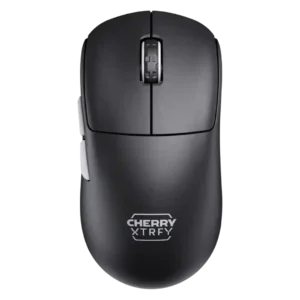
Product 1: Cherry M68 Pro
4.6
Reviewers who discussed the 2.4GHz link described it as the main wireless path and praised the fast, reliable dongle-based connection.
P2
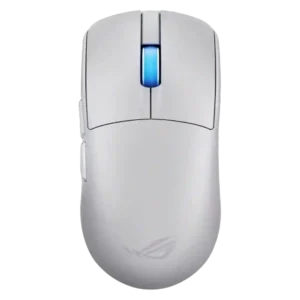
Product 2: ASUS ROG Harpe II Ace
4.7
Reviewers consistently note strong 2.4GHz wireless support, including native high-polling operation through the included receiver or dongle, with several preferring it for competitive play.
acceleration control
P1
Product 1: Cherry M68 Pro
4.3
The reviewed sensor specification supports high acceleration handling, with Tom’s Hardware citing up to 60 Gs of force.
P2
Product 2: ASUS ROG Harpe II Ace
4.5
Acceleration-related evidence is positive but limited: reviewers cite a 50G sensor rating, no odd acceleration in testing, and tuning options such as angle snapping or motion sync.
Accuracy and tracking precision
P1
Product 1: Cherry M68 Pro
4.7
Across gaming tests, reviewers consistently described tracking and aim behavior as precise, accurate, and stable.
P2
Product 2: ASUS ROG Harpe II Ace
4.7
Accuracy evidence is broadly strong, with reviewers reporting precise aiming, stable tracking, spot-on fine corrections, and better average accuracy in one comparison test.
balance and weight distribution
P1
Product 1: Cherry M68 Pro
4.5
The mouse is repeatedly described as easy to handle and well balanced, with no major balance complaints in the M68-specific evidence.
P2
Product 2: ASUS ROG Harpe II Ace
4.6
Balance is praised where discussed, especially the hand balance created by the shape and the spot-on weight distribution felt during use.
battery life
P1
Product 1: Cherry M68 Pro
4.2
Battery life is generally strong around 90 hours in standard modes, though high polling or Pro Gaming mode can cut runtime sharply.
P2
Product 2: ASUS ROG Harpe II Ace
4.4
Battery life is generally considered good for an ultralight esports mouse, though reviewers repeatedly note that 8K polling or Zone Mode reduces endurance versus 1K use.
Bluetooth support
P1Product 1: Cherry M68 Pro
No score yet
P2
Product 2: ASUS ROG Harpe II Ace
4.5
Bluetooth support is repeatedly confirmed as part of the tri-mode setup and is treated as useful for productivity, multi-device use, and non-competitive sessions.
build quality
P1
Product 1: Cherry M68 Pro
4.2
Build quality trends positive, with most reviewers calling the shell solid or tough, though isolated comments note flex or polish concerns.
P2
Product 2: ASUS ROG Harpe II Ace
4.6
Build quality receives strong agreement: reviewers describe a rigid, solid shell with little or no creaking, flex, rattling, or hollow feel in normal use.
button customization
P1
Product 1: Cherry M68 Pro
2.0
Button customization is a weak area because reviewers repeatedly note hardware-only controls, no software, and limited reprogramming.
P2
Product 2: ASUS ROG Harpe II Ace
4.5
Button customization is well supported through Gear Link, with reviewers noting adjustable assignments, DPI, lighting, and performance settings from the web interface.
button responsiveness
P1
Product 1: Cherry M68 Pro
4.2
Button responsiveness is widely positive, with reviewers describing fast, snappy, responsive, or well-positioned buttons.
P2
Product 2: ASUS ROG Harpe II Ace
4.7
Button responsiveness is rated highly, with reviewers describing immediate response, fast triggering, consistent clicks, and crisp actuation.
cable flexibility
P1
Product 1: Cherry M68 Pro
3.6
Cable flexibility is mixed: the included cable itself can be flexible, but the side placement can make wired use feel awkward or encumbered.
P2
Product 2: ASUS ROG Harpe II Ace
4.4
Cable evidence is limited but positive, with reviewers describing the included USB-C cable as flexible or thin enough for charging or wired play.
charging convenience
P1
Product 1: Cherry M68 Pro
2.7
Charging convenience is one of the main tradeoffs: charge time can be quick, but the side USB-C port is often called awkward.
P2
Product 2: ASUS ROG Harpe II Ace
4.5
Charging convenience is a practical strength: reviewers mention quick cable top-ups, charge-while-play behavior, and continued use while charging.
claw grip comfort
P1
Product 1: Cherry M68 Pro
4.2
Claw grip comfort is a strength for many reviewers, especially because the low front and button grooves help the hand lock in.
P2
Product 2: ASUS ROG Harpe II Ace
4.5
Claw grip comfort is one of the strongest ergonomic themes, with many reviewers saying the shape favors claw use or feels easy to control in claw grip.
click latency
P1
Product 1: Cherry M68 Pro
4.6
Latency-related click and input feel is strong where measured subjectively, with reviewers reporting instantaneous or lag-free response.
P2
Product 2: ASUS ROG Harpe II Ace
4.6
Click-latency evidence is positive where mentioned, with immediate main-button response and optical switches that avoid debounce delay.
click noise
P1
Product 1: Cherry M68 Pro
3.8
Click noise is acceptable rather than silent, with some reviewers finding the switches quieter or well balanced and one calling them fairly loud.
P2
Product 2: ASUS ROG Harpe II Ace
3.9
Click noise receives mild caveats rather than serious criticism, with reviewers noting slightly louder primary clicks or a recognizable optical-switch sound.
connection stability
P1
Product 1: Cherry M68 Pro
4.5
Connection stability is consistently praised in wireless use, with reviewers reporting no noticeable lag, stutter, hiccups, or wireless issues.
P2
Product 2: ASUS ROG Harpe II Ace
4.6
Connection stability is repeatedly praised, including stable Bluetooth, lag-free connectivity, no dropouts, no desyncs, minimal interference, and steady wireless signal behavior.
cross-platform compatibility
P1Product 1: Cherry M68 Pro
No score yet
P2
Product 2: ASUS ROG Harpe II Ace
4.3
Cross-platform or multi-device use is a strength where reviewed, mainly because Gear Link works through a browser and Bluetooth pairing supports devices such as a MacBook.
debounce customization
P1
Product 1: Cherry M68 Pro
3.6
Debounce customization exists through onboard controls and offers multiple settings, but one reviewer reported ghost clicks at the lowest setting.
P2
Product 2: ASUS ROG Harpe II Ace
4.3
Debounce customization evidence is narrow but direct, with one review specifically saying debounce can be tweaked through the browser settings.
DPI range
P1
Product 1: Cherry M68 Pro
4.0
DPI or CPI coverage is broad enough for most users, but reviewers criticize the preset-only approach when a preferred sensitivity is missing.
P2
Product 2: ASUS ROG Harpe II Ace
4.6
DPI range is consistently high-end, with reviewers repeatedly citing the 42K or 42,000 DPI/CPI AimPoint Pro sensor and adjustable DPI levels.
durability over time
P1
Product 1: Cherry M68 Pro
3.0
Long-term durability evidence is limited, but one review observed fingertip oil residue after weeks of use despite the protective coating.
P2
Product 2: ASUS ROG Harpe II Ace
4.5
Durability evidence is positive, especially the 100M-click switches, reinforced shell, rigid chassis, and consistent feel after days or many sessions.
ergonomic design
P1
Product 1: Cherry M68 Pro
4.4
The low-front ergonomic concept earns strong praise for control and comfort, though the unusual shape is not universally loved.
P2
Product 2: ASUS ROG Harpe II Ace
4.4
Ergonomic design is generally praised as comfortable and refined, though some evidence suggests comfort depends on grip style and hand size.
fingertip grip comfort
P1
Product 1: Cherry M68 Pro
4.0
Fingertip support is more context-dependent, with some reviewers liking the fingertip emphasis while others see safer alternatives for fingertip grip.
P2
Product 2: ASUS ROG Harpe II Ace
4.5
Fingertip comfort is strongly supported, with reviewers repeatedly saying the low hump and shape suit fingertip grip and allow finer micro-adjustments.
FPS gaming suitability
P1
Product 1: Cherry M68 Pro
4.6
FPS suitability is a clear strength because reviewers cite precise aim, snappy response, 8K polling, and good performance in FPS titles.
P2
Product 2: ASUS ROG Harpe II Ace
4.6
FPS suitability is a major strength: reviewers repeatedly connect the mouse to shooters, esports, fast aiming, low latency, and competitive play.
glide smoothness
P1
Product 1: Cherry M68 Pro
4.1
Glide is generally smooth on mouse pads and many surfaces, though thin skates or missing center feet created some caveats.
P2
Product 2: ASUS ROG Harpe II Ace
4.6
Glide smoothness is strongly praised, with reviewers highlighting smooth PTFE feet, low-friction movement, rounded skates, and easy gliding across pads.
grip texture
P1
Product 1: Cherry M68 Pro
3.7
Grip texture is mixed: some reviewers like the traction and grooves, while black coating fingerprinting is a recurring caveat.
P2
Product 2: ASUS ROG Harpe II Ace
4.3
Grip texture is mostly positive but not universal; reviewers praise the grippy matte coating while noting smoothness, fingerprints, or slipperiness as taste-dependent caveats.
handedness options
P1
Product 1: Cherry M68 Pro
3.7
Handedness support is based on the symmetrical shape, but the reviews do not establish a true left-handed button layout.
P2
Product 2: ASUS ROG Harpe II Ace
3.8
Handedness evidence is mixed: the shell is symmetrical or described as ambidextrous, but several reviewers note the side-button layout favors right-handed users.
left and right click quality
P1
Product 1: Cherry M68 Pro
4.0
Primary click quality is generally good, with reviewers describing the main buttons as solid, great, fast, snappy, and spammable.
P2
Product 2: ASUS ROG Harpe II Ace
4.7
Left and right click quality is consistently positive, with reviewers describing crisp, sharp, precise, and consistent main clicks.
lift-off distance
P1
Product 1: Cherry M68 Pro
3.9
Lift-off distance is adjustable with two settings, though reviewers note the control is buried in onboard combinations.
P2
Product 2: ASUS ROG Harpe II Ace
4.3
Lift-off distance evidence is limited but positive, with direct testing and setting references showing configurable or controlled lift-off behavior.
long-session comfort
P1
Product 1: Cherry M68 Pro
4.5
Long-session comfort is strong in the positive evidence, including reports of no fatigue and comfortable extended play.
P2
Product 2: ASUS ROG Harpe II Ace
4.6
Long-session comfort is positive where tested, with reviewers linking the low weight and smooth glide to reduced fatigue in longer gaming sessions.
materials quality
P1
Product 1: Cherry M68 Pro
4.0
Materials quality is mostly positive, with lightweight plastic, matte coating, coarse traction, and a robust shell all mentioned.
P2
Product 2: ASUS ROG Harpe II Ace
4.4
Materials quality is praised, especially the bio-based nylon shell, matte outer finish, and solid-feeling construction.
MMO gaming suitability
P1
Product 1: Cherry M68 Pro
3.5
MMO suitability appears secondary; one review says standard mode targets low-precision games like MMOs rather than peak FPS play.
P2
Product 2: ASUS ROG Harpe II Ace
2.5
MMO suitability is weak because reviewers mention limited button count or limited MMO functionality rather than a rich multi-button layout.
motion consistency
P1
Product 1: Cherry M68 Pro
4.2
Motion consistency is strong overall, with reviews citing no inconsistencies and available motion sync, though controls are manual.
P2
Product 2: ASUS ROG Harpe II Ace
4.8
Motion consistency is strong, with reviewers reporting stable tracking, steady motion, no desyncs, and flawless sensor behavior across use cases.
onboard memory
P1
Product 1: Cherry M68 Pro
3.9
Onboard controls are substantial, with CPI and settings stored or adjusted on the mouse, but this also creates usability friction.
P2
Product 2: ASUS ROG Harpe II Ace
1.7
Onboard memory is a clear weakness in the available evidence because one review states profiles are not stored permanently.
palm grip comfort
P1
Product 1: Cherry M68 Pro
3.3
Palm grip comfort depends on hand size, with larger hands feeling cramped while smaller hands may find it workable.
P2
Product 2: ASUS ROG Harpe II Ace
3.5
Palm grip comfort is context-dependent: one reviewer with large hands liked the palm fit, while others preferred fuller ergonomic alternatives or found support lacking for larger palm grips.
polling rate
P1
Product 1: Cherry M68 Pro
4.4
Polling rate is a headline strength, with broad support for 8K wireless, though not every reviewer could feel a benefit over lower rates.
P2
Product 2: ASUS ROG Harpe II Ace
4.8
Polling rate is one of the most consistently supported strengths, with reviewers repeatedly citing native 8K or 8,000Hz operation without a separate booster.
portability
P1
Product 1: Cherry M68 Pro
4.2
Portability is supported by its light wireless build and simple hardware controls, making it easy to move between setups.
P2
Product 2: ASUS ROG Harpe II Ace
4.2
Portability is positive, helped by very low weight and dongle storage, though one reviewer wished for a carrying bag.
premium feel
P1
Product 1: Cherry M68 Pro
3.6
Premium feel is mixed: the shell, weight balance, and switch feel can impress, but price and polish concerns keep it from unanimous praise.
P2
Product 2: ASUS ROG Harpe II Ace
4.5
Premium feel is widely positive, with reviewers describing high-quality impressions, polished construction, and a solid premium feel in hand.
profile switching
P1
Product 1: Cherry M68 Pro
3.6
Profile or mode switching is available through Pro Gaming, Standard Gaming, Low Power, and related onboard modes, but the process is cumbersome.
P2
Product 2: ASUS ROG Harpe II Ace
4.2
Profile switching and performance-mode evidence centers on Zone Mode and profiles; reviewers like the quick gaming mode, but permanent onboard profile storage is limited.
programmable buttons
P1
Product 1: Cherry M68 Pro
1.7
Programmable-button support is poor because reviews cite no software and an inability to reprogram buttons.
P2
Product 2: ASUS ROG Harpe II Ace
4.5
Programmable buttons are well supported through Gear Link, with reviewers noting freely assignable buttons, button remapping, and key customization.
RGB features
P1
Product 1: Cherry M68 Pro
1.5
RGB features are essentially absent, which reviewers frame as intentional minimalism rather than a lighting strength.
P2
Product 2: ASUS ROG Harpe II Ace
4.1
RGB features are limited but present, mainly through the scroll-wheel lighting and Gear Link lighting controls, often disabled in Zone Mode to save power.
scroll wheel quality
P1
Product 1: Cherry M68 Pro
4.0
Scroll wheel quality is generally solid, with notched, controlled, tactile scrolling and acceptable middle-click feel.
P2
Product 2: ASUS ROG Harpe II Ace
4.4
Scroll wheel quality is generally positive, with reviewers describing precise clicks, pleasant notches, good tension, RGB feedback, and smooth or quiet scrolling.
sensor performance
P1
Product 1: Cherry M68 Pro
4.5
Sensor performance is one of the strongest areas, with reviewers praising the Pixart 3395, precision, speed, and gaming responsiveness.
P2
Product 2: ASUS ROG Harpe II Ace
4.7
Sensor performance receives very strong agreement around the ROG AimPoint Pro sensor, flawless or precise tracking, and high-end performance in games.
shape comfort
P1
Product 1: Cherry M68 Pro
4.0
Shape comfort is the most divisive area: several reviewers love the low-front control, while others find the M68 wide or cramped.
P2
Product 2: ASUS ROG Harpe II Ace
4.5
Shape comfort is broadly positive, especially for claw and fingertip users, though some reviews make hand-size and palm-grip caveats visible.
side button quality
P1
Product 1: Cherry M68 Pro
3.8
Side button quality is mostly usable and better on the M68 than M64 in one review, though some reviewers still wanted less travel.
P2
Product 2: ASUS ROG Harpe II Ace
4.4
Side button quality is generally positive, with reviewers praising spacing, crispness, placement, and low accidental presses, though one notes they may feel small for long fingers.
software usability
P1
Product 1: Cherry M68 Pro
2.1
Software usability is the biggest repeated weakness because there is no software, forcing manual button combinations and guide lookups.
P2
Product 2: ASUS ROG Harpe II Ace
4.6
Software usability is a major strength, with reviewers praising Gear Link as web-based, clear, responsive, easy, resource-saving, and installation-free.
surface compatibility
P1
Product 1: Cherry M68 Pro
3.8
Surface compatibility is good across pads and ordinary surfaces, but glass and hard desktops are weaker cases.
P2
Product 2: ASUS ROG Harpe II Ace
4.6
Surface compatibility is strong where tested, with track-on-glass claims, surface calibration, and positive notes on multiple pad or surface types.
switch feel
P1
Product 1: Cherry M68 Pro
4.4
Switch feel is praised for its middle-ground weighting and spammable, satisfying feel.
P2
Product 2: ASUS ROG Harpe II Ace
4.5
Switch feel is positive overall, with crisp, clicky, decisive, consistent, and sharp feel reported across many reviews.
tilt gesture controls
P1
Product 1: Cherry M68 Pro
1.0
Tilt gesture or tilt-wheel controls are not supported according to the available review evidence.
P2
Product 2: ASUS ROG Harpe II Ace
2.2
Tilt controls are a weakness because the available evidence says the wheel does not tilt horizontally or spin freely.
value for money
P1
Product 1: Cherry M68 Pro
3.2
Value is mixed: performance is strong, but several reviewers question the $129-$140 price because of missing software and awkward charging.
P2
Product 2: ASUS ROG Harpe II Ace
4.2
Value is mixed-to-positive: several reviewers call pricing competitive for a flagship, while others frame it as premium or not cheap.
weight
P1
Product 1: Cherry M68 Pro
4.6
The 55g weight is a major positive and appears consistently across reviews as an ultralight wireless strength.
P2
Product 2: ASUS ROG Harpe II Ace
4.8
Weight is one of the clearest strengths, with reviewers repeatedly measuring or citing roughly 46-48 grams and praising the ultralight design.
wireless latency
P1
Product 1: Cherry M68 Pro
4.6
Wireless latency is a strength, with multiple reviewers reporting no lag, near-instant response, and smooth high-polling play.
P2
Product 2: ASUS ROG Harpe II Ace
4.7
Wireless latency is consistently strong, with reviewers describing low-latency, instant, lag-free, or delay-free wireless performance.
wireless performance
P1
Product 1: Cherry M68 Pro
4.4
Wireless performance is consistently strong over 2.4GHz, with reviewers noting reliable, hiccup-free, or high-performance gaming use.
P2
Product 2: ASUS ROG Harpe II Ace
4.7
Wireless performance is widely praised, especially native high-polling wireless, strong SpeedNova behavior, lag-free use, and wired-like responsiveness.