Compare Split Fiction vs Goodnight Universe

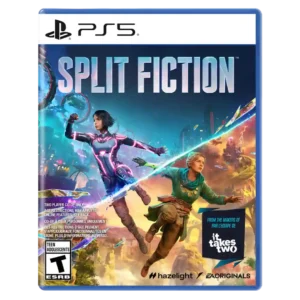
P1 Split Fiction
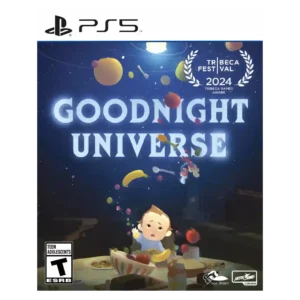
P2 Goodnight Universe

Comparison Takeaways

Split Fiction

Where It Has the Edge

  • handheld play suitability is 4.5 vs 2.0. Handheld play suitability was praised for portable convenience despite technical tradeoffs.
  • platform-specific feature support is 4.5 vs 2.7. Platform-specific support stood out on Switch 2 through kickstand/tabletop play and Game Share functionality.
  • core gameplay loop is 4.5 vs 3.0. The core loop was praised as gameplay-first, using its premise mainly to enable new co-op situations.
  • controls responsiveness is 4.5 vs 3.1. Controls were generally seen as responsive and intuitive, with one Switch 2 local controller setup working without issue.

Goodnight Universe

Where It Has the Edge

  • side character depth is 5.0 vs 2.3. Side characters were praised where discussed, especially Isaac’s family and the small cast that reviewers came to care...
  • writing quality is 4.6 vs 2.4. Writing was widely admired for beauty, sincerity, character moments, and presentation, though a few reviewers felt the story...
  • protagonist appeal is 4.9 vs 2.8. Isaac’s protagonist appeal was strong, with reviewers highlighting his emotional complexity, witty inner voice, and memorable narration.
  • world interactivity is 4.5 vs 2.5. World interactivity was praised for using psychic abilities and environmental interactions to reinforce the heartfelt story.
Average score
Product 1: Split Fiction
4.0
Product 2: Goodnight Universe
4.1
accessibility options
Product 1: Split Fiction
3.7

Accessibility support was praised for options like damage reduction and checkpoint skipping, though one review encountered a failed QuickTime accessibility workaround.

Product 2: Goodnight Universe
4.5

Accessibility-related evidence was positive, with reviewers appreciating basic webcam requirements and a No Camera option that preserved the experience.

age appropriateness
Product 1: Split Fiction
4.0

Age appropriateness was considered fitting for a Teen rating, with some language and blood but nothing gratuitous.

Product 2: Goodnight Universe
No score yet
animation quality
Product 1: Split Fiction
4.5

Animation quality was praised in the technical review, especially for effective character animation.

Product 2: Goodnight Universe
4.5

Animation quality received positive evidence for smooth animation and detailed character expression.

art direction
Product 1: Split Fiction
4.6

Art direction was widely praised for striking worlds, scale, and strong creative environments, even on compromised hardware.

Product 2: Goodnight Universe
4.5

Art direction was generally praised for its colorful, charming, expressive, and warm visual identity, even when the world itself was not always detailed.

atmosphere
Product 1: Split Fiction
No score yet
Product 2: Goodnight Universe
4.8

Atmosphere was praised for dreamlike ambience, emotional visual contrast, and a warm, engaging mood.

boss design
Product 1: Split Fiction
4.2

Boss design was often praised for imagination and spectacle, with some caveats around daunting or repeated patterns.

Product 2: Goodnight Universe
No score yet
bug frequency
Product 1: Split Fiction
2.5

Bug frequency was low for some but notable in reviews citing glitches, snags, and a specific failed checkpoint interaction.

Product 2: Goodnight Universe
4.0

Bug frequency was a minor caveat rather than a major complaint; reviewers mentioned visual bugs or jank but often said they did not derail the experience.

camera behavior
Product 1: Split Fiction
3.8

Camera behavior was split between praise for clear tracking and complaints about awkward perspective shifts.

Product 2: Goodnight Universe
4.0

Camera behavior was central and mixed: several reviewers loved or respected the webcam/blink mechanics, but others found detection finicky, awkward, mechanical, or platform-dependent.

character development
Product 1: Split Fiction
4.5

Character development earned praise from reviewers who felt Mio and Zoe’s relationship and emotional growth paid off.

Product 2: Goodnight Universe
4.3

Character development was usually praised for grounded family dynamics and three-dimensional characters, though one reviewer found the cast likable but underdeveloped.

checkpoint system
Product 1: Split Fiction
4.5

The checkpoint system was consistently praised for generosity, fast respawns, and reducing frustration.

Product 2: Goodnight Universe
4.5

The checkpoint system was praised for keeping players close to the action and reducing stress after failures.

co-op experience
Product 1: Split Fiction
4.8

Co-op experience was the strongest consensus point, repeatedly described as excellent, accessible, communicative, and central to the fun.

Product 2: Goodnight Universe
No score yet
combat system
Product 1: Split Fiction
4.0

Combat was described positively when the game shifts into shooter and action-platforming sequences.

Product 2: Goodnight Universe
No score yet
content variety
Product 1: Split Fiction
4.8

Content variety was a major strength, especially side stories, genre shifts, and constantly changing mechanics.

Product 2: Goodnight Universe
No score yet
controls responsiveness
Product 1: Split Fiction
4.5

Controls were generally seen as responsive and intuitive, with one Switch 2 local controller setup working without issue.

Product 2: Goodnight Universe
3.1

Controls drew mixed reactions: some found the control scheme competent or acceptable, while console and later set-piece inputs were described as inaccurate, fiddly, clunky, or unable to keep up.

core gameplay loop
Product 1: Split Fiction
4.5

The core loop was praised as gameplay-first, using its premise mainly to enable new co-op situations.

Product 2: Goodnight Universe
3.0

The core loop worked best in chore/checklist or story-observation moments, but reviewers who wanted more active play found it passive or lacking.

couch co-op quality
Product 1: Split Fiction
4.5

Couch co-op quality was praised for local convenience and the way Hazelight supports shared-play experiences.

Product 2: Goodnight Universe
No score yet
cross-play support
Product 1: Split Fiction
4.5

Cross-play support was praised as player-friendly and helpful for Friend’s Pass co-op.

Product 2: Goodnight Universe
No score yet
cross-save support
Product 1: Split Fiction
4.5

Cross-save/progression support was praised where non-host progression carried over.

Product 2: Goodnight Universe
No score yet
dialogue quality
Product 1: Split Fiction
2.8

Dialogue drew mixed responses, ranging from thoughtful and believable to painfully uninspired or full of cliches.

Product 2: Goodnight Universe
4.0

Dialogue quality had limited but positive evidence, with one reviewer appreciating small unique dialogue changes tied to choices.

difficulty balance
Product 1: Split Fiction
4.1

Difficulty was seen as forgiving but more demanding than earlier Hazelight games, especially for casual or unseasoned partners.

Product 2: Goodnight Universe
3.0

Reviewers agreed the game is not especially challenging; this worked for passive narrative play but may disappoint players seeking demanding gameplay.

emotional impact
Product 1: Split Fiction
4.5

Emotional impact landed for several reviewers, especially through friendship themes and later character moments.

Product 2: Goodnight Universe
4.7

Emotional impact was a major strength, with many reviewers reporting tears, lingering feelings, heartfelt moments, or strong investment; a few found the beats less earned.

environmental detail
Product 1: Split Fiction
4.5

Environmental detail was praised for keeping varied worlds visually interesting.

Product 2: Goodnight Universe
4.3

Environmental detail was mixed: one reviewer found the world not especially detailed, while another praised the overall detail and animation.

exploration quality
Product 1: Split Fiction
2.2

Exploration was criticized where invisible walls and glitches undercut curiosity.

Product 2: Goodnight Universe
No score yet
facial animations
Product 1: Split Fiction
4.5

Facial animation/lip sync received specific praise from one reviewer.

Product 2: Goodnight Universe
3.5

Facial animations had a minor caveat, with one reviewer noting occasional lip-sync issues.

family friendliness
Product 1: Split Fiction
4.0

Family friendliness was supported by forgiving co-op design that can work across different skill levels.

Product 2: Goodnight Universe
No score yet
flying mechanics
Product 1: Split Fiction
2.8

Flying was more divisive, with reviewers citing some early flying sections and dragon flight as weaker or imprecise.

Product 2: Goodnight Universe
No score yet
frame rate stability
Product 1: Split Fiction
4.0

Frame rate stability was platform-dependent: strong on most versions, but Switch 2 had noticeable dips in demanding moments.

Product 2: Goodnight Universe
4.8

Frame rate stability was positive in Switch 2-focused evidence, with no frame hitches or meaningful performance dips reported.

fun factor
Product 1: Split Fiction
4.7

Fun factor was consistently high, even among more critical reviewers.

Product 2: Goodnight Universe
4.2

Fun factor was mostly positive in story and psychic-play moments, but one negative review said the gameplay stopped being fun.

gameplay mechanics
Product 1: Split Fiction
4.4

Reviewers broadly praised the constantly changing mechanics and strong moment-to-moment play, though a few found some actions forgettable or simple.

Product 2: Goodnight Universe
3.7

Reviewers often praised the mechanics when webcam, blinking, telepathy, and psychic interactions served the story, but several found the console or passive versions thin, clunky, or less meaningful.

graphics quality
Product 1: Split Fiction
4.6

Graphics were usually praised as gorgeous or stunning, with Switch 2 visual compromises noted by one reviewer.

Product 2: Goodnight Universe
4.3

Graphics quality was viewed positively but modestly, with reviewers calling the game easy on the eyes and technically good rather than visually cutting-edge.

handheld play suitability
Product 1: Split Fiction
4.5

Handheld play suitability was praised for portable convenience despite technical tradeoffs.

Product 2: Goodnight Universe
2.0

Handheld suitability had limited negative evidence, with one reviewer saying the eye-tracking design is not a great fit for Steam Deck or handheld PCs.

HUD clarity
Product 1: Split Fiction
No score yet
Product 2: Goodnight Universe
4.5

HUD clarity was praised in limited evidence, with power cues described as clear and not confusing.

immersion
Product 1: Split Fiction
No score yet
Product 2: Goodnight Universe
4.0

Immersion depended heavily on setup: webcam, headphones, and eye inputs often deepened immersion, while missing camera support, rough pacing, or weaker mechanics could reduce intimacy.

innovation
Product 1: Split Fiction
4.8

Innovation was strongly praised through creative levels, final sequences, and inventive co-op design.

Product 2: Goodnight Universe
4.5

Innovation was praised for surprising mechanics and interactive storytelling, although one reviewer felt the good ideas were not fully realized.

learning curve
Product 1: Split Fiction
4.0

The learning curve was approachable for experienced players but could require adjustment for casual players.

Product 2: Goodnight Universe
4.5

Learning curve was praised in limited evidence because the mechanics click quickly and let the storytelling stay central.

level design
Product 1: Split Fiction
4.8

Level design stood out for memorable finales, strong set pieces, and mechanics that could sustain larger ideas.

Product 2: Goodnight Universe
No score yet
load times
Product 1: Split Fiction
No score yet
Product 2: Goodnight Universe
5.0

Load times had limited positive evidence, with scenes transitioning without a loading delay.

matchmaking quality
Product 1: Split Fiction
3.0

Matchmaking quality was limited because finding a partner could still be a challenge.

Product 2: Goodnight Universe
No score yet
mission variety
Product 1: Split Fiction
3.9

Mission variety was strong overall, but a few sci-fi sections were called less memorable.

Product 2: Goodnight Universe
No score yet
movement feel
Product 1: Split Fiction
4.5

Movement received strong praise for added weight, consistency, and approachability.

Product 2: Goodnight Universe
No score yet
multiplayer design
Product 1: Split Fiction
4.5

Multiplayer design was praised for fitting the exclusively co-op approach and supporting differing skill levels.

Product 2: Goodnight Universe
No score yet
narrative quality
Product 1: Split Fiction
3.3

Narrative quality divided reviewers: some liked the human story and concept, while others found the plot predictable or forgettable.

Product 2: Goodnight Universe
4.5

Narrative quality was the strongest consensus point, with most reviewers praising the emotional family story, unusual premise, and memorable journey, though a minority found it less focused or affecting.

onboarding experience
Product 1: Split Fiction
3.4

Onboarding was praised for intuitive design but criticized on Switch 2 crossplay setup for poor in-game explanation.

Product 2: Goodnight Universe
4.5

The onboarding was praised for easing players into Isaac’s powers through natural tutorialization.

online stability
Product 1: Split Fiction
4.3

Online stability was generally positive, with rare lag or strong latency reports.

Product 2: Goodnight Universe
No score yet
originality
Product 1: Split Fiction
4.4

Originality was mixed: some called it audacious or original, while another argued it was polished more than new.

Product 2: Goodnight Universe
4.6

Originality was strongly praised, with reviewers repeatedly calling the premise, baby perspective, and overall experience unique or fresh.

pacing
Product 1: Split Fiction
4.2

Pacing was one of the most praised areas, though a minority felt certain ideas lingered too long or were not flawless.

Product 2: Goodnight Universe
3.6

Pacing was one of the most split areas: some reviewers thought the short runtime was well used, while others cited side-tracked sections, slow stretches, abrupt movement, or rough emotional timing.

performance optimization
Product 1: Split Fiction
4.8

Performance optimization was praised across several reviews, with smooth operation on consoles and strong overall polish.

Product 2: Goodnight Universe
5.0

Performance optimization was praised in limited evidence, with one reviewer noting it does not need a cutting-edge PC.

platform-specific feature support
Product 1: Split Fiction
4.5

Platform-specific support stood out on Switch 2 through kickstand/tabletop play and Game Share functionality.

Product 2: Goodnight Universe
2.7

Platform-specific feature support was a notable drawback on Switch 2 and other console versions because missing camera/eye tracking reduced the intended experience.

platforming precision
Product 1: Split Fiction
4.5

Platforming was repeatedly called precise and immediately satisfying.

Product 2: Goodnight Universe
No score yet
polish
Product 1: Split Fiction
4.4

Polish was generally strong, though some reviewers mentioned rough gameplay stretches or platform-specific compromises.

Product 2: Goodnight Universe
3.5

Polish was somewhat imperfect in limited evidence, with motion and jank issues noted despite the broader emotional success.

progression system
Product 1: Split Fiction
3.0

Progression was intentionally minimal, with no score tracking or skill leveling, which some players may find limiting.

Product 2: Goodnight Universe
No score yet
protagonist appeal
Product 1: Split Fiction
2.8

Protagonist appeal was mixed because several reviewers needed time to warm up to Mio and Zoe, or never found them interesting.

Product 2: Goodnight Universe
4.9

Isaac’s protagonist appeal was strong, with reviewers highlighting his emotional complexity, witty inner voice, and memorable narration.

puzzle design
Product 1: Split Fiction
4.8

Puzzle design was consistently praised for co-op dependence, teamwork, and creativity, with only occasional simplicity noted.

Product 2: Goodnight Universe
4.5

Puzzle design received praise in limited evidence, especially for a psychic-camera sequence that felt fun and surprisingly challenging.

quest design
Product 1: Split Fiction
4.5

Side-story quests were considered worthwhile and rewarding to find.

Product 2: Goodnight Universe
No score yet
replay value
Product 1: Split Fiction
3.8

Replay value was mixed: alternate characters and modes help, but some reviewers still saw it as a one-and-done game.

Product 2: Goodnight Universe
4.3

Replay value came mainly from choices, callbacks, and altered dialogue rather than major branching endings; several reviewers still found multiple playthroughs worthwhile.

side character depth
Product 1: Split Fiction
2.3

Side character depth was weak, especially around the one-dimensional CEO/villain.

Product 2: Goodnight Universe
5.0

Side characters were praised where discussed, especially Isaac’s family and the small cast that reviewers came to care about.

sound design
Product 1: Split Fiction
No score yet
Product 2: Goodnight Universe
4.9

Sound design was a major strength, especially spatial thought-reading audio, headphones, foley, and soundscapes that support the story.

soundtrack quality
Product 1: Split Fiction
3.7

Soundtrack quality was mixed: some heard an upgrade or strong genre styling, while another found it forgettable.

Product 2: Goodnight Universe
4.6

The soundtrack was praised for emotional support, dreamlike or restrained ambience, and strong musical moments, though one reviewer framed it as effective rather than overwhelming.

split-screen quality
Product 1: Split Fiction
4.2

Split-screen quality was useful for coordination, though small handheld details could still be harder to read.

Product 2: Goodnight Universe
No score yet
stealth mechanics
Product 1: Split Fiction
No score yet
Product 2: Goodnight Universe
2.5

Stealth/action sequences were a recurring weak spot, with instant-fail or active-control sections standing out as less enjoyable than the story-focused portions.

tutorial quality
Product 1: Split Fiction
No score yet
Product 2: Goodnight Universe
4.5

Tutorial quality had limited but positive evidence, with the game naturally teaching powers as they become relevant.

user interface design
Product 1: Split Fiction
No score yet
Product 2: Goodnight Universe
2.0

User interface design had a negative console/set-piece example where cursor text highlighting bogged down the experience.

value for money
Product 1: Split Fiction
4.0

Value for money was helped by Friend’s Pass and sharing features, though one review noted it was shorter and more expensive than its predecessor.

Product 2: Goodnight Universe
3.9

Value for money was mixed to positive: most price/value comments considered it worthwhile, while one reviewer felt it was not recommendable at its offered price.

visual effects quality
Product 1: Split Fiction
No score yet
Product 2: Goodnight Universe
5.0

Visual effects quality had limited but very positive evidence around inventive mixed 2D, 3D, and hand-drawn late-game visual storytelling.

voice acting
Product 1: Split Fiction
3.4

Voice acting was mixed, with some praise for performances but criticism that delivery did not elevate weaker writing.

Product 2: Goodnight Universe
5.0

Voice acting was one of the clearest strengths, repeatedly praised for stellar, captivating, passionate, or brilliant performances across the cast.

world-building
Product 1: Split Fiction
4.5

World-building was praised for immersive, explorable worlds built from the protagonists’ imaginations.

Product 2: Goodnight Universe
No score yet
world interactivity
Product 1: Split Fiction
2.5

World interactivity was limited because some props amused briefly but did not reward or advance players.

Product 2: Goodnight Universe
4.5

World interactivity was praised for using psychic abilities and environmental interactions to reinforce the heartfelt story.

writing quality
Product 1: Split Fiction
2.4

Writing quality was the most common weakness, with repeated complaints about dull characters, cliches, and amateurish story beats.

Product 2: Goodnight Universe
4.6

Writing was widely admired for beauty, sincerity, character moments, and presentation, though a few reviewers felt the story could fall flat or shine unevenly.