If you want better immersion
Choose Cabernet. It scores 4.8 vs 4.0 for immersion, with a 4.0 overall score.
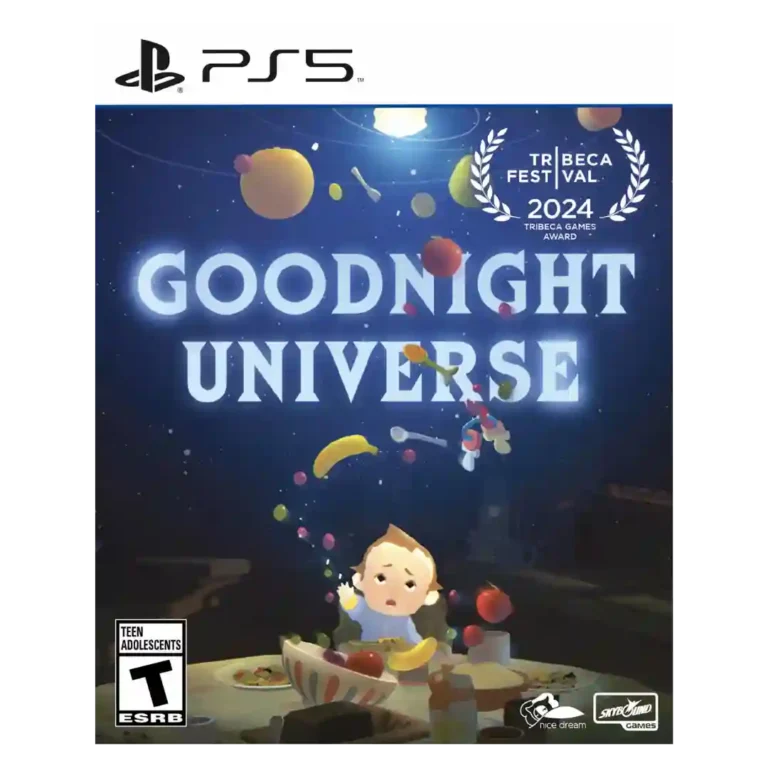
Choose Goodnight Universe for a short, inventive, emotionally rich narrative adventure with standout voice acting and webcam-driven immersion. Skip it if you need challenging gameplay, strong console controls, or a perfectly paced story.
Best for players who want a short, heartfelt, story-first adventure with strong performances, headphone-worthy audio, and unusual webcam or blink-based interactions.
Not for players seeking deep systems, high challenge, polished action, multiplayer, or the full intended camera experience on every platform.
Goodnight Universe comes through as a compact narrative adventure whose best qualities are emotional storytelling, sincere writing, strong voice acting, and inventive webcam-driven interactions. Reviewers repeatedly responded to Isaac’s family story, the thought-reading audio, and the unusual baby perspective, often describing the experience as heartfelt, original, and memorable. The tradeoff is that the mechanics do not satisfy everyone: console versions lose some intended camera intimacy, later action or stealth sections can feel finicky, and some reviewers found the pacing or interactive depth uneven. Its strongest form is a headphone-and-webcam story experience, not a challenging action game.
Compared with other Video Games, this product is above average in side character depth, narrative quality, HUD clarity, near average in pacing, immersion, below average in handheld play suitability, user interface design, platform-specific feature support.
| Attribute | This product | Category average | Difference |
|---|---|---|---|
| handheld play suitability | 2.0 | 4.0 | -2.0 |
| user interface design | 2.0 | 3.4 | -1.4 |
| side character depth | 5.0 | 3.7 | +1.3 |
| narrative quality | 4.5 | 3.7 | +0.8 |
| HUD clarity | 4.5 | 3.3 | +1.2 |
| camera behavior | 4.0 | 2.9 | +1.1 |
| writing quality | 4.6 | 3.6 | +1.0 |
| voice acting | 5.0 | 4.1 | +0.8 |
Choose Cabernet. It scores 4.8 vs 4.0 for immersion, with a 4.0 overall score.
Choose 007 First Light. It scores 5.0 vs 2.0 for user interface design, with a 4.2 overall score.
Choose Zero Parades: For Dead Spies. It scores 4.8 vs 2.7 for platform-specific feature support, with a 4.1 overall score.
Choose It Takes Two. It scores 5.0 vs 3.0 for core gameplay loop, with a 4.5 overall score.
Products reviewers directly compared with this model, grouped into quick takeaways.
Reviewers describe it as a story-first interactive narrative. The mechanics matter most when they support Isaac’s perspective, family bonds, and psychic interactions.
A webcam is repeatedly described as the best or most immersive way to play. Reviews also note controller or No Camera options, but several say playing without camera support removes some intimacy.
Very emotional for many reviewers. Several mention tears, lingering feelings, heartfelt family moments, or being moved by the story and performances.
Replay value comes from choices, dialogue changes, callbacks, and seeing how characters respond. Reviewers do not describe it as a major branching-endings game.
Reviewers still found the narrative worthwhile on consoles, but missing or delayed camera support and stick-based cursor controls were common caveats.
Most reviewers describe the challenge as light. Some later action, stealth, or set-piece moments can be finicky, but the overall experience is not built around difficulty.
These are a few of the reviews included in our analysis.




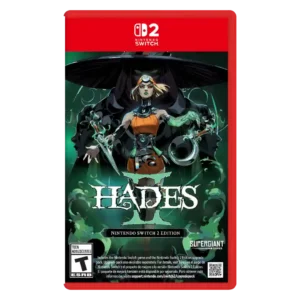
Good if you want fast, tactical roguelite combat with huge progression depth, striking art, and standout music. Skip it if repetition, resource micromanagement, or a less emotionally satisfying sequel story...
Pros: skill tree depth, dialogue quality
Cons: emotional impact, economy and resource balance
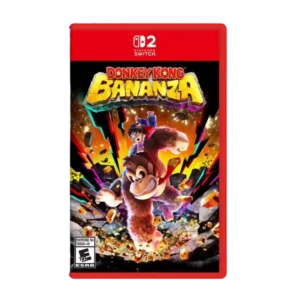
Best for joyful destruction, dense exploration, and a charming DK-Pauline adventure. Skip it if camera quirks, frame-rate dips, easy bosses, or premium Switch 2 pricing are dealbreakers.
Pros: gameplay mechanics, world interactivity
Cons: economy and resource balance, enemy variety
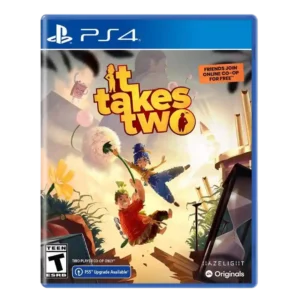
Best for joyful, inventive co-op with a partner, especially on couch. Skip it if divorce themes, uneven story tone, or Switch visual compromises would distract you.
Pros: core gameplay loop, movement feel
Cons: character development, dialogue quality
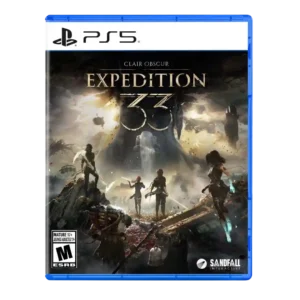
Choose Clair Obscur if you want a story-rich RPG with thrilling timed combat, gorgeous art, and standout music. Skip it if poor maps, tight parry timing, or occasional bugs and...
Pros: monetization fairness, microtransaction impact
Cons: platforming precision, menu usability