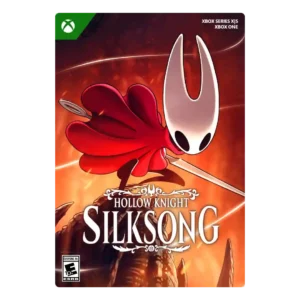
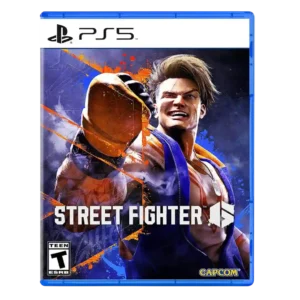
Compare Hollow Knight: Silksong vs Street Fighter 6

P1 Hollow Knight: Silksong
P2 Street Fighter 6

Comparison Takeaways

Hollow Knight: Silksong

Where It Has the Edge

  • writing quality is 4.3 vs 2.6. Writing is praised for stronger dialogue, clearer story beats, and emotional character interactions, although a few reviewers find...
  • progression system is 4.4 vs 3.0. Progression is strong overall, with frequent tools, abilities, upgrades, optional routes, and build-altering discoveries, though some requirements are...
  • narrative quality is 4.4 vs 3.0. Narrative quality is stronger than the original for many reviewers because Hornet speaks and the story is more...
  • performance optimization is 4.8 vs 3.5. Performance optimization is a strength, with reviewers citing smooth play on lower-end hardware, flawless-feeling performance, and strong PC/Switch...

Street Fighter 6

Where It Has the Edge

  • accessibility options is 4.6 vs 2.8. Accessibility was one of the clearest strengths. Modern, Dynamic, and streamlined control options repeatedly made the game feel...
  • HUD clarity is 4.5 vs 3.2. HUD clarity was supported by one review's note that combat information was clear and well telegraphed.
  • loot system is 3.0 vs 2.0. Gear and loot were a weaker point in one review, which found desirable apparel sparse despite the broader...
  • onboarding experience is 4.7 vs 3.7. The onboarding experience was praised for welcoming newcomers, lowering intimidation, and helping players improve through controls, tutorials, and...
Average score
Product 1: Hollow Knight: Silksong
4.2
Product 2: Street Fighter 6
4.1
accessibility options
Product 1: Hollow Knight: Silksong
2.8

Reviewers found only a basic accessibility set: camera shake, HUD size, audio sliders, and remapping appear, but difficulty, color-blind, and repeated-input options are called limited or absent.

Product 2: Street Fighter 6
4.6

Accessibility was one of the clearest strengths. Modern, Dynamic, and streamlined control options repeatedly made the game feel welcoming without removing competitive depth.

age appropriateness
Product 1: Hollow Knight: Silksong
No score yet
Product 2: Street Fighter 6
3.5

Age appropriateness was supported by the T rating and content-guide details about fighting, mild blood, outfits, smoking, gangs, and alcohol-themed fighting style.

AI behavior
Product 1: Hollow Knight: Silksong
No score yet
Product 2: Street Fighter 6
4.4

AI behavior was supported by the post-launch V-Rival mode, which simulates real player tactics for practice.

animation quality
Product 1: Hollow Knight: Silksong
4.7

Animation is repeatedly praised as part of the hand-drawn presentation, especially Hornet's character movement and the many detailed environmental touches.

Product 2: Street Fighter 6
4.8

Animation quality was praised through expressive faces, sleek combat animation, and vibrant character movement.

art direction
Product 1: Hollow Knight: Silksong
4.7

The art direction is a major strength, with reviewers emphasizing hand-drawn beauty, richer color, distinctive biomes, and a style that feels carefully authored.

Product 2: Street Fighter 6
4.8

Art direction was praised for neon, graffiti, attitude, and a strong aesthetic identity.

atmosphere
Product 1: Hollow Knight: Silksong
4.7

Pharloom's atmosphere blends beauty, melancholy, dread, charm, and danger, creating a world reviewers often describe as memorable even when it frustrates them.

Product 2: Street Fighter 6
4.6

Atmosphere was praised for hip-hop tone, old-school arcade feeling, and street-punk energy.

boss design
Product 1: Hollow Knight: Silksong
4.5

Boss design is one of the strongest areas overall, with many reviewers praising choreography, variety, spectacle, and pattern learning while noting occasional slog or runback friction.

Product 2: Street Fighter 6
No score yet
camera behavior
Product 1: Hollow Knight: Silksong
2.2

Only one direct camera-related complaint appears, but it is meaningful: a reviewer says some high-speed boss movement leaves threats outside the camera bounds.

Product 2: Street Fighter 6
No score yet
character development
Product 1: Hollow Knight: Silksong
4.3

Hornet receives more explicit characterization than the Knight, and reviewers describe her softening through relationships, duty, and reactions to Pharloom's residents.

Product 2: Street Fighter 6
4.3

Character development appeared mainly in World Tour's master interactions, bonds, backstories, and character-specific quests.

character roster
Product 1: Hollow Knight: Silksong
4.5

The supporting cast is repeatedly described as charming and varied, with bug NPCs, pilgrims, fleas, mapmakers, and side characters giving the world personality.

Product 2: Street Fighter 6
4.8

Multiple reviews singled out the roster as a major strength, describing the lineup as both varied and among the series' best.

checkpoint system
Product 1: Hollow Knight: Silksong
2.3

Checkpoint design is the most repeated concern: sparse, paid, trapped, or distant benches and long boss runbacks often turn difficulty into tedium.

Product 2: Street Fighter 6
No score yet
class balance
Product 1: Hollow Knight: Silksong
No score yet
Product 2: Street Fighter 6
4.6

Class balance was supported by comments that the roster was well-balanced and that every character remained viable in some way.

combat system
Product 1: Hollow Knight: Silksong
4.6

Combat is widely praised as fast, precise, rhythmic, and expressive, with Hornet's agility and tool options creating dynamic fights despite the harsh damage model.

Product 2: Street Fighter 6
4.8

The combat system drew the strongest praise across the review set. Reviewers repeatedly highlighted the Drive Gauge, risk/reward decisions, creativity, and expressive fighting tools as defining strengths.

community features
Product 1: Hollow Knight: Silksong
No score yet
Product 2: Street Fighter 6
4.5

Community features were praised through Battle Hub's arcade-like social structure, clubs, and sense of community.

competitive balance
Product 1: Hollow Knight: Silksong
No score yet
Product 2: Street Fighter 6
4.4

Competitive balance was viewed positively overall, especially through roster/system integration and later balance changes, with Drive Rush caveats not treated as game-breaking.

content variety
Product 1: Hollow Knight: Silksong
4.4

Reviewers consistently point to a huge amount of areas, enemies, bosses, tools, secrets, and optional content, though some additions create minor clutter or friction.

Product 2: Street Fighter 6
4.8

Content variety was a major strength. Reviews repeatedly noted the large amount of modes, offline content, World Tour, Battle Hub, Fighting Ground, and post-launch additions.

controls responsiveness
Product 1: Hollow Knight: Silksong
4.6

Controls are generally praised for giving strong control over Hornet, maintaining flow, and supporting precise combat and traversal once the player adapts.

Product 2: Street Fighter 6
4.3

Controls were generally described as responsive across versions, with reviewers noting smooth gamepad play, near-instant response, and consistent combo timing even on older hardware.

core gameplay loop
Product 1: Hollow Knight: Silksong
4.5

The Metroidvania loop of exploring, unlocking abilities, opening shortcuts, and returning stronger is described as satisfying and central to the appeal.

Product 2: Street Fighter 6
4.7

The central loop was described as world-class and easy to enjoy moment to moment, with fights that feel simple to enter but deep enough to keep learning.

crafting system
Product 1: Hollow Knight: Silksong
3.4

The tool and shard systems add flexibility, but some reviewers criticize their resource costs and the way consumable repair needs can lead to grinding.

Product 2: Street Fighter 6
No score yet
cross-play support
Product 1: Hollow Knight: Silksong
No score yet
Product 2: Street Fighter 6
5.0

Cross-play support was clearly confirmed by reviewers who cited cross-play across platforms.

dialogue quality
Product 1: Hollow Knight: Silksong
4.5

Dialogue is often praised for making Hornet and Pharloom's cast more engaging, though one reviewer found some dialogue dry at times.

Product 2: Street Fighter 6
No score yet
difficulty balance
Product 1: Hollow Knight: Silksong
3.9

Difficulty is strongly debated: most reviewers call it intentional, rewarding, and often fair, but many also highlight two-mask damage, early friction, and harsh runbacks.

Product 2: Street Fighter 6
3.3

Difficulty balance was mixed. Core fighting remained rewarding, but World Tour was described both as too easy by one reviewer and frustratingly uneven by others.

DLC value
Product 1: Hollow Knight: Silksong
No score yet
Product 2: Street Fighter 6
4.6

DLC value was positive where reviews noted bundled Year 1 and Year 2 fighters or ongoing DLC characters as meaningful additions.

economy and resource balance
Product 1: Hollow Knight: Silksong
2.8

Resource balance is mixed to negative, with repeated complaints about rosaries, paid benches, tool shards, and farming interrupting the otherwise strong flow.

Product 2: Street Fighter 6
No score yet
emotional impact
Product 1: Hollow Knight: Silksong
4.6

The game creates notable emotional peaks through hard-won victories, character moments, music, and late-game story beats, though some players feel relief as much as joy.

Product 2: Street Fighter 6
4.4

The game had emotional impact for at least one reviewer by reigniting competitive excitement lost after Street Fighter V.

endgame content
Product 1: Hollow Knight: Silksong
4.8

Reviewers describe substantial post-credits or alternate-ending content, optional bosses, zones, and secrets, making the endgame unusually large for the genre.

Product 2: Street Fighter 6
No score yet
enemy variety
Product 1: Hollow Knight: Silksong
4.7

Enemy variety is broadly praised for giving biomes and combat encounters distinct threats, though flying enemies and monster-room waves annoy some reviewers.

Product 2: Street Fighter 6
4.5

Enemy variety was praised in World Tour, where different opponent behaviors teach situations like anti-airs, lows, zoning, and unusual enemy types.

environmental detail
Product 1: Hollow Knight: Silksong
4.8

Environmental detail is consistently praised through lived-in spaces, small animation touches, surface-specific sounds, and dense background storytelling.

Product 2: Street Fighter 6
3.7

Environmental detail was mixed: Metro City could feel lively and bustling, while older hardware reduced background density.

exploration quality
Product 1: Hollow Knight: Silksong
4.5

Exploration is a core strength: reviewers describe Pharloom as vast, secret-filled, interconnected, and rewarding, though a few completion and corpse-run frustrations remain.

Product 2: Street Fighter 6
4.3

Exploration was mostly positive, especially in World Tour's RPG-style spaces and hidden discoveries, though not every area offered full exploration depth.

faithfulness to franchise
Product 1: Hollow Knight: Silksong
4.6

Reviewers generally agree Silksong honors Hollow Knight while feeling faster, bigger, and more colorful, with some preferring the original's simplicity.

Product 2: Street Fighter 6
4.7

Faithfulness to franchise was strong, with reviewers saying the game carries the spirit of Street Fighter and was designed for series fans.

family friendliness
Product 1: Hollow Knight: Silksong
No score yet
Product 2: Street Fighter 6
4.0

Family friendliness was limited but present through casual party-style modes suited to friends or family.

fast travel convenience
Product 1: Hollow Knight: Silksong
4.1

Fast travel through Bellways and marked stations helps reduce backtracking, though some stations must be unlocked or paid for.

Product 2: Street Fighter 6
3.3

Fast travel convenience was supported only after unlocking points through side missions, making early traversal less convenient.

frame rate stability
Product 1: Hollow Knight: Silksong
4.5

Frame-rate impressions are positive across Switch 2, PC, and video coverage, with reviewers citing 120 fps, 60 fps, and stable low-end performance.

Product 2: Street Fighter 6
3.6

Frame rate stability was strong in standard versus combat but uneven in World Tour, handheld, PC, PS4, and Xbox-specific situations mentioned by reviewers.

fun factor
Product 1: Hollow Knight: Silksong
4.8

Even frustrated reviewers repeatedly describe Silksong as fun, compelling, or worth pushing through because its victories and discoveries feel so rewarding.

Product 2: Street Fighter 6
4.7

Fun factor was very high overall, with reviewers repeatedly describing the game as hard to put down, amazing, endearing, and a great fighting experience.

gameplay mechanics
Product 1: Hollow Knight: Silksong
4.4

The broader mechanics are praised for adding aerial combos, diagonal dives, tools, crests, and more agile traversal, though they raise the learning demand.

Product 2: Street Fighter 6
4.9

Reviewers praised the Drive-led mechanics for opening up many tactical options and giving players substantial depth in how they manage pressure, offense, and defense.

graphics quality
Product 1: Hollow Knight: Silksong
4.7

Graphics are a consensus highlight, with reviewers praising gorgeous hand-drawn visuals, richer color, strong biome identity, and platform-specific crispness.

Product 2: Street Fighter 6
4.4

Graphics quality was generally strong, especially on newer hardware and in fights, though the PS4 and some World Tour areas showed visual compromises.

grind level
Product 1: Hollow Knight: Silksong
2.5

Grinding is a common caveat, especially around rosaries, shards, fetch quests, and repeated boss attempts that exhaust consumable tool resources.

Product 2: Street Fighter 6
3.0

Grind level was a recurring World Tour drawback, with reviewers mentioning slow style leveling and hours spent grinding stats or unlocks.

handheld play suitability
Product 1: Hollow Knight: Silksong
4.5

Handheld suitability is positive: Switch 2 handheld and Steam Deck impressions suggest the game works especially well as a portable Metroidvania.

Product 2: Street Fighter 6
4.5

Handheld play suitability was a Switch 2 strength, with reviewers emphasizing portability and playing on the go.

horror tension
Product 1: Hollow Knight: Silksong
4.2

The game is not reviewed as pure horror, but reviewers repeatedly note frightening, cruel, eerie, or terror-filled spaces that give Pharloom tension.

Product 2: Street Fighter 6
No score yet
HUD clarity
Product 1: Hollow Knight: Silksong
3.2

HUD clarity is supported mainly through TechRadar's note that HUD size can be customized; no broader HUD praise appears.

Product 2: Street Fighter 6
4.5

HUD clarity was supported by one review's note that combat information was clear and well telegraphed.

immersion
Product 1: Hollow Knight: Silksong
4.5

Immersion comes through the dense world, ultrawide support, atmosphere, music, and the feeling of being pulled into Pharloom's secrets.

Product 2: Street Fighter 6
No score yet
innovation
Product 1: Hollow Knight: Silksong
4.3

Reviewers see innovation in how Silksong builds on Hollow Knight through Hornet's movement, crests, tools, protagonist voice, and uncompromising design.

Product 2: Street Fighter 6
4.8

Innovation was supported by the Drive System, which one review called one of the series' most interesting developments.

learning curve
Product 1: Hollow Knight: Silksong
4.1

The learning curve is steep because of diagonal pogoing, higher enemy damage, resource management, and a higher skill floor, but many reviewers find mastery rewarding.

Product 2: Street Fighter 6
4.3

The learning curve remains real because the Drive system has many layers, but training systems and gradual learning hooks make it manageable.

level design
Product 1: Hollow Knight: Silksong
4.8

Level design is strongly praised for purposeful rooms, seamless area transitions, shortcuts, hidden branches, and spaces that teach or challenge the player.

Product 2: Street Fighter 6
No score yet
live-service support
Product 1: Hollow Knight: Silksong
No score yet
Product 2: Street Fighter 6
4.6

Live-service support was positive in later reviews, which cited new features, updates, reworks, patches, and ongoing DLC plans.

load times
Product 1: Hollow Knight: Silksong
No score yet
Product 2: Street Fighter 6
3.6

Load times were split by platform: one PS4 review found loading sluggish, while another review praised quick load times and fast rematches.

loot system
Product 1: Hollow Knight: Silksong
2.0

Loot and reward structure is one of the weaker areas, with several reviewers noting bosses may give little or no material reward after difficult fights.

Product 2: Street Fighter 6
3.0

Gear and loot were a weaker point in one review, which found desirable apparel sparse despite the broader customization systems.

lore depth
Product 1: Hollow Knight: Silksong
4.5

Lore depth is strong, with reviewers pointing to mysteries, world history, item details, subtle reveals, and connections between Pharloom and Hallownest.

Product 2: Street Fighter 6
No score yet
map and navigation design
Product 1: Hollow Knight: Silksong
4.3

Map and navigation design is mostly strong thanks to pins, clearer direction, shortcuts, and story-rich maps, but completion tracking and map clarity draw criticism.

Product 2: Street Fighter 6
3.6

Map and navigation design was mixed, with fast travel unlocks helping but some fixed-camera or navigation limitations still noted.

matchmaking quality
Product 1: Hollow Knight: Silksong
No score yet
Product 2: Street Fighter 6
4.7

Matchmaking quality was supported by fast rematches and smooth online flow in the PC Gamer review.

microtransaction impact
Product 1: Hollow Knight: Silksong
No score yet
Product 2: Street Fighter 6
2.5

Microtransaction impact was one of the main caveats, with several reviews calling out battle passes, premium currency, or aggressive cosmetic monetization.

mission design
Product 1: Hollow Knight: Silksong
2.8

Arena or mission-like encounter design is mixed, with some reviewers disliking repeated combat rooms and endurance-style waves that feel less creative.

Product 2: Street Fighter 6
3.4

Mission design was mixed: some missions smartly teach mechanics, but other story missions were described as repetitive and bloated.

mission variety
Product 1: Hollow Knight: Silksong
4.0

Mission variety exists through wishes, hunting, collecting, fetch tasks, puzzles, and optional routes, though fetch quests are a repeated weak spot.

Product 2: Street Fighter 6
4.5

Mission variety was supported by the presence of fun minigames and side activities that break up World Tour's standard fights.

monetization fairness
Product 1: Hollow Knight: Silksong
No score yet
Product 2: Street Fighter 6
2.5

Monetization fairness was a concern. Reviewers disliked premium currency and battle passes, though one review noted avatar purchases were cosmetic and not pay-to-win.

movement feel
Product 1: Hollow Knight: Silksong
4.7

Movement feel is one of Silksong's clearest strengths: Hornet is fast, agile, expressive, and satisfying to control after the adjustment period.

Product 2: Street Fighter 6
No score yet
multiplayer design
Product 1: Hollow Knight: Silksong
No score yet
Product 2: Street Fighter 6
4.5

Multiplayer design was praised through the online arcade/Battle Hub structure and the overall set of online modes.

narrative quality
Product 1: Hollow Knight: Silksong
4.4

Narrative quality is stronger than the original for many reviewers because Hornet speaks and the story is more explicit, though some still experience it as sparse.

Product 2: Street Fighter 6
3.0

Narrative quality was mixed to weak. Reviewers enjoyed the silliness and setup in places, but several called World Tour's story weak, dull, shallow, or not especially good.

onboarding experience
Product 1: Hollow Knight: Silksong
3.7

Onboarding is mixed: reviewers say the game works as a standalone entry and teaches some basics, but its opening hours create notable friction for new players.

Product 2: Street Fighter 6
4.7

The onboarding experience was praised for welcoming newcomers, lowering intimidation, and helping players improve through controls, tutorials, and World Tour structure.

online stability
Product 1: Hollow Knight: Silksong
No score yet
Product 2: Street Fighter 6
4.5

Online stability was mostly praised, with multiple reviewers citing excellent netcode, smooth sessions, and few connection issues, though PS4 Battle Hub play was weaker.

open-world design
Product 1: Hollow Knight: Silksong
No score yet
Product 2: Street Fighter 6
4.3

The open-world structure was praised as ambitious and unusually substantial for a fighting game, with several reviewers comparing it to a Yakuza-like RPG or semi-open campaign.

originality
Product 1: Hollow Knight: Silksong
4.0

Originality comes from Silksong's confident, sometimes cruel identity, which reviewers see as distinctive even when comparing it to other Metroidvanias.

Product 2: Street Fighter 6
No score yet
pacing
Product 1: Hollow Knight: Silksong
3.2

Pacing is mixed: exploration and progression can be absorbing, but punishing progression, long checkpoints, and structural ending requirements interrupt momentum.

Product 2: Street Fighter 6
2.5

Pacing drew criticism where World Tour quests and day-night transitions were viewed as padding that slowed progress.

performance optimization
Product 1: Hollow Knight: Silksong
4.8

Performance optimization is a strength, with reviewers citing smooth play on lower-end hardware, flawless-feeling performance, and strong PC/Switch handling.

Product 2: Street Fighter 6
3.5

Performance optimization varied by mode and platform. Standard matches were often smooth, but World Tour and PS4/Switch-specific situations showed drops or chugging.

platform-specific feature support
Product 1: Hollow Knight: Silksong
4.5

Platform-specific support is meaningfully discussed through ultrawide PC support, Steam Deck suitability, and Switch 2 120Hz support.

Product 2: Street Fighter 6
3.6

Platform-specific feature support was mixed: Switch 2 touch, motion, and portable features were noted, while exclusive modes and PS4 compromises limited enthusiasm.

platforming precision
Product 1: Hollow Knight: Silksong
3.5

Platforming precision is divisive: many praise demanding obstacle design, while several criticize diagonal pogoing and certain sections as inconsistent or punishing.

Product 2: Street Fighter 6
2.3

Platforming inside World Tour was called weak, with one review specifically criticizing it as awful rather than a strength of the mode.

polish
Product 1: Hollow Knight: Silksong
4.8

Polish is consistently praised through meticulous detail, precision, high production values, and the feeling of a handcrafted game refined over years.

Product 2: Street Fighter 6
No score yet
progression system
Product 1: Hollow Knight: Silksong
4.4

Progression is strong overall, with frequent tools, abilities, upgrades, optional routes, and build-altering discoveries, though some requirements are opaque.

Product 2: Street Fighter 6
3.0

Progression was mixed because unlocks and character-style growth could feel too slow despite the appeal of learning new moves.

protagonist appeal
Product 1: Hollow Knight: Silksong
4.7

Hornet is widely liked as a protagonist because she is agile, voiced, heroic, confident, and emotionally connected to Pharloom's people.

Product 2: Street Fighter 6
No score yet
puzzle design
Product 1: Hollow Knight: Silksong
4.0

Puzzle evidence is limited but present in special puzzle areas, Needolin interactions, mechanical puzzles, and path-solving through exploration.

Product 2: Street Fighter 6
No score yet
quest design
Product 1: Hollow Knight: Silksong
3.1

Quest design is mixed: wishes and optional tasks give structure and reasons to revisit areas, but fetch quests and opaque ending requirements are criticized.

Product 2: Street Fighter 6
2.7

Quest design was criticized for simple fetch-style tasks and backtracking, even though the broader World Tour structure had appeal.

replay value
Product 1: Hollow Knight: Silksong
4.7

Replay value is high due to 100% completion, alternate endings, optional bosses, build variety, second runs, and reviewers wanting to return.

Product 2: Street Fighter 6
4.6

Replay value was repeatedly supported by ranked grinding, long-term play, post-launch updates, and comments that the game can support short or very long engagement.

sandbox freedom
Product 1: Hollow Knight: Silksong
4.6

Nonlinear freedom is strong: reviewers describe multiple routes, optional bosses, different paths to objectives, and broad freedom to leave hard walls for later.

Product 2: Street Fighter 6
No score yet
seasonal content quality
Product 1: Hollow Knight: Silksong
No score yet
Product 2: Street Fighter 6
4.6

Seasonal content quality was supported by added characters, stages, Battle Hub events, and gameplay features after launch.

side character depth
Product 1: Hollow Knight: Silksong
4.5

Side characters are a strength, giving relief, charm, pathos, and recurring interactions across Pharloom's towns and hubs.

Product 2: Street Fighter 6
No score yet
skill tree depth
Product 1: Hollow Knight: Silksong
No score yet
Product 2: Street Fighter 6
3.8

The skill tree adds RPG-style stat growth, though the evidence focused more on its presence than on exceptional depth.

social features
Product 1: Hollow Knight: Silksong
No score yet
Product 2: Street Fighter 6
4.1

Social features were mixed-positive. Battle Hub was often praised as welcoming or arcade-like, though one Switch 2 review found it empty and one PS4 review saw pop-in.

sound design
Product 1: Hollow Knight: Silksong
4.9

Sound design receives strong praise for surface-specific footsteps, detailed audio, and atmospheric effects that make areas feel alive.

Product 2: Street Fighter 6
4.6

Sound design was praised for shouts, screams, impacts, and crunchy fight feedback that reinforced presentation.

soundtrack quality
Product 1: Hollow Knight: Silksong
4.8

The soundtrack is a consensus highlight, with reviewers praising Christopher Larkin's orchestral, haunted, dynamic, and boss-specific music.

Product 2: Street Fighter 6
4.5

The soundtrack supported the game's energy and helped create intense fights.

tutorial quality
Product 1: Hollow Knight: Silksong
No score yet
Product 2: Street Fighter 6
4.7

Tutorial quality was very strong, with reviews praising training tools, character guides, combo trials, mechanic lessons, and modes that teach fundamentals through play.

upgrade system
Product 1: Hollow Knight: Silksong
4.7

Upgrade systems around crests, tools, abilities, and silk skills add major build flexibility and playstyle changes.

Product 2: Street Fighter 6
No score yet
user interface design
Product 1: Hollow Knight: Silksong
3.8

Interface design is mixed-positive: journals, tracked quests, pins, sliders, and tool categories help, though map and compass limitations remain.

Product 2: Street Fighter 6
2.9

User interface design was a weakness in some modes, with reviewers calling menus hard to navigate or abstruse.

value for money
Product 1: Hollow Knight: Silksong
4.9

Value for money is excellent across the reviews, with multiple reviewers citing the $20 price and huge amount of content.

Product 2: Street Fighter 6
4.8

Value for money was strong due to content volume, quality, and reviewer statements that the game is worth its price.

visual effects quality
Product 1: Hollow Knight: Silksong
No score yet
Product 2: Street Fighter 6
4.7

Visual effects quality was a clear strength, especially the graffiti-like Drive Impact effects, paint splashes, and spectacular fight visuals.

voice acting
Product 1: Hollow Knight: Silksong
No score yet
Product 2: Street Fighter 6
4.2

Voice acting and commentary received positive mention through the real-time commentary feature, which made matches feel like tournament broadcasts.

world-building
Product 1: Hollow Knight: Silksong
4.7

World-building is one of the strongest consensus areas, with Pharloom's history, class structure, religion, silk, architecture, and inhabitants reinforcing the setting.

Product 2: Street Fighter 6
4.2

World-building was supported through Metro City, franchise references, and an over-the-top campaign tone rooted in Street Fighter and Final Fight history.

world interactivity
Product 1: Hollow Knight: Silksong
4.2

World interactivity appears in subtle touches such as water preventing map use, Needolin interactions, NPC events, and changing locations.

Product 2: Street Fighter 6
4.3

World interactivity was supported by the ability to challenge NPCs directly in the map, helping World Tour feel more reactive than a static story mode.

writing quality
Product 1: Hollow Knight: Silksong
4.3

Writing is praised for stronger dialogue, clearer story beats, and emotional character interactions, although a few reviewers find parts dry or sparse.

Product 2: Street Fighter 6
2.6

Writing quality was criticized in World Tour by one reviewer who called the story nonsense, separating the goofy charm from stronger narrative writing.