Average score
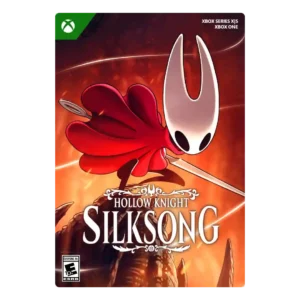
Hollow Knight: Silksong
4.3
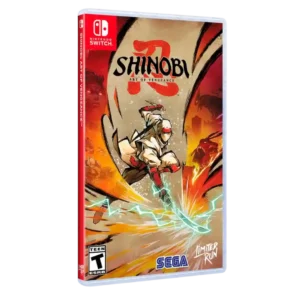
Shinobi: Art of Vengeance
4.4
checkpoint system
Hollow Knight: Silksong
2.2
Checkpointing is a common concern, with long runbacks, sparse benches, paid benches, and poor placement repeatedly criticized.
Shinobi: Art of Vengeance
5.0
The checkpoint system is praised as a quality-of-life improvement because it reduces frustration around difficult optional challenges.
camera behavior
Hollow Knight: Silksong
2.3
Camera and hitbox-adjacent behavior draws criticism where bosses or damage windows appear from off-screen or feel overly generous.
Shinobi: Art of Vengeance
5.0
Camera behavior is praised in one review for intelligently changing framing to support mood, traversal, and visual depth.
world-building
Hollow Knight: Silksong
4.9
World-building is one of the strongest areas, with reviewers praising Pharloom as immaculate, complex, sad, and worth exploring.
Shinobi: Art of Vengeance
2.5
World-building is weak in the evidence that explicitly says not to expect captivating world building from the campy action story.
accessibility options
Hollow Knight: Silksong
2.0
Accessibility is criticized as limited, with reviews noting the game is not trying to be accessible to everyone and lacks broader options.
Shinobi: Art of Vengeance
4.2
Accessibility options are praised for adjustable difficulty, assist settings, and sliders that make the challenge more approachable without fully flattening it.
emotional impact
Hollow Knight: Silksong
4.7
Emotional impact is strong, ranging from adrenaline and triumph to reviewers saying they shed tears or were moved by events.
Shinobi: Art of Vengeance
2.5
Emotional impact is limited in the review evidence, with one reviewer wishing for a stronger moment of emotional weight.
side character depth
Hollow Knight: Silksong
4.7
Side character depth receives positive evidence from a review praising Pharloom’s supporting characters as charming and motivated.
Shinobi: Art of Vengeance
2.5
Side character depth is weak in the evidence focused on Ankou, whom one reviewer calls dull despite liking the broader visual design.
writing quality
Hollow Knight: Silksong
5.0
Writing quality receives strong praise where reviewers call it top-notch and tied to Hornet’s conversations and character insight.
Shinobi: Art of Vengeance
2.8
Writing quality is mixed-to-weak, with reviewers describing the script as fine, tropey, or not especially nuanced.
frame rate stability
Hollow Knight: Silksong
5.0
Frame rate stability has limited but positive evidence from a Switch 2 review calling 120fps performance perfect.
Shinobi: Art of Vengeance
2.9
Frame rate stability is mixed, especially on Switch, where reviewers note dips or painful frame-rate issues despite otherwise strong presentation.
dialogue quality
Hollow Knight: Silksong
4.3
Dialogue is mixed-to-positive: one review calls it shockingly good, while another says it can feel dry at times.
Shinobi: Art of Vengeance
2.5
Dialogue quality is uneven: one review criticizes a dull character, and another finds paused dialogue barks jarring despite fun narrative moments.
onboarding experience
Hollow Knight: Silksong
2.8
Onboarding is a weak spot for some, especially in the opening hours where resources, checkpoints, and tutorial clarity are less generous.
Shinobi: Art of Vengeance
4.5
Onboarding is praised for easing the player into each move rather than overwhelming them with the full combat kit at once.
tutorial quality
Hollow Knight: Silksong
2.8
Tutorial quality is criticized through comparison with Hollow Knight’s clearer early tutorial structure and more generous opening support.
Shinobi: Art of Vengeance
4.5
Tutorial quality is positive where one reviewer says the early tutorials made combat options easy to understand and apply.
sound design
Hollow Knight: Silksong
5.0
Sound design earns strong support from praise for surface-specific details and top-notch audio touches.
Shinobi: Art of Vengeance
3.5
Sound design is mixed: impact feedback and combat audio are praised, but one reviewer strongly disliked the harsh radio or speaker filter.
character development
Hollow Knight: Silksong
4.7
Character development is praised for Hornet softening through Pharloom and for character arcs that counterbalance the harsh world.
Shinobi: Art of Vengeance
3.3
Character development is limited overall, with one reviewer liking a supporting character but another calling broader character depth minimal.
narrative quality
Hollow Knight: Silksong
4.7
Narrative quality is praised as more focused and engaging than the original, helped by Hornet’s voice and guided exploration.
Shinobi: Art of Vengeance
3.3
Narrative quality is the most mixed creative element: some call it one of the franchise’s better stories, while many describe it as simple, thin, or tonally inconsistent.
learning curve
Hollow Knight: Silksong
3.3
The learning curve is steep, with reviewers noting hours of mastery and occasional git-gud walls, but also rewarding skill growth.
Shinobi: Art of Vengeance
4.5
The learning curve is favorable because reviewers describe the combat as simple to engage with while still rewarding mastery.
performance optimization
Hollow Knight: Silksong
4.8
Performance is praised on lower-end hardware, Switch platforms, and 120fps contexts, with only minor visual caveats.
Shinobi: Art of Vengeance
3.8
Performance optimization varies by platform and context, with PS5 impressions strong but Switch-oriented reviews noting optimization and frame-pacing caveats.
immersion
Hollow Knight: Silksong
5.0
Immersion is strongly supported by one review’s comment about Pharloom lingering after play.
Shinobi: Art of Vengeance
4.0
Immersion is supported by strong presentation and visual depth, though one reviewer says the game remained enjoyable without strongly resonating.
lore depth
Hollow Knight: Silksong
4.9
Lore depth is praised for hidden mysteries, optional heritage threads, and deeper history that rewards curiosity.
Shinobi: Art of Vengeance
4.0
Lore depth gets mild praise where the reviewer appreciates Shinobi’s blend of cultural mythological elements.
endgame content
Hollow Knight: Silksong
5.0
Endgame content receives strong support from optional endings, zones, bosses, and post-credits discoveries.
Shinobi: Art of Vengeance
4.1
Endgame content is generally seen as useful for replay through Arcade Mode, Boss Rush, superbosses, and ranking challenges, though one reviewer sees arcade mode as padding.
level design
Hollow Knight: Silksong
4.9
Level design is strongly praised for seamless area flow, purposeful rooms, thoughtful platform placement, and dense Metroidvania structure.
Shinobi: Art of Vengeance
4.1
Level design is usually praised for scale, variety, secrets, and challenge structure, but some reviewers criticize flow, pacing, or underused combat spaces.
soundtrack quality
Hollow Knight: Silksong
5.0
The soundtrack is one of the clearest strengths, repeatedly described as magnificent, excellent, world-class, and emotionally fitting.
Shinobi: Art of Vengeance
4.4
The soundtrack is mostly praised as energetic, fitting, and memorable, though one review finds it weaker than the visuals and Genesis-era expectations.
enemy variety
Hollow Knight: Silksong
4.1
Enemy variety is strong in scope, but evidence is mixed because flying enemies, monster rooms, and certain mobs can feel annoying.
Shinobi: Art of Vengeance
4.7
Enemy variety is a strength, with reviewers praising the range of ninjas, soldiers, monsters, bosses, and specialized foes that shape encounters.
fast travel convenience
Hollow Knight: Silksong
4.2
Fast travel is praised in one review for reducing backtracking tedium through well-marked routes.
Shinobi: Art of Vengeance
4.8
Fast travel is repeatedly praised for making revisits, secret hunting, and post-completion cleanup smoother rather than tedious.
platforming precision
Hollow Knight: Silksong
3.4
Platforming precision is mixed: reviewers admire Hornet’s acrobatics, but several criticize the diagonal pogo or inconsistent bounce feel.
Shinobi: Art of Vengeance
4.0
Platforming is often praised as tight, precise, and rewarding, though several reviewers flag optional challenge rooms or late-game traversal as frustrating or inconsistent.
atmosphere
Hollow Knight: Silksong
5.0
Atmosphere is a major strength, described as surreal, haunting, dreadful, beautiful, and full of wonder and horror.
Shinobi: Art of Vengeance
4.5
Atmosphere is supported by presentation touches such as camera framing and mood-setting scenes that help the 2D spaces feel more dramatic.
puzzle design
Hollow Knight: Silksong
4.5
Puzzle design receives limited but positive evidence, with one review saying Silksong makes puzzle-solving and hidden-path discovery feel effortless.
Shinobi: Art of Vengeance
4.0
Puzzle design receives a mild positive note for being logical and not slowing the action down.
user interface design
Hollow Knight: Silksong
4.5
User interface design has limited positive evidence around attractive mission HUD illustrations and attention to detail.
Shinobi: Art of Vengeance
5.0
User interface design receives praise for being clean and easy to navigate.
innovation
Hollow Knight: Silksong
4.3
Innovation is positive but measured: reviewers praise new directions and system changes, while one calls it evolutionary rather than revolutionary.
Shinobi: Art of Vengeance
4.8
Innovation is praised where reviewers say the game evolves Shinobi meaningfully instead of merely repeating the past.
protagonist appeal
Hollow Knight: Silksong
4.9
Hornet is consistently praised as an excellent, charismatic, well-rounded protagonist with stronger presence than the silent Knight.
Shinobi: Art of Vengeance
4.5
Protagonist appeal is positive where Joe Musashi is described as a compelling, badass ninja fantasy rather than a talkative character.
pacing
Hollow Knight: Silksong
3.2
Pacing has a notable concern around long checkpoint placement that interrupts practice and repetition in challenging sequences.
Shinobi: Art of Vengeance
3.6
Pacing is mixed: several reviewers like the length and steady tool rollout, while others say long stages, revisit loops, or samey rhythm weaken momentum.
replay value
Hollow Knight: Silksong
4.5
Replay value trends high for completionists and build experimenters, though one reviewer said they were glad to play it only once.
Shinobi: Art of Vengeance
4.1
Replay value is strong for completionists thanks to collectibles, secrets, stage revisits, Arcade Mode, Boss Rush, ranks, and unlockables, though not every reviewer loves revisiting.
exploration quality
Hollow Knight: Silksong
4.5
Exploration is a standout, with most reviewers praising dense secrets, rewarding routes, and curiosity-driven discovery, though a few disliked sparse rewards or risk pressure.
Shinobi: Art of Vengeance
4.1
Exploration is divisive: many enjoy secrets, replayable routes, and rewards, while others find backtracking or Metroidvania-lite detours less compelling.
progression system
Hollow Knight: Silksong
4.2
Progression is generally praised for fresh upgrades and satisfying forward motion, but one review criticizes opaque true-ending requirements.
Shinobi: Art of Vengeance
4.6
Progression is praised for steadily adding moves, abilities, upgrades, and customization that keep combat and traversal evolving.
value for money
Hollow Knight: Silksong
4.9
Value for money is exceptional across reviews, especially because of the low price, large content volume, and long completion potential.
Shinobi: Art of Vengeance
4.6
Value for money is positive overall, especially for combat-focused or completionist players, though one review frames value as more moderate for players skipping side content.
map and navigation design
Hollow Knight: Silksong
4.1
Map and navigation design is mixed: several reviews praise map structure and direction, but others dislike incomplete map support and 100% cleanup.
Shinobi: Art of Vengeance
3.8
Map and navigation design is mixed: reviewers like map clarity and fast travel, but some cite confusing secret tracking or unclear pits.
core gameplay loop
Hollow Knight: Silksong
5.0
The core loop is praised as pure Metroidvania satisfaction: tough encounters, discovery, and rewarding progression through new areas.
Shinobi: Art of Vengeance
4.7
The core loop is widely liked as fast, stylish 2D action with strong combat and traversal, with a few reviewers calling it great despite structural complaints.
difficulty balance
Hollow Knight: Silksong
3.8
Difficulty is the most divisive attribute: many reviewers call it rewarding and intentional, while others find it cruel, too punishing, or unfairly frictional.
Shinobi: Art of Vengeance
4.1
Difficulty is generally viewed as fair and satisfying, but opinions split on spikes, projectile-heavy sections, undertuned enemies, and some hard optional challenges.
upgrade system
Hollow Knight: Silksong
4.3
Crests, tools, and upgrades are widely seen as flexible and creative, though a few reviews found early limitations or resource-linked tool use frustrating.
Shinobi: Art of Vengeance
4.5
The upgrade system is praised for meaningful amulets, combat additions, and flexible build choices that alter playstyle.
combat system
Hollow Knight: Silksong
4.7
Combat is a major strength, described as fast, precise, tense, dance-like, and rewarding, though some reviews tie its highs to demanding difficulty.
Shinobi: Art of Vengeance
4.9
Combat is the most consistently praised attribute, with reviewers calling it fluid, deep, expressive, satisfying, and central to the game’s appeal.
originality
Hollow Knight: Silksong
4.7
Originality is praised where Silksong is seen as firmly on its own path rather than a simple copy.
Shinobi: Art of Vengeance
4.5
Originality is praised where reviewers call the revival fresh for the series rather than a simple nostalgic retread.
controls responsiveness
Hollow Knight: Silksong
4.9
Control feel is strongly praised, with one review emphasizing complete control of Hornet and another calling the Switch 2 Pro Controller perfect.
Shinobi: Art of Vengeance
4.7
Controls are usually described as smooth, tight, intuitive, and responsive, with a few caveats around moments where scripted control loss or platforming inputs feel awkward.
boss design
Hollow Knight: Silksong
4.5
Boss design is broadly praised as memorable, choreographed, varied, and exciting, though some reviews dislike spongey health pools, rewards, or runbacks.
Shinobi: Art of Vengeance
4.4
Boss design earns many positive notes for memorable, exciting encounters, though a few reviewers find some bosses too easy, clunky, or mechanically weaker than regular fights.
fun factor
Hollow Knight: Silksong
4.6
Fun factor is high overall, with reviewers repeatedly saying they had great fun, wanted to return, or found the game compelling despite pain.
Shinobi: Art of Vengeance
4.8
Fun factor is high, with many reviewers calling the combat, challenge rooms, and overall ninja fantasy enjoyable or easy to recommend.
content variety
Hollow Knight: Silksong
4.6
Content variety is praised through multiple game-like challenge types, many systems, and plentiful options, while remaining tied to high difficulty.
Shinobi: Art of Vengeance
4.5
Content variety is strong across stage themes, optional challenges, enemy encounters, bonus levels, and replay modes, though some side segments are less loved.
movement feel
Hollow Knight: Silksong
4.9
Hornet’s movement is one of the clearest consensus wins, with reviewers praising her speed, agility, sprinting, and dance-like traversal.
Shinobi: Art of Vengeance
4.8
Movement feel is heavily praised as fast, fluid, snappy, and fun, though one Switch review notes combat can feel slower than traversal.
gameplay mechanics
Hollow Knight: Silksong
4.3
Review evidence frames the broader mechanics as more complex than the original, especially through Hornet’s expanded combat and movement options.
Shinobi: Art of Vengeance
4.4
Gameplay mechanics are praised for depth and power fantasy, though one reviewer argues an execution mechanic lacks meaningful challenge pressure.
faithfulness to franchise
Hollow Knight: Silksong
4.7
Faithfulness to franchise is strongly supported by reviews saying it captures, continues, and improves on Hollow Knight while standing apart.
Shinobi: Art of Vengeance
4.7
Reviewers broadly describe the revival as faithful to Shinobi’s legacy while modernizing it with new structure, combat depth, and visual presentation.
animation quality
Hollow Knight: Silksong
5.0
Animation quality has limited but strong evidence, with reviewers noting gorgeous animation within the hand-drawn presentation.
Shinobi: Art of Vengeance
4.9
Animation quality is a standout, especially Joe’s motion, hand-drawn character work, and the way combat and traversal read in motion.
polish
Hollow Knight: Silksong
4.8
Polish is praised through meticulous design and presentation, though only one scored review directly supports the attribute.
Shinobi: Art of Vengeance
4.8
Polish is praised where reviewers highlight the game as well put together and visually refined.
art direction
Hollow Knight: Silksong
5.0
Art direction receives near-universal praise for hand-drawn beauty, color variety, style, and a distinctive visual identity.
Shinobi: Art of Vengeance
5.0
The hand-drawn art direction receives near-universal praise for its style, cohesion, painterly look, and strong franchise fit.
environmental detail
Hollow Knight: Silksong
5.0
Environmental detail is repeatedly praised, from dense small touches to rooms and backgrounds that make Pharloom feel lived-in.
Shinobi: Art of Vengeance
5.0
Environmental detail stands out in reviews that praise painterly backgrounds, large-scale set pieces, and richly detailed level backdrops.
graphics quality
Hollow Knight: Silksong
5.0
Graphics quality is praised for a stunning hand-drawn world and a visual style that feels playful, dark, and richly realized.
Shinobi: Art of Vengeance
5.0
Graphics quality is a major strength, with reviewers repeatedly calling the game gorgeous, beautiful, and visually impressive.
mission design
Hollow Knight: Silksong
4.5
Mission design earns positive evidence where missions give players reasons to revisit areas and make NPC discoveries feel more purposeful.
Shinobi: Art of Vengeance
4.5
Mission design is praised through comments about well-crafted stages that mix platforming, combat, puzzles, and optional routes.
bug frequency
Hollow Knight: SilksongNo score yet
Shinobi: Art of Vengeance
2.0
Bug frequency is a concern in one review that reports a severe save-wipe issue, even though other technical impressions were cleaner.
crafting system
Hollow Knight: Silksong
2.2
Crafting has negative evidence where shard requirements pull the player away from action into repetitive resource hunting.
Shinobi: Art of VengeanceNo score yet
crash stability
Hollow Knight: SilksongNo score yet
Shinobi: Art of Vengeance
5.0
Crash stability is strong in the PS5 review that reports no crashes, soft-locks, or freezes over a long playthrough.
economy and resource balance
Hollow Knight: Silksong
2.5
The rosary and shard economy is the most repeated systems complaint, often described as stingy, grindy, or slightly misbalanced.
Shinobi: Art of VengeanceNo score yet
flying mechanics
Hollow Knight: SilksongNo score yet
Shinobi: Art of Vengeance
3.0
Flying mechanics are mildly criticized in the glider’s case, with the reviewer saying it slows down otherwise snappy traversal.
grind level
Hollow Knight: Silksong
2.2
Grind level is criticized where resource depletion and boss attempts can push players toward needless grinding.
Shinobi: Art of VengeanceNo score yet
handheld play suitability
Hollow Knight: Silksong
4.8
Handheld suitability has positive evidence from Steam Deck performance and battery life comments.
Shinobi: Art of VengeanceNo score yet
horror tension
Hollow Knight: Silksong
4.6
Horror tension receives limited positive support from the dream/nightmare tone described in one review.
Shinobi: Art of VengeanceNo score yet
HUD clarity
Hollow Knight: SilksongNo score yet
Shinobi: Art of Vengeance
3.0
HUD clarity receives a mixed score because flashy combat effects can make the player lose track of the action.
load times
Hollow Knight: SilksongNo score yet
Shinobi: Art of Vengeance
4.5
Load times receive a positive note from one Switch reviewer who says they did not take too long.
loot system
Hollow Knight: Silksong
2.0
Loot and rewards are a weaker point, with reviewers complaining about bosses or difficult paths that provide little or disappointing material payoff.
Shinobi: Art of VengeanceNo score yet
menu usability
Hollow Knight: SilksongNo score yet
Shinobi: Art of Vengeance
5.0
Menu usability is praised through the clean, easy-to-navigate interface that removes friction around fast travel and play.
mission variety
Hollow Knight: SilksongNo score yet
Shinobi: Art of Vengeance
4.5
Mission variety is supported by praise for fresh objectives and distinct environments across the stages.
platform-specific feature support
Hollow Knight: Silksong
4.6
Platform-specific support has positive evidence from ultrawide support that improves immersion.
Shinobi: Art of VengeanceNo score yet
quest design
Hollow Knight: Silksong
3.1
Quest design is split: some reviewers like wishes and missions as structure, while others criticize boring or grindy fetch quests.
Shinobi: Art of VengeanceNo score yet
save system reliability
Hollow Knight: SilksongNo score yet
Shinobi: Art of Vengeance
3.3
Save reliability is split: one review praises frequent saves, while another reports the serious problem of a save being wiped twice.
visual effects quality
Hollow Knight: SilksongNo score yet
Shinobi: Art of Vengeance
4.8
Visual effects are praised for stylish Ninjutsu, cinematic flourishes, audiovisual impact, and bold combat feedback.
voice acting
Hollow Knight: SilksongNo score yet
Shinobi: Art of Vengeance
4.0
Voice acting receives mixed-to-positive reactions: some reviews praise the performances, while others call the English voices merely fine or jarring.
world interactivity
Hollow Knight: Silksong
5.0
World interactivity has limited but strong support from one review that praises evolving locations, reactive hubs, and organic backtracking.
Shinobi: Art of VengeanceNo score yet