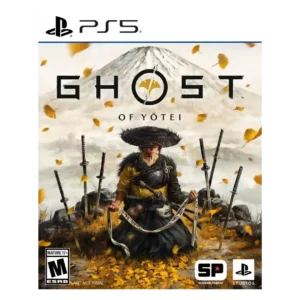
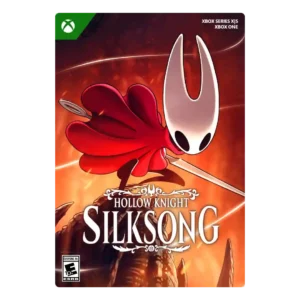
Compare Ghost of Yōtei vs Hollow Knight: Silksong

P1 Ghost of Yōtei
P2 Hollow Knight: Silksong

Comparison Takeaways

Ghost of Yōtei

Where It Has the Edge

  • loot system is 4.4 vs 2.0. Loot is framed as meaningful because quests and camps often reward useful information, gear, or clues.
  • mission design is 4.6 vs 2.8. Mission design is generally positive, with campaign missions, bounties, and side stories often rewarding Atsu with growth or...
  • checkpoint system is 4.0 vs 2.3. The checkpoint system is forgiving, with instant respawns and mid-fight checkpoints reducing frustration.
  • HUD clarity is 4.7 vs 3.2. HUD clarity is praised for minimalism and reduced markers, helping players focus on the world.

Hollow Knight: Silksong

Where It Has the Edge

  • puzzle design is 4.0 vs 2.0. Puzzle evidence is limited but present in special puzzle areas, Needolin interactions, mechanical puzzles, and path-solving through exploration.
  • dialogue quality is 4.5 vs 2.8. Dialogue is often praised for making Hornet and Pharloom's cast more engaging, though one reviewer found some dialogue...
  • immersion is 4.5 vs 3.5. Immersion comes through the dense world, ultrawide support, atmosphere, music, and the feeling of being pulled into Pharloom's...
  • controls responsiveness is 4.6 vs 3.9. Controls are generally praised for giving strong control over Hornet, maintaining flow, and supporting precise combat and traversal...
Average score
Product 1: Ghost of Yōtei
4.2
Product 2: Hollow Knight: Silksong
4.2
accessibility options
Product 1: Ghost of Yōtei
3.0

Accessibility is present but limited, with one review specifically noting lighter options and missing colorblind settings.

Product 2: Hollow Knight: Silksong
2.8

Reviewers found only a basic accessibility set: camera shake, HUD size, audio sliders, and remapping appear, but difficulty, color-blind, and repeated-input options are called limited or absent.

age appropriateness
Product 1: Ghost of Yōtei
1.8

Age appropriateness is low for children because the game carries mature ratings and violent content.

Product 2: Hollow Knight: Silksong
No score yet
AI behavior
Product 1: Ghost of Yōtei
4.1

Enemy behavior is aggressive and readable, with attacks and feints pushing players to commit to defensive timing.

Product 2: Hollow Knight: Silksong
No score yet
animation quality
Product 1: Ghost of Yōtei
4.2

Animation quality is strong in combat and movement, though some NPC animation is called less polished.

Product 2: Hollow Knight: Silksong
4.7

Animation is repeatedly praised as part of the hand-drawn presentation, especially Hornet's character movement and the many detailed environmental touches.

art direction
Product 1: Ghost of Yōtei
4.9

Art direction is one of the clearest strengths, with reviewers praising painterly landscapes, lighting, and environmental flourishes.

Product 2: Hollow Knight: Silksong
4.7

The art direction is a major strength, with reviewers emphasizing hand-drawn beauty, richer color, distinctive biomes, and a style that feels carefully authored.

atmosphere
Product 1: Ghost of Yōtei
4.8

Atmosphere is a major highlight, built through grief, weather, landscapes, music, and a contemplative tone.

Product 2: Hollow Knight: Silksong
4.7

Pharloom's atmosphere blends beauty, melancholy, dread, charm, and danger, creating a world reviewers often describe as memorable even when it frustrates them.

boss design
Product 1: Ghost of Yōtei
4.3

Boss and duel design is usually praised for memorable fights, though one reviewer thinks some bosses feel more cinematic than mechanical.

Product 2: Hollow Knight: Silksong
4.5

Boss design is one of the strongest areas overall, with many reviewers praising choreography, variety, spectacle, and pattern learning while noting occasional slog or runback friction.

bug frequency
Product 1: Ghost of Yōtei
4.1

Bug frequency is low overall, though a few reviews mention minor technical issues or isolated bugs.

Product 2: Hollow Knight: Silksong
No score yet
camera behavior
Product 1: Ghost of Yōtei
3.5

Camera behavior is mixed: reviewers praise improvements but still report visibility, targeting, and off-screen management issues.

Product 2: Hollow Knight: Silksong
2.2

Only one direct camera-related complaint appears, but it is meaningful: a reviewer says some high-speed boss movement leaves threats outside the camera bounds.

character development
Product 1: Ghost of Yōtei
4.8

Atsu’s character development is a standout, with reviewers emphasizing growth, vulnerability, and a stronger character arc.

Product 2: Hollow Knight: Silksong
4.3

Hornet receives more explicit characterization than the Knight, and reviewers describe her softening through relationships, duty, and reactions to Pharloom's residents.

character roster
Product 1: Ghost of Yōtei
4.5

The character roster is generally strong, especially Atsu, the Yōtei Six, and key companions, though some supporting roles are thinner.

Product 2: Hollow Knight: Silksong
4.5

The supporting cast is repeatedly described as charming and varied, with bug NPCs, pilgrims, fleas, mapmakers, and side characters giving the world personality.

checkpoint system
Product 1: Ghost of Yōtei
4.0

The checkpoint system is forgiving, with instant respawns and mid-fight checkpoints reducing frustration.

Product 2: Hollow Knight: Silksong
2.3

Checkpoint design is the most repeated concern: sparse, paid, trapped, or distant benches and long boss runbacks often turn difficulty into tedium.

combat system
Product 1: Ghost of Yōtei
4.7

Combat is the strongest consensus point: reviewers repeatedly praise its fluid parries, weapon swapping, duels, and violent momentum, with only a few reservations about repetition or rigidity.

Product 2: Hollow Knight: Silksong
4.6

Combat is widely praised as fast, precise, rhythmic, and expressive, with Hornet's agility and tool options creating dynamic fights despite the harsh damage model.

companion AI
Product 1: Ghost of Yōtei
4.0

The wolf companion is useful and thematically strong, but reviewers differ on how frequent or impactful it feels.

Product 2: Hollow Knight: Silksong
No score yet
content variety
Product 1: Ghost of Yōtei
4.6

Content variety is broadly praised, with tools, activities, bounties, and side content filling the world, though repetition appears in some reviews.

Product 2: Hollow Knight: Silksong
4.4

Reviewers consistently point to a huge amount of areas, enemies, bosses, tools, secrets, and optional content, though some additions create minor clutter or friction.

controls responsiveness
Product 1: Ghost of Yōtei
3.9

Controls are mostly praised for easy weapon selection and fluid handling, though some reviewers flag auto-targeting, control complexity, or lock-on/camera friction.

Product 2: Hollow Knight: Silksong
4.6

Controls are generally praised for giving strong control over Hornet, maintaining flow, and supporting precise combat and traversal once the player adapts.

core gameplay loop
Product 1: Ghost of Yōtei
4.7

The hit-list structure and steady flow of objectives make the moment-to-moment loop highly satisfying and hard to put down.

Product 2: Hollow Knight: Silksong
4.5

The Metroidvania loop of exploring, unlocking abilities, opening shortcuts, and returning stronger is described as satisfying and central to the appeal.

crafting system
Product 1: Ghost of Yōtei
4.1

Crafting is light but useful, with camp crafting and simplified material categories helping upgrades feel less rigid.

Product 2: Hollow Knight: Silksong
3.4

The tool and shard systems add flexibility, but some reviewers criticize their resource costs and the way consumable repair needs can lead to grinding.

crash stability
Product 1: Ghost of Yōtei
3.2

Crash stability is mostly good but not perfect, with one reviewer reporting two late-game crashes.

Product 2: Hollow Knight: Silksong
No score yet
dialogue quality
Product 1: Ghost of Yōtei
2.8

Dialogue quality is mixed, with stilted line delivery, dated conversations, and low-consequence dialogue options appearing as recurring caveats.

Product 2: Hollow Knight: Silksong
4.5

Dialogue is often praised for making Hornet and Pharloom's cast more engaging, though one reviewer found some dialogue dry at times.

difficulty balance
Product 1: Ghost of Yōtei
4.2

Difficulty is flexible and mostly well balanced, with options for easier play and tougher Lethal-style challenges.

Product 2: Hollow Knight: Silksong
3.9

Difficulty is strongly debated: most reviewers call it intentional, rewarding, and often fair, but many also highlight two-mask damage, early friction, and harsh runbacks.

economy and resource balance
Product 1: Ghost of Yōtei
4.2

Resource balance is improved by broader material categories that reduce strict upgrade paths.

Product 2: Hollow Knight: Silksong
2.8

Resource balance is mixed to negative, with repeated complaints about rosaries, paid benches, tool shards, and farming interrupting the otherwise strong flow.

emotional impact
Product 1: Ghost of Yōtei
4.6

The emotional impact is strong, with reviewers citing grief, tears, vulnerability, and richly woven feelings.

Product 2: Hollow Knight: Silksong
4.6

The game creates notable emotional peaks through hard-won victories, character moments, music, and late-game story beats, though some players feel relief as much as joy.

endgame content
Product 1: Ghost of Yōtei
4.3

Endgame content includes unfinished business, side activities, challenges, and roaming opportunities after the main story.

Product 2: Hollow Knight: Silksong
4.8

Reviewers describe substantial post-credits or alternate-ending content, optional bosses, zones, and secrets, making the endgame unusually large for the genre.

enemy variety
Product 1: Ghost of Yōtei
4.2

Enemy variety is improved over Tsushima, with more enemy types and weapon matchups shaping combat decisions.

Product 2: Hollow Knight: Silksong
4.7

Enemy variety is broadly praised for giving biomes and combat encounters distinct threats, though flying enemies and monster-room waves annoy some reviewers.

environmental detail
Product 1: Ghost of Yōtei
4.8

Environmental detail is exceptional, with reviewers praising item detail, world texture, lighting, and dense visual craft.

Product 2: Hollow Knight: Silksong
4.8

Environmental detail is consistently praised through lived-in spaces, small animation touches, surface-specific sounds, and dense background storytelling.

exploration quality
Product 1: Ghost of Yōtei
4.5

Exploration is a major strength across the reviews, driven by wind navigation, visual cues, organic discovery, and a beautiful world, despite one strong criticism of hand-holding.

Product 2: Hollow Knight: Silksong
4.5

Exploration is a core strength: reviewers describe Pharloom as vast, secret-filled, interconnected, and rewarding, though a few completion and corpse-run frustrations remain.

facial animations
Product 1: Ghost of Yōtei
4.6

Facial animations are praised for conveying Atsu’s emotion, especially in stronger cutscenes.

Product 2: Hollow Knight: Silksong
No score yet
faithfulness to franchise
Product 1: Ghost of Yōtei
4.2

Faithfulness to the Ghost formula is high, preserving Tsushima’s strengths while changing protagonist, weapons, and structure.

Product 2: Hollow Knight: Silksong
4.6

Reviewers generally agree Silksong honors Hollow Knight while feeling faster, bigger, and more colorful, with some preferring the original's simplicity.

family friendliness
Product 1: Ghost of Yōtei
1.7

Family friendliness is low, with reviews explicitly warning against younger players because of bloody violence and frightening themes.

Product 2: Hollow Knight: Silksong
No score yet
fast travel convenience
Product 1: Ghost of Yōtei
4.9

Fast travel is extremely convenient, with instant movement and new fast travel points helping the large world stay manageable.

Product 2: Hollow Knight: Silksong
4.1

Fast travel through Bellways and marked stations helps reduce backtracking, though some stations must be unlocked or paid for.

frame rate stability
Product 1: Ghost of Yōtei
4.8

Frame rate stability is very strong, especially on PS5 Pro, with multiple reviewers reporting stable 60 FPS or no frame drops.

Product 2: Hollow Knight: Silksong
4.5

Frame-rate impressions are positive across Switch 2, PC, and video coverage, with reviewers citing 120 fps, 60 fps, and stable low-end performance.

fun factor
Product 1: Ghost of Yōtei
4.6

Fun factor is high, with reviewers calling the game enjoyable, satisfying, and simply fun despite familiar structure.

Product 2: Hollow Knight: Silksong
4.8

Even frustrated reviewers repeatedly describe Silksong as fun, compelling, or worth pushing through because its victories and discoveries feel so rewarding.

gameplay mechanics
Product 1: Ghost of Yōtei
4.4

Reviewers describe the core mechanics as familiar but smoother and more cinematic, with weapon switching and disarming making play feel improved over Tsushima.

Product 2: Hollow Knight: Silksong
4.4

The broader mechanics are praised for adding aerial combos, diagonal dives, tools, crests, and more agile traversal, though they raise the learning demand.

graphics quality
Product 1: Ghost of Yōtei
4.9

Graphics are broadly acclaimed, with repeated praise for striking visuals, beautiful landscapes, and technical presentation.

Product 2: Hollow Knight: Silksong
4.7

Graphics are a consensus highlight, with reviewers praising gorgeous hand-drawn visuals, richer color, strong biome identity, and platform-specific crispness.

grind level
Product 1: Ghost of Yōtei
3.2

Grind level is mixed: content is plentiful and rewarding, but repeated activities can create fatigue.

Product 2: Hollow Knight: Silksong
2.5

Grinding is a common caveat, especially around rosaries, shards, fetch quests, and repeated boss attempts that exhaust consumable tool resources.

handheld play suitability
Product 1: Ghost of Yōtei
No score yet
Product 2: Hollow Knight: Silksong
4.5

Handheld suitability is positive: Switch 2 handheld and Steam Deck impressions suggest the game works especially well as a portable Metroidvania.

haptic feedback integration
Product 1: Ghost of Yōtei
4.7

Haptic feedback and DualSense integration are praised for wind, horse movement, steel impacts, and tactile feature use.

Product 2: Hollow Knight: Silksong
No score yet
horror tension
Product 1: Ghost of Yōtei
No score yet
Product 2: Hollow Knight: Silksong
4.2

The game is not reviewed as pure horror, but reviewers repeatedly note frightening, cruel, eerie, or terror-filled spaces that give Pharloom tension.

HUD clarity
Product 1: Ghost of Yōtei
4.7

HUD clarity is praised for minimalism and reduced markers, helping players focus on the world.

Product 2: Hollow Knight: Silksong
3.2

HUD clarity is supported mainly through TechRadar's note that HUD size can be customized; no broader HUD praise appears.

immersion
Product 1: Ghost of Yōtei
3.5

Immersion is a major strength through navigation, sound, and atmosphere, though one reviewer says some railroading can break it.

Product 2: Hollow Knight: Silksong
4.5

Immersion comes through the dense world, ultrawide support, atmosphere, music, and the feeling of being pulled into Pharloom's secrets.

innovation
Product 1: Ghost of Yōtei
3.9

Innovation is evolutionary rather than revolutionary, with refinements and expansions rather than a full overhaul.

Product 2: Hollow Knight: Silksong
4.3

Reviewers see innovation in how Silksong builds on Hollow Knight through Hornet's movement, crests, tools, protagonist voice, and uncompromising design.

learning curve
Product 1: Ghost of Yōtei
4.3

The learning curve rewards attention to cues, readable animations, and practice, while still requiring adaptation to tougher systems.

Product 2: Hollow Knight: Silksong
4.1

The learning curve is steep because of diagonal pogoing, higher enemy damage, resource management, and a higher skill floor, but many reviewers find mastery rewarding.

level design
Product 1: Ghost of Yōtei
4.6

Level and world layout are praised for varied regions, meaningful placement, and an impressive overall map structure.

Product 2: Hollow Knight: Silksong
4.8

Level design is strongly praised for purposeful rooms, seamless area transitions, shortcuts, hidden branches, and spaces that teach or challenge the player.

load times
Product 1: Ghost of Yōtei
5.0

Load times are a major strength, with reviewers repeatedly noting near-instant travel, quick booting, and minimal loading screens.

Product 2: Hollow Knight: Silksong
No score yet
loot system
Product 1: Ghost of Yōtei
4.4

Loot is framed as meaningful because quests and camps often reward useful information, gear, or clues.

Product 2: Hollow Knight: Silksong
2.0

Loot and reward structure is one of the weaker areas, with several reviewers noting bosses may give little or no material reward after difficult fights.

lore depth
Product 1: Ghost of Yōtei
4.3

Lore depth appears through background notes, myths, and tales that add context to Atsu and Ezo.

Product 2: Hollow Knight: Silksong
4.5

Lore depth is strong, with reviewers pointing to mysteries, world history, item details, subtle reveals, and connections between Pharloom and Hallownest.

map and navigation design
Product 1: Ghost of Yōtei
4.5

Map and navigation design are among the best-supported strengths, especially wind guidance, spyglass discovery, and a cleaner map.

Product 2: Hollow Knight: Silksong
4.3

Map and navigation design is mostly strong thanks to pins, clearer direction, shortcuts, and story-rich maps, but completion tracking and map clarity draw criticism.

menu usability
Product 1: Ghost of Yōtei
2.7

Menu usability has a specific legibility complaint around gray text on a light gray background.

Product 2: Hollow Knight: Silksong
No score yet
mission design
Product 1: Ghost of Yōtei
4.6

Mission design is generally positive, with campaign missions, bounties, and side stories often rewarding Atsu with growth or useful discoveries.

Product 2: Hollow Knight: Silksong
2.8

Arena or mission-like encounter design is mixed, with some reviewers disliking repeated combat rooms and endurance-style waves that feel less creative.

mission variety
Product 1: Ghost of Yōtei
4.1

Mission variety is strong overall, with reviewers highlighting varied missions, bounties, side activities, and short stories.

Product 2: Hollow Knight: Silksong
4.0

Mission variety exists through wishes, hunting, collecting, fetch tasks, puzzles, and optional routes, though fetch quests are a repeated weak spot.

movement feel
Product 1: Ghost of Yōtei
4.8

Movement is called fluid, especially as attacks, abilities, and parries flow together in combat.

Product 2: Hollow Knight: Silksong
4.7

Movement feel is one of Silksong's clearest strengths: Hornet is fast, agile, expressive, and satisfying to control after the adjustment period.

narrative quality
Product 1: Ghost of Yōtei
4.5

The revenge narrative is widely described as compelling and emotionally delivered, though many reviewers call its broad beats predictable.

Product 2: Hollow Knight: Silksong
4.4

Narrative quality is stronger than the original for many reviewers because Hornet speaks and the story is more explicit, though some still experience it as sparse.

onboarding experience
Product 1: Ghost of Yōtei
4.2

Onboarding leans on learning by doing rather than heavy prompts, matching the game’s restrained guidance style.

Product 2: Hollow Knight: Silksong
3.7

Onboarding is mixed: reviewers say the game works as a standalone entry and teaches some basics, but its opening hours create notable friction for new players.

open-world design
Product 1: Ghost of Yōtei
4.6

Ezo’s open world is widely praised as natural, varied, scenic, and more flexible than Tsushima, even when some reviewers note familiar open-world structure.

Product 2: Hollow Knight: Silksong
No score yet
originality
Product 1: Ghost of Yōtei
3.9

Originality is moderate: Atsu and the setting refresh the formula, but several reviewers call the revenge blockbuster familiar.

Product 2: Hollow Knight: Silksong
4.0

Originality comes from Silksong's confident, sometimes cruel identity, which reviewers see as distinctive even when comparing it to other Metroidvanias.

pacing
Product 1: Ghost of Yōtei
3.6

Pacing is one of the more mixed areas: some praise the game’s flow, while others cite predictability, runaround moments, or a disjointed act structure.

Product 2: Hollow Knight: Silksong
3.2

Pacing is mixed: exploration and progression can be absorbing, but punishing progression, long checkpoints, and structural ending requirements interrupt momentum.

performance optimization
Product 1: Ghost of Yōtei
4.9

Performance optimization is excellent overall, with PS5 execution described as flawless or technically strong.

Product 2: Hollow Knight: Silksong
4.8

Performance optimization is a strength, with reviewers citing smooth play on lower-end hardware, flawless-feeling performance, and strong PC/Switch handling.

platform-specific feature support
Product 1: Ghost of Yōtei
4.8

Platform-specific support is strong, especially on PS5 Pro, with reviewers praising hardware use and PS5 features.

Product 2: Hollow Knight: Silksong
4.5

Platform-specific support is meaningfully discussed through ultrawide PC support, Steam Deck suitability, and Switch 2 120Hz support.

platforming precision
Product 1: Ghost of Yōtei
3.7

Platforming and climbing are mixed: some reviewers see improvement, while others find climbing awkward or overly standard.

Product 2: Hollow Knight: Silksong
3.5

Platforming precision is divisive: many praise demanding obstacle design, while several criticize diagonal pogoing and certain sections as inconsistent or punishing.

polish
Product 1: Ghost of Yōtei
4.5

Polish is high overall, with reviewers calling the game cinematic and polished while noting occasional distracting issues.

Product 2: Hollow Knight: Silksong
4.8

Polish is consistently praised through meticulous detail, precision, high production values, and the feeling of a handcrafted game refined over years.

progression system
Product 1: Ghost of Yōtei
4.4

Progression is tied strongly to exploration, shrines, charms, weapons, and activities, but a few reviewers think it is straightforward.

Product 2: Hollow Knight: Silksong
4.4

Progression is strong overall, with frequent tools, abilities, upgrades, optional routes, and build-altering discoveries, though some requirements are opaque.

protagonist appeal
Product 1: Ghost of Yōtei
4.6

Atsu is repeatedly praised as a compelling, grounded, fiery lead who gives the sequel a stronger identity.

Product 2: Hollow Knight: Silksong
4.7

Hornet is widely liked as a protagonist because she is agile, voiced, heroic, confident, and emotionally connected to Pharloom's people.

puzzle design
Product 1: Ghost of Yōtei
2.0

Puzzle design receives a notably negative assessment where one reviewer finds the puzzles too simple and unrewarding.

Product 2: Hollow Knight: Silksong
4.0

Puzzle evidence is limited but present in special puzzle areas, Needolin interactions, mechanical puzzles, and path-solving through exploration.

quest design
Product 1: Ghost of Yōtei
4.1

Quest design is mixed-to-positive: many reviewers find side content meaningful and surprising, while Eurogamer criticizes sidequests as repetitive busywork.

Product 2: Hollow Knight: Silksong
3.1

Quest design is mixed: wishes and optional tasks give structure and reasons to revisit areas, but fetch quests and opaque ending requirements are criticized.

replay value
Product 1: Ghost of Yōtei
4.2

Replay value is supported by the map, side activities, and completion goals, but lack of New Game Plus is a caveat.

Product 2: Hollow Knight: Silksong
4.7

Replay value is high due to 100% completion, alternate endings, optional bosses, build variety, second runs, and reviewers wanting to return.

sandbox freedom
Product 1: Ghost of Yōtei
4.2

Sandbox freedom is present through non-linear target pursuit and exploratory choice, though reviewers also note that the freedom has limits.

Product 2: Hollow Knight: Silksong
4.6

Nonlinear freedom is strong: reviewers describe multiple routes, optional bosses, different paths to objectives, and broad freedom to leave hard walls for later.

side character depth
Product 1: Ghost of Yōtei
4.1

Side character depth is mixed: some reviewers love the supporting cast, while others find secondary figures shallow or underused.

Product 2: Hollow Knight: Silksong
4.5

Side characters are a strength, giving relief, charm, pathos, and recurring interactions across Pharloom's towns and hubs.

skill tree depth
Product 1: Ghost of Yōtei
4.1

Skill trees add useful depth and weapon mastery goals, though one reviewer says they have not changed much from Tsushima.

Product 2: Hollow Knight: Silksong
No score yet
sound design
Product 1: Ghost of Yōtei
4.8

Sound design is a major asset, from wind and wildlife to steel clashes and environmental audio cues.

Product 2: Hollow Knight: Silksong
4.9

Sound design receives strong praise for surface-specific footsteps, detailed audio, and atmospheric effects that make areas feel alive.

soundtrack quality
Product 1: Ghost of Yōtei
4.7

The soundtrack is consistently praised for atmosphere, shamisen motifs, and strong emotional support.

Product 2: Hollow Knight: Silksong
4.8

The soundtrack is a consensus highlight, with reviewers praising Christopher Larkin's orchestral, haunted, dynamic, and boss-specific music.

stealth mechanics
Product 1: Ghost of Yōtei
4.1

Stealth remains satisfying and useful, especially with assassinations and tools, but several reviewers call it straightforward or familiar rather than deep.

Product 2: Hollow Knight: Silksong
No score yet
tutorial quality
Product 1: Ghost of Yōtei
3.1

Tutorial and control gimmicks are mixed: some touchpad interactions teach thematically, but others feel unnecessary or distracting.

Product 2: Hollow Knight: Silksong
No score yet
upgrade system
Product 1: Ghost of Yōtei
4.3

Upgrade systems are well-liked for loadouts, gear bonuses, cosmetics, and flexible enhancement paths.

Product 2: Hollow Knight: Silksong
4.7

Upgrade systems around crests, tools, abilities, and silk skills add major build flexibility and playstyle changes.

user interface design
Product 1: Ghost of Yōtei
3.7

The user interface is mostly unobtrusive, but one review flags a small reticule as a readability problem.

Product 2: Hollow Knight: Silksong
3.8

Interface design is mixed-positive: journals, tracked quests, pins, sliders, and tool categories help, though map and compass limitations remain.

value for money
Product 1: Ghost of Yōtei
No score yet
Product 2: Hollow Knight: Silksong
4.9

Value for money is excellent across the reviews, with multiple reviewers citing the $20 price and huge amount of content.

visual effects quality
Product 1: Ghost of Yōtei
4.7

Visual effects support the game’s identity through environmental flourishes, weather, particles, and cinematic presentation.

Product 2: Hollow Knight: Silksong
No score yet
voice acting
Product 1: Ghost of Yōtei
4.6

Voice acting receives strong praise, especially Erika Ishii’s performance as Atsu and the broader cast work.

Product 2: Hollow Knight: Silksong
No score yet
weapon balance
Product 1: Ghost of Yōtei
4.2

Weapon balance is generally positive thanks to distinct tools and matchups, but some reviewers find non-counter weapons too situational.

Product 2: Hollow Knight: Silksong
No score yet
world-building
Product 1: Ghost of Yōtei
4.3

World-building benefits from Ezo’s culture, Ainu details, and the sense that the region has its own history and conflicts.

Product 2: Hollow Knight: Silksong
4.7

World-building is one of the strongest consensus areas, with Pharloom's history, class structure, religion, silk, architecture, and inhabitants reinforcing the setting.

world interactivity
Product 1: Ghost of Yōtei
4.4

World interactivity is supported by tactile map placement and environmental systems that make exploration feel more active.

Product 2: Hollow Knight: Silksong
4.2

World interactivity appears in subtle touches such as water preventing map use, Needolin interactions, NPC events, and changing locations.

writing quality
Product 1: Ghost of Yōtei
4.2

Writing quality is praised for a compelling cinematic tale, but some reviewers criticize bloat, predictable turns, or limited choice impact.

Product 2: Hollow Knight: Silksong
4.3

Writing is praised for stronger dialogue, clearer story beats, and emotional character interactions, although a few reviewers find parts dry or sparse.